
Fighting Wildlife Crime: How Blockchain Can Enhance Conservation Efforts

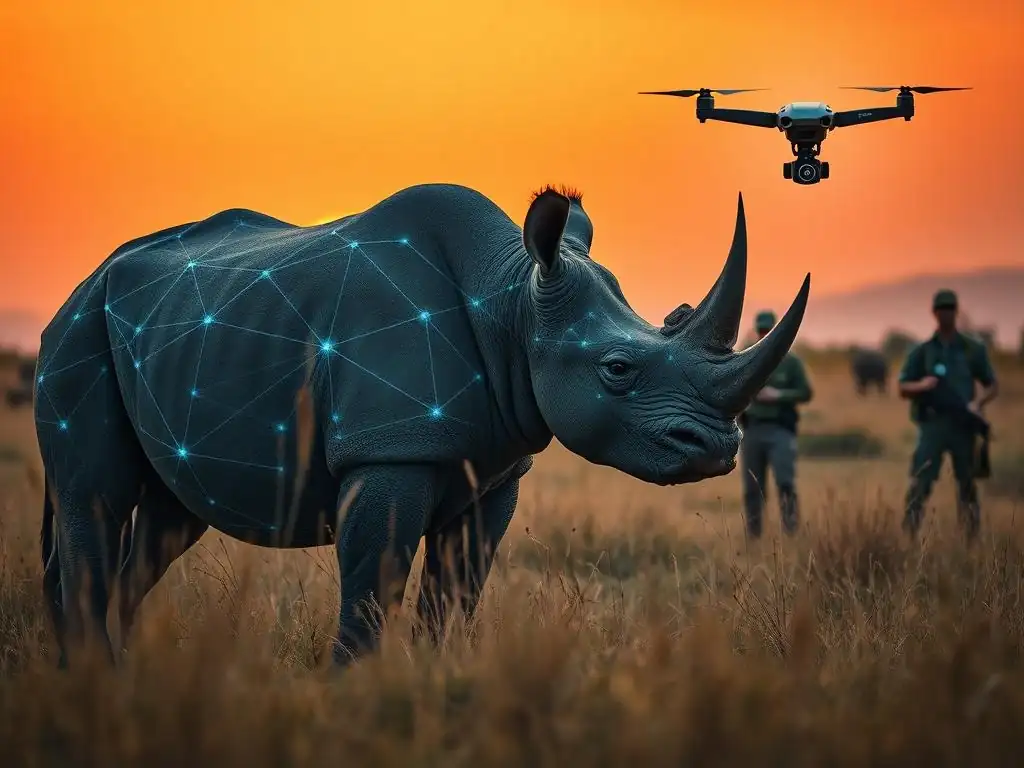
Welcome to Blockchain Trends, your go-to source for understanding the revolutionary impact of blockchain technology. Beyond the hype of cryptocurrencies, discover how this powerful tool is reshaping industries and addressing global challenges.
Curious about how cutting-edge technology can protect our planet? Delve into our latest article and uncover the surprising ways blockchain wildlife crime solutions are being deployed to enhance conservation efforts. Prepare to be amazed by the innovative approaches transforming the fight against illegal wildlife trade.
- Understanding Blockchain's Potential in Combating Wildlife Crime
-
Frequently Asked Questions
- How can blockchain technology be applied to combat wildlife crime?
- What are some examples of how blockchain is currently being used in wildlife conservation?
- What are the key benefits of using blockchain for tracking wildlife products?
- What are the main challenges in implementing blockchain solutions for wildlife crime?
- How can blockchain help with fundraising and donations for wildlife conservation efforts?
- Final Reflection: Securing the Future of Wildlife
- Empower Conservation: Join the Fight Against Wildlife Crime!
Understanding Blockchain's Potential in Combating Wildlife Crime
Transparency and Traceability: Core Blockchain Benefits for Conservation
The inherent nature of blockchain technology, particularly its distributed ledger and cryptographic security, offers unparalleled transparency and traceability, which are fundamental requirements for effective blockchain wildlife crime solutions. Unlike traditional centralized databases prone to manipulation and opacity, a blockchain records every transaction or data entry in a secure, immutable, and verifiable manner across a network of participants.
This means that information about a product's origin, movement, and ownership history cannot be altered or deleted once recorded, creating an indisputable digital trail. For instance, tracking animal products like ivory or pangolin scales—items frequently trafficked illegally—becomes significantly more reliable.
A system could log the initial seizure by authorities, its transfer to a secure facility, and eventual disposal or use in education, providing a complete, auditable history that prevents illicit diversion at any point. This level of verifiable data integrity is crucial in dismantling the complex and often clandestine networks involved in wildlife trafficking.
Furthermore, this enhanced transparency extends beyond simply tracking illicit goods. It can illuminate legal supply chains, making it easier to distinguish between legitimate trade and illegal activities. Consider the timber industry, where illegal logging accounts for an estimated 15-30% of the global timber trade, valued between $52 billion and $157 billion annually.
A blockchain-based system could record the felling permits, the origin of the logs, transportation details, and processing information. Each step is validated by participants in the network, creating a trusted record. Consumers or regulators could scan a code on a timber product and trace its journey back to the forest, verifying its legal and sustainable origin.
This not only helps combat illegal logging but also builds consumer confidence in ethically sourced products, incentivizing legitimate businesses and making it harder for illegal operators to launder their illicit goods within legal markets. Implementing such blockchain wildlife crime solutions provides a powerful deterrent by making illegal activities far riskier and more difficult to conceal.
Enhanced Supply Chain Management for Wildlife Products
Effective supply chain management is critical in industries dealing with high-value or regulated goods, and it's particularly vital when addressing the illegal trade of wildlife products. Blockchain technology revolutionizes this by creating a single, shared, and trustworthy ledger that tracks items from their point of origin through various intermediaries to the final destination. This eliminates information silos and reduces reliance on paper-based records, which are easily forged or lost.
For example, in the legal trade of certain animal products like crocodile skins or exotic leathers, a blockchain can record the CITES (Convention on International Trade in Endangered Species of Wild Fauna and Flora) permits, veterinary certificates, and export/import declarations. Each transaction involving the product—from tannery to manufacturer to retailer—is added to the blockchain, creating an unbroken chain of custody. This significantly reduces the opportunities for illegal products to enter the legitimate market, a common tactic used by wildlife traffickers.
Moreover, the decentralized nature of blockchain ensures that no single entity has complete control over the data, making it more resilient to corruption or coercion. In complex international supply chains involving multiple countries and regulatory bodies, coordinating information and ensuring compliance is a significant challenge. A blockchain provides a neutral, tamper-proof platform where all authorized parties—customs officials, conservation agencies, logistics providers, and businesses—can access and verify the same information in near real-time.
This streamlines processes, reduces delays, and, crucially, highlights discrepancies or suspicious activities that might indicate illegal trafficking. For instance, if a shipment's weight recorded at export doesn't match the weight recorded at import, or if a product's origin doesn't align with its documentation, the system can flag it for investigation. These enhanced supply chain capabilities are fundamental to developing robust blockchain wildlife crime solutions that disrupt illicit networks.
Secure and Immutable Data Storage for Conservation Data
Collecting accurate and reliable data is paramount for effective wildlife conservation efforts, yet managing and securing this data presents significant challenges. Traditional data storage methods can be vulnerable to hacking, unauthorized modification, or accidental loss, undermining the integrity of crucial information about species populations, habitat conditions, poaching incidents, and enforcement activities. Blockchain technology offers a solution by providing a secure, decentralized, and immutable way to store conservation data.
Once data is recorded on a blockchain, it is cryptographically linked to previous blocks, and any attempt to alter it would require changing the majority of copies of the blockchain across the network, which is computationally infeasible. This ensures that conservation records, such as GPS coordinates of poaching hotspots, timestamps of ranger patrols, or DNA profiles of seized animal products, remain accurate and trustworthy over time.
The immutability of data on a blockchain is particularly valuable for building long-term datasets essential for monitoring trends, evaluating conservation strategies, and supporting legal prosecutions against traffickers. For example, tracking the population size of endangered species often involves data collected over many years from various sources. Storing this data on a blockchain ensures its historical integrity, making it a reliable resource for scientific research and policy-making.
Furthermore, sensitive data related to enforcement operations, such as intelligence on trafficking routes or identities of suspects, can be stored securely with restricted access granted only to authorized personnel through cryptographic keys. This protects sensitive information while still maintaining an auditable record of who accessed the data and when. Implementing blockchain for secure data storage is a foundational element for many potential blockchain wildlife crime solutions, providing the reliable data infrastructure needed to power more advanced applications like real-time monitoring and predictive analytics.
Frequently Asked Questions
How can blockchain technology be applied to combat wildlife crime?
Blockchain offers a secure and transparent ledger to track the supply chain of wildlife products, making it harder for illegal goods to enter the market. This can help combat poaching and illegal trading.
What are some examples of how blockchain is currently being used in wildlife conservation?
Some initiatives use blockchain to track and verify the origin of sustainable products, like timber or fish, incentivizing ethical practices. Others are exploring using it to manage and distribute conservation funds transparently.
What are the key benefits of using blockchain for tracking wildlife products?
The key benefits include increased transparency and traceability, making it difficult to counterfeit or falsify documentation. This leads to greater accountability and reduced opportunities for corruption.
What are the main challenges in implementing blockchain solutions for wildlife crime?
Challenges include lack of infrastructure in remote areas, the need for international collaboration and data standardization, and ensuring buy-in from local communities and governments.
How can blockchain help with fundraising and donations for wildlife conservation efforts?
Blockchain can create transparent and auditable donation platforms, allowing donors to see exactly where their money is going. This can increase trust and encourage more funding for crucial conservation projects.
Final Reflection: Securing the Future of Wildlife
The fight against wildlife crime is a relentless battle, and the integration of blockchain technology, as explored throughout this article, offers a powerful new weapon. The potential of blockchain to create transparent, immutable, and secure supply chains for wildlife products is no longer theoretical; it's a tangible solution ready to be deployed. This shift represents a crucial step towards dismantling the criminal networks that profit from the destruction of our planet's biodiversity.
The impact of wildlife crime resonates far beyond the immediate loss of individual animals. It destabilizes ecosystems, threatens livelihoods, and fuels corruption. Witnessing the devastation firsthand underscores the urgent need for innovative solutions like blockchain. The time has come to harness the power of technology to protect our planet's precious wildlife. Blockchain offers a unique opportunity to combat illegal trade and ensure a sustainable future for all.
- Quote from a fictional conservation expert.
As we conclude this exploration of blockchain's potential in combating wildlife crime, I urge you to consider your own role in this critical endeavor. The future of our planet's biodiversity hinges on our collective action. How can you support organizations working to implement blockchain wildlife crime solutions? Educate yourself, advocate for change, and contribute to a world where wildlife thrives, not just survives. The power to make a difference lies within each of us.
Empower Conservation: Join the Fight Against Wildlife Crime!
Thank you for exploring how blockchain technology can revolutionize wildlife conservation. You've gained valuable insights into a powerful tool that can bring transparency and accountability to this critical fight. Now, let's put that knowledge into action!
Here are a few ways you can make an impact today:
- Research and support blockchain-based conservation projects. Many organizations are already leveraging this technology. Find them and contribute!
- Share this article to raise awareness about blockchain's potential in combating wildlife crime and to encourage others to get involved.
- Discuss: Suggest specific blockchain applications to local wildlife conservation groups in your community.
What is the first step you will take today to support wildlife conservation with blockchain technology?
Leave a Reply