
The Future of Green Mining: Sustainable Practices in Blockchain Validation


Welcome to Blockchain Trends, your compass in the rapidly evolving world of decentralized technology.
Delve into the transformative power of blockchain beyond the hype, exploring its impact on finance, enterprise, and the very structure of our future. Are you ready to uncover the secrets of a greener tomorrow? Our lead article, " The Future of Green Mining: Sustainable Practices in Blockchain Validation," kicks off a crucial conversation about sustainable blockchain mining practices and how we can minimize blockchain's environmental footprint. Join us as we explore innovative solutions and the path towards a truly sustainable decentralized future. What if the future of blockchain was not only powerful, but also responsible? Let's find out.
- Introduction to Sustainable Blockchain Mining Practices and Green Mining Technologies
-
Frequently Asked Questions
- What are sustainable blockchain mining practices, and why are they becoming increasingly important?
- How can renewable energy sources be integrated into blockchain mining to promote sustainability?
- What are some alternative consensus mechanisms to Proof-of-Work (PoW) that offer more energy-efficient validation processes?
- What role do regulatory bodies and industry standards play in encouraging the adoption of green mining practices?
- Beyond energy consumption, what other environmental considerations are important for sustainable blockchain mining?
- Final Reflection: Embracing Sustainable Validation
- Reimagine Your Role in Sustainable Blockchain!
Introduction to Sustainable Blockchain Mining Practices and Green Mining Technologies
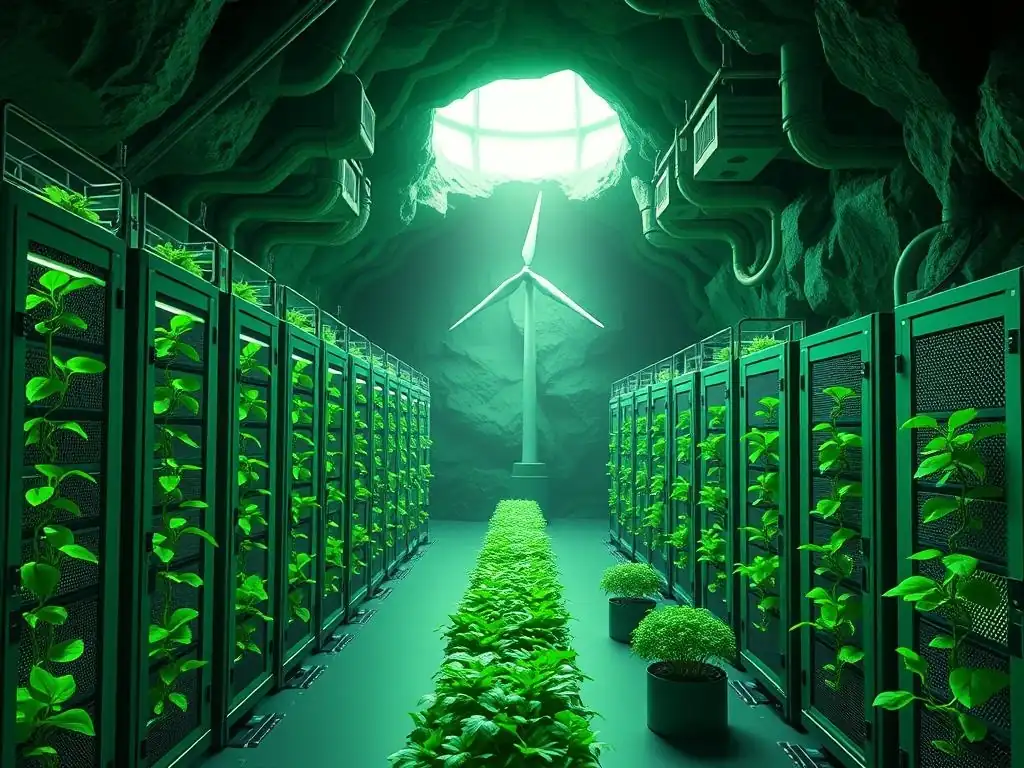
Understanding the Environmental Impact of Traditional Blockchain Mining
Traditional blockchain mining, particularly using the Proof-of-Work (PoW) consensus mechanism, has drawn significant scrutiny due to its substantial energy consumption and environmental footprint. This method relies on powerful computers solving complex mathematical problems to validate transactions and add new blocks to the chain, a process that requires immense computational power running continuously. The energy required to fuel these operations, especially for large networks like Bitcoin, is staggering.
Estimates from various sources, including the Cambridge Bitcoin Electricity Consumption Index (CBECI), have placed Bitcoin's annual energy consumption in the range of 100-200 TWh, comparable to the energy usage of entire countries like Argentina or Norway. This high energy demand often translates into a significant carbon footprint, particularly when the electricity is generated from fossil fuels.
Beyond energy consumption, the environmental impact extends to electronic waste. PoW mining utilizes specialized hardware, primarily Application-Specific Integrated Circuits (ASICs), designed solely for mining cryptocurrency. These devices have a limited lifespan, often becoming obsolete quickly as newer, more efficient models are developed.
The rapid turnover of hardware generates a substantial amount of electronic waste, contributing to landfill issues and the potential release of hazardous materials if not disposed of properly. Addressing these challenges is paramount for the long-term viability and public perception of blockchain technology, driving the critical conversation around sustainable blockchain mining practices and the development of green mining solutions.
The Urgent Need for Sustainable and Eco-Friendly Blockchain Validation
The escalating environmental concerns surrounding traditional blockchain mining necessitate an urgent shift towards sustainable and eco-friendly validation methods. The high energy consumption and carbon emissions associated with PoW have attracted negative attention from environmentalists, policymakers, and the general public, potentially hindering the broader adoption and acceptance of blockchain technology.
Regulatory bodies in various jurisdictions are beginning to examine the energy impact of cryptocurrencies and blockchain, raising the possibility of restrictions or taxes that could impede growth. Transitioning to sustainable blockchain mining practices is not just an environmental imperative but also a strategic necessity for the industry to mitigate these risks and foster a more positive image.
Adopting sustainable practices offers compelling benefits beyond environmental stewardship. Green mining initiatives can lead to reduced operational costs over time, especially as renewable energy sources become more accessible and affordable. Furthermore, demonstrating a commitment to sustainability can enhance the industry's reputation, attracting environmentally conscious investors, users, and enterprises.
Embracing sustainable blockchain validation aligns with global efforts to combat climate change and promotes a more responsible and ethical approach to technological innovation. This urgent need is driving research and development into alternative consensus mechanisms, renewable energy integration, and hardware efficiency, all aimed at making blockchain technology compatible with a sustainable future.
Frequently Asked Questions
What are sustainable blockchain mining practices, and why are they becoming increasingly important?
Sustainable blockchain mining practices refer to methods of validating blockchain transactions that minimize environmental impact. They are becoming important due to growing concerns about the energy consumption of traditional mining methods.
How can renewable energy sources be integrated into blockchain mining to promote sustainability?
Renewable energy sources, such as solar, wind, and hydro power, can directly power mining operations. This significantly reduces the carbon footprint compared to fossil fuel-based energy.
What are some alternative consensus mechanisms to Proof-of-Work (PoW) that offer more energy-efficient validation processes?
Alternatives like Proof-of-Stake (PoS) and Delegated Proof-of-Stake (DPoS) require significantly less energy than PoW. They rely on staking tokens rather than computational power.
What role do regulatory bodies and industry standards play in encouraging the adoption of green mining practices?
Regulatory bodies can incentivize sustainable mining through tax breaks and environmental regulations. Industry standards provide a framework for best practices and accountability.
Beyond energy consumption, what other environmental considerations are important for sustainable blockchain mining?
Important considerations include e-waste management, the sourcing of hardware components, and the overall carbon footprint of the entire mining operation.
Final Reflection: Embracing Sustainable Validation
The exploration of sustainable blockchain mining practices is not merely an academic exercise, but a critical imperative for the future of both digital finance and environmental stewardship. As blockchain technology continues to permeate various sectors, the energy consumption associated with its validation processes demands immediate and innovative solutions. Ignoring this challenge risks undermining the very principles of decentralization and transparency that blockchain seeks to uphold.
The shift towards green mining is more than just a technological upgrade; it's a cultural transformation. It requires a fundamental rethinking of how we value energy consumption and environmental impact within the digital realm. This transition resonates deeply with the growing global awareness of climate change and the urgent need for sustainable alternatives. We do not inherit the earth from our ancestors; we borrow it from our children.
This ancient proverb encapsulates the responsibility we bear to ensure that the technological advancements of today do not compromise the well-being of future generations.
Now, as you reflect on the potential of sustainable blockchain mining practices, consider how you can contribute to this vital movement. Whether you are a developer, investor, or simply a concerned citizen, your awareness and engagement can drive the adoption of greener technologies and shape a future where digital innovation and environmental sustainability go hand in hand. Let us collectively strive to build a blockchain ecosystem that is not only secure and efficient but also environmentally responsible, ensuring a brighter future for all.
Reimagine Your Role in Sustainable Blockchain!
Thank you for exploring the innovative world of green mining with us! We hope you now have a clearer understanding of how sustainable practices are shaping the future of blockchain validation. Are you ready to make a difference?
Here are a few steps you can take to contribute to a greener blockchain future:
- Research and support blockchain projects that prioritize renewable energy and eco-friendly validation methods. Look for platforms and initiatives dedicated to sustainable mining.
- Share this article with your network and start a conversation about the importance of green mining within the blockchain community.
- Consider offsetting your own cryptocurrency footprint by donating to organizations committed to environmental sustainability in the digital space — even a small contribution can create a meaningful impact.
Which sustainable mining practice interests you the most, and how do you plan to incorporate it into your engagement with blockchain technology? Share your thoughts below!
Leave a Reply