
Green Blockchain and Sustainable Fashion: Tracing the Journey of EcoFriendly Clothing

Welcome to Blockchain Trends, your compass in the rapidly evolving world of decentralized technologies!
Ever wondered how blockchain can revolutionize industries beyond just cryptocurrencies? We delve into the transformative potential of this technology, exploring everything from DeFi to enterprise applications and the regulatory landscape.
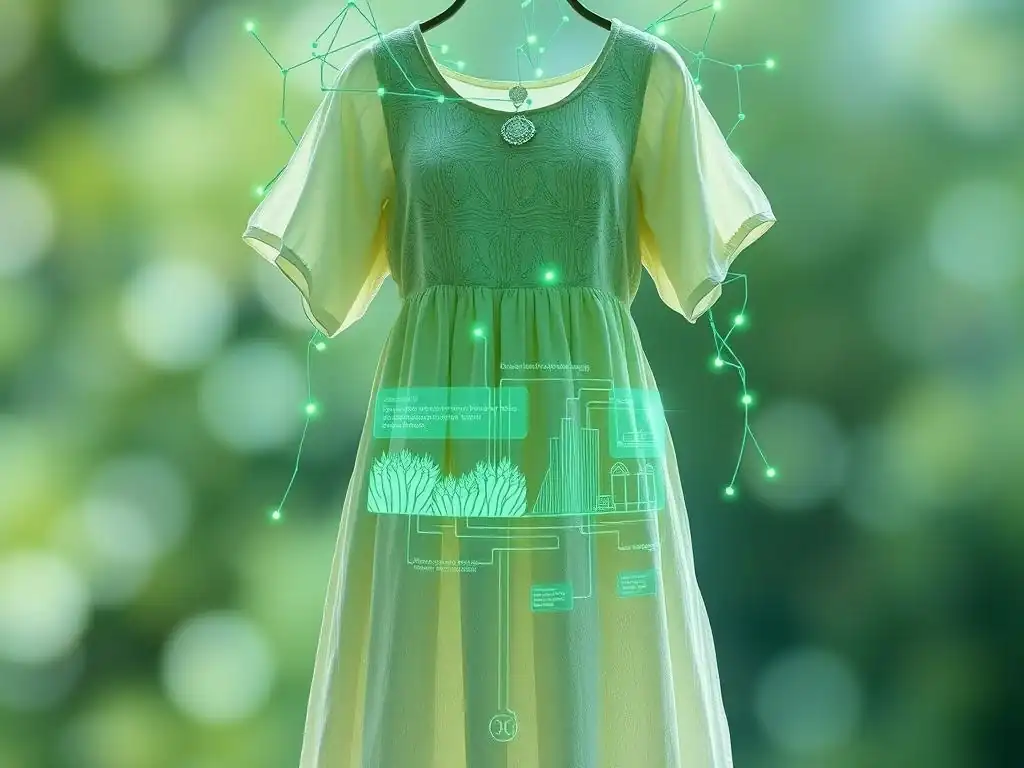
Today, we're focusing on a vital application: the sustainable blockchain fashion supply chain. Discover how blockchain is being used to trace the journey of eco-friendly clothing, ensuring transparency and ethical sourcing. Intrigued? Read on to uncover how this innovative approach is shaping the future of fashion and contributing to a greener planet. Let's explore the possibilities together!
- Introduction: Blockchain's Role in Eco-Friendly Fashion
-
Frequently Asked Questions
- What role does blockchain play in a sustainable fashion supply chain?
- How can blockchain contribute to reducing waste in the fashion industry?
- What are the main challenges in implementing blockchain for sustainable fashion?
- How does blockchain help consumers make more informed and ethical fashion choices?
- What are some examples of real-world applications of blockchain in sustainable fashion?
- Final Reflection: Weaving a Sustainable Future
- Unveil Your Power to Weave a More Sustainable Future!
Introduction: Blockchain's Role in Eco-Friendly Fashion
The Growing Demand for Sustainable Clothing and Transparency
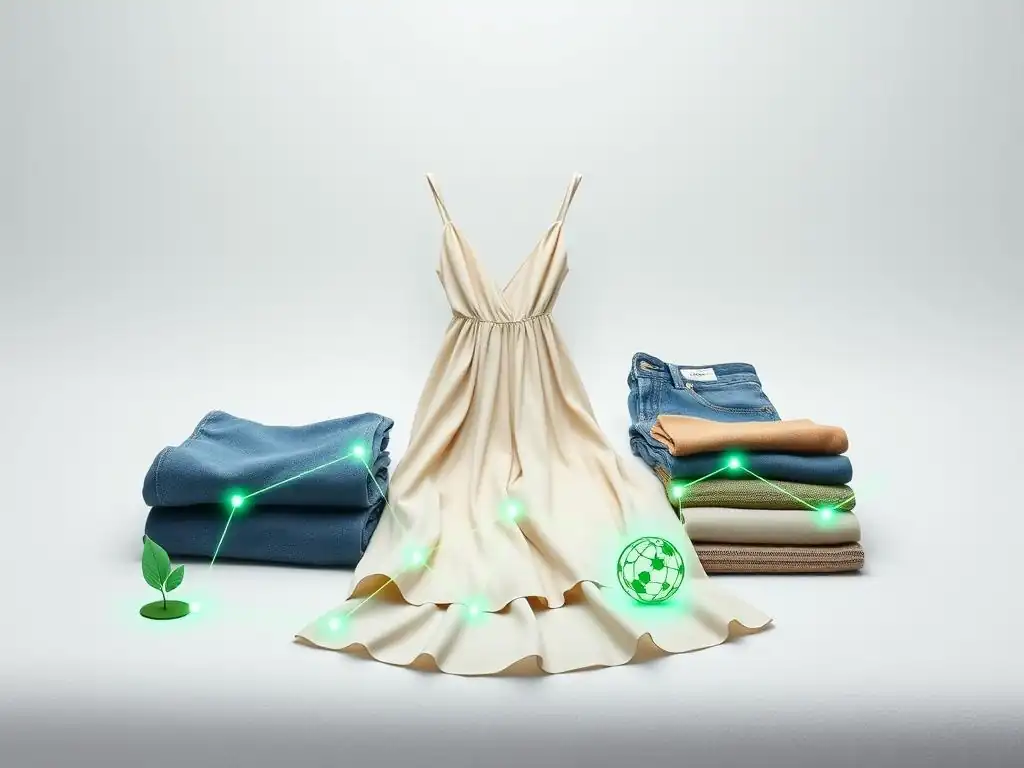
The fashion industry, a global powerhouse generating trillions of dollars annually, faces increasing scrutiny over its environmental and social impact. From excessive water consumption and chemical pollution to labor issues in manufacturing, the traditional fashion supply chain is often opaque and resource-intensive. Consumers are becoming acutely aware of these issues, driving a significant shift towards more sustainable and ethically produced clothing.
Market research indicates a strong upward trend; the global sustainable fashion market was valued at around $8.2 billion in 2022 and is projected to grow substantially, potentially exceeding $33 billion by 2030. This growth is fueled by a desire for apparel that minimizes harm to the planet and its people.
This growing consumer demand for sustainable fashion is intrinsically linked to a demand for transparency. Shoppers no longer just want a label that says "eco-friendly"; they want verifiable proof of where their clothes came from, how they were made, and the materials used. They seek assurance that claims about organic cotton, recycled polyester, fair labor practices, and low environmental impact are accurate.
This lack of clear, trustworthy information within complex, multi-layered supply chains is a major barrier for both consumers and brands genuinely committed to sustainability. Establishing a truly sustainable blockchain fashion supply chain requires a fundamental shift in how information flows and is verified.
How Blockchain Technology Can Revolutionize the Fashion Industry
Blockchain technology, best known for underpinning cryptocurrencies like Bitcoin, offers a powerful solution to the transparency and traceability challenges plaguing the fashion sector. At its core, blockchain is a distributed, immutable ledger that records transactions securely and transparently across a network of computers.
Once data is added to the blockchain, it is extremely difficult to alter or remove, creating a permanent and verifiable history. For the fashion industry, this means the journey of a garment – from the origin of raw materials like cotton or wool, through spinning, weaving, dyeing, manufacturing, and distribution – can be recorded step-by-step on a shared ledger accessible to authorized parties.
Implementing blockchain in the fashion supply chain creates a single source of truth for product information. This can include details about the farm where the cotton was grown (including organic certifications and water usage data), the factory where the fabric was woven (including energy consumption and labor certifications), and the workshop where the garment was assembled (including fair wage verification).
By creating a verifiable digital footprint for each item, blockchain technology empowers brands to back up their sustainability claims with concrete, auditable data. This capability is crucial for building consumer trust and realizing the full potential of a sustainable blockchain fashion supply chain, moving beyond marketing claims to demonstrable impact.
Frequently Asked Questions
What role does blockchain play in a sustainable fashion supply chain?
Blockchain provides transparency and traceability throughout the supply chain. This allows consumers and businesses to verify the authenticity and origin of materials, promoting ethical and sustainable practices. It can also help reduce counterfeit goods.
How can blockchain contribute to reducing waste in the fashion industry?
By tracking each garment's journey, blockchain helps optimize inventory management and predict demand more accurately. This minimizes overproduction and unsold stock, thus reducing textile waste. Furthermore, it supports circular economy initiatives.
What are the main challenges in implementing blockchain for sustainable fashion?
Challenges include the cost of implementation, the need for industry-wide collaboration to standardize data, and ensuring the accessibility of the technology for smaller brands and suppliers. Scalability and energy consumption of certain blockchains are also concerns.
How does blockchain help consumers make more informed and ethical fashion choices?
Blockchain-based platforms provide consumers with verifiable information about a garment's origin, materials, and production processes. This allows them to make conscious purchasing decisions that align with their values and support sustainable brands.
What are some examples of real-world applications of blockchain in sustainable fashion?
Some companies are using blockchain to track organic cotton from farm to finished product, ensuring its authenticity. Others are using it to manage recycling programs and verify the ethical labor practices used in garment production. Provenance is key.
Final Reflection: Weaving a Sustainable Future
The narrative we've explored, tracing the journey of eco-friendly clothing through the lens of green blockchain technology, underscores a crucial point: transparency and sustainability are no longer optional luxuries, but essential imperatives for the fashion industry. The potential of a sustainable blockchain fashion supply chain to revolutionize how we produce, consume, and dispose of clothing is not just a theoretical possibility; it's a tangible solution to a pressing environmental crisis.
This exploration has profoundly impacted my understanding of the interconnectedness of technology, ethics, and consumerism. Witnessing the potential for blockchain to empower consumers with verifiable information about the origins and impact of their clothing choices is truly inspiring. It highlights the power of informed decisions to drive positive change. The greatest threat to our planet is the belief that someone else will save it.
- Robert Swan. This quote resonates deeply, reminding us that individual responsibility, amplified by technological innovation, is key to building a more sustainable future.
Now, consider the threads that connect you to this narrative. How can you, as a consumer, a designer, or simply a conscious citizen, contribute to weaving a more sustainable future for fashion? Let us all strive to demand transparency, support ethical brands, and embrace the power of technology to create a world where fashion is not just beautiful, but also responsible and regenerative. The journey towards a truly sustainable blockchain fashion supply chain requires collective action, and your contribution, however small, can make a significant difference.
Unveil Your Power to Weave a More Sustainable Future!
Thank you for exploring how blockchain is transforming the eco-fashion industry. You've gained valuable insights into the importance of transparency and traceability. Now, it's time to turn that knowledge into action.
Here are some ways you can contribute to building a greener, more ethical fashion landscape:
- Demand Transparency: Actively look for brands that utilize blockchain technology to track their supply chains and verify their sustainability claims. Your purchasing choices can make a significant impact. This is the most important step!
- Dive deeper: Research blockchain platforms dedicated to sustainable fashion initiatives.
- Spread the word: Share this article and other resources on social media to educate friends and family about how blockchain can foster a more sustainable fashion industry.
What small step can you take today to support a more transparent and eco-friendly fashion world? Share your ideas in the comments below!
Leave a Reply