
The Potential of Green Blockchain for Sustainable Agriculture and Food Systems

Welcome to Blockchain Trends, your guide to understanding the revolutionary power of blockchain technology.
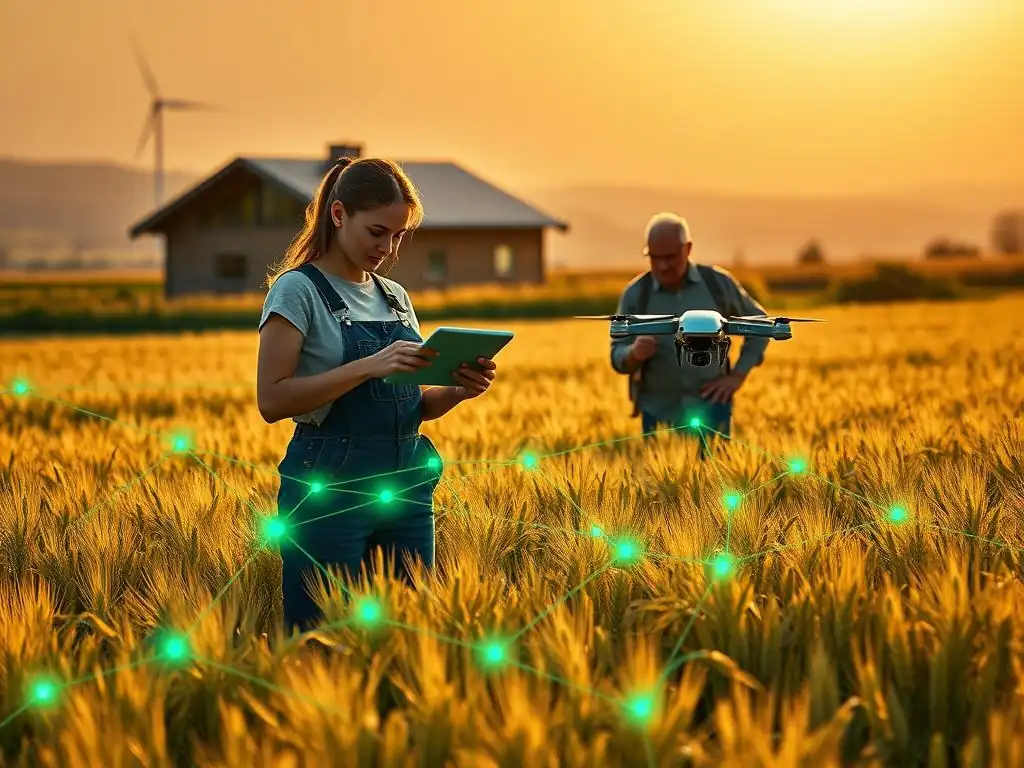
Imagine a future where sustainable agriculture is not just a concept, but a verifiable reality. In this article, we delve into the burgeoning field of Green Blockchain Sustainable Agriculture, exploring how this innovative technology can reshape our food systems for a more environmentally conscious and efficient future. Curious to know how blockchain can help track produce from farm to table and reduce food waste? Let's unlock the potential together...
- Introduction: Blockchain Revolutionizing Viticulture
- Understanding the Challenges in Traditional Wine Industry
- How Blockchain Can Transform Sustainable Wine Production
- Blockchain Applications in Wine Production: Real-World Examples
- Benefits of Blockchain for Sustainable Wine Systems
- Overcoming the Challenges of Implementing Blockchain in Wine Production
- The Future of Blockchain in Sustainable Wine Production
- Conclusion: Embracing Blockchain for a Sustainable Wine Future
-
Frequently Asked Questions
- How can blockchain technology contribute to sustainable agriculture?
- What is "green blockchain" and how does it relate to agriculture?
- How does blockchain improve transparency in the food supply chain?
- What are some challenges to implementing blockchain in sustainable agriculture?
- How can blockchain help smallholder farmers participate in sustainable agriculture markets?
- Final Reflection: Cultivating a Sustainable Future with Green Blockchain
- Cultivate Change: Sow the Seeds of Sustainable Food!
Introduction: Blockchain Revolutionizing Viticulture
The Urgent Need for Sustainable Practices in Wine Production
The global wine industry, a sector deeply rooted in tradition and connected to the land, faces significant environmental and ethical challenges. Climate change, characterized by unpredictable weather patterns, increased temperatures, and water scarcity, directly impacts vineyard viability and grape quality. Traditional farming practices often rely on intensive water usage, synthetic pesticides, and fertilizers, leading to soil degradation, biodiversity loss, and water pollution.
Furthermore, the carbon footprint associated with production, packaging, and global distribution is substantial. Addressing these environmental concerns is not merely an ethical imperative but is becoming crucial for the long-term economic sustainability of vineyards worldwide. Consumers are increasingly demanding products that are not only high quality but also produced responsibly, creating market pressure for the adoption of greener practices.
Beyond environmental impacts, the wine industry grapples with social and ethical issues. Labor practices in some regions can be exploitative, and ensuring fair wages and safe working conditions throughout the production process is vital. The intricate global supply chain, from grape harvesting to bottling and distribution, can make it difficult to maintain transparency and accountability.
This opacity also fuels the pervasive problem of counterfeit wine, which harms legitimate producers, defrauds consumers, and undermines the industry's reputation. The confluence of these environmental, social, and economic pressures necessitates a transformative approach to how wine is produced, verified, and delivered to the consumer, paving the way for innovative solutions that can foster true sustainability.
Introducing Blockchain: A Solution for Environmental and Ethical Concerns
Blockchain technology, often associated with cryptocurrencies, offers a powerful framework for addressing many of the sustainability and transparency challenges plaguing the wine industry. Its core characteristics—immutability, transparency (within the network), and decentralization—make it uniquely suited for creating verifiable records of origin, production methods, and supply chain movements.
By providing a secure and shared ledger, blockchain can track every step a bottle of wine takes, from the vineyard where the grapes were grown, through fermentation, bottling, and distribution, right to the final point of sale. This end-to-end traceability builds trust and provides consumers with verifiable proof of a wine's journey and production claims.
Implementing blockchain in wine production can specifically support green blockchain sustainable agriculture practices. It allows vineyards to record and verify their adherence to organic farming standards, track water conservation efforts (e.g., recording precise irrigation data), document the use of renewable energy, and monitor biodiversity initiatives. This verifiable data can then be shared with supply chain partners and consumers, demonstrating a tangible commitment to environmental stewardship.
Moreover, blockchain can facilitate fairer compensation models for producers by potentially enabling direct sales or streamlining payment processes, contributing to social sustainability. The technology acts as a digital passport for each bottle, embedding crucial information about its origin, production, and sustainability credentials onto an unalterable record.
Defining Blockchain and its Core Principles in Wine Context
At its heart, blockchain is a distributed, immutable ledger that records transactions across many computers. In the context of the wine industry, these "transactions" are not just financial; they are records of events and data points throughout the wine's lifecycle. When a vineyard harvests grapes, ferments wine, bottles it, or ships it, this data can be recorded as a block of information.
This block is then linked cryptographically to the previous block, forming a chain. Once added, this block cannot be altered or deleted without consensus from the network participants, ensuring the integrity and trustworthiness of the data. This inherent immutability is critical for verifying claims about origin, authenticity, and sustainable practices.
The "distributed" nature means that copies of the ledger are held by multiple participants in the network (e.g., vineyards, bottlers, distributors, retailers), rather than being centralized in one place. This decentralization makes the system more resilient to fraud and manipulation. If one copy of the ledger is compromised, the others remain intact, and the network can verify the correct information.
This transparency, where authorized parties can view the transaction history, allows stakeholders across the wine supply chain, and potentially consumers, to access verifiable information about a specific bottle. These core principles—immutability, distribution, and transparency—are what enable blockchain to build a foundation of trust and accountability necessary for promoting sustainable and ethical practices within the complex world of wine production and distribution.
Understanding the Challenges in Traditional Wine Industry
Environmental Impact of Current Wine Production Methods
Current wine production methods often place significant strain on natural resources and ecosystems. Water consumption is a major concern, particularly in arid or semi-arid wine regions. While exact figures vary greatly depending on climate and irrigation techniques, producing just one liter of wine can require hundreds of liters of water when considering vineyard irrigation, frost protection, and winery processes like cleaning.
The reliance on synthetic pesticides, herbicides, and fertilizers to maximize yields or combat diseases leads to chemical runoff that pollutes waterways and harms soil health, reducing its ability to retain water and sequester carbon. Approximately 10-20% of vineyard land globally is treated with pesticides, impacting biodiversity and posing risks to vineyard workers and nearby communities.
Furthermore, the energy required for vineyard operations (tractors, pumps), winery processes (temperature control, bottling), and the extensive transportation network contributes significantly to the industry's carbon footprint. Glass bottles, while traditional, are heavy and energy-intensive to produce and transport, representing a substantial portion of the carbon emissions associated with a bottle of wine. Waste management, including grape pomace, wastewater, and packaging materials, also presents environmental challenges. These impacts highlight the urgent need for the industry to transition towards more sustainable, resource-efficient, and lower-emission practices, which green blockchain sustainable agriculture initiatives aim to support by providing verification mechanisms.
Supply Chain Opacity and Authenticity Issues
The traditional wine supply chain is notoriously complex and often lacks end-to-end visibility. A bottle of wine might pass through numerous intermediaries—negotiants, importers, distributors, retailers—before reaching the consumer. At each handover point, information can be lost, altered, or simply not shared efficiently. This opacity makes it difficult to trace a wine's true origin, verify its handling conditions (e.g., temperature during transport), and confirm its authenticity. The lack of a single, trusted source of information creates fertile ground for fraud and counterfeiting, which is a multi-billion dollar problem globally, impacting high-end wines particularly severely but also affecting mid-range products.
Counterfeit wines can range from refilled bottles of cheaper wine sold as expensive vintages to entirely fabricated labels and bottles. This not only defrauds consumers but also damages the reputation of legitimate producers and regions. Without a robust, verifiable tracking system, proving a wine's provenance and journey is challenging and often relies on paper trails or centralized databases that are susceptible to errors or malicious manipulation. This inherent lack of trust and transparency in the supply chain undermines consumer confidence and hinders efforts to verify ethical sourcing and sustainable production claims.
The Role of Technology in Addressing Wine Industry Challenges
Technology has long played a role in viticulture and winemaking, from precision agriculture tools in the vineyard to advanced fermentation control systems in the winery. However, traditional technologies have often focused on optimizing individual stages of production rather than providing integrated, transparent solutions across the entire supply chain. Centralized databases used for inventory or logistics can offer some level of tracking, but they are vulnerable to single points of failure, data tampering, and are often not designed for secure, multi-party sharing of sensitive information across disparate entities.
Emerging technologies like IoT (Internet of Things) sensors can collect valuable data on vineyard conditions (soil moisture, temperature), storage environments (humidity, temperature during transport), or even packaging integrity. However, collecting this data is only part of the solution.
The challenge lies in securely storing this data, linking it reliably to a specific product (a bottle or a batch), and making it accessible and verifiable to authorized parties throughout the supply chain and potentially to the end consumer. This is where blockchain technology offers a crucial advantage, providing a secure and immutable layer for recording and verifying the data collected by other technologies, thereby enabling true end-to-end transparency and building trust in the wine's journey and its sustainability credentials.
How Blockchain Can Transform Sustainable Wine Production
Enhancing Traceability and Transparency in the Wine Supply Chain
Tracking Wine from Vineyard to Consumer with Blockchain
Blockchain technology provides a unique capability to create a comprehensive, immutable record of a bottle of wine's journey from its origin to the final consumer. Each significant event in the wine's lifecycle – planting, harvesting, fermentation, aging, bottling, packaging, shipping, distribution to specific retailers, and even purchase by a consumer – can be recorded as a transaction on the blockchain.
This creates a digital trail that is transparent to authorized participants in the network. For instance, when grapes are harvested from a specific block in a vineyard, this event, potentially linked to data like harvest date, yield, and even vineyard practices (e.g., organic certification), can be added to the blockchain.
As the grapes move to the winery, are fermented, and bottled, subsequent data points like fermentation temperature profiles, bottling date, and batch numbers are added, building a detailed history for that specific batch or even individual bottle if unique identifiers (like QR codes or NFC tags) are used.
This granular level of tracking provides unprecedented visibility into the supply chain. Distributors can verify the source and handling history of the wine they receive, retailers can assure customers of provenance, and consumers can potentially scan a code on the bottle to access a verified history.
This contrasts sharply with traditional systems where information is siloed and often difficult to consolidate or verify across different stakeholders. By establishing a single, shared source of truth, blockchain significantly reduces information asymmetry and builds trust among all parties involved, from the vineyard owner practicing green blockchain sustainable agriculture to the consumer enjoying the final product.
Combating Counterfeiting and Ensuring Authenticity
One of the most significant benefits of implementing blockchain in the wine industry is its power to combat counterfeiting and guarantee authenticity. By assigning a unique digital identity (often linked to a physical identifier like a secure QR code or NFC tag on the bottle or case) to each unit from the point of bottling, a verifiable link is created between the physical product and its digital history on the blockchain. When a bottle moves through the supply chain, each transfer of ownership or location scan can be recorded. This creates a secure chain of custody.
If a bottle is suspected of being counterfeit, its unique identifier can be scanned. The blockchain record will show its complete, verified history – where it was bottled, who handled it, and where it was supposed to go.
A counterfeit bottle, lacking this verifiable digital history or presenting a history that doesn't match expectations (e.g., showing it was bottled years after the vintage date, or shipped from an incorrect location), can be easily flagged as suspicious. This makes it significantly harder for counterfeiters to inject fake bottles into the legitimate supply chain and provides consumers with a reliable tool to verify the authenticity of their purchase simply by scanning a code on the bottle, thereby protecting both producers and consumers from fraud.
Promoting Sustainable Viticulture through Blockchain
Incentivizing Organic and Biodynamic Farming Techniques
Blockchain can play a crucial role in promoting and incentivizing the adoption of sustainable viticulture practices, including organic and biodynamic farming. These methods often involve higher costs and risks for vineyards but yield significant environmental benefits, contributing to green blockchain sustainable agriculture.
By using blockchain to record and verify adherence to specific organic or biodynamic certification standards, vineyards can create an immutable proof of their sustainable efforts. Data points such as the absence of synthetic pesticides (verified through audits or even soil testing data recorded on-chain), the use of cover crops, composting practices, or adherence to biodynamic calendar principles can be documented and linked to specific grape harvests or wine batches.
This verifiable record allows sustainable vineyards to differentiate their products in the market. Consumers who prioritize environmentally friendly products are often willing to pay a premium for certified organic or biodynamic wines. Blockchain provides the secure, transparent proof that these claims are legitimate, building consumer trust and potentially increasing market access and profitability for vineyards that invest in these practices. Furthermore, blockchain-based platforms could potentially facilitate carbon credit trading or other environmental incentives directly linked to verified sustainable farming data recorded on the ledger.
Monitoring and Verifying Sustainable Practices (e.g., Water Usage)
Beyond certifications, blockchain enables granular monitoring and verification of specific sustainable practices, such as water usage efficiency. Vineyards can integrate IoT sensors into their irrigation systems to measure the precise amount of water used per vine or per hectare. This data, along with rainfall data and soil moisture readings, can be automatically recorded onto the blockchain. This creates a transparent and verifiable record of water consumption, allowing vineyards to demonstrate improvements in water efficiency over time. Similarly, energy consumption from pumps or temperature control systems, renewable energy generation on-site, or waste diversion rates can be tracked and recorded.
This level of data collection and immutable recording provides powerful evidence of a vineyard's commitment to sustainability. It allows for accurate reporting on environmental metrics, which can be used for sustainability audits, certifications, or shared directly with conscious consumers. For instance, a wine label could potentially feature a QR code that links to a blockchain record showing the water usage per bottle, verified by immutable data. This transparency validates green blockchain sustainable agriculture claims and empowers consumers to make informed choices based on tangible, verifiable environmental performance data.
Improving Supply Chain Efficiency and Reducing Costs
Streamlining Wine Distribution with Blockchain
The traditional wine distribution network often involves complex paperwork, manual data entry, and multiple handoffs, leading to inefficiencies and delays. Implementing a blockchain-based supply chain management system can significantly streamline these processes. When a batch of wine is ready for distribution, all relevant information – batch number, quantity, destination, shipping date, temperature requirements, etc. – can be recorded on the blockchain. As the wine moves through the supply chain, each transfer of custody between parties (e.g., from winery to transporter, transporter to distributor, distributor to retailer) is recorded as a transaction on the shared ledger.
This creates a real-time, shared view of the wine's location and status for all authorized participants. Smart contracts, self-executing contracts with the terms of the agreement directly written into code, can automate certain processes. For example, a smart contract could automatically trigger payment to the vineyard or distributor once the wine is scanned and received by the next party in the chain, based on the verified blockchain record. This automation reduces administrative overhead, minimizes errors associated with manual data handling, and accelerates the flow of goods and payments throughout the supply chain, leading to greater overall efficiency.
Lowering Transaction Costs and Increasing Profitability for Vineyards
By streamlining processes and reducing the need for intermediaries or extensive paperwork, blockchain can contribute to lowering transaction costs throughout the wine supply chain. Automated payments via smart contracts eliminate manual invoicing and reconciliation processes, reducing administrative expenses. The increased transparency and security provided by the blockchain also reduce the risk of disputes over quantity, quality, or authenticity, which can be costly and time-consuming to resolve. Furthermore, by providing verifiable data on origin and sustainable practices, vineyards can potentially access new markets or command higher prices from consumers willing to pay a premium for authenticated, sustainably produced wines.
Moreover, blockchain-based platforms can potentially enable vineyards to connect more directly with consumers, reducing reliance on traditional distribution channels that take a significant margin. Direct-to-consumer (DTC) sales, facilitated and verified by blockchain, could allow vineyards to retain a larger share of the retail price, increasing their profitability. The reduction in fraud risk also protects vineyards' revenue and brand reputation. By improving efficiency, reducing costs, and potentially opening new revenue streams, blockchain technology offers tangible economic benefits that support the long-term viability and sustainability of wine production, particularly for smaller vineyards embracing green blockchain sustainable agriculture practices.
Blockchain Applications in Wine Production: Real-World Examples
Case Study 1: WineChain - Connecting Producers Directly with Consumers
WineChain is an example of a platform leveraging blockchain technology to create a direct connection between wine producers and consumers. The platform focuses on authenticated fine wines, providing a digital certificate of ownership and provenance for each bottle, stored on the blockchain. This allows consumers to buy wines directly from the producers or trusted merchants with the assurance that the wine's history and authenticity are verifiable. Each bottle is linked to a unique Non-Fungible Token (NFT) on the blockchain, representing its digital identity and ownership.
By bypassing traditional multi-layered distribution channels, WineChain aims to provide greater transparency, reduce the risk of counterfeiting, and allow producers to build closer relationships with their customers. For producers, this model can offer better control over their brand image and potentially higher margins by reducing intermediary costs.
For consumers, it provides access to a curated selection of wines with guaranteed authenticity and a verifiable history, building trust in their purchase. While primarily focused on authenticity and ownership, this direct connection model also facilitates the sharing of verifiable information about production methods, potentially including sustainable practices, directly from the vineyard to the consumer.
Case Study 2: eProvenance - Ensuring Wine Quality and Authenticity through Tracking
eProvenance is a company that has been a pioneer in using technology to track wine shipments to ensure quality and authenticity, and they have integrated blockchain into their solutions. Their system uses temperature and humidity sensors placed in wine cases during transport and storage. This data is crucial for maintaining the quality of fine wines, as exposure to extreme temperatures or fluctuations can damage the wine. This environmental data, along with location tracking data, is recorded and stored.
By incorporating blockchain technology, eProvenance adds a layer of immutable trust to this tracking data. The sensor readings and logistics information are recorded on the blockchain, creating a secure and verifiable history of the wine's environmental conditions during its journey. This allows distributors, retailers, and collectors to verify that the wine has been stored and transported within acceptable temperature ranges, assuring its quality.
The immutable ledger also provides robust proof of the wine's chain of custody, further enhancing its authenticity. This integration of IoT data with blockchain provides a powerful tool for preserving the value and integrity of wine while also offering insights into supply chain efficiency and handling, relevant for maintaining the quality of wines produced using green blockchain sustainable agriculture methods.
Case Study 3: IBM Food Trust - Improving Supply Chain Visibility for Wine Retailers
While not solely focused on wine, the IBM Food Trust platform is a prominent example of how blockchain can be used to enhance traceability and transparency across complex food and beverage supply chains, including wine. This platform connects growers, processors, distributors, and retailers on a permissioned blockchain network, allowing participants to securely share and access supply chain data. For wine retailers and distributors, joining such a network provides unprecedented visibility into the origin and journey of the wines they stock.
Participants on the IBM Food Trust network can upload data points such as vineyard location, harvest dates, processing information, shipping routes, and storage conditions. This data is then accessible to other authorized network members, creating a shared, immutable record.
In the event of a recall or quality issue, this enhanced traceability allows retailers to quickly identify the affected products and their source, significantly reducing the time it takes to respond from days or weeks to potentially seconds. While its primary focus is food safety and efficiency, the platform's capability for detailed, secure tracking can also be leveraged to share and verify information about sustainable production practices, supporting the broader goals of green blockchain sustainable agriculture within the retail context.
Benefits of Blockchain for Sustainable Wine Systems

Environmental Benefits: Reducing Water Usage and Pesticide Application
Implementing blockchain technology in wine production can contribute significantly to environmental sustainability by providing verifiable data related to resource management. By tracking and recording granular data on water usage, such as irrigation volumes per block or per vine, vineyards can gain precise insights into their water footprint. When this data is immutably stored on a blockchain, it provides a transparent record of water efficiency efforts.
This enables vineyards to identify areas for improvement, optimize irrigation schedules based on verifiable data, and demonstrate progress towards reducing water consumption. For instance, a vineyard aiming to reduce its water use by 15% over five years could use blockchain to track and prove this achievement, potentially linking it to specific wine batches.
Similarly, blockchain can help monitor and verify the adoption of practices that reduce reliance on synthetic pesticides and fertilizers. Vineyards practicing organic or biodynamic farming can record details of their treatments (e.g., use of natural sprays, compost application) and absence of prohibited substances on the blockchain. This verifiable record, potentially linked to external audits or certifications also recorded on-chain, provides credible proof of their commitment to minimizing chemical inputs.
This not only protects soil health and local ecosystems but also resonates with environmentally conscious consumers. The transparency offered by blockchain validates these green blockchain sustainable agriculture efforts, encouraging more vineyards to adopt less harmful farming methods by providing a platform to showcase and gain recognition for their environmental stewardship.
Economic Benefits: Empowering Vineyards and Increasing Market Access
Blockchain technology offers several economic advantages for vineyards, particularly smaller producers who may face challenges in traditional distribution channels. By enabling direct or more streamlined connections with consumers and reducing reliance on multiple intermediaries, vineyards can potentially increase their profit margins. Platforms that facilitate direct sales with blockchain-verified authenticity allow vineyards to capture more of the final retail price, rather than a fraction after distributors and retailers take their cuts. For example, a small family-owned vineyard could use a blockchain platform to sell directly to international consumers, bypassing traditional import/export complexities and costs, provided regulatory hurdles are met.
Furthermore, the ability to provide verifiable proof of origin, quality, and sustainable practices through blockchain can open up new market opportunities. Consumers are increasingly willing to pay a premium for wines with transparent provenance and strong sustainability credentials. A vineyard that can prove, via an immutable blockchain record, that its wine was produced using verified organic methods and minimal water usage can attract a segment of the market specifically seeking green blockchain sustainable agriculture products. This differentiation can lead to increased sales, higher prices, and stronger brand loyalty, ultimately empowering vineyards economically and supporting their long-term viability.
Beyond environmental and economic impacts, blockchain can contribute to social sustainability in the wine industry by promoting transparency regarding labor practices. While more complex to implement, blockchain could potentially be used to record and verify data related to labor conditions, such as wage payments, working hours, and safety training certifications, linked to specific vineyard operations or harvests.
This could provide a level of accountability that helps ensure fair treatment of vineyard workers and supply chain employees. Although sensitive due to privacy concerns, aggregated or certified labor practice data could potentially be made available on-chain to demonstrate a commitment to ethical sourcing.
Crucially, blockchain builds consumer trust by providing unprecedented transparency and verifiable information about the wine they purchase. Consumers are increasingly demanding to know where their food and drinks come from, how they were produced, and under what conditions.
By scanning a QR code on a bottle and accessing a blockchain record showing the wine's journey, origin, production methods (including sustainable practices), and authenticity verification, consumers gain confidence in their purchase. This transparency combats consumer deception through counterfeiting and mislabeling and allows consumers to support vineyards that align with their values, such as those committed to green blockchain sustainable agriculture and ethical labor practices, fostering a more informed and trusting relationship between producers and consumers.
Overcoming the Challenges of Implementing Blockchain in Wine Production
Addressing Scalability and Interoperability Issues for Small Vineyards
Implementing blockchain technology, particularly for tracking individual bottles across complex supply chains, can be resource-intensive in terms of data storage and processing. This poses a potential challenge for small vineyards or producers with limited technical infrastructure and budgets. Public blockchains, while decentralized, can face scalability issues with a very high volume of transactions (like tracking millions of individual bottles), leading to slower transaction speeds and higher costs (gas fees). Permissioned or private blockchains might offer better scalability and lower costs but require careful consideration of governance and access control.
Interoperability is another key challenge. The wine supply chain involves numerous different businesses, each potentially using different systems or even different blockchain platforms. Ensuring that data can flow seamlessly and securely between these disparate systems is crucial for end-to-end traceability.
For small vineyards, integrating their existing (often manual or basic) data recording processes with a blockchain system requires investment in new tools, training, and potentially middleware. Solutions must be designed with the capabilities and constraints of smaller producers in mind, perhaps offering simplified interfaces or tiered levels of participation that are cost-effective and easy to adopt, focusing initially on key data points relevant to green blockchain sustainable agriculture like organic certification verification.
Ensuring Data Security and Privacy of Vineyard Information
While blockchain is inherently secure due to its cryptographic nature and immutability, the data entered onto the blockchain must be accurate and secure at the point of origin. If incorrect or fraudulent data is entered initially, the blockchain will faithfully record that inaccurate information. Ensuring the integrity of data input from vineyards and other participants is paramount. This requires robust identity verification of participants and secure methods for recording data, potentially involving IoT devices with secure data streams or trusted third-party verification services.
Privacy is also a significant concern, particularly for sensitive business data. Vineyards may be hesitant to share detailed information about their production processes, yields, or customer lists on a shared ledger, even a permissioned one.
While blockchain technology can be designed with different levels of data visibility (e.g., sharing only hashes of sensitive data, or using zero-knowledge proofs), careful consideration must be given to what data is recorded on-chain and who has permission to access it. Balancing the need for transparency for traceability and sustainability verification with the need to protect proprietary business information is a critical design challenge for wine blockchain solutions aiming to support initiatives like green blockchain sustainable agriculture without compromising competitiveness.
Promoting Collaboration and Education Among Wine Industry Stakeholders
The successful adoption of blockchain in the wine industry requires widespread collaboration and education across a traditionally fragmented sector. Vineyards, wineries, distributors, logistics providers, retailers, and even regulatory bodies need to agree on standards, data formats, and protocols for recording and sharing information on the blockchain. Building consensus among diverse stakeholders with varying technological capabilities and business interests is a complex undertaking. A lack of common standards could lead to isolated blockchain initiatives that cannot communicate with each other, hindering the goal of end-to-end traceability.
Educating stakeholders about what blockchain is, how it works, and its potential benefits is essential to drive adoption. Many participants, particularly smaller vineyards, may lack technical expertise or be skeptical of new technologies. Demonstrating clear return on investment, providing accessible training, and showcasing successful pilot projects are crucial steps. Industry associations and regional bodies can play a vital role in facilitating collaboration, developing industry-specific standards for blockchain implementation (especially for verifying green blockchain sustainable agriculture practices), and providing educational resources to encourage broader participation and overcome resistance to change.
The Future of Blockchain in Sustainable Wine Production
Emerging Trends and Innovations in Blockchain-Based Wine Tracking
The future of blockchain in sustainable wine production is likely to see several emerging trends and innovations. One key area is the integration of more sophisticated IoT devices directly with blockchain platforms. Sensors capable of monitoring not just temperature and humidity but also soil health, pest presence, or even grapevine stress levels can provide richer, real-time data from the vineyard. Recording this data immutably on the blockchain can offer unprecedented insights into vineyard management practices and their impact on sustainability, providing granular proof of green blockchain sustainable agriculture efforts.
Another trend is the development of more user-friendly interfaces and mobile applications that make it easier for producers, particularly those with limited technical skills, to interact with blockchain platforms. Simplified data entry, automated data capture from connected devices, and intuitive dashboards for viewing supply chain and sustainability data will be crucial for wider adoption.
Furthermore, we may see innovations in using zero-knowledge proofs or other privacy-preserving technologies to allow verification of sensitive data (like income or specific labor costs for fair trade verification) without revealing the underlying raw information, addressing privacy concerns while maintaining trust. The use of NFTs is also evolving beyond just ownership certificates to potentially embed richer data about the wine's origin and sustainability journey.
The Role of Certification and Standards in Supporting Blockchain Adoption
The integration of existing sustainability certifications and standards with blockchain technology will be critical for the widespread adoption of blockchain in promoting sustainable wine. Organizations that certify organic, biodynamic, sustainable, or fair trade practices can leverage blockchain to issue digital, verifiable credentials. Instead of relying solely on paper certificates or centralized databases, certification bodies could record the status and audit results of certified vineyards directly onto a blockchain ledger, linked to the specific wine batches produced.
This integration provides a secure and transparent way for anyone in the supply chain or a consumer to verify a vineyard's certification status simply by accessing the blockchain record associated with a bottle. This reduces the potential for fraudulent claims of certification and streamlines the verification process.
Industry-wide standards for how sustainability data is recorded on the blockchain – what metrics are included for green blockchain sustainable agriculture, how they are measured, and how they are linked to specific product identifiers – will be essential to ensure interoperability and comparability across different producers and regions, building a cohesive framework for trust.
Towards a More Sustainable and Transparent Wine Industry
The trajectory suggests that blockchain technology, combined with other innovations like IoT and data analytics, is set to play an increasingly important role in transforming the wine industry towards greater sustainability and transparency. While challenges related to cost, scalability, interoperability, and education remain, ongoing development and successful pilot projects are demonstrating the tangible benefits. As the technology matures and becomes more accessible, it will empower vineyards to prove their commitment to environmentally friendly practices, ensure ethical sourcing, and build trust with consumers by providing verifiable provenance and quality assurance.
Ultimately, the widespread adoption of blockchain can help create a wine ecosystem where transparency is the norm, not the exception. Consumers will have the tools to make informed choices based on reliable data about the wines they purchase, rewarding producers who prioritize sustainability and ethical practices. This shift, driven by technology and consumer demand, holds the potential to foster a more resilient, equitable, and environmentally conscious wine industry for the future. The vision of green blockchain sustainable agriculture applied to viticulture represents a significant step towards achieving these goals.
Conclusion: Embracing Blockchain for a Sustainable Wine Future
The Transformative Potential of Blockchain in Viticulture
Blockchain technology presents a profound opportunity to revolutionize the wine industry, moving it towards a more sustainable, transparent, and equitable future. Its ability to create immutable, distributed ledgers provides the foundation for unprecedented traceability from the vineyard to the consumer, effectively combating counterfeiting and ensuring authenticity. By enabling verifiable recording of sustainable practices, such as reduced water usage, organic farming, and lower pesticide application, blockchain empowers vineyards practicing green blockchain sustainable agriculture to demonstrate their environmental stewardship credibly. This not only helps preserve natural resources but also meets the growing consumer demand for ethically and sustainably produced goods.
Beyond environmental benefits, blockchain enhances supply chain efficiency, potentially reducing costs for producers and improving market access. It also offers a framework for increasing transparency regarding labor practices and building stronger trust with consumers by providing verifiable proof of a wine's journey and credentials. While implementation challenges exist, including technical hurdles and the need for industry-wide collaboration and education, the demonstrated benefits in pilot projects and early applications highlight the significant transformative potential of this technology for the entire viticulture ecosystem.
Call to Action: Promoting Blockchain Adoption in Wine Production and Distribution
Embracing blockchain is not just a technological upgrade; it is a strategic imperative for the wine industry to address pressing environmental, social, and economic challenges. To accelerate the adoption of this technology and unlock its full potential for a sustainable wine future, several actions are needed. Industry associations should take a leading role in developing standards for blockchain implementation, particularly for recording and verifying sustainability data relevant to green blockchain sustainable agriculture. Educational initiatives are crucial to inform vineyards and other stakeholders about the benefits and practicalities of using blockchain.
Furthermore, pilot projects and collaborations between technology providers and wine industry participants should be encouraged to demonstrate successful use cases and refine solutions tailored to the specific needs of the sector, including small producers. Consumers can also play a role by seeking out and supporting wines that offer blockchain-verified transparency and sustainability credentials. By working together, stakeholders across the wine value chain can leverage blockchain to build a more transparent, trustworthy, and truly sustainable industry that benefits producers, consumers, and the planet alike.
Frequently Asked Questions
How can blockchain technology contribute to sustainable agriculture?
Blockchain offers enhanced traceability within the supply chain, promoting transparency and accountability. This helps to verify sustainable farming practices and reduce fraud. It can also facilitate direct connections between farmers and consumers.
What is "green blockchain" and how does it relate to agriculture?
"Green blockchain" refers to blockchain solutions that minimize energy consumption and environmental impact. In agriculture, this means using energy-efficient consensus mechanisms for data validation and reducing the carbon footprint of supply chain operations.
How does blockchain improve transparency in the food supply chain?
Blockchain's immutable ledger allows for tracking products from farm to consumer with verifiable data. This transparency helps build trust, combats food fraud, and enables consumers to make informed purchasing decisions.
What are some challenges to implementing blockchain in sustainable agriculture?
Challenges include the initial investment in technology, the need for digital literacy among farmers, and ensuring interoperability between different blockchain systems. Scalability and data privacy are also important considerations.
How can blockchain help smallholder farmers participate in sustainable agriculture markets?
Blockchain can provide smallholder farmers with access to finance, improved market access, and fair pricing for their products. It can also streamline supply chain processes and reduce intermediaries, thereby increasing their profitability.
Final Reflection: Cultivating a Sustainable Future with Green Blockchain
The exploration of green blockchain's potential within sustainable agriculture and food systems reveals a path towards a more resilient and environmentally conscious future. The convergence of blockchain technology with sustainable practices offers a tangible solution to address pressing environmental challenges and inefficiencies within the agricultural sector. This is not merely a technological advancement; it's a paradigm shift that has the power to revolutionize how we produce, distribute, and consume food.
The impact of this technology extends far beyond the farm, influencing the cultural and social landscape by promoting transparency, traceability, and ethical consumption. Witnessing the growing adoption of green blockchain initiatives fills me with hope, knowing that we are actively building a system that prioritizes both economic viability and environmental stewardship. The ultimate test of our civilization is not what we produce, but what we preserve.
- Richard Nixon. This quote resonates deeply, reminding us that true progress lies in safeguarding our planet for future generations.
As we conclude this exploration, I invite you to consider your own role in shaping a sustainable future. How can you support and advocate for the adoption of green blockchain technologies within your community and beyond? Let us embrace this innovative approach, not just as a technological solution, but as a catalyst for positive change, ensuring a healthier planet and a more equitable food system for all.
Cultivate Change: Sow the Seeds of Sustainable Food!
Thanks for diving into the world of Green Blockchain and its potential to revolutionize agriculture! We hope you found insights that sparked your interest in a more sustainable future. Now, let's put that knowledge into action!
Here's how you can contribute to a greener food system:
- Investigate blockchain-based platforms that support sustainable agricultural practices. Discover how these innovative solutions are being used to track food provenance, reduce waste, and promote ethical sourcing.
- Share this article with farmers, policymakers, and fellow enthusiasts to spark conversations about the role of technology in building a more sustainable food system.
- Consider reducing your own food waste by implementing mindful shopping and storage practices. Every small action contributes to a larger impact!
What innovative blockchain application would you like to see implemented in your local food system to promote sustainability? Share your ideas below!
Leave a Reply