
Reducing Food Miles with Blockchain: Local and Sustainable Food Networks

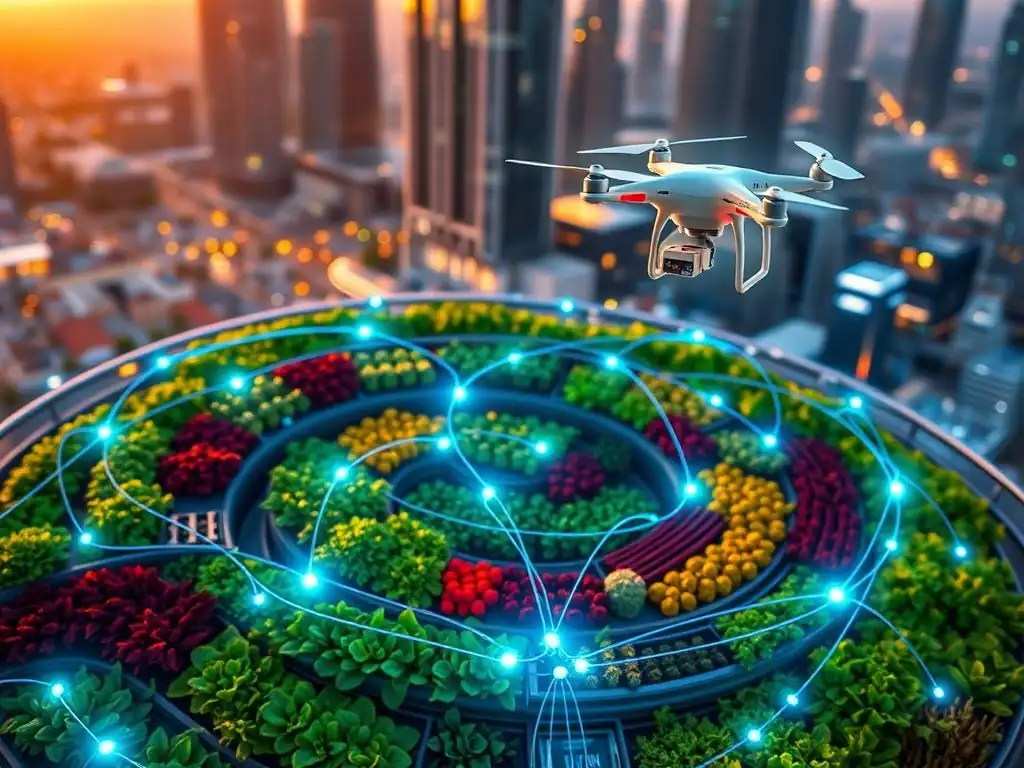
Welcome to Blockchain Trends, your guide to understanding the real-world impact of blockchain technology.
Ever wondered how blockchain can help reduce your carbon footprint, one delicious bite at a time? Dive into our latest article and discover how blockchain food supply chain optimization is revolutionizing the way we track and trace our food, paving the way for more local, sustainable, and transparent food networks. Could this be the key to reducing food miles and building a healthier planet? Keep reading to find out!
- Reducing Food Miles with Blockchain: Building Local and Sustainable Food Networks
- Blockchain Food Supply Chain Optimization: How it Works
- Blockchain and Local Food Networks: Fostering Sustainability
- Case Studies: Blockchain in Action for Sustainable Food
- Overcoming Challenges to Blockchain Adoption in the Food Industry
- The Future of Blockchain and Sustainable Food Systems
-
Frequently Asked Questions
- What is the primary goal of using blockchain in the food supply chain, according to the article?
- How does blockchain help with transparency in the food supply chain?
- Beyond cryptocurrencies, what other applications of blockchain are relevant to the food industry?
- What are some potential regulatory challenges related to implementing blockchain in food supply chains?
- How can blockchain contribute to a more sustainable food system in the long term?
- Final Reflection: Cultivating Trust in Every Bite
- Cultivate Change: Grow a Greener Table with Blockchain!
Reducing Food Miles with Blockchain: Building Local and Sustainable Food Networks
Introduction: The Environmental Impact of Food Miles and the Need for Sustainable Solutions
The journey food takes from farm to plate, often spanning continents and thousands of miles, is known as "food miles." This seemingly simple concept carries a significant environmental burden. The transportation of food contributes substantially to greenhouse gas emissions, primarily carbon dioxide (CO2), through the burning of fossil fuels in trucks, ships, and planes.
Estimates suggest that food transportation can account for between 5% and 10% of the total carbon footprint of the food system, depending on the product and origin. Furthermore, longer transport distances often necessitate increased packaging, refrigeration, and preservation techniques, adding further layers of environmental impact through energy consumption and waste generation.
Beyond the direct carbon emissions, extended food miles also contribute to resource depletion and pollution. The infrastructure required for global food logistics – vast road networks, shipping lanes, and distribution centers – consumes land and energy. Air freight, while often used for perishable goods, has a disproportionately high carbon footprint per ton-mile compared to sea or road transport.
As global populations grow and demand for diverse, year-round produce increases, the challenge of mitigating the environmental costs associated with food miles becomes ever more critical. This necessitates a shift towards more sustainable food systems, including strategies that prioritize local sourcing and optimize supply chains for efficiency and reduced environmental impact.
What are Food Miles and Why Do They Matter for Sustainability?
Food miles specifically refer to the distance food travels from where it is produced to where it is consumed. This metric was popularized in the 1990s as a way to highlight the environmental consequences of the globalized food system.
While not the sole indicator of a food item's sustainability (factors like farming methods, packaging, and storage also play crucial roles), food miles serve as a tangible measure of the energy consumption and associated emissions tied to transportation. A tomato grown locally and transported a few miles will typically have a much lower transport-related carbon footprint than one flown in from another hemisphere, even if both were grown using similar agricultural practices.
The significance of food miles for sustainability is multi-faceted. Reducing transport distances directly cuts down on fossil fuel consumption and greenhouse gas emissions. It also lessens the need for energy-intensive refrigeration throughout the supply chain, which is crucial for preserving perishable goods over long journeys.
Moreover, shorter supply chains can potentially lead to reduced food waste, as produce spends less time in transit and distribution, decreasing the likelihood of spoilage before reaching consumers. Addressing food miles is therefore a vital component of building a more environmentally responsible and resilient food system, encouraging a focus on regional production and optimized logistics.
Blockchain Technology: A Powerful Tool for Food Supply Chain Transparency
Blockchain technology, known for its decentralized, immutable, and transparent ledger system, is emerging as a powerful enabler for enhancing visibility and accountability within complex food supply chains. By creating a shared, tamper-proof record of transactions and events, blockchain can track a food product's journey from its origin on the farm through processing, packaging, distribution, and finally to the retail shelf.
Each step is recorded as a block of data, cryptographically linked to the previous one, forming an unbreakable chain. This inherent transparency allows all authorized participants in the supply chain – farmers, distributors, processors, retailers, and even consumers – to access verified information about the product's history and handling.
The application of blockchain technology in food supply chains addresses a critical need for trust and verification that is often lacking in traditional systems. Paper-based records can be easily lost, altered, or faked, making it difficult to pinpoint the source of contamination during a foodborne illness outbreak or verify claims about origin and sustainability.
A blockchain-based system provides a single source of truth, drastically reducing the time and effort required for traceability. This enhanced transparency and data integrity form the foundation for significant blockchain food supply chain optimization, allowing stakeholders to gain unprecedented insights into operations, identify inefficiencies, and build greater confidence among consumers regarding the safety and authenticity of their food.
Blockchain Food Supply Chain Optimization: How it Works
Traceability and Provenance: Tracking Food from Farm to Table with Blockchain
One of the most impactful applications of blockchain in the food sector is establishing granular traceability and provenance. Traditional systems often rely on disparate databases and manual record-keeping, making it challenging and time-consuming to trace a product's journey.
With blockchain, each batch of produce, livestock, or packaged food can be assigned a unique digital identity, often linked to a QR code or RFID tag. As the product moves through the supply chain, data points are recorded on the blockchain: when and where it was harvested or processed, details about inputs used (e.g., fertilizers, feed), transportation logistics (dates, temperatures), and handling information.
This creates an end-to-end, immutable record accessible to authorized parties. In the event of a food safety issue, such as a contamination scare, the source of the problem can be identified in minutes or seconds, rather than the days or weeks often required with legacy systems.
For example, Walmart's implementation of the IBM Food Trust blockchain network for certain produce like leafy greens dramatically reduced the time to trace a product from farm to store from an average of 7 days to just 2.2 seconds. This rapid traceability is crucial for containing outbreaks, minimizing the scope of recalls, and protecting public health, representing a significant leap in blockchain food supply chain optimization.
Improved Supply Chain Visibility: Reducing Food Waste and Enhancing Efficiency
Enhanced visibility provided by blockchain technology extends beyond just tracking origin; it offers a comprehensive view of the entire supply chain network and its operational dynamics. By having real-time or near-real-time data on inventory levels, shipment locations, environmental conditions during transport (like temperature and humidity monitored by IoT sensors integrated with the blockchain), and handling events, businesses can gain unprecedented insights into their logistics and distribution. This holistic perspective allows for better planning, forecasting, and management of resources.
This improved visibility is a powerful tool for combating food waste, a major issue with significant economic and environmental costs. Approximately one-third of all food produced globally is lost or wasted, much of it occurring within the supply chain due to spoilage, damage, or inefficiencies.
By monitoring conditions and locations precisely, businesses can identify potential issues early, reroute shipments if necessary, and optimize inventory management to ensure products reach their destination before expiring. Furthermore, detailed records help pinpoint bottlenecks or weak points in the chain, enabling targeted improvements that boost overall efficiency and contribute to blockchain food supply chain optimization, leading to potentially millions or billions of dollars in saved revenue and reduced waste globally.
Smart Contracts for Fair Trade and Price Transparency in Local Food Systems
Smart contracts, self-executing contracts with the terms of the agreement directly written into code on the blockchain, offer a mechanism to automate and enforce agreements within food networks, particularly benefiting local systems. These contracts can be programmed to automatically trigger payments to farmers or suppliers once predefined conditions are met and verified on the blockchain – for instance, when produce is delivered to a distribution hub, passes a quality inspection, or is scanned by the end retailer. This automation removes the need for manual invoicing and payment processing, reducing administrative overhead and speeding up transactions.
For local farmers, who often face challenges with delayed payments and opaque pricing structures from intermediaries, smart contracts can provide a reliable and transparent payment system. They can ensure farmers receive fair compensation promptly after delivery, improving their cash flow and financial stability.
Additionally, blockchain can record pricing information at various stages of the supply chain, offering greater transparency to both producers and consumers about how prices are determined. This capability supports fair trade practices and helps consumers understand the value chain, fostering trust in local food initiatives and contributing to blockchain food supply chain optimization by streamlining financial flows and improving equity within the network.
Blockchain and Local Food Networks: Fostering Sustainability
Empowering Local Farmers: Direct Access to Consumers and Fairer Prices
Blockchain technology holds significant potential to empower local farmers by facilitating more direct connections with consumers and ensuring fairer compensation for their products. Traditional distribution channels often involve multiple intermediaries, each adding costs and taking a margin, which can significantly reduce the farmer's share of the final retail price. By leveraging blockchain platforms, farmers can list their produce, share detailed information about their farming practices (e.g., organic certification, sustainable methods), and even track their goods directly to local markets or consumer groups.
These platforms can enable subscription models, direct-to-consumer sales, or participation in localized digital marketplaces, cutting out costly middlemen. With blockchain-based traceability and transparent pricing facilitated by smart contracts, farmers can build trust directly with consumers who are willing to pay a premium for locally sourced, sustainably produced food. This direct access not only potentially increases farmer income but also provides them with better market signals about consumer demand, allowing them to plan production more effectively and contributing to the overall blockchain food supply chain optimization for local economies.
Building Trust and Transparency: Connecting Consumers with Local Food Sources
One of the key drivers for consumers choosing local food is the desire for transparency and trust in where their food comes from and how it was produced. Blockchain technology directly addresses this need by providing an unprecedented level of verifiable information. By scanning a QR code on a product label, consumers can potentially access the immutable blockchain record detailing the specific farm of origin, the date of harvest, any certifications (like organic or fair trade), handling information, and even stories about the farmer.
This direct line of sight into the food's journey builds confidence and strengthens the connection between consumers and their local food producers. It allows consumers to make informed purchasing decisions based on values like supporting local businesses, environmental sustainability, and ethical farming practices. This enhanced transparency, facilitated by blockchain food supply chain optimization efforts, moves beyond simple marketing claims and provides verifiable proof, fostering loyalty to local brands and encouraging greater participation in community-supported agriculture and farmers' markets.
Reducing Carbon Footprint: Optimizing Logistics and Shortening Supply Chains
While food miles are not the only factor in food's carbon footprint, reducing the distance food travels is a critical component of building a sustainable food system. Blockchain technology supports the reduction of food miles by making local and regional food systems more viable and efficient. By providing robust traceability and visibility, blockchain enables the creation of optimized local distribution networks, ensuring that produce from nearby farms can be efficiently collected, transported, and delivered to local markets or consumers with minimal detours or delays.
The transparency offered by blockchain also helps in aggregating demand within local communities, allowing farmers to plan deliveries more effectively and consolidate shipments, thereby reducing the number of individual trips required. Furthermore, the improved efficiency and reduced waste enabled by blockchain food supply chain optimization mean that less energy is consumed throughout the entire process, from reduced refrigeration needs in shorter transit to less energy used in disposing of spoiled food. Focusing on and enabling robust local networks via blockchain inherently leads to a smaller carbon footprint per unit of food consumed.
Case Studies: Blockchain in Action for Sustainable Food

Connecting Farmers and Consumers: The TE-FOOD Platform in Vietnam's Pork Industry
TE-FOOD is a notable example of how blockchain is being used to improve traceability and connect stakeholders in the food supply chain, with a significant deployment in Vietnam's pork industry. Facing challenges with food safety and consumer trust, the Vietnamese government mandated improved traceability for pork products. TE-FOOD implemented a system using blockchain technology to track pigs from farm to slaughterhouse, processing plant, distributor, and finally to the retail market. Each animal or batch is tagged, and every movement and handling event is recorded on the blockchain.
This system allows consumers to scan a QR code at the point of sale and instantly access the complete history of the pork product, including the farm where the pig was raised, vaccination records, feed details, slaughter date, and transport information. This level of transparency has helped rebuild consumer confidence and has empowered local farmers by providing verifiable proof of their farming practices. The platform tracks millions of transactions daily, demonstrating the scalability of blockchain for large-scale food traceability and illustrating effective blockchain food supply chain optimization in a major agricultural sector.
Reducing Food Waste: IBM Food Trust and Walmart's Traceability Initiative
The collaboration between IBM Food Trust and Walmart is a widely cited example of blockchain's impact on supply chain efficiency and waste reduction, particularly concerning perishable goods like fresh produce. Walmart, a global retail giant, faced challenges in rapidly tracing the origin of produce during food safety events, which often led to broad, costly recalls and significant food waste. By implementing the IBM Food Trust blockchain network, Walmart required its leafy green suppliers to upload traceability data onto the shared ledger.
This initiative dramatically improved the speed and accuracy of tracing produce back to its source. What previously took days of sifting through paper records and disparate databases could now be accomplished in seconds. This rapid traceability capability is crucial for targeted recalls, allowing retailers to remove only the affected products from shelves instead of entire categories out of caution. By minimizing the scope and duration of recalls, the system helps reduce the amount of safe food that is unnecessarily discarded, contributing directly to reduced food waste and showcasing practical blockchain food supply chain optimization in action.
Analyzing the Results: Quantifiable Benefits of Blockchain Implementation
Analyzing the results from these and other blockchain implementations in the food sector reveals several quantifiable benefits. Improved traceability, as demonstrated by Walmart's experience, reduces the time needed for recalls from potentially weeks to mere seconds, minimizing financial losses and public health risks. Enhanced visibility throughout the supply chain contributes to significant reductions in food waste; while precise global figures attributable solely to blockchain are still emerging, better inventory management and condition monitoring enabled by blockchain food supply chain optimization inherently lead to less spoilage during transit and storage.
For farmers, platforms like TE-FOOD have shown the potential for increased income through direct sales and access to markets that value transparency and quality. While specific figures vary, some pilot programs have reported farmers receiving a higher percentage of the retail price compared to traditional channels. Furthermore, the increased consumer trust resulting from verifiable provenance can lead to greater demand for products tracked on the blockchain. These cases provide concrete evidence that blockchain technology is not just a theoretical concept but a practical tool capable of delivering tangible improvements in efficiency, safety, and sustainability within the food supply chain.
Overcoming Challenges to Blockchain Adoption in the Food Industry
Scalability and Interoperability: Connecting Different Blockchain Systems
Despite its potential, the widespread adoption of blockchain in the food industry faces significant challenges, including scalability and interoperability. While platforms like IBM Food Trust and TE-FOOD handle large volumes of data, scaling these systems to encompass the vast, fragmented global food supply chain, involving millions of small and large producers, processors, distributors, and retailers, requires robust infrastructure and processing power. Ensuring that the blockchain network can handle the sheer volume of transactions and data points generated daily across diverse product categories is a major technical hurdle.
Furthermore, interoperability is a critical concern. Different companies or consortiums may adopt different blockchain protocols or platforms (e.g., Hyperledger Fabric, Ethereum, private blockchains). For a food product that might pass through several hands, each potentially using a different system, seamless data exchange between these disparate networks is essential for end-to-end traceability. Developing standards and protocols that allow different blockchain systems to communicate and share relevant data securely and efficiently is crucial for achieving true blockchain food supply chain optimization on a global or even regional scale.
Data Security and Privacy: Protecting Sensitive Information in the Food Supply Chain
While blockchain is inherently secure due to its cryptographic nature and immutability, implementing it in real-world food supply chains raises important questions about data security and privacy. The shared ledger contains valuable and sometimes sensitive information, including proprietary business data (like pricing agreements, sourcing strategies, or logistics routes) and personal data (like farmer location or specific farming practices). Ensuring that only authorized parties have access to specific types of data is paramount.
Permissioned blockchains, where participation and data access are restricted to known and verified entities, are often preferred in enterprise food supply chain solutions over public, open blockchains like Bitcoin or Ethereum, precisely for this reason. However, managing permissions and ensuring robust cybersecurity measures around the blockchain infrastructure itself, as well as the systems feeding data into it (like IoT sensors), remains vital. Balancing the need for transparency with the necessity of protecting sensitive commercial and personal information is a key challenge in implementing blockchain food supply chain optimization solutions.
Cost and Implementation Barriers: Addressing the Challenges for Small-Scale Farmers
The cost and complexity of implementing blockchain technology present significant barriers to adoption, particularly for small and medium-sized enterprises (SMEs) and individual small-scale farmers who are vital components of local food networks. Setting up and integrating a blockchain solution requires initial investment in technology infrastructure, software development or subscription fees, and training for personnel. This can be prohibitively expensive for businesses operating on tight margins.
Furthermore, the technical expertise required to understand, implement, and maintain blockchain systems is not always readily available, especially in rural or less technologically advanced areas. Addressing these barriers is crucial for achieving widespread blockchain food supply chain optimization that benefits all stakeholders, not just large corporations. Solutions may involve government subsidies, industry consortiums pooling resources, developing user-friendly interfaces, or providing accessible, affordable platforms specifically designed for the needs of small producers and local food networks.
The Future of Blockchain and Sustainable Food Systems
Emerging Trends: IoT Integration and AI-Powered Food Supply Chains
The future of blockchain in sustainable food systems is likely to involve deeper integration with other cutting-edge technologies, particularly the Internet of Things (IoT) and Artificial Intelligence (AI). IoT devices, such as sensors monitoring temperature, humidity, and location, can automatically collect real-time data about food products as they move through the supply chain. This data can be fed directly onto the blockchain, creating an even more accurate and automated record of conditions, reducing the potential for human error or data manipulation.
AI can leverage the vast amounts of data collected on the blockchain to provide predictive analytics and insights. AI algorithms can analyze historical supply chain data to optimize routes, predict potential delays or spoilage risks, forecast demand more accurately, and even suggest optimal planting or harvesting times for farmers. The combination of IoT for automated data capture, blockchain for secure and transparent record-keeping, and AI for intelligent analysis promises to create highly efficient, resilient, and sustainable food supply chains, representing the next frontier in blockchain food supply chain optimization.
Regulatory Considerations: Ensuring Compliance and Consumer Protection
As blockchain adoption grows in the food industry, regulatory frameworks will need to evolve to ensure compliance, protect consumers, and provide legal clarity. Governments and international bodies may need to establish standards for blockchain-based food traceability data, defining what information must be recorded, how it should be accessed, and how it interoperates across different systems and jurisdictions. Regulations around data privacy, particularly concerning sensitive information collected on the blockchain, will also be crucial, building upon existing data protection laws like GDPR.
Ensuring consumer protection involves not only guaranteeing the accuracy and accessibility of information provided via blockchain but also establishing clear responsibilities and liabilities within the decentralized network. Regulatory bodies may need to define how blockchain data can be used as evidence in legal disputes or food safety investigations. Developing a supportive and clear regulatory environment is essential for fostering trust, encouraging investment, and enabling the full potential of blockchain food supply chain optimization while safeguarding public interests.
Conclusion: Blockchain as a Catalyst for a More Sustainable Food Future
Blockchain technology offers a compelling path towards creating more transparent, efficient, and sustainable food systems, particularly by facilitating the reduction of food miles and strengthening local networks. Its ability to provide immutable traceability from farm to table builds unprecedented trust among consumers and enables rapid responses to food safety issues. By improving supply chain visibility, blockchain helps reduce food waste and optimize logistics. Furthermore, smart contracts and transparent data empower local farmers, enabling fairer trade and fostering direct connections with consumers.
While challenges related to scalability, interoperability, cost, and regulation remain, ongoing development and pilot projects demonstrate the significant potential of blockchain food supply chain optimization. As the technology matures and integrates with IoT and AI, it promises even greater efficiencies and insights. Ultimately, blockchain is poised to act as a powerful catalyst, supporting the shift towards food systems that are not only safer and more efficient but also environmentally responsible and supportive of local communities, contributing significantly to a more sustainable food future.
Frequently Asked Questions
What is the primary goal of using blockchain in the food supply chain, according to the article?
The primary goal is to reduce food miles by fostering local and sustainable food networks. This enhances transparency and traceability.
How does blockchain help with transparency in the food supply chain?
Blockchain provides an immutable ledger, recording each step of the food's journey. This allows consumers and businesses to trace the origin and handling of products.
Beyond cryptocurrencies, what other applications of blockchain are relevant to the food industry?
The article focuses on DeFi (Decentralized Finance) for agricultural lending and enterprise applications for supply chain management, moving beyond traditional finance.
Regulatory challenges could involve data privacy concerns and harmonizing standards across different regions and countries to ensure interoperability of blockchain systems.
How can blockchain contribute to a more sustainable food system in the long term?
Blockchain promotes sustainability by reducing food waste, improving supply chain efficiency, and supporting local food economies, ultimately minimizing the environmental impact.
Final Reflection: Cultivating Trust in Every Bite
The journey from farm to fork is often obscured by distance and complexity, but the principles of transparency and traceability, as explored in this article, are more vital than ever. Blockchain technology offers a powerful solution to bridge this gap, fostering trust and accountability within the food supply chain. By empowering local and sustainable food networks, we can collectively move towards a future where consumers are informed and empowered, and producers are fairly compensated for their efforts.
The impact of a transparent food system extends far beyond mere efficiency; it touches upon our health, our environment, and our communities. The ability to trace the origin of our food, to understand its journey, and to support local producers resonates deeply with a growing desire for authenticity and connection. The future of food is not in the factory, but in the field.
This quote encapsulates the essence of our exploration, reminding us that true sustainability lies in nurturing local ecosystems and empowering the individuals who cultivate our sustenance.
Now, as you reflect on the potential of blockchain in optimizing the food supply chain, consider the role you can play in shaping this future. Seek out local producers, ask questions about the origin of your food, and support initiatives that promote transparency and sustainability. By making conscious choices, you can contribute to a more resilient, equitable, and delicious food system for all. Let us all strive to cultivate trust in every bite, ensuring a healthier planet and a more connected community.
Okay, I'm ready to write a Call to Action (CTA) based on the title: "Reducing Food Miles with Blockchain: Local and Sustainable Food Networks" for the website "Blockchain Trends" with the domain "blockchaintrends.org". Here's my attempt:
Cultivate Change: Grow a Greener Table with Blockchain!
Thank you for exploring how blockchain technology is revolutionizing local and sustainable food networks. You've gained valuable insights into reducing food miles and fostering a more transparent and eco-conscious food system. Now, let's translate that knowledge into action!
Here's how you can contribute:
- Discover local farms in your area that are embracing blockchain for traceability and transparency, and make a conscious effort to support them through direct purchases or community-supported agriculture (CSA) programs. This is the most impactful step you can take!
- Share this article with your friends and family to spread awareness about the potential of blockchain in promoting sustainable food practices. Let's build a community of informed consumers!
- Explore blockchain-based platforms designed for tracking and verifying food origins. Even just signing up for a demo on a platform can help you understand the technology firsthand and provide valuable feedback to developers.
Ready to become a champion of sustainable food? What's one small step you can take today to reduce your own food miles and support blockchain-powered local farms? Share your commitment in the comments below!
Leave a Reply