
Reducing Plastic Pollution: Can Blockchain Incentivize Recycling and Reuse?


Welcome to Blockchain Trends, your go-to source for understanding the revolutionary power of blockchain beyond the hype. Ever wondered if blockchain could tackle one of the world's most pressing environmental issues? This week, we dive deep into an innovative concept: Can blockchain incentivize plastic recycling, turning the tide on pollution and fostering a circular economy? Explore how this technology could revolutionize waste management and be part of a greener future. Read on to discover how decentralization might just be the key to a cleaner planet.
Reducing Plastic Pollution: Can Blockchain Incentivize Recycling and Reuse?
- The Plastic Pollution Crisis: A Global Challenge
- Blockchain Technology: A Potential Solution for Environmental Challenges
- How Blockchain Can Incentivize Plastic Recycling and Reuse
- Examples of Blockchain Projects Tackling Plastic Pollution
- Benefits of Using Blockchain to Promote Plastic Recycling
- Challenges and Limitations of Blockchain in Plastic Recycling
- The Future of Blockchain and Plastic Recycling: A Sustainable Vision
- Conclusion: Blockchain's Potential to Drive Sustainable Plastic Management
-
Frequently Asked Questions
- How can blockchain technology incentivize plastic recycling?
- What are some potential benefits of using blockchain for plastic recycling?
- How does blockchain help ensure the authenticity of recycled plastic?
- What are some challenges to implementing blockchain-based plastic recycling systems?
- What is the future outlook for blockchain's role in plastic recycling?
- Final Reflection: Blockchain's Promise for a Cleaner Future
- Unveil Your Role in a Greener Future with Blockchain!
The Plastic Pollution Crisis: A Global Challenge
The Scale of Plastic Waste: Understanding the Problem
The sheer volume of plastic waste generated globally presents an overwhelming environmental challenge. Estimates suggest that global plastic production reached approximately 400 million tonnes in a single year, with projections indicating this figure could double by 2040 without significant intervention. A substantial portion of this plastic is designed for single use, leading to billions of items being discarded daily. alarming statistics show that only about 9% of all plastic ever produced has been recycled, while the vast majority accumulates in landfills or, tragically, pollutes natural environments.
This accumulation is not merely unsightly; it represents a persistent and growing threat. Plastics can take hundreds or even thousands of years to decompose, breaking down instead into smaller and smaller pieces known as microplastics and nanoplastics. These tiny fragments permeate soils, air, and water, entering food chains and creating a pervasive, long-term pollution legacy that affects every corner of the planet, from the highest mountains to the deepest oceans. The scale of this problem necessitates innovative solutions to not only manage existing waste but fundamentally alter how we produce, use, and dispose of plastics.
Environmental Impact of Plastic Pollution: Consequences for Ecosystems and Human Health
The environmental consequences of plastic pollution are profound and far-reaching, impacting ecosystems across the globe. Marine life is particularly vulnerable, with millions of animals, including seabirds, whales, and turtles, suffering entanglement in plastic debris or ingesting plastic fragments mistaken for food. A widely cited statistic suggests that over 8 million tonnes of plastic enter the oceans each year, contributing to massive accumulations like the Great Pacific Garbage Patch, which is estimated to be larger than the size of Texas or even France. This plastic disrupts habitats, alters food webs, and degrades the health of aquatic environments.
Beyond marine environments, plastic pollution affects terrestrial ecosystems, clogging waterways, damaging soil quality, and harming wildlife. Moreover, the presence of microplastics and the chemicals associated with plastics raises significant concerns for human health. Studies have detected microplastics in human organs, blood, and even placentas, though the full health implications are still being researched. Chemicals like phthalates and BPA, often used in plastic production, can leach into the environment and food, potentially acting as endocrine disruptors. Addressing plastic pollution is therefore not just an environmental imperative but a public health necessity.
Blockchain Technology: A Potential Solution for Environmental Challenges
What is Blockchain and How Does it Work? A Brief Overview
At its core, blockchain is a type of distributed ledger technology that records transactions across many computers. Instead of a single, central database, copies of the ledger are shared and synchronized across a network. Transactions are grouped into "blocks," which are then cryptographically linked together in chronological order, forming a "chain." Once a block is added to the chain after being validated by the network's participants (through a consensus mechanism), it is extremely difficult to alter or remove, making the ledger immutable and highly secure.
Key characteristics of blockchain technology include transparency (as the ledger is often public or accessible to network participants), security (due to cryptographic hashing and consensus mechanisms), immutability (records are permanent), and decentralization (no single entity controls the entire network). While popularized by cryptocurrencies like Bitcoin, these fundamental features make blockchain applicable to a wide range of uses beyond digital currency, offering new possibilities for tracking assets, managing identities, and building trust in complex systems.
Blockchain's Applications Beyond Cryptocurrency: Sustainability and Conservation
The unique properties of blockchain technology lend themselves well to applications far removed from financial speculation. Its ability to provide a transparent, tamper-proof record of transactions and assets makes it valuable for supply chain management, verifying the authenticity of goods, and ensuring ethical sourcing. Companies are exploring blockchain to track everything from conflict minerals and sustainable timber to luxury goods and pharmaceuticals, aiming to build trust and accountability.
In the realm of sustainability and environmental conservation, blockchain offers promising tools. It can be used to verify carbon credits, track renewable energy sources, monitor environmental compliance, and manage natural resource usage. Crucially, blockchain can facilitate the creation of incentive structures that reward sustainable behavior. This potential to create transparent, verifiable systems for rewarding actions, such as responsible waste disposal, positions blockchain to blockchain incentivize plastic recycling and reuse efforts on a significant scale.
How Blockchain Can Incentivize Plastic Recycling and Reuse
Blockchain-Based Reward Systems for Recycling: Earning Incentives for Responsible Disposal
One of the most direct ways blockchain can address plastic pollution is by creating effective reward systems that directly blockchain incentivize plastic recycling efforts among individuals and communities. Instead of relying solely on civic duty or limited municipal services, people can earn tangible value for collecting and depositing plastic waste. This typically involves using a mobile app or a dedicated collection point where deposited plastic is weighed or counted and the corresponding value is instantly credited to the user's digital wallet in the form of cryptocurrency or digital tokens.
These tokens can then be exchanged for local currency, goods, services, or even mobile data or tuition fees, depending on the program's design. This model transforms plastic waste from a burdensome problem into a valuable resource, particularly in regions lacking formal waste management infrastructure. By providing an immediate and verifiable economic incentive recorded on an immutable ledger, blockchain technology makes recycling a financially rewarding activity, encouraging participation from individuals who might otherwise see little benefit in sorting and delivering their waste.
Tokenizing Recycled Plastic: Creating Value from Waste
Tokenization is the process of representing a real-world asset digitally on a blockchain. In the context of plastic pollution, this means creating digital tokens that represent collected plastic waste or verified recycled plastic material. Each token can be linked to specific data about the plastic, such as its type, weight, collection location, and the identity of the collector or recycling facility. This transforms plastic waste into a digital commodity that can be easily tracked, traded, and audited on a distributed ledger.
By tokenizing recycled plastic, its value becomes more visible and accessible within the supply chain. Manufacturers seeking to use recycled content can purchase these tokens, knowing that they are acquiring verified, tracked material. This creates a clear market signal for recycled plastic, making collection and processing more economically viable. Furthermore, tokenization can facilitate investment in recycling infrastructure by allowing investors to support projects that generate tokenized recycled material, thereby creating a mechanism to blockchain incentivize plastic recycling as a business.
Tracking and Traceability: Ensuring Transparency in the Recycling Process
Blockchain's inherent transparency and immutability are powerful tools for improving the traceability of plastic through the entire recycling loop. From the moment plastic is collected, its journey can be recorded on the blockchain. This includes data points such as the collection location, date, type of plastic, weight, and the identity of the collector. As the plastic moves through sorting centers, processing facilities, and eventually to manufacturers who use recycled content, each step can be logged on the distributed ledger.
This end-to-end traceability provides unprecedented transparency. It allows businesses to verify the origin and processing of the recycled plastic they purchase, helping them meet sustainability goals and avoid greenwashing. Consumers can potentially even trace the recycled content in the products they buy back to its source. This level of transparency fosters accountability among all stakeholders in the recycling supply chain, building trust and ensuring that claims about recycling rates and recycled content are accurate and verifiable.
Examples of Blockchain Projects Tackling Plastic Pollution
Plastic Bank: Empowering Communities Through Plastic Recycling
Plastic Bank is a pioneering social enterprise that uses blockchain technology to create ethical recycling ecosystems in coastal communities, primarily in developing countries. They establish collection centers where local residents, often among the world's poorest, can exchange plastic waste for digital currency or tokens, which they can use to purchase necessities like food, cooking fuel, or even pay for school tuition and health insurance. This model directly blockchain incentivize plastic recycling by turning waste into a valuable form of currency.
The collected plastic is then sorted, processed, and sold as 'Social Plastic' to global companies for use in new products and packaging. Blockchain technology is employed to secure the entire transaction process, from the collection at local branches to the sale of processed plastic flakes. Every step is recorded on a private blockchain, ensuring transparency and auditability for the companies that purchase Social Plastic, guaranteeing that the material is genuinely collected by vulnerable communities under ethical conditions. Plastic Bank currently operates in multiple countries, including Haiti, the Philippines, Indonesia, Brazil, and Egypt, with thousands of registered members.
ReSea Project: Cleaning Oceans and Tracking Recovered Plastic
The ReSea Project focuses specifically on cleaning plastic pollution from oceans and waterways, particularly in areas heavily impacted by plastic waste, such as Southeast Asia. They employ local teams to collect plastic from rivers and coastal areas. What sets them apart is their use of blockchain technology to provide transparent tracking of the recovered plastic.
For every kilogram of plastic collected, ReSea records key data points on a blockchain, including the location and date of collection. This data is accessible to their partners and consumers who support their initiatives. The blockchain ensures that the reported amounts of plastic recovered are accurate and verifiable, building trust in their environmental impact claims. While not directly a consumer-level reward system for general recycling like Plastic Bank, ReSea demonstrates how blockchain can provide crucial transparency and accountability in large-scale cleanup efforts, verifying the volume of plastic removed from the environment.
Everledger: Tracking Recycled Content and Promoting Circularity
Everledger is a technology company that builds digital passports for high-value assets using blockchain, aiming to increase transparency and trust in global supply chains. While they started with assets like diamonds and wine, they have expanded their focus to promote circularity for materials like batteries and plastics. Everledger applies its blockchain platform to track recycled plastic content throughout the manufacturing process.
They work with recyclers and manufacturers to create a secure, verifiable record of recycled plastic batches. This digital identity can include information about the source of the plastic, the recycling process it underwent, and relevant certifications.
By recording this data on the blockchain, Everledger enables brands to prove the percentage of recycled material used in their products to consumers and regulators. This application of blockchain helps validate sustainability claims and promotes the use of recycled plastics by making the supply chain for these materials more trustworthy and efficient, thus indirectly helping to blockchain incentivize plastic recycling by increasing demand for verified recycled content.
Benefits of Using Blockchain to Promote Plastic Recycling
Increased Transparency and Accountability in the Recycling Supply Chain
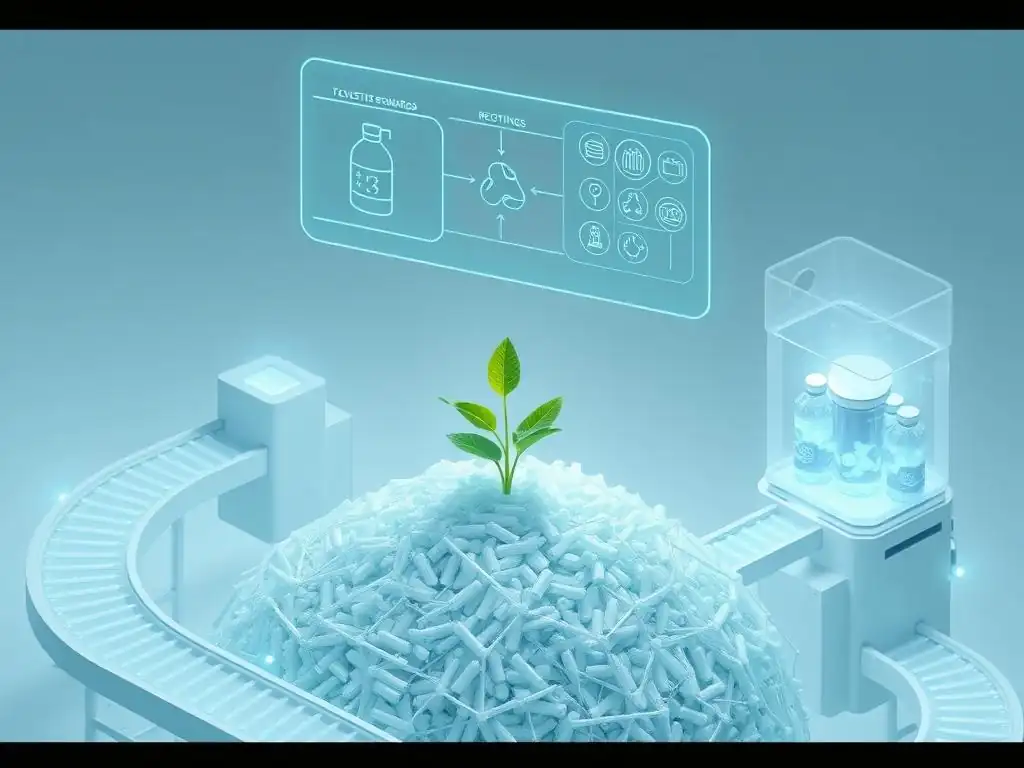
One of the most significant advantages of using blockchain in plastic recycling is the dramatic increase in transparency. A shared, immutable ledger records every transaction and movement of plastic waste or recycled material, from the point of collection to its transformation into a new product. This creates a verifiable, end-to-end history that is accessible to authorized participants in the network.
This transparency naturally leads to greater accountability. Each stakeholder involved – collectors, aggregators, recyclers, processors, and manufacturers – has their actions recorded on the chain. This makes it difficult to misrepresent the origin or quantity of plastic, or to make false claims about recycled content. Knowing that their activities are being recorded on a public or permissioned, tamper-proof ledger encourages best practices and reduces opportunities for fraud or inefficiency in the recycling process.
Enhanced Trust and Collaboration Among Stakeholders
The inherent transparency and security of blockchain technology build trust among the diverse group of stakeholders involved in the plastic recycling ecosystem. Collectors trust that they will receive fair and verifiable compensation for their efforts. Recyclers and processors can trust the provenance and quality of the plastic they receive. Manufacturers can trust that the recycled content they purchase is genuinely sourced and processed according to standards.
This enhanced trust facilitates better collaboration across the entire value chain. When all parties have access to a single, shared source of truth about the material flow, communication improves, disputes are reduced, and processes can be streamlined. This collaborative environment is essential for building efficient and effective circular economy systems for plastics, moving beyond fragmented and often distrustful linear models.
Improved Efficiency and Reduced Costs in Recycling Processes
Implementing blockchain solutions can lead to operational efficiencies and potentially reduce costs within the recycling infrastructure. Automating processes like issuing rewards for collected plastic through smart contracts eliminates manual administrative tasks and reduces the potential for errors. Tracking material flow digitally minimizes paperwork and improves inventory management.
Furthermore, the data collected on the blockchain can provide valuable insights into the recycling process. Analyzing this data can help optimize collection routes, identify bottlenecks in sorting or processing, and improve overall resource management. While initial setup costs for blockchain systems can be significant, the long-term benefits of increased efficiency, reduced fraud, and better data utilization can contribute to making plastic recycling more economically viable.
Empowering Consumers to Participate in Recycling Initiatives
Blockchain-based incentive programs directly engage and empower consumers and informal waste collectors, making them active participants in the solution to plastic pollution. By offering tangible rewards for recycling, these programs provide a compelling reason for individuals to collect and properly dispose of plastic waste that might otherwise end up in the environment. This is a key aspect of how blockchain incentivize plastic recycling at the grassroots level.
Beyond direct rewards, blockchain can empower consumers by providing them with information. Through QR codes on products or accessible online dashboards, consumers could potentially verify the recycled content of their purchases or even see the impact of their own recycling efforts tracked on the blockchain. This connection fosters a sense of agency and encourages more responsible consumption and disposal habits.
Challenges and Limitations of Blockchain in Plastic Recycling
Scalability Issues: Adapting Blockchain Solutions for Mass Adoption
One significant challenge for widespread adoption of blockchain in plastic recycling, especially for consumer-facing reward programs, is scalability. Processing millions of small recycling transactions daily, potentially involving thousands or millions of users, requires a blockchain network capable of handling a high volume of transactions quickly and at a low cost. Many early blockchain technologies, particularly those using proof-of-work consensus, struggle with this level of throughput and efficiency.
While newer blockchain platforms and layer 2 scaling solutions offer improved performance, ensuring a system can reliably and affordably process the sheer volume of data generated by mass recycling participation remains a technical hurdle. Implementing blockchain incentivize plastic recycling on a national or global scale requires robust infrastructure capable of handling peaks in activity without becoming prohibitively slow or expensive for users.
The regulatory environment surrounding blockchain and digital tokens is still evolving and varies significantly across different jurisdictions. Using tokens as rewards for recycling or tokenizing recycled material can raise complex legal questions regarding their classification (e.g., currency, security, utility token), tax implications, and compliance with financial regulations.
Navigating this uncertain legal landscape can be challenging for blockchain-based recycling projects. Clear regulations are needed to provide legal certainty for operators, investors, and participants. Without a clear framework, projects may face difficulties in scaling, attracting investment, and integrating with existing financial or waste management systems. Defining the legal status of tokens used to blockchain incentivize plastic recycling is crucial for mainstream acceptance.
Data Privacy Concerns: Protecting User Information in Blockchain Systems
While blockchain is often lauded for transparency, the nature of recording transactions on a public or permissioned ledger can raise data privacy concerns, particularly when dealing with individual participation in recycling programs. If collection data is linked to identifiable individuals or locations, sensitive information could potentially be exposed.
Designing blockchain systems for recycling requires careful consideration of privacy. Techniques such as anonymization, pseudonymization, and zero-knowledge proofs can help protect user identities and sensitive data while still maintaining the necessary transparency and auditability of the recycling process. Ensuring compliance with data protection regulations like GDPR or CCPA is essential for building user trust and facilitating widespread adoption of blockchain-based recycling initiatives.
Energy Consumption: Addressing the Environmental Impact of Blockchain Operations
A frequently cited limitation of blockchain technology, particularly associated with large networks like Bitcoin and Ethereum (prior to its transition to Proof-of-Stake), is its high energy consumption due to proof-of-work consensus mechanisms. Given that the goal of using blockchain in this context is environmental sustainability, using an energy-intensive network would be counterproductive.
Fortunately, not all blockchain networks require significant energy. Proof-of-stake (PoS) and other alternative consensus mechanisms consume dramatically less energy. Projects aiming to blockchain incentivize plastic recycling and contribute to environmental conservation must carefully select or develop blockchain platforms that are energy-efficient. Choosing a low-carbon footprint blockchain is critical to ensure that the solution to plastic pollution doesn't inadvertently exacerbate climate change.
The Future of Blockchain and Plastic Recycling: A Sustainable Vision
Potential for Wider Adoption of Blockchain-Based Recycling Programs
The success of early initiatives like Plastic Bank demonstrates the tangible benefits of using blockchain to blockchain incentivize plastic recycling and create transparent supply chains. As awareness grows and the technology matures, there is significant potential for the wider adoption of blockchain-based recycling programs. These models could expand geographically, reaching more communities and integrating into existing waste management systems.
We could see corporations increasingly adopting blockchain to track the recycled content in their products to meet sustainability targets and consumer demand for transparency. Governments and municipalities might explore blockchain solutions to improve the efficiency and accountability of public recycling services. As the technology becomes more accessible and user-friendly, participation rates in incentivized recycling programs are likely to increase, diverting more plastic from landfills and the environment.
Integration with IoT and AI for Smart Waste Management
The future of blockchain in plastic recycling will likely involve integration with other cutting-edge technologies like the Internet of Things (IoT) and Artificial Intelligence (AI). IoT sensors placed in recycling bins could automatically detect fill levels, identify types of plastic waste using imaging or spectral analysis, and record this data directly onto the blockchain, triggering rewards or optimizing collection schedules.
AI can analyze the vast datasets generated and stored on the blockchain. This analysis could provide insights into waste generation patterns, predict recycling rates, optimize sorting processes, and even verify the quality of recycled materials. The combination of IoT for data collection, blockchain for secure and transparent recording, and AI for analysis and optimization creates a powerful framework for building truly smart and highly efficient circular waste management systems.
The Role of Blockchain in Building a Circular Economy for Plastics
Ultimately, blockchain technology is poised to play a crucial role in the transition towards a circular economy for plastics. A circular economy aims to keep resources in use for as long as possible, extracting their maximum value, and then recovering and regenerating products and materials at the end of each service life. For plastics, this means moving away from the linear 'take-make-dispose' model towards one focused on reuse, repair, and high-quality recycling.
Blockchain facilitates this transition by providing the necessary infrastructure for tracking materials, verifying their origin and composition, and creating incentives for circular behavior. By making the flow of plastics transparent and accountable throughout their lifecycle, blockchain enables businesses and consumers to participate confidently in systems that prioritize reuse and recycling. It helps ensure that valuable plastic resources are not lost to landfills but are instead channeled back into the economy, driving the development of a truly sustainable system for plastic management.
Conclusion: Blockchain's Potential to Drive Sustainable Plastic Management
Summarizing the Key Benefits of Blockchain in Reducing Plastic Pollution
The global plastic pollution crisis demands innovative solutions, and blockchain technology offers a compelling set of tools to address systemic challenges in waste management and recycling. As we have explored, blockchain can significantly enhance transparency and accountability throughout the recycling supply chain, building trust among stakeholders from collectors to global brands. Its ability to create verifiable, immutable records helps combat greenwashing and ensures that claims about recycled content are genuine.
Crucially, blockchain enables the creation of powerful incentive systems that directly blockchain incentivize plastic recycling at the individual and community levels, transforming waste into a valuable resource. By tokenizing recycled plastic, it creates new economic models and facilitates efficient trading and tracking of materials. While challenges related to scalability, regulation, privacy, and energy consumption exist, ongoing technological advancements are actively addressing these limitations.
Call to Action: Encouraging Collaboration and Innovation in Blockchain-Based Recycling Solutions
Blockchain is not a singular solution to the complex problem of plastic pollution, but its potential to create transparent, accountable, and incentivized systems for recycling and reuse is undeniable. To fully realize this potential, collaboration is essential. Technology developers, environmental organizations, waste management companies, consumer brands, governments, and local communities must work together to design, pilot, and scale effective blockchain-based solutions.
Further research and development are needed to overcome current technological and regulatory hurdles. Investing in pilot programs in diverse contexts can demonstrate the effectiveness and adaptability of these systems. By fostering innovation and encouraging cross-sector partnerships, we can leverage the power of blockchain to drive significant progress in reducing plastic pollution, fostering a circular economy, and ultimately contributing to a healthier planet. The time to explore and implement how blockchain can incentivize plastic recycling is now.
Frequently Asked Questions
How can blockchain technology incentivize plastic recycling?
Blockchain can create a transparent and verifiable system for tracking plastic waste. This allows for the creation of rewards and incentives, like digital tokens, for individuals and businesses that participate in recycling programs. These rewards can then be redeemed for various goods and services, encouraging greater participation.
What are some potential benefits of using blockchain for plastic recycling?
Using blockchain provides increased transparency and accountability in the recycling process. It also offers the potential for improved tracking of plastic materials from collection to processing. This can lead to more efficient recycling processes and reduced plastic pollution.
How does blockchain help ensure the authenticity of recycled plastic?
Blockchain's immutability provides a secure and auditable record of the plastic's journey. This verifies the plastic's origin and recycling process, preventing fraudulent claims and ensuring genuine recycled content is used in new products.
What are some challenges to implementing blockchain-based plastic recycling systems?
Scalability and interoperability are key challenges, as blockchain solutions need to handle large volumes of data and integrate with existing recycling infrastructure. Adoption barriers and regulatory uncertainties also need to be addressed for widespread implementation.
What is the future outlook for blockchain's role in plastic recycling?
The future looks promising as blockchain technology matures and becomes more accessible. Widespread adoption could lead to a significant reduction in plastic pollution and a more circular economy for plastics. More pilot programs and collaborations are expected in the coming years.
Final Reflection: Blockchain's Promise for a Cleaner Future
The journey we've explored, tracing the potential of blockchain to incentivize plastic recycling, isn't just a theoretical exercise. It's a vital exploration of how technology can address one of the most pressing environmental challenges of our time. The sheer volume of plastic waste choking our planet demands innovative solutions, and the decentralized, transparent nature of blockchain offers a compelling avenue for change, moving beyond traditional recycling models that often fall short.
The ongoing struggle against plastic pollution has deeply impacted our collective consciousness. Witnessing the devastating effects on marine life and the accumulation of microplastics in our ecosystems underscores the urgency of finding effective solutions. We are the first generation to feel the impact of climate change and the last generation that can do something about it.
- Barack Obama. This quote resonates profoundly as we consider the potential of blockchain to not only track and reward recycling efforts but also to foster a more circular economy, where waste is minimized and resources are valued.
Now, as you reflect on the possibilities presented by blockchain technology, consider your own role in this evolving landscape. How can you contribute to a future where plastic waste is no longer a burden but a valuable resource? Let us all embrace the potential of innovation and collective action to build a cleaner, more sustainable world, one block at a time.
Unveil Your Role in a Greener Future with Blockchain!
Thank you for exploring how blockchain technology can revolutionize our approach to plastic pollution. You've learned how innovative solutions are emerging to incentivize recycling and reuse. Now, let's turn knowledge into action!
Here are a few ways you can contribute to a more sustainable future:
- Support brands that utilize blockchain-verified recycled materials and transparent supply chains. This is your primary action—making a direct impact!
- Explore existing blockchain-based recycling initiatives in your community or online and consider how you can get involved or even start your own.
- Share this article with friends or colleagues passionate about sustainability and blockchain technology to spark conversations and inspire collective action.
What innovative blockchain solutions for reducing plastic waste have you encountered that we should know about? Share your insights in the comments below!
Leave a Reply