
Smart Water Grids Powered by Blockchain: Enhancing Efficiency and Sustainability


Welcome to Blockchain Trends, your dedicated source for unraveling the revolutionary impact of blockchain technology beyond the realm of cryptocurrencies.
Imagine a world where water scarcity is mitigated by transparent and efficient distribution. This article delves into the fascinating potential of blockchain smart water grids, exploring how this innovative application can enhance efficiency, promote sustainability, and reshape our approach to water resource management. Intrigued? Discover how blockchain is poised to revolutionize this vital industry.
Smart Water Grids Powered by Blockchain: Enhancing Efficiency and Sustainability
- Introduction: The Convergence of Blockchain and Water Management
- Understanding Smart Water Grids
- Blockchain Technology: A Deep Dive for Water Management
- Blockchain Smart Water Grids: A Synergistic Solution
- Benefits of Blockchain-Enabled Smart Water Grids
- Use Cases of Blockchain in Water Management
- Challenges and Considerations for Implementation
- The Future of Water Management: Blockchain's Role
- Conclusion: Towards a More Sustainable and Efficient Water Future
-
Frequently Asked Questions
- What are blockchain smart water grids, and how do they differ from traditional water management systems?
- How does blockchain technology improve the efficiency of water distribution in smart water grids?
- What role does blockchain play in enhancing the sustainability of water resources through smart water grids?
- What are the potential regulatory challenges and considerations surrounding the implementation of blockchain smart water grids?
- Beyond efficiency and sustainability, what other benefits can blockchain smart water grids offer to stakeholders?
- Final Reflection: Embracing Transparency for a Thirsty World
- Unleash Water's Potential: Join the Blockchain Revolution!
Introduction: The Convergence of Blockchain and Water Management
Addressing Water Scarcity with Innovative Technologies
Water scarcity is a growing global crisis, exacerbated by climate change, population growth, and inefficient water management practices. The United Nations estimates that by 2030, nearly half of the world's population could be living in areas of high water stress. This alarming projection highlights the urgent need for innovative technological solutions to optimize water distribution, reduce waste, and ensure equitable access. Traditional water infrastructure often suffers from inefficiencies, including significant water loss through leaks, inaccurate billing, and a lack of real-time monitoring capabilities, all of which contribute to the depletion of this vital resource.
Addressing this challenge requires a paradigm shift in how water systems are managed. Technologies like IoT sensors, data analytics, and automation are already being adopted to create 'smart' infrastructure. However, integrating these technologies effectively and ensuring the integrity and security of the vast amounts of data they generate remains a complex task.
The potential for data tampering, system hacks, and a lack of transparency in traditional centralized systems can undermine the benefits of smart technologies. This is where the unique attributes of blockchain technology offer a compelling path forward, providing a secure, transparent, and decentralized layer for managing critical water data and transactions.
The Potential of Blockchain in Sustainable Water Solutions
Blockchain technology, best known for underpinning cryptocurrencies like Bitcoin, offers inherent properties that are highly relevant to the challenges of water management: decentralization, immutability, and transparency. By creating a distributed ledger, blockchain can provide a tamper-proof record of water flow data, quality measurements, and usage transactions. This foundational integrity is crucial for building trust among stakeholders, including utilities, consumers, and regulatory bodies.
Leveraging blockchain in water management can facilitate more efficient operations, reduce non-revenue water (NRW) losses, and enable more sustainable practices. For instance, immutable records of water usage can lead to more accurate billing and consumption tracking, encouraging conservation. Smart contracts, self-executing agreements on the blockchain, can automate processes like water distribution based on predefined conditions or manage micropayments for usage, creating more dynamic and responsive systems. Integrating blockchain into smart water grids holds the promise of transforming outdated infrastructure into resilient, efficient, and sustainable networks capable of meeting the demands of the 21st century.
Understanding Smart Water Grids
What is a Smart Water Grid?
A smart water grid is an advanced water infrastructure system that utilizes digital technology to monitor, analyze, and optimize water distribution and usage in real-time. Unlike traditional water networks, which are largely passive and reactive, a smart grid is proactive and data-driven. It integrates sensors, meters, communication networks, and data management systems to gain granular visibility into the entire water lifecycle, from source to tap and back to treatment.
These systems collect vast amounts of data on parameters such as flow rates, pressure, temperature, water quality, and consumption patterns. This data is then analyzed to identify inefficiencies, detect anomalies like leaks or bursts, predict maintenance needs, and manage resources more effectively. The goal is to create a more reliable, efficient, and sustainable water supply system that can respond dynamically to changing conditions and demands, ultimately reducing waste and improving service delivery.
Key Components of a Smart Water Grid System
A typical smart water grid comprises several interconnected components working in concert. At the edge are smart meters and various types of sensors deployed throughout the network – in pipes, reservoirs, pumping stations, and treatment plants. These devices collect real-time data on operational parameters and water quality. A robust communication network, often utilizing technologies like cellular, LoRaWAN, or dedicated radio frequencies, transmits this data to a central platform.
The core of the system is a data management and analytics platform. This platform ingests, processes, and analyzes the incoming data, often employing advanced algorithms and artificial intelligence (AI) to identify patterns, detect issues, and generate insights. Actuation systems, such as automated valves or pumps, can then respond to these insights, allowing for remote control and optimization of the network. Finally, user interfaces, dashboards, and mobile applications provide operators and consumers with visibility into the system's performance and their own water usage.
Benefits of Implementing Smart Water Grids: Efficiency, Monitoring, and Resource Optimization
Implementing smart water grids offers a multitude of benefits, primarily centered around enhancing operational efficiency, improving monitoring capabilities, and optimizing resource management. Traditional systems can lose a significant percentage of treated water before it reaches consumers due to leaks and bursts – estimates for non-revenue water (NRW) globally range from 20% to over 50% in some areas. Smart grids equipped with real-time pressure and flow monitoring can detect leaks much faster and pinpoint their location, drastically reducing water loss and associated costs.
Beyond leak detection, smart grids enable continuous monitoring of water quality parameters, ensuring compliance with health standards and allowing for rapid response to contamination events. Optimized pumping schedules based on real-time demand and pressure data can significantly reduce energy consumption, which is often a major operational expense for water utilities. Furthermore, granular consumption data from smart meters allows utilities to implement dynamic pricing, encourage conservation, and better manage peak demand, leading to more sustainable use of water resources.
Blockchain Technology: A Deep Dive for Water Management
Blockchain Basics: Decentralization, Transparency, and Security
At its core, blockchain is a distributed, immutable ledger that records transactions across a network of computers. Unlike traditional databases that store information in a single location, a blockchain replicates the ledger across all participating nodes. Each new transaction is grouped into a 'block,' which is then cryptographically linked to the previous block, forming a chain. Once a block is added to the chain through a consensus mechanism (like Proof-of-Work or Proof-of-Stake), it is extremely difficult to alter or delete, making the ledger immutable.
This decentralized structure eliminates single points of failure and makes the system highly resistant to tampering or fraud. Transparency is another key feature; while specific details might be pseudonymized, the record of transactions is typically visible to all participants on the network, fostering trust and accountability. The cryptographic security measures, including hashing and digital signatures, ensure the integrity and authenticity of the data recorded on the chain. These foundational principles of decentralization, transparency, and security make blockchain a powerful tool for applications requiring high levels of data integrity and trust among multiple parties.
How Blockchain Enhances Data Integrity in Water Systems
Data integrity is paramount in managing critical infrastructure like water systems. Accurate and trustworthy data on flow rates, pressure, quality, and usage is essential for operational decisions, billing, and regulatory compliance. In traditional systems, data might be stored in centralized databases susceptible to cyberattacks, unauthorized access, or simple errors. Blockchain provides a robust solution to these vulnerabilities by ensuring that data, once recorded, cannot be retrospectively altered.
When sensor data or transaction records are uploaded to a blockchain, they are time-stamped and added as part of an immutable block. Any attempt to tamper with this data would be immediately evident to the entire network because the cryptographic link in the chain would break. This creates a verifiable audit trail for every piece of data, significantly enhancing trust in the information used for decision-making, from optimizing pump operations to verifying water quality reports or settling billing disputes. The immutability offered by blockchain is a game-changer for ensuring the reliability and trustworthiness of data within complex water networks.
Smart Contracts: Automating Water Distribution and Billing
Smart contracts are self-executing agreements with the terms of the agreement directly written into lines of code. They run on the blockchain, automatically executing predefined actions when specific conditions are met. This capability has profound implications for automating processes within smart water grids, particularly in areas like water distribution and billing. Instead of relying on manual processes or centralized software that could be prone to delays or errors, smart contracts can execute transactions or trigger actions based on real-time data from sensors or smart meters.
For example, a smart contract could automatically trigger a payment from a consumer's digital wallet to the utility's account once a certain volume of water consumption is recorded by a smart meter and verified on the blockchain. Similarly, smart contracts could manage water allocation or distribution rights in complex scenarios involving multiple users or utilities, automatically releasing or restricting flow based on predefined rules, availability, or priority levels recorded on the ledger.
This automation reduces administrative overhead, minimizes the potential for disputes arising from manual processes, and enables a more dynamic and efficient management of water resources and associated transactions within blockchain smart water grids.
Blockchain Smart Water Grids: A Synergistic Solution
Combining Smart Water Grids and Blockchain for Enhanced Efficiency
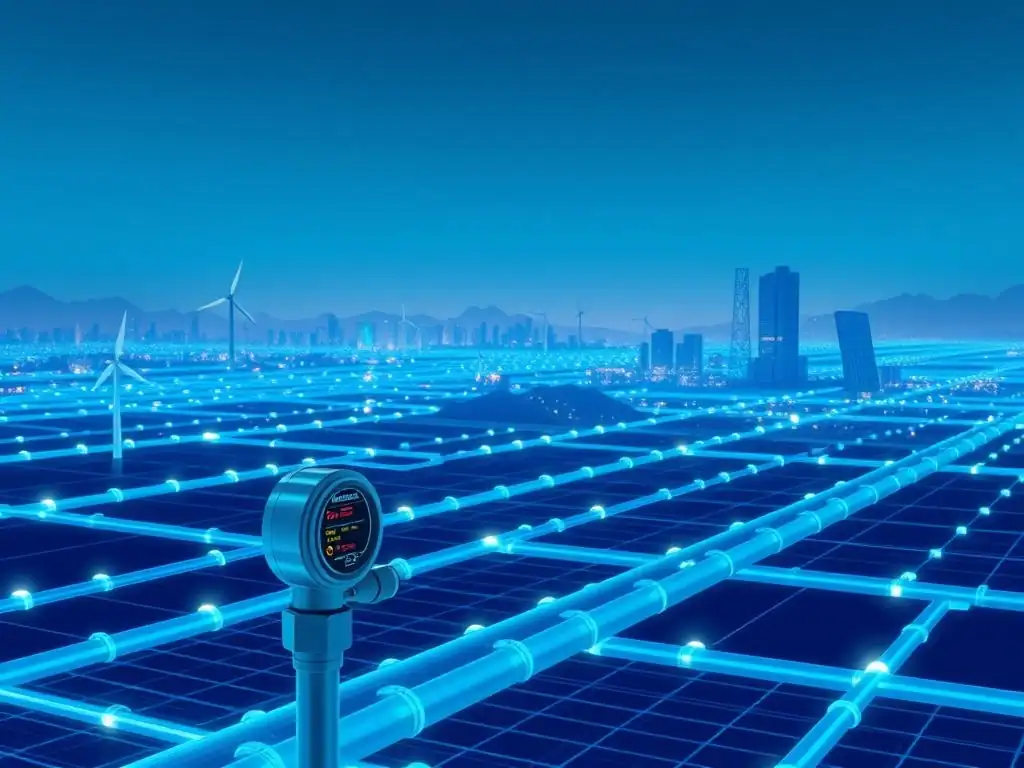
The integration of blockchain technology with smart water grids creates a powerful synergy, addressing the limitations of traditional and even basic smart systems. While smart grids provide the data collection and operational control layer, blockchain provides the underlying infrastructure for data integrity, security, and trust. By combining the real-time monitoring capabilities of smart sensors and meters with the immutable ledger of a blockchain, water utilities can achieve unprecedented levels of efficiency and transparency.
Sensor data, once validated, can be recorded on the blockchain, creating a single source of truth accessible to authorized parties. This shared, tamper-proof record facilitates smoother operations, faster problem identification, and more accurate reporting. For instance, maintenance crews can rely on verified leak data on the blockchain, and regulators can trust water quality reports recorded immutably. This integration moves beyond simply collecting data; it ensures the data is trustworthy and actionable across the entire ecosystem, laying the foundation for truly optimized and resilient blockchain smart water grids.
Real-time Monitoring and Leak Detection Using Blockchain
Real-time monitoring is a core function of smart water grids, but ensuring the reliability of this monitoring data is critical. By using blockchain to record data streams from pressure, flow, and acoustic sensors, utilities can create a verifiable log of network conditions. For example, if a sudden drop in pressure is detected by multiple sensors, this data can be recorded on the blockchain. Analysis tools can then identify potential leak locations based on this immutable data.
Furthermore, smart contracts can be programmed to automatically trigger alerts or even dispatch maintenance teams based on verified data patterns indicative of a leak, recorded on the blockchain. This decentralized and automated approach reduces the time it takes to detect and respond to leaks compared to systems relying on manual checks or centralized databases prone to delays or data inconsistencies. By ensuring the integrity and accessibility of real-time monitoring data, blockchain significantly enhances the effectiveness of leak detection efforts within blockchain smart water grids, directly contributing to reduced water loss.
Improving Water Quality Control with Blockchain-Based Tracking
Maintaining water quality is non-negotiable for public health. Smart water grids can incorporate sensors to monitor parameters like pH, turbidity, chlorine levels, and temperature. Recording this critical quality data on a blockchain provides an immutable and transparent history of water conditions throughout the distribution network. This allows utilities, regulators, and even consumers (with appropriate access) to verify that water quality standards are being met at specific points in time and location.
In the event of a contamination incident, the blockchain record provides an indisputable timeline of when and where quality parameters deviated from the norm, aiding in rapid identification of the source and affected areas. Smart contracts could potentially trigger automated alerts to health authorities or even isolate sections of the network based on verified, blockchain-recorded contamination data. This level of verifiable tracking and automated response capability, powered by blockchain, offers a significant leap forward in ensuring the safety and quality of distributed water.
Benefits of Blockchain-Enabled Smart Water Grids
Enhanced Transparency and Accountability in Water Usage
One of the most significant advantages of blockchain smart water grids is the enhanced transparency and accountability they bring to water usage. Every transaction, from water flowing through a smart meter to a payment being made, can be recorded on the distributed ledger. This creates a clear, auditable trail of exactly how much water is being consumed by whom and when. For consumers, this means greater visibility into their own usage patterns, potentially encouraging conservation.
For utilities and regulators, this transparency fosters accountability. They can track water flow through the network with high fidelity, verify consumption data for billing, and demonstrate compliance with regulations using the immutable blockchain record. Disputes over billing or usage can be resolved more easily by referencing the shared, verifiable ledger. This shift from opaque, centralized systems to a transparent, distributed model builds trust among all stakeholders involved in water management.
Reducing Water Waste Through Improved Leak Detection
As previously discussed, water loss due to leaks is a massive drain on resources and finances. Blockchain smart water grids dramatically improve leak detection capabilities by ensuring the integrity and accessibility of real-time sensor data. When pressure or flow anomalies are detected and recorded immutably on the blockchain, analysis systems can more reliably identify potential leak locations.
The ability to trust the underlying data enables faster and more accurate responses. Utilities can dispatch repair crews precisely where needed, minimizing the time between leak occurrence and repair. Reducing this response time directly translates into less water lost. Estimates suggest that implementing advanced leak detection technologies can reduce NRW by 10-30% or more in some areas, and blockchain's contribution to data integrity and automated response further amplifies this potential saving within blockchain smart water grids.
Secure and Efficient Water Billing and Payments
Traditional water billing and payment systems can be cumbersome, prone to errors, and susceptible to fraud. Blockchain offers a secure and efficient alternative. Smart meters connected to the blockchain can automatically record and submit water usage data to the ledger. Smart contracts can then read this usage data and automatically calculate the bill based on predefined tariffs.
Payments can also be automated using digital currencies or tokens on the blockchain, enabling micro-transactions for water usage if desired. This process is not only faster and more efficient than manual billing but also significantly more secure. The immutable record of usage and payment on the blockchain eliminates billing disputes based on questionable meter readings and provides a transparent history for both the utility and the consumer. This streamlines administrative processes and enhances trust in the financial aspects of water consumption.
Increased Trust and Collaboration Among Stakeholders
The inherent transparency and immutability of blockchain technology are crucial for fostering trust and collaboration among the diverse stakeholders involved in water management – from utilities and municipal authorities to industrial users, agricultural entities, and individual consumers. When all parties can access and verify the same, tamper-proof data regarding water availability, usage, quality, and transactions, it creates a foundation of shared understanding and trust.
This shared truth facilitates better decision-making and cooperation, particularly in regions facing water stress where allocation and management require careful coordination. For example, in drought conditions, smart contracts based on blockchain-verified data could automate water restrictions or reallocations according to pre-agreed protocols, ensuring fairness and compliance. By providing a neutral, secure, and transparent platform for data exchange and transaction execution, blockchain smart water grids can significantly improve the efficiency and equity of water governance and management.
Use Cases of Blockchain in Water Management
Case Study 1: SweetSense Inc.'s Groundwater Monitoring in Kenya
SweetSense Inc. has implemented a project in Kenya leveraging IoT sensors and blockchain technology for monitoring groundwater usage from boreholes. The project aims to improve the management and sustainability of water resources in rural areas. Sensors are deployed at boreholes to measure water extraction volumes and pump functionality. This data is transmitted and recorded onto a blockchain ledger.
By using blockchain, SweetSense ensures that the data on water extraction is immutable and transparent to relevant stakeholders, including local authorities and communities. This prevents data manipulation and provides a trustworthy record of how much water is being drawn from the aquifer. This verifiable data is crucial for assessing the health of the groundwater source, managing permits, and ensuring that extraction rates are sustainable, demonstrating a real-world application of blockchain in monitoring critical water resources.
Case Study 2: Civic Ledger's Water Ledger Platform in Australia
Civic Ledger, an Australian company, developed the Water Ledger platform, a blockchain-based marketplace and registry for water entitlements and trading. In regions like the Murray-Darling Basin, water rights are a complex issue, with entitlements often traded between farmers and other users. The traditional system can be slow, opaque, and subject to disputes.
The Water Ledger platform uses blockchain to create a transparent, secure, and efficient system for recording water entitlements and facilitating their transfer. Each water entitlement is represented on the blockchain, and trades are recorded as immutable transactions. This provides market participants with confidence in the validity of entitlements and the security of trades, reducing transaction costs and improving the overall efficiency of the water market. This case highlights how blockchain can bring transparency and trust to complex water rights management and trading.
Smart Irrigation Systems Powered by Blockchain
Blockchain technology is also being applied to enhance the efficiency and sustainability of smart irrigation systems, particularly in agriculture, a sector that accounts for a significant portion of global freshwater usage (often cited as around 70%). Smart irrigation systems use sensors to monitor soil moisture, weather conditions, and crop needs, adjusting watering schedules automatically to minimize waste.
Integrating blockchain into these systems can provide a secure and transparent ledger of water usage for irrigation. Sensors record the exact amount of water used for specific plots, and this data is immutably stored on the blockchain. This verifiable record can be used for accurate billing, compliance with water usage regulations, and demonstrating sustainable practices. Furthermore, smart contracts could potentially automate water allocation based on permits or optimize distribution from shared sources based on real-time, blockchain-verified data, leading to more efficient and equitable water use in agriculture.
Challenges and Considerations for Implementation
Scalability of Blockchain Solutions for Large Water Grids
Implementing blockchain in large-scale smart water grids presents significant scalability challenges. Public blockchains, like Bitcoin or Ethereum (especially before recent updates), can process a limited number of transactions per second, which might not be sufficient for handling the massive volume of data generated by thousands or millions of sensors and meters in a large metropolitan water network. Recording every single data point or micro-transaction on a main chain could quickly overwhelm the network and lead to high transaction costs.
Addressing this requires careful consideration of the blockchain architecture. Solutions include using permissioned or private blockchains, which can offer higher throughput, or employing Layer 2 scaling solutions (like rollups or sidechains) on public blockchains to process transactions off-chain and periodically settle them on the main chain. Designing an efficient data storage strategy, perhaps storing raw sensor data off-chain while recording hashes or summaries on the blockchain for verification, is also crucial to manage the volume of data in blockchain smart water grids.
Regulatory Hurdles and Data Privacy Concerns
Integrating blockchain into critical infrastructure like water grids also navigates complex regulatory landscapes and raises significant data privacy concerns. Water utilities are often heavily regulated, and adopting new technologies requires compliance with existing standards for data handling, security, and system reliability. Regulatory bodies may be unfamiliar with blockchain technology, leading to slow adoption or requiring extensive pilot programs to demonstrate compliance and safety.
Data privacy is another major hurdle. Smart meters collect granular data on household water usage, which is sensitive personal information. While blockchain can enhance security, recording personal consumption data, even pseudonymously, on a transparent ledger raises privacy questions. Compliance with regulations like GDPR in Europe or similar data protection laws globally requires careful design of the blockchain solution, potentially using techniques like zero-knowledge proofs or off-chain storage for sensitive data, with only verifiable proofs recorded on the chain.
The Energy Consumption of Blockchain Networks: Exploring Sustainable Alternatives
The energy consumption associated with certain blockchain consensus mechanisms, particularly Proof-of-Work (PoW) used by Bitcoin, is a significant concern, especially when promoting sustainable solutions like blockchain smart water grids. Running a PoW network requires substantial computational power, leading to high energy usage and a large carbon footprint. This directly conflicts with the goal of using technology to enhance environmental sustainability.
However, the blockchain landscape is evolving rapidly. Many newer blockchains and upgrades to existing ones utilize more energy-efficient consensus mechanisms like Proof-of-Stake (PoS). PoS networks consume dramatically less energy than PoW networks – estimates suggest Ethereum's transition to PoS reduced its energy consumption by over 99%. When considering blockchain for smart water grids, it is essential to choose a platform with a sustainable and energy-efficient consensus mechanism to align with the broader goals of environmental responsibility.
Integration with Existing Water Infrastructure
Integrating any new technology, including blockchain, with legacy water infrastructure is a complex and often costly undertaking. Existing water networks comprise a mix of old pipes, analog meters, and disparate digital systems that were not designed to communicate seamlessly or interact with distributed ledger technology. Retrofitting this infrastructure with smart sensors, communication networks, and blockchain compatibility requires significant investment and careful planning.
Utilities must find ways to bridge the gap between existing operational technology (OT) systems and the new information technology (IT) layer powered by blockchain. This involves developing middleware, standardizing data formats, and ensuring interoperability between different components. The transition needs to be phased, potentially starting with pilot projects in specific areas before scaling up. Overcoming these integration challenges is crucial for the successful deployment of blockchain smart water grids.
The Future of Water Management: Blockchain's Role
Predictive Analytics and AI Integration with Blockchain Smart Water Grids
The combination of blockchain's data integrity with the power of predictive analytics and Artificial Intelligence (AI) holds immense potential for the future of water management. AI and machine learning algorithms can analyze the vast amounts of immutable water data recorded on the blockchain – covering usage patterns, flow rates, pressure, quality, and even weather data – to identify complex patterns and predict future events.
For instance, AI can analyze historical and real-time blockchain data to predict where and when leaks are most likely to occur based on pipe age, pressure fluctuations, and soil conditions, enabling proactive maintenance. Predictive analytics can also forecast demand more accurately, allowing utilities to optimize pumping and distribution schedules, reducing energy use and operational costs. By feeding trustworthy, blockchain-verified data into AI models, water managers can gain deeper insights and make more informed decisions, moving towards a truly predictive and optimized system.
Decentralized Water Markets and Trading Platforms
Blockchain technology is well-suited for creating decentralized markets and trading platforms for water resources, particularly in regions where water rights are tradable commodities. Building on examples like Civic Ledger's platform, future systems could allow for more dynamic and transparent trading of water entitlements or even facilitate peer-to-peer water sharing in localized networks, managed by smart contracts on a blockchain.
These decentralized markets, enabled by blockchain, could improve the efficiency of water allocation by allowing water to flow to its most economically valuable use, while the transparent ledger ensures that trades are conducted according to established rules and entitlements are valid. This could be particularly relevant for managing scarce resources during droughts, allowing for flexible and fair reallocation based on verifiable data and automated by smart contracts, creating resilient blockchain smart water grids that facilitate market-based solutions.
Blockchain as a Catalyst for Sustainable Water Practices
Ultimately, blockchain technology can serve as a powerful catalyst for promoting sustainable water practices at various levels. By providing unprecedented transparency into water usage and quality, it empowers consumers to make more informed decisions about their consumption and encourages utilities to operate more efficiently. The ability to verify sustainable practices, such as using reclaimed water or implementing water-saving technologies, through immutable blockchain records can also support certification schemes and incentivize environmentally responsible behavior.
Furthermore, blockchain can facilitate the tracking and verification of carbon credits or other environmental offsets related to reduced energy consumption from optimized water pumping or decreased water loss. By creating a trustworthy and transparent digital layer for water management, blockchain enables better monitoring, more efficient resource allocation, and greater accountability, all of which are essential components of a sustainable water future. The adoption of blockchain smart water grids represents a significant step towards achieving these sustainability goals globally.
Conclusion: Towards a More Sustainable and Efficient Water Future
Blockchain Smart Water Grids: A Promising Solution for Water Scarcity
The challenges of water scarcity and inefficient water management are pressing global issues that demand innovative technological solutions. Smart water grids, with their ability to monitor, analyze, and optimize water distribution in real-time, represent a significant step forward. However, the true transformative potential emerges when smart grid capabilities are combined with the unique properties of blockchain technology – decentralization, immutability, and transparency. Blockchain smart water grids offer a promising path to address these challenges head-on.
By providing a secure, tamper-proof ledger for critical water data and transactions, blockchain enhances data integrity, enables real-time verifiable monitoring, and facilitates secure automation through smart contracts. This leads to substantial benefits, including reduced water loss through improved leak detection, more efficient and transparent billing, and increased trust among all stakeholders. Real-world examples, such as groundwater monitoring in Kenya and water trading in Australia, demonstrate the tangible benefits already being realized through the application of blockchain in the water sector.
Call to Action: Embracing Innovation for Water Sustainability
While challenges related to scalability, regulation, energy consumption, and integration with legacy infrastructure must be carefully addressed, the potential benefits of blockchain smart water grids are too significant to ignore. The ongoing development of more efficient blockchain platforms and innovative Layer 2 solutions is steadily mitigating technical hurdles. Collaborative efforts between technology providers, water utilities, regulators, and communities are essential to navigate the implementation complexities and build trust in these new systems.
Embracing innovation, particularly the integration of blockchain into smart water grids, is not just a technological upgrade; it is a necessary step towards ensuring the long-term sustainability and resilience of our most vital resource. Investing in pilot projects, fostering regulatory understanding, and prioritizing energy-efficient blockchain solutions are crucial next steps. By leveraging the power of blockchain, we can move towards a future where water is managed more efficiently, transparently, and sustainably for the benefit of everyone.
Frequently Asked Questions
What are blockchain smart water grids, and how do they differ from traditional water management systems?
Blockchain smart water grids integrate blockchain technology into water management. Unlike traditional systems, they offer enhanced transparency, security, and traceability of water resources and data.
How does blockchain technology improve the efficiency of water distribution in smart water grids?
Blockchain enables real-time monitoring and data logging of water usage and infrastructure conditions. This facilitates optimized distribution, reduces leaks, and improves resource allocation efficiency.
What role does blockchain play in enhancing the sustainability of water resources through smart water grids?
By providing transparent data on water consumption and waste, blockchain promotes responsible water usage. It also supports the implementation of sustainable practices and reduces environmental impact.
What are the potential regulatory challenges and considerations surrounding the implementation of blockchain smart water grids?
Regulatory frameworks need to adapt to the decentralized nature of blockchain. Key concerns include data privacy, security standards, and interoperability with existing infrastructure.
Beyond efficiency and sustainability, what other benefits can blockchain smart water grids offer to stakeholders?
They can foster trust among consumers, utilities, and regulators. They can also create new revenue streams through data monetization and facilitate decentralized water markets.
Final Reflection: Embracing Transparency for a Thirsty World
The exploration of blockchain smart water grids reveals a powerful convergence of technology and environmental responsibility, highlighting a path towards more efficient and sustainable water management. In a world increasingly grappling with water scarcity and aging infrastructure, the potential of this innovative approach to revolutionize how we monitor, distribute, and conserve this precious resource is undeniable.
This technology's influence extends beyond mere efficiency gains; it fosters a culture of transparency and accountability within the water sector. The ability to track water usage and distribution in real-time, coupled with the immutable nature of blockchain, empowers consumers and encourages responsible consumption. We never know the worth of water till the well is dry.
- Thomas Fuller. This quote underscores the urgency of embracing solutions that safeguard our water resources for future generations.
As we conclude this exploration, let us consider how we can each contribute to a more sustainable water future. Reflect on your own water consumption habits, advocate for responsible water management policies in your community, and support the development and implementation of innovative technologies like blockchain smart water grids. The future of our planet depends on our collective commitment to preserving this vital resource.
Unleash Water's Potential: Join the Blockchain Revolution!
Thanks for diving deep into how blockchain is transforming smart water grids! Hopefully, you now see the immense potential for efficiency and sustainability. Ready to take the next step and be part of this exciting future?
Here's how you can contribute:
- Champion a pilot project: Advocate for implementing a small-scale blockchain-powered water management system in your local community to showcase its benefits. This will allow for a practical demonstration of how Blockchain trends help sustainability.
- Explore existing open-source blockchain platforms designed for resource management and see how they can be adapted for water grid applications.
- Share this article with your network! Help spread awareness and inspire others to consider blockchain solutions for water sustainability.
What's one immediate step you can take this week to promote blockchain's role in ensuring a more sustainable water future?
Leave a Reply