
Sustainable NFTs: Innovations and Solutions for a Greener Digital Art World


Welcome to Blockchain Trends, your guide to understanding the revolutionary power of blockchain technology.
Delve into the fascinating world beyond cryptocurrencies, where blockchain is reshaping industries and redefining possibilities. Curious about how digital art can embrace sustainability? This week, we're unpacking the concept of an ecofriendly NFT creation process. Explore innovative solutions and emerging technologies that are paving the way for a greener digital art world – and discover how you can contribute to a more sustainable future. Read on to learn more about this crucial shift!
- Introduction: The Environmental Impact of NFTs and the Need for Sustainability
- Exploring Ecofriendly NFT Creation: Solutions and Innovations
- Alternative Blockchains for Sustainable NFTs: A Comparison
- Innovations in NFT Technology for Environmental Sustainability
- Case Studies: Successful Sustainable NFT Projects
- The Role of Artists and Collectors in Promoting Sustainable NFTs
- Overcoming Challenges and Future Trends in Green NFTs
- Conclusion: Embracing a Sustainable Future for Digital Art with Ecofriendly NFT creation
-
Frequently Asked Questions
- What are the main environmental concerns associated with NFTs?
- How does Proof-of-Stake (PoS) differ from Proof-of-Work (PoW) in terms of environmental impact?
- What are some ecofriendly NFT creation processes that artists and creators are using?
- What role does regulation play in promoting sustainable NFT practices?
- Beyond specific blockchains, what other innovations are contributing to a greener NFT ecosystem?
- Final Reflection: Embracing a Conscious Digital Future
- Reimagine Your Digital Art Collection Today!
Introduction: The Environmental Impact of NFTs and the Need for Sustainability
Non-fungible tokens, or NFTs, have revolutionized the digital art world, creating new paradigms for ownership, provenance, and monetization. Artists, collectors, and investors have flocked to this burgeoning market, driving significant growth and innovation. However, the rapid expansion of the NFT space has also brought to light significant environmental concerns, primarily related to the energy consumption of the underlying blockchain networks. Addressing this impact is crucial for the long-term viability and ethical standing of the digital art market, prompting a widespread call for more sustainable practices in every step of the Ecofriendly NFT creation process.
The environmental footprint of NFTs stems predominantly from the energy-intensive nature of certain blockchain consensus mechanisms, particularly Proof-of-Work (PoW), which has been the foundation for major networks like Ethereum (prior to its transition) and Bitcoin. As millions of NFTs were minted and traded, the cumulative energy usage became a major point of criticism. This has spurred a global conversation within the blockchain and art communities about finding and implementing solutions that allow for the continued growth of digital assets while minimizing ecological harm, fostering the development of truly ecofriendly NFT creation methods and platforms.
Understanding the Carbon Footprint of Proof-of-Work NFTs
The vast majority of initial NFT activity occurred on the Ethereum blockchain, which historically utilized a Proof-of-Work (PoW) consensus mechanism. PoW relies on miners solving complex computational puzzles to validate transactions and add new blocks to the chain. This process requires significant computing power, and consequently, substantial energy consumption.
At its peak, before the transition to Proof-of-Stake, Ethereum's annual energy consumption was estimated to be comparable to that of a medium-sized country, such as Switzerland or the Netherlands, with a carbon footprint similar to Singapore. Every transaction, including the minting, buying, selling, and transferring of an NFT, contributed to this overall energy load.
The energy use isn't just about powering computers; it's also about cooling them and maintaining the necessary infrastructure. While the energy efficiency of individual mining rigs improved over time, the increasing difficulty of the puzzles and the sheer scale of the network meant that the total energy demand remained exceptionally high.
This direct link between NFT transactions and large-scale energy consumption highlighted the urgent need for alternative, lower-impact methods for the ecofriendly NFT creation process and subsequent trading activities. The environmental cost became a significant barrier for many environmentally conscious artists and collectors who were otherwise eager to participate in the digital art revolution.
The Rising Demand for Eco-Conscious Digital Art
Public awareness of climate change and environmental sustainability has grown significantly in recent years, influencing consumer choices across various industries, including art and technology. As the environmental impact of PoW-based NFTs became widely reported, there was a notable backlash and a strong demand from artists, collectors, and platforms for more sustainable alternatives. Many artists expressed discomfort with creating work that contributed to a large carbon footprint, leading some to explore or even exclusively adopt more ecofriendly NFT creation processes.
This growing demand has fueled innovation within the blockchain space, accelerating the development and adoption of more energy-efficient technologies. Marketplaces and platforms have begun to highlight or even exclusively support NFTs minted on blockchains with lower environmental impacts. Collectors are increasingly seeking out "green" NFTs, minted using sustainable methods, and are willing to pay a premium or prioritize platforms that demonstrate a commitment to ecological responsibility. This market pressure is a significant driver behind the shift towards more sustainable practices and the exploration of diverse methods for ecofriendly NFT creation.
Exploring Ecofriendly NFT Creation: Solutions and Innovations
The blockchain community has responded to the environmental challenge with a range of solutions aimed at reducing the energy consumption associated with NFTs. These innovations focus primarily on the underlying blockchain technology and the processes involved in minting and managing digital assets. Implementing these solutions is key to developing a truly ecofriendly NFT creation process that minimizes environmental impact from inception to transaction.
From transitioning to more efficient consensus mechanisms to developing scaling solutions and implementing carbon offset programs, the focus is on decoupling the value and utility of NFTs from excessive energy use. These advancements are not only crucial for environmental sustainability but also often lead to lower transaction costs and faster processing times, offering additional benefits to users engaging in the ecofriendly NFT creation process and trading.
Proof-of-Stake (PoS) Blockchains: A Lower Energy Alternative for NFT Minting
Proof-of-Stake (PoS) is a consensus mechanism that offers a dramatically more energy-efficient alternative to Proof-of-Work. Instead of relying on computational power, PoS requires validators to "stake" a certain amount of cryptocurrency to participate in the block validation process. The probability of a validator being chosen to create the next block is proportional to the amount of stake they hold. This process eliminates the need for energy-intensive computations, reducing energy consumption by orders of magnitude. For example, Ethereum's transition from PoW to PoS (known as "The Merge") is estimated to have reduced its energy consumption by over 99.95%.
This massive reduction in energy use makes PoS blockchains inherently more suitable for an ecofriendly NFT creation process. Minting and transacting NFTs on a PoS network consumes significantly less energy per transaction – often cited as equivalent to sending a few emails, compared to the energy needed to power a household for several days or even weeks on a PoW network. As a result, many new NFT platforms and artists are choosing to build and mint on PoS chains, recognizing their environmental advantages and appealing to a growing market of eco-conscious collectors.
Layer-2 Scaling Solutions: Reducing Gas Fees and Energy Consumption
Layer-2 scaling solutions are protocols built on top of a base blockchain (Layer-1), such as Ethereum, to increase transaction throughput and reduce costs. These solutions, such as rollups (Optimistic and Zero-Knowledge) and sidechains, process transactions off the main chain in batches and then submit a summary or proof back to Layer-1. This significantly reduces the number of individual transactions that need to be processed and validated on the more energy-intensive Layer-1.
While Layer-2 solutions don't change the fundamental energy consumption of the Layer-1 network itself (if it's PoW), they drastically reduce the energy per transaction for activities that move off-chain. Lower transaction fees (gas fees) are a direct benefit of this efficiency. For an ecofriendly NFT creation process or trading activity happening on a Layer-2, the energy footprint associated with that specific action is much lower compared to executing it directly on a congested Layer-1 PoW chain. As Layer-2 adoption grows, a larger proportion of NFT activity can occur in a more energy-efficient manner, contributing to a greener ecosystem.
Carbon Offset Programs for NFTs: Neutralizing the Environmental Impact
For NFTs that have already been minted on energy-intensive blockchains or for projects seeking to go the extra mile, carbon offsetting offers a way to mitigate their environmental impact. Carbon offsetting involves purchasing carbon credits that fund projects designed to reduce greenhouse gas emissions elsewhere, such as renewable energy initiatives, reforestation efforts, or energy efficiency projects. The idea is to compensate for the emissions generated by the NFT activity.
Several platforms and projects have implemented carbon offset programs. Some platforms automatically calculate the estimated carbon footprint of a minting or transaction event and add a small fee to cover the cost of purchasing offsets. Other projects purchase offsets for their entire collection after minting. While offsetting is seen by some as a form of "paying to pollute," it provides a tangible way to support environmental projects and is considered by many as an important step towards achieving carbon neutrality in the ecofriendly NFT creation process and wider ecosystem, especially while the transition to more efficient technologies is ongoing.
Alternative Blockchains for Sustainable NFTs: A Comparison
Beyond the major transition of Ethereum, several other blockchain networks were designed from the ground up using Proof-of-Stake or other low-energy consensus mechanisms. These networks offer inherent advantages for an ecofriendly NFT creation process compared to legacy PoW systems. Each has its own approach to sustainability, scalability, and features relevant to the digital art and collectibles market.
Exploring these alternative blockchains is essential for artists and platforms committed to minimizing their environmental footprint. They provide viable, energy-efficient infrastructures that support the full lifecycle of NFTs, from minting to trading, without the high energy costs associated with PoW.
Tezos: Energy-Efficient Blockchain for NFT Creation
Tezos is a Proof-of-Stake blockchain platform known for its formal verification and on-chain governance. Unlike energy-intensive PoW chains, Tezos utilizes a Liquid Proof-of-Stake (LPoS) consensus mechanism, which requires significantly less energy. A report in 2021 estimated the annual energy consumption of the entire Tezos network to be roughly equivalent to the energy footprint of just 17 individuals, a stark contrast to the energy use of major PoW networks.
This inherent energy efficiency makes Tezos a popular choice for artists and platforms focused on sustainable NFTs. The cost and energy required for an ecofriendly NFT creation process on Tezos are minimal. The network supports smart contracts and has a growing ecosystem of marketplaces and decentralized applications (dApps) tailored for NFTs, making it a viable and environmentally conscious alternative for the digital art community.
Flow: Designed for Scalability and Low Environmental Impact
Flow is a blockchain designed by Dapper Labs, the creators of CryptoKitties and NBA Top Shot, specifically for consumer applications like games, apps, and digital assets. It uses a unique multi-role architecture with a Proof-of-Stake consensus mechanism, which aims to achieve high scalability without sharding or relying on energy-intensive mining. Flow's design separates computational tasks into different node types, optimizing efficiency.
The creators of Flow emphasize its low environmental impact, stating that minting an NFT on Flow consumes negligible energy compared to PoW chains. The network's architecture is optimized for high transaction throughput and low costs, making it suitable for mass-market adoption of NFTs and digital collectibles. This focus on efficiency and user experience, combined with its low energy consumption, positions Flow as a strong contender for facilitating an ecofriendly NFT creation process at scale.
Algorand: Pure Proof-of-Stake and Carbon-Negative Initiatives
Algorand is a blockchain platform built on a Pure Proof-of-Stake (PPoS) consensus protocol. PPoS selects users randomly and secretly to propose and vote on blocks, requiring minimal computational power and thus consuming very little energy. Algorand is committed to sustainability and has partnered with ClimateTrade to implement a carbon-negative approach, offsetting its minimal carbon footprint and then some by purchasing carbon credits on-chain.
Algorand's PPoS mechanism ensures that its energy consumption per transaction is extremely low. Furthermore, its carbon-negative status means that the network actively contributes to removing more carbon dioxide from the atmosphere than it emits. This makes Algorand an exceptionally attractive platform for artists and projects prioritizing environmental sustainability throughout the entire ecofriendly NFT creation process and beyond, offering a compelling narrative for collectors concerned about climate impact.
Innovations in NFT Technology for Environmental Sustainability
Beyond the choice of the underlying blockchain, specific technological innovations within the NFT ecosystem itself are also contributing to reduced environmental impact. These innovations focus on optimizing the minting process, reducing the number of on-chain transactions required, and designing more efficient smart contracts.
These advancements represent refinements in the ecofriendly NFT creation process and management, aiming to minimize resource usage at the application level. By leveraging these technical improvements, artists and platforms can further reduce their environmental footprint, even when operating within existing blockchain frameworks.
Fractionalized NFTs: Reducing the Number of Transactions
Fractionalization allows a single NFT to be divided into multiple, fungible tokens. This enables shared ownership of a high-value digital asset, making it more accessible to a broader range of collectors. While the initial minting of the fractionalized tokens occurs on-chain, subsequent trading of these fungible fractions can happen on decentralized exchanges designed for fungible tokens, which are often more efficient than NFT marketplaces designed for unique assets.
More importantly, fractionalization can potentially reduce the total number of transactions related to accessing the value of an NFT. Instead of selling the entire NFT multiple times or engaging in complex on-chain agreements for shared ownership, the fractional tokens can be traded more easily and potentially on Layer-2 solutions or more efficient parts of the network. While the initial ecofriendly NFT creation process still involves the base NFT minting, the subsequent activity around accessing its value can be managed more efficiently, reducing cumulative transaction energy.
Lazy Minting: Minting NFTs Only When Purchased
Traditional NFT minting involves creating the token and writing its data to the blockchain before it is listed for sale. This requires energy and incurs gas fees upfront, regardless of whether the NFT is ever sold. Lazy minting, also known as gasless minting, is an approach where the NFT is not actually minted on the blockchain until it is purchased. The seller signs the metadata and terms of sale off-chain, and the minting transaction is initiated by the buyer upon purchase.
This method significantly reduces wasted energy and costs associated with creating NFTs that never find a buyer. By delaying the energy-intensive part of the ecofriendly NFT creation process until a transaction is confirmed, only NFTs that are actually valued and purchased consume blockchain resources. This is a major step towards efficiency, ensuring that blockchain energy is only used for successful transactions, rather than for speculative or unsold digital assets.
Energy-Efficient Smart Contract Design for NFTs
Smart contracts are the code that governs the creation, ownership, and transfer of NFTs. The efficiency of these contracts can impact the computational resources required to execute transactions on the blockchain. Poorly written or overly complex smart contracts can consume more gas (and thus more energy) than necessary. Developers are increasingly focusing on writing optimized smart contracts for NFT operations.
Techniques include minimizing the amount of data stored directly on-chain, optimizing loops and computations within the contract code, and utilizing updated token standards that are designed for efficiency. While the energy savings from optimizing a single smart contract might seem small, collectively across millions of NFT transactions, these optimizations contribute to a more efficient and thus more ecofriendly NFT creation process and ecosystem overall. Focusing on code efficiency is a critical, albeit often overlooked, aspect of sustainable blockchain development.
Case Studies: Successful Sustainable NFT Projects
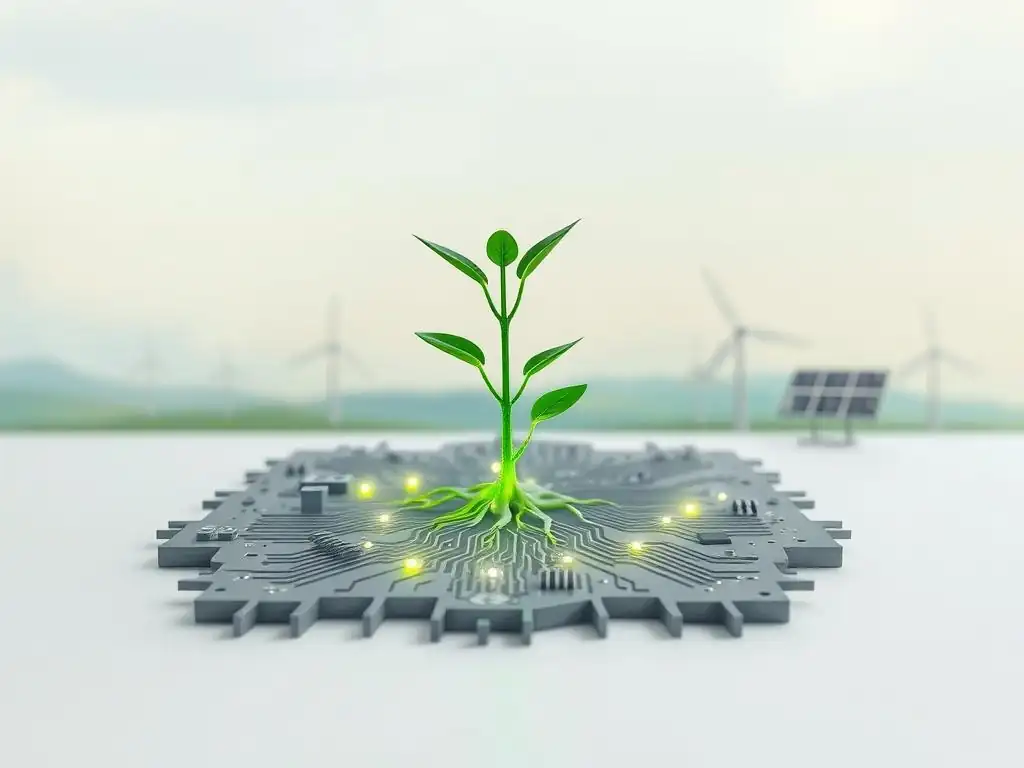
Several pioneering artists and projects have demonstrated how NFTs can be created and utilized in ways that are mindful of or actively address environmental concerns. These examples serve as inspirations and blueprints for others looking to engage in an ecofriendly NFT creation process and contribute positively to the digital art space.
These case studies highlight different approaches, from using environmentally conscious platforms to integrating environmental themes into the art itself or implementing carbon offsetting strategies. They showcase that it is possible to achieve artistic and commercial success in the NFT market while maintaining a commitment to sustainability.
Refik Anadol's "Living Architecture": Using AI and Environmental Data
Refik Anadol is a media artist known for his data-driven, AI-generated art installations. His "Living Architecture" series, which has included NFT components, often uses real-time environmental data, such as weather patterns, ocean data, or urban sounds, as input for his algorithms. While not every piece is minted on the most energy-efficient chain, Anadol has actively engaged in discussions about the environmental impact and explored ways to mitigate it, including exploring minting on less energy-intensive platforms or offsetting emissions.
His work exemplifies how artists can integrate environmental themes and data into the art itself, raising awareness about ecological issues through the medium of digital art. Furthermore, his consideration of minting practices demonstrates a conscious effort towards an ecofriendly NFT creation process, acknowledging the platform's impact alongside the artistic message. This approach encourages both creators and collectors to think critically about the relationship between digital art, technology, and the environment.
Beeple's "Ocean Front": Raising Awareness About Climate Change
While Mike Winkelmann, known as Beeple, is famous for record-breaking NFT sales on the Ethereum blockchain (historically PoW), his piece "Ocean Front" is a notable example of using the platform to raise awareness and funds for environmental causes. The artwork itself depicts a structure built on shipping containers in the middle of the ocean, symbolizing the precarious state of coastal environments due to climate change.
The sale of "Ocean Front" generated substantial funds that were donated to the Open Earth Foundation, a non-profit organization working on climate change solutions. Although minted on a PoW chain at the time, the project used the visibility and value of the NFT market to directly support environmental action. This case highlights that while the ecofriendly NFT creation process itself is crucial, the utility and purpose of the NFT can also be leveraged for positive environmental impact, demonstrating different facets of sustainability within the ecosystem.
The Role of Artists and Collectors in Promoting Sustainable NFTs
Creating a truly sustainable NFT ecosystem requires collective effort. Artists and collectors, as the primary participants in the digital art market, play a vital role in driving the adoption of ecofriendly practices. Their choices regarding platforms, minting methods, and projects can significantly influence the market's direction.
By making informed decisions and advocating for change, artists and collectors can accelerate the shift towards more sustainable technologies and norms. Their active participation is essential for building a digital art world that is both innovative and environmentally responsible.
Choosing Eco-Friendly Platforms and Artists
One of the most direct actions artists and collectors can take is to prioritize platforms and blockchains known for their low energy consumption. Opting to mint or purchase NFTs on Proof-of-Stake blockchains like Tezos, Flow, Algorand, or Polygon (an Ethereum Layer-2) directly supports more sustainable infrastructure. Many marketplaces now clearly indicate which blockchain an NFT is minted on, allowing users to make environmentally conscious choices.
Collectors can actively seek out artists who commit to an ecofriendly NFT creation process, using sustainable methods or platforms. Artists, in turn, can promote their sustainable practices, attracting eco-conscious buyers. This creates a positive feedback loop, rewarding sustainable behavior and encouraging wider adoption of green alternatives within the market.
Supporting Initiatives Focused on Carbon Neutrality
Beyond choosing energy-efficient chains, artists and collectors can support projects and platforms that actively work towards carbon neutrality or negativity. This might involve participating in marketplaces that implement automatic carbon offsetting for transactions, or supporting NFT projects where a portion of the proceeds is dedicated to environmental charities or carbon removal initiatives.
Some platforms allow users to contribute directly to carbon offset pools or purchase tokenized carbon credits. By supporting these initiatives, participants help internalize the environmental cost of digital asset creation and contribute to broader climate action, complementing the efforts towards an ecofriendly NFT creation process with post-minting environmental responsibility.
Educating Others About the Environmental Impact of NFTs
Raising awareness is critical. Artists and collectors can use their platforms and networks to educate others about the environmental impact of different blockchain technologies and the importance of choosing sustainable options. Sharing information about low-energy blockchains, lazy minting, and carbon offsetting helps demystify the topic and empowers others to make informed decisions.
Openly discussing the environmental aspects of NFTs encourages a more responsible and ethical community. By advocating for sustainable practices and highlighting the benefits of an ecofriendly NFT creation process, individuals can contribute to shifting the market towards a greener future, fostering a culture of environmental responsibility within the digital art space.
Overcoming Challenges and Future Trends in Green NFTs
While significant progress has been made in developing sustainable NFT solutions, challenges remain. These include ensuring that energy-efficient networks are also scalable, secure, and decentralized, as well as addressing the broader energy footprint of the internet and computing infrastructure that blockchain relies on.
Looking ahead, the future of sustainable NFTs lies in continued technological innovation, broader adoption of energy-efficient practices, and potentially integrating renewable energy sources more directly into the blockchain infrastructure. The goal is to make the ecofriendly NFT creation process not just an alternative, but the standard.
Addressing Concerns About Scalability and Security
Early criticisms of some alternative blockchains focused on potential trade-offs between energy efficiency, scalability, and security compared to established PoW giants. Developing PoS mechanisms that are both highly scalable (able to handle millions of transactions) and robustly secure against attacks is an ongoing area of research and development. While networks like Flow and Algorand were designed with scalability in mind, and Ethereum's transition to PoS significantly boosted its potential throughput, ensuring these networks can handle mainstream adoption while maintaining security is paramount.
Furthermore, decentralized storage solutions for NFT metadata (like IPFS) also have energy implications, although typically far less than consensus mechanisms. Future developments need to consider the entire ecosystem's efficiency. The challenge is to build infrastructure that supports a truly ecofriendly NFT creation process at scale without compromising the core tenets of blockchain technology: security, decentralization, and immutability.
The Future of Carbon-Neutral NFT Marketplaces
The trend towards sustainable marketplaces is likely to accelerate. We can expect to see more platforms exclusively supporting energy-efficient blockchains, implementing mandatory carbon offsetting for transactions, or even operating on infrastructure powered entirely by renewable energy. These marketplaces will not only facilitate the ecofriendly NFT creation process but also ensure that subsequent trading activities align with environmental goals.
Marketplaces could also play a role in verifying the sustainability claims of NFT projects, providing transparency to collectors about the methods used for minting and the environmental footprint. Features like displaying the estimated carbon cost per transaction or highlighting NFTs minted on carbon-negative chains could become standard, further driving market demand for sustainable digital art.
The Potential of Renewable Energy Powered NFT Platforms
Ultimately, the most sustainable long-term solution involves transitioning the underlying energy sources for blockchain operations to renewables. While PoS significantly reduces consumption, the energy used still needs to come from somewhere. Initiatives to power blockchain nodes and data centers with solar, wind, or hydroelectric energy represent a critical future trend.
Some blockchain projects and mining operations (even on PoW chains like Bitcoin) are already exploring or implementing the use of renewable energy. As renewable energy infrastructure becomes more widespread and accessible, the potential for blockchain networks, including those supporting the ecofriendly NFT creation process, to become genuinely green increases dramatically. This shift in energy sourcing could make the entire digital asset ecosystem significantly more sustainable.
Conclusion: Embracing a Sustainable Future for Digital Art with Ecofriendly NFT creation
The environmental impact of early NFT activity, particularly on Proof-of-Work networks, highlighted a critical challenge for the digital art world. However, this challenge has spurred significant innovation and a collective movement towards more sustainable practices. The development and adoption of energy-efficient Proof-of-Stake blockchains, Layer-2 scaling solutions, lazy minting techniques, and carbon offsetting programs are transforming the landscape, making an ecofriendly NFT creation process increasingly accessible and standard.
Artists, collectors, platforms, and developers all have a role to play in prioritizing sustainability. By choosing green platforms, supporting eco-conscious projects, advocating for better practices, and continuing to innovate, the community can ensure that the growth of digital art does not come at an unacceptable environmental cost. The future points towards a digital art ecosystem where sustainability is not an afterthought but a fundamental principle, integrated into every step from concept to collection.
The Importance of Collective Action for a Greener NFT Ecosystem
Achieving a truly green NFT ecosystem requires the coordinated efforts of everyone involved. Developers must continue to build more efficient protocols and tools. Artists must choose sustainable platforms and minting methods. Marketplaces must facilitate and incentivize ecofriendly practices. Collectors must demand and support sustainable digital art. Policymakers may also play a role in encouraging energy efficiency in blockchain technology.
Education and transparency are key components of this collective action. As more people understand the environmental implications of their choices and the availability of sustainable alternatives, the market will naturally shift towards greener options. This shared responsibility is vital for mitigating the environmental footprint and ensuring the long-term health of the digital art space.
Looking Ahead: Sustainable NFTs as the New Standard
The initial focus on the high energy use of PoW NFTs was a necessary wake-up call. The subsequent rapid development and adoption of energy-efficient technologies and practices demonstrate the industry's capacity to adapt and innovate. As PoS blockchains become the dominant infrastructure for new projects and existing networks transition, the baseline energy consumption for NFT activity is drastically reduced.
The trend towards an ecofriendly NFT creation process is not a temporary fad but a necessary evolution. As awareness grows and sustainable tools become more accessible, creating and collecting NFTs with minimal environmental impact will become the norm rather than the exception. The future of digital art is inextricably linked with its sustainability, and the path forward involves making green practices the standard for a thriving, responsible ecosystem.
Frequently Asked Questions
What are the main environmental concerns associated with NFTs?
The primary concerns revolve around the energy consumption required for blockchain transactions, particularly on Proof-of-Work blockchains like Ethereum (though it has transitioned to Proof-of-Stake). This energy use contributes to a significant carbon footprint.
How does Proof-of-Stake (PoS) differ from Proof-of-Work (PoW) in terms of environmental impact?
PoS is significantly more energy-efficient than PoW. It relies on validators staking their crypto holdings instead of energy-intensive mining processes, reducing the environmental impact.
What are some ecofriendly NFT creation processes that artists and creators are using?
Creators are exploring layer-2 scaling solutions and energy-efficient blockchains like Tezos or Solana. They are also considering carbon offsetting initiatives to mitigate their NFTs' environmental impact.
What role does regulation play in promoting sustainable NFT practices?
Regulation can incentivize sustainable practices by establishing environmental standards for NFT platforms and creators. It can also foster transparency regarding the energy consumption of different blockchains.
Beyond specific blockchains, what other innovations are contributing to a greener NFT ecosystem?
Innovations include optimized smart contracts that reduce gas fees and energy usage, as well as carbon-neutral marketplaces that invest in renewable energy projects to offset emissions. The development of more efficient storage solutions also contributes.
Final Reflection: Embracing a Conscious Digital Future
The journey towards sustainable NFTs is not merely a technological challenge, but a profound shift in how we value and interact with digital art. The innovations and solutions explored in this article underscore the urgent need to reconcile the excitement of the NFT space with the imperative of environmental responsibility. The time for passive observation is over; the future of digital art hinges on our collective commitment to a greener creation process.
The rise of ecofriendly NFT creation processes is not just a trend; it's a necessary evolution. Witnessing the growing awareness and adoption of these sustainable practices fills me with hope, knowing that we can harness the power of blockchain technology without compromising the health of our planet. We do not inherit the earth from our ancestors; we borrow it from our children.
This ancient proverb resonates deeply as we navigate the complexities of the digital age, reminding us that our actions today will shape the world of tomorrow.
As you reflect on the possibilities presented by sustainable NFTs, consider your own role in shaping this future. How can you, as an artist, collector, or enthusiast, champion ecofriendly NFT creation processes? Embrace the challenge, explore the innovations, and let your choices contribute to a digital art world that is both vibrant and sustainable. The power to create a greener future is in your hands; use it wisely and boldly.
Reimagine Your Digital Art Collection Today!
Thank you for exploring the world of sustainable NFTs with us! We hope you've gained valuable insights into how blockchain technology can support a greener future. Now it's time to turn that knowledge into action.
You can make a difference by:
- Actively seeking out and collecting NFTs from artists and platforms dedicated to eco-friendly practices. Support the pioneers and help promote the adoption of sustainable blockchain solutions.
- Researching and sharing information about blockchain technologies that are more energy-efficient. Spread awareness and educate others about the future of sustainable digital art.
- Participating in online forums and communities focused on sustainable NFTs. Contribute to discussions and help shape the future of digital art.
What innovative solutions will you champion to make NFTs truly sustainable? Share your ideas in the comments below!
Leave a Reply