
Tokenizing Sustainability: Gamifying Environmental Conservation with Blockchain

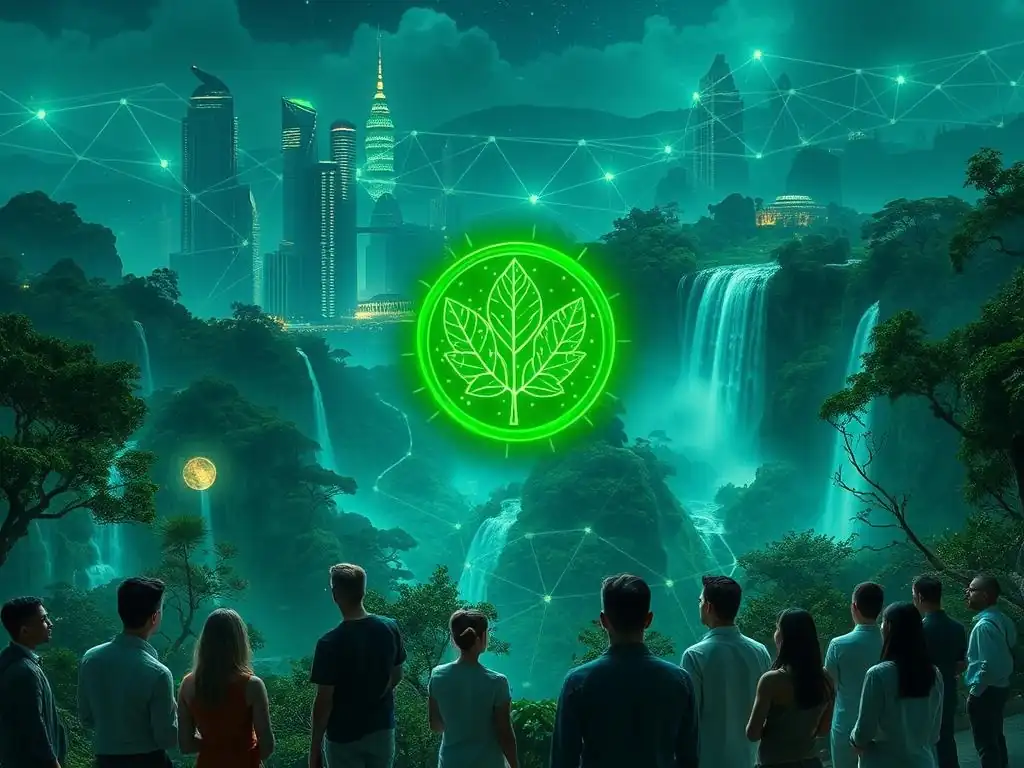
Welcome to Blockchain Trends, your guide to understanding the revolutionary impact of blockchain technology. Are you ready to discover how blockchain is moving beyond cryptocurrencies to reshape industries and create a more sustainable future?
Dive into our latest article, where we explore the fascinating world of "Tokenizing Sustainability" and uncover the tangible blockchain sustainability tokenization benefits of gamifying environmental conservation. Learn how this innovative approach is driving real change and creating a win-win scenario for both businesses and the planet. Intrigued? Keep reading to unlock the potential of decentralized systems for a greener tomorrow!
- The Benefits of Blockchain Sustainability Tokenization
-
Frequently Asked Questions
- What are sustainability tokens and how do they relate to blockchain?
- What are the key benefits of tokenizing sustainability efforts using blockchain technology?
- How does tokenization contribute to gamifying environmental conservation?
- How does blockchain ensure the legitimacy and credibility of sustainability tokens?
- What regulatory challenges might arise with the increasing use of sustainability tokens?
- Final Reflection: Embracing a Tokenized Future for Sustainability
- Ignite Change: Empower the Planet with Blockchain!
The Benefits of Blockchain Sustainability Tokenization

Enhancing Transparency and Accountability in Environmental Projects
One of the most significant blockchain sustainability tokenization benefits is the radical enhancement of transparency and accountability within environmental initiatives. Traditional funding models and project management often suffer from opaque reporting, making it difficult for stakeholders, investors, and the public to verify how funds are used or measure actual environmental impact.
By tokenizing assets or outcomes related to sustainability, projects can record transactions, data points, and progress updates directly onto a distributed, immutable ledger. This means every token transfer, every expenditure of raised funds, or even verifiable data points like the number of trees planted or tons of carbon offset can be publicly auditable, assuming the data source is reliable and connected to the blockchain.
Consider a reforestation project: instead of relying solely on paper reports, token holders could potentially verify through the blockchain the flow of capital from initial investment to the purchase of seedlings and even geolocated reports of planting activities, creating a verifiable chain of custody for impact.
This inherent transparency fosters unprecedented accountability. Project teams know that their actions are recorded and visible, which incentivizes diligent execution and honest reporting. Investors and donors gain confidence, seeing exactly where their money is going and the tangible results it is achieving.
This verifiable data can significantly reduce fraud and mismanagement risks that plague some traditional environmental efforts. Furthermore, smart contracts can automate payments or trigger actions based on predetermined, verifiable conditions – for example, releasing funds upon the successful completion of a project milestone verified by oracles feeding data onto the blockchain. This programmatic accountability ensures that resources are deployed effectively and aligned with stated environmental goals, providing a robust framework for oversight that was previously challenging to implement at scale.
Driving Funding and Investment for Sustainable Initiatives
Blockchain sustainability tokenization benefits sustainable initiatives by creating novel and efficient mechanisms for funding and investment. Tokenization breaks down large, illiquid assets or future revenue streams associated with environmental projects into smaller, digital units that are easily tradable. This lowers the barrier to entry for investors, allowing participation with smaller capital amounts than typically required for traditional green bonds or private equity deals.
For instance, tokenizing a solar farm allows individuals to own a fraction of the asset and potentially earn a portion of the revenue generated from energy sales, democratizing access to renewable energy investments. Projects that were previously too small or too complex to attract large institutional funding can now seek capital from a global pool of retail investors and impact-focused individuals.
Moreover, tokens can represent various forms of value – equity in a project, a claim on future carbon credits generated, or even the right to participate in project governance. This flexibility allows projects to design funding structures that best fit their needs and attract diverse investor profiles. Platforms facilitating the issuance and trading of sustainability tokens are emerging, creating liquid secondary markets where investors can buy and sell their positions, increasing the overall attractiveness of investing in environmental projects.
This liquidity is a major advantage over traditional private investments, which are often illiquid. Estimates suggest the green finance market is growing rapidly, and tokenization provides a powerful tool to channel a greater portion of this capital towards verifiable, impactful projects by making investment more accessible, transparent, and potentially profitable through new token economic models.
Creating Incentives for Environmental Conservation through Token Rewards
A compelling aspect among the blockchain sustainability tokenization benefits is the ability to create direct, tangible incentives for individuals and communities to engage in positive environmental actions. Through token reward systems, specific behaviors that contribute to sustainability can be tracked and compensated with digital tokens. This gamified approach turns environmental stewardship into an activity that provides immediate, measurable returns.
Examples include earning tokens for recycling waste, using public transportation, reducing energy consumption at home, participating in community clean-up drives, or adopting sustainable consumption habits. These actions, often voluntary or requiring personal effort, are directly linked to an economic incentive delivered via the blockchain.
The tokens earned through these activities are not merely points; they are digital assets that can have real-world value. They can be traded on exchanges, redeemed for goods and services from participating partners, used to support other environmental projects, or even grant voting rights in decentralized environmental governance structures. This creates a powerful feedback loop: individuals are rewarded for their efforts, the value of the tokens can increase as the associated sustainability initiatives grow or the community expands, further incentivizing participation.
Pilot programs in various cities and communities have demonstrated the potential of such token-based reward systems to significantly boost engagement in activities like waste sorting and energy saving, turning passive environmental awareness into active, rewarded participation. The scale of impact can be substantial, shifting behavior across thousands or even millions of participants when implemented effectively.
Blockchain Sustainability Tokenization Benefits: A Summary
Let's summarize the core blockchain sustainability tokenization benefits.
- Transparency: Immutable recording of data and transactions on the blockchain.
- Accountability: Verifiable tracking of fund usage and project progress for all stakeholders.
- Funding Efficiency: Lowering investment barriers and democratizing access to capital for green projects.
- Liquidity: Creating secondary markets for sustainability assets.
- Incentivization: Rewarding positive environmental behavior with tangible tokens.
- Engagement: Gamifying conservation efforts to increase participation.
These blockchain sustainability tokenization benefits collectively represent a powerful new approach to environmental conservation. By leveraging the unique properties of blockchain technology – its transparency, security, and ability to facilitate direct peer-to-peer interactions – sustainability projects can overcome traditional hurdles related to trust, funding, and public engagement.
The shift towards tokenization is not just about using a new technology; it's about creating entirely new economic models that align financial incentives with environmental goals, making conservation efforts more effective, scalable, and inclusive. The potential for these benefits to accelerate the transition to a sustainable future is immense, promising a paradigm shift in how we fund, manage, and participate in protecting our planet.
Frequently Asked Questions
What are sustainability tokens and how do they relate to blockchain?
Sustainability tokens are digital assets representing environmental actions or impacts. They leverage blockchain technology for transparency and traceability, ensuring the integrity of sustainability claims.
What are the key benefits of tokenizing sustainability efforts using blockchain technology?
The main benefits include increased transparency, improved data verification, enhanced incentive structures for environmental conservation, and the creation of new financial mechanisms to support sustainability projects.
How does tokenization contribute to gamifying environmental conservation?
Tokenization allows for the creation of reward systems where users earn tokens for eco-friendly actions, fostering engagement and a sense of ownership in sustainability initiatives. This gamified approach makes conservation more appealing.
How does blockchain ensure the legitimacy and credibility of sustainability tokens?
Blockchain provides an immutable and auditable record of token transactions and underlying environmental impacts. This verifiable data increases trust and reduces the risk of greenwashing.
What regulatory challenges might arise with the increasing use of sustainability tokens?
Regulatory frameworks are still evolving, and challenges include defining legal classifications of sustainability tokens, ensuring compliance with environmental standards, and preventing fraudulent activities in the tokenized sustainability space.
Final Reflection: Embracing a Tokenized Future for Sustainability
The exploration of blockchain sustainability tokenization benefits reveals a powerful convergence of technology and environmental consciousness, offering innovative solutions to pressing global challenges. The potential for gamifying conservation efforts through blockchain-based tokens is not merely a theoretical exercise; it represents a tangible pathway towards incentivizing responsible behavior and fostering a more sustainable future for all.
This innovative approach has the potential to reshape how we perceive and interact with environmental conservation. The ability to directly reward positive actions and create transparent, verifiable impact is transformative. Never doubt that a small group of thoughtful, committed citizens can change the world; indeed, it's the only thing that ever has.
- Margaret Mead. This quote resonates deeply, highlighting the power of collective action, now amplified by the potential of blockchain technology.
As we stand at the cusp of this technological revolution, let us embrace the opportunities presented by blockchain sustainability tokenization. Consider how you can contribute to this evolving landscape, whether through supporting projects, advocating for policy changes, or simply making more conscious choices in your daily life. The future of our planet depends on our collective commitment to innovation and sustainability.
Ignite Change: Empower the Planet with Blockchain!
Thank you for exploring the potential of blockchain technology in promoting sustainability through engaging, gamified solutions. Now that you've seen how innovative tools can drive real-world environmental impact, it's time to take action.
Here's how you can get started:
- Immediately research and document existing blockchain projects focused on sustainability. Recognize their strengths and areas for improvement.
- Brainstorm creative ways to apply blockchain technology to local environmental challenges, particularly through gamified approaches that encourage participation.
- Share this article with your network and start a conversation about how blockchain can transform environmental conservation efforts.
What innovative blockchain-based solution will you champion to build a more sustainable future? Share your ideas in the comments below!
Leave a Reply