
The Trust Factor: Blockchain for Verifying Environmental Performance

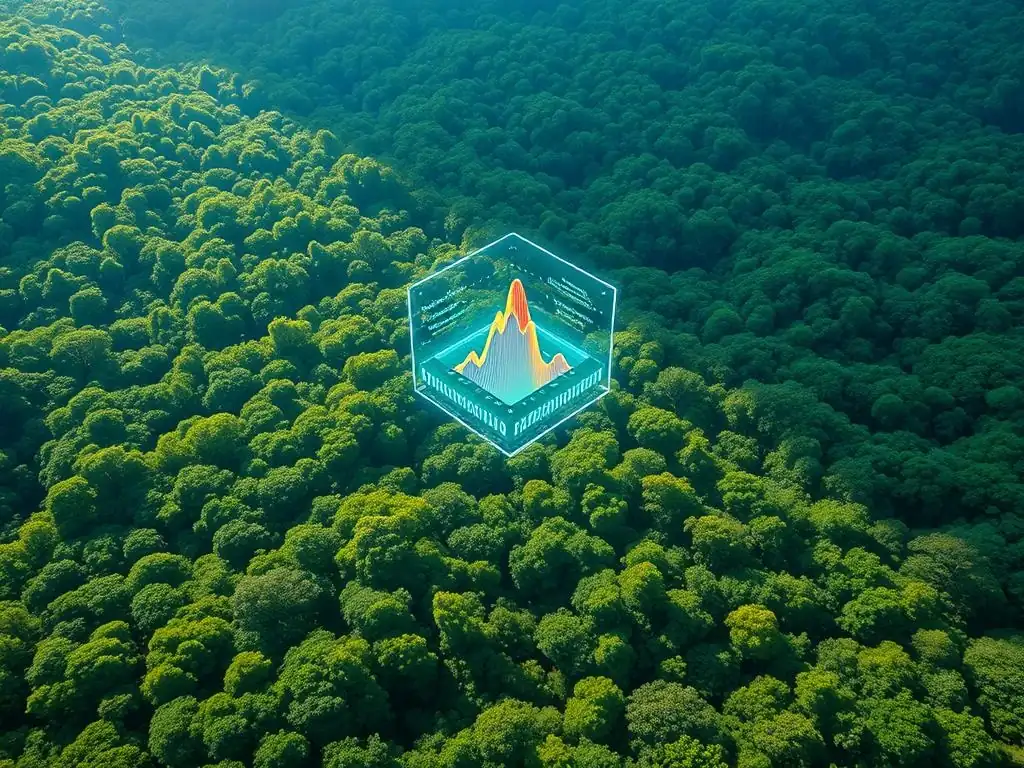
Welcome to Blockchain Trends, your guide to understanding the revolutionary impact of blockchain technology beyond the hype. In a world demanding greater transparency and accountability, can blockchain offer a verifiable solution for environmental performance data? Dive into our latest article, "The Trust Factor: Blockchain for Verifying Environmental Performance," to explore how this technology is being leveraged to build a more sustainable and trustworthy future. Discover how immutable ledgers are transforming environmental reporting and opening up new possibilities for a greener planet.
The Trust Factor: Blockchain for Verifying Environmental Performance
- Introduction: Blockchain's Role in Environmental Data Verification
- Understanding the Challenges of Traditional Environmental Performance Verification
- Blockchain for Enhanced Environmental Data Transparency and Trust
- Applications of Blockchain in Verifying Environmental Performance Data
- Benefits of Using Blockchain for Environmental Performance Verification
- Case Studies: Blockchain Solutions for Environmental Verification in Practice
- Overcoming the Challenges of Implementing Blockchain in Environmental Monitoring
- The Future of Blockchain and Environmental Performance Data
- Conclusion: Building a Sustainable Future with Blockchain-Verified Environmental Data
-
Frequently Asked Questions
- How can blockchain technology improve the verification of environmental performance data?
- What are some specific applications of blockchain in verifying environmental performance?
- What are the potential benefits for businesses using blockchain for environmental verification?
- What are the challenges to widespread adoption of blockchain for environmental data verification?
- How does blockchain enhance trust in environmental performance data compared to traditional methods?
- Final Reflection: Embracing Transparency for a Sustainable Future
- Unveil a Greener Future: Your Blockchain Journey Starts Now!
Introduction: Blockchain's Role in Environmental Data Verification
The Growing Need for Transparent Environmental Performance Measurement
The global imperative to address climate change and environmental degradation has amplified the demand for accurate, reliable, and transparent environmental performance data. Stakeholders, including investors, regulators, consumers, and the public, increasingly require verifiable information about how companies and organizations impact the environment. This includes metrics related to carbon emissions, resource consumption, waste management, and sustainable sourcing.
Without a trusted framework for measuring and reporting this data, it becomes challenging to set meaningful targets, track progress effectively, and hold entities accountable for their environmental footprint. The integrity of environmental performance data is paramount for informed decision-making and fostering genuine sustainability efforts.
Current environmental reporting often relies on self-assessment and traditional auditing methods, which can be susceptible to inaccuracies or even deliberate misrepresentation. A 2021 study by the European Commission found that up to 40% of green claims made by companies on their websites could be misleading, highlighting the significant trust deficit in environmental assertions. This lack of trust undermines the effectiveness of initiatives aimed at promoting sustainability and combating greenwashing. Consequently, there is a critical need for innovative solutions that can enhance the transparency and verifiability of environmental data across various sectors and supply chains.
How Blockchain Technology Can Revolutionize Environmental Reporting
Blockchain technology offers a compelling solution to the challenges of verifying environmental performance data by providing a decentralized, immutable, and transparent ledger. At its core, blockchain creates a tamper-proof record of transactions or data points, distributed across a network of computers. This inherent structure makes it incredibly difficult to alter past entries without consensus from the network, thus ensuring data integrity from the point of origin. When applied to environmental reporting, this means that data points related to emissions, energy usage, or sustainable practices can be recorded on a blockchain, creating an unalterable history.
The potential for blockchain verifying environmental performance data lies in its ability to move beyond centralized databases and manual verification processes. By leveraging blockchain, environmental data can be collected, timestamped, and stored in a way that is accessible (with appropriate permissions) to relevant parties, providing a single source of truth. This revolutionizes environmental reporting by building a foundation of trust, enabling stakeholders to confidently assess environmental claims and track progress towards sustainability goals. The application of blockchain technology in this domain promises to usher in an era of greater accountability and transparency in environmental stewardship.
Understanding the Challenges of Traditional Environmental Performance Verification
Limitations of Current Environmental Auditing Processes
Traditional environmental auditing processes, while serving a purpose, face several inherent limitations that hinder the reliable verification of performance data. These processes often involve periodic assessments based on submitted reports, site visits, and document reviews. A significant challenge is the reliance on data provided by the audited entity itself, which can be prone to errors, omissions, or selective reporting.
The audits are typically conducted by third parties, but the data inputs still originate from sources that may not have robust, real-time, or tamper-proof data collection systems. Furthermore, the frequency of these audits is often limited, perhaps annually or quarterly, leaving significant gaps in continuous monitoring and verification.
Another limitation is the cost and complexity associated with traditional audits, particularly for large organizations with extensive operations or complex supply chains. The manual nature of data collection and verification across numerous sites or partners can be resource-intensive and time-consuming.
A 2020 report estimated that environmental compliance costs for businesses in some sectors could reach hundreds of thousands or even millions of dollars annually, a significant portion of which is related to data collection, reporting, and verification processes. This financial burden can sometimes disincentivize rigorous data collection, further compromising the accuracy and reliability of the environmental performance data being reported and audited.
The Problem of Greenwashing and Inaccurate Data
Greenwashing, the practice of making unsubstantiated or misleading claims about the environmental benefits of a product, service, or company practices, is a major obstacle to genuine sustainability. It thrives in an environment where environmental data is not easily verifiable or transparent. Companies might exaggerate their environmental efforts, selectively report positive data while omitting negative impacts, or use vague and misleading language to appear more sustainable than they are. A 2022 study by the UK's Competition and Markets Authority (CMA) found that around 91% of environmental claims made by fashion retailers could be misleading, illustrating the widespread nature of greenwashing.
The prevalence of inaccurate or manipulated environmental data not only deceives consumers and investors but also undermines the effectiveness of environmental regulations and market-based sustainability incentives. It creates an uneven playing field where genuinely sustainable businesses may struggle to compete with those making false claims. The lack of a trusted mechanism for blockchain verifying environmental performance data allows greenwashing to persist, eroding public trust in corporate sustainability initiatives. This underscores the urgent need for a technological solution that can provide a higher degree of assurance regarding the integrity and accuracy of reported environmental performance.
Blockchain for Enhanced Environmental Data Transparency and Trust
Immutable Records: Blockchain's Core Advantage for Environmental Data
One of the most significant advantages of blockchain technology for environmental performance verification is its ability to create immutable records. Once environmental data, such as energy consumption readings, emissions measurements, or waste disposal records, is recorded on a blockchain, it is cryptographically linked to previous entries in a chain of blocks. This structure makes it virtually impossible to alter or delete past data points without simultaneously changing all subsequent blocks and achieving consensus from the majority of the network participants. This inherent immutability ensures that the history of environmental performance data is preserved exactly as it was recorded.
This feature is crucial for building trust in environmental reporting. For instance, if a sensor records an emission level and this data is immediately uploaded to a blockchain, that specific data point, along with its timestamp and origin, becomes a permanent part of the environmental record. This prevents retrospective manipulation of data to meet targets or hide non-compliance. The immutability provided by blockchain verifying environmental performance data transforms environmental reporting from a potentially subjective process into an objective, verifiable historical account, significantly reducing the risk of data falsification and enhancing accountability.
Decentralized Verification: Ensuring Data Integrity
Beyond immutability, blockchain technology facilitates decentralized verification of environmental data. In a blockchain network, multiple participants (nodes) hold copies of the ledger. When new data is added, it is validated by these distributed nodes according to predefined rules before being added as a new block. This decentralized validation process removes the reliance on a single central authority or auditor to verify data integrity, distributing the trust across the network. This consensus mechanism makes it extremely difficult for any single party, including the data originator, to unilaterally alter or manipulate the data without detection.
This decentralized approach enhances data integrity and resilience. If one node attempts to submit fraudulent data, the other nodes in the network will reject it based on the consensus rules. This collective validation process ensures that only accurate and agreed-upon data is added to the ledger, providing a higher level of confidence in the environmental performance data recorded. By leveraging decentralized verification, blockchain technology provides a robust framework for blockchain verifying environmental performance data, ensuring that the information used for reporting and decision-making is reliable and trustworthy.
Smart Contracts for Automated Environmental Compliance
Smart contracts, self-executing contracts with the terms of the agreement directly written into lines of code, can significantly automate and streamline environmental compliance processes when integrated with blockchain verifying environmental performance data. These contracts can be programmed to automatically trigger actions based on predefined environmental data thresholds or conditions recorded on the blockchain. For example, a smart contract could automatically issue a warning or flag non-compliance if emission levels reported on the blockchain exceed regulatory limits for a specified period.
Furthermore, smart contracts can automate the calculation and allocation of environmental credits or penalties based on verified performance data. Consider a system where companies earn carbon credits for reducing emissions below a baseline, as verified by blockchain data. A smart contract could automatically mint and distribute these credits to the company's digital wallet once the blockchain data confirms the reduction.
This automation reduces administrative overhead, minimizes the potential for human error or manipulation, and ensures that actions are taken promptly based on real-time, verified environmental performance data. The integration of smart contracts with blockchain enhances the efficiency and enforceability of environmental regulations and incentives.
Applications of Blockchain in Verifying Environmental Performance Data
Carbon Footprint Tracking and Offset Verification Using Blockchain
Tracking carbon footprints across complex supply chains is a significant challenge, often relying on estimated data and manual reporting. Blockchain technology can revolutionize this process by creating a transparent and immutable record of greenhouse gas (GHG) emissions at each stage of a product's lifecycle or a company's operations. As energy consumption occurs, transportation takes place, or materials are processed, relevant data (e.g., energy bills, fuel logs, production volumes) can be recorded on a blockchain, linked to specific activities and locations. This allows for a granular and verifiable calculation of carbon emissions from source to end-use.
Moreover, blockchain is transforming the verification of carbon offsets. The current voluntary carbon market often suffers from issues of double-counting, lack of transparency, and questionable additionality (whether the offset represents a real, new reduction). By tokenizing carbon credits on a blockchain, each credit represents a specific, verified reduction or removal of GHG emissions.
The blockchain ledger tracks the ownership and retirement of these tokenized credits, ensuring that each credit is used only once and providing full transparency on its origin and verification process. Platforms like Toucan Protocol and Flowcarbon are building infrastructure to bring carbon credits onto public blockchains, enabling more reliable blockchain verifying environmental performance data related to emissions reductions and offsets.
Supply Chain Transparency: Tracing Sustainable Products with Blockchain
Ensuring that products are genuinely sustainable requires transparency throughout the entire supply chain, from raw material extraction to disposal. Consumers and regulators increasingly demand proof that goods are produced ethically, using sustainable practices, and without causing environmental harm. Traditional supply chains are notoriously opaque, making it difficult to trace the origin of materials or verify claims about sustainable sourcing, fair labor practices, or environmental impact at different stages. This opacity hinders efforts to combat illegal logging, unsustainable fishing, and the use of conflict minerals.
Blockchain technology provides a powerful solution by creating a shared, immutable ledger that tracks a product's journey through the supply chain. As materials move from one entity to another, relevant data points—such as origin, certifications (e.g., FSC for timber, MSC for fish), processing information, and transportation details—can be recorded on the blockchain. This creates a verifiable digital trail that stakeholders can access (with appropriate permissions).
For example, Bumble Bee Foods partnered with SAP and a blockchain platform to track tuna from Indonesia to the dinner table, allowing consumers to scan a QR code and see the fish's journey, including information about the fishing vessel and processing facility. This level of transparency enabled by blockchain verifying environmental performance data points within the supply chain builds trust and empowers consumers to make informed choices.
Monitoring Deforestation and Biodiversity Loss with Distributed Ledgers
Monitoring environmental changes like deforestation and biodiversity loss over vast areas is complex and resource-intensive. Satellite imagery provides valuable data, but verifying ground-level activities and ensuring accountability for illegal actions remain challenging. Blockchain technology can be integrated with remote sensing data, IoT devices (like sensors in forests), and on-the-ground reports to create a more robust and verifiable monitoring system. Data feeds indicating land use changes, illegal logging activities, or wildlife movements can be recorded on a blockchain, creating an immutable timestamped log of events.
This application allows for greater accountability and enforcement. For instance, data indicating illegal encroachment or logging activity, once verified (perhaps through a combination of satellite data analysis and community reporting recorded on the blockchain), can trigger automated alerts or actions via smart contracts.
Organizations like the World Wildlife Fund (WWF) have explored using blockchain for tracking commodities linked to deforestation, such as palm oil or beef, ensuring that products are sourced from areas verified as deforestation-free. By providing a transparent and verifiable record of environmental status and changes, blockchain assists in monitoring and combating environmental crimes, thereby strengthening blockchain verifying environmental performance data related to land use and biodiversity preservation.
Benefits of Using Blockchain for Environmental Performance Verification

Increased Trust and Accountability in Environmental Claims
The fundamental benefit of using blockchain for environmental performance verification is the significant increase in trust and accountability. By providing an immutable, transparent, and decentralized ledger for environmental data, blockchain eliminates many of the vulnerabilities inherent in traditional reporting systems. Stakeholders, including regulators, investors, consumers, and NGOs, can have greater confidence in the accuracy and reliability of environmental claims made by companies or projects when the underlying data is verified and recorded on a blockchain.
This enhanced trust fosters greater accountability. When environmental performance data is publicly or semi-publicly verifiable on a blockchain, entities are more incentivized to ensure their data is accurate and their practices align with stated goals. The risk of being exposed for greenwashing or inaccurate reporting is significantly higher when data is immutably recorded and accessible. This shift towards verifiable environmental data through blockchain verifying environmental performance data helps to bridge the trust gap that currently exists in environmental reporting, promoting more honest and rigorous sustainability efforts across industries.
Reduced Costs and Improved Efficiency in Auditing
Implementing blockchain for environmental data verification can lead to substantial reductions in costs and improvements in efficiency compared to traditional auditing processes. Automating data collection from sensors or existing digital systems and recording it directly onto a blockchain reduces the need for manual data handling, collation, and verification steps that are typical in traditional audits. Smart contracts can further automate compliance checks and reporting, minimizing the human effort required for routine verification tasks.
While initial setup costs for blockchain systems exist, the long-term operational costs for data verification can be lower. A study by the World Economic Forum estimated that blockchain technology could reduce the costs of supply chain transparency by up to 30%, a significant portion of which is related to data verification and auditing.
By providing a continuously updated, verifiable ledger of environmental performance, blockchain enables more frequent, perhaps even real-time, monitoring at a lower per-check cost than periodic manual audits. This improved efficiency in blockchain verifying environmental performance data allows resources to be allocated more effectively towards actual environmental improvement efforts rather than solely on data collection and verification overhead.
Enhanced Stakeholder Engagement and Collaboration
Blockchain technology can significantly enhance stakeholder engagement and collaboration in environmental initiatives by providing a shared, transparent platform for environmental performance data. When environmental data is recorded on a distributed ledger, it can be made accessible to relevant stakeholders (with appropriate access controls), including investors, consumers, employees, local communities, and regulatory bodies. This shared access to verifiable information fosters greater transparency and allows stakeholders to actively monitor progress and hold entities accountable.
For instance, a community living near an industrial facility could potentially access verified, real-time emission data recorded on a blockchain, allowing them to independently assess the facility's environmental impact. Investors focused on Environmental, Social, and Governance (ESG) criteria can access reliable data to inform their investment decisions. This open access to trusted environmental performance data facilitates more meaningful dialogue, builds stronger relationships between companies and their stakeholders, and encourages collaborative efforts towards achieving shared environmental goals. The ability of blockchain verifying environmental performance data openly empowers stakeholders and drives collective action.
Case Studies: Blockchain Solutions for Environmental Verification in Practice
Provenance - Blockchain for Tuna Traceability
Provenance is a technology platform that uses blockchain to enable supply chain transparency, with notable applications in verifying the origin and sustainability claims of food products, particularly seafood. One of their early and well-known projects involved tracing tuna from Indonesian fisheries to consumers in the UK. The initiative aimed to combat illegal fishing and ensure sustainable sourcing by creating a digital record of each fish.
Fishermen and processors used mobile applications to record data points like catch location, time, vessel information, and sustainability certifications, which were then uploaded and verified on the blockchain. This created an immutable history for each batch of tuna. Consumers could then scan a code on the product packaging in-store to access this blockchain-verified data, confirming the fish's journey and validating claims about its sustainable origin. This real-world example demonstrates the practical application of blockchain verifying environmental performance data related to sourcing and traceability in a complex global supply chain, building trust with end consumers.
Plastic Bank - Rewarding Plastic Waste Collection with Blockchain
Plastic Bank is a social enterprise that uses blockchain technology to empower collectors in developing countries to exchange plastic waste for digital tokens, which can then be used to purchase necessities like food, fuel, or school tuition. Their initiative addresses both poverty and ocean plastic pollution by creating an ethical recycling ecosystem. Collectors bring plastic waste to local collection points, where it is weighed and sorted.
The data related to the amount and type of plastic collected is recorded on a blockchain platform. The collectors receive digital tokens recorded on a blockchain, providing a secure and transparent way to track their contributions and ensure they are fairly compensated. This system creates a verifiable flow of plastic waste from collection to recycling, ensuring that the collected material is processed responsibly and does not end up in the environment.
The blockchain serves as a transparent ledger for tracking the impact of waste collection and recycling efforts, effectively using blockchain verifying environmental performance data related to waste diversion and economic empowerment. The organization has reported collecting millions of kilograms of plastic annually through this blockchain-powered system.
Overcoming the Challenges of Implementing Blockchain in Environmental Monitoring
Scalability Issues and Energy Consumption Concerns
While blockchain offers significant advantages, its implementation for widespread environmental monitoring faces challenges, notably scalability and energy consumption. Public blockchains, particularly those relying on Proof-of-Work (PoW) consensus mechanisms (like the original Bitcoin), are known for high energy consumption and limited transaction throughput, which can make them unsuitable for handling the potentially massive volume of environmental data generated by sensors and monitoring systems globally. The energy needed for PoW can counteract the environmental benefits being tracked. For example, the energy consumption of the Bitcoin network is often compared to that of small countries.
However, newer blockchain technologies and consensus mechanisms, such as Proof-of-Stake (PoS) or permissioned blockchains, offer solutions to these issues. PoS blockchains consume significantly less energy—estimates suggest over 99% less than PoW—and often offer higher transaction speeds. Permissioned blockchains, where participation is restricted to known entities, can offer even greater speed and efficiency, though at the cost of some decentralization. Choosing the appropriate blockchain architecture is crucial for building scalable and energy-efficient systems for blockchain verifying environmental performance data from diverse sources. Ongoing research and development in blockchain technology are continuously improving scalability and reducing energy footprints.
Data Standardization and Interoperability Requirements
A significant hurdle in leveraging blockchain for environmental performance data is the lack of standardized formats and protocols for collecting and reporting environmental information. Environmental data comes from a vast array of sources—sensors, laboratory analyses, manual reports, satellite imagery—each potentially using different units, formats, and reporting methodologies. Integrating this diverse data into a single, coherent blockchain system requires establishing common standards and ensuring interoperability between different data sources and platforms. Without standardization, comparing data or building comprehensive environmental profiles becomes difficult.
Furthermore, for blockchain-verified environmental data to be truly impactful, it needs to be interoperable with existing environmental databases, regulatory reporting systems, and sustainability platforms. Developing bridges and APIs to connect blockchain networks with legacy systems and other data ecosystems is essential. Initiatives are underway globally to develop standardized taxonomies and data models for environmental metrics (e.g., related to climate risk, biodiversity impacts). Collaboration between technology providers, environmental experts, regulatory bodies, and industry stakeholders is critical to developing and adopting these standards, paving the way for seamless integration and effective blockchain verifying environmental performance data across the environmental monitoring landscape.
Regulatory Considerations and Legal Frameworks
The application of blockchain technology in environmental monitoring and reporting also raises important regulatory considerations and requires clear legal frameworks. The legal status of data recorded on a blockchain, issues of data ownership, privacy concerns (especially when dealing with location-specific or sensitive operational data), and liability in case of data errors or system failures need to be addressed. Regulators need to understand how blockchain systems function and how they can be integrated into existing environmental reporting mandates and compliance verification processes.
Clear guidelines are needed on how blockchain-verified data will be accepted as evidence of compliance or non-compliance by environmental agencies. Furthermore, the cross-border nature of environmental issues and global supply chains means that international cooperation is necessary to establish harmonized regulatory approaches for blockchain-based environmental reporting. Legal frameworks must evolve to accommodate the unique characteristics of distributed ledger technology, providing certainty and trust for all parties involved in blockchain verifying environmental performance data for regulatory purposes. Engaging with policymakers is crucial to ensure that blockchain can be effectively utilized as a tool for environmental governance and enforcement.
The Future of Blockchain and Environmental Performance Data
Potential for Integration with IoT and AI
The future of blockchain verifying environmental performance data is intrinsically linked with the integration of other cutting-edge technologies, particularly the Internet of Things (IoT) and Artificial Intelligence (AI). IoT devices, such as environmental sensors, smart meters, and remote monitoring stations, can collect vast amounts of real-time environmental data (e.g., air quality, water levels, energy consumption, temperature). Recording this data directly onto a blockchain ledger ensures its integrity and creates a verifiable audit trail from the point of collection, eliminating manual data entry errors and potential manipulation.
AI can then be applied to analyze this large volume of blockchain-verified environmental data. AI algorithms can identify patterns, detect anomalies (potentially indicating non-compliance or environmental incidents), predict future environmental trends, and optimize resource management based on the trusted data. For example, AI could analyze blockchain-recorded energy consumption data from smart meters to optimize energy grids and reduce waste, or analyze sensor data to predict pollution events. The combination of IoT for data collection, blockchain for data integrity and transparency, and AI for analysis and prediction creates a powerful ecosystem for advanced environmental monitoring and performance management.
The Role of DAOs in Decentralized Environmental Governance
Decentralized Autonomous Organizations (DAOs) represent a potential future model for environmental governance and resource management, leveraging blockchain technology. DAOs are organizations run by code, governed by rules encoded on a blockchain, often with decisions made by token holders through a consensus mechanism. Applied to environmental contexts, a DAO could manage collective environmental assets (like a community forest or a carbon sink), govern compliance with environmental regulations, or fund environmental restoration projects based on blockchain-verified performance data.
For instance, a "Climate DAO" could be established where members (perhaps token holders representing citizens, companies, or NGOs) vote on how to allocate funds for carbon reduction projects, with the success and impact of these projects verified using blockchain-recorded environmental data. This decentralized governance model could potentially offer a more transparent, democratic, and efficient way to manage environmental resources and enforce regulations compared to traditional hierarchical structures. While still largely experimental for complex environmental challenges, the concept of using DAOs alongside blockchain verifying environmental performance data offers a glimpse into future models of environmental stewardship and collective action.
Blockchain's Contribution to Achieving Sustainable Development Goals (SDGs)
Blockchain technology has the potential to make significant contributions towards achieving several of the United Nations' Sustainable Development Goals (SDGs), particularly those related to environmental sustainability and responsible consumption and production. SDG 12 (Responsible Consumption and Production) directly benefits from blockchain's ability to enhance supply chain transparency and verify sustainable sourcing. SDG 13 (Climate Action) is supported by verifiable carbon tracking and offset systems built on blockchain. SDG 14 (Life Below Water) and SDG 15 (Life on Land) can be addressed through blockchain-powered traceability for marine products and monitoring systems for forests and biodiversity.
By providing a trusted infrastructure for blockchain verifying environmental performance data, the technology enables better tracking of progress towards these global goals. It allows for more accurate reporting on environmental impacts, facilitates the implementation of effective policies and incentives, and mobilizes finance towards genuinely sustainable activities by providing verifiable data for ESG investments. As blockchain technology matures and its applications in the environmental sector expand, its role as a key enabler for achieving a more sustainable and equitable future, as envisioned by the SDGs, will become increasingly prominent.
Conclusion: Building a Sustainable Future with Blockchain-Verified Environmental Data
The Transformative Power of Blockchain for Environmental Accountability
The challenges of traditional environmental performance verification—opacity, inaccuracy, and the pervasive issue of greenwashing—have long hindered effective action against environmental degradation. Blockchain technology offers a powerful paradigm shift by introducing trust, transparency, and immutability into the process of collecting, reporting, and verifying environmental data. By creating tamper-proof records and enabling decentralized verification, blockchain provides a robust foundation for building accountability in environmental claims and actions.
From tracking carbon emissions and verifying offsets to ensuring supply chain transparency and monitoring vital ecosystems, blockchain is proving to be a transformative tool. Real-world examples like Provenance and Plastic Bank demonstrate the practical viability and impact of blockchain verifying environmental performance data in diverse applications. While challenges related to scalability, standardization, and regulation remain, ongoing technological advancements and collaborative efforts are steadily paving the way for wider adoption. The integration with IoT and AI promises even more sophisticated environmental monitoring and management capabilities in the future.
Call to Action: Embracing Blockchain for a Greener Future
Embracing blockchain technology for environmental performance verification is not just a technological upgrade; it is a necessary step towards building a more sustainable and accountable future. For businesses, it offers the opportunity to demonstrate genuine sustainability efforts, build consumer trust, and potentially unlock new financing mechanisms like green bonds or tokenized environmental assets. For regulators, it provides a more efficient and reliable means of monitoring compliance and enforcing environmental laws. For consumers and civil society, it offers the power of verifiable information to make informed choices and hold polluters accountable.
To fully realize the potential of blockchain verifying environmental performance data, collaboration is key. Industry leaders, technology developers, environmental organizations, policymakers, and researchers must work together to develop standards, build interoperable platforms, and create supportive regulatory environments. Investing in pilot projects, fostering education on the technology's benefits, and addressing implementation challenges head-on are crucial steps. By collectively leveraging the power of blockchain, we can move beyond reliance on unverified claims and build a future where environmental performance is transparent, accountable, and genuinely contributes to a healthier planet.
Frequently Asked Questions
How can blockchain technology improve the verification of environmental performance data?
Blockchain provides a transparent and immutable ledger, making it difficult to tamper with environmental data. This enhanced data integrity builds trust and allows for more reliable reporting. It also facilitates traceability of environmental impact.
What are some specific applications of blockchain in verifying environmental performance?
Blockchain can be used to track and verify carbon offsets, monitor supply chain sustainability, and ensure the accuracy of environmental, social, and governance (ESG) data. This supports corporate responsibility and regulatory compliance.
What are the potential benefits for businesses using blockchain for environmental verification?
Businesses can improve their reputation and brand image by demonstrating a commitment to environmental sustainability. It also can streamline regulatory reporting and attract environmentally conscious investors.
What are the challenges to widespread adoption of blockchain for environmental data verification?
Challenges include the complexity of implementing blockchain solutions, the lack of standardized protocols, and concerns about the energy consumption of some blockchain networks. Scalability remains a key hurdle.
How does blockchain enhance trust in environmental performance data compared to traditional methods?
Traditional methods often rely on centralized authorities, which can be susceptible to bias or manipulation. Blockchain offers a decentralized and transparent system, making it more trustworthy and reducing the risk of fraudulent reporting.
Final Reflection: Embracing Transparency for a Sustainable Future
The journey through the potential of blockchain in verifying environmental performance data reveals a crucial truth: trust is the bedrock of meaningful change. In a world grappling with climate change and greenwashing, the ability to transparently and immutably track environmental impact is no longer a luxury, but a necessity. The insights shared throughout this exploration highlight the urgent need for verifiable data to drive genuine progress towards a sustainable future.
This exploration has underscored the profound impact that verifiable environmental data can have on shaping a more responsible and accountable world. The ability to hold organizations accountable for their environmental claims, and empower consumers to make informed choices, is a transformative force. What gets measured gets managed.
This adage rings particularly true in the context of environmental sustainability, where accurate and transparent data is the key to unlocking meaningful change and fostering a culture of environmental responsibility.
As we conclude this exploration, I invite you to reflect on the role you can play in fostering a future built on trust and transparency. Consider how you can advocate for the adoption of blockchain-based solutions in your own sphere of influence, whether it's supporting companies that prioritize verifiable environmental performance, demanding greater transparency from your elected officials, or simply engaging in informed conversations about the importance of data integrity in the fight against climate change.
The power to create a more sustainable future lies within each of us. Let us embrace the potential of blockchain to build a world where environmental claims are not just promises, but verifiable truths.
Unveil a Greener Future: Your Blockchain Journey Starts Now!
Thank you for exploring how blockchain is transforming environmental performance verification. You've seen how it can enhance transparency and build trust—now it's time to put that knowledge into action.
You can contribute to creating a more sustainable world by:
- Diving into blockchain-based environmental initiatives—whether it's tracking carbon emissions, monitoring deforestation, or verifying sustainable sourcing—explore how blockchain is making a difference and consider ways you can get involved.
- Sharing this article with your network to raise awareness about blockchain's role in sustainability and encourage others to learn more about environmental performance verification.
- Collaborating with your team to identify how blockchain could address environmental verification challenges within your industry. Think about the unique issues that this technology could help solve.
What aspect of environmental performance would you most like to see verified through blockchain, and why? Share your thoughts in the comments below!
Leave a Reply