
Using NFTs to Protect Endangered Species: Innovative Blockchain Applications

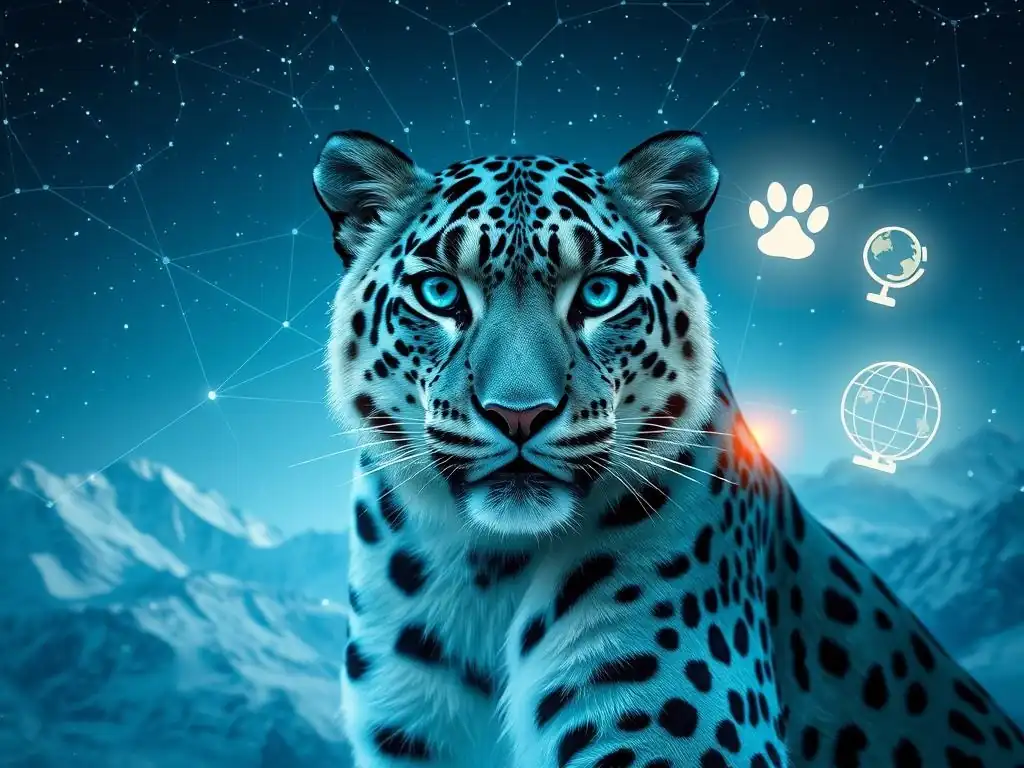
Welcome to Blockchain Trends, your guide to understanding the revolutionary power of blockchain beyond the hype. This week, we're diving into the fascinating intersection of technology and conservation, exploring how NFTs protect endangered species. Intrigued? Discover how this innovative application is leveraging blockchain to safeguard our planet's most vulnerable creatures and what it means for the future of environmental action. Read on to uncover the details and learn how you can be a part of this groundbreaking movement!
- Introduction: Blockchain Trends and NFTs for Wildlife Conservation
- How NFTs Can Contribute to Endangered Species Protection
- Real-World Examples: NFT Projects Supporting Wildlife Conservation
- Benefits of Using NFTs for Endangered Species Conservation
- Challenges and Considerations for NFT-Based Conservation
- The Future of NFTs and Endangered Species Protection
- Overcoming Obstacles to Wider NFT Adoption for Animal Protection
- Conclusion: NFTs as a Powerful Tool for Wildlife Conservation
-
Frequently Asked Questions
- How can NFTs be used to protect endangered species?
- What are the benefits of using blockchain for conservation?
- What types of digital assets can be represented as NFTs in this context?
- How does the use of NFTs help combat illegal wildlife trade?
- What are some potential challenges to implementing NFT-based conservation initiatives?
- Final Reflection: A Digital Ark for Endangered Species
- Ignite Change: Protect Endangered Species with NFTs!
Introduction: Blockchain Trends and NFTs for Wildlife Conservation
Exploring the Intersection of NFTs and Environmental Preservation
The landscape of blockchain technology is rapidly expanding beyond its initial cryptocurrency applications, revealing innovative possibilities in diverse sectors, including environmental conservation. Non-Fungible Tokens (NFTs), unique digital assets recorded on a blockchain, have gained significant attention, primarily for their role in digital art and collectibles. However, their inherent characteristics—uniqueness, verifiable ownership, and transparency—offer compelling potential for addressing pressing global challenges, such as the conservation of endangered species. This burgeoning intersection represents a novel frontier where decentralized technology can be leveraged for tangible real-world impact.
Blockchain's immutable ledger provides a foundation for tracking ownership and transactions in a transparent manner. When applied to conservation, this transparency can help build trust and accountability, crucial elements often lacking in traditional funding models. By tokenizing aspects related to wildlife or conservation efforts, NFTs create new avenues for engagement and resource generation. The exploration of how NFTs protect endangered species is a testament to the evolving understanding of blockchain's utility, moving it from speculative assets to tools for social and environmental good.
The Growing Threat to Endangered Species and the Need for Innovative Solutions
The world faces an unprecedented biodiversity crisis, with countless species teetering on the brink of extinction due to habitat loss, climate change, poaching, and pollution. According to reports from organizations like the International Union for Conservation of Nature (IUCN), over 40,000 species are currently threatened with extinction. This alarming rate of decline underscores the urgent need for more effective, scalable, and sustainable conservation strategies. Traditional methods, while vital, often struggle with consistent funding, public engagement, and transparent resource allocation.
Addressing this crisis requires innovative approaches that can mobilize global support and resources efficiently. The scale of the challenge demands creative solutions that can bypass geographical barriers and engage a wider audience. The potential for NFTs to protect endangered species lies in their ability to create direct connections between donors/collectors and conservation outcomes, offering a blend of financial support, verifiable impact, and community building that traditional models may find challenging to replicate on a large scale.
How NFTs Can Contribute to Endangered Species Protection
Tokenizing Wildlife: Creating Unique Digital Assets Representing Endangered Animals
One fundamental way NFTs can contribute to protecting endangered species is through the tokenization of wildlife or aspects related to it. This involves creating unique digital tokens that represent a specific animal, a plot of protected habitat, or even a specific conservation milestone. Each NFT is distinct and verifiable on the blockchain, providing a digital certificate of ownership or contribution linked to a real-world conservation effort. For example, an NFT could represent a specific elephant being tracked and protected, with updates or data points potentially linked to the token.
This tokenization process transforms abstract concepts like 'conservation support' into tangible, tradable digital assets. Owning an NFT linked to an endangered species could signify a direct contribution to that species' survival, offering holders a sense of personal connection and impact. This model moves beyond simple donation by providing a unique digital collectible with potential secondary market value, further incentivizing participation and creating a self-sustaining funding loop where a percentage of resales can flow back to conservation initiatives.
Using NFTs to Raise Funds for Conservation Efforts
NFTs have proven to be powerful fundraising tools, and this capability is directly applicable to generating resources for wildlife conservation. Conservation organizations can mint and sell collections of NFTs featuring artwork, photographs, or data visualizations related to endangered species or their habitats. The primary sale of these NFTs generates initial capital, which can be directed towards specific conservation projects, anti-poaching efforts, habitat restoration, or research.
Furthermore, smart contracts embedded within the NFTs can be programmed to automatically send a percentage of any future secondary sales back to the conservation organization. This creates a perpetual funding mechanism, ensuring that the initial sale is not the only source of revenue. This model allows conservation initiatives to tap into a global market of NFT enthusiasts and collectors, potentially unlocking significant financial support that might be difficult to access through traditional fundraising channels. The transparency of blockchain also allows donors to potentially track how funds raised via NFTs protect endangered species in real-time.
Tracking and Monitoring Endangered Species with Blockchain Technology
Beyond fundraising and representation, blockchain technology, often in conjunction with NFTs or simply as a transparent ledger, can enhance the tracking and monitoring of endangered species and conservation efforts. While NFTs themselves are digital assets, they can be linked to real-world data streams from tracking devices, camera traps, or ecological surveys. This data can be recorded on a blockchain, providing an immutable and verifiable record of an animal's movements, health status, or the condition of its habitat.
For example, data from GPS trackers on rhinos could be hashed and anchored to a blockchain, providing verifiable proof of their location and safety. This data could potentially be linked to specific NFTs, offering holders exclusive access to information or updates about the animals they are supporting. This application enhances accountability in conservation, allowing stakeholders, including NFT holders, to verify that conservation activities are being carried out and that the funds generated by NFTs protect endangered species effectively.
Real-World Examples: NFT Projects Supporting Wildlife Conservation
Save the Koala NFTs - Protecting Koalas in Australia
Several real-world projects have demonstrated the potential for NFTs to protect endangered species. One such initiative involved the Australian Koala Foundation, which launched an NFT collection aimed at raising funds and awareness for koala conservation. Koalas face significant threats from habitat destruction and climate change, leading to a decline in their populations across Australia. The Save the Koala NFT project offered digital collectibles featuring koala artwork, with proceeds directly supporting the foundation's efforts, such as habitat preservation and research.
This project leveraged the global reach of the NFT market to connect with potential donors and advocates far beyond their traditional supporter base. By purchasing these unique digital assets, individuals contributed financially to vital conservation work while also becoming part of a community dedicated to saving the koala. The transparency of the blockchain allowed the foundation to demonstrate the flow of funds, reinforcing donor trust and showcasing how NFTs protect endangered species like the koala through direct action.
World Wildlife Fund (WWF) NFTs - Funding Global Conservation Initiatives
The World Wildlife Fund (WWF), a major global conservation organization, has also explored the use of NFTs for fundraising. In early 2022, WWF UK launched an NFT collection featuring ten endangered species, including the panda, tiger, and elephant. The project aimed to raise funds and highlight the plight of these iconic animals. Unlike some earlier, energy-intensive NFT projects, WWF specifically chose a low-carbon blockchain platform for their collection to minimize environmental concerns associated with minting NFTs.
The sale of these NFTs generated significant funds for WWF's global conservation programs. Each NFT represented a digital artwork linked to one of the featured species, allowing collectors to own a unique piece while contributing to broader conservation efforts. This initiative from a well-established organization signaled the growing recognition of NFTs as a viable tool for non-profit fundraising and demonstrated how established entities are using NFTs to protect endangered species on a global scale.
Biome Earth - Utilizing NFTs for Wildlife Tracking
Biome Earth is an example of a project exploring the use of blockchain and NFTs not just for fundraising, but potentially for integrating with wildlife tracking data. While specific details on their NFT implementation may evolve, the concept involves creating a platform where contributions can be linked to specific conservation activities or even data streams from protected areas or tagged animals. The idea is to provide contributors with a more direct and verifiable connection to the impact of their support.
Projects like Biome Earth envision a future where owning an NFT could grant access to real-time or near real-time data about the wildlife being protected, creating an unprecedented level of transparency and engagement. While still in relatively early stages compared to fundraising-focused projects, this approach highlights the potential for blockchain technology and NFTs to revolutionize not just the funding of conservation, but also the monitoring and verification of its effectiveness, showing a different dimension of how NFTs protect endangered species by enhancing accountability.
Benefits of Using NFTs for Endangered Species Conservation
Increased Transparency and Accountability in Conservation Funding
One of the most significant benefits of using NFTs for endangered species conservation is the enhanced transparency and accountability they offer. Every transaction involving an NFT is recorded on a public, immutable blockchain ledger. This means that the flow of funds from the initial sale of an NFT to its allocation for specific conservation projects can be tracked and verified by anyone. This level of transparency is often difficult to achieve with traditional donation methods, where administrative costs and fund allocation can sometimes be opaque.
By providing a clear, auditable trail of how funds are raised and potentially utilized, NFT-based conservation projects can build greater trust with donors and stakeholders. This transparency helps assure contributors that their financial support is indeed reaching the intended conservation initiatives and is being used effectively to help NFTs protect endangered species. Increased accountability can also help reduce instances of fraud or mismanagement of funds, a critical factor for organizations relying on public trust.
Enhanced Engagement with Conservation Efforts through NFT Ownership
NFTs offer a unique way to engage the public with conservation efforts. Owning an NFT tied to an endangered species or a conservation project creates a sense of personal investment and connection. It's more than just a receipt for a donation; it's a unique digital asset that represents a tangible contribution and a stake in the outcome. This sense of ownership can foster a stronger emotional bond with the cause and encourage ongoing support.
NFT holders can become advocates for the species or project they've supported, sharing their NFTs and the story behind them within their social networks and the broader NFT community. Some projects offer additional benefits to NFT holders, such as access to exclusive updates, behind-the-scenes content, or even participation in virtual events related to the conservation work. This enhanced engagement can lead to a more active and passionate community dedicated to helping NFTs protect endangered species.
Creating New Revenue Streams for Wildlife Protection
NFTs open up entirely new revenue streams for conservation organizations. They allow these organizations to tap into the digital art and collectibles market, attracting a demographic that might not traditionally engage with conservation fundraising. The ability to generate revenue not only from the initial sale but also from secondary market transactions through smart contracts provides a potentially sustainable and growing source of funding.
This diversification of funding sources reduces reliance on traditional grants and donations, offering greater financial stability for long-term conservation projects. The global nature of the NFT market means that conservation organizations are not limited by geographical boundaries in their fundraising efforts. This innovative approach demonstrates how NFTs protect endangered species by providing novel and potentially significant financial resources needed for critical conservation work.
Challenges and Considerations for NFT-Based Conservation

Environmental Impact of NFT Creation and Trading (Proof-of-Work vs. Proof-of-Stake)
One of the most significant criticisms leveled against NFTs, particularly in the context of environmental conservation, is their potential environmental impact. Many early and prominent NFT platforms were built on blockchains using a Proof-of-Work (PoW) consensus mechanism, which requires vast amounts of energy to validate transactions. This high energy consumption raised concerns about the carbon footprint of minting and trading NFTs.
However, it's crucial to differentiate between PoW and Proof-of-Stake (PoS) blockchains. Newer blockchain platforms and upgrades (like Ethereum's transition to PoS) use significantly less energy – often orders of magnitude less – to operate. Conservation projects utilizing NFTs are increasingly choosing PoS blockchains or layer-2 solutions built on them to minimize their environmental footprint. Addressing this challenge involves educating the public about the differences in blockchain technologies and promoting the use of eco-friendly platforms when considering how NFTs protect endangered species.
Ensuring Authenticity and Preventing Fraudulent NFT Projects
The rapid growth of the NFT market has also attracted bad actors, leading to instances of fraud, scams, and counterfeit projects. For conservation, this poses a risk of 'wash trading' (fake transactions to inflate prices) or, worse, projects that claim to support conservation but provide little to no actual funding or impact. Ensuring the authenticity and legitimacy of NFT projects claiming to support endangered species is a critical challenge.
Conservation organizations must partner with reputable platforms and clearly communicate how funds are used. Using transparent on-chain mechanisms where possible and providing regular updates on conservation activities linked to NFT sales can help build trust. Potential buyers must also exercise due diligence, researching the organization behind the project and verifying their track record before purchasing NFTs intended to protect endangered species.
Addressing Regulatory Uncertainty in the NFT Space
The regulatory landscape surrounding NFTs is still evolving and varies significantly across different jurisdictions. The classification of NFTs – as collectibles, securities, or something else – remains unclear in many regions, creating legal uncertainty for organizations issuing them. This lack of clear regulation can pose challenges for conservation groups, affecting their ability to legally issue and manage NFT projects and potentially creating hurdles for international fundraising efforts.
Navigating this uncertain regulatory environment requires careful legal counsel and adherence to best practices. As governments and regulatory bodies develop clearer guidelines for digital assets, the path for using NFTs to protect endangered species will become more defined. Until then, organizations must proceed cautiously, prioritize compliance, and advocate for clear, supportive regulations that recognize the potential for blockchain technology in non-profit and environmental sectors.
The Future of NFTs and Endangered Species Protection
Potential for Wider Adoption of NFT-Based Conservation Strategies
Despite the challenges, the potential for wider adoption of NFT-based conservation strategies is significant. As the technology matures, blockchain platforms become more energy-efficient, and public understanding of NFTs evolves, more conservation organizations are likely to explore this avenue. The success of early projects provides a roadmap and demonstrates the viability of using NFTs to protect endangered species by accessing new funding sources and engaging a global community.
Increased adoption will likely lead to more sophisticated and impactful projects. We may see collaborations between major conservation bodies, technology firms, and artists to create large-scale initiatives. The growing focus on environmental, social, and governance (ESG) factors in the corporate world could also drive partnerships, with companies leveraging NFTs as part of their sustainability and philanthropic efforts, further expanding the reach and impact of NFT-funded conservation.
Integrating NFTs with Other Technologies for Enhanced Impact (e.g., AI, IoT)
The future of using NFTs to protect endangered species lies not just in standalone projects, but in their integration with other cutting-edge technologies. Combining NFTs with technologies like Artificial Intelligence (AI) and the Internet of Things (IoT) can create powerful synergies for conservation. For example, IoT sensors could collect real-time data on animal movements or environmental conditions, which AI could analyze to detect poaching activity or habitat degradation.
This analyzed data could then be recorded on a blockchain, providing verifiable proof of conditions or events. NFTs could be linked to this data, offering holders a unique window into the conservation work they are supporting. This integration creates a feedback loop where NFT sales fund the deployment of these technologies, and the data generated enhances the value and impact associated with owning the NFT, creating a more dynamic and effective model for how NFTs protect endangered species.
The Role of Blockchain in Building a More Sustainable Future for Wildlife
Ultimately, the role of blockchain technology, including NFTs, in building a more sustainable future for wildlife is part of a broader trend towards leveraging decentralized and transparent systems for social good. Blockchain's ability to create immutable records, facilitate transparent transactions, and enable fractional ownership can be applied to numerous environmental challenges beyond endangered species, such as carbon credit markets, supply chain traceability for sustainable goods, and environmental monitoring.
By providing a trusted layer for tracking and verifying environmental actions and contributions, blockchain can help align economic incentives with ecological sustainability. The use of NFTs protect endangered species by providing a compelling, engaging, and potentially lucrative model for funding and participating in conservation. This represents a significant step towards harnessing the power of emerging technologies for the benefit of the planet's biodiversity.
Overcoming Obstacles to Wider NFT Adoption for Animal Protection
Educating the Public on the Benefits of NFTs for Conservation
A major obstacle to wider adoption is the public's understanding of NFTs and blockchain technology. Many people still associate NFTs primarily with speculative art or perceive them negatively due to past environmental concerns. Educating the public about the specific applications of NFTs in conservation – highlighting the use of energy-efficient blockchains, the transparency benefits, and the direct impact on species and habitats – is crucial.
Conservation organizations need to simplify the technical aspects and clearly articulate how purchasing a conservation NFT directly contributes to protecting endangered species. This can be done through accessible language on websites, social media campaigns, educational videos, and partnerships with blockchain education initiatives. Building trust requires clear communication about the technology and the tangible outcomes it helps achieve.
Collaborating with Conservation Organizations to Develop Effective NFT Strategies
Successful NFT projects for conservation often require collaboration between blockchain experts and experienced conservationists. Technology teams understand how to mint, market, and manage NFTs, while conservation organizations possess the critical knowledge of species, habitats, and effective on-the-ground strategies. Effective strategies must be tailored to the specific needs of the conservation project and the target audience.
Collaboration ensures that NFT initiatives are not just technological novelties but are integrated into comprehensive, science-based conservation plans. It also helps identify the most impactful ways that NFTs protect endangered species, whether through direct funding for anti-poaching units, purchasing land for habitat restoration, or supporting captive breeding programs. Partnerships can also help navigate the complexities of the NFT market and ensure projects are launched responsibly.
Building Trust and Transparency in the NFT Ecosystem
For NFT-based conservation to scale, there needs to be greater trust and transparency within the broader NFT ecosystem. This involves promoting best practices for project creators, including clear roadmaps, verifiable use of funds, and ongoing reporting on conservation impact. Platforms hosting conservation NFT sales also have a role to play in vetting projects and providing tools for transparency.
Establishing standards or certifications for 'conservation NFTs' could help buyers identify legitimate projects. Community building around conservation projects is also key; active engagement with NFT holders and providing regular updates on conservation progress reinforces trust and demonstrates the real-world impact of their support. By fostering an environment of trust, the potential for NFTs to protect endangered species can be fully realized.
Conclusion: NFTs as a Powerful Tool for Wildlife Conservation
The Transformative Potential of Blockchain Technology in Protecting Endangered Species
The journey of blockchain technology from cryptocurrency origins to innovative applications in environmental conservation highlights its transformative potential. NFTs, as unique digital assets on a blockchain, offer a novel and powerful mechanism for engaging the public, generating funds, and potentially enhancing transparency in wildlife protection efforts. The ability of NFTs to protect endangered species is becoming increasingly evident through real-world projects that demonstrate their capacity to mobilize resources and build communities around conservation goals.
While challenges related to environmental impact (increasingly mitigated by PoS), fraud, and regulation exist, they are being addressed as the technology and ecosystem mature. The potential to integrate NFTs with other technologies like AI and IoT further amplifies their capacity to contribute to effective, data-driven conservation. Blockchain's core principles of transparency and immutability provide a strong foundation for building trust and accountability in conservation funding.
Call to Action: Supporting NFT Projects Dedicated to Wildlife Conservation
For individuals and organizations passionate about wildlife protection, engaging with reputable NFT projects dedicated to this cause represents a tangible way to contribute. By supporting these initiatives, you not only acquire a unique digital asset but also directly contribute to the vital work required to save species from extinction. Research projects thoroughly, choose those built on energy-efficient blockchains, and look for clear communication on how funds are utilized.
The innovative application of NFTs protect endangered species by opening new doors for funding and engagement. As this field develops, supporting legitimate projects helps demonstrate the power of decentralized technologies for positive global impact and contributes to building a more sustainable future for the world's precious biodiversity.
Frequently Asked Questions
How can NFTs be used to protect endangered species?
NFTs can represent ownership of digital assets linked to endangered species or their habitats. These assets can be used to raise funds for conservation efforts and research.
What are the benefits of using blockchain for conservation?
Blockchain provides transparency and traceability in fundraising and resource allocation. This increases trust and accountability among donors and conservation organizations.
What types of digital assets can be represented as NFTs in this context?
NFTs can represent everything from digital artwork depicting endangered animals to virtual plots of land within a protected habitat or even DNA samples.
How does the use of NFTs help combat illegal wildlife trade?
NFTs can be used to track the provenance of wildlife products, making it harder for illegally sourced items to enter the market and easier to identify and prosecute offenders.
What are some potential challenges to implementing NFT-based conservation initiatives?
Challenges include lack of public awareness, the environmental impact of some blockchains, and the need for strong regulatory frameworks to prevent fraud and misuse.
Final Reflection: A Digital Ark for Endangered Species
The exploration of using NFTs to protect endangered species, as detailed in this article, highlights a fascinating intersection of technology and conservation. The potential of NFTs to revolutionize funding and awareness for endangered species is undeniable. We've seen how blockchain technology can provide transparency, security, and direct connection between conservation efforts and those who wish to support them, offering a novel approach to a problem that demands innovative solutions.
This concept extends beyond mere financial transactions; it's about fostering a deeper connection with the natural world. The ability to own a unique digital representation of an endangered animal, knowing that the purchase directly contributes to its protection, is a powerful motivator. This approach taps into our innate desire to preserve the beauty and diversity of life on Earth. We are all connected; To damage one part of the web is to damage the whole.
- Chief Seattle. This quote underscores the interconnectedness of all living things and the urgency of protecting endangered species.
As we move forward, let us consider how we can each contribute to this digital ark. Reflect on the power of technology to amplify our impact and the responsibility we share to safeguard the planet's biodiversity. How can you leverage your skills, resources, or influence to support initiatives that use NFTs and other innovative technologies to protect endangered species? The future of these magnificent creatures, and indeed our own, depends on our collective action.
Ignite Change: Protect Endangered Species with NFTs!
Thank you for exploring how NFTs are revolutionizing conservation! You've now seen the incredible potential of blockchain technology to safeguard our planet's most vulnerable creatures. Ready to be part of the solution?
Here's how you can make a difference today:
- Mint and purchase an NFT from a conservation project: This is the most direct way to support endangered species, with proceeds going directly to preservation efforts.
- Research different conservation organizations that are using NFTs and share their initiatives on your social media to raise awareness.
- Participate in online discussions about how blockchain technology can be further developed and applied to environmental conservation. Suggest innovative solutions and engage with experts in the field.
What species will you help protect first? Share your thoughts and any conservation projects you support in the comments below!
Leave a Reply