
Blockchain Security for DAOs: Governing Decentralized Autonomous Organizations Safely

Welcome to Blockchain Trends, your guide to navigating the ever-evolving landscape of decentralized technology.
Are you building or participating in a Decentralized Autonomous Organization (DAO)? Then you know that security isn't just an option – it's essential for survival. Dive into our latest article to uncover critical DAO blockchain security best practices that can safeguard your community and its assets. What are the key vulnerabilities DAOs face, and how can you proactively address them? Read on to find out!
Blockchain Security for DAOs: Governing Decentralized Autonomous Organizations Safely
- Introduction: Understanding the Critical Need for DAO Security
- DAO Blockchain Security Best Practices: A Comprehensive Guide
- Addressing Common DAO Security Vulnerabilities
- DAO Security Tools and Technologies
- Real-World Examples of DAO Security Breaches and Lessons Learned
- The Future of DAO Security: Emerging Trends and Technologies
- Conclusion: Building a Secure and Trustworthy DAO Ecosystem
-
Frequently Asked Questions
- What are the main security threats facing DAOs (Decentralized Autonomous Organizations)?
- Why is DAO blockchain security different from traditional security models?
- What are some best practices for ensuring DAO blockchain security?
- How does the DAO governance model impact its security?
- What role does regulation play in the future of DAO blockchain security?
- Final Reflection: Securing the Future of Decentralized Governance
- Empower Your DAO: Start Securing Your Decentralized Future Today!
Introduction: Understanding the Critical Need for DAO Security
What are DAOs and Why is Security Paramount?
Decentralized Autonomous Organizations, or DAOs, represent a revolutionary approach to organizational structure, leveraging blockchain technology to enable community-driven governance. Unlike traditional hierarchical organizations, DAOs operate based on rules encoded in smart contracts, making them transparent, autonomous, and potentially highly efficient. Imagine a collective where decisions are not made by a central authority but by the community itself, through voting mechanisms recorded immutably on a blockchain. This novel framework spans various use cases, from managing decentralized finance (DeFi) protocols and venture capital funds to governing online communities and even physical assets.
The paramount importance of security in DAOs stems directly from their operational nature and the value they manage. DAOs often control substantial digital assets, sometimes reaching hundreds of millions or even billions of dollars in cryptocurrencies and tokens. Because their rules are codified in publicly accessible and immutable smart contracts, any vulnerability in these contracts or the surrounding ecosystem can be exploited, leading to catastrophic financial losses and a complete breakdown of trust.
Therefore, robust DAO blockchain security best practices are not merely an option but a fundamental necessity for the long-term viability and adoption of this organizational model. Without strong security measures, the promise of decentralized governance risks being overshadowed by the reality of preventable exploits and vulnerabilities.
The Unique Security Challenges Facing Decentralized Autonomous Organizations
DAOs face a unique set of security challenges that differentiate them from traditional organizations and even other blockchain-based systems. One primary challenge lies in the very nature of decentralization itself. While distributing control mitigates single points of failure in some aspects, it simultaneously introduces new attack vectors related to governance and consensus mechanisms. For instance, manipulating voting power or exploiting vulnerabilities in the governance process can lead to malicious actors taking control or draining funds, even without directly compromising the underlying blockchain.
Furthermore, the transparency inherent in blockchain, while beneficial for accountability, also means that smart contract code and DAO operations are publicly auditable, including potential vulnerabilities. Attackers can meticulously analyze DAO code and on-chain activity to identify weaknesses, often with automated tools. The immutability of smart contracts amplifies this challenge; once deployed, vulnerabilities are difficult, if not impossible, to patch without complex and potentially disruptive upgrade mechanisms. This combination of public scrutiny, decentralized governance complexities, and smart contract immutability necessitates a comprehensive and proactive approach to DAO blockchain security best practices, going beyond traditional cybersecurity measures.
DAO Blockchain Security Best Practices: A Comprehensive Guide
Implementing Robust Smart Contract Security for DAOs
Smart contracts are the bedrock of DAO operations, encapsulating the rules, logic, and asset management protocols. Ensuring their security is paramount. A breach in a DAO's smart contracts can have immediate and devastating consequences, leading to irreversible financial losses and erosion of community trust. Therefore, implementing robust smart contract security is not just a best practice; it's a foundational requirement for any successful and sustainable DAO.
The approach to smart contract security is multifaceted and requires a layered strategy. This includes rigorous code development practices, extensive testing, and proactive vulnerability management. Developers should adhere to secure coding principles, avoiding common pitfalls like reentrancy vulnerabilities, integer overflows, and unchecked external calls. Furthermore, utilizing established and well-audited libraries and frameworks can significantly reduce the risk of introducing new vulnerabilities. Beyond development, a continuous security mindset is crucial, involving ongoing monitoring, updates, and adaptation to the evolving threat landscape in the blockchain space.
Smart Contract Audits: Identifying and Mitigating Vulnerabilities
Smart contract audits are a cornerstone of DAO blockchain security best practices. These audits involve a thorough, independent review of a DAO's smart contract code by specialized security firms or individual auditors. The goal is to identify potential vulnerabilities, logic errors, and security flaws before the contracts are deployed or while they are in operation. Reputable auditing firms employ a range of techniques, including manual code review, automated static analysis tools, and dynamic testing, to simulate real-world attack scenarios and uncover hidden weaknesses.
The process typically involves multiple stages, from initial code review and vulnerability scanning to penetration testing and formal report generation. Auditors provide detailed reports outlining identified vulnerabilities, their potential impact, and recommended remediation steps. DAOs should prioritize addressing all critical and high-severity findings before deploying or continuing to operate with audited contracts. Post-audit, it's crucial to publicly disclose audit reports to build community trust and demonstrate a commitment to security. For example, projects like Uniswap and Compound Finance have undergone multiple public audits by firms like Trail of Bits and OpenZeppelin, contributing to their reputation for security and reliability.
Formal Verification: Mathematically Proving Contract Correctness
Formal verification represents a more rigorous and mathematically grounded approach to smart contract security. Unlike audits, which are primarily based on testing and expert review, formal verification aims to mathematically prove the correctness of smart contract code against its specifications. This involves using formal methods and specialized software tools to analyze the code and demonstrate that it behaves as intended under all possible conditions, eliminating certain classes of vulnerabilities by design.
Formal verification is particularly valuable for critical smart contracts that manage significant value or implement complex logic. While it is a more resource-intensive and time-consuming process compared to traditional auditing, it provides a higher level of assurance. Tools like Certora Prover and Runtime Verification's RV-Match are examples of platforms used for formal verification of smart contracts.
Projects like Filecoin have utilized formal verification to enhance the security of their core smart contracts, demonstrating a commitment to the highest standards of security and reliability. While not yet universally adopted due to its complexity, formal verification is increasingly recognized as a vital component of DAO blockchain security best practices, especially for high-stakes applications.
Bug Bounty Programs: Incentivizing Ethical Hackers
Bug bounty programs are a proactive and community-driven approach to enhancing DAO blockchain security. These programs incentivize ethical hackers and security researchers to actively search for and report vulnerabilities in a DAO's smart contracts and systems. By offering rewards, typically in cryptocurrency or tokens, DAOs can tap into a global pool of security talent and benefit from continuous, crowdsourced security testing.
Effective bug bounty programs are clearly defined, with specific rules of engagement, scope limitations, and reward structures based on the severity of reported vulnerabilities. Platforms like Immunefi and HackerOne facilitate the management of bug bounty programs for blockchain projects, providing infrastructure for vulnerability reporting, triage, and reward distribution.
Projects such as Chainlink and Yearn Finance have successfully implemented bug bounty programs, receiving valuable vulnerability reports and demonstrating a commitment to proactive security. Bug bounties complement audits and formal verification by providing ongoing, real-world security testing and incentivizing the broader security community to contribute to the robustness of DAO blockchain security best practices.
Securing the DAO Governance Process
The governance process is the nerve center of a DAO, dictating how decisions are made, proposals are implemented, and the DAO evolves over time. Securing this process is as critical as securing the smart contracts themselves. A compromised governance mechanism can allow malicious actors to manipulate the DAO's direction, steal funds, or disrupt its operations, even if the underlying smart contracts are technically sound. Therefore, robust governance security is a cornerstone of comprehensive DAO blockchain security best practices.
Governance security encompasses a range of measures aimed at ensuring the integrity, fairness, and resilience of the decision-making process. This includes mechanisms to prevent unauthorized changes, ensure broad community participation, and mitigate the risks of malicious proposals or voting manipulation. Implementing multi-signature wallets, time-lock mechanisms, and well-defined quorum requirements are essential components of a secure DAO governance framework. These measures, when implemented thoughtfully, can significantly strengthen the DAO's ability to withstand attacks and maintain its intended decentralized and autonomous nature.
Multi-Signature Wallets: Enhancing Transaction Security
Multi-signature (multi-sig) wallets are a fundamental security measure for DAOs, particularly for managing treasury funds and executing critical transactions. Unlike traditional wallets controlled by a single private key, multi-sig wallets require multiple private keys to authorize transactions. This drastically reduces the risk of single points of failure and internal compromise. For example, a 3-of-5 multi-sig wallet requires at least three out of five designated key holders to approve a transaction before it can be executed.
The use of multi-sig wallets enhances DAO blockchain security best practices by distributing control and requiring consensus for fund movements and important actions. This makes it significantly harder for a single malicious actor, or even a compromised key holder, to unilaterally drain funds or make unauthorized changes. Platforms like Gnosis Safe are widely used by DAOs to implement multi-sig wallets, offering features like customizable threshold requirements and transaction previews. DAOs like Aragon and MakerDAO utilize multi-sig wallets extensively for their treasury management and governance processes, showcasing their effectiveness in enhancing security and operational resilience.
Time-Lock Mechanisms: Preventing Hasty and Malicious Changes
Time-lock mechanisms add a crucial layer of security to DAO governance by introducing delays before critical governance actions can be executed. These mechanisms, often implemented through smart contracts, enforce a pre-defined waiting period between the approval of a proposal and its actual implementation. This time delay provides a buffer against hasty decisions, allows for community review and potential objection, and significantly hinders the impact of malicious governance proposals.
The use of time-locks is especially effective in preventing "rug pulls" or sudden, unauthorized changes to critical DAO parameters. For instance, a time-lock could be applied to changes in tokenomics, treasury management rules, or smart contract upgrades. During the time-lock period, the community has the opportunity to identify and react to potentially harmful proposals, coordinating responses or even initiating emergency procedures if necessary. Projects like Compound Finance and Aave utilize time-lock mechanisms as part of their governance frameworks, enhancing DAO blockchain security best practices and fostering a more deliberate and secure decision-making process.
Quorum Requirements: Ensuring Sufficient Participation for Critical Decisions
Quorum requirements are essential for ensuring that critical DAO governance decisions are made with sufficient community participation and consensus. A quorum defines the minimum percentage or number of voting participants required for a proposal to be considered valid and for changes to be enacted. This mechanism prevents decisions from being made by a small, potentially unrepresentative subset of the DAO members and safeguards against apathy or low participation leading to unintended outcomes.
Setting appropriate quorum thresholds is a critical aspect of DAO blockchain security best practices. Too low a quorum can enable malicious actors to pass proposals with minimal support, while too high a quorum can lead to governance gridlock and an inability to adapt or make necessary changes.
DAOs often employ different quorum levels for different types of proposals, with higher quorums required for sensitive decisions like treasury changes or protocol upgrades. Projects like MakerDAO and Curve DAO utilize tiered quorum systems, adjusting requirements based on the criticality of the proposed action, demonstrating a nuanced approach to balancing participation and efficiency in DAO governance.
Access Control and Permission Management in DAOs
Effective access control and permission management are crucial for maintaining DAO blockchain security and operational integrity. Just as traditional organizations need to control access to sensitive data and systems, DAOs must carefully manage who can perform specific actions within the DAO ecosystem. This includes controlling access to governance processes, smart contract functionalities, and sensitive data related to DAO operations. Poorly managed access control can lead to unauthorized actions, data breaches, and governance manipulation.
Implementing robust access control mechanisms involves defining clear roles and permissions, enforcing the principle of least privilege, and utilizing appropriate technologies to manage and audit access. This is particularly important in decentralized environments where trust is distributed and traditional hierarchical controls may not be directly applicable. Role-Based Access Control (RBAC) and data encryption are key strategies for establishing and maintaining effective access control and permission management within DAOs, contributing significantly to overall DAO blockchain security best practices.
Role-Based Access Control (RBAC): Defining User Permissions
Role-Based Access Control (RBAC) is a widely adopted and effective method for managing user permissions within DAOs. RBAC involves assigning specific roles to DAO members, with each role having a defined set of permissions to access resources and perform actions. This approach simplifies access management, enhances security, and promotes accountability by clearly delineating responsibilities and limiting access based on necessity.
In a DAO context, roles might include "Member," "Contributor," "Moderator," "Treasurer," or "Administrator," each with different levels of access to governance functions, smart contract interactions, or data. For example, a "Member" role might have voting rights, while a "Treasurer" role might have permissions to initiate treasury transactions within the constraints of multi-sig and governance rules.
Implementing RBAC requires careful planning to define appropriate roles and permissions and robust smart contract logic to enforce these access controls. Projects like Aragon and Snapshot utilize RBAC principles in their DAO frameworks, enabling granular control over user permissions and enhancing DAO blockchain security best practices.
Data Encryption and Privacy Considerations for DAO Operations
While blockchain inherently provides transparency, DAOs often need to handle sensitive data that requires privacy and protection. This data might include member information, operational strategies, or confidential communications. Therefore, data encryption and privacy considerations are increasingly important aspects of DAO blockchain security best practices. Simply relying on blockchain's public nature is insufficient for protecting sensitive information.
Implementing encryption techniques can safeguard data both in transit and at rest. For example, end-to-end encryption can be used for private communications between DAO members, while encrypted storage solutions can protect sensitive data stored on decentralized storage networks.
Furthermore, privacy-preserving technologies like zero-knowledge proofs and secure multi-party computation can enable DAOs to perform computations and share information without revealing the underlying data itself. Projects focused on decentralized identity and privacy-preserving computation are developing tools that can be integrated into DAOs to enhance data security and privacy, addressing a crucial dimension of DAO blockchain security best practices as DAOs manage increasingly sensitive information.
Addressing Common DAO Security Vulnerabilities
Preventing Governance Attacks: Sybil Resistance and Voting Power Concentration
Governance attacks pose a significant threat to DAO blockchain security. These attacks exploit weaknesses in the governance mechanisms to manipulate decision-making processes. Sybil attacks, where a single entity creates multiple fake identities to gain disproportionate voting power, and issues of voting power concentration, where a small number of addresses control a large percentage of voting tokens, are common vulnerabilities. These vulnerabilities can allow malicious actors to sway votes in their favor, pass harmful proposals, or even take control of the DAO.
To mitigate these risks, DAOs need to implement Sybil resistance mechanisms and address voting power concentration. Sybil resistance can be achieved through various methods, including proof-of-humanity protocols, whitelisting, or using weighted voting systems that consider factors beyond just token holdings.
Addressing voting power concentration often involves token distribution strategies that promote wider participation and decentralization, or implementing quadratic voting mechanisms that make it more expensive for whales to exert disproportionate influence. Projects like Gitcoin Grants and BrightID are exploring innovative approaches to Sybil resistance, while mechanisms like quadratic voting, pioneered by projects like Gitcoin, aim to address voting power concentration and enhance the fairness and robustness of DAO governance.
Mitigating Flash Loan Attacks: Protecting Against Market Manipulation
Flash loan attacks are a type of exploit prevalent in DeFi protocols and DAOs that leverage flash loans – uncollateralized loans borrowed and repaid within the same blockchain transaction. Attackers exploit vulnerabilities in smart contracts to manipulate market prices or governance decisions within the timeframe of a single transaction, using borrowed funds to amplify their impact. These attacks can lead to significant financial losses and disrupt DAO operations.
Protecting against flash loan attacks requires careful smart contract design and implementation. DAOs should implement robust price oracles that are resistant to manipulation, use rate limiting mechanisms to prevent sudden large-scale transactions from disrupting the system, and employ circuit breakers to halt operations in case of suspicious activity.
Furthermore, thorough smart contract audits and formal verification can help identify and mitigate vulnerabilities that could be exploited in flash loan attacks. Projects like Chainlink and Band Protocol provide secure and reliable oracle services that are crucial for mitigating flash loan risks, while careful architectural design and proactive security measures are essential components of DAO blockchain security best practices to defend against these sophisticated attacks.
Combating Front-Running: Ensuring Fair Transaction Ordering
Front-running is a type of attack that exploits the transparency of blockchain transaction pools (mempools). Attackers monitor pending transactions and insert their own transactions with higher gas fees to be executed ahead of the victim's transaction. In the context of DAOs, front-running can be used to manipulate governance votes, exploit arbitrage opportunities, or gain unfair advantages in DAO operations. This undermines fairness and trust within the DAO ecosystem.
Mitigating front-running requires implementing strategies to obscure transaction details or randomize transaction ordering. Techniques like transaction encryption, commit-reveal schemes, and using layer-2 scaling solutions with faster transaction finality can reduce the window of opportunity for front-running attacks. Furthermore, DAOs can design their smart contracts and governance processes to be less susceptible to front-running, for example, by using off-chain voting or implementing mechanisms to randomize transaction execution order. Projects like Flashbots are developing solutions to address MEV (Miner Extractable Value), including front-running, offering tools and infrastructure to minimize these types of exploits and enhance DAO blockchain security best practices.
Protection Against Malicious Proposals and Governance Manipulation
Beyond technical exploits, DAOs are also vulnerable to malicious proposals and governance manipulation. Attackers might attempt to introduce proposals that benefit themselves at the expense of the DAO, or manipulate the voting process to ensure the passage of harmful proposals. This can involve social engineering, collusion, or exploiting vulnerabilities in the governance framework itself.
Protecting against malicious proposals and governance manipulation requires a multi-faceted approach. DAOs should establish clear proposal review processes, implement robust identity verification and reputation systems to discourage malicious actors, and foster a strong community culture of vigilance and critical thinking. Furthermore, mechanisms like veto power for trusted guardians or emergency brakes can provide safeguards against clearly harmful proposals. Education and awareness within the DAO community are crucial to identify and resist social engineering tactics and governance manipulation attempts, reinforcing DAO blockchain security best practices beyond technical measures.
DAO Security Tools and Technologies
Security Auditing Platforms for Smart Contracts
Several specialized platforms and firms offer security auditing services specifically tailored for smart contracts. These platforms provide tools and expertise to identify vulnerabilities, assess risk, and improve the security posture of DAO smart contracts. They often combine automated static analysis with manual code review by experienced security auditors.
Examples include firms like Trail of Bits, OpenZeppelin, ConsenSys Diligence, and Quantstamp. These firms offer comprehensive audit services, including vulnerability assessments, penetration testing, and formal verification. Platforms like Mythril and Slither provide automated static analysis tools that can be integrated into development workflows to detect common vulnerabilities early in the development lifecycle. Utilizing these security auditing platforms is a crucial aspect of DAO blockchain security best practices, ensuring thorough and independent scrutiny of smart contract code.
Decentralized Identity (DID) Solutions for DAO Members
Decentralized Identity (DID) solutions are emerging as valuable tools for enhancing DAO blockchain security and governance. DIDs enable DAO members to control their own digital identities and credentials, facilitating secure and privacy-preserving authentication and authorization within the DAO ecosystem. DIDs can be used to verify member identity for voting, access control, and participation in DAO activities, enhancing Sybil resistance and accountability.
Projects like SpruceID's Kepler and Ceramic offer DID platforms that can be integrated into DAOs. These solutions allow members to create and manage their DIDs, issue and verify verifiable credentials, and interact with DAO applications in a secure and privacy-preserving manner. Using DID solutions strengthens DAO blockchain security best practices by establishing a more robust and decentralized identity framework, reducing reliance on centralized identity providers and enhancing member control over their digital identities within the DAO.
On-Chain Monitoring and Alerting Systems
Real-time on-chain monitoring and alerting systems are essential for proactive DAO blockchain security. These systems continuously monitor DAO smart contracts and on-chain activity for suspicious patterns, anomalies, or potential attacks. They provide alerts to DAO administrators and community members, enabling rapid response and mitigation of security incidents.
Platforms like Blocknative and Nansen offer on-chain monitoring and alerting tools that can be customized to track specific DAO activities, such as large token transfers, governance proposal changes, or unusual smart contract interactions. These systems often utilize machine learning and anomaly detection algorithms to identify potential threats proactively. Implementing on-chain monitoring and alerting is a crucial component of DAO blockchain security best practices, enabling timely detection and response to security incidents, minimizing potential damage and downtime.
Tenderly - Debugging and Monitoring Platform
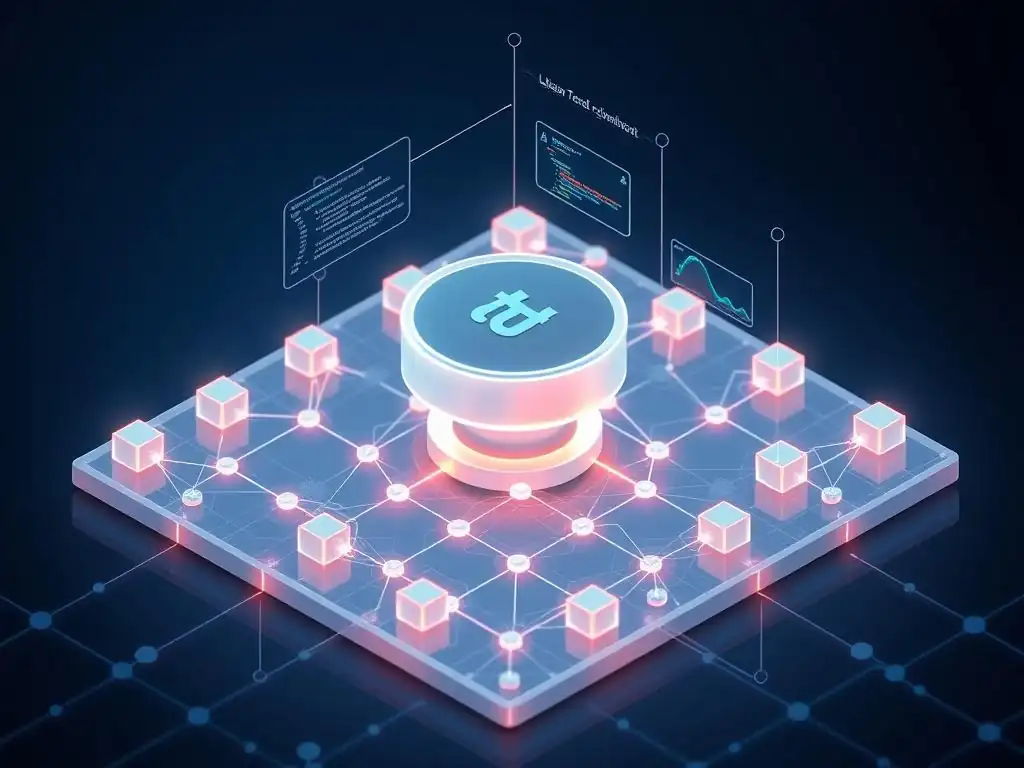
Tenderly is a developer platform widely used in the blockchain space, offering powerful debugging, monitoring, and simulation tools for smart contracts. For DAOs, Tenderly provides valuable capabilities for enhancing security and operational visibility. It allows developers to debug smart contract transactions in detail, simulate governance proposals and their potential impact, and monitor contract state and events in real-time.
Tenderly's features are particularly useful for identifying and diagnosing vulnerabilities, understanding complex smart contract interactions, and proactively monitoring DAO operations for anomalies or security threats. The platform also provides alerting capabilities, enabling DAOs to be notified of critical events or potential security incidents. Utilizing platforms like Tenderly is a valuable aspect of DAO blockchain security best practices, providing developers and DAO administrators with enhanced tools for debugging, monitoring, and securing their decentralized organizations.
Forta - Real-time Threat Detection Network
Forta is a decentralized, real-time threat detection network for blockchain activity. It uses a network of independent node operators to monitor blockchain transactions and events for malicious activity and security threats. Forta's decentralized nature enhances its resilience and reliability compared to centralized monitoring solutions.
For DAOs, Forta provides an additional layer of security by continuously monitoring their on-chain operations for potential attacks, such as flash loan exploits, governance manipulation attempts, or rug pulls. Forta agents, developed by security experts and community members, detect and report suspicious activity, enabling DAOs to respond quickly and mitigate potential damage. Integrating with decentralized threat detection networks like Forta is a forward-thinking approach to DAO blockchain security best practices, leveraging the power of decentralization to enhance proactive security monitoring and incident response.
Real-World Examples of DAO Security Breaches and Lessons Learned
Case Study 1: The DAO Hack
The DAO hack, occurring in 2016, is arguably the most infamous and impactful security breach in DAO history. It highlighted the nascent state of DAO security and governance at the time and served as a crucial learning experience for the entire blockchain community. The exploit resulted in the theft of approximately 3.6 million Ether, then valued at around $50 million, due to a reentrancy vulnerability in The DAO's smart contract code.
Analysis of the Vulnerability
The vulnerability exploited in The DAO hack was a reentrancy bug in the splitDAO function of its smart contract. This flaw allowed an attacker to recursively call the withdrawal function multiple times before the contract's state could be updated to reflect the initial withdrawal. This enabled the attacker to drain funds from The DAO's treasury beyond their authorized balance. The reentrancy vulnerability was a known issue in smart contract development at the time, but was not adequately addressed in The DAO's code despite its complexity and scale.
Impact of the Breach
The impact of The DAO hack was catastrophic. It led to a significant loss of funds, eroded trust in DAOs and smart contracts, and triggered a hard fork of the Ethereum blockchain to recover the stolen funds. The hard fork, while controversial, ultimately saved the majority of the stolen Ether. However, the event had lasting repercussions, slowing down the adoption of DAOs for a period and underscoring the critical need for robust DAO blockchain security best practices.
Lessons Learned and Preventative Measures
The DAO hack provided invaluable lessons for DAO security. Firstly, it emphasized the critical importance of rigorous smart contract audits and formal verification to identify and mitigate vulnerabilities before deployment. Secondly, it highlighted the risks of complex smart contract code and the need for secure coding practices to avoid common pitfalls like reentrancy vulnerabilities.
Thirdly, it demonstrated the importance of having robust incident response plans in place to handle security breaches effectively. Preventative measures learned from The DAO hack, such as thorough audits, secure coding practices, and reentrancy guards in smart contracts, are now considered fundamental aspects of DAO blockchain security best practices.
Case Study 2: BadgerDAO Exploit
The BadgerDAO exploit, which occurred in December 2021, serves as a more recent example of a significant DAO security breach, demonstrating that even with advancements in security practices, vulnerabilities can still be exploited. This exploit resulted in the theft of approximately $120 million in cryptocurrency assets from BadgerDAO users. The attack was not due to a smart contract vulnerability, but rather a compromise of BadgerDAO's cloud infrastructure and website, leading to the injection of malicious code.
Analysis of the Vulnerability
The BadgerDAO exploit originated from a compromised API key used by BadgerDAO to interact with Cloudflare, a web infrastructure provider. Attackers gained access to this API key and injected malicious code into BadgerDAO's website. This code intercepted user transactions, specifically approvals for BadgerDAO's vault contracts, and redirected funds to attacker-controlled addresses. The vulnerability was not in the smart contracts themselves, but in the broader security posture of BadgerDAO's web infrastructure and key management practices.
Impact of the Breach
The BadgerDAO exploit resulted in a substantial financial loss for users who had approved malicious transactions through the compromised website interface. The attack highlighted the importance of securing not just smart contracts, but also the entire ecosystem surrounding a DAO, including web interfaces, API keys, and cloud infrastructure. The incident damaged BadgerDAO's reputation and underscored the evolving threat landscape in DAO blockchain security.
Lessons Learned and Preventative Measures
The BadgerDAO exploit highlighted critical lessons for DAO security beyond smart contracts. It emphasized the need for robust security practices across all aspects of DAO operations, including web security, API key management, and cloud infrastructure security. Multi-factor authentication, secure key storage, and regular security audits of web interfaces and supporting infrastructure are crucial preventative measures.
Furthermore, the incident underscored the importance of user education and awareness regarding phishing attacks and malicious website injections. The BadgerDAO exploit reinforced the need for a holistic approach to DAO blockchain security best practices, encompassing both smart contract security and broader infrastructure and operational security.
The Future of DAO Security: Emerging Trends and Technologies
Decentralized Security Oracles for Real-World Data Integrity
Decentralized Security Oracles are emerging as a critical technology for enhancing DAO blockchain security, particularly as DAOs interact more frequently with real-world data and events. Traditional oracles, often centralized, represent a potential single point of failure and trust vulnerability. Decentralized security oracles aim to address this by providing tamper-proof and verifiable data feeds from the real world to DAOs, ensuring data integrity and reliability for critical DAO operations.
Projects like Chainlink and Band Protocol are pioneering decentralized oracle networks that aggregate data from multiple sources, utilize consensus mechanisms to validate data accuracy, and provide cryptographic proofs of data integrity. These decentralized oracles can be used to secure various DAO applications, from DeFi protocols relying on accurate price feeds to supply chain DAOs tracking real-world asset movements. The development and adoption of robust decentralized security oracles are essential for the future of DAO blockchain security best practices, enabling DAOs to operate securely and reliably in increasingly complex and interconnected ecosystems.
AI-Powered Threat Detection and Prevention for DAOs
Artificial Intelligence (AI) and Machine Learning (ML) are increasingly being explored for their potential to enhance DAO blockchain security. AI-powered threat detection and prevention systems can analyze vast amounts of on-chain data, identify patterns of malicious activity, and proactively respond to security threats in real-time. This can significantly augment traditional security measures and improve the responsiveness and resilience of DAOs to evolving attack vectors.
AI and ML can be applied to various aspects of DAO security, including anomaly detection in transaction patterns, identification of governance manipulation attempts, and automated vulnerability scanning of smart contracts. Projects are beginning to explore the use of AI for real-time threat detection, automated security audits, and even predictive security analytics for DAOs. The integration of AI-powered tools and technologies represents a promising trend in the future of DAO blockchain security best practices, enabling more proactive, intelligent, and adaptive security measures.
Formalized Security Standards and Certifications for DAOs
As DAOs mature and manage increasingly significant assets and operations, the need for formalized security standards and certifications is growing. Standardized security frameworks, best practices guidelines, and certification programs can provide DAOs with a clear roadmap for implementing robust security measures and demonstrate their commitment to security to stakeholders and the broader community. This can enhance trust, promote adoption, and drive the overall maturation of the DAO ecosystem.
Organizations and industry consortia are beginning to develop security standards and certification programs specifically tailored for DAOs. These initiatives aim to define minimum security requirements, establish audit and assessment frameworks, and provide a mechanism for DAOs to demonstrate compliance with recognized security best practices. The emergence of formalized security standards and certifications will play a crucial role in shaping the future of DAO blockchain security best practices, driving greater adoption of robust security measures and fostering a more secure and trustworthy DAO ecosystem.
Conclusion: Building a Secure and Trustworthy DAO Ecosystem
Key Takeaways for Implementing Effective DAO Blockchain Security Best Practices
Implementing effective DAO blockchain security best practices is a continuous and multifaceted endeavor. Key takeaways include prioritizing robust smart contract security through audits, formal verification, and bug bounties. Securing the governance process with multi-sig wallets, time-locks, and quorum requirements is crucial. Effective access control and permission management, utilizing RBAC and considering data privacy, are essential.
Addressing common vulnerabilities like governance attacks, flash loan exploits, and front-running requires proactive measures. Utilizing DAO security tools and technologies, such as auditing platforms, DID solutions, and on-chain monitoring systems, enhances security posture. Learning from real-world security breaches, like The DAO and BadgerDAO exploits, is vital for continuous improvement.
Ultimately, building a secure and trustworthy DAO ecosystem requires a holistic approach that encompasses technical security measures, robust governance frameworks, community vigilance, and continuous learning and adaptation. By prioritizing these key takeaways, DAOs can mitigate risks, build trust, and unlock the full potential of decentralized autonomous organizations.
Resources for Continued Learning and Improvement in DAO Security
For continued learning and improvement in DAO security, several valuable resources are available. Organizations like OWASP (Open Web Application Security Project) provide general web security guidance and resources applicable to DAO security. ConsenSys Diligence and Trail of Bits offer in-depth research and educational materials on smart contract security and DAO vulnerabilities. Platforms like Immunefi and HackerOne provide bug bounty programs and vulnerability disclosure platforms where you can learn about real-world security issues and best practices.
Following blockchain security news outlets and research publications keeps you updated on the latest threats and emerging security trends. Engaging with the DAO security community through forums, conferences, and online discussions provides valuable peer learning and knowledge sharing opportunities. Continuously seeking knowledge and staying informed is paramount for navigating the evolving landscape of DAO blockchain security best practices and building resilient and trustworthy decentralized organizations.
Frequently Asked Questions
What are the main security threats facing DAOs (Decentralized Autonomous Organizations)?
DAOs face threats such as smart contract vulnerabilities, governance attacks, and economic exploits. These can lead to significant financial losses and erode trust in the organization.
Why is DAO blockchain security different from traditional security models?
Traditional security relies on centralized control, while DAOs are decentralized. This means security relies on the code itself and the distributed governance mechanisms. Code audits and robust testing are essential.
What are some best practices for ensuring DAO blockchain security?
Implementing formal verification of smart contracts, establishing multi-signature wallets, and conducting regular security audits are crucial. Furthermore, bug bounty programs can incentivize ethical hackers to find vulnerabilities.
How does the DAO governance model impact its security?
A poorly designed governance model can be exploited. Attackers can manipulate voting to their advantage. Implementing quadratic voting and robust identity verification can mitigate these risks.
What role does regulation play in the future of DAO blockchain security?
Regulation is still evolving, but it will likely focus on consumer protection and liability. DAOs need to be prepared to comply with emerging regulations to ensure their long-term viability and maintain investor confidence.
Final Reflection: Securing the Future of Decentralized Governance
The exploration of DAO blockchain security best practices underscores a critical reality: the future of decentralized autonomous organizations hinges on robust and resilient security measures. The vulnerabilities we've discussed are not merely theoretical concerns; they represent tangible threats to the integrity and longevity of these innovative governance structures. Without prioritizing security, DAOs risk undermining the very principles of trust and transparency they are designed to uphold.
The impact of DAO security breaches extends far beyond financial losses. It erodes confidence in the entire decentralized ecosystem and can stifle the adoption of DAOs as legitimate forms of organization. The promise of DAOs lies in their ability to empower communities and foster collaborative decision-making, but this potential can only be realized if we address the inherent security challenges proactively. Security is not a product, but a process.
This quote perfectly encapsulates the ongoing and evolving nature of DAO blockchain security, demanding constant vigilance and adaptation.
Now, more than ever, it's time to reflect on the role each of us plays in shaping the future of decentralized governance. Consider how you can contribute to strengthening DAO security, whether through advocating for best practices, developing innovative security solutions, or simply educating yourself and others about the risks involved. The security of DAOs is not just a technical problem; it's a collective responsibility. Let us all commit to building a more secure and sustainable future for decentralized organizations.
Empower Your DAO: Start Securing Your Decentralized Future Today!
Thank you for exploring the critical role of security in DAO governance. You've now gained a clear understanding of the risks involved and the safeguards necessary for success in the decentralized world. It's time to put that knowledge into action!
Ready to make your DAO more secure? Here are a few steps you can take right now:
- Review your DAO's current security protocols and identify potential vulnerabilities. Develop a prioritized plan to address the most pressing risks without delay—being proactive is essential!
- Consider adopting advanced security measures such as multi-signature wallets and formal verification for smart contracts, as these innovations can significantly enhance your DAO's safety.
- Share this article with fellow DAO enthusiasts and initiate discussions about best practices for secure governance. Sharing knowledge strengthens the community.
What is one concrete security improvement you plan to implement this week to protect your DAO’s future? Share your ideas in the comments below!
Leave a Reply