
Decentralized Knowledge Sharing: The Democratic Nature of Blockchain Forums


Welcome to Blockchain Trends, your guide to understanding the real-world impact of blockchain technology. Beyond the hype of cryptocurrencies, we delve into its revolutionary applications. Ever wondered how blockchain is democratizing knowledge? This article explores the rise of blockchain knowledge sharing forums, platforms reshaping how we learn and collaborate in the decentralized age. Dive in to discover how these forums are fostering innovation and empowering individuals to contribute to the future of blockchain.
- Introduction: The Rise of Blockchain Knowledge Sharing Forums
- What are Blockchain Knowledge Sharing Forums? A Deep Dive
- The Democratic Nature of Blockchain Forums: Empowering Users
- Benefits of Participating in Blockchain Knowledge Sharing Forums
- Comparing Centralized vs. Decentralized Blockchain Knowledge Platforms
- Popular Blockchain Knowledge Sharing Forums: A Showcase
- The Future of Blockchain Knowledge Sharing: Predictions and Trends
- How to Effectively Participate in Blockchain Knowledge Forums
- Conclusion: Embracing the Power of Decentralized Blockchain Learning
-
Frequently Asked Questions
- What exactly are "Blockchain Knowledge Sharing Forums" and why are they considered decentralized?
- How do Blockchain Knowledge Sharing Forums contribute to the broader understanding of blockchain beyond just cryptocurrencies?
- What are some potential benefits of participating in Blockchain Knowledge Sharing Forums?
- What role do these forums play in the future of decentralized systems?
- What are some potential challenges or drawbacks of relying on Blockchain Knowledge Sharing Forums for information?
- Final Reflection: Embracing the Decentralized Future of Knowledge
- Unleash Your Voice: Dive Deeper into Blockchain's Future!
Introduction: The Rise of Blockchain Knowledge Sharing Forums
Understanding the Growing Need for Decentralized Blockchain Education
The blockchain space, since the inception of Bitcoin in 2009, has grown exponentially, evolving from a niche technology into a multifaceted ecosystem impacting finance, supply chains, healthcare, and beyond. This rapid expansion has created an unprecedented demand for blockchain education. However, the traditional centralized education models often struggle to keep pace with the breakneck speed of blockchain innovation.
Universities and established online learning platforms, while valuable, can sometimes lag behind the cutting edge of development and may not always cater to the specific, evolving needs of the blockchain community. Furthermore, the decentralized ethos at the heart of blockchain technology itself naturally calls for decentralized learning solutions. Individuals entering this space are increasingly seeking knowledge from sources that embody the principles of openness, transparency, and community-driven growth, mirroring the very foundations of blockchain itself.
The demand for accessible and up-to-date blockchain education is further fueled by the technology's complexity. Concepts like cryptography, consensus mechanisms, and smart contracts can be daunting for newcomers. Moreover, the practical application of blockchain spans diverse fields, requiring specialized knowledge that is often best shared directly by practitioners and community members actively engaged in the space. Consider the growth of Decentralized Finance (DeFi).
In 2020, the total value locked in DeFi protocols was approximately $700 million. By the end of 2021, this figure had surged to over $170 billion, showcasing explosive growth that necessitates continuous learning and adaptation within the community. This dynamic environment underscores the critical need for decentralized blockchain knowledge sharing forums that can provide timely, relevant, and practical insights directly from the source – the blockchain community itself.
The Core Principles of Democratic Knowledge Exchange in the Blockchain Space
Democratic knowledge exchange in the blockchain space is rooted in several core principles that reflect the technology's underlying philosophy. Open access is paramount. Blockchain forums, unlike exclusive educational institutions, are typically designed to be accessible to anyone with an internet connection, regardless of their geographical location, socioeconomic background, or formal qualifications. This inclusivity is crucial for fostering a diverse and vibrant community, drawing in perspectives from across the globe and enriching the collective knowledge pool.
Furthermore, the principle of community ownership is central. Decentralized forums are often governed and maintained by the community itself, rather than by a central authority. This participatory model ensures that the content and direction of the platform are shaped by the users, for the users, fostering a sense of collective responsibility and shared purpose.
Another key principle is peer-to-peer learning. Blockchain forums thrive on the exchange of knowledge and insights directly between community members. This horizontal learning model contrasts sharply with the traditional top-down approach of centralized education, where knowledge flows primarily from instructors to students. In blockchain forums, everyone is both a potential learner and a potential teacher.
Experienced developers share their expertise, newcomers ask questions, and everyone benefits from the collective wisdom of the crowd. This collaborative environment is essential for navigating the complexities of blockchain technology, as practical knowledge and real-world experiences are often as valuable as theoretical understanding. The decentralized nature of these platforms also inherently supports censorship resistance, ensuring that diverse viewpoints and even dissenting opinions can be shared and discussed freely, contributing to a more robust and nuanced understanding of the technology.
What are Blockchain Knowledge Sharing Forums? A Deep Dive
Defining Blockchain Forums: More Than Just Discussion Boards
Blockchain knowledge sharing forums are online platforms designed to facilitate the exchange of information, ideas, and expertise related to blockchain technology. While they share similarities with traditional discussion boards, they are significantly more dynamic and purpose-driven, particularly within the context of the rapidly evolving blockchain landscape. These forums are not merely places to post questions and receive answers; they are active ecosystems for learning, collaboration, and community building.
They serve as crucial hubs for individuals seeking to deepen their understanding of blockchain, from beginners taking their first steps to seasoned developers tackling complex technical challenges. Think of them as decentralized universities of the blockchain, accessible 24/7 and populated by a global network of learners and experts.
Beyond simple question-and-answer interactions, blockchain forums foster deeper engagement through features like threaded discussions, dedicated channels for specific topics (e.g., DeFi, NFTs, consensus mechanisms), and collaborative project spaces. Many forums also incorporate reputation systems, rewarding users for contributing valuable content and helping to curate high-quality information. This gamified approach encourages active participation and helps to filter out noise, ensuring that the most insightful and helpful contributions rise to the top.
Moreover, blockchain forums often extend beyond purely technical discussions, encompassing topics like regulatory updates, industry news, and the societal impact of blockchain technology. They become vital resources for staying informed about the latest developments and understanding the broader implications of this transformative technology.
Key Features of Decentralized Knowledge Platforms for Blockchain
Decentralized knowledge platforms designed for blockchain possess several key features that distinguish them from traditional, centralized alternatives. One fundamental feature is their open and permissionless nature. Typically, anyone can join and participate without needing to go through lengthy registration processes or meet specific criteria. This open access ensures a broad and diverse user base, fostering a richer exchange of ideas and perspectives.
Another crucial feature is community governance. In many decentralized forums, the community plays a significant role in moderating content, resolving disputes, and shaping the platform's direction. This can range from simple voting mechanisms for content moderation to more sophisticated decentralized autonomous organization (DAO) structures that grant community members decision-making power over platform policies and development.
Furthermore, decentralization often extends to the platform's infrastructure itself. Some blockchain forums are built on blockchain technology, leveraging its inherent properties of immutability, transparency, and censorship resistance. This can enhance the platform's resilience and ensure that knowledge shared within the forum is permanently accessible and resistant to manipulation. While not all blockchain forums are built directly on-chain, the ethos of decentralization strongly influences their design and operation.
Features like user-controlled data, privacy-preserving communication, and transparent moderation policies are frequently prioritized. Incentivization mechanisms, often involving tokens or reputation points, are also common in decentralized platforms, rewarding users for contributing valuable content and actively participating in the community. These features collectively contribute to creating knowledge sharing environments that are more democratic, resilient, and aligned with the core values of the blockchain space.
The Role of Blockchain Technology in Empowering Community-Driven Learning
Blockchain technology itself plays a pivotal role in empowering community-driven learning within blockchain forums. Its inherent characteristics directly address key challenges in traditional knowledge sharing systems and unlock new possibilities for collaborative education. For instance, blockchain's immutability can be leveraged to create verifiable records of contributions and achievements within a forum. Imagine a system where valuable answers or insightful posts are permanently recorded on a blockchain, creating a transparent and tamper-proof ledger of knowledge contributions. This can enhance trust and credibility within the community, as users can easily verify the history and reputation of contributors.
Moreover, blockchain-based tokens can be used to incentivize participation and reward valuable contributions. For example, users who provide high-quality answers or actively participate in moderation could earn tokens that grant them reputation, access to premium features, or even a stake in the platform's governance. This tokenized incentive system can create a self-sustaining ecosystem where users are motivated to contribute their knowledge and expertise, knowing that their efforts are recognized and rewarded.
Consider platforms like Stack Overflow, a centralized Q&A site for programmers, which relies on a reputation system. Imagine the added transparency and potential for decentralized governance if such a system were built on a blockchain, with reputation points represented as verifiable tokens.
Furthermore, blockchain-based identity solutions can facilitate secure and privacy-preserving user authentication and reputation management within forums, allowing users to build a consistent online identity across different decentralized platforms while maintaining control over their personal data. Blockchain technology, therefore, is not just the subject of discussion in these forums; it is also the very technology that can power and enhance their functionality and democratic nature.
The Democratic Nature of Blockchain Forums: Empowering Users
Open Access and Inclusivity in Blockchain Learning Communities
The democratic nature of blockchain knowledge sharing forums is fundamentally rooted in their open access and inclusivity. Unlike traditional educational institutions or exclusive online learning platforms that may have tuition fees, admission requirements, or geographical limitations, blockchain forums are typically designed to be universally accessible. Anyone with an internet connection can join and participate, regardless of their prior education, technical background, or location.
This open-door policy is crucial for democratizing blockchain education, breaking down barriers to entry, and fostering a truly global community of learners. This inclusivity is particularly significant in the blockchain space, which aims to be a permissionless and borderless technology.
This open access fosters a diverse and vibrant learning environment. Individuals from various backgrounds, cultures, and professional fields converge in these forums, bringing a wide range of perspectives and experiences to the table. A software developer from India might be learning alongside a finance professional from the US and a student from Nigeria, each contributing their unique insights and enriching the collective learning experience.
This diversity is a significant strength of blockchain forums, as it allows for a more holistic and nuanced understanding of the technology and its multifaceted applications. Moreover, open access ensures that blockchain knowledge is not gatekept or monopolized by a select few. It empowers individuals from underserved communities and developing nations to access high-quality educational resources and participate in the blockchain revolution, fostering a more equitable and globally distributed ecosystem.
Decentralized Governance and Moderation in Blockchain Forums
Decentralized governance and moderation mechanisms are key aspects of the democratic nature of blockchain forums. In contrast to centralized platforms where moderation and policy decisions are typically made by a single entity or a small team, decentralized forums often involve the community in these processes.
This can take various forms, from simple voting systems where users can vote on content moderation decisions or suggest platform improvements, to more complex decentralized autonomous organizations (DAOs) that grant community members direct governance rights over the forum. This participatory approach to governance ensures that the platform's rules and policies are not imposed from the top down, but rather emerge from the collective will of the community.
Community moderation is a common feature in decentralized forums. Users are often empowered to flag inappropriate content, vote on the quality of contributions, and participate in dispute resolution. This distributed moderation model can be more scalable and resilient than centralized moderation, as it leverages the collective intelligence of the community to maintain a healthy and productive environment.
Furthermore, decentralized governance can enhance transparency and accountability. Decisions made by the community or through DAO mechanisms are often recorded on a blockchain or publicly accessible ledger, ensuring that the governance process is transparent and auditable. This transparency can build trust within the community and prevent arbitrary or biased decision-making.
For example, some blockchain forums utilize token-based voting systems where users who hold a certain amount of the platform's native token have voting rights, allowing them to participate in shaping the forum's future direction. This decentralized governance model aligns with the ethos of blockchain technology itself, empowering users and fostering a more democratic and community-owned learning environment.
User-Generated Content and Peer-to-Peer Learning in Blockchain Ecosystems
The democratic nature of blockchain forums is further amplified by their reliance on user-generated content and peer-to-peer learning. Unlike traditional educational platforms where content is primarily created and delivered by instructors, blockchain forums thrive on the contributions of their users. Questions are asked by users, answers are provided by users, and discussions are driven by user interactions.
This peer-to-peer learning model is particularly effective in the rapidly evolving blockchain space, where practical knowledge and real-world experience are highly valued. Experienced developers, project founders, and active community members share their insights directly with newcomers, creating a dynamic and collaborative learning environment.
This emphasis on user-generated content ensures that the information shared in blockchain forums is often more practical, up-to-date, and relevant to the current challenges and opportunities in the blockchain industry. Consider the speed at which new blockchain protocols and decentralized applications emerge. Traditional educational materials can quickly become outdated, while blockchain forums, driven by real-time user interactions, can provide the most current information and insights. Furthermore, peer-to-peer learning fosters a sense of community and collaboration.
Users are not just passive recipients of information; they are active participants in the learning process, contributing their own knowledge and benefiting from the collective wisdom of their peers. This collaborative environment encourages knowledge sharing, problem-solving, and the development of a strong and supportive blockchain community. The abundance of user-generated content also ensures a diversity of perspectives and approaches, enriching the learning experience and promoting a more comprehensive understanding of blockchain technology.
Benefits of Participating in Blockchain Knowledge Sharing Forums
Enhanced Learning and Skill Development in Blockchain Technologies
Participating in blockchain knowledge sharing forums offers significant benefits for enhancing learning and skill development in blockchain technologies. These forums provide a dynamic and interactive learning environment that goes beyond passive consumption of educational materials. By actively engaging in discussions, asking questions, and contributing answers, users solidify their understanding of blockchain concepts and develop practical skills.
The real-time nature of forum interactions allows for immediate clarification of doubts and deeper exploration of complex topics. For example, a beginner struggling with understanding smart contract development can post a question in a relevant forum and receive guidance from experienced developers, often within minutes.
Moreover, blockchain forums expose users to a wide range of perspectives and approaches to problem-solving. Different community members may offer diverse solutions to a technical challenge, allowing learners to gain a more comprehensive understanding of the problem space and develop critical thinking skills. The collaborative nature of these forums also encourages active learning. By explaining concepts to others and helping fellow learners, participants reinforce their own knowledge and identify areas where their understanding might be lacking.
Furthermore, many blockchain forums feature dedicated channels for specific topics, such as DeFi, NFTs, or specific blockchain platforms like Ethereum or Solana. This specialization allows users to focus their learning on areas of particular interest and connect with experts in those domains. Active participation in blockchain knowledge sharing forums is thus a highly effective way to accelerate learning, develop practical skills, and stay at the forefront of blockchain innovation.
Networking and Collaboration Opportunities within the Blockchain Community
Beyond enhanced learning, blockchain knowledge sharing forums provide invaluable networking and collaboration opportunities within the blockchain community. These forums serve as virtual gathering places for individuals from diverse backgrounds and professional roles who share a common interest in blockchain technology. By actively participating in discussions and contributing to the community, users can build connections with like-minded individuals, including developers, entrepreneurs, investors, researchers, and industry professionals. These connections can be instrumental for career advancement, project collaborations, and staying informed about industry trends.
Networking in blockchain forums is organic and merit-based. Users are recognized and valued for their contributions to the community, not just their formal credentials or affiliations. By consistently providing helpful answers, sharing insightful perspectives, and engaging in constructive discussions, individuals can build a strong reputation within the community and attract the attention of potential collaborators or employers.
Many successful blockchain projects and collaborations have originated from connections made within online forums. Furthermore, blockchain forums often host virtual events, AMAs (Ask Me Anything sessions) with industry leaders, and project showcases, providing additional opportunities for networking and community engagement. Participating in these forums is, therefore, not just about acquiring knowledge; it's also about building valuable relationships and becoming an active member of the global blockchain ecosystem.
Staying Updated with the Latest Blockchain Trends and Innovations
Blockchain technology is characterized by its rapid pace of innovation. New protocols, applications, and concepts emerge constantly, making it challenging to stay updated through traditional educational channels alone. Blockchain knowledge sharing forums are essential resources for staying abreast of the latest trends and innovations in this dynamic field. These forums function as real-time information hubs, where community members share news, discuss emerging technologies, and analyze the latest developments in the blockchain space. Information often propagates much faster in these forums than through traditional media outlets or academic publications.
Active participation in blockchain forums allows users to gain early insights into new projects, understand the implications of technological advancements, and identify emerging trends before they become mainstream. For instance, discussions about new DeFi protocols, NFT standards, or scaling solutions often first gain traction within these forums before being widely reported elsewhere. Furthermore, forums provide a platform for direct interaction with project developers, researchers, and industry insiders who are often at the forefront of innovation.
Users can ask questions directly to these experts, gain firsthand perspectives, and participate in discussions that shape the direction of the blockchain industry. By actively monitoring and participating in blockchain knowledge sharing forums, individuals can ensure they remain informed about the latest breakthroughs and maintain a competitive edge in this rapidly evolving technological landscape.
Accessing Diverse Perspectives and Expertise in the Decentralized World
One of the most significant benefits of participating in blockchain knowledge sharing forums is the access they provide to diverse perspectives and expertise within the decentralized world. Traditional educational settings often present a curated and sometimes homogenous viewpoint, shaped by the instructors and the institution's curriculum. In contrast, blockchain forums are inherently diverse, bringing together individuals from various geographical locations, cultural backgrounds, professional fields, and levels of expertise. This diversity of viewpoints is a tremendous asset in understanding the multifaceted nature of blockchain technology and its global impact.
Within these forums, users can encounter perspectives from developers in different regions, entrepreneurs building blockchain businesses in diverse markets, and researchers exploring the social and economic implications of decentralization from various cultural contexts. This exposure to diverse viewpoints challenges assumptions, broadens understanding, and fosters a more nuanced appreciation of the complexities of blockchain technology. Furthermore, blockchain forums aggregate expertise from a wide range of specialists.
Users can find seasoned developers, cryptography experts, economists, legal professionals, and community organizers all contributing their knowledge and insights within the same platform. This interdisciplinary nature of blockchain forums mirrors the multidisciplinary nature of blockchain technology itself, providing a holistic learning experience that goes beyond narrow technical or theoretical perspectives. Accessing this diverse pool of expertise is invaluable for gaining a comprehensive understanding of blockchain and navigating its multifaceted challenges and opportunities.
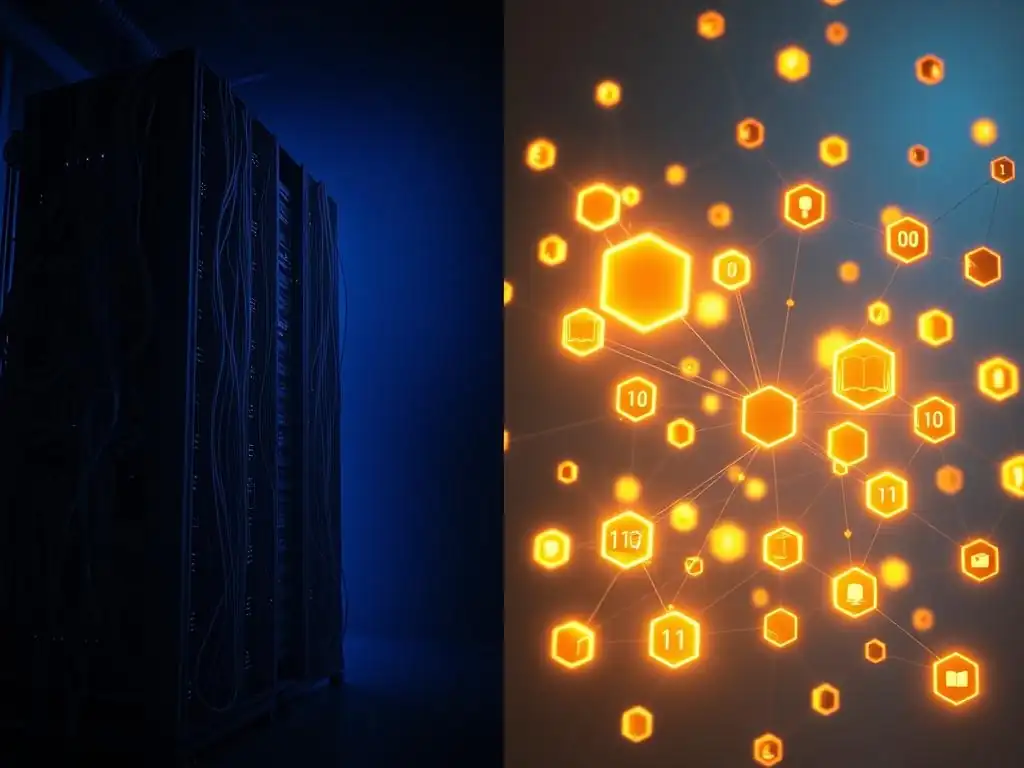
Comparing Centralized vs. Decentralized Blockchain Knowledge Platforms
Limitations of Traditional Centralized Blockchain Education Resources
Traditional centralized blockchain education resources, while offering structured learning paths and recognized certifications, often present certain limitations when compared to decentralized knowledge platforms. One key limitation is the potential for slower updates and less real-time information. Centralized resources, such as online courses or university programs, typically follow a structured curriculum development process, which can take time to update and adapt to the rapidly evolving blockchain landscape.
By the time a course module is updated, new technologies or trends may have already emerged, making the information somewhat outdated. This contrasts with decentralized forums where information is shared and updated in real-time by the community itself, ensuring greater currency and relevance.
Another limitation is the potential for a less practical or hands-on approach. Centralized education resources often focus on theoretical concepts and may not adequately address the practical challenges and real-world applications of blockchain technology. Decentralized forums, on the other hand, are driven by practitioners and community members who are actively building and using blockchain technologies. Discussions often revolve around real-world problems, practical solutions, and hands-on experiences, providing learners with more immediately applicable knowledge.
Furthermore, centralized platforms may sometimes lack the diversity of perspectives and the open, community-driven ethos that are central to the blockchain space. The hierarchical structure and top-down approach of centralized education can sometimes be at odds with the decentralized and participatory nature of blockchain technology itself. Cost can also be a significant barrier for many individuals seeking centralized blockchain education, whereas decentralized forums are typically free or very low cost to access.
Advantages of Decentralized Forums for Authentic Blockchain Knowledge Sharing
Decentralized forums offer distinct advantages for authentic blockchain knowledge sharing, aligning more closely with the core principles and values of the blockchain space itself. One primary advantage is the enhanced authenticity and transparency of information. In decentralized forums, knowledge is often vetted and validated by the community, rather than being solely reliant on the authority of a central institution or individual.
Reputation systems and community moderation mechanisms help to ensure that high-quality, accurate information rises to the top, while misinformation is more readily identified and addressed. This community-driven validation process can lead to a more authentic and reliable knowledge base, reflecting the collective wisdom of the blockchain community.
Another significant advantage is the greater accessibility and inclusivity of decentralized forums. As discussed earlier, these platforms are typically open to anyone, regardless of their background or location, democratizing access to blockchain education. This inclusivity fosters a more diverse and representative learning community, enriching the exchange of ideas and perspectives. Furthermore, decentralized forums often promote a more collaborative and peer-to-peer learning environment.
The emphasis on user-generated content and community interaction encourages active participation, knowledge sharing, and mutual support among learners. This collaborative ethos is crucial for navigating the complexities of blockchain technology and fostering a strong and resilient blockchain community. The decentralized nature of these platforms also inherently promotes censorship resistance and freedom of expression, ensuring that diverse viewpoints and even critical perspectives can be shared and discussed openly, contributing to a more robust and nuanced understanding of blockchain.
Addressing Misinformation and Promoting Accurate Information in Decentralized Environments
While decentralized forums offer numerous advantages, addressing misinformation and promoting accurate information in these environments is a crucial consideration. The open and community-driven nature of these platforms, while fostering diversity and accessibility, also means that they are susceptible to the spread of inaccurate or misleading information. However, decentralized forums often employ various mechanisms to mitigate this challenge and promote accuracy. Community moderation is a key element.
Users are typically empowered to flag content they believe is inaccurate or misleading, and community moderators, often elected or appointed by the community, review and address these flags. Reputation systems also play a vital role. Users who consistently contribute high-quality, accurate information build a positive reputation, making their contributions more credible and trustworthy. Conversely, users who spread misinformation can see their reputation diminished.
Furthermore, the inherent transparency of blockchain forums can also aid in identifying and addressing misinformation. Discussions and debates within forums often involve multiple perspectives and critical analysis, allowing for the scrutiny and debunking of inaccurate claims. The collective intelligence of the community serves as a powerful tool for fact-checking and verifying information.
It is also important for users to develop critical thinking skills and cross-reference information from multiple sources, even within decentralized forums. Being aware of potential biases and evaluating the credibility of sources are essential skills for navigating any information-rich environment, including decentralized blockchain knowledge platforms. Ultimately, a combination of community moderation, reputation systems, transparency, and user education is crucial for fostering accurate and reliable knowledge sharing in decentralized blockchain forums.
Popular Blockchain Knowledge Sharing Forums: A Showcase
Stack Exchange: Features and Community Focus
Stack Exchange is a network of question-and-answer websites on diverse topics, with dedicated sites for blockchain and cryptocurrency-related subjects, such as Bitcoin Stack Exchange and Ethereum Stack Exchange. These platforms are characterized by their highly structured Q&A format, emphasizing clear, concise questions and well-researched, authoritative answers. A key feature of Stack Exchange is its robust reputation system. Users earn reputation points for asking good questions, providing helpful answers, and participating in community moderation activities like voting and editing. This reputation system serves as a strong incentive for contributing high-quality content and helps to curate the most valuable information.
The community focus on Stack Exchange is on creating a comprehensive and searchable knowledge base. Questions are tagged with relevant keywords, making it easy for users to find information on specific topics. Answers are often rigorously reviewed and edited by the community to ensure accuracy and clarity. The platform also features a voting system where users can upvote or downvote questions and answers, further highlighting the most helpful and reliable content.
Stack Exchange is particularly valuable for technical questions related to blockchain development, cryptography, and protocol design. It serves as a go-to resource for developers and technically inclined individuals seeking precise answers to specific blockchain-related queries. While not strictly a forum in the traditional sense of open discussion, Stack Exchange’s Q&A format and community-driven curation make it a powerful platform for blockchain knowledge sharing.
Reddit (r/Bitcoin, r/Ethereum): Specialization and Expert Contributions
Reddit, a popular social news aggregation and discussion website, hosts numerous subreddits dedicated to blockchain and cryptocurrencies. Subreddits like r/Bitcoin and r/Ethereum are particularly prominent blockchain knowledge sharing forums, attracting large and active communities. Reddit's format allows for a wide range of content, including news articles, opinion pieces, discussions, and questions. Subreddits are often specialized, focusing on specific cryptocurrencies or blockchain topics, allowing users to find communities tailored to their interests. For example, r/Bitcoin primarily focuses on Bitcoin-related discussions, while r/Ethereum centers on Ethereum and its ecosystem.
Reddit's strength as a blockchain knowledge sharing platform lies in its accessibility, diverse user base, and the potential for expert contributions. Anyone can create a Reddit account and participate in discussions, making it a highly inclusive platform. Subreddits often attract contributions from experts in the blockchain space, including developers, researchers, and industry leaders, who participate in discussions and answer questions from the community.
Reddit also facilitates AMAs (Ask Me Anything) sessions with prominent figures in the blockchain industry, providing users with direct access to expertise. While Reddit's content moderation can be subreddit-specific and sometimes vary in consistency, the platform's large user base and open format make it a valuable resource for staying informed about blockchain news, engaging in discussions, and accessing diverse perspectives within the blockchain community.
BitcoinTalk: Open-Source Resources and Collaborative Projects
BitcoinTalk is one of the oldest and most historically significant blockchain knowledge sharing forums, dating back to the early days of Bitcoin. Founded by Satoshi Nakamoto, the pseudonymous creator of Bitcoin, BitcoinTalk has served as a central hub for discussions, announcements, and collaborative projects within the Bitcoin and broader cryptocurrency community. BitcoinTalk is structured as a traditional internet forum, with categorized boards for different topics, allowing for threaded discussions and user profiles. Its historical significance stems from its role in the early development and promotion of Bitcoin, hosting discussions that shaped the cryptocurrency landscape.
BitcoinTalk is particularly known for its open-source ethos and its focus on collaborative projects. The forum has been instrumental in facilitating discussions and collaborations around Bitcoin development, open-source cryptocurrency projects, and blockchain technology in general.
Many early cryptocurrency projects were announced and discussed on BitcoinTalk, and the forum continues to be a platform for developers to share their work, seek feedback, and collaborate on open-source initiatives. While the forum's design is somewhat dated compared to more modern platforms, its historical significance and its strong community focused on open-source and collaborative development make BitcoinTalk a unique and valuable resource for blockchain knowledge sharing, particularly for those interested in the history and foundational principles of cryptocurrencies and blockchain technology.
The Future of Blockchain Knowledge Sharing: Predictions and Trends
The Evolution of Decentralized Learning Platforms in the Blockchain Space
The future of blockchain knowledge sharing is likely to see a continued evolution of decentralized learning platforms, leveraging advancements in blockchain technology and incorporating innovative features to enhance the learning experience. We can expect to see more sophisticated decentralized forums built directly on blockchain infrastructure, utilizing smart contracts for governance, tokenized incentives, and decentralized identity management.
These platforms may incorporate features like decentralized credentials, allowing users to earn and verify blockchain-based certifications for completing learning modules or contributing valuable content. Imagine a future where your contributions to a blockchain forum directly build your on-chain reputation as a blockchain expert, verifiable and portable across different decentralized platforms.
Gamification and interactive learning experiences are also likely to become more prevalent in decentralized blockchain education. Platforms may incorporate game-like elements, challenges, and rewards to make learning more engaging and effective. Decentralized autonomous learning organizations (DALOs) could emerge, operating as community-governed educational entities that curate content, offer courses, and issue verifiable credentials, all managed and controlled by the community through blockchain-based governance mechanisms.
Furthermore, the integration of decentralized social media platforms with blockchain knowledge sharing forums could create more seamless and integrated learning ecosystems, where users can discover, consume, and contribute to blockchain knowledge within a decentralized social context. The trend towards decentralization in education, mirroring the broader movement in technology and society, is poised to reshape how blockchain knowledge is shared and accessed in the years to come.
The Impact of AI and Machine Learning on Blockchain Education
Artificial intelligence (AI) and machine learning (ML) are poised to significantly impact the future of blockchain education, including knowledge sharing forums. AI-powered tools can enhance content curation, personalized learning paths, and automated moderation within these platforms. Imagine AI algorithms analyzing vast amounts of content within blockchain forums to identify trending topics, curate relevant resources, and recommend personalized learning pathways for individual users. ML-powered chatbots could provide instant answers to common questions, guide newcomers through onboarding processes, and offer personalized support within forums, freeing up human moderators to focus on more complex issues.
AI can also play a crucial role in combating misinformation and promoting accurate information within decentralized environments. ML algorithms can be trained to identify potential misinformation, flag suspicious content, and assist community moderators in verifying information accuracy. Furthermore, AI-powered translation tools can break down language barriers in global blockchain forums, facilitating greater cross-cultural knowledge sharing and collaboration.
Personalized learning dashboards, powered by AI, could track user progress, identify knowledge gaps, and recommend relevant learning resources within forums, optimizing the learning experience for each individual. The integration of AI and ML into blockchain knowledge sharing platforms has the potential to create more efficient, personalized, and effective learning environments, further democratizing access to blockchain education and fostering a more knowledgeable and engaged blockchain community.
The Role of Blockchain Forums in Fostering Innovation and Adoption
Blockchain knowledge sharing forums are not just platforms for learning; they play a crucial role in fostering innovation and driving wider adoption of blockchain technology. These forums serve as incubators for new ideas, connecting individuals with diverse skills and expertise, and facilitating collaborations that can lead to the development of innovative blockchain solutions. Discussions within forums often spark new project ideas, identify unmet needs in the blockchain ecosystem, and connect developers with potential collaborators or investors. Many open-source blockchain projects and community-driven initiatives have originated or gained momentum through discussions within these forums.
Furthermore, blockchain forums contribute to wider adoption by demystifying the technology, making it more accessible to a broader audience. By providing readily available educational resources, answering questions from newcomers, and showcasing real-world use cases, these forums help to overcome the learning curve associated with blockchain and encourage wider participation in the ecosystem. Forums also serve as important feedback loops for blockchain projects and developers.
Community members provide valuable feedback on new protocols, applications, and concepts, helping to refine and improve blockchain technologies. In essence, blockchain knowledge sharing forums are vital engines for innovation and adoption, fueling the growth and evolution of the blockchain ecosystem by fostering collaboration, education, and community engagement. The future of blockchain innovation and adoption is inextricably linked to the continued growth and vibrancy of these democratic knowledge sharing platforms.
How to Effectively Participate in Blockchain Knowledge Forums
Tips for Asking Effective Questions and Contributing Meaningful Content
Effective participation in blockchain knowledge forums requires a mindful approach to both asking questions and contributing content. When asking questions, clarity and conciseness are paramount. Clearly articulate your question, providing sufficient context to allow other community members to understand your query effectively. Before posting, conduct preliminary research to ensure your question hasn't already been answered or is easily searchable.
Formulate specific questions rather than vague or overly broad inquiries. For example, instead of asking "How does blockchain work? ", a more effective question would be "Can someone explain the practical differences between Proof-of-Work and Proof-of-Stake consensus mechanisms in terms of energy consumption and security?". Be respectful and polite in your tone, acknowledging the time and effort of community members who volunteer their expertise.
When contributing content, focus on providing valuable and insightful information. Share your knowledge and experiences in a clear and concise manner. Back up your claims with evidence or examples whenever possible. Engage in constructive discussions, offering thoughtful responses to other users' questions and perspectives. Be respectful of differing viewpoints and avoid personal attacks or inflammatory language. When sharing code or technical information, ensure it is well-formatted and easy to understand. Participating actively and consistently, providing helpful answers, and engaging in positive interactions are key to building a strong reputation and contributing meaningfully to the blockchain knowledge sharing community.
Building a Strong Reputation and Network within Blockchain Communities
Building a strong reputation and network within blockchain communities is a valuable asset for anyone seeking to advance their career, collaborate on projects, or stay at the forefront of blockchain innovation. Reputation in these forums is typically earned through consistent, high-quality contributions. Actively participate in discussions, provide helpful answers, and share valuable insights. Focus on contributing meaningfully to the community rather than simply seeking personal gain. Be respectful and helpful to other users, especially newcomers. A positive and collaborative attitude goes a long way in building a strong reputation.
Networking opportunities arise organically through active participation in forums. Engage with other community members, follow discussions that align with your interests, and reach out to individuals whose expertise you admire. Offer your assistance to others and be willing to collaborate on projects or initiatives.
Participate in virtual events and AMAs hosted by forums to further expand your network. Building a strong reputation and network is a long-term endeavor that requires consistent effort and genuine engagement with the blockchain community. However, the rewards, in terms of career opportunities, collaborations, and personal growth, are significant for those who invest in building meaningful connections within these decentralized spaces.
Identifying Reliable Sources and Avoiding Misinformation in the Decentralized Web
Navigating the decentralized web and identifying reliable sources of information, particularly within blockchain knowledge forums, requires critical thinking and a discerning approach. While decentralized forums offer many benefits, they are also susceptible to misinformation, scams, and biased opinions. Develop a critical mindset and question information presented, especially if it seems too good to be true or lacks credible sources. Cross-reference information from multiple sources, both within and outside of forums. Consult reputable blockchain news outlets, academic publications, and official project documentation to verify information.
Pay attention to the reputation of contributors within forums. Users with a long history of positive contributions and a strong reputation are generally more reliable sources of information. Be wary of anonymous sources or users with limited activity and no established reputation. Be aware of potential biases. Recognize that individuals may have vested interests in promoting certain projects or cryptocurrencies.
Consider the source's motivation and potential biases when evaluating information. Utilize community moderation features within forums to flag potentially misleading or inaccurate content. Engage in discussions to critically analyze information and seek diverse perspectives. Developing these critical thinking skills and adopting a cautious approach are essential for navigating the decentralized web and effectively utilizing blockchain knowledge forums while avoiding misinformation.
Conclusion: Embracing the Power of Decentralized Blockchain Learning
The Importance of Continued Education in the Rapidly Evolving Blockchain Landscape
In the rapidly evolving blockchain landscape, continued education is not just beneficial; it is essential for staying relevant and contributing meaningfully to the ecosystem. Blockchain technology is constantly advancing, with new protocols, applications, and paradigms emerging at a breakneck pace. What is cutting-edge today may be outdated tomorrow.
Therefore, a commitment to lifelong learning is crucial for individuals seeking to thrive in this dynamic field. Blockchain knowledge sharing forums play a vital role in facilitating this continuous learning process. They provide access to real-time information, practical insights, and a global community of learners and experts, making it easier than ever to stay updated with the latest developments.
The decentralized nature of blockchain itself necessitates a decentralized approach to education. Traditional centralized educational institutions, while valuable, often struggle to keep pace with the speed of blockchain innovation. Decentralized forums, driven by the community and fueled by real-time interactions, are uniquely positioned to provide the most current and relevant knowledge. Embracing decentralized blockchain learning is not just about acquiring technical skills; it's about adopting a mindset of continuous learning, adaptability, and community collaboration, which are essential for navigating the complexities and opportunities of the blockchain revolution.
Empowering Individuals Through Democratic Access to Blockchain Knowledge
Democratic access to blockchain knowledge, facilitated by decentralized forums, is empowering individuals worldwide and leveling the playing field in the technology space. Traditional barriers to education, such as geographical limitations, high tuition fees, and restrictive admission requirements, are largely eliminated in the realm of decentralized blockchain learning.
Anyone with an internet connection can access a wealth of educational resources, connect with experts, and participate in a global community of learners, regardless of their background or socioeconomic status. This democratization of knowledge is particularly significant in the context of blockchain technology, which itself aims to democratize finance, governance, and various other sectors.
By empowering individuals with blockchain knowledge, decentralized forums are fostering greater inclusivity and participation in the blockchain revolution. They are enabling individuals from underserved communities and developing nations to acquire valuable skills and contribute to the growth of the blockchain ecosystem. This democratization of knowledge is not only beneficial for individuals; it also strengthens the blockchain industry as a whole by fostering a more diverse, skilled, and globally distributed workforce. The democratic nature of blockchain knowledge sharing is, therefore, a powerful force for empowerment, inclusion, and the widespread adoption of this transformative technology.
The Future of Blockchain Rests on Collaborative Knowledge Sharing
Ultimately, the future of blockchain technology rests on collaborative knowledge sharing and the continued growth of vibrant, democratic learning communities. Blockchain is inherently a collaborative technology, built upon open-source principles, community governance, and decentralized networks. Its continued innovation and widespread adoption depend on the collective intelligence, creativity, and collaboration of individuals across the globe. Blockchain knowledge sharing forums are essential platforms for fostering this collaboration, connecting individuals, facilitating the exchange of ideas, and driving the collective learning process.
As blockchain technology continues to evolve and permeate various aspects of society, the need for accessible, up-to-date, and community-driven education will only become more critical. Decentralized blockchain knowledge sharing forums are not just a trend; they are a fundamental component of the blockchain ecosystem, essential for its continued growth, innovation, and democratization. Embracing the power of decentralized blockchain learning, fostering collaborative knowledge sharing, and actively participating in these democratic communities are crucial steps in shaping a future where blockchain technology fulfills its transformative potential and benefits all of humanity.
Frequently Asked Questions
What exactly are "Blockchain Knowledge Sharing Forums" and why are they considered decentralized?
These forums are online spaces where individuals share and discuss blockchain technology. They are considered decentralized due to their often community-driven nature and lack of a single central authority controlling content or moderation.
How do Blockchain Knowledge Sharing Forums contribute to the broader understanding of blockchain beyond just cryptocurrencies?
They facilitate discussions on diverse topics like DeFi, enterprise applications, and regulation, offering insights from various perspectives. This helps to move beyond the singular focus on cryptocurrencies and explore blockchain's wider potential.
What are some potential benefits of participating in Blockchain Knowledge Sharing Forums?
Participants can enhance their blockchain knowledge, network with like-minded individuals, and stay updated on the latest industry trends and developments.
What role do these forums play in the future of decentralized systems?
They foster collaboration and knowledge exchange, which are vital for the growth and adoption of decentralized technologies. This contributes to a more informed and engaged community shaping the future of blockchain.
What are some potential challenges or drawbacks of relying on Blockchain Knowledge Sharing Forums for information?
The information shared can vary in accuracy and reliability, and it's crucial to critically evaluate the source. There might also be biases present, reflecting the perspectives of the forum's participants.
Final Reflection: Embracing the Decentralized Future of Knowledge
The exploration of blockchain knowledge sharing forums reveals a powerful truth: the democratization of information is no longer a distant dream, but a tangible reality. These platforms, built on the principles of decentralization, are reshaping how we learn, collaborate, and contribute to the ever-evolving blockchain landscape. The shift from centralized authorities to community-driven ecosystems is not just a technological advancement, but a fundamental change in how we approach knowledge itself.
The impact of decentralized knowledge sharing extends far beyond the technical realm. It fosters inclusivity, empowering individuals from diverse backgrounds to participate in shaping the future of blockchain. This movement towards open and accessible information resonates deeply with the human desire for empowerment and self-determination. The free flow of information is the lifeblood of democracy.
- Stewart Brand. This quote perfectly encapsulates the spirit of blockchain forums, where knowledge is not confined to a select few, but shared freely and openly for the benefit of all.
As we stand at the cusp of a new era, let us embrace the potential of decentralized knowledge sharing. Consider how you can contribute to these vibrant communities, share your expertise, and learn from others. The future of blockchain, and indeed the future of knowledge itself, is being built collaboratively, one forum post, one shared insight, at a time. Join the movement, participate actively, and help shape a more informed and empowered world.
Unleash Your Voice: Dive Deeper into Blockchain's Future!
Thank you for exploring the power of decentralized knowledge sharing with us! We hope you've gained valuable insights into the democratic nature of blockchain forums and their potential to shape the future of the technology. Now, it's time to put that knowledge into action.
Here's how you can contribute:
- Become a Forum Pioneer: Actively participate in a blockchain forum—share your insights, ask questions, and help others navigate this exciting space. This is your chance to shape the conversation.
- Explore New Forums: Don't settle for just one! Delve into different communities and decentralized platforms to broaden your understanding of the blockchain ecosystem.
- Challenge the Status Quo: Think critically about the governance and structure of these forums. Can they be even more democratic and inclusive? Share your innovative ideas for improvement.
Ready to contribute to the vibrant community shaping the future of blockchain? What important question will you bring to the forum today?
Leave a Reply