
Decoding Blockchain: Making Decentralized Technology Understandable for All


Welcome to Blockchain Trends, your compass in the rapidly evolving world of decentralized technology! Curious about how blockchain is revolutionizing industries beyond cryptocurrency? This week, we're diving deep into blockchain applications for businesses, uncovering practical use cases and exploring how this powerful technology is reshaping the modern enterprise. Prepare to discover the transformative potential – and the challenges – that lie ahead. Let's unlock the future, together.
Decoding Blockchain: Making Decentralized Technology Understandable for All
- What is Blockchain Technology? A Beginner's Introduction
- How Blockchain Works: A Simplified Explanation
- Blockchain Applications for Businesses: Beyond Cryptocurrency
- Blockchain Applications for Businesses: Real-World Examples
- The Benefits of Blockchain Technology for Businesses
- Overcoming the Challenges of Blockchain Adoption in Business
- The Future of Blockchain: Trends and Predictions
- Blockchain Education & Learning: Resources for Beginners
- Conclusion: Embracing the Potential of Blockchain for Business Transformation
-
Frequently Asked Questions
- How can blockchain technology benefit businesses beyond just cryptocurrency?
- What are some real-world blockchain applications for businesses that are gaining traction?
- What is DeFi and how does it relate to blockchain applications for businesses?
- What are the key regulatory considerations for businesses adopting blockchain applications?
- What is the future outlook for blockchain applications for businesses and decentralized systems?
- Final Reflection: Embracing the Decentralized Future
- Unlock Your Blockchain Potential
What is Blockchain Technology? A Beginner's Introduction
Understanding the Core Concepts of Blockchain
Blockchain technology, at its core, is a revolutionary system for recording and sharing information in a way that is virtually tamper-proof. Imagine a digital ledger, much like a spreadsheet, that is duplicated and distributed across a vast network of computers. This network is decentralized, meaning no single entity controls the information. Each participant in the network holds a copy of this ledger, ensuring transparency and redundancy. When new information, like a transaction, is added, it's grouped together with other transactions into a "block." This block is then added to the "chain" of existing blocks, hence the term "blockchain."
This decentralized and distributed nature of blockchain is what makes it so groundbreaking. Unlike traditional databases that are centralized and vulnerable to single points of failure or manipulation, blockchain's distributed consensus mechanism ensures that all participants agree on the validity of the information.
This consensus is achieved through complex algorithms and protocols that require network participants to validate each new block before it's added to the chain. This process not only secures the data but also makes it incredibly transparent, as all participants can view the recorded information, although often the specifics of the data are encrypted or permissioned depending on the type of blockchain.
The History and Evolution of Blockchain Technology
While the concept of blockchain gained mainstream attention with the rise of Bitcoin in 2008, the underlying principles have roots stretching back further. The initial ideas can be traced to the early 1990s with research into cryptography and secure digital ledgers.
However, it was the anonymous person or group known as Satoshi Nakamoto who truly brought blockchain to life by implementing it as the foundation for Bitcoin, the first decentralized digital currency. Bitcoin's whitepaper, published in 2008, outlined the mechanics of a peer-to-peer electronic cash system that relied on blockchain to record transactions securely and transparently without the need for intermediaries.
Initially, blockchain was almost exclusively associated with cryptocurrencies. Bitcoin demonstrated the power of a decentralized, secure, and transparent system for financial transactions, sparking curiosity about its potential beyond digital currencies. As the technology matured, developers and businesses began to recognize the broader applicability of blockchain's core features. This led to the exploration of blockchain applications for businesses in various sectors, such as supply chain management, healthcare, and intellectual property. The evolution moved from public, permissionless blockchains like Bitcoin to private and consortium blockchains tailored for specific business needs, highlighting the versatility and adaptability of this technology.
Key Components of a Blockchain: Blocks, Chains, and Cryptography
Understanding blockchain requires grasping its fundamental components: blocks, chains, and cryptography. A "block" is essentially a container that holds a set of validated transactions or data records. Each block contains a cryptographic "hash" of the previous block in the chain. This hash acts like a digital fingerprint, uniquely identifying each block and linking it to the one before it. This linkage is crucial for maintaining the integrity and chronological order of the blockchain.
The "chain" is formed by these blocks linked together in a linear, sequential order. Because each block contains the hash of the previous one, any alteration to a block would change its hash and consequently invalidate all subsequent blocks in the chain. This cryptographic linking creates a tamper-evident and immutable record of transactions.
"Cryptography," in the context of blockchain, refers to the use of advanced mathematical techniques to secure data and transactions. Cryptographic hashing ensures the integrity of blocks, while digital signatures verify the authenticity of transactions and the identities of participants. This combination of blocks, chains, and cryptography forms the bedrock of blockchain's security and reliability, making it a robust technology for various blockchain applications for businesses.
How Blockchain Works: A Simplified Explanation
The Process of Transaction Verification and Block Creation
The process of adding a new block to a blockchain, and thus recording transactions, is a multi-step process designed to ensure security and consensus. It starts with a transaction being initiated by a user on the network. This transaction, which could be anything from a financial transfer to a data record, is then broadcast to the blockchain network. "Nodes," which are computers participating in the network, receive and verify this transaction. Verification involves checking the user's digital signature and ensuring they have the necessary permissions or funds to complete the transaction.
Once a sufficient number of nodes have verified the transaction, it becomes "pending" and is grouped with other pending transactions into a potential new block. "Miners" (in Proof-of-Work systems) or "validators" (in Proof-of-Stake systems) then compete to validate this block. This validation process involves solving complex cryptographic puzzles (in Proof-of-Work) or staking cryptocurrency (in Proof-of-Stake).
The first miner or validator to successfully solve the puzzle or be chosen through staking adds the new block to the existing chain. This newly added block is then broadcast to the entire network, and all nodes update their copy of the blockchain, confirming the transaction and making it permanently recorded. This process is fundamental to how blockchain applications for businesses maintain a secure and transparent record of operations.
Consensus Mechanisms: Proof-of-Work vs. Proof-of-Stake
Consensus mechanisms are the backbone of blockchain technology, ensuring that all participants in a decentralized network agree on the state of the blockchain. Two of the most prominent consensus mechanisms are Proof-of-Work (PoW) and Proof-of-Stake (PoS). Proof-of-Work, famously used by Bitcoin, requires miners to expend significant computational effort to solve a complex cryptographic puzzle to validate a block. This process, known as "mining," demands substantial energy consumption and specialized hardware. The miner who solves the puzzle first gets to add the next block to the chain and is rewarded with cryptocurrency.
Proof-of-Stake, on the other hand, offers a more energy-efficient alternative. In PoS, validators are chosen to create new blocks based on the number of cryptocurrency "coins" they are willing to "stake" or lock up in the network. Validators are incentivized to act honestly because if they attempt to validate fraudulent transactions, they risk losing their staked coins.
PoS mechanisms are generally considered more environmentally friendly and scalable than PoW, making them increasingly popular for newer blockchain networks and blockchain applications for businesses that prioritize sustainability and efficiency. The choice of consensus mechanism often depends on the specific requirements and goals of the blockchain network and its intended applications.
Immutability and Security: The Pillars of Blockchain
Immutability and security are the cornerstones of blockchain technology, making it a highly reliable and trustworthy system. Immutability refers to the inability to alter or delete data once it has been recorded on the blockchain. This is achieved through the cryptographic hashing and chaining of blocks. As mentioned earlier, each block contains a hash of the previous block.
If anyone attempts to tamper with a block, its hash will change, and it will no longer match the hash recorded in the subsequent block. This would break the chain and be immediately detectable by the network. To alter a past transaction, an attacker would need to recalculate the hashes of that block and all subsequent blocks, which is computationally infeasible for a sufficiently large and active blockchain network.
Security in blockchain is further enhanced by its decentralized nature. With data distributed across numerous nodes, there is no single point of failure that hackers can exploit. To compromise a blockchain, an attacker would theoretically need to control a majority of the network's computing power (a "51% attack"), which is extremely difficult and costly, especially for large, well-established blockchains.
Furthermore, cryptographic techniques like digital signatures and encryption protect transactions and data from unauthorized access and manipulation. These inherent security and immutability features make blockchain technology exceptionally well-suited for sensitive blockchain applications for businesses where data integrity and trust are paramount.
Blockchain Applications for Businesses: Beyond Cryptocurrency
Exploring Diverse Blockchain Use Cases in Various Industries
While cryptocurrency remains a prominent blockchain application, the technology's potential extends far beyond digital currencies and into a vast array of industries. The inherent characteristics of blockchain – transparency, security, and decentralization – make it a powerful tool for transforming business processes and creating new opportunities. Consider supply chain management, where blockchain can provide end-to-end traceability of goods, enhancing transparency and accountability. In healthcare, blockchain can securely store and manage patient medical records, improving data sharing and patient privacy.
Beyond these, the financial services sector is exploring blockchain for faster and more efficient payment systems, cross-border transactions, and trade finance. The entertainment industry is looking at blockchain for managing digital rights and combating piracy. Real estate can benefit from blockchain through streamlined property registration and secure land title management.
Even voting systems are being explored with blockchain to enhance security and transparency. The versatility of blockchain stems from its ability to create trust and efficiency in any process that involves multiple parties and requires secure and transparent record-keeping. This broad applicability is driving significant investment and innovation in blockchain applications for businesses across diverse sectors.
Enhancing Supply Chain Management with Blockchain Technology
Supply chain management is a complex and often opaque process involving numerous stakeholders, from suppliers and manufacturers to distributors and retailers. Blockchain technology offers a powerful solution to enhance transparency, efficiency, and security within supply chains. By recording every step of a product's journey on a blockchain, from origin to consumer, businesses can create an immutable and auditable record of its provenance and handling. This provides real-time visibility into the supply chain, allowing businesses and consumers to track products and verify their authenticity.
For example, imagine tracking food products. Using blockchain, consumers can scan a QR code on a package and instantly access information about where the ingredients came from, when it was processed, and its journey through the supply chain. This level of transparency builds trust and can help combat food fraud and counterfeiting.
Furthermore, blockchain can streamline supply chain operations by automating processes like payments and contract execution through smart contracts. It can also improve inventory management and reduce delays by providing real-time data on product location and status. Several companies are already implementing blockchain applications for businesses in supply chain, experiencing significant improvements in efficiency and transparency.
Securing Data and Identity with Blockchain Solutions
In an increasingly digital world, data security and identity management are critical concerns for businesses and individuals alike. Blockchain technology offers innovative solutions to enhance data security and provide more secure and user-centric identity management systems. Blockchain's decentralized and cryptographic nature makes it inherently more secure than traditional centralized databases, which are vulnerable to single points of failure and data breaches. By distributing data across a network and encrypting it using cryptography, blockchain reduces the risk of data tampering and unauthorized access.
In terms of identity management, blockchain can enable self-sovereign identity, giving individuals greater control over their personal data. Instead of relying on centralized identity providers, individuals can manage their digital identities on a blockchain, sharing only the necessary information when needed and maintaining control over their data. This can reduce the risk of identity theft and improve privacy.
Blockchain applications for businesses in identity management are emerging in various sectors, including finance, healthcare, and government, offering more secure and efficient ways to verify identities, manage access control, and protect sensitive data. The use of blockchain for data security and identity management is poised to become increasingly important as businesses seek to build trust and comply with stricter data privacy regulations.
Blockchain Applications for Businesses: Real-World Examples
Case Study 1: Walmart and their Blockchain Implementation for Food Traceability
Walmart, one of the world's largest retailers, has been a pioneer in leveraging blockchain technology to enhance its food traceability systems. Recognizing the importance of food safety and transparency for consumers, Walmart partnered with IBM Food Trust to implement a blockchain-based system for tracking food products throughout its supply chain. Initially focusing on mangoes and pork in the US and China, Walmart's system now tracks over 50 different product lines, including leafy greens, poultry, and seafood.
Before blockchain, tracing a food product back to its origin could take days, even weeks. With blockchain, Walmart has drastically reduced this time to seconds. In one instance, tracing the origin of mangoes took seven days using traditional methods, but only 2.2 seconds with blockchain.
This rapid traceability is crucial in the event of a foodborne illness outbreak, allowing for quicker identification of contaminated products and faster recalls, protecting consumers and minimizing the impact on public health. Walmart’s blockchain application for businesses in food traceability has not only improved food safety but also enhanced operational efficiency and strengthened consumer trust in their brand. This case study demonstrates the tangible benefits of blockchain in enhancing supply chain transparency and responsiveness.
Case Study 2: Maersk Leveraging Blockchain for TradeLens
Maersk, a global leader in container shipping, has partnered with IBM to develop TradeLens, a blockchain-based platform designed to digitize and streamline global trade processes. The shipping industry is notoriously complex, involving numerous stakeholders, paper-based processes, and a lack of transparency, leading to delays, inefficiencies, and high costs. TradeLens aims to address these challenges by providing a secure and transparent platform for sharing shipping information among all participants in the supply chain, including shipping lines, ports, customs authorities, and cargo owners.
TradeLens utilizes blockchain to create a single, shared view of shipping data, replacing fragmented and often inconsistent information silos. By digitizing documentation and automating processes, TradeLens reduces paperwork, accelerates customs clearance, and improves shipment visibility. Early adopters of TradeLens have reported up to a 40% reduction in shipping documentation costs and significant time savings in cargo processing. For example, port authorities using TradeLens can optimize vessel traffic and improve operational efficiency. Maersk's TradeLens exemplifies how blockchain applications for businesses can revolutionize entire industries by fostering collaboration, enhancing transparency, and driving operational improvements in complex ecosystems like global trade.
Demonstrating the ROI of Blockchain in Enterprise Settings
While the potential of blockchain is widely recognized, businesses need to understand the return on investment (ROI) before committing to implementation. Demonstrating the ROI of blockchain applications for businesses is crucial for driving adoption and securing investment. The ROI from blockchain implementations can be realized in various forms, including cost savings, revenue generation, and risk reduction. Cost savings can be achieved through increased efficiency, reduced paperwork, and streamlined processes, as seen in the Maersk TradeLens example.
Revenue generation can stem from new business models enabled by blockchain, such as tokenized assets or decentralized marketplaces. For instance, businesses can tokenize real-world assets like real estate or commodities, making them more liquid and accessible to a wider range of investors. Risk reduction is another significant benefit, particularly in areas like supply chain management and data security.
Blockchain's enhanced transparency and traceability can mitigate risks associated with fraud, counterfeiting, and data breaches. Quantifying the ROI of blockchain implementations requires careful analysis of specific use cases and business objectives. However, real-world examples like Walmart and Maersk, along with numerous other successful deployments, are increasingly demonstrating the tangible and significant ROI that blockchain can deliver for businesses across various industries.
The Benefits of Blockchain Technology for Businesses
Increased Transparency and Traceability
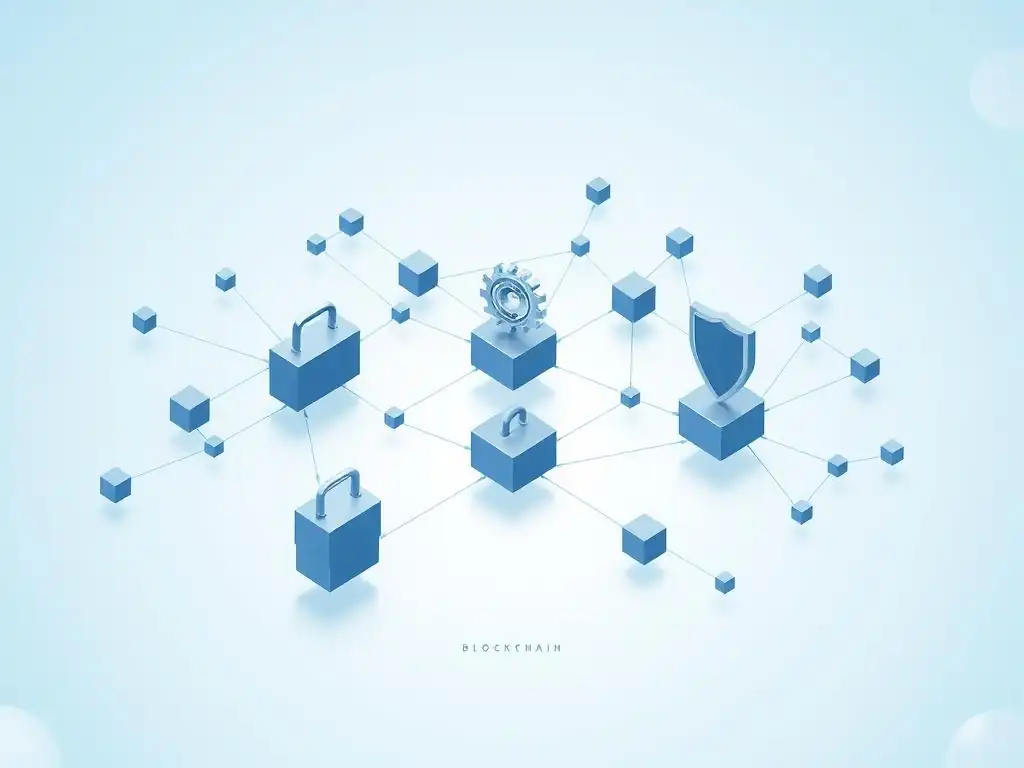
One of the most compelling benefits of blockchain technology for businesses is the enhanced transparency and traceability it provides. In traditional systems, information is often siloed and opaque, making it difficult to track data and verify its authenticity. Blockchain, by its very nature, creates a transparent and auditable record of transactions or data. Every participant in a blockchain network can access and verify the shared ledger, providing unprecedented visibility into processes and data flows.
This increased transparency is particularly valuable in complex supply chains, as highlighted in the Walmart example. Businesses can track products from origin to consumer, providing verifiable proof of provenance and authenticity. This not only builds consumer trust but also improves accountability across the supply chain. Furthermore, transparency in blockchain can streamline regulatory compliance and audits, as all relevant information is readily accessible and auditable. For blockchain applications for businesses, this transparency translates to improved operational efficiency, reduced risk of fraud, and enhanced stakeholder confidence.
Enhanced Security and Data Integrity
Security and data integrity are paramount concerns for businesses in today's digital landscape. Blockchain technology offers robust security features that surpass traditional centralized systems. The decentralized and cryptographic nature of blockchain makes it inherently resistant to tampering and cyberattacks. Data stored on a blockchain is distributed across a network of computers, eliminating single points of failure and making it extremely difficult for malicious actors to compromise the system.
Cryptographic hashing and digital signatures ensure the integrity and authenticity of data recorded on the blockchain. Any attempt to alter data would be immediately detectable by the network, as it would break the cryptographic chain. This immutability and security are crucial for protecting sensitive business data and ensuring the trustworthiness of transactions. Blockchain applications for businesses leverage these security features to safeguard critical information, prevent fraud, and build trust in digital interactions. From securing financial transactions to protecting intellectual property, blockchain provides a powerful framework for enhancing data security and integrity.
Improved Efficiency and Reduced Costs
While often associated with complex technology, blockchain can lead to significant improvements in efficiency and cost reductions for businesses. By automating processes, eliminating intermediaries, and streamlining workflows, blockchain can optimize operations and lower costs across various business functions. Smart contracts, self-executing agreements coded on a blockchain, automate tasks and eliminate the need for manual intervention, reducing errors and delays.
In supply chain management, blockchain can streamline logistics, reduce paperwork, and accelerate customs clearance, leading to substantial cost savings, as demonstrated by Maersk's TradeLens. In financial services, blockchain can enable faster and cheaper cross-border payments, reducing transaction fees and settlement times. Furthermore, the increased transparency and traceability provided by blockchain can reduce administrative overhead and improve resource allocation. For blockchain applications for businesses, these efficiency gains and cost reductions translate to improved profitability and competitiveness.
Streamlined Processes and Automation
Blockchain technology excels at streamlining complex processes and enabling automation across various business operations. Traditional business processes often involve multiple intermediaries, manual steps, and fragmented systems, leading to inefficiencies and delays. Blockchain, with its decentralized and automated nature, can simplify these processes and create more efficient workflows. Smart contracts are a key enabler of process automation in blockchain. These self-executing contracts automatically trigger actions when predefined conditions are met, eliminating the need for manual intervention and reducing the risk of errors.
For instance, in supply chain finance, smart contracts can automatically release payments upon confirmation of goods delivery, streamlining the payment process and reducing delays. In identity management, blockchain-based identity solutions can automate identity verification and access control, improving efficiency and security. Blockchain applications for businesses leverage these streamlined processes and automation capabilities to optimize operations, reduce administrative burden, and improve overall business agility. The ability to automate complex workflows is a key driver of blockchain adoption across industries.
Overcoming the Challenges of Blockchain Adoption in Business
Addressing Scalability Issues in Blockchain Networks
Scalability remains a significant challenge for widespread blockchain applications for businesses. Many public blockchains, particularly those using Proof-of-Work consensus mechanisms, have limitations in terms of transaction throughput and speed. For example, Bitcoin's network can process only a limited number of transactions per second, which is insufficient for high-volume business applications. Scalability issues can lead to network congestion, slow transaction times, and increased transaction fees, hindering the practical adoption of blockchain for certain use cases.
However, various solutions are being developed to address scalability challenges. Layer-2 scaling solutions, such as payment channels and sidechains, are designed to process transactions off the main blockchain, increasing throughput without compromising security. Sharding, a technique that divides the blockchain into smaller, manageable parts, is another approach to improve scalability.
Furthermore, the development and adoption of more efficient consensus mechanisms like Proof-of-Stake are contributing to improved scalability. Private and consortium blockchains, often used for enterprise blockchain applications, can also be designed for higher scalability as they operate with a limited number of participants and can optimize network parameters for specific use cases. Ongoing research and development efforts are continuously pushing the boundaries of blockchain scalability, paving the way for broader business adoption.
The regulatory landscape surrounding blockchain technology and cryptocurrencies is still evolving and often varies significantly across jurisdictions. This regulatory uncertainty poses a challenge for businesses considering blockchain applications, as they need to navigate complex and sometimes unclear legal frameworks. Concerns around data privacy, consumer protection, and financial regulations are driving regulatory scrutiny of blockchain and related technologies.
Compliance requirements, such as Know Your Customer (KYC) and Anti-Money Laundering (AML) regulations, are particularly relevant for blockchain applications in financial services. Businesses need to ensure that their blockchain implementations comply with applicable regulations in the jurisdictions where they operate. Engaging with legal experts and staying informed about evolving regulatory developments is crucial for navigating this uncertainty.
Industry consortia and blockchain advocacy groups are also working to engage with regulators and promote the development of clear and balanced regulatory frameworks that foster innovation while addressing legitimate concerns. As the regulatory landscape matures, businesses will gain greater clarity and confidence in deploying blockchain applications in compliance with legal requirements.
Integrating Blockchain with Existing Business Systems
Integrating blockchain technology with existing legacy business systems can be a complex and resource-intensive undertaking. Many businesses have invested heavily in their current IT infrastructure, and seamlessly integrating blockchain solutions into these systems can present technical and organizational challenges. Data interoperability between blockchain networks and legacy systems is a key consideration. Ensuring that data can be exchanged and synchronized between different systems is essential for effective integration.
Furthermore, organizational change management is crucial for successful blockchain integration. Implementing blockchain often requires changes to existing business processes and workflows, and businesses need to prepare their workforce for these changes. Developing clear integration strategies, utilizing middleware solutions, and adopting a phased approach to implementation can help mitigate integration challenges. While integration can be complex, the potential benefits of blockchain applications for businesses often outweigh the challenges, driving businesses to invest in overcoming these integration hurdles.
The Skills Gap: Finding and Training Blockchain Professionals
A significant challenge hindering the widespread adoption of blockchain applications for businesses is the shortage of skilled blockchain professionals. The demand for blockchain developers, engineers, and consultants is rapidly growing, while the supply of qualified talent is lagging behind. This skills gap can make it difficult for businesses to find the expertise needed to develop, implement, and manage blockchain solutions.
Addressing the skills gap requires a multi-pronged approach. Investing in training and education programs to develop blockchain talent is crucial. Universities and online learning platforms are increasingly offering blockchain courses and certifications to meet the growing demand. Businesses can also invest in internal training programs to upskill their existing workforce in blockchain technologies. Furthermore, fostering collaboration between industry and academia can help bridge the skills gap and accelerate the development of blockchain talent. As the blockchain ecosystem matures and more professionals gain expertise, the skills gap is expected to gradually narrow, facilitating broader blockchain applications for businesses.
The Future of Blockchain: Trends and Predictions
Blockchain and Decentralized Finance (DeFi)
Decentralized Finance (DeFi) is one of the most transformative and rapidly evolving blockchain applications. DeFi aims to recreate traditional financial services, such as lending, borrowing, trading, and asset management, in a decentralized and permissionless manner using blockchain technology. DeFi platforms operate without intermediaries like banks or brokers, relying on smart contracts to automate financial transactions and provide users with greater control over their assets.
The growth of DeFi has been explosive, with billions of dollars locked in DeFi protocols. DeFi offers potential benefits such as increased financial inclusion, lower fees, and greater transparency compared to traditional finance. However, DeFi also faces challenges related to regulatory uncertainty, security risks, and scalability. Despite these challenges, DeFi is expected to continue to disrupt the traditional financial system and drive innovation in blockchain applications. The future of finance is increasingly intertwined with blockchain and DeFi, promising a more accessible and efficient financial ecosystem.
The Rise of Enterprise Blockchain Solutions
While initially focused on public and permissionless blockchains, the enterprise sector is increasingly embracing private and consortium blockchain solutions tailored to specific business needs. Enterprise blockchain applications are gaining traction across various industries, as businesses recognize the benefits of blockchain for improving efficiency, security, and transparency within their operations and supply chains. Private blockchains, permissioned blockchains, and hybrid models are being deployed to address specific enterprise requirements, offering greater control over data access and network participation.
The rise of enterprise blockchain platforms and services is making it easier for businesses to adopt and implement blockchain solutions. Cloud providers and enterprise software companies are offering blockchain-as-a-service (BaaS) platforms, simplifying deployment and management. Industry consortia and collaborations are also playing a crucial role in driving enterprise blockchain adoption by developing industry-specific standards and solutions. The trend towards enterprise blockchain solutions is expected to accelerate, with more businesses leveraging blockchain to transform their operations and gain a competitive edge.
The Impact of Blockchain on Data Privacy and Security
Blockchain technology has significant implications for data privacy and security, offering both opportunities and challenges. On one hand, blockchain's inherent security features, such as cryptography and decentralization, can enhance data security and protect against data breaches. Blockchain can also enable privacy-enhancing technologies, such as zero-knowledge proofs and homomorphic encryption, allowing for secure data processing and sharing without revealing sensitive information.
On the other hand, the transparency of public blockchains raises data privacy concerns, as all transactions are recorded on a publicly accessible ledger. However, permissioned and private blockchains offer greater control over data privacy, limiting access to authorized participants. Furthermore, regulations like GDPR and CCPA are influencing the development of privacy-preserving blockchain applications. The future of blockchain will likely see a greater focus on privacy-centric solutions that balance transparency with data protection, ensuring responsible and ethical use of the technology.
Blockchain's Role in the Metaverse and Web3
The metaverse and Web3 are emerging as significant trends in the evolution of the internet, and blockchain technology is poised to play a central role in their development. The metaverse, a persistent, shared virtual world, requires secure and interoperable digital identities, digital asset ownership, and decentralized governance, all of which can be enabled by blockchain. Non-Fungible Tokens (NFTs), powered by blockchain, are becoming the foundation for digital ownership in the metaverse, representing virtual land, avatars, and in-game assets.
Web3, the next iteration of the internet, aims to create a more decentralized and user-centric web, where users have greater control over their data and digital assets. Blockchain is the underlying technology for Web3, enabling decentralized applications (dApps), decentralized autonomous organizations (DAOs), and tokenized economies. Blockchain applications will be fundamental to building the infrastructure and functionalities of the metaverse and Web3, shaping the future of digital interactions and online experiences. The convergence of blockchain, metaverse, and Web3 represents a significant shift towards a more decentralized and user-empowered digital world.
Blockchain Education & Learning: Resources for Beginners
Online Courses and Certifications for Blockchain Development
For individuals and businesses looking to delve deeper into blockchain technology, numerous online resources offer comprehensive education and training. Platforms like Coursera, edX, Udemy, and Udacity provide a wide range of blockchain courses and certifications, catering to different skill levels and learning objectives. These courses cover topics ranging from blockchain fundamentals and cryptocurrency to smart contract development and blockchain applications for businesses.
Reputable universities and institutions also offer online blockchain programs, providing academic rigor and industry-recognized credentials. Certifications in blockchain development and blockchain business strategy are increasingly valuable for professionals seeking to enhance their career prospects in the blockchain space. Many online platforms also offer specialized courses focused on specific blockchain platforms like Ethereum, Hyperledger Fabric, and Corda, allowing learners to specialize in particular areas of interest. Investing in blockchain education and training is crucial for building the talent pool needed to drive innovation and adoption of blockchain applications.
Books and Articles on Blockchain Technology
Beyond online courses, a wealth of books and articles provide in-depth knowledge and insights into blockchain technology. Numerous books cover blockchain fundamentals, technical aspects, business applications, and the broader societal implications of this technology. Titles like "Mastering Bitcoin" by Andreas Antonopoulos, "Blockchain Revolution" by Don and Alex Tapscott, and "The Internet of Money" by Andreas Antonopoulos are widely regarded as essential reading for anyone seeking a comprehensive understanding of blockchain.
Industry publications, research reports, and online articles offer up-to-date information on the latest trends, developments, and blockchain applications for businesses. Websites like Coindesk, CoinTelegraph, and Blockchain News provide news and analysis of the blockchain and cryptocurrency space. Academic journals and research institutions also publish scholarly articles on blockchain research and development. Staying informed through books and articles is essential for keeping pace with the rapidly evolving blockchain landscape and gaining a deeper understanding of its complexities and opportunities.
Blockchain Communities and Forums for Networking
Engaging with blockchain communities and forums is invaluable for learning, networking, and staying connected within the blockchain ecosystem. Online forums like Reddit's r/blockchain and Stack Exchange's Blockchain section provide platforms for discussions, Q&A, and knowledge sharing among blockchain enthusiasts and professionals. Meetup groups and conferences dedicated to blockchain technology offer opportunities for in-person networking and learning from industry experts.
Open-source blockchain projects and communities, like the Ethereum and Hyperledger communities, provide platforms for collaboration and contribution to blockchain development. Participating in blockchain communities allows individuals to connect with like-minded individuals, learn from experienced professionals, and stay abreast of the latest developments in the field. Networking within blockchain communities can also open doors to career opportunities and collaborations in the rapidly growing blockchain applications for businesses sector.
Conclusion: Embracing the Potential of Blockchain for Business Transformation
Blockchain technology is no longer confined to the realm of cryptocurrencies; it has emerged as a transformative force with the potential to revolutionize businesses across diverse industries. From enhancing supply chain transparency and security to streamlining financial processes and empowering decentralized applications, blockchain applications for businesses are demonstrating tangible benefits and driving significant innovation. While challenges such as scalability, regulatory uncertainty, and integration complexities remain, ongoing advancements and growing industry adoption are paving the way for wider implementation.
Embracing blockchain technology requires a commitment to education, strategic planning, and a willingness to adapt to a rapidly evolving landscape. Businesses that proactively explore and implement blockchain applications are positioning themselves to gain a competitive advantage in the digital age. As blockchain technology matures and its ecosystem expands, its transformative potential for business and society will only continue to grow, making it an essential technology to understand and embrace for future success.
Frequently Asked Questions
How can blockchain technology benefit businesses beyond just cryptocurrency?
Blockchain offers enhanced security through its immutable ledger, increased transparency in supply chains, and improved efficiency by automating processes and reducing intermediaries.
What are some real-world blockchain applications for businesses that are gaining traction?
Examples include supply chain tracking to verify product authenticity, secure data storage for sensitive information, and smart contracts to automate agreements and payments.
What is DeFi and how does it relate to blockchain applications for businesses?
DeFi (Decentralized Finance) utilizes blockchain to create peer-to-peer financial services, potentially enabling businesses to access alternative funding sources and streamline payment processes.
What are the key regulatory considerations for businesses adopting blockchain applications?
Businesses must navigate evolving regulations regarding data privacy (like GDPR), security standards, and compliance with anti-money laundering (AML) requirements when implementing blockchain solutions.
What is the future outlook for blockchain applications for businesses and decentralized systems?
The future includes wider adoption across various industries, increased interoperability between different blockchains, and the development of more user-friendly interfaces for businesses to leverage the technology.
Final Reflection: Embracing the Decentralized Future
The journey of understanding blockchain, as outlined in this article, culminates in a critical realization: blockchain applications for businesses are no longer a futuristic concept, but a present-day imperative. The potential to revolutionize industries, from supply chain management to financial transactions, is not just theoretical; it's actively being realized by companies seeking enhanced transparency, security, and efficiency.
The impact of blockchain extends far beyond the technological realm. It's reshaping trust in a digital world, empowering individuals, and fostering innovation at an unprecedented pace. Witnessing this evolution firsthand, and understanding its potential to democratize access and opportunity, is profoundly inspiring. The blockchain is not only a technology, but a social and political movement.
- William Mougayar
As we conclude this exploration of blockchain applications for businesses, I invite you to consider how this decentralized technology can shape your own future. Reflect on the possibilities it unlocks, the challenges it addresses, and the opportunities it presents. Embrace the potential of blockchain to build a more transparent, secure, and equitable world, starting with your own contributions and understanding.
Unlock Your Blockchain Potential
Thank you for exploring the world of blockchain with us! We hope this article has clarified the technology and highlighted its incredible possibilities. Now, take the next step and become an active participant in this exciting movement.
Here are a few actions you can take right now:
- Experiment with a simple blockchain application. Find a beginner-friendly tutorial online and create your first transaction!
- Join the Blockchain Trends forum and share your main takeaways from this article with the community. Let’s learn from each other!
- Subscribe to our weekly newsletter for the latest updates, insights, and upcoming workshops. Stay ahead of the curve!
What is one small blockchain concept you're now ready to explain to someone else? Share your thoughts in the comments below!
Leave a Reply