
Graph Databases and Blockchain: Enhancing Data Relationships in Decentralized Systems

Welcome to Blockchain Trends, your go-to source for understanding the revolutionary impact of blockchain beyond the hype. Are you ready to unlock the true potential of decentralized systems?
In this article, we dive deep into Blockchain data relationship optimization, exploring how innovative solutions like graph databases are reshaping the way we interact with and understand blockchain information. Discover how these advancements are enhancing efficiency, transparency, and scalability within decentralized applications, and prepare to be amazed by the future of data management in the blockchain era. Intrigued? Let's explore!
- Introduction: The Need for Improved Blockchain Data Relationship Optimization
- What are Graph Databases and How Do They Work?
- Blockchain Technology: A Primer on Decentralized Data
- Graph Databases and Blockchain: A Synergistic Approach
- Benefits of Combining Graph Databases and Blockchain
- Challenges and Considerations for Implementation
- Future Trends: The Evolution of Graph Databases in Blockchain
- Conclusion: Unlocking the Full Potential of Blockchain with Graph Data Relationship Optimization
-
Frequently Asked Questions
- What is the primary benefit of using graph databases with blockchain technology?
- How can graph databases improve the efficiency of blockchain analysis?
- What are some real-world applications of combining graph databases and blockchain?
- What are the challenges associated with integrating graph databases and blockchain?
- How does the use of graph databases contribute to "Blockchain data relationship optimization"?
- Final Reflection: Weaving Trust and Connection
- Ignite Your Blockchain Innovation!
Introduction: The Need for Improved Blockchain Data Relationship Optimization
Understanding the Limitations of Traditional Blockchain Data Structures
Traditional blockchain structures, at their core, are linear chains of blocks, optimized for chronological transaction recording and immutability. While this structure excels in maintaining a secure and auditable history, it presents inherent limitations when it comes to efficiently querying and analyzing complex relationships between data points. Imagine needing to trace the entire history of ownership of a digital asset or understand the intricate network of transactions leading to a specific event.
In a traditional blockchain, this often involves sequentially scanning through numerous blocks, a process that becomes increasingly inefficient and time-consuming as the blockchain grows. This linear approach struggles to effectively represent and navigate the rich web of interconnected data that is often crucial for gaining deeper insights from blockchain networks.
Furthermore, the data representation in many blockchains is primarily transaction-centric, focusing on the movement of assets or execution of smart contracts. While transactions implicitly create relationships, these relationships are not explicitly modeled or easily accessible. For instance, identifying all transactions associated with a particular user or understanding the flow of funds across multiple addresses can require complex and computationally intensive operations. This lack of native support for relationship-centric queries hinders the ability to perform sophisticated data analysis, derive meaningful patterns, and optimize blockchain applications for use cases that demand complex data relationship optimization.
Exploring the Potential of Graph Databases in Blockchain Technology
Graph databases offer a paradigm shift in how we can interact with and extract value from blockchain data, specifically by addressing the challenges of data relationship optimization. Unlike relational or document databases, graph databases are fundamentally designed to represent and efficiently query relationships between data points. They use nodes to represent entities (like users, assets, or transactions) and edges to represent the relationships between them (like ownership, transactions, or dependencies). This native focus on relationships makes graph databases exceptionally well-suited for navigating the interconnected nature of blockchain data.
By integrating graph database technology with blockchain, we can unlock new possibilities for data analysis and application development. Imagine effortlessly querying a blockchain to understand the network of participants involved in a decentralized finance (DeFi) protocol, trace the provenance of goods in a supply chain, or analyze the spread of information in a decentralized social network.
Graph databases provide the tools to efficiently explore these complex relationships, enabling developers and analysts to gain deeper insights, build more sophisticated applications, and achieve superior blockchain data relationship optimization. This synergy promises to enhance the utility and scalability of blockchain technology across a wide range of industries.
What are Graph Databases and How Do They Work?
Defining Graph Databases: Nodes, Relationships, and Properties
At its heart, a graph database is a database system that leverages graph theory to store and query data represented as relationships between entities. The fundamental building blocks of a graph database are nodes, relationships, and properties. Nodes represent distinct entities or objects within the data set. These could be anything from users in a social network to products in a supply chain, or in the context of blockchain, addresses, transactions, or smart contracts.
Relationships, also known as edges, define how these nodes are connected. They describe the interactions, dependencies, or connections between nodes. For instance, a relationship might represent a transaction between two addresses, a "friend" connection in a social network, or a "part-of" relationship in a product assembly.
Both nodes and relationships can have properties, which are attributes or characteristics that describe them. For a user node, properties might include name, age, or location. For a transaction relationship, properties could include timestamp, amount, or transaction type. This combination of nodes, relationships, and properties allows graph databases to model complex and interconnected data in a natural and intuitive way, making them exceptionally powerful for applications where relationships are paramount, such as blockchain data relationship optimization.
Graph Data Modeling: Representing Complex Data Networks
Graph data modeling is the process of designing the structure of a graph database to effectively represent real-world scenarios and data networks. It involves identifying the key entities as nodes, defining the relevant relationships between these entities as edges, and assigning appropriate properties to both. Unlike relational databases, which often require complex joins to navigate relationships across tables, graph databases directly store and index relationships, making traversal and querying significantly more efficient, especially for deeply connected data.
Consider a supply chain network. In a graph database, each participant (supplier, manufacturer, distributor, retailer) can be represented as a node. The flow of goods between them can be modeled as relationships, such as "supplies," "manufactures," or "distributes."
Properties can then be added to nodes (e.g., location, product types) and relationships (e.g., quantity, date shipped). This graph model intuitively mirrors the real-world supply chain, allowing for complex queries like "find all suppliers who provide raw materials for products sold by retailer X" to be executed with remarkable speed. This ability to model complex data networks naturally aligns with the intricate relationships often found within blockchain systems, making graph databases a powerful tool for blockchain data relationship optimization.
Advantages of Graph Databases for Data Relationship Management
Graph databases offer several key advantages that make them particularly well-suited for data relationship management, especially in the context of blockchain. Firstly, their performance in traversing relationships is unparalleled. Because relationships are stored as first-class citizens in the database, graph databases can efficiently navigate complex networks of connections, often orders of magnitude faster than relational databases which rely on expensive join operations. This is critical for analyzing blockchain data, where understanding transaction flows and network interactions is essential.
Secondly, graph databases offer a flexible and intuitive data model. Adding new types of relationships or properties does not require complex schema migrations, unlike relational databases. This flexibility is crucial in the rapidly evolving blockchain landscape, where data structures and relationships can change frequently.
Furthermore, graph databases employ intuitive query languages like Cypher or Gremlin, which are designed to express graph traversals and patterns in a clear and concise manner. This ease of querying, coupled with high performance and flexible modeling, makes graph databases an ideal choice for enhancing blockchain data relationship optimization and unlocking deeper insights from decentralized systems.
Blockchain Technology: A Primer on Decentralized Data
Blockchain Basics: Blocks, Chains, and Consensus Mechanisms
Blockchain technology, at its core, is a revolutionary approach to data management characterized by decentralization, transparency, and immutability. It functions as a distributed ledger, recording transactions across a network of computers, ensuring no single entity controls the data. The fundamental structure of a blockchain is a chain of blocks, where each block contains a batch of verified transactions and a cryptographic hash of the previous block. This chaining mechanism creates a tamper-evident record, as any alteration to a block would require modifying all subsequent blocks, which is computationally infeasible in a well-established blockchain.
To ensure agreement on the state of the ledger across the distributed network, blockchains employ consensus mechanisms. These mechanisms, such as Proof-of-Work (PoW) or Proof-of-Stake (PoS), are algorithms that allow network participants to collectively validate new transactions and add them to the blockchain.
Consensus mechanisms are crucial for maintaining the integrity and security of the blockchain, ensuring that all participants agree on a single, authoritative version of the transaction history. This decentralized and consensus-driven approach is what gives blockchain its inherent security and trust, making it a powerful technology for various applications, including those that can benefit from improved data relationship optimization.
Current Challenges in Representing and Querying Blockchain Data
Despite its strengths in security and transparency, traditional blockchain structures present challenges in representing and querying complex data relationships. The linear chain structure, optimized for transaction recording, is not inherently designed for efficient relationship-based queries. Accessing data often involves iterating through blocks sequentially, which becomes increasingly inefficient as the blockchain grows, hindering effective blockchain data relationship optimization.
Furthermore, the data stored directly on the blockchain is often transaction-centric and lacks explicit representation of relationships between entities. While relationships are implicitly created through transactions, extracting and analyzing these relationships requires complex and potentially resource-intensive processes.
For instance, querying all transactions associated with a specific address or tracing the flow of assets through a network of transactions can be cumbersome using standard blockchain query methods. These limitations underscore the need for complementary technologies like graph databases to enhance the analytical capabilities of blockchain and unlock the full potential of its data, particularly for applications requiring sophisticated data relationship analysis.
The Importance of Data Integrity and Security in Blockchain
Data integrity and security are paramount principles underpinning blockchain technology. The decentralized and cryptographic nature of blockchain ensures that data recorded on the ledger is tamper-proof and resistant to unauthorized modification. The chaining of blocks and cryptographic hashing mechanisms guarantee that any alteration to past data would be immediately detectable by the network, maintaining the immutability of the transaction history. This inherent data integrity is crucial for building trust and reliability in blockchain-based applications.
Moreover, blockchain's decentralized architecture distributes data across multiple nodes, eliminating single points of failure and enhancing security. This distributed nature, coupled with robust consensus mechanisms, makes blockchain networks highly resilient to attacks and censorship. The cryptographic techniques employed, such as digital signatures and encryption, further safeguard data confidentiality and authenticity. These robust security features are fundamental to the value proposition of blockchain, making it a secure and trustworthy platform for applications requiring high levels of data integrity and security, which can be further enhanced by optimized blockchain data relationship management.
Graph Databases and Blockchain: A Synergistic Approach
Optimizing Blockchain Data Relationships with Graph Databases
The combination of graph databases and blockchain creates a powerful synergy, addressing the limitations of traditional blockchain data structures in handling complex relationships. Graph databases excel at representing and querying interconnected data, while blockchain provides a secure and immutable foundation for data storage. By integrating a graph database with a blockchain, we can create a system where transaction data is securely recorded on the blockchain for immutability and auditability, while the graph database provides an efficient and flexible layer for exploring and analyzing the relationships within that data.
This synergistic approach allows for blockchain data relationship optimization by enabling complex queries and analyses that are difficult or inefficient to perform directly on the blockchain. For example, instead of sequentially scanning blocks to trace transaction flows, a graph database can instantly traverse relationships to provide a clear picture of asset movements or network interactions. This combination unlocks new analytical capabilities for blockchain data, making it more accessible and insightful for developers, analysts, and end-users, ultimately enhancing the utility and value of decentralized systems.
Use Cases: Enhancing Blockchain Applications with Graph Databases
Supply Chain Management: Tracking Product Provenance and Relationships
In supply chain management, the ability to track product provenance and understand the complex relationships between suppliers, manufacturers, distributors, and retailers is crucial. Blockchain provides a transparent and immutable record of product movements, while graph databases can map out the intricate network of relationships within the supply chain. Imagine tracking a food product from farm to consumer.
Blockchain can record each step of the journey – harvesting, processing, packaging, shipping, and retail – ensuring data integrity and traceability. A graph database can then visualize and analyze these steps, showing the relationships between different actors in the supply chain, identifying bottlenecks, and verifying product authenticity.
For example, consider a case study involving a coffee bean supply chain. Using blockchain, each bag of coffee beans can be assigned a unique digital identity and tracked at every stage. A graph database can then model the relationships between coffee farmers, processing plants, exporters, importers, roasters, and coffee shops. This allows for instant queries such as "trace the origin of this specific batch of coffee beans" or "identify all coffee shops that source beans from farmer X," providing unparalleled transparency and blockchain data relationship optimization within the supply chain.
Decentralized Identity: Managing Complex Identity Graphs
Decentralized identity (DID) systems aim to give individuals greater control over their digital identities. These systems often involve complex relationships between identities, credentials, verifiers, and issuers. Blockchain provides a secure and tamper-proof platform for storing and managing DIDs and verifiable credentials. However, managing the intricate web of relationships within a DID ecosystem, such as verifying credential chains or understanding the connections between different identities, can be challenging with traditional blockchain data structures. Graph databases are ideally suited to address this complexity.
By representing DIDs, credentials, and issuers as nodes, and the relationships between them (e.g., "issues," "verifies," "holds") as edges, a graph database can efficiently manage and query complex identity graphs. For instance, verifying a credential's validity might involve traversing a chain of relationships through multiple issuers and verifiers. Graph databases can perform these traversals rapidly, enabling efficient and secure decentralized identity management and enhancing blockchain data relationship optimization in identity systems.
Financial Transactions: Analyzing Transaction Networks and Detecting Fraud
Financial transactions on blockchain create complex networks of interconnected accounts and transactions. Analyzing these networks to detect fraudulent activities or understand financial flows requires efficient relationship analysis. While blockchain records every transaction immutably, extracting meaningful insights from the sheer volume of transaction data can be challenging. Graph databases offer a powerful solution for analyzing blockchain transaction networks and improving fraud detection capabilities.
By representing accounts as nodes and transactions as relationships, a graph database can visualize and analyze transaction patterns, identify suspicious activities, and trace the flow of funds. For example, detecting money laundering schemes often involves identifying complex transaction patterns and hidden relationships between accounts. Graph databases can efficiently query these patterns, revealing connections that might be missed by traditional analysis methods. This capability significantly enhances fraud detection in blockchain-based financial systems and demonstrates the value of blockchain data relationship optimization in finance.
Healthcare Records: Securely Managing Patient Data and Relationships
In healthcare, managing patient data and the complex relationships between patients, doctors, hospitals, treatments, and medical devices is critical. Blockchain can provide a secure and auditable platform for storing and sharing healthcare records, ensuring data integrity and patient privacy. However, efficiently querying and analyzing the intricate relationships within healthcare data, such as patient treatment histories, doctor-patient relationships, or medication interactions, demands robust relationship management capabilities. Graph databases can complement blockchain in this domain.
By modeling patients, doctors, hospitals, and medical records as nodes, and the relationships between them (e.g., "treats," "prescribes," "diagnoses") as edges, a graph database can provide a comprehensive and easily navigable view of patient data. This allows for efficient queries like "find all treatments prescribed by doctor X for patient Y" or "identify all patients who have received medication Z and experienced side effect A." This enhanced data accessibility and analytical power can improve healthcare delivery, research, and patient outcomes, highlighting the importance of blockchain data relationship optimization in healthcare applications.
Benefits of Combining Graph Databases and Blockchain
Enhanced Data Visibility and Transparency
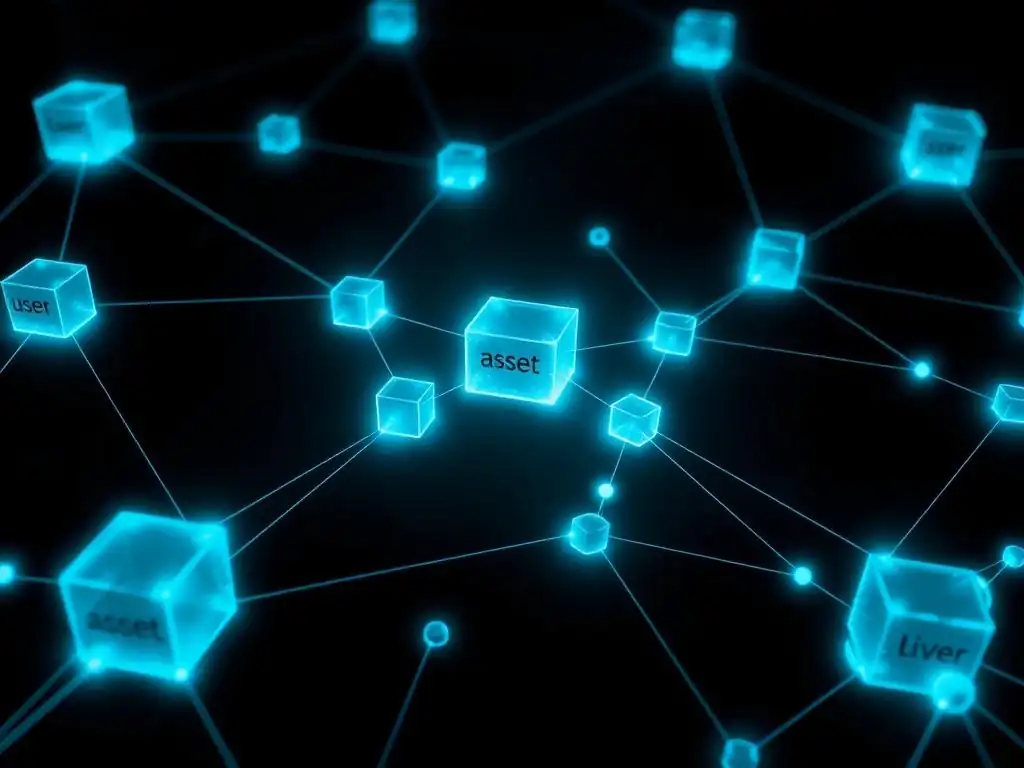
Combining graph databases with blockchain significantly enhances data visibility and transparency within decentralized systems. While blockchain provides a transparent and immutable record of transactions, the raw blockchain data can be difficult to interpret and analyze, especially when dealing with complex relationships. Graph databases, with their ability to visualize and query interconnected data, bring clarity and structure to blockchain data, making it more accessible and understandable. This enhanced visibility allows stakeholders to gain deeper insights into the underlying data relationships and patterns within the blockchain network.
For example, in a supply chain scenario, a graph database can visualize the entire flow of goods, making it easy to track products, identify bottlenecks, and understand the relationships between different participants. This level of transparency is crucial for building trust and accountability in decentralized systems, as all stakeholders can readily access and understand the data and its relationships, demonstrating a key benefit of blockchain data relationship optimization.
Improved Query Performance and Data Analysis
Graph databases are specifically designed for efficient traversal and querying of relationships, offering significantly improved query performance compared to traditional database approaches when dealing with interconnected data. When applied to blockchain data, this translates to faster and more efficient analysis of complex relationships, such as transaction flows, network interactions, and dependencies. Instead of relying on computationally intensive sequential scans or complex joins, graph databases can leverage their graph-native architecture to quickly retrieve and analyze relationship-rich blockchain data.
This improved query performance is critical for real-time analytics, fraud detection, and building responsive blockchain applications. For instance, analyzing transaction patterns in a DeFi protocol or detecting suspicious activities in a financial network requires rapid and efficient data processing. Graph databases provide the speed and efficiency necessary to perform these complex analyses effectively, showcasing the advantage of blockchain data relationship optimization through enhanced query performance.
Increased Scalability for Complex Blockchain Applications
As blockchain applications become more complex and data-rich, scalability becomes a critical consideration. Traditional blockchain data structures can face performance bottlenecks when dealing with large volumes of transactions and intricate relationships. Graph databases, with their optimized architecture for relationship management, can help address these scalability challenges. By offloading relationship-intensive queries and analyses to a graph database, blockchain applications can maintain performance and responsiveness even as the data volume and complexity grow.
This scalability is particularly important for applications like decentralized social networks, complex DeFi platforms, or large-scale supply chain tracking systems, where managing and analyzing vast amounts of interconnected data is essential. Graph databases enable these complex blockchain applications to scale effectively, ensuring they can handle increasing data loads and user demands without compromising performance, highlighting the role of graph databases in achieving scalable blockchain data relationship optimization.
Stronger Data Integrity and Security through Decentralization and Graph Properties
Combining graph databases and blockchain leverages the strengths of both technologies to enhance data integrity and security. Blockchain provides the immutable and tamper-proof foundation for data storage, ensuring the integrity of the core transaction history. Graph databases, while not inherently decentralized, can be designed to complement blockchain's security model. By storing relationship data in a graph database that is synchronized with the blockchain, we can benefit from the analytical power of graph databases without compromising the data integrity and security provided by blockchain.
Furthermore, graph databases can be used to analyze blockchain data for security vulnerabilities and anomalies. By modeling transaction networks and relationships, graph databases can help identify suspicious patterns, detect fraudulent activities, and enhance the overall security of blockchain systems. This synergistic approach combines the robust security of blockchain with the analytical capabilities of graph databases, resulting in stronger data integrity and enhanced security for decentralized applications through blockchain data relationship optimization.
Challenges and Considerations for Implementation
Data Synchronization and Consistency between Blockchain and Graph Databases
One of the primary challenges in integrating graph databases with blockchain is ensuring data synchronization and consistency between the two systems. Blockchain data is immutable and append-only, while graph databases are typically mutable and allow for updates and modifications. Maintaining consistency between these disparate systems requires careful design and implementation strategies. Changes on the blockchain need to be reflected accurately and efficiently in the graph database to ensure data integrity and prevent discrepancies.
Various approaches can be employed for data synchronization, including event listeners that monitor blockchain events and trigger updates to the graph database, or batch processing methods that periodically synchronize data between the two systems. Choosing the appropriate synchronization method depends on the specific application requirements, such as real-time data needs and tolerance for data latency. Addressing data synchronization effectively is crucial for maintaining the integrity and usability of the integrated system and for successful blockchain data relationship optimization.
Security Considerations for Integrating Graph Databases with Blockchain
Integrating graph databases with blockchain introduces new security considerations that need to be carefully addressed. While blockchain provides a secure foundation for data storage, the graph database layer adds a separate component that needs to be secured. Access control, authentication, and authorization mechanisms must be implemented to protect the graph database from unauthorized access and modifications. Furthermore, the communication channels between the blockchain and the graph database need to be secured to prevent data breaches and tampering during synchronization.
Depending on the deployment architecture, the graph database itself may become a centralized point of vulnerability if not properly secured. Implementing robust security measures, such as encryption, access controls, and regular security audits, is essential to mitigate these risks and ensure the overall security of the integrated system. Careful consideration of security implications is paramount when leveraging graph databases for blockchain data relationship optimization.
Scalability Challenges and Solutions for Large-Scale Deployments
While graph databases offer improved scalability for relationship-based queries, large-scale deployments involving massive blockchain datasets can still present scalability challenges. As the volume of blockchain data grows, the graph database needs to be able to handle increasing data loads and query demands. Scalability solutions for graph databases include distributed graph database architectures, data sharding, and query optimization techniques.
Distributed graph databases can scale horizontally by distributing data and query processing across multiple nodes. Data sharding involves partitioning the graph data into smaller, manageable segments that can be processed independently. Query optimization techniques focus on improving the efficiency of graph queries to reduce processing time and resource consumption. Selecting and implementing appropriate scalability solutions is crucial for ensuring the performance and responsiveness of graph database-enhanced blockchain applications in large-scale deployments aiming for blockchain data relationship optimization.
Choosing the Right Graph Database for Your Blockchain Application
Selecting the right graph database for a blockchain application is a critical decision that depends on various factors, including application requirements, data volume, query complexity, scalability needs, and budget constraints. Different graph database solutions offer varying features, performance characteristics, and licensing models. Considerations include whether to use a native graph database or a graph database built on top of another database system, the choice of graph query language (e.g., Cypher, Gremlin), and the availability of features like distributed processing and data sharding.
For applications requiring high performance and scalability, native graph databases like Neo4j or TigerGraph might be suitable choices. For applications with less stringent performance requirements or specific database infrastructure preferences, graph database options built on top of existing databases like ArangoDB or JanusGraph could be considered. Carefully evaluating different graph database options and aligning them with the specific needs of the blockchain application is essential for successful implementation and effective blockchain data relationship optimization.
Future Trends: The Evolution of Graph Databases in Blockchain
Advancements in Graph Query Languages and Tools
The field of graph databases is continuously evolving, with ongoing advancements in graph query languages and tools. Query languages like Cypher and Gremlin are becoming more powerful and expressive, enabling developers to perform increasingly complex graph traversals and analyses. Tools for graph visualization, data integration, and graph algorithms are also becoming more sophisticated and user-friendly, making it easier to work with graph databases and extract valuable insights.
These advancements are directly beneficial for blockchain data relationship optimization, as they provide developers and analysts with more powerful and intuitive tools to explore and analyze blockchain data using graph databases. Future developments in graph query languages and tools will further enhance the accessibility and usability of graph database technology for blockchain applications, driving wider adoption and innovation.
Integration of AI and Machine Learning with Graph Databases and Blockchain
The integration of Artificial Intelligence (AI) and Machine Learning (ML) with graph databases and blockchain represents a significant future trend. Graph databases are well-suited for representing complex relationships, which are often crucial for AI and ML algorithms. Combining graph databases with blockchain data can unlock new possibilities for intelligent applications, such as anomaly detection, fraud prevention, personalized recommendations, and predictive analytics within decentralized systems.
For example, graph-based machine learning algorithms can be used to analyze blockchain transaction networks to identify suspicious patterns and predict fraudulent activities. AI-powered tools can also leverage graph databases to provide personalized recommendations for users interacting with decentralized applications. The convergence of AI/ML, graph databases, and blockchain promises to create a new generation of intelligent and decentralized systems, further emphasizing the importance of blockchain data relationship optimization.
The Rise of Decentralized Graph Databases
Decentralized graph databases are an emerging trend that aligns perfectly with the principles of blockchain technology. Traditional graph databases are typically centralized systems, which can introduce single points of failure and control. Decentralized graph databases aim to address this limitation by distributing graph data and query processing across a network of nodes, mirroring the decentralized nature of blockchain.
Decentralized graph databases could offer enhanced security, resilience, and data sovereignty for blockchain applications. They could enable the creation of fully decentralized data layers for blockchain systems, eliminating reliance on centralized infrastructure. While still in early stages of development, decentralized graph databases hold significant potential for the future evolution of blockchain and graph database technologies, promising to further enhance blockchain data relationship optimization in truly decentralized environments.
Conclusion: Unlocking the Full Potential of Blockchain with Graph Data Relationship Optimization
Recap of the Synergistic Benefits
The synergy between graph databases and blockchain unlocks significant benefits for decentralized systems. Graph databases address the limitations of traditional blockchain data structures in handling complex relationships, enabling efficient querying, analysis, and visualization of interconnected blockchain data. This combination enhances data visibility, improves query performance, increases scalability for complex applications, and strengthens data integrity and security. By leveraging the strengths of both technologies, we can achieve superior blockchain data relationship optimization, leading to more powerful, insightful, and user-friendly decentralized applications.
The Future of Decentralized Systems Relies on Effective Data Relationship Management
Effective data relationship management is paramount for the future evolution and widespread adoption of decentralized systems. As blockchain technology matures and expands into diverse applications, the ability to efficiently analyze and understand complex data relationships becomes increasingly critical. Graph databases provide the necessary tools and capabilities to address this need, empowering developers and analysts to unlock the full potential of blockchain data and build more sophisticated and impactful decentralized applications. The future of decentralized systems hinges on our ability to effectively manage and leverage data relationships, making blockchain data relationship optimization a key area of focus and innovation.
Call to Action: Exploring the Possibilities of Graph Databases and Blockchain for Healthcare
The healthcare sector presents a compelling and impactful area for exploring the possibilities of graph databases and blockchain. The complex relationships within healthcare data, including patient records, doctor-patient interactions, treatment histories, and pharmaceutical supply chains, make it an ideal domain for leveraging graph databases for enhanced data management and analysis.
Combining blockchain's security and immutability with graph database's relationship management capabilities can revolutionize healthcare data management, improve patient outcomes, enhance research, and streamline healthcare operations. We encourage further exploration and development of solutions that integrate graph databases and blockchain to unlock the transformative potential for healthcare and beyond, focusing on the power of blockchain data relationship optimization to drive innovation and create value.
Frequently Asked Questions
What is the primary benefit of using graph databases with blockchain technology?
Graph databases excel at managing and querying complex relationships between data points, offering a significant improvement over traditional databases when applied to the decentralized and interconnected nature of blockchain data. This allows for Blockchain data relationship optimization.
How can graph databases improve the efficiency of blockchain analysis?
By visualizing and traversing the connections between transactions, accounts, and smart contracts, graph databases enable faster and more insightful blockchain analysis, leading to improved fraud detection and a better understanding of network behavior.
What are some real-world applications of combining graph databases and blockchain?
Applications include supply chain tracking, where the provenance of goods can be easily traced through interconnected nodes, as well as identity management systems that leverage the inherent security and transparency of blockchain.
What are the challenges associated with integrating graph databases and blockchain?
Integrating these technologies requires careful consideration of data synchronization, scalability, and the need to maintain data integrity across both systems. The complexity of implementation can be significant.
How does the use of graph databases contribute to "Blockchain data relationship optimization"?
Graph databases allow for a more intuitive and efficient representation of the relationships inherent within blockchain data, leading to improved data discovery, analysis, and ultimately, a better understanding of the underlying network dynamics.
Final Reflection: Weaving Trust and Connection
The convergence of graph databases and blockchain technology, as explored in this article, isn't just a theoretical exercise; it's a practical imperative for building more robust and transparent decentralized systems. The ability to efficiently model and query complex relationships within blockchain data unlocks unprecedented opportunities for optimization, security, and trust, addressing critical limitations in current implementations.
This synergy has profoundly influenced, and continues to shape, the landscape of data management and decentralized applications. The potential for enhanced traceability, fraud detection, and supply chain management is immense, impacting everything from financial transactions to healthcare records. The strength of the blockchain lies not just in its immutability, but in its ability to foster trust through verifiable connections.
This quote perfectly encapsulates the power of leveraging graph databases to unlock the full potential of blockchain's inherent trust mechanisms.
Now, consider how you can apply these insights in your own endeavors. How can you leverage the power of interconnected data to build more transparent, secure, and efficient systems? Embrace the potential of graph databases and blockchain to forge stronger connections, build greater trust, and ultimately, create a more decentralized and equitable future.
Ignite Your Blockchain Innovation!
Thank you for exploring how graph databases and blockchain can revolutionize decentralized systems! We hope you’ve gained valuable insights into enhancing data relationships and unlocking new possibilities. Now, let’s put that knowledge into action!
Ready to take the next step?
- Explore how to implement graph databases in your blockchain projects to visualize and optimize complex relationships. Consider using tools like Neo4j or JanusGraph.
- Share this article with your network of blockchain enthusiasts and developers to spark discussions and collaborations.
- Brainstorm alternative applications: How else could graph databases solve unique challenges in the blockchain space? Think outside the box!
How will you leverage the power of graph databases to redefine data relationships in your decentralized systems? Share your ideas in the comments below!
Leave a Reply