
Plasma Networks: Scaling Ethereum with Child Chains and Data Availability


Welcome to Blockchain Trends, your gateway to understanding the revolutionary impact of blockchain technology! Dive deep into the world beyond cryptocurrencies and discover the exciting applications shaping our future. Are you ready to explore solutions for scaling blockchain networks? This week, we unravel the complexities and potential of Ethereum scaling child chains, specifically, the innovative approach of Plasma Networks. Learn how these systems address scalability challenges while ensuring data availability, and unlock the future of decentralized applications. Curious to know how this works? Read on to find out!
Layer-2 Scaling Solutions for Ethereum: Exploring Plasma Networks
- Introduction to Ethereum Scalability and Layer-2 Solutions
- Plasma Network Architecture: Child Chains and Security
- Plasma Implementations: Cash, MVP, and Variations
- Data Availability Solutions: Ensuring Data Integrity
- Use Cases: Applications Benefiting from Plasma Scaling
- Advantages and Disadvantages: Weighing the Pros and Cons
- The Future of Layer-2 Scaling and Plasma Networks
- Conclusion: Plasma's Contribution to Ethereum Scalability
-
Frequently Asked Questions
- What is a Plasma network, and how does it relate to Ethereum scaling?
- How do Plasma child chains improve Ethereum's transaction throughput?
- What is the role of data availability in the security of Plasma networks?
- What are some potential drawbacks or challenges of using Plasma networks?
- How do Plasma networks contribute to the broader ecosystem of Ethereum scaling solutions?
- Final Reflection: Embracing the Scalable Future of Ethereum
- Unleash the Power of Scalable Ethereum!
Introduction to Ethereum Scalability and Layer-2 Solutions
Ethereum's Scalability Bottleneck: Transaction Throughput and Gas Costs
Ethereum, the leading platform for decentralized applications (dApps), has faced significant challenges in scalability. The core issue lies in its transaction processing capacity, often cited to be around 15-20 transactions per second (TPS). This limitation becomes particularly evident during periods of high network activity, such as the surge in popularity of Decentralized Finance (DeFi) or Non-Fungible Tokens (NFTs).
When demand exceeds capacity, the network becomes congested, leading to substantial increases in gas costs – the fees users pay to execute transactions. For example, during peak periods in 2021 and 2022, simple token swaps on decentralized exchanges like Uniswap could cost upwards of $50 or even $100 in gas fees, effectively barring smaller users from participating in the ecosystem. This scalability bottleneck not only hinders user experience but also limits the potential for mainstream adoption of Ethereum-based applications.
The high gas costs and limited throughput on Ethereum's main chain directly impact the feasibility of various applications. Imagine a decentralized social media platform built on Ethereum. With each post, like, or comment requiring a transaction, the cost would quickly become prohibitive for regular users.
Similarly, micro-payment systems, which require numerous low-value transactions, are simply not economically viable on the base layer of Ethereum due to these constraints. This scalability problem necessitates solutions that can enhance transaction processing capacity and reduce costs without compromising the security and decentralization principles that underpin Ethereum. The quest for effective scaling solutions has become a critical area of focus within the Ethereum community and the broader blockchain space.
Layer-2 Scaling Solutions: An Overview
To address Ethereum's scalability challenges, a variety of "Layer-2" scaling solutions have emerged. Layer-2 solutions are protocols built on top of the main Ethereum blockchain (Layer-1) that aim to offload transaction processing, thereby increasing overall throughput and reducing gas fees. These solutions inherit the security of the underlying Layer-1 chain while providing a more scalable environment for transactions and computations. Different Layer-2 approaches employ various techniques, each with its own set of trade-offs in terms of security, complexity, and functionality. Common categories of Layer-2 solutions include state channels, sidechains, rollups, and Plasma networks.
State channels, like the Lightning Network (though primarily associated with Bitcoin), enable parties to conduct multiple transactions off-chain and only interact with the main chain for opening and closing the channel. Sidechains are independent blockchains that run in parallel to the main chain, allowing for faster and cheaper transactions, but they often have their own security models. Rollups, including Optimistic Rollups and Zero-Knowledge Rollups (ZK-Rollups), bundle multiple transactions into a single transaction on the main chain, significantly increasing throughput.
Optimistic Rollups assume transactions are valid and use fraud proofs to challenge invalid ones, while ZK-Rollups use cryptographic proofs to ensure transaction validity. Plasma networks, the focus of this article, represent another distinct Layer-2 approach that utilizes "child chains" to achieve scalability.
Plasma Networks: A Layer-2 Approach with Child Chains
Plasma networks offer a Layer-2 scaling solution for Ethereum that employs the concept of "child chains." Imagine Plasma as a framework for creating secondary blockchains, the child chains, that are anchored to the main Ethereum chain. These child chains operate independently and can process transactions much faster and at lower costs than the main chain. The core idea behind Plasma is to move most of the transaction processing and computation off the main Ethereum chain onto these child chains, while still maintaining the security and finality of Ethereum through periodic anchoring and fraud proofs.
Essentially, a Plasma network consists of a main chain (Ethereum) and multiple child chains. Users can deposit assets from the main chain into a Plasma child chain and then conduct transactions within that child chain. These transactions are processed and validated by the child chain operators.
Periodically, or when necessary, the state of the child chain is anchored back to the main Ethereum chain, typically through Merkle roots representing the state of transactions. This anchoring provides a link between the child chain and the main chain's security. Plasma's architecture is designed to enable significant scaling of Ethereum by handling a large volume of transactions off-chain, while relying on the main chain for dispute resolution and data availability guarantees, albeit with specific considerations that will be discussed further.
Plasma Network Architecture: Child Chains and Security
Off-Chain Transactions: Increasing Throughput
The primary mechanism through which Plasma networks achieve increased throughput is by processing transactions off-chain. Instead of every transaction being processed and verified by every node on the main Ethereum network, Plasma shifts the burden of transaction processing to its child chains.
Within a Plasma child chain, transactions are grouped into blocks and validated by a smaller set of validators or operators, which significantly reduces the computational load on the main Ethereum chain. This off-chain processing allows for a much higher volume of transactions to be handled in a given time frame compared to the limitations of the main chain's consensus mechanism.
Consider a hypothetical decentralized exchange built on a Plasma child chain. Users trading on this DEX would be interacting directly with the child chain, and their trades would be processed and settled within the child chain's environment. Only periodic state updates or dispute resolutions would involve interactions with the main Ethereum chain.
This separation of concerns is crucial for scalability. By batching transactions and processing them off-chain, Plasma networks can potentially achieve thousands of transactions per second, a substantial improvement over Ethereum's base layer capacity. This increase in throughput is essential for supporting applications that require high transaction volumes, such as decentralized exchanges, gaming platforms, and social media applications.
Data Availability Problem: A Key Challenge in Plasma
While off-chain transaction processing offers scalability benefits, it also introduces a critical challenge known as the "data availability problem." In a fully decentralized blockchain like Ethereum, transaction data is publicly available to all participants. This data availability is fundamental to security because it allows anyone to verify the validity of transactions and the overall state of the chain.
However, in Plasma, where transactions are processed off-chain, ensuring data availability becomes more complex. If transaction data on a child chain is not readily available to users, it becomes difficult, if not impossible, for them to verify the validity of the chain's state and detect fraudulent activities.
Imagine a scenario where a malicious operator of a Plasma child chain withholds transaction data. Users would be unable to reconstruct the chain's history or prove their ownership of assets within the child chain. This data withholding could enable the operator to steal funds or manipulate the chain's state without detection.
Therefore, ensuring data availability is paramount for the security of Plasma networks. Various Plasma designs and implementations address this problem through different mechanisms, such as requiring child chain operators to publish transaction data or employing data availability sampling techniques. The data availability problem is a central focus in Plasma research and development, and its effective resolution is crucial for the practical viability of Plasma scaling solutions.
Fraud Proofs: Ensuring Transaction Security on the Main Chain
Plasma networks rely on "fraud proofs" as a key security mechanism to ensure the integrity of off-chain transactions and protect users' assets. Fraud proofs are a way for users to challenge invalid or fraudulent transactions that may occur on a Plasma child chain and enforce correct state transitions on the main Ethereum chain. The fundamental principle is that while transaction processing happens off-chain, users retain the ability to monitor the child chain and intervene if they detect any malicious activity.
Here's how fraud proofs generally work: if a user believes that a transaction or block on a Plasma child chain is invalid or fraudulent, they can submit a "fraud proof" to the main Ethereum chain. This proof typically contains evidence demonstrating the invalidity, such as cryptographic signatures or incorrect state transitions. The Ethereum main chain then verifies the fraud proof.
If the proof is valid, the main chain can revert the fraudulent state change on the child chain and penalize the malicious actor, often by slashing their stake or preventing them from further participation. Fraud proofs act as a deterrent against malicious behavior on child chains, as operators know that users can always challenge invalid actions and revert them through the security of the main chain. This mechanism is crucial for maintaining trust and security in Plasma networks, even though most operations occur off-chain.
Plasma Implementations: Cash, MVP, and Variations
Plasma Cash: Simplified Asset Ownership and Exit Mechanisms
Plasma Cash is a specific implementation of the Plasma framework that focuses on simplifying asset ownership and exit mechanisms. In Plasma Cash, each asset or token is assigned a unique ID and a history of ownership. This unique ID, often referred to as a "coin," allows for simplified tracking and management of individual assets within the Plasma child chain. Instead of tracking the state of entire accounts or balances, Plasma Cash tracks the history of each individual coin, making it easier to prove ownership and initiate exits from the child chain.
One of the key advantages of Plasma Cash is its simplified exit mechanism. If a user wants to withdraw their assets from a Plasma Cash child chain back to the main Ethereum chain, they can initiate an "exit" process. Because each coin has a traceable history, users can easily prove their ownership of a specific coin and challenge any invalid transactions related to that coin during the exit period.
This per-coin history simplifies the complexity associated with mass exits or challenging fraudulent state roots that can be present in other Plasma designs. However, the per-coin tracking also introduces its own challenges, such as increased data storage requirements and potential limitations on fungibility if coins are tracked individually. Despite these challenges, Plasma Cash provides a more streamlined approach to asset management and exit mechanisms compared to some other Plasma variations.
Plasma MVP (Minimum Viable Plasma): Basic Functionality for Transferring Assets
Plasma MVP, or Minimum Viable Plasma, represents a more basic and foundational implementation of the Plasma framework, primarily focused on enabling secure and scalable transfers of assets. As the name suggests, MVP aims to provide the minimum necessary functionality for a working Plasma system, emphasizing simplicity and security. Plasma MVP typically supports basic asset transfers between users on a child chain, with security guaranteed by fraud proofs and anchoring to the main Ethereum chain.
In Plasma MVP, users deposit assets into the Plasma child chain, and then they can send and receive these assets within the child chain environment. Transactions are processed off-chain by child chain operators, and periodic state updates, usually Merkle roots of transaction blocks, are anchored to the main Ethereum chain. Security in Plasma MVP heavily relies on fraud proofs. Users must actively monitor the child chain for any invalid transactions.
If fraud is detected, users can submit fraud proofs to the main chain to challenge the invalid state and recover their assets. Plasma MVP serves as a fundamental building block for more complex Plasma implementations and provides a relatively straightforward framework for understanding the core principles of Plasma scaling. It prioritizes secure asset transfer as the primary use case, paving the way for more specialized Plasma designs.
Plasma Debit: Optimized for Payment Channels
Plasma Debit is a variation of Plasma specifically designed and optimized for payment channel networks. Payment channels are a scaling technique that allows two parties to conduct numerous transactions between themselves off-chain, only interacting with the main chain to open and close the channel. Plasma Debit extends this concept by providing a more robust and scalable framework for managing and operating payment channels within a Plasma child chain environment.
Plasma Debit leverages the strengths of Plasma to handle a large number of payment channels and transactions efficiently. Within a Plasma Debit system, users can open payment channels with each other on the child chain. Transactions within these channels are processed instantly and at very low cost, as they occur off-chain.
Plasma Debit implementations often incorporate features like channel aggregation and efficient channel management to handle a large network of interconnected payment channels. This makes Plasma Debit particularly suitable for applications requiring high-frequency, low-value transactions, such as micropayment systems, point-of-sale systems, or applications involving frequent small payments between users or devices. By optimizing Plasma for payment channel networks, Plasma Debit aims to provide a scalable and cost-effective solution for micropayment use cases on Ethereum.
Optimistic Plasma: Combining Plasma with Optimistic Rollups
Optimistic Plasma represents a hybrid approach that combines the features of Plasma with Optimistic Rollups. This combination seeks to leverage the strengths of both technologies to achieve enhanced scalability and potentially simplify certain aspects of Plasma implementations. Optimistic Rollups, as Layer-2 scaling solutions, rely on fraud proofs and assume transactions are valid unless proven otherwise. Optimistic Plasma integrates this optimistic approach with the child chain architecture of Plasma.
In Optimistic Plasma, the child chain operates more like an Optimistic Rollup, where transactions are assumed to be valid and are batched and submitted to the main Ethereum chain. Fraud proofs are still used as a security mechanism. If a user detects an invalid transaction in the batched rollup, they can submit a fraud proof to the main chain to revert the fraudulent transaction.
By incorporating the Optimistic Rollup paradigm, Optimistic Plasma can potentially simplify data availability requirements compared to some traditional Plasma designs. It may also offer improved efficiency in transaction processing and state management. This hybrid approach explores the synergies between Plasma and Rollups, aiming to create a more robust and scalable Layer-2 solution that benefits from the advantages of both technologies.
Data Availability Solutions: Ensuring Data Integrity
Data Availability Problem: Preventing Data Withholding Attacks
As previously discussed, the data availability problem is a critical challenge in Plasma networks. It arises from the off-chain nature of transaction processing. In a traditional blockchain, transaction data is publicly available to all nodes, ensuring transparency and verifiability. However, in Plasma, child chain operators process transactions off-chain, and if they withhold transaction data, users may be unable to verify the validity of the chain's state and detect fraudulent activities, leading to potential data withholding attacks.
Data withholding attacks pose a significant security risk to Plasma networks. Imagine a scenario where a malicious child chain operator processes invalid transactions but withholds the transaction data that would reveal this invalidity. If users cannot access this data, they cannot generate fraud proofs to challenge the operator's actions.
This could allow the operator to steal funds or manipulate the state of the child chain without being detected. Therefore, robust data availability solutions are essential to prevent data withholding attacks and ensure the security and integrity of Plasma networks. Various approaches have been developed to address this problem, ranging from data availability committees to Validium and hybrid on-chain/off-chain storage strategies.
One prominent approach to address the data availability problem in Plasma is the use of Data Availability Committees (DACs). A DAC is a group of independent and trusted entities responsible for ensuring the availability of transaction data for a Plasma child chain. Instead of relying solely on the child chain operator for data availability, DACs introduce a shared responsibility model, enhancing the robustness and decentralization of data availability guarantees.
In a DAC-based Plasma system, the child chain operator is required to submit transaction data to the DAC members. DAC members are then responsible for storing and making this data available to users upon request. Typically, DAC members employ redundancy and cryptographic techniques to ensure data integrity and availability. For example, techniques like erasure coding can be used to distribute data across multiple DAC members, making it resilient to failures or malicious behavior by individual members.
If a user needs to verify transaction data or generate a fraud proof, they can request the data from the DAC. The DAC's collective responsibility and redundancy mechanisms provide a stronger guarantee of data availability compared to relying on a single child chain operator. However, the security of a DAC-based solution depends on the trustworthiness and security of the DAC members themselves.
Validium: Data Availability Managed by an External Committee
Validium is another approach to data availability in Layer-2 scaling solutions, often considered in the context of Plasma and ZK-Rollups. Validium distinguishes itself by explicitly outsourcing data availability management to an external committee or network, separate from the main chain and the transaction processing operators. This external committee, similar to a DAC, is responsible for storing and ensuring the availability of transaction data, but Validium often emphasizes cryptographic commitments and proofs to further enhance data integrity and verifiability.
In a Validium system, the transaction processing operator submits transaction data and cryptographic commitments (like Merkle roots) to the Validium committee. The committee, in turn, is responsible for storing the data and providing proofs of data availability and validity. Users can then query the Validium committee for transaction data and rely on the cryptographic proofs to verify its integrity.
Validium often leverages zero-knowledge proofs or similar cryptographic techniques to provide strong guarantees about data validity and availability. This approach can offer a high degree of data security and availability, as it relies on a dedicated and potentially specialized committee focused solely on data management. However, the overall security of Validium still depends on the trust and security of the external committee and the cryptographic assumptions underlying the system.
Hybrid Approaches: Combining On-Chain and Off-Chain Data Storage
Beyond DACs and Validium, hybrid approaches to data availability in Plasma seek to combine on-chain and off-chain data storage strategies to achieve a balance between security, cost, and performance. These hybrid approaches recognize that fully on-chain data availability can be expensive and limit scalability, while purely off-chain solutions require robust mechanisms to ensure data integrity and prevent withholding attacks. Hybrid solutions aim to optimize data availability by strategically storing certain types of data on-chain and other data off-chain, based on security requirements and cost considerations.
For example, a hybrid approach might involve storing critical state commitments or Merkle roots on the main Ethereum chain for maximum security and verifiability, while storing full transaction data off-chain, potentially with redundancy mechanisms or DACs to enhance availability. Another hybrid strategy could involve selectively publishing transaction data on-chain based on specific criteria, such as random sampling or in response to user requests.
The goal of hybrid approaches is to tailor data availability mechanisms to the specific needs and security requirements of the Plasma application, optimizing for both scalability and data integrity. The optimal balance between on-chain and off-chain data storage in a hybrid approach often depends on the specific use case and the desired trade-offs between cost, security, and performance.
Use Cases: Applications Benefiting from Plasma Scaling
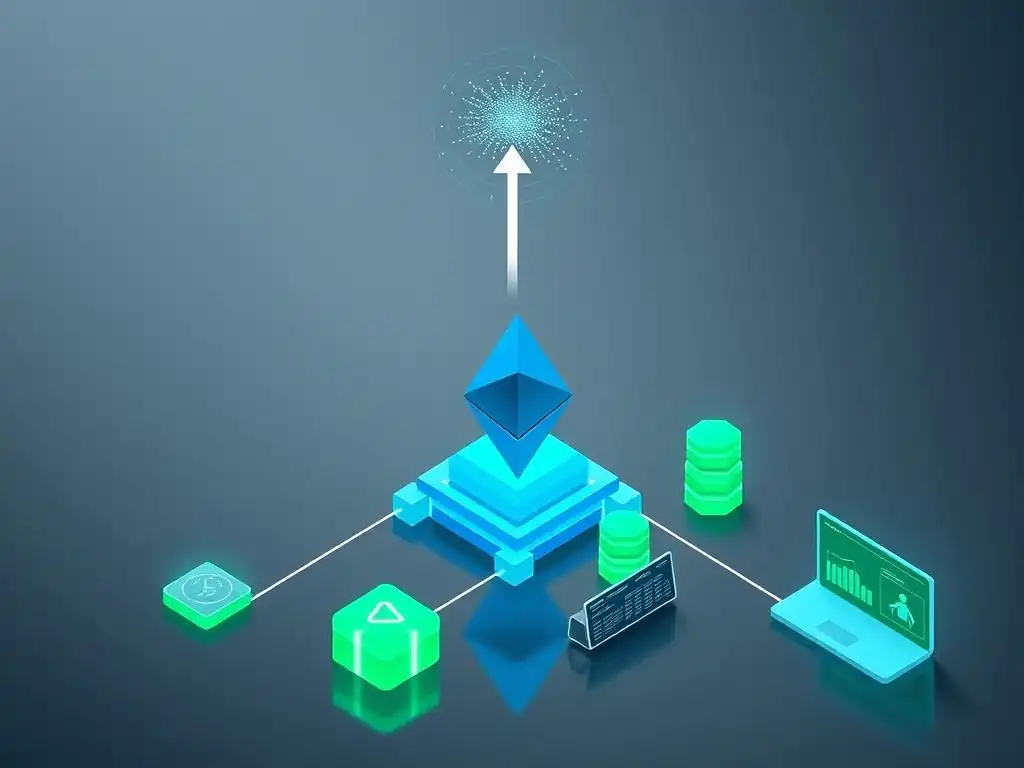
Decentralized Exchanges (DEXs): Enabling High-Frequency Trading
Decentralized Exchanges (DEXs) are a prime use case for Plasma scaling solutions, particularly those aiming to support high-frequency trading. Traditional decentralized exchanges built directly on Ethereum's main chain often suffer from limitations in transaction throughput and high gas costs, making them less competitive with centralized exchanges for users who require fast execution and frequent trading. Plasma networks, with their ability to process transactions off-chain at significantly higher speeds and lower costs, can address these limitations and enable a more efficient and user-friendly experience for DEX users.
Imagine a DEX built on a Plasma child chain. Traders could place orders, execute trades, and manage their positions within the child chain environment, benefiting from near-instantaneous transaction confirmations and minimal gas fees. Only when users deposit or withdraw funds to or from the DEX, or in case of dispute resolution, would interactions with the main Ethereum chain be required.
This off-chain trading environment can significantly improve the performance and usability of DEXs, making them more suitable for high-frequency trading strategies and attracting users who demand a trading experience comparable to centralized exchanges but with the benefits of decentralization and self-custody of funds. Plasma's scaling capabilities can unlock the potential for a new generation of high-performance DEXs on Ethereum.
Blockchain Gaming: Supporting Scalable In-Game Transactions
Blockchain gaming represents another promising application area for Plasma networks, especially for games that involve frequent in-game transactions and interactions. Many blockchain games require microtransactions for in-game items, actions, or rewards. If these transactions are processed directly on the Ethereum main chain, the high gas costs and limited throughput can become prohibitive for players, hindering the scalability and user experience of blockchain games. Plasma networks can provide a solution by enabling scalable and low-cost in-game transactions on child chains, while still maintaining the security and transparency benefits of blockchain technology.
Consider a massively multiplayer online role-playing game (MMORPG) built on Plasma. Players could buy, sell, and trade in-game items, participate in in-game economies, and earn rewards through gameplay, with all these transactions occurring on a Plasma child chain. The low transaction fees and fast confirmation times offered by Plasma would make microtransactions economically viable and seamless for players.
This scalability can enable more complex and engaging blockchain game economies and experiences that would be impractical or too expensive to implement directly on the Ethereum main chain. Plasma's ability to handle a high volume of low-value transactions makes it well-suited for the demands of blockchain gaming applications.
Supply Chain Management: Enhancing Traceability and Efficiency
Supply chain management is an enterprise application area where Plasma networks can offer significant benefits in terms of traceability, efficiency, and cost reduction. Traditional supply chains often suffer from inefficiencies, lack of transparency, and high administrative costs. Blockchain technology can improve supply chain management by providing a shared, immutable ledger for tracking goods and information as they move through the supply chain.
However, for large and complex supply chains involving numerous transactions and participants, the scalability limitations of the Ethereum main chain can be a bottleneck. Plasma networks can address this by enabling scalable and cost-effective supply chain tracking on child chains.
Imagine a supply chain tracking system built on Plasma. Each step in the supply chain process, from manufacturing to shipping to delivery, could be recorded as a transaction on a Plasma child chain. This would provide a transparent and auditable record of the provenance and movement of goods.
The low transaction costs and high throughput of Plasma would make it economically feasible to track a large number of items and transactions across a complex supply chain network. Furthermore, Plasma's security mechanisms, such as fraud proofs, can help ensure the integrity of the supply chain data. By leveraging Plasma, businesses can enhance the transparency, efficiency, and security of their supply chain operations, leading to cost savings and improved accountability.
Micropayments: Facilitating Low-Value Transactions
Micropayments, which involve frequent transactions of very small value, are another use case that can greatly benefit from Plasma scaling solutions. On the Ethereum main chain, the gas costs associated with even small transactions can often exceed the value of the micropayment itself, making micropayments economically infeasible. Plasma networks, with their ability to process transactions at extremely low cost, can unlock the potential for micropayment systems on Ethereum.
Consider applications like pay-per-use services, content monetization platforms, or machine-to-machine payments. These applications often require users to make numerous small payments for access to content, services, or resources. Plasma networks can provide the infrastructure for these micropayment systems by enabling near-zero transaction fees.
Users could make micropayments for reading articles, watching videos, accessing APIs, or using IoT devices, with the transactions processed efficiently and cost-effectively on a Plasma child chain. This ability to facilitate micropayments opens up new business models and use cases that were previously impractical on Ethereum due to scalability limitations. Plasma's low-cost transaction processing makes micropayments a viable and attractive option for various applications.
Advantages and Disadvantages: Weighing the Pros and Cons
Benefits: Increased Throughput and Reduced Transaction Costs
The primary benefits of Plasma networks as a Layer-2 scaling solution for Ethereum are increased transaction throughput and reduced transaction costs. By processing transactions off-chain on child chains, Plasma can significantly alleviate the congestion on the main Ethereum network, leading to a substantial increase in the number of transactions that can be processed per second. Potentially, Plasma networks can achieve thousands of transactions per second, a significant improvement over Ethereum's base layer capacity of around 15-20 TPS.
This increased throughput directly translates to reduced transaction costs. As the demand for block space on the main chain decreases due to off-chain processing, gas fees on the main chain can be reduced. Furthermore, transactions within Plasma child chains themselves typically incur significantly lower fees compared to main chain transactions, as the computational and resource demands are lower in the child chain environment.
These reduced transaction costs make Ethereum more accessible and affordable for a wider range of users and applications, particularly those involving frequent or low-value transactions, such as micropayments, gaming, and decentralized exchanges. The combination of increased throughput and reduced costs is the core value proposition of Plasma networks as a scaling solution.
Drawbacks: Complexity and Data Availability Challenges
Despite the benefits, Plasma networks also come with certain drawbacks, primarily related to complexity and data availability challenges. Implementing and operating Plasma networks can be more complex compared to some other Layer-2 solutions. Plasma requires careful design and implementation of child chains, fraud proof mechanisms, and data availability solutions. The intricacies of managing child chain state, anchoring to the main chain, and ensuring security through fraud proofs can add to the development and operational complexity.
The data availability problem remains a significant challenge for Plasma. Ensuring that transaction data is readily available to users for verification and fraud proof generation requires robust and potentially complex solutions, such as Data Availability Committees (DACs) or Validium. These data availability mechanisms introduce their own complexities and security considerations.
Furthermore, the exit process in Plasma, especially in some early designs, can be complex and potentially time-consuming, requiring users to actively monitor the child chain and initiate fraud proofs if necessary. While ongoing research and development are addressing these drawbacks, the complexity and data availability challenges remain important considerations when evaluating Plasma as a Layer-2 scaling solution.
Comparison: Plasma vs. Other Layer-2 Solutions (Rollups, State Channels)
When comparing Plasma to other Layer-2 scaling solutions like Rollups and State Channels, it's essential to consider their respective strengths and weaknesses. Rollups, particularly Optimistic Rollups and ZK-Rollups, have gained significant traction as Layer-2 solutions for Ethereum. Optimistic Rollups offer relatively simple implementation and EVM compatibility, but they have longer withdrawal times due to the fraud proof window. ZK-Rollups offer faster withdrawals and stronger security guarantees through cryptographic proofs but can be more computationally intensive and complex to implement for general-purpose applications.
State channels, like payment channels, excel at enabling fast and low-cost transactions between a small set of participants but are less suitable for general-purpose scaling of the entire Ethereum network. Plasma, in its various forms, offers a different set of trade-offs. Plasma can potentially achieve high throughput and low costs, particularly for specific applications like asset transfers and DEXs.
However, Plasma implementations can be more complex, and data availability remains a central challenge. The choice between Plasma, Rollups, State Channels, or other Layer-2 solutions often depends on the specific application requirements, desired security guarantees, development complexity, and trade-offs between throughput, latency, and cost. Each solution has its own niche and may be better suited for different use cases within the Ethereum ecosystem.
The Future of Layer-2 Scaling and Plasma Networks
Plasma's Role in Ethereum's Scalability Roadmap
Plasma networks, while facing ongoing development and refinement, continue to play a role in Ethereum's broader scalability roadmap. Ethereum's scaling strategy is multi-faceted, encompassing both Layer-1 improvements (like sharding) and Layer-2 solutions. Plasma, along with Rollups, State Channels, and other Layer-2 technologies, is considered a crucial component in achieving the desired scalability for Ethereum to support mainstream adoption and a wide range of decentralized applications.
While Rollups have gained significant momentum and adoption in the Ethereum Layer-2 landscape, Plasma's core concepts and variations remain relevant and valuable. Plasma's emphasis on child chains and fraud proofs provides a distinct approach to off-chain scaling that can be particularly suitable for specific use cases, such as asset-centric applications and specialized DEXs. Ongoing research and development efforts are focused on addressing Plasma's challenges, particularly in data availability and complexity, to make it a more robust and widely applicable scaling solution within the Ethereum ecosystem. Plasma's contribution to the overall Layer-2 ecosystem helps diversify and strengthen Ethereum's scalability capabilities.
Ongoing Research: Improving Data Availability and Security
Active research and development are continuously being conducted to improve data availability and security in Plasma networks. Researchers and developers are exploring various techniques to enhance data availability guarantees, prevent data withholding attacks, and simplify Plasma implementations. This includes advancements in Data Availability Committees (DACs), Validium technologies, and hybrid data availability approaches. Efforts are also focused on improving fraud proof mechanisms, making them more efficient and robust, and reducing the complexity of Plasma exit processes.
One area of active research is in data availability sampling (DAS), which aims to provide probabilistic guarantees of data availability without requiring full data download by every participant. DAS techniques can potentially reduce the overhead associated with data availability and improve the efficiency of Plasma networks. Furthermore, researchers are exploring new cryptographic techniques and protocol designs to strengthen the security of Plasma and make it more resistant to various attacks. These ongoing research efforts are crucial for addressing the existing challenges in Plasma and unlocking its full potential as a scalable and secure Layer-2 solution for Ethereum.
Evolving Landscape: Integration with Other Layer-2 Technologies
The Layer-2 scaling landscape is constantly evolving, with ongoing innovation and exploration of new technologies and approaches. One notable trend is the increasing integration and synergy between different Layer-2 solutions. For example, as seen with Optimistic Plasma, there are efforts to combine the strengths of Plasma with Rollups to create hybrid solutions that benefit from the advantages of both technologies. This integration can lead to more robust, efficient, and versatile Layer-2 scaling solutions for Ethereum.
Furthermore, there is ongoing research into interoperability between different Layer-2 solutions. Enabling seamless transfer of assets and data between different Layer-2 networks would further enhance the scalability and usability of the Ethereum ecosystem. As the Layer-2 landscape matures, we can expect to see more integration and collaboration between different Layer-2 technologies, leading to a more interconnected and scalable Ethereum ecosystem. Plasma, with its unique architecture and features, will likely continue to evolve and potentially integrate with other Layer-2 solutions to contribute to the overall scaling and development of Ethereum.
Conclusion: Plasma's Contribution to Ethereum Scalability
Key Features and Benefits of Plasma Networks
Plasma networks offer a distinct approach to scaling Ethereum through the use of child chains and fraud proofs. Key features of Plasma include off-chain transaction processing, which leads to increased throughput and reduced transaction costs. Plasma networks leverage child chains to handle a large volume of transactions off the main Ethereum chain, while maintaining security through fraud proofs anchored to the main chain. The benefits of Plasma include the potential for high scalability, low transaction fees, and the ability to support applications requiring frequent or low-value transactions, such as decentralized exchanges, blockchain gaming, and micropayment systems.
Plasma's reliance on fraud proofs ensures that users retain control over their assets and can challenge invalid or fraudulent transactions on child chains by submitting proofs to the main Ethereum chain. This security mechanism, combined with data availability solutions, aims to maintain the integrity and trustworthiness of Plasma networks, even while operating off-chain. Different Plasma implementations, such as Plasma Cash, Plasma MVP, and Plasma Debit, offer variations tailored to specific use cases and priorities, showcasing the flexibility and adaptability of the Plasma framework.
Plasma's Relevance in the Broader Ethereum Ecosystem
Plasma networks, despite facing ongoing development and challenges, remain a relevant and valuable contribution to the broader Ethereum ecosystem's scaling efforts. While Rollups have gained significant traction, Plasma offers a distinct Layer-2 approach with its own set of strengths and potential applications. Plasma's focus on child chains and fraud proofs provides a valuable alternative and complementary scaling solution to Rollups and other Layer-2 technologies.
Ongoing research and development efforts are actively addressing the challenges associated with Plasma, particularly in data availability and complexity. Advancements in data availability solutions, fraud proof mechanisms, and hybrid approaches are aimed at making Plasma more robust, secure, and user-friendly. As the Layer-2 landscape evolves and integrates, Plasma's unique features and contributions will likely continue to play a role in shaping the future of Ethereum scalability and enabling the broader adoption of decentralized applications. Plasma's ongoing development and integration efforts underscore its continued relevance and potential within the Ethereum ecosystem.
Frequently Asked Questions
What is a Plasma network, and how does it relate to Ethereum scaling?
Plasma is a scaling solution for Ethereum that uses child chains to handle transactions off the main Ethereum chain. This reduces the burden on the main chain, allowing for faster and cheaper transactions.
How do Plasma child chains improve Ethereum's transaction throughput?
By processing transactions off-chain within Plasma child chains, the main Ethereum blockchain only needs to verify root commitments of these chains. This significantly increases the overall transaction throughput of the Ethereum network.
What is the role of data availability in the security of Plasma networks?
Data availability ensures that all transaction data within a Plasma child chain is accessible. Without it, users can't verify the chain's state, potentially leading to fraudulent activities and making it impossible to challenge invalid transactions.
What are some potential drawbacks or challenges of using Plasma networks?
Plasma networks can be complex to implement and require careful consideration of data availability schemes. Furthermore, exiting a Plasma chain can be time-consuming, as it often involves a challenge period.
How do Plasma networks contribute to the broader ecosystem of Ethereum scaling solutions?
Plasma is one of several layer-2 scaling solutions for Ethereum, alongside others like rollups and state channels. It offers a specific approach to handling transactions off-chain and contributes to the overall goal of making Ethereum more scalable and efficient.
Final Reflection: Embracing the Scalable Future of Ethereum
The exploration of Plasma Networks and their potential for Ethereum scaling child chains underscores a critical juncture in the evolution of blockchain technology. While the challenges of data availability and security remain paramount, the pursuit of scalable solutions like these is not merely a technical exercise; it's a fundamental step towards realizing the promise of a decentralized, accessible, and truly global financial system. The urgency of addressing Ethereum's scalability issues is undeniable, and Plasma Networks represent a vital avenue for innovation in this space.
The ongoing development and refinement of child chain architectures have profoundly influenced the discourse around blockchain scalability. Witnessing the evolution of these solutions, from theoretical concepts to practical implementations, has reinforced the importance of continuous innovation and community collaboration. The future of Ethereum, and indeed blockchain technology as a whole, hinges on our ability to scale effectively and securely. Plasma Networks, despite their complexities, offer a compelling pathway towards that future.
This sentiment reflects the collective responsibility we share in shaping the future of decentralized technologies.
Now, as you consider the potential of Ethereum scaling child chains, I invite you to reflect on your own role in this transformative journey. How can you contribute to the ongoing dialogue, whether through research, development, or simply by staying informed and advocating for responsible innovation? The future of Ethereum, and the broader blockchain ecosystem, is not predetermined; it is being actively shaped by the choices we make today. Embrace the challenge, explore the possibilities, and become a part of building a more scalable and accessible future for all.
Unleash the Power of Scalable Ethereum!
Thank you for exploring the potential of Plasma networks and their vital role in scaling Ethereum. You've gained valuable insights into how child chains and data availability solutions are shaping the future of blockchain transactions. Are you ready to apply this knowledge?
Here are some ways you can further explore Plasma and its impact:
- Dive Deeper: Experiment with building a simple Plasma chain proof-of-concept using open-source libraries. This hands-on approach will reinforce your understanding of the technology.
- Contribute to the Conversation: Share this article with fellow blockchain enthusiasts and spark discussions about the best strategies for Ethereum scaling.
- Monitor Development: Follow the progress of ongoing Plasma network implementations and research to stay updated on the latest advancements.
What concrete step will you take today to help shape the future of scalable Ethereum? Let us know in the comments below!
Leave a Reply