
The Security of Layer2 Scaling Solutions for Blockchain: Tradeoffs and Considerations


Welcome to Blockchain Trends, your guide to navigating the revolution beyond crypto! Are you ready to delve into the complex world of Layer2 scaling solutions? This week, we unpack the critical security tradeoffs inherent in these innovative technologies. Discover how these solutions balance speed and cost with robust protection, and what considerations are crucial for a secure decentralized future. Intrigued? Read on to explore the vital balance between scalability and security in the world of Layer2.
The Security of Layer2 Scaling Solutions for Blockchain: Tradeoffs and Considerations
- Introduction to Layer2 Scaling and Blockchain Security
- Exploring Different Types of Layer2 Scaling Solutions
- Layer2 Security Tradeoffs: A Detailed Analysis
- Addressing Layer2 Security Concerns: Mitigation Strategies
- The Future of Layer2 Security: Innovations and Trends
- Conclusion: Navigating the Layer2 Security Landscape
-
Frequently Asked Questions
- What are Layer2 scaling solutions and why are they important?
- What are some common types of Layer2 scaling solutions?
- What are the main security tradeoffs associated with Layer2 scaling solutions?
- How do optimistic rollups differ from zero-knowledge rollups in terms of security?
- What are some key considerations when evaluating the security of a specific Layer2 solution?
- Final Reflection: Navigating the Layer2 Scaling Security Tradeoffs
- Unlock the Power of Layer 2: Secure Your Blockchain Future!
Introduction to Layer2 Scaling and Blockchain Security
Understanding Blockchain Scalability Challenges
Blockchain technology, since its inception with Bitcoin, has promised decentralization, transparency, and security. However, a fundamental challenge has emerged as blockchain adoption grows: scalability. Traditional Layer1 blockchains, like Bitcoin and Ethereum, process transactions directly on their main chain. This architecture, while robust in security and decentralization, often results in limitations in transaction throughput and speed.
For instance, Bitcoin's network historically processes around 7 transactions per second (TPS), while Ethereum, even with improvements, hovers around 15-30 TPS. These figures are significantly lower compared to centralized payment processors like Visa, which can handle thousands of TPS. This bottleneck leads to network congestion, increased transaction fees, and slower confirmation times, hindering the widespread adoption of blockchain for applications requiring high transaction volumes, such as decentralized finance (DeFi) and mainstream payments.
The scalability trilemma, often discussed in the blockchain space, highlights the inherent difficulty in simultaneously achieving scalability, security, and decentralization. Optimizing for one or two of these aspects often comes at the expense of the others. For example, increasing block size to improve TPS might compromise decentralization by making it harder for average users to run nodes.
Similarly, reducing consensus mechanisms' complexity to speed up transaction processing could weaken the security of the network. Therefore, addressing blockchain scalability is not just about increasing TPS numbers, but also about maintaining the core principles of security and decentralization that make blockchain technology valuable in the first place. This is where Layer2 scaling solutions come into play, aiming to alleviate these limitations without fundamentally altering the Layer1 blockchain's architecture and security.
The Role of Layer2 Solutions in Enhancing Blockchain Performance
Layer2 scaling solutions are protocols built on top of a Layer1 blockchain (like Ethereum or Bitcoin) to handle transactions off-chain, thereby increasing transaction throughput and reducing fees on the main chain. These solutions aim to inherit the security of the underlying Layer1 blockchain while providing a more scalable environment for applications. Think of Layer2 as building additional lanes on a highway (Layer1) to alleviate traffic congestion.
Instead of every transaction being processed and recorded directly on the main blockchain, Layer2 solutions process a significant portion of transactions off-chain and then periodically settle or finalize them on the Layer1. This approach significantly reduces the load on the main chain, leading to faster transaction speeds and lower gas fees for users.
Different Layer2 solutions employ various mechanisms to achieve scalability. State channels, for example, allow participants to conduct multiple transactions off-chain and only record the opening and closing states on the main chain. Sidechains are independent blockchains that run parallel to the main chain and have their own consensus mechanisms, but are interoperable with the main chain through bridges.
Rollups, perhaps the most promising Layer2 approach for Ethereum, bundle or "roll up" multiple transactions into a single transaction on the Layer1. Optimistic Rollups rely on fraud proofs to ensure transaction validity, while Zero-Knowledge Rollups (zk-Rollups) use cryptographic proofs to guarantee validity before transactions are finalized on Layer1. Each of these Layer2 solutions offers different tradeoffs in terms of scalability, security, and complexity, and understanding these nuances is crucial for developers and users alike.
Why Layer2 Security Tradeoffs are Critical
While Layer2 solutions offer significant improvements in scalability, they are not without their own set of security considerations and tradeoffs. By design, Layer2 solutions introduce an additional layer of complexity and abstraction on top of the already complex Layer1 blockchain. This added complexity inherently creates new potential attack vectors and security vulnerabilities that must be carefully analyzed and mitigated. Unlike Layer1 blockchains which benefit from the robust and time-tested security of their consensus mechanisms and large, decentralized networks, Layer2 solutions often rely on newer, less battle-tested technologies and may introduce different trust assumptions.
The security tradeoffs in Layer2 scaling are critical because they directly impact the safety of users' funds and the integrity of applications built on top of these solutions. For example, the security of bridging assets between Layer1 and Layer2, the centralization of certain Layer2 components like sequencers, and the potential vulnerabilities in smart contracts deployed on Layer2 are all crucial aspects to consider.
Furthermore, the novel cryptographic techniques employed in some Layer2 solutions, like zk-Rollups, while offering enhanced security in some aspects, also come with their own set of assumptions and potential risks. Therefore, a thorough understanding of Layer2 security tradeoffs is paramount for anyone involved in the blockchain space, from developers choosing the right scaling solution to users interacting with Layer2 applications and investors evaluating the risks associated with these technologies.
Exploring Different Types of Layer2 Scaling Solutions
State Channels: Security Considerations and Limitations
State channels represent one of the earliest and simplest forms of Layer2 scaling solutions. They enable two or more participants to conduct multiple transactions off-chain in a private, bidirectional channel, only interacting with the main chain to open and close the channel. This approach significantly reduces the number of transactions broadcasted to the Layer1 blockchain, enhancing transaction speed and lowering fees for participating users.
Think of it as opening a tab at a bar; you conduct multiple transactions (ordering drinks) within the channel (the tab) and only settle the final balance on the main chain when you close the tab. Examples of state channel implementations include the Lightning Network for Bitcoin and Raiden Network for Ethereum, though their adoption has been somewhat limited compared to other Layer2 solutions.
However, state channels come with inherent security considerations and limitations. One primary limitation is their restricted applicability. State channels are best suited for scenarios where participants are known and willing to engage in direct, prolonged interactions.
They are not ideal for general-purpose scaling of a blockchain network where transactions are between arbitrary users who may not have pre-established relationships. Furthermore, state channels require participants to lock up funds for the duration of the channel's existence, which can introduce liquidity constraints. Security-wise, state channels rely heavily on the responsiveness and honesty of participants during channel closure and dispute resolution, as we will explore further.
Security Risks Associated with State Channel Closure
A critical security risk in state channels arises during the channel closure process, particularly in the context of unilateral closure, where one participant attempts to close the channel without the cooperation of the other. State channels typically employ mechanisms to prevent fraud and ensure fairness during closure. For example, in the Lightning Network, participants exchange "revocation keys" with each transaction update.
These keys allow either party to penalize the other if they attempt to broadcast an outdated state of the channel to the main chain. If one party tries to cheat by broadcasting an older, less favorable state, the other party can use the revocation key to claim all the funds in the channel.
Despite these mechanisms, vulnerabilities can still exist. One potential risk is "griefing attacks," where a malicious participant might intentionally delay or complicate the channel closure process to inconvenience or harm the other party, even if they cannot directly steal funds. Another concern is related to watchtowers, third-party services that users can employ to monitor the blockchain for fraudulent channel closure attempts on their behalf, especially when they are offline.
The security of state channels, therefore, depends not only on the protocol itself but also on the vigilance of participants and the reliability of any watchtower services they may choose to use. A failure in monitoring or a vulnerability in the watchtower infrastructure could potentially lead to fund loss.
Trust Assumptions in State Channels
State channels inherently introduce certain trust assumptions between participants. While the protocol aims to minimize trust, it cannot eliminate it entirely. Participants must trust that their counterparty will not collude with others to defraud them within the channel. Although mechanisms like revocation keys and timelocks are designed to discourage malicious behavior, they still rely on the assumption of rational actors who will avoid actions that could lead to penalties or fund loss. In scenarios where participants are pseudonymous or anonymous, enforcing trust and accountability becomes more challenging.
Furthermore, the security of state channels often relies on the assumption that both parties are online and responsive during critical periods, especially during channel closure or dispute resolution. If a participant is offline or unresponsive when required to take action, they could potentially be disadvantaged or lose funds. This "online requirement" contrasts with the always-available nature of the Layer1 blockchain itself.
Therefore, while state channels offer a way to scale transactions, they introduce a different set of trust assumptions and operational requirements compared to transacting directly on the main chain. Users need to be aware of these assumptions and manage the risks accordingly when using state channel-based solutions.
Sidechains: Balancing Scalability and Security
Sidechains are independent blockchains that run parallel to a main Layer1 blockchain, but are linked to it through a two-way bridge. They offer a distinct approach to Layer2 scaling by providing a separate environment for processing transactions, often with different consensus mechanisms and block parameters optimized for speed and efficiency. Think of a sidechain as a sister blockchain that is connected to the main chain; assets can be moved between them using bridges.
Examples include Liquid Network for Bitcoin and Polygon PoS (formerly Matic Network) which is compatible with Ethereum. Sidechains aim to offload transaction processing from the main chain, enhancing scalability while still allowing users to benefit from the security of the main chain when needed, particularly for asset anchoring and final settlement.
The key security challenge with sidechains lies in balancing scalability and security in their design and implementation. Because sidechains are independent blockchains, they are responsible for their own security. This means they need to establish their own consensus mechanisms, node networks, and security protocols.
Often, sidechains prioritize scalability by employing consensus mechanisms that are less resource-intensive or more centralized than the main chain's consensus. This can lead to a tradeoff where sidechains achieve higher transaction throughput but potentially compromise on the level of decentralization and security compared to the Layer1 chain. The security of the bridge connecting the sidechain to the main chain is also a critical point of consideration, as vulnerabilities in the bridge can expose assets on both chains to risk.
Sidechain Consensus Mechanisms and Their Security Implications
Sidechains employ a variety of consensus mechanisms, often diverging from the Proof-of-Work (PoW) or Proof-of-Stake (PoS) models commonly used by Layer1 blockchains like Bitcoin and Ethereum. To achieve faster block times and higher transaction throughput, sidechains frequently opt for more efficient, but potentially less decentralized, consensus mechanisms such as Delegated Proof-of-Stake (DPoS), Proof-of-Authority (PoA), or even centralized sequencers in some cases.
DPoS, for example, relies on a smaller set of elected delegates to validate transactions, which can be faster but may lead to concerns about centralization and potential collusion among delegates. PoA mechanisms, often used in private or consortium blockchains, depend on the reputation of validators, which may not be suitable for public, permissionless sidechains requiring robust security against malicious actors.
The choice of consensus mechanism directly impacts the security of a sidechain. A more centralized consensus mechanism may be vulnerable to attacks if a small number of validators are compromised or collude. For instance, in a DPoS sidechain with a limited number of delegates, a coordinated attack targeting these delegates could potentially lead to chain manipulation or censorship.
Similarly, in a PoA sidechain, the security relies heavily on the trustworthiness of the selected authorities, which can be a point of vulnerability if these authorities become compromised or act maliciously. Therefore, evaluating the security of a sidechain requires a thorough understanding of its consensus mechanism, the level of decentralization it provides, and the potential attack vectors associated with its specific design.
Bridging Security: Risks of Moving Assets Between Chains
The bridge connecting a sidechain to the main Layer1 chain is a critical infrastructure component and a significant potential point of vulnerability. Bridges enable the transfer of assets, such as tokens, between the main chain and the sidechain, allowing users to leverage the scalability of the sidechain while still having their assets anchored to the security of the Layer1.
However, bridges are complex systems that involve cross-chain communication, smart contracts on both chains, and often centralized or federated custodians managing the asset transfers. This complexity introduces various security risks, making bridges a frequent target for exploits in the blockchain ecosystem.
Common bridge vulnerabilities include smart contract bugs in the bridge contracts on either the main chain or the sidechain, key management issues for custodians holding bridged assets, and vulnerabilities in the cross-chain communication protocols themselves. For example, a flaw in the smart contract logic of a bridge could allow attackers to mint unauthorized assets on the sidechain or drain assets from the bridge. Compromised private keys of custodians managing bridged assets could lead to direct theft of funds.
History has shown numerous instances of bridge exploits resulting in significant financial losses. For example, the Ronin Bridge hack in 2022, which resulted in the theft of over $600 million in cryptocurrency, highlighted the severe risks associated with bridge security. Therefore, robust bridge security is paramount for the overall security of sidechain solutions, and users must be aware of the risks involved when moving assets across bridges.
Rollups: A Deep Dive into Security Models
Rollups are considered by many to be the most promising Layer2 scaling solution for Ethereum and other blockchains, offering a balance of scalability and security that aims to closely inherit the security of the underlying Layer1 chain. Rollups work by executing transactions off-chain, similar to state channels and sidechains, but they post transaction data back to the Layer1 chain.
This on-chain data availability is a crucial aspect of rollups, as it allows anyone to reconstruct the Layer2 state and verify the validity of transactions, enhancing security and trust. Rollups essentially "roll up" hundreds or thousands of transactions into a single transaction on Layer1, significantly increasing transaction throughput and reducing gas fees for users.
There are two main types of rollups: Optimistic Rollups and Zero-Knowledge Rollups (zk-Rollups), each with distinct security models and tradeoffs. Optimistic Rollups, as the name suggests, optimistically assume that transactions are valid by default. They rely on a fraud-proof system where there is a window of time after transactions are posted to Layer1 during which anyone can challenge the validity of a transaction by submitting a fraud proof.
If a fraud proof is successfully submitted, the fraudulent transaction is reverted. zk-Rollups, on the other hand, use cryptographic proofs, specifically zero-knowledge proofs, to mathematically guarantee the validity of transactions before they are finalized on Layer1. This eliminates the need for a challenge period and fraud proofs, offering potentially faster finality and stronger security guarantees in certain aspects.
Optimistic Rollups: Security Through Fraud Proofs
Optimistic Rollups achieve security primarily through a fraud-proof mechanism. When transactions are executed off-chain and the resulting state changes are proposed to the Layer1, there is a designated challenge period, typically lasting several days. During this period, any network participant, known as a "watcher" or "verifier," can examine the transaction data posted on Layer1 and compute the state transition off-chain to check for discrepancies. If a watcher detects an invalid transaction, they can submit a fraud proof to the Layer1 chain. This fraud proof demonstrates that the proposed state transition is incorrect and provides evidence of the fraudulent transaction.
Upon successful verification of a fraud proof by the Layer1 smart contracts, the fraudulent transaction and any subsequent transactions that depend on it are reverted. The proposer of the invalid state, often referred to as the "sequencer," is typically penalized, for example, by losing staked funds. This economic disincentive mechanism discourages sequencers from proposing invalid states.
Examples of Optimistic Rollups include Arbitrum and Optimism, which are popular Layer2 solutions on Ethereum. The security of Optimistic Rollups hinges on the assumption that there will always be at least one honest watcher who will monitor the chain and submit fraud proofs if necessary.
Potential Weaknesses in Optimistic Rollup Fraud Proof Systems
Despite their effectiveness, Optimistic Rollup fraud proof systems have potential weaknesses and assumptions that need to be considered. One key assumption is the "1-of-N honesty assumption," meaning that as long as at least one honest watcher is actively monitoring the rollup and capable of submitting fraud proofs within the challenge period, the system remains secure. However, this assumption is not without risks. If there is a network-wide failure that prevents watchers from submitting fraud proofs, or if all watchers are somehow compromised or collude, fraudulent transactions could go unchallenged and become finalized on Layer1.
Another potential weakness is the complexity and computational cost of fraud proofs themselves. Generating and verifying fraud proofs can be computationally intensive, and there might be scenarios where submitting a fraud proof in a timely manner within the challenge period is challenging, especially if there is a large volume of transactions or network congestion.
Furthermore, the challenge period introduces a delay in transaction finality, typically lasting several days, which can be a drawback for applications requiring fast finality. While Optimistic Rollups offer a strong security model, understanding these potential weaknesses and actively monitoring the network are crucial for maintaining their security.
Zero-Knowledge Rollups (zk-Rollups): Enhanced Security Through Cryptography
Zero-Knowledge Rollups (zk-Rollups) represent a more advanced and potentially more secure form of Layer2 scaling solution compared to Optimistic Rollups. zk-Rollups leverage zero-knowledge proofs, a powerful cryptographic technique, to ensure transaction validity. Instead of optimistically assuming transaction validity and relying on fraud proofs, zk-Rollups generate a cryptographic proof, known as a validity proof, for each batch of transactions executed off-chain. This validity proof mathematically guarantees that all transactions within the batch are valid and that the resulting state transition is correct. This proof is then submitted to the Layer1 chain along with the compressed transaction data.
Because the validity proof cryptographically verifies the correctness of the transactions, there is no need for a challenge period or fraud proofs in zk-Rollups. Transactions are considered finalized on Layer1 as soon as the validity proof is verified by the Layer1 smart contract. This offers faster finality compared to Optimistic Rollups. Examples of zk-Rollups include zkSync and StarkNet, which are gaining traction in the Ethereum ecosystem. The security of zk-Rollups relies on the underlying cryptographic assumptions of the zero-knowledge proof systems they employ, and the robustness of their implementation.
zk-Rollup Security Assumptions and Considerations
While zk-Rollups offer enhanced security through cryptography, they are not without their own set of security assumptions and considerations. The security of a zk-Rollup fundamentally depends on the soundness and security of the cryptographic primitives used to construct the zero-knowledge proofs. If there is a cryptographic breakthrough that breaks the underlying cryptographic assumptions, or if there are undiscovered vulnerabilities in the cryptographic algorithms, the security of the zk-Rollup could be compromised. However, the cryptographic primitives used in zk-Rollups are typically well-established and rigorously vetted by the cryptography community, reducing the likelihood of such fundamental cryptographic breaks.
Another consideration is the complexity of implementing zk-Rollups. Developing secure and efficient zk-Rollup systems is a highly complex engineering task that requires deep expertise in cryptography, distributed systems, and smart contract development. Bugs or vulnerabilities in the implementation of the zk-Rollup protocol, or in the smart contracts that verify the validity proofs on Layer1, could potentially undermine the security guarantees.
Furthermore, the setup phase of some zk-proof systems, particularly those using SNARKs (Succinct Non-Interactive Argument of Knowledge), may require a trusted setup ceremony to generate the necessary cryptographic parameters. While advancements are being made towards eliminating the need for trusted setups, the security of older zk-Rollups may rely on the assumption that the trusted setup was conducted securely and without malicious actors compromising the process.
Layer2 Security Tradeoffs: A Detailed Analysis
Scalability vs. Security: Finding the Right Balance
The core challenge in Layer2 scaling security tradeoffs is finding the optimal balance between scalability and security. By their nature, Layer2 solutions aim to enhance scalability, often by moving transaction processing off the main Layer1 chain. However, this off-chain processing inherently introduces new security considerations and potential vulnerabilities. The ideal Layer2 solution should maximize scalability gains while minimizing security compromises, ensuring that users' assets and applications remain secure. Different Layer2 approaches strike this balance in different ways, leading to various security tradeoffs.
For instance, state channels offer high scalability for specific use cases but introduce trust assumptions and are less suitable for general-purpose scaling. Sidechains can achieve significant scalability by operating as independent blockchains, but their security depends on their own consensus mechanisms and bridges, which can be weaker than the Layer1 security. Rollups, particularly zk-Rollups, are often considered to offer the best balance, aiming to inherit the security of Layer1 while providing substantial scalability improvements. However, even within rollups, there are tradeoffs.
Optimistic Rollups prioritize simplicity and EVM compatibility but have longer finality times and rely on fraud proofs. zk-Rollups offer faster finality and stronger cryptographic security but are more complex to implement and may have higher computational overhead. Choosing the right Layer2 solution involves carefully evaluating these tradeoffs based on the specific requirements of the application, the desired level of security, and the acceptable scalability gains.
Centralization Risks in Layer2 Solutions
Centralization is a recurring theme in Layer2 security tradeoffs. While Layer1 blockchains are designed to be decentralized and permissionless, some Layer2 solutions, in practice, introduce elements of centralization, particularly in components like sequencers, validators, or bridge operators. This centralization can create potential security risks and vulnerabilities, as a centralized entity becomes a single point of failure or a target for attacks or malicious behavior. Understanding and mitigating these centralization risks is crucial for ensuring the long-term security and resilience of Layer2 ecosystems.
The degree of centralization varies across different Layer2 solutions. State channels, by design, are peer-to-peer and do not introduce significant centralization. However, sidechains often have more centralized consensus mechanisms or validator sets compared to Layer1. Rollups, while aiming to inherit Layer1 security, often rely on a centralized sequencer to order transactions and propose state updates to Layer1. This sequencer centralization is a significant point of discussion in rollup security, as the sequencer can potentially censor transactions, reorder them, or even halt the rollup's operation if compromised or malicious.
The Impact of Sequencer Centralization on Security
The sequencer in a rollup plays a critical role in ordering transactions, batching them, and submitting state updates to the Layer1 chain. In many current rollup implementations, the sequencer is often a single, centralized entity operated by the rollup provider. This centralization introduces several potential security risks. A malicious or compromised sequencer could censor transactions, preventing certain users from using the rollup. They could also reorder transactions to their advantage, potentially enabling front-running or other forms of manipulation. In an extreme scenario, a sequencer could halt the rollup's operation entirely by refusing to process transactions or submit state updates.
While centralized sequencers can offer performance advantages, they represent a point of vulnerability and a deviation from the decentralized ethos of blockchain. The security risks associated with sequencer centralization are a key concern for rollup security and are actively being addressed by rollup developers and researchers. Mitigation strategies are being explored to decentralize sequencers and reduce their potential for malicious behavior.
Mitigation Strategies for Centralization Risks
Various mitigation strategies are being developed and implemented to address sequencer centralization risks in Layer2 solutions, particularly rollups. One approach is to introduce sequencer decentralization through mechanisms like distributed sequencer networks or rotating sequencer selection. A distributed sequencer network would involve multiple entities participating in sequencing transactions, reducing reliance on a single operator. Rotating sequencer selection could involve periodically changing the sequencer through a transparent and verifiable process, limiting the power of any single sequencer entity.
Another mitigation strategy is to implement fraud-proof or validity-proof mechanisms that can detect and penalize sequencer misbehavior. For example, in Optimistic Rollups, the fraud-proof system is designed to catch and revert invalid state updates proposed by a malicious sequencer. In zk-Rollups, validity proofs cryptographically guarantee the correctness of state updates, reducing the sequencer's ability to manipulate the rollup's state. Furthermore, economic incentives and penalties can be designed to discourage sequencer misbehavior and encourage honest operation. Ultimately, the goal is to move towards more decentralized and resilient sequencer architectures that minimize the security risks associated with centralization in Layer2 solutions.
Data Availability and Layer2 Security
Data availability (DA) is a fundamental concept in blockchain security and is particularly crucial for the security of Layer2 scaling solutions, especially rollups. Data availability refers to the guarantee that transaction data is publicly accessible and available for verification by any network participant.
For rollups, data availability is essential because it allows watchers to reconstruct the Layer2 state, verify transaction validity, and submit fraud proofs in the case of Optimistic Rollups, or verify validity proofs in the case of zk-Rollups. Without data availability, the security of rollups would be significantly compromised, as users would have to trust the rollup operator to honestly execute transactions and maintain the correct state.
Ensuring data availability in Layer2 solutions presents its own set of challenges and tradeoffs. Posting transaction data on the Layer1 chain, as rollups do, directly addresses data availability by leveraging the Layer1's robust data availability guarantees. However, Layer1 data availability can be a bottleneck, limiting the scalability gains of Layer2 solutions. Alternative data availability solutions are being explored to further enhance scalability while maintaining security, but these solutions introduce new security considerations.
The Importance of Data Availability for Rollup Security
Data availability is paramount for the security of rollups because it underpins the trust and verifiability of the system. In Optimistic Rollups, fraud proofs rely on publicly available transaction data to demonstrate the invalidity of a transaction. If transaction data is not available, watchers cannot reconstruct the state, cannot detect fraud, and cannot submit fraud proofs. Similarly, in zk-Rollups, while validity proofs guarantee transaction validity, data availability is still crucial for users to be able to independently reconstruct the Layer2 state, audit the rollup's operation, and potentially recover funds in case of a catastrophic failure of the rollup operator.
Without data availability, rollups would effectively become centralized systems where users have to trust the rollup operator to be honest and competent. This would negate many of the security benefits of using blockchain technology in the first place. Therefore, ensuring robust data availability is a non-negotiable requirement for secure and trustworthy rollup solutions. Any Layer2 solution that compromises on data availability introduces significant security risks and should be carefully evaluated.
Data Availability Solutions and Their Security Implications
Various data availability solutions are being explored and implemented for Layer2 scaling, each with its own security implications. The most straightforward approach is on-chain data availability, where transaction data is posted directly to the Layer1 blockchain's data layer. This provides the strongest data availability guarantees, as it leverages the Layer1's robust consensus and data replication mechanisms. However, on-chain data availability can be expensive and limit scalability.
Alternative data availability solutions aim to improve scalability by storing transaction data off-chain, but with mechanisms to ensure its availability. Validium is a type of Layer2 solution that uses off-chain data availability, often relying on a committee or data availability providers to guarantee data availability. These solutions offer higher scalability but introduce new trust assumptions and security considerations related to the reliability and honesty of the data availability providers.
Another emerging approach is data availability sampling (DAS), which allows light clients to probabilistically verify data availability without downloading the entire dataset. DAS is being actively researched and developed as a potential way to achieve scalable and secure data availability for rollups and other blockchain applications. The choice of data availability solution has a significant impact on the security and scalability tradeoffs of Layer2 solutions, and careful consideration is needed to select the appropriate solution for each use case.
Smart Contract Vulnerabilities in Layer2 Implementations
Layer2 solutions, like Layer1 blockchains, rely heavily on smart contracts to implement their logic, manage state transitions, and enforce security rules. Smart contracts are programs that execute automatically when predefined conditions are met. However, smart contracts are also complex pieces of code that can contain vulnerabilities if not developed and audited carefully. Smart contract vulnerabilities in Layer2 implementations can pose significant security risks, potentially leading to fund loss, data breaches, or disruption of the Layer2 service.
The complexity of Layer2 protocols often translates to complex smart contract code, increasing the potential for vulnerabilities. Furthermore, Layer2 smart contracts often interact with Layer1 smart contracts and manage significant amounts of user funds, making them attractive targets for attackers. Therefore, robust smart contract security practices are essential for ensuring the overall security of Layer2 scaling solutions.
Common Smart Contract Security Issues in Layer2
Layer2 smart contracts are susceptible to the same common security issues that affect smart contracts on Layer1 blockchains, but some issues might be amplified or have unique implications in the Layer2 context. Reentrancy vulnerabilities, for example, can be exploited to drain funds from smart contracts by recursively calling vulnerable functions before state updates are completed. Integer overflow and underflow vulnerabilities can lead to unexpected behavior and potentially allow attackers to manipulate contract logic or token balances. Access control vulnerabilities can allow unauthorized users to execute privileged functions or modify critical contract parameters.
In the context of Layer2, specific smart contract vulnerabilities might arise from the complexity of Layer2 protocols themselves. For instance, vulnerabilities in bridge contracts can lead to cross-chain asset theft. Bugs in rollup smart contracts that verify fraud proofs or validity proofs could undermine the security of the rollup. Vulnerabilities in state channel smart contracts could allow attackers to manipulate channel states or steal funds during channel closure. Therefore, Layer2 smart contract development requires a deep understanding of both general smart contract security best practices and the specific security considerations related to the Layer2 protocol being implemented.
Best Practices for Secure Layer2 Smart Contract Development
Adhering to best practices for secure smart contract development is crucial for mitigating smart contract vulnerabilities in Layer2 implementations. This includes writing clean, well-documented, and modular code that is easy to understand and audit. Thorough testing, including unit tests, integration tests, and fuzzing, is essential to identify and fix bugs before deployment. Formal verification, which uses mathematical methods to prove the correctness of smart contract code, can provide an additional layer of assurance, especially for critical security-sensitive contracts.
Security audits by reputable third-party security firms are a vital step before deploying Layer2 smart contracts to production. Audits can identify vulnerabilities that might have been missed during development and testing. Following secure coding guidelines, such as the Solidity security considerations and best practices, and using security analysis tools can also help reduce the risk of vulnerabilities.
Furthermore, implementing robust monitoring and alerting systems can help detect and respond to potential security incidents in a timely manner. Secure Layer2 smart contract development is an ongoing process that requires continuous vigilance, adaptation to new security threats, and a commitment to best practices.
Addressing Layer2 Security Concerns: Mitigation Strategies
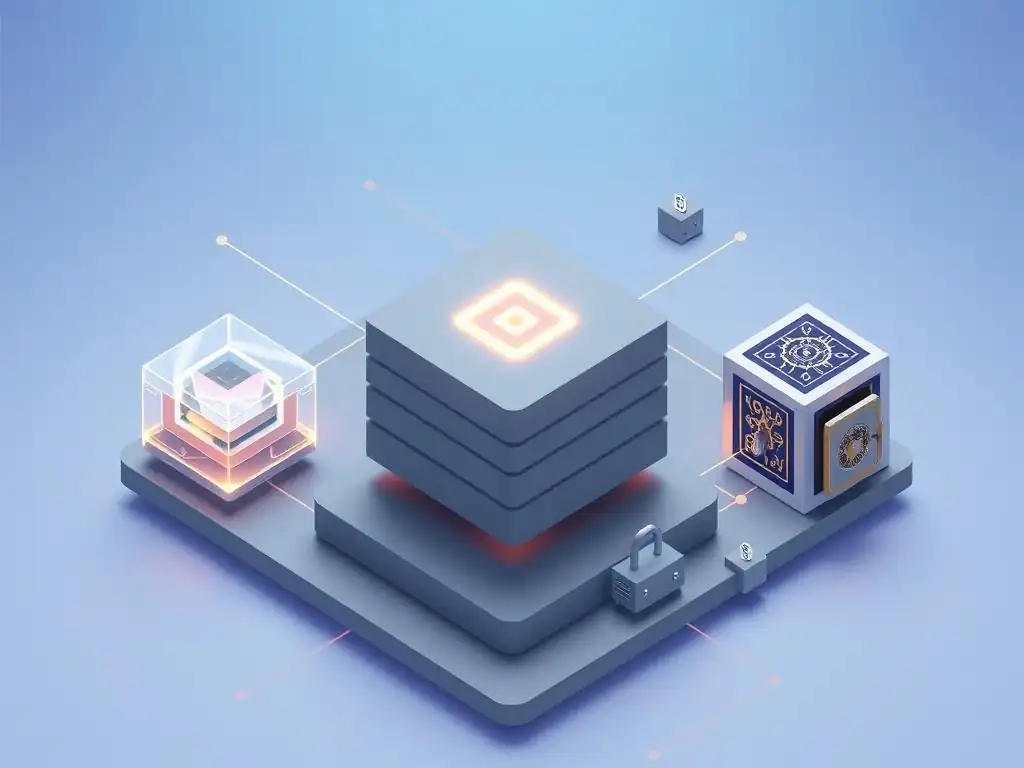
Auditing and Formal Verification of Layer2 Protocols
Auditing and formal verification are crucial mitigation strategies for addressing Layer2 security concerns. Auditing involves a comprehensive review of the Layer2 protocol's design, implementation, and smart contract code by independent security experts. The goal of an audit is to identify potential vulnerabilities, weaknesses, and security flaws before the protocol is deployed or further iterated upon. Audits typically involve code review, penetration testing, and analysis of the protocol's security assumptions and threat model. Reputable security firms with expertise in blockchain and cryptography conduct these audits, providing valuable insights and recommendations for improving the security of Layer2 solutions.
Formal verification takes a more rigorous and mathematical approach to security assurance. It involves using formal methods and mathematical logic to prove the correctness and security properties of Layer2 protocols and smart contracts. Formal verification can demonstrate that a protocol satisfies certain security properties, such as ensuring that funds cannot be stolen or that transactions are processed correctly under all circumstances.
While formal verification can be more time-consuming and resource-intensive than traditional auditing, it can provide a higher level of assurance, particularly for critical security-sensitive components of Layer2 solutions. Combining both auditing and formal verification provides a comprehensive approach to enhancing Layer2 security.
Incentive Mechanisms for Security and Participation
Incentive mechanisms play a vital role in ensuring the security and participation of actors in Layer2 ecosystems. Well-designed incentive mechanisms can encourage honest behavior, discourage malicious actions, and incentivize network participants to contribute to the security and stability of the Layer2 solution. For example, in Optimistic Rollups, economic incentives are used to encourage watchers to monitor the chain and submit fraud proofs. Watchers are typically rewarded for successfully submitting fraud proofs, while sequencers are penalized for proposing invalid states. These incentives align the interests of watchers with the security of the rollup, creating a robust fraud-proof system.
Incentive mechanisms can also be used to encourage participation in other security-related activities, such as running nodes, providing data availability, or participating in governance. For example, sidechains or rollups might incentivize validators or data availability providers through token rewards or transaction fees. Carefully designing incentive mechanisms that are aligned with security goals is crucial for creating robust and self-sustaining Layer2 ecosystems. Poorly designed incentive mechanisms can lead to unintended consequences, such as encouraging selfish behavior or creating vulnerabilities that can be exploited by malicious actors.
Community Governance and Security Upgrades
Community governance plays an increasingly important role in the security and long-term sustainability of Layer2 solutions. Decentralized governance mechanisms can allow the community of users, developers, and stakeholders to participate in decision-making processes related to protocol upgrades, security parameters, and resource allocation. Community governance can enhance the resilience and adaptability of Layer2 solutions by distributing control and reducing reliance on a single centralized entity. It can also foster transparency and accountability in protocol development and operation.
Security upgrades are an inevitable aspect of Layer2 evolution, as new vulnerabilities are discovered, and technologies advance. Community governance mechanisms can facilitate the process of proposing, reviewing, and implementing security upgrades in a transparent and decentralized manner. This can ensure that upgrades are implemented in a way that is aligned with the community's interests and that security improvements are effectively adopted across the Layer2 ecosystem. However, decentralized governance also presents challenges, such as decision-making complexity, potential for gridlock, and the risk of governance attacks. Effective community governance models for Layer2 security require careful design and ongoing refinement.
The Role of Watchtowers and Guardians in Monitoring Layer2 Security
Watchtowers and guardians are emerging roles in the Layer2 ecosystem, particularly for state channels and rollups, aimed at enhancing security and user protection. Watchtowers are third-party services that users can employ to monitor the Layer2 network on their behalf, especially when they are offline or unable to actively monitor themselves. In state channels, watchtowers can monitor for fraudulent channel closure attempts and automatically take action to protect the user's funds, such as submitting revocation keys or initiating dispute resolution processes. In Optimistic Rollups, watchtowers can monitor for invalid state updates and submit fraud proofs.
Guardians represent a broader concept, encompassing various types of entities that can monitor Layer2 security and take action to protect users or the system as a whole. Guardians might include decentralized autonomous organizations (DAOs), security consortia, or even incentivized individual actors. They can perform various security functions, such as monitoring for anomalies, detecting attacks, coordinating security responses, and participating in governance processes.
Watchtowers and guardians can enhance Layer2 security by providing an extra layer of vigilance and redundancy, reducing reliance on individual users to constantly monitor the network and respond to security threats. However, the security and reliability of watchtower and guardian services themselves are also important considerations, as vulnerabilities in these services could also pose risks.
The Future of Layer2 Security: Innovations and Trends
Emerging Security Technologies for Layer2
The field of Layer2 security is constantly evolving, with ongoing research and development of new security technologies and techniques. One emerging trend is the development of more robust and decentralized sequencer architectures for rollups, aiming to mitigate sequencer centralization risks. This includes exploring distributed sequencer networks, sequencer auctions, and other mechanisms to enhance sequencer decentralization and resilience. Another area of innovation is in data availability solutions. Data availability sampling (DAS) and other advanced DA techniques are being actively researched to provide scalable and secure data availability for rollups, potentially further enhancing their scalability and security.
Zero-knowledge proof technology is also rapidly advancing, with improvements in proof generation speed, verification efficiency, and cryptographic assumptions. These advancements are making zk-Rollups more practical and efficient, potentially leading to wider adoption of zk-Rollups as a highly secure Layer2 scaling solution. Furthermore, research into formal verification and automated security analysis tools for Layer2 protocols and smart contracts is ongoing.
These tools can help developers build more secure Layer2 solutions and provide greater assurance in the security properties of these complex systems. The future of Layer2 security is likely to be shaped by these and other emerging technologies, leading to more secure, scalable, and user-friendly Layer2 solutions.
Cross-Layer2 Security Considerations
As the Layer2 ecosystem matures and becomes more interconnected, cross-Layer2 security considerations are becoming increasingly important. Users and applications are likely to interact with multiple Layer2 solutions, and assets may move across different Layer2s. This interoperability introduces new security challenges. For example, bridging assets between different Layer2 solutions can create new attack vectors if the bridges are not securely designed and implemented. Furthermore, the security assumptions and security models of different Layer2 solutions may vary, and users need to be aware of these differences when interacting with multiple Layer2s.
Cross-Layer2 communication protocols and standards are needed to facilitate secure and seamless interoperability between different Layer2 solutions. Research into secure cross-Layer2 bridging mechanisms, cross-Layer2 atomic transactions, and unified security frameworks for Layer2 ecosystems is crucial for building a robust and secure multi-Layer2 future. Standardization efforts and community collaboration are needed to address these cross-Layer2 security challenges and ensure a secure and interoperable Layer2 ecosystem.
The Evolution of Layer2 Security Auditing Practices
Layer2 security auditing practices are also evolving to keep pace with the rapid development and increasing complexity of Layer2 solutions. Traditional smart contract auditing practices are being adapted and expanded to address the unique security challenges of Layer2 protocols. Audits are becoming more comprehensive, encompassing not only smart contract code but also protocol design, cryptographic implementations, and incentive mechanisms. Auditors are increasingly using formal verification techniques and automated security analysis tools to enhance the rigor and depth of their audits.
Furthermore, auditing practices are evolving to address the ongoing nature of Layer2 security. Continuous security monitoring and auditing are becoming more common, as Layer2 protocols are constantly being upgraded and new vulnerabilities may emerge over time. Bug bounty programs and vulnerability disclosure programs are also becoming increasingly important for incentivizing white-hat hackers to find and report security vulnerabilities in Layer2 solutions. The evolution of Layer2 security auditing practices is crucial for ensuring the ongoing security and trustworthiness of the Layer2 ecosystem.
Key Takeaways on Layer2 Scaling Security Tradeoffs
Navigating the Layer2 security landscape requires a deep understanding of the inherent security tradeoffs associated with different scaling solutions. Layer2 solutions offer significant scalability benefits, but they introduce new security considerations and complexities compared to Layer1 blockchains. State channels, sidechains, and rollups each have distinct security models and tradeoffs. State channels offer scalability for specific use cases but introduce trust assumptions. Sidechains can achieve high scalability but often compromise on decentralization and bridge security. Rollups, particularly zk-Rollups, aim to provide a better balance of scalability and security, inheriting Layer1 security while offering significant throughput improvements.
Centralization risks, particularly sequencer centralization in rollups, are a key security concern in Layer2 solutions. Data availability is paramount for rollup security, and different DA solutions offer varying security guarantees and scalability tradeoffs. Smart contract vulnerabilities are a persistent threat in Layer2 implementations, requiring robust secure development practices and thorough auditing. Addressing Layer2 security concerns requires a multi-faceted approach, including auditing, formal verification, incentive mechanisms, community governance, and monitoring by watchtowers and guardians. The future of Layer2 security is being shaped by emerging technologies, cross-Layer2 security considerations, and evolving auditing practices.
Considerations for Choosing a Secure Layer2 Solution
Choosing a secure Layer2 solution requires careful consideration of several factors. Firstly, understand the specific security model and assumptions of each Layer2 type (state channel, sidechain, rollup) and subtype (Optimistic vs. zk-Rollup). Evaluate the level of decentralization of the Layer2 solution, particularly the sequencer and validator sets. Assess the data availability solution used and its security guarantees. Review the security audit reports and formal verification results for the Layer2 protocol and its smart contracts. Consider the maturity and track record of the Layer2 project and its development team. Evaluate the community governance model and the process for security upgrades.
For users, it is crucial to understand the risks associated with each Layer2 solution and to manage their own security practices, such as using reputable wallets, carefully reviewing transaction details, and staying informed about potential security vulnerabilities. For developers, choosing the right Layer2 solution depends on the specific requirements of their application, balancing scalability needs with security considerations. Thoroughly testing and auditing smart contracts and following secure development practices are essential for building secure Layer2 applications.
The Ongoing Importance of Security in the Layer2 Ecosystem
Security remains paramount in the Layer2 ecosystem as it continues to grow and evolve. Layer2 solutions are becoming increasingly critical infrastructure for the blockchain space, enabling wider adoption and more complex applications. Maintaining and enhancing the security of Layer2 solutions is essential for building trust and confidence in the blockchain ecosystem as a whole. Ongoing research, development, and community collaboration are needed to address emerging security challenges, innovate new security technologies, and establish best practices for Layer2 security.
The Layer2 security landscape is dynamic and requires continuous vigilance and adaptation. As Layer2 solutions become more sophisticated and interconnected, security considerations will only become more complex and critical. Prioritizing security in Layer2 development, deployment, and usage is essential for realizing the full potential of blockchain technology and ensuring a secure and trustworthy decentralized future.
Frequently Asked Questions
What are Layer2 scaling solutions and why are they important?
Layer2 scaling solutions are off-chain protocols designed to improve blockchain transaction throughput and reduce fees. They are important because they address the scalability limitations of many blockchains, enabling wider adoption.
What are some common types of Layer2 scaling solutions?
Common types include state channels, sidechains, rollups (both optimistic and zero-knowledge), and plasma chains. These approaches differ in their mechanisms for processing transactions off the main chain.
What are the main security tradeoffs associated with Layer2 scaling solutions?
Layer2 solutions often introduce new trust assumptions and dependencies. Security tradeoffs can involve data availability concerns, potential centralization points, and reliance on economic incentives to ensure validator honesty.
How do optimistic rollups differ from zero-knowledge rollups in terms of security?
Optimistic rollups assume transactions are valid unless challenged, requiring a fraud-proof system. Zero-knowledge rollups use cryptographic proofs to guarantee validity before submitting transactions to the main chain, often considered more secure.
What are some key considerations when evaluating the security of a specific Layer2 solution?
Evaluate the validator incentives, data availability mechanisms, the robustness of the fraud-proof system (if applicable), and the degree of decentralization in the Layer2 network. Understanding these aspects is crucial for assessing risk.
The exploration of Layer2 scaling solutions and their inherent security tradeoffs culminates in a crucial understanding: blockchain scalability cannot come at the expense of robust security. The current landscape demands solutions that balance transaction throughput with the unwavering integrity and decentralization that define the core principles of blockchain technology. Ignoring these tradeoffs risks undermining the very foundations upon which this technology is built.
The ongoing evolution of Layer2 solutions profoundly influences the future of decentralized applications and finance. Understanding these security implications is not merely an academic exercise, but a critical responsibility for developers, investors, and users alike. Security is always excessive until it's not enough.
This quote underscores the delicate balance we must strike, constantly evaluating and adapting our security measures to stay ahead of potential vulnerabilities in these rapidly evolving systems.
As we move forward, let us not be blinded by the allure of speed and efficiency. Instead, let us critically examine the security implications of each Layer2 solution, demanding transparency and rigorous auditing. Consider how these tradeoffs impact your own involvement in the blockchain ecosystem, and actively contribute to the development of more secure and sustainable scaling solutions. The future of blockchain depends on our collective commitment to prioritizing security alongside scalability.
Unlock the Power of Layer 2: Secure Your Blockchain Future!
Thank you for exploring Layer 2 scaling solutions! We hope you now have a better understanding of the security considerations involved in using these technologies. Are you ready to take the next step toward securing your blockchain infrastructure?
Here's how to begin:
- Conduct thorough security audits. Reach out to a reputable blockchain security firm and request a comprehensive assessment of your chosen Layer 2 solution. Don't compromise on security—ensure it’s thoroughly verified.
- Consider alternative scaling approaches. Research solutions such as Layer 3 options or different consensus mechanisms to expand your options.
- Share your insights on the most critical security features you look for! Join our community discussion on blockchain trends and contribute your perspective.
What specific security features are you most concerned about when selecting a Layer 2 solution for your project? Share your thoughts below!
Leave a Reply