
Smart Contracts for Data Storage: Decentralized and Immutable Data Solutions


Welcome to Blockchain Trends, your gateway to understanding the revolutionary power of blockchain beyond the hype. Dive deep into the world of decentralized finance, enterprise solutions, and the evolving regulatory landscape. Are you ready to explore how blockchain is reshaping industries? Today, we're focusing on a critical application with vast implications: decentralized data storage contracts. Learn how these innovative solutions are providing immutable and secure alternatives to traditional data management. Intrigued? Discover the future of data ownership and control – read on to uncover the potential of smart contracts for data storage!
- Introduction to Blockchain-Based Supply Chain Traceability
- Understanding Smart Contracts and Immutable Records
- Designing Smart Contracts for Supply Chain Traceability: A Step-by-Step Guide
- Implementing a Basic Supply Chain Traceability Smart Contract
- Advanced Techniques for Supply Chain Traceability with Smart Contracts
- Security Best Practices for Supply Chain Smart Contracts
- Use Cases for Smart Contracts in Supply Chain Management
- The Future of Supply Chain Traceability with Smart Contracts
- Conclusion: Embracing Smart Contracts for Transparent and Trustworthy Supply Chains
-
Frequently Asked Questions
- What are smart contracts for data storage, and how do they relate to decentralized data storage contracts?
- How do smart contracts ensure the immutability of data stored in a decentralized manner?
- What are the key benefits of using smart contracts for data storage compared to traditional centralized systems?
- What are some potential enterprise applications of smart contracts for data storage, beyond just cryptocurrency?
- What are the regulatory considerations surrounding the use of smart contracts for data storage, especially regarding data privacy and compliance?
- Final Reflection: Embracing the Decentralized Data Revolution
- Unleash the Power of Decentralized Data!
Introduction to Blockchain-Based Supply Chain Traceability
The Need for Transparency in Modern Supply Chains
In today's globalized economy, supply chains have become incredibly complex, often spanning multiple countries and involving numerous intermediaries. This complexity, while enabling efficiency and cost reduction, has also led to a significant lack of transparency. Consumers are increasingly demanding to know more about the origins of products, their journey, and the ethical and environmental impacts associated with their production. Consider the food industry, for example.
A study by Nielsen found that 73% of consumers feel positively about brands that are transparent about their food sourcing. This demand for transparency is not merely a consumer preference; it's becoming a crucial factor in brand trust and purchasing decisions. Furthermore, the rise of counterfeit goods, estimated by the OECD to be a staggering $464 billion industry in 2019, highlights the urgent need for verifiable product provenance. Opacity in supply chains allows fraudulent activities to flourish, harming both consumers and legitimate businesses.
Why Smart Contracts are Essential for Supply Chain Solutions
Smart contracts, self-executing agreements written in code and stored on a blockchain, offer a revolutionary approach to enhancing supply chain transparency and efficiency. Unlike traditional contracts that require manual execution and are prone to disputes, smart contracts automatically enforce the terms agreed upon when predefined conditions are met. This automation reduces reliance on intermediaries, minimizes paperwork, and accelerates processes.
For instance, imagine a shipment of temperature-sensitive pharmaceuticals. A smart contract can be programmed to automatically release payment to the supplier upon confirmation from IoT sensors that the temperature remained within the specified range throughout transit. This immediate and verifiable execution, without manual intervention, significantly reduces delays and disputes.
Moreover, the decentralized and immutable nature of blockchain, the underlying technology for smart contracts, ensures that data recorded within these contracts is tamper-proof and transparent to all authorized stakeholders. This inherent data integrity is paramount for building trust and accountability in complex supply chain networks.
Understanding Smart Contracts and Immutable Records
How Smart Contracts Guarantee Data Integrity in Supply Chains
Smart contracts guarantee data integrity in supply chains through a combination of cryptographic hashing and the inherent properties of blockchain technology. When data related to a product's journey – such as origin, manufacturing date, location changes, and ownership transfers – is recorded within a smart contract on a blockchain, each piece of information is cryptographically hashed. This hashing process creates a unique digital fingerprint of the data, making it virtually impossible to alter the data without changing the hash.
Any attempt to tamper with the data would result in a different hash, immediately detectable by the network. Furthermore, blockchains operate on a consensus mechanism, where multiple nodes within the network must validate each transaction before it is added to the chain.
This distributed validation process ensures that no single entity can unilaterally modify the recorded data, further strengthening data integrity. This robust system of cryptographic security and distributed consensus forms the bedrock for trustworthy and auditable supply chain records.
The Role of Blockchain in Creating Unalterable Audit Trails
Blockchain technology plays a pivotal role in creating unalterable audit trails within supply chains. Every transaction or event recorded within a smart contract on a blockchain is grouped into blocks, which are then cryptographically linked together in a chronological chain. Each block contains a hash of the previous block, creating an immutable chain of records.
This chronological and linked structure forms a transparent and auditable history of every product's journey through the supply chain. Consider the example of tracking organic coffee beans. From the farm in Colombia to the roaster in Seattle, every step – harvesting, processing, shipping, roasting – can be recorded as a transaction within a blockchain-based smart contract.
Each transaction is timestamped and permanently added to the chain, creating an unalterable audit trail. Any authorized participant in the supply chain network can access this audit trail, verifying the authenticity and provenance of the coffee beans at each stage, ensuring transparency and building consumer confidence in the product's organic certification.
Designing Smart Contracts for Supply Chain Traceability: A Step-by-Step Guide
Defining Traceability Requirements for Your Supply Chain
Before designing a smart contract for supply chain traceability, it's crucial to define specific traceability requirements. This involves identifying what data needs to be tracked, who needs access to this data, and the level of granularity required for effective tracking. For instance, in the pharmaceutical industry, traceability requirements are extremely stringent due to regulatory compliance and patient safety concerns.
Data points to be tracked might include batch numbers, manufacturing dates, expiration dates, temperature logs during transit, and chain of custody records. Access control is also paramount, ensuring that only authorized parties, such as manufacturers, distributors, and regulatory bodies, can access sensitive pharmaceutical data.
The level of granularity will depend on the product and industry; some supply chains may require tracking at the individual item level, while others may suffice with batch-level tracking. A clear understanding of these requirements is essential for designing a smart contract that effectively addresses the specific needs of the supply chain.
Choosing the Right Blockchain Platform for Supply Chain Applications (e.g., Ethereum, Hyperledger Fabric, Corda)
Selecting the appropriate blockchain platform is a critical decision in designing smart contracts for supply chain applications. Different blockchain platforms offer varying features and are suited for different use cases. Ethereum, a public and permissionless blockchain, is well-suited for applications requiring broad accessibility and transparency. While its transaction costs (gas fees) can fluctuate, its large developer community and extensive tooling make it a popular choice for many decentralized applications.
Hyperledger Fabric, on the other hand, is a private and permissioned blockchain platform designed for enterprise use. It offers greater control over access and data privacy, making it suitable for supply chains where confidentiality is paramount. Corda, another permissioned blockchain, is specifically designed for financial applications and emphasizes data privacy and interoperability.
The choice of platform depends on factors such as the level of transparency required, the need for permissioned access, transaction volume, and cost considerations. For a public-facing consumer application emphasizing transparency, Ethereum might be considered. For a consortium of businesses requiring greater control and privacy, Hyperledger Fabric or Corda could be more appropriate choices.
Smart Contract Architecture for Efficient Product Tracking
Designing an efficient smart contract architecture is vital for successful product tracking in supply chains. A well-designed architecture should be modular, scalable, and optimized for performance. Modularity involves breaking down the smart contract into smaller, reusable components, making it easier to manage, update, and audit.
For example, separate modules could handle product registration, ownership transfer, location updates, and status changes. Scalability is crucial to handle the high transaction volume often associated with supply chains. Consider a global retailer tracking millions of products; the smart contract architecture must be able to process a large number of transactions efficiently without bottlenecks.
Optimization for performance involves writing efficient code to minimize gas consumption on platforms like Ethereum and ensuring fast transaction processing times on permissioned platforms. Event-driven architecture is also beneficial, where the smart contract emits events when significant events occur (e.g., product shipped, ownership transferred). These events can be monitored by off-chain systems to trigger notifications or update dashboards, enabling real-time visibility into the supply chain.
Implementing a Basic Supply Chain Traceability Smart Contract
Defining Data Structures for Product Information and Ownership
Implementing a basic supply chain traceability smart contract begins with defining the data structures to store product information and ownership details. These data structures are typically implemented using structs in Solidity, a common language for smart contract development on Ethereum. A Product struct could include fields such as productId (a unique identifier), productName, description, manufacturer, origin, manufacturingDate, and potentially a batchNumber. For tracking ownership, a separate Ownership struct or mapping could be used to record the ownership history of each product. This could include fields like ownerAddress, transferDate, and previousOwner. Using mappings, we can efficiently link productId to its corresponding Product struct and track the history of ownership changes over time. Careful consideration of data types and storage optimization is crucial at this stage to ensure efficient and cost-effective smart contract operation.
Writing Functions for Recording Product Movements and Transfers
The core functionality of a supply chain traceability smart contract lies in its functions for recording product movements and ownership transfers. Functions like recordShipment(productId, location, timestamp) would be used to log the movement of a product to a new location. This function would typically take the product ID, the new location, and a timestamp as input and store this information on the blockchain. A transferOwnership(productId, newOwner) function would facilitate the transfer of ownership from one stakeholder to another. Crucially, these functions should include input validation to ensure data integrity. For example, validating that the productId exists and that the caller is authorized to perform the action. Upon successful execution of these functions, events should be emitted to notify off-chain systems about these updates. For instance, a ShipmentRecorded(productId, location, timestamp) event could be emitted after a successful recordShipment transaction.
Implementing Access Control for Different Stakeholders
Implementing robust access control is paramount to ensure data privacy and security in supply chain smart contracts. Different stakeholders in the supply chain, such as manufacturers, distributors, retailers, and consumers, will require varying levels of access to the recorded data. Role-Based Access Control (RBAC) is a common approach, where different roles (e.g., 'Manufacturer', 'Distributor', 'Consumer') are defined, and each role is granted specific permissions.
For example, a manufacturer might have permission to register new products and update product information, while a distributor might only have permission to record product movements and transfer ownership downstream. Consumers, on the other hand, might have read-only access to verify product authenticity and track its journey.
Access control can be implemented using modifiers in Solidity, restricting function calls to specific roles or authorized addresses. Careful design and implementation of access control mechanisms are crucial to balance transparency with data privacy and ensure that sensitive supply chain information is only accessible to authorized parties.
Advanced Techniques for Supply Chain Traceability with Smart Contracts
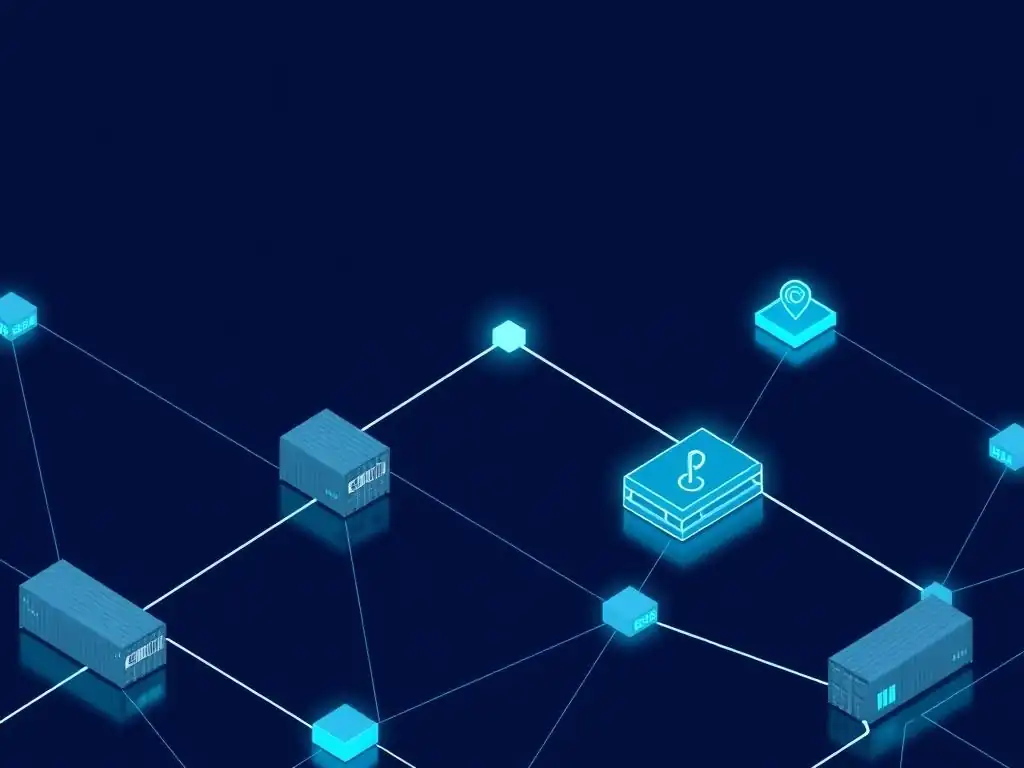
Integrating IoT Devices for Real-Time Data Collection
Integrating Internet of Things (IoT) devices with smart contracts significantly enhances the granularity and real-time nature of supply chain traceability. IoT sensors can automatically collect data at various points in the supply chain and feed it directly into the blockchain, eliminating manual data entry and reducing the risk of human error. For example, temperature and humidity sensors embedded in shipping containers can continuously monitor environmental conditions of temperature-sensitive goods like pharmaceuticals or food.
This sensor data can be transmitted via IoT gateways and oracles to update the smart contract in real-time, triggering alerts if conditions deviate from pre-defined thresholds. GPS trackers can provide precise location data, enabling real-time tracking of shipments and optimizing logistics. Integrating IoT devices not only automates data collection but also provides a verifiable and tamper-proof record of environmental conditions and location throughout the supply chain, further strengthening trust and transparency.
Using Oracles to Verify External Data Sources (e.g., Temperature, Location)
Oracles play a crucial role in bridging the gap between the on-chain smart contract and off-chain real-world data. Smart contracts, by design, cannot directly access data outside the blockchain network. Oracles act as trusted intermediaries that fetch external data and relay it to the smart contract in a verifiable manner.
In supply chain traceability, oracles can be used to verify various external data sources, such as temperature readings from IoT sensors, GPS location data, weather conditions, or even data from external databases. For example, an oracle could be used to verify temperature data from a sensor before a smart contract automatically releases payment for a temperature-sensitive shipment.
Choosing reliable and trustworthy oracles is critical, as the accuracy and integrity of the data fed into the smart contract depend on the oracle's trustworthiness. Decentralized oracles, which rely on a network of independent providers, can mitigate the risk of relying on a single point of failure and enhance the overall security and reliability of the system.
Optimizing Gas Costs for High-Volume Supply Chain Transactions
Gas costs, the transaction fees on blockchains like Ethereum, can become a significant factor in high-volume supply chain applications. Optimizing gas costs is crucial to ensure the economic viability of using smart contracts for traceability, especially when dealing with a large number of transactions. Several techniques can be employed to minimize gas consumption. Writing efficient smart contract code is paramount, minimizing unnecessary computations and storage operations.
Data storage optimization, such as using efficient data structures and minimizing on-chain data storage by storing data off-chain where feasible and using hashes on-chain for verification, can significantly reduce gas costs. Batching transactions, where multiple operations are grouped into a single transaction, can also reduce the overhead associated with individual transactions. Exploring Layer-2 scaling solutions on Ethereum, such as rollups or state channels, can further reduce gas costs and increase transaction throughput for high-volume supply chain applications.
Security Best Practices for Supply Chain Smart Contracts
Preventing Counterfeit Goods and Fraudulent Activities
Smart contracts offer powerful tools for preventing counterfeit goods and fraudulent activities in supply chains. By creating a transparent and immutable record of product provenance, smart contracts make it significantly harder for counterfeiters to introduce fake products into the legitimate supply chain. Digital twins, digital representations of physical products registered on the blockchain, can be used to verify the authenticity of goods.
Each legitimate product can be assigned a unique digital twin with a cryptographic identifier. Consumers or stakeholders can then scan a QR code or NFC tag on the physical product to access its digital twin on the blockchain and verify its authenticity against the recorded information, such as origin, manufacturing details, and ownership history. Smart contracts can also automate verification processes at various points in the supply chain, triggering alerts if inconsistencies or suspicious activities are detected, further enhancing anti-counterfeiting measures.
Auditing Smart Contracts for Supply Chain Vulnerabilities
Auditing smart contracts is a critical security best practice, especially in supply chain applications where significant value and sensitive data are at stake. Independent third-party security audits should be conducted by experienced smart contract auditors to identify potential vulnerabilities and security flaws in the code. Auditors will review the smart contract code for common vulnerabilities, such as reentrancy attacks, integer overflows, and access control issues, and provide recommendations for remediation.
Formal verification techniques, using mathematical proofs to verify the correctness and security properties of smart contracts, can also be employed for high-assurance applications. Regular security audits and penetration testing should be performed throughout the lifecycle of the smart contract to ensure ongoing security and mitigate potential risks.
Common Pitfalls in Supply Chain Smart Contract Development
Several common pitfalls should be avoided during supply chain smart contract development. Data privacy is a significant concern, especially when dealing with sensitive supply chain information. Carefully consider what data is stored on-chain and implement appropriate access control mechanisms to protect confidential data. Scalability limitations of some blockchain platforms can be a bottleneck for large and complex supply chains. Choose a platform that can handle the expected transaction volume and consider scalability solutions. Over-reliance on oracles introduces oracle dependency risks. Ensure that oracles are reliable and trustworthy, and implement mechanisms to mitigate oracle failures or manipulation. Lack of interoperability between different blockchain networks can also create silos and hinder seamless data exchange across supply chains. Consider interoperability solutions and standards to enable data sharing between different supply chain networks. Addressing these common pitfalls proactively during the development process is crucial for building robust and effective supply chain smart contract solutions.
Use Cases for Smart Contracts in Supply Chain Management
Tracking Food Products from Farm to Table
Smart contracts are revolutionizing food supply chain traceability, enabling consumers to track food products from farm to table with unprecedented transparency. Imagine scanning a QR code on a package of mangoes and instantly accessing information about the farm where they were grown, the harvesting date, transportation history, and certifications (e.g., organic, fair trade). Smart contracts facilitate this level of transparency, enhancing food safety, verifying origin claims, and reducing food fraud.
For example, blockchain-based platforms are being used to track seafood, providing consumers with assurance about the origin and sustainability of their seafood. By recording each step of the food supply chain on a blockchain, from farm to processing to distribution, smart contracts empower consumers with information and build trust in the food they consume. This enhanced traceability also helps to quickly identify and isolate contaminated food products in case of recalls, minimizing the impact of foodborne illnesses.
Verifying the Authenticity of Luxury Goods
The luxury goods industry is heavily impacted by counterfeiting, costing billions of dollars annually. Smart contracts offer a powerful solution to verify the authenticity of luxury goods and protect brands and consumers. By registering luxury items on a blockchain and creating unique digital identities, smart contracts enable secure and verifiable proof of authenticity. For example, luxury watch manufacturers are using blockchain to issue digital certificates of authenticity for their watches.
These digital certificates are linked to the physical watch and can be transferred along with ownership. Consumers can easily verify the authenticity of a watch by checking its digital certificate on the blockchain, ensuring they are purchasing a genuine product. This use of smart contracts not only combats counterfeiting but also enhances brand protection and builds consumer trust in luxury brands.
Managing Pharmaceutical Supply Chains and Preventing Counterfeit Drugs
Pharmaceutical supply chains are highly complex and vulnerable to counterfeiting, posing significant risks to patient safety. Smart contracts are being deployed to manage pharmaceutical supply chains and combat the proliferation of counterfeit drugs. By tracking pharmaceuticals from manufacturing to dispensing, smart contracts create a transparent and auditable trail, making it much harder for counterfeit drugs to enter the legitimate supply chain.
For example, blockchain-based solutions are being used to track prescription drugs, verifying their authenticity and provenance at each stage of the supply chain. This enhanced traceability helps to prevent counterfeit drugs from reaching patients, ensuring medication safety and regulatory compliance. Smart contracts can also facilitate faster and more efficient recalls of pharmaceutical products in case of quality issues or adverse events, protecting public health.
Ensuring Ethical Sourcing and Fair Trade Practices
Consumers are increasingly concerned about ethical sourcing and fair trade practices, demanding assurance that the products they purchase are produced ethically and sustainably. Smart contracts can enhance transparency and accountability in ethical sourcing and fair trade initiatives. By tracking products from origin to consumer, smart contracts can verify compliance with ethical and fair trade standards.
For example, coffee beans sourced from fair trade cooperatives can be tracked using blockchain, providing consumers with verifiable proof that their purchase supports fair labor practices and sustainable farming. Smart contracts can also be used to automate payments to farmers and producers upon verification of ethical sourcing criteria, ensuring timely and transparent compensation. This increased transparency and accountability promotes ethical sourcing and fair trade practices, empowering consumers to make informed purchasing decisions that align with their values.
The Future of Supply Chain Traceability with Smart Contracts
Scalability Solutions for Large and Complex Supply Chains
Scalability remains a key challenge for widespread adoption of blockchain in large and complex supply chains. As supply chains grow in size and complexity, the number of transactions and data points to be processed increases significantly. Layer-2 scaling solutions, such as rollups and state channels, are emerging as promising approaches to address scalability limitations on platforms like Ethereum. Rollups bundle multiple transactions into a single on-chain transaction, significantly reducing gas costs and increasing throughput.
State channels enable off-chain transactions between participants, only involving the main blockchain for settlement, further enhancing scalability. Sharding, a technique to partition the blockchain into smaller, more manageable shards, is another promising scalability solution under development. Continued advancements in scalability solutions will be crucial to enable blockchain to handle the demands of large and complex global supply chains.
Interoperability Between Different Supply Chain Blockchain Networks
Interoperability between different supply chain blockchain networks is essential to avoid data silos and enable seamless data exchange across disparate systems. Many different blockchain platforms and consortia are emerging in the supply chain space, leading to fragmented data and limited information sharing. Cross-chain communication protocols and standards are needed to enable interoperability between these different networks.
Solutions like Polkadot and Cosmos aim to facilitate cross-chain interoperability, allowing different blockchains to communicate and exchange data. Standardized data formats and APIs are also crucial to enable seamless integration between different blockchain networks and legacy systems. Achieving interoperability will unlock the full potential of blockchain for supply chain traceability, enabling holistic visibility and data sharing across the entire ecosystem.
The Impact of Blockchain on Supply Chain Efficiency and Sustainability
The adoption of blockchain and smart contracts in supply chains is poised to have a transformative impact on efficiency and sustainability. Enhanced transparency and traceability can lead to significant efficiency gains by reducing delays, minimizing errors, and optimizing logistics. Automated processes enabled by smart contracts streamline operations and reduce reliance on manual paperwork and intermediaries. Improved visibility into supply chain data empowers businesses to make better decisions, optimize inventory management, and improve demand forecasting.
Blockchain can also contribute to sustainability by promoting ethical sourcing, reducing waste, and enabling circular economy initiatives. For example, tracking materials throughout their lifecycle using blockchain can facilitate recycling and reuse, reducing environmental impact. The long-term impact of blockchain on supply chain efficiency and sustainability is expected to be substantial, driving greater resilience, transparency, and responsibility in global trade.
Conclusion: Embracing Smart Contracts for Transparent and Trustworthy Supply Chains
Smart contracts represent a paradigm shift in supply chain management, offering unprecedented opportunities to enhance transparency, trust, and efficiency. By leveraging the power of blockchain and decentralized data storage contracts, businesses can create immutable and auditable records of product journeys, combat counterfeiting, ensure ethical sourcing, and build stronger relationships with consumers. While challenges related to scalability, interoperability, and security remain, ongoing advancements and growing adoption indicate a promising future for smart contracts in transforming global supply chains. Embracing these innovative technologies is not merely about adopting new tools; it's about fostering a new era of transparency and accountability in how goods are produced, distributed, and consumed, ultimately leading to more trustworthy and sustainable supply chains for all stakeholders.
Frequently Asked Questions
What are smart contracts for data storage, and how do they relate to decentralized data storage contracts?
Smart contracts for data storage are self-executing agreements stored on a blockchain, enabling decentralized and immutable data solutions. They automate the process of data storage, retrieval, and payment within a decentralized network, often referred to as decentralized data storage contracts.
How do smart contracts ensure the immutability of data stored in a decentralized manner?
Smart contracts utilize blockchain's inherent immutability. Once data storage terms are defined in the contract and deployed, they are permanently recorded on the blockchain, making them resistant to tampering or alteration.
What are the key benefits of using smart contracts for data storage compared to traditional centralized systems?
The key benefits include enhanced security due to decentralization, improved transparency as all actions are recorded on the blockchain, and reduced costs by eliminating intermediaries.
What are some potential enterprise applications of smart contracts for data storage, beyond just cryptocurrency?
Enterprises can leverage these contracts for supply chain management, secure document storage, and verifiable data provenance, ensuring data integrity and building trust with stakeholders.
What are the regulatory considerations surrounding the use of smart contracts for data storage, especially regarding data privacy and compliance?
Regulations like GDPR and CCPA require careful design of smart contracts to ensure data privacy and user consent. Compliance with data protection laws is crucial when storing personal data on a blockchain, even in a decentralized manner.
Final Reflection: Embracing the Decentralized Data Revolution
The exploration of smart contracts for data storage reveals a paradigm shift in how we perceive and manage information. The promise of decentralized and immutable data solutions is no longer a futuristic concept, but a tangible reality shaping the digital landscape today. The ability to ensure data integrity, transparency, and accessibility through blockchain technology offers a powerful antidote to the vulnerabilities and centralized control that plague traditional data storage systems.
This journey into decentralized data storage contracts has profoundly influenced my understanding of data ownership and security. Witnessing the potential for individuals and organizations to reclaim control over their data is truly inspiring. Data is the new oil, but unlike oil, data can be replicated and shared without depletion. The key is to ensure its integrity and accessibility in a decentralized manner.
This quote underscores the importance of embracing decentralized solutions to unlock the true potential of data in a secure and equitable way.
As we stand at the cusp of this decentralized data revolution, I invite you to reflect on the implications of this technology for your own life and work. Consider how you can leverage decentralized data storage contracts to enhance your data security, promote transparency, and empower yourself with greater control over your digital assets. The future of data is decentralized, and it is up to each of us to embrace this transformative technology and shape a more secure and equitable digital world.
Unleash the Power of Decentralized Data!
Thanks for exploring the world of smart contracts for data storage! We hope you've gained valuable insights into how blockchain technology is transforming data management by providing enhanced security and immutability. Now, it's time to apply that knowledge and discover the exciting possibilities ahead.
Here are some steps to help you continue your journey:
- Create your own simple smart contract to store basic data on a test network. This practical experience is incredibly useful!
- Explore different decentralized storage platforms, such as IPFS or Filecoin, to understand how they integrate with smart contracts.
- Share this article with your network and start a conversation about the future of decentralized data solutions!
Are you ready to build the future of data storage, one smart contract at a time? What data storage challenges are you most eager to solve with blockchain technology?
Leave a Reply