
Decentralized Identity Explained: A BlockchainPowered Revolution

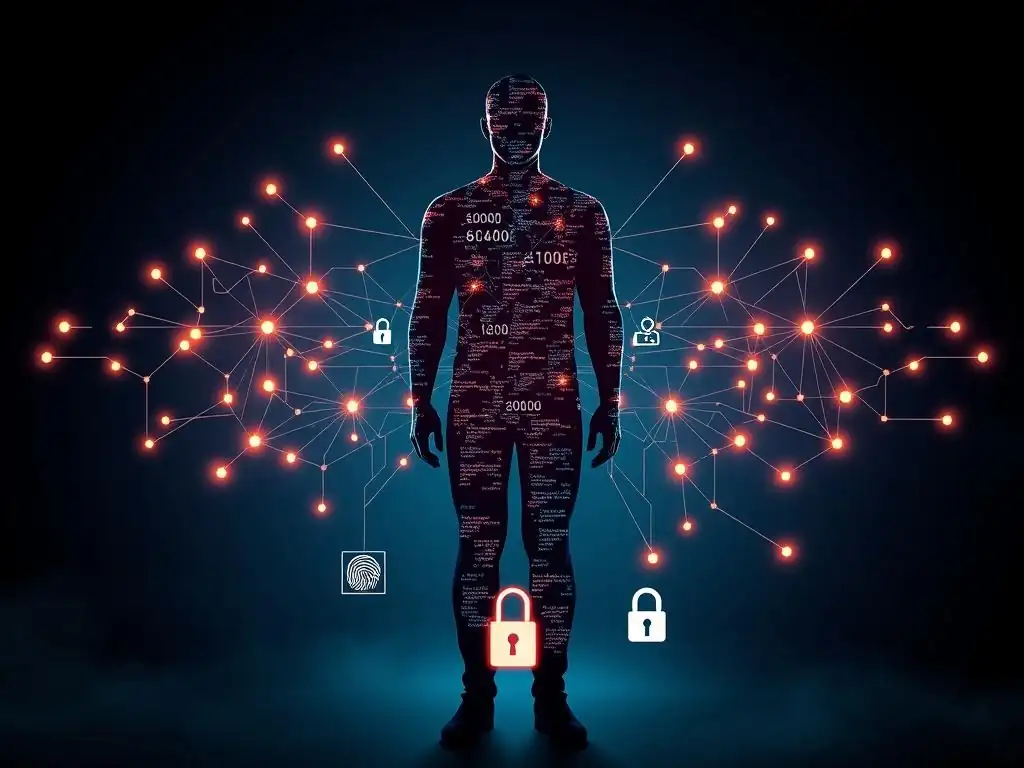
Welcome to Blockchain Trends, your compass in the rapidly evolving world of decentralized technologies!
Imagine a future where you control your digital identity, free from centralized authorities. Our exploration of blockchain identity management solutions benefits begins here, uncovering how this groundbreaking technology is reshaping data security and user autonomy. Delve into this article to understand how blockchain is not just about cryptocurrency, but a key to unlocking a more secure and empowered digital future. What if your digital footprint was truly yours? Let's find out.
Reduced Identity Theft and Fraud through Decentralization
One of the most compelling blockchain identity management solutions benefits is the significant reduction in identity theft and fraud. Traditional identity systems often rely on centralized databases that store vast amounts of sensitive personal information, creating attractive targets for cybercriminals. When these databases are breached, millions of identities can be compromised simultaneously, leading to widespread fraud.
A decentralized identity system, powered by blockchain, fundamentally alters this risk landscape. Instead of storing identity data in a single honeypot, the system allows users to store their own data securely, typically encrypted on their devices, while only verifiable proofs or hashes are recorded on the distributed ledger.
This distribution eliminates the single point of failure, making it exponentially harder for attackers to steal large volumes of identity data in one go. The immutable nature of the blockchain also means that once a credential or transaction related to an identity is recorded, it cannot be tampered with or fraudulently altered without detection, adding a layer of integrity that is absent in many legacy systems.
The impact on reducing fraud is substantial. Global losses from identity fraud reached an estimated $56 billion in 2020, affecting tens of millions of consumers. Much of this fraud stems from the unauthorized use of personal information obtained through data breaches or phishing scams targeting centralized systems.
Blockchain identity management solutions benefits include mitigating these attack vectors. With a decentralized model, users control who accesses their data and for what purpose, often granting access only to specific, limited attributes needed for a particular transaction rather than sharing their entire identity profile. For instance, instead of providing a driver's license copy to prove age, a user could simply provide a verifiable credential signed cryptographically, confirming they are over 21, without revealing their name, address, or exact birth date.
This principle of selective disclosure dramatically reduces the amount of sensitive data circulating and available for theft, making synthetic identity fraud and account takeovers much more difficult to execute successfully. The cryptographic security and distributed consensus mechanisms inherent in blockchain technology provide a robust foundation against the manipulation and fraudulent creation of identities.
- What are the primary benefits of using blockchain identity management solutions compared to traditional systems?
- How does blockchain technology enhance the security aspect of identity management?
- Beyond individual users, how can enterprises benefit from implementing blockchain identity management solutions?
- What are some of the regulatory challenges surrounding the adoption of blockchain identity management solutions?
- What is the future outlook for blockchain identity management solutions and their potential impact on various industries?
Frequently Asked Questions
What are the primary benefits of using blockchain identity management solutions compared to traditional systems?
Blockchain-based solutions offer enhanced security and privacy through decentralized storage and control. They also provide greater user autonomy over personal data. Finally, they reduce reliance on centralized authorities and the risk of single points of failure.
How does blockchain technology enhance the security aspect of identity management?
Blockchain uses cryptographic techniques and a distributed ledger to create an immutable record of identity information. This makes it extremely difficult for malicious actors to tamper with or forge identities.
Beyond individual users, how can enterprises benefit from implementing blockchain identity management solutions?
Enterprises can streamline KYC (Know Your Customer) processes, reduce operational costs, and improve data security. They can also facilitate more efficient supply chain management and cross-border transactions.
What are some of the regulatory challenges surrounding the adoption of blockchain identity management solutions?
Data privacy regulations like GDPR and jurisdictional differences in legal frameworks pose challenges. Establishing clear guidelines for data governance and compliance is crucial.
What is the future outlook for blockchain identity management solutions and their potential impact on various industries?
The future sees wider adoption across sectors like healthcare, finance, and government, with increased interoperability and standardization. This will lead to a more secure and efficient digital identity ecosystem.
Final Reflection: Embracing the Future of Identity
The exploration of decentralized identity (DID) and its potential within blockchain identity management solutions reveals a paradigm shift that is not just theoretical, but a tangible revolution unfolding before our eyes. The promise of enhanced security, user control, and interoperability isn't a distant dream; it's a present-day necessity, driven by the increasing vulnerabilities of centralized systems and the growing demand for digital autonomy.
Decentralized identity is more than just a technological advancement; it's a fundamental shift in how we perceive and manage our digital selves. The ability to own and control our identity data, free from the constraints of centralized authorities, is a powerful concept that resonates deeply with the desire for individual empowerment. This resonates especially strongly in an era where data breaches and privacy violations are commonplace. Identity is the new perimeter of security,
as Jeremy Grant, former Senior Executive Advisor at NIST, aptly stated. This underscores the critical importance of securing and controlling our digital identities in an increasingly interconnected world.
As we stand on the cusp of this decentralized future, let us not be passive observers. Let us embrace the potential of blockchain identity management solutions to create a more secure, equitable, and user-centric digital landscape. Consider how you can leverage these technologies to protect your own identity, advocate for greater data privacy, and contribute to a future where individuals, not institutions, are the masters of their digital destinies. The power to shape this future lies within each of us.
Ignite Your Decentralized Future!
Thank you for exploring the world of decentralized identity with us. We hope this has given you a clearer understanding of how blockchain technology can empower individuals and transform online interactions. Are you ready to take the next step?
Here's how you can get involved:
- Claim Your Digital Sovereignty: Start researching decentralized identity wallets and platforms that suit your needs. Explore the possibilities of owning and controlling your data. This is your first step toward asserting control over your digital identity.
- Dig Deeper: Learn about various decentralized identity projects and standards emerging within the blockchain community. Gaining a solid understanding of the ecosystem is essential for meaningful participation.
- Share Your Vision: Discuss the potential impact of decentralized identity with your network. What issues do you believe it can solve? Together, we can build a future where data ownership truly belongs to individuals.
How will you use decentralized identity to reclaim control of your digital self? Share your thoughts in the comments below!
Leave a Reply