
Decentralized Identity in Supply Chain Management: Enhancing Transparency and Traceability


Welcome to Blockchain Trends, your compass in the ever-evolving world of decentralized technologies. Beyond the hype of cryptocurrencies, lies a revolution reshaping industries and redefining trust. Ready to uncover how blockchain is doing just that? Dive into our deep dive on blockchain supply chain identity keywords and discover how decentralized identity is not just a buzzword, but a powerful tool for enhancing transparency and traceability in modern supply chains. Prepare to explore a future where authenticity reigns supreme.
Decentralized Identity in Supply Chain Management: Enhancing Transparency and Traceability
- Introduction: The Need for Enhanced Supply Chain Traceability
- Understanding Decentralized Identity (DID) for Supply Chain Applications
-
Implementing Blockchain Supply Chain Identity: A Step-by-Step Approach
- Step 1: Identifying Key Stakeholders and Their Identity Needs in the Supply Chain
- Step 2: Selecting a Suitable Blockchain Platform for DID Implementation
- Step 3: Developing a DID System for Verification of Products and Materials
- Step 4: Integrating DID with Existing Supply Chain Systems
- Step 5: Testing and Deployment of the Decentralized Supply Chain Identity Solution
- Advantages of Blockchain-Based Identity Solutions in Supply Chains
- Use Cases: Real-World Applications of Decentralized Identity in Supply Chain
- Overcoming Challenges in Implementing Decentralized Identity in Supply Chains
- The Future of Decentralized Identity in Supply Chain: Trends and Predictions
- Conclusion: Embracing Blockchain Supply Chain Identity for a More Transparent Future
-
Frequently Asked Questions
- How can blockchain-based decentralized identity improve supply chain transparency?
- What are the main benefits of using decentralized identity for traceability in supply chains?
- What are some practical examples of how decentralized identity is being used in supply chain management today?
- What are the key challenges to implementing decentralized identity solutions in supply chains?
- How does decentralized identity contribute to regulatory compliance in supply chain management?
- Final Reflection: Embracing Trust in a Decentralized Future
- Unleash Supply Chain Transparency Now!
Introduction: The Need for Enhanced Supply Chain Traceability
Modern supply chains are increasingly complex, global networks involving numerous participants, from raw material suppliers to manufacturers, distributors, retailers, and finally, consumers. This complexity, while enabling global commerce, introduces significant challenges related to transparency, traceability, and trust. Ensuring the authenticity and provenance of goods moving through these intricate systems is paramount, not only for consumer safety but also for combating issues like counterfeiting, unethical sourcing, and inefficient logistics. The lack of a unified, trustworthy system for managing the identities of participants and products within these chains creates vulnerabilities and inefficiencies that cost industries billions annually.
Traditional methods of tracking rely heavily on centralized databases and manual processes, which are prone to errors, manipulation, and data silos. Information about a product's journey or a supplier's credentials is often fragmented across different systems that don't communicate effectively.
This makes it difficult, if not impossible, to get a complete, verifiable history of a product or to quickly identify the source of a problem, such as a contaminated food item or a faulty component. The urgent need for a more robust, secure, and interoperable system for managing identity and verifiable data within supply chains has become a critical focus for industries worldwide seeking enhanced visibility and accountability.
The Challenges of Traditional Supply Chain Identity Management
Traditional supply chain identity management systems face several significant hurdles, primarily stemming from their centralized and often proprietary nature. A major challenge is the lack of a single, immutable source of truth regarding the identity of entities (companies, individuals) and assets (products, materials) involved in the chain. Data is often stored in disparate databases managed by different parties, leading to inconsistencies and making it difficult to reconcile information across the network. This fragmentation hinders effective collaboration and creates blind spots, making it hard to pinpoint responsibility when issues arise, such as delays or quality control failures.
Furthermore, the manual processes frequently involved in verifying identities and tracking goods in traditional systems are time-consuming, expensive, and susceptible to human error or deliberate fraud. Paper-based documentation, while still prevalent in many sectors, can be easily forged or lost. Even electronic systems often lack strong authentication mechanisms, making it difficult to definitively prove that a particular entity performed a specific action or that a product originated from a claimed source. The inability to reliably verify identities and transactions across the entire supply chain significantly impacts efficiency, increases operational costs, and undermines trust among participants.
How Decentralized Identity (DID) Can Revolutionize Supply Chains
Decentralized Identity (DID), often built on blockchain technology, offers a transformative approach to these challenges by providing a self-sovereign, verifiable, and tamper-proof method for managing identities and credentials. Unlike traditional systems where a central authority issues and controls identity, DID allows individuals, organizations, and even objects to own and control their digital identities. These identities are anchored to a decentralized ledger, like a blockchain, ensuring immutability and global resolution without relying on a single point of failure or control.
In the context of a supply chain, implementing a decentralized supply chain identity solution means that every participant (supplier, manufacturer, logistics provider) and potentially every significant asset (product, batch, container) can have its own unique, verifiable decentralized identifier (DID). Associated verifiable credentials (VCs)—digital proofs of attributes like business licenses, certifications, product specifications, or shipment records—can be issued by trusted parties and linked to these DIDs.
This creates a system where the provenance, handling history, and authenticity of goods and the credentials of participants can be cryptographically verified by anyone granted permission, directly on the blockchain ledger, significantly enhancing trust and transparency across the entire network.
Understanding Decentralized Identity (DID) for Supply Chain Applications
Decentralized Identity represents a paradigm shift from traditional identity management models. At its core, DID is about enabling entities—be they people, organizations, or things—to have persistent, portable, and self-managed digital identities that do not depend on any centralized authority. This is achieved through a combination of decentralized identifiers (DIDs) and verifiable credentials (VCs). A DID is a new type of identifier that is globally unique, resolvable, and cryptographically verifiable. It's typically registered on a decentralized ledger, like a blockchain, which acts as a distributed directory.
Associated with a DID is a DID document, which contains public keys and service endpoints necessary to interact with the entity represented by the DID. Verifiable Credentials, on the other hand, are tamper-evident digital assertions about an entity, issued by a trusted party (an "issuer"), held by the entity (the "holder"), and verifiable by any party (a "verifier"). For example, a supplier could hold a VC issued by an auditor certifying their ISO 9001 compliance, or a product could have a VC issued by a manufacturer detailing its components and batch number.
The blockchain component provides the foundational trust layer, ensuring that DIDs are unique and resolvable, and that the issuance and verification of VCs are recorded immutably. This infrastructure is key to establishing a robust blockchain supply chain identity system.
What is Decentralized Identity and How Does it Work?
Decentralized Identity operates on the principle of self-sovereignty and verifiability without central control. The fundamental components are:
- Decentralized Identifiers (DIDs): These are unique strings that identify a subject (person, organization, device, or thing) and are registered on a decentralized network, often a blockchain. DIDs are designed to be independent of any single registry, identity provider, or certificate authority. An example might look something like
did:example:123456789abcdefghi. - DID Documents: Each DID resolves to a DID document, which is a set of data describing the subject. This document typically includes public keys for cryptographic operations (like signing and encryption) and service endpoints for interacting with the subject. These documents are usually stored or referenced on the decentralized ledger or a related system.
- Verifiable Credentials (VCs): These are cryptographically signed digital assertions about a subject. A VC is issued by an entity (the "issuer") about another entity (the "holder"). The holder can then present this VC to a third party (the "verifier") who can cryptographically verify its authenticity and integrity against the issuer's public key, often found in the issuer's DID document, and check its status (e.g., if it has been revoked) on the decentralized ledger.
The workflow typically involves: (1) An entity (holder) creates or registers a DID on a decentralized network. (2) An issuer verifies an attribute of the holder (e.g., their business license) and issues a Verifiable Credential, digitally signed and linked to the holder's DID. (3) The holder stores the VC (e.g., in a digital wallet).
(4) When needed, the holder presents the VC to a verifier. (5) The verifier uses the issuer's public key (obtained via their DID) and the decentralized ledger to cryptographically verify the VC's signature and status, confirming the validity of the assertion without needing to contact the issuer directly in real-time. This process establishes a verifiable blockchain supply chain identity for participants and products.
Key Benefits of DID in Supply Chain Management
Implementing a decentralized supply chain identity solution brings several significant benefits that address the shortcomings of traditional systems. Firstly, it dramatically enhances trust and transparency. By anchoring identities and verifiable credentials on an immutable blockchain ledger, all authorized parties can verify the authenticity of participants and product data without relying on a single, potentially biased or compromised, central authority.
This allows for unprecedented visibility into the origin, handling, and chain of custody of goods. For example, a consumer could potentially scan a QR code on a product to verify its journey from source to shelf, confirming ethical sourcing or organic certifications based on verifiable credentials issued by relevant bodies.
Secondly, DID significantly improves security and reduces fraud. With verifiable credentials cryptographically linked to decentralized identifiers, it becomes far more difficult to introduce counterfeit products or misrepresent the identity or qualifications of a supply chain partner. Each transaction or status update recorded via a VC provides a verifiable link in the chain of custody.
If a product's blockchain supply chain identity is compromised or altered, it can be easily detected by comparing the presented credentials against the immutable record on the ledger. This inherent security feature makes DID a powerful tool in combating the multi-billion dollar global issue of counterfeiting across various industries, from luxury goods to pharmaceuticals.
Implementing Blockchain Supply Chain Identity: A Step-by-Step Approach
Implementing a decentralized supply chain identity system requires careful planning and execution, involving multiple stakeholders and technical considerations. The process typically follows a structured approach to ensure all aspects of the supply chain's identity needs are met and integrated effectively with the underlying blockchain technology. It's not simply about deploying technology, but about redefining how trust and verification operate within the network.
This multi-step process involves identifying the specific identity requirements for different participants and assets, selecting the appropriate technological foundation, developing the necessary components for issuing and verifying credentials, integrating the new system with existing operational tools, and rigorously testing the solution before full deployment. A successful implementation of blockchain supply chain identity depends on addressing both the technical complexities and the organizational change management required to adopt a decentralized trust model.
Step 1: Identifying Key Stakeholders and Their Identity Needs in the Supply Chain
The first crucial step in deploying a decentralized supply chain identity system is a comprehensive analysis of all participants in the supply chain and understanding their specific identity and verification requirements. This involves mapping out the entire network, from the source of raw materials to the end consumer, including manufacturers, logistics providers, distributors, regulators, and potentially auditors or certifiers. Each of these stakeholders has different roles and requires different types of verifiable information about others in the chain and about the products themselves.
For instance, a raw material supplier might need to verify the identity and business credentials of a manufacturer they are selling to. A manufacturer needs to verify the origin and quality certifications of materials received and issue verifiable credentials about the products they produce. A logistics company needs verifiable shipment manifests and proof of pick-up/delivery.
Regulators need to verify compliance with safety standards, while consumers increasingly want to verify ethical sourcing or environmental claims. Clearly defining these needs helps determine what types of DIDs are required (e.g., for companies, facilities, specific product batches) and what verifiable credentials must be supported by the blockchain supply chain identity system. This foundational analysis ensures the solution is designed to meet the real-world operational demands of the supply chain.
Step 2: Selecting a Suitable Blockchain Platform for DID Implementation
Choosing the right blockchain platform is a critical decision that impacts the performance, scalability, security, and cost-effectiveness of the decentralized supply chain identity solution. Not all blockchain platforms are equally suited for this purpose.
Key factors to consider include the platform's consensus mechanism (e.g., Proof-of-Work, Proof-of-Stake, Proof-of-Authority), transaction throughput capabilities, transaction costs (gas fees), privacy features, smart contract functionality, and the maturity of its ecosystem and developer tools. Permissioned blockchains (like Hyperledger Fabric or R3 Corda) might be preferred for enterprise supply chains where participants are known and require higher transaction speeds and privacy, while public blockchains (like Ethereum, though potentially with Layer 2 solutions, or newer, faster chains) might be suitable for scenarios requiring broader participation or maximum transparency.
The selected platform must be able to reliably register DIDs and support the anchoring or referencing of DID documents and the issuance/verification of verifiable credentials. It should offer sufficient scalability to handle the potentially high volume of transactions generated by tracking numerous products and interactions within a complex supply chain.
For example, a large-scale food traceability system might need to handle millions of transactions daily, requiring a platform with high throughput, potentially reaching thousands of transactions per second, far exceeding the capabilities of early public blockchains. Evaluating platforms based on their ability to meet the specific operational demands and privacy requirements of the target supply chain is essential for building a functional and efficient blockchain supply chain identity system.
Step 3: Developing a DID System for Verification of Products and Materials
Developing the core DID system involves creating the infrastructure for assigning decentralized identifiers to products, materials, or even batches, and enabling the issuance and verification of associated verifiable credentials. This step translates the identity needs identified in Step 1 into technical specifications. Products or materials can be assigned unique DIDs, perhaps at the point of manufacturing or sourcing. These DIDs serve as the immutable digital identity of the item throughout its journey.
Crucially, mechanisms are needed to issue VCs about these items. For instance, a manufacturer issues a VC for a batch of goods, asserting its production date, components used, and quality control results. A logistics provider issues a VC confirming pick-up and location updates. A customs agency issues a VC confirming clearance.
These VCs, linked to the product's DID, are cryptographically signed and potentially anchored or referenced on the blockchain. The system must provide interfaces for authorized issuers (like manufacturers, auditors, or regulators) to create and sign these VCs and for verifiers (like distributors, retailers, or consumers) to easily request and verify these credentials using the product's DID. This forms the backbone of the blockchain supply chain identity for physical goods.
Step 4: Integrating DID with Existing Supply Chain Systems
A decentralized supply chain identity system rarely operates in isolation. It must seamlessly integrate with existing enterprise resource planning (ERP) systems, warehouse management systems (WMS), transportation management systems (TMS), IoT devices, and other operational tools already in use by supply chain participants. This integration is vital to avoid disrupting current workflows and to ensure that the DID system receives necessary data inputs and provides verifiable outputs where they are needed most.
Integration can involve developing APIs that allow existing systems to interact with the DID platform. For example, an ERP system might trigger the issuance of a VC upon completion of a production run, or a WMS might record receipt of goods by issuing a VC linked to the shipment's DID. IoT sensors on containers could periodically issue VCs reporting temperature or location data.
This requires careful mapping of data flows and defining how events in existing systems translate into DID-related actions (like issuing or verifying a VC). Successful integration ensures that the blockchain supply chain identity layer enhances, rather than complicates, existing operational processes. Estimates suggest that poor integration can add 20-30% to the cost of technology deployment in complex enterprise environments.
Step 5: Testing and Deployment of the Decentralized Supply Chain Identity Solution
Before a full-scale rollout, the decentralized supply chain identity solution must undergo rigorous testing in a controlled environment. This phase is critical to identify and resolve technical bugs, performance bottlenecks, and usability issues. Testing should involve all key functionalities, including DID registration, VC issuance by different types of issuers, VC presentation and verification by various verifiers, and the integration points with existing systems. Performance testing is crucial to ensure the system can handle the expected volume of transactions and queries under peak load conditions.
Pilot programs involving a limited set of participants and specific product lines or routes are often the next step after successful testing. These pilots provide real-world feedback and allow for fine-tuning the system based on actual operational experience. For example, a pilot might involve tracking a specific high-value product (like electronics) or a critical commodity (like grain) along a defined segment of the supply chain.
Data gathered during pilots, such as transaction latency, verification speed, and user feedback, are invaluable for optimizing the system before expanding it to the entire supply chain network. A phased deployment strategy, starting with low-risk areas and gradually expanding, is often recommended for complex blockchain supply chain identity implementations.
Advantages of Blockchain-Based Identity Solutions in Supply Chains
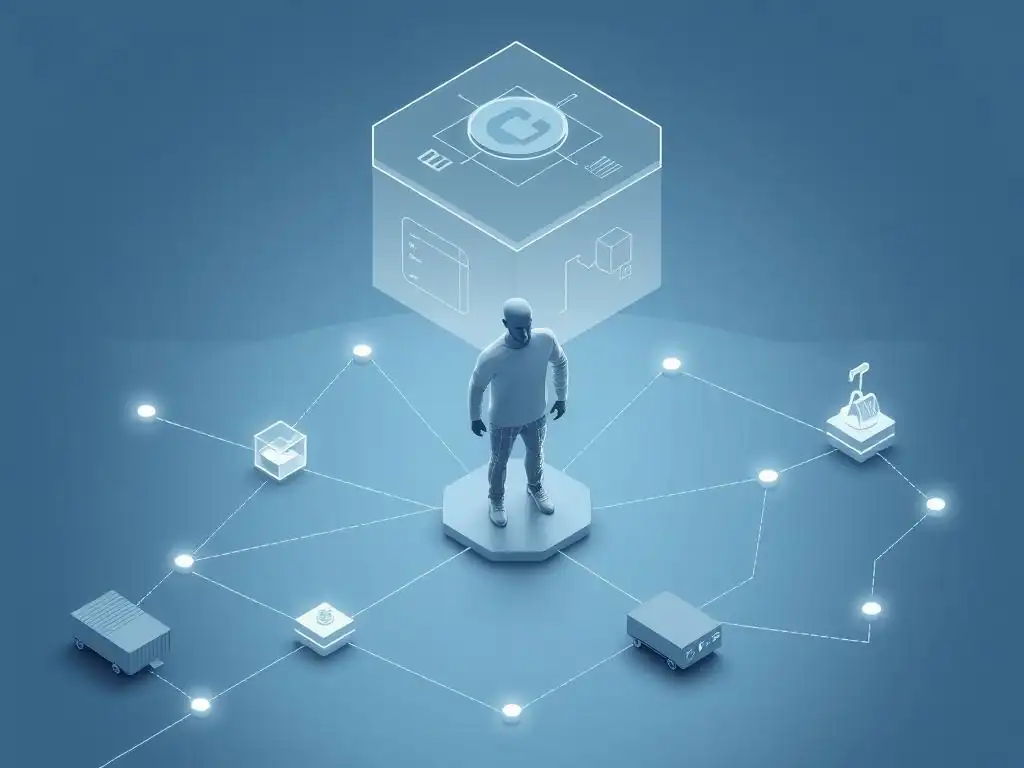
The adoption of blockchain-based decentralized identity solutions offers a multitude of advantages for modern supply chains, transforming how trust, transparency, and efficiency are managed. These benefits extend beyond simple tracking to impact security, regulatory compliance, and operational costs. The fundamental shift from centralized, siloed data to a distributed, verifiable ledger fundamentally alters the dynamics of information sharing and trust among participants in the network.
Leveraging the inherent properties of blockchain—immutability, transparency (to authorized parties), and cryptographic security—decentralized identity provides a robust framework for establishing verifiable provenance and authenticity. This not only builds confidence among businesses transacting with each other but also empowers consumers and regulators with unprecedented access to reliable information about the products they interact with. The advantages collectively contribute to a more resilient, trustworthy, and efficient global supply chain ecosystem built on a verifiable blockchain supply chain identity layer.
Increased Transparency and Traceability Throughout the Supply Chain
One of the most significant benefits of implementing a blockchain supply chain identity system is the dramatic increase in transparency and traceability it provides. By assigning unique DIDs to products or batches and linking verifiable credentials representing each step in their journey (e.g., manufacturing, packaging, shipping, customs clearance) to these DIDs on an immutable ledger, a complete and verifiable history is created. This allows authorized participants to trace the product's path backward to its origin and forward to its destination.
For example, if a food product is linked to a DID, VCs could record details about the farm where ingredients were sourced, the processing plant, quality control checks, transportation routes, and storage conditions. In the event of a food safety issue, investigators can rapidly trace the affected batch back to its source by querying the verifiable credentials associated with its DID on the blockchain, significantly reducing the time and scope of recalls.
Traditional systems might take days or weeks to piece together this information from disparate databases, whereas a well-implemented decentralized system could provide answers in minutes. This level of granular traceability and transparency is a cornerstone of effective blockchain supply chain identity solutions.
Enhanced Security and Reduced Counterfeiting Through Verified Identities
Counterfeiting is a massive global problem, costing industries hundreds of billions of dollars annually and posing significant risks in sectors like pharmaceuticals and aerospace. Blockchain-based decentralized identity offers a powerful defense against this threat by providing a secure and verifiable way to prove the authenticity of products and components. When a genuine product is assigned a unique DID at the point of manufacture and linked to verifiable credentials (like its serial number, production date, or a digital signature from the manufacturer), it creates a cryptographically verifiable identity on the blockchain.
Consumers, retailers, or distributors can then use the product's DID (perhaps via a QR code) to verify these credentials against the immutable record on the ledger. An item claiming to be genuine but lacking the correct, verifiable credentials linked to its DID on the blockchain is highly likely to be counterfeit.
This makes it significantly harder for counterfeiters to introduce fake goods into the supply chain undetected, as they cannot replicate the unique, verifiable blockchain supply chain identity associated with legitimate products. Case studies in luxury goods and pharmaceuticals have shown promising results in pilots using blockchain for product authentication, with some reporting detection rates for fakes increasing significantly.
Improved Efficiency and Reduced Costs Through Automation
Decentralized identity systems can streamline numerous supply chain processes, leading to improved efficiency and reduced operational costs. Many traditional verification processes are manual, time-consuming, and require significant administrative overhead, such as checking physical documents or contacting multiple parties to confirm information. With a blockchain supply chain identity system, the verification of identities and credentials (like certifications, permits, or shipment details) can be automated.
When a shipment arrives at a distribution center, for example, the system can automatically verify the carrier's identity and the shipment's manifest by checking the associated verifiable credentials on the blockchain, rather than relying solely on paper documentation or manual checks. This speeds up receiving processes, reduces paperwork, and minimizes delays. Furthermore, automated verification reduces the risk of errors associated with manual data entry and processing. By reducing the need for intermediaries to facilitate trust and verification, DID can lower transaction costs and accelerate the flow of goods and information through the supply chain.
Streamlined Compliance with Regulations and Standards
Many industries operate under strict regulations and standards regarding product origin, quality, safety, and ethical sourcing. Demonstrating compliance often involves extensive documentation and auditing processes, which can be complex and burdensome in traditional supply chains. A blockchain supply chain identity system can significantly streamline compliance by providing an easily auditable, tamper-proof record of all relevant activities and certifications linked to product and participant DIDs.
Regulators or auditors can be granted permission to view specific verifiable credentials associated with products or companies on the blockchain, instantly verifying compliance with requirements like organic certification, fair trade practices, or adherence to manufacturing standards (e.g., GMP for pharmaceuticals). This reduces the need for time-consuming physical audits and makes it easier to demonstrate adherence to regulations.
For instance, tracking conflict minerals requires verifying the origin at multiple points; a DID system with VCs from certified sources can provide this verifiable proof efficiently. This streamlined approach to compliance saves time and resources for all parties involved and enhances trust with regulatory bodies, building confidence in the overall blockchain supply chain identity framework.
Use Cases: Real-World Applications of Decentralized Identity in Supply Chain
The potential applications of decentralized identity in supply chain management span numerous industries, each benefiting from enhanced transparency, security, and verifiability. While full-scale enterprise adoption is still evolving, pilot programs and initial deployments are demonstrating the tangible benefits of using blockchain supply chain identity to solve specific, pressing problems. These real-world examples highlight how DID can move beyond theoretical discussions to provide practical solutions for complex operational challenges.
From ensuring the safety of the food we eat and the medicines we take to verifying the ethical sourcing of materials and accelerating global trade, DID is proving its value. These use cases showcase the versatility of decentralized identity technology and its potential to create more trustworthy and efficient supply chains across diverse sectors.
Tracking Pharmaceuticals and Preventing Counterfeit Drugs
The pharmaceutical supply chain is particularly vulnerable to counterfeiting, which poses a severe threat to public health. The World Health Organization (WHO) estimates that up to 10% of medical products in low- and middle-income countries are substandard or falsified. Implementing a blockchain supply chain identity solution can combat this by giving each unit or batch of medication a unique DID and linking it to verifiable credentials detailing its manufacturing origin, batch number, expiration date, and handling history (e.g., temperature control VCs during transport).
Pharmacies, hospitals, or even patients could potentially verify the authenticity of a drug by scanning a code linked to its DID and checking the associated VCs on the blockchain. Major pharmaceutical companies and logistics providers are piloting blockchain solutions for drug traceability, driven partly by regulations like the US Drug Supply Chain Security Act (DSCSA).
These pilots aim to create an interoperable system where the blockchain supply chain identity of each drug can be tracked and verified across the network, making it significantly harder for counterfeit drugs to infiltrate the legitimate supply chain and easier to identify and recall suspicious products.
Verifying the Origin and Authenticity of Food Products
Consumers are increasingly demanding transparency about the food they consume, including its origin, ingredients, and how it was produced. Food supply chains are notoriously complex, making it difficult to provide this information reliably using traditional methods. Decentralized identity can provide verifiable proof of provenance and authenticity for food products. For example, a specific cut of meat or a batch of produce could be assigned a DID at the farm.
Verifiable credentials could then be issued at various stages: by the farm attesting to organic practices, by a processor detailing cuts and packaging, by a transporter logging temperature and time, and by a retailer confirming receipt. Consumers could use an app to scan a product's code, resolve its DID on the blockchain, and view relevant VCs, verifying claims about origin (e.g., "Product of X Region"), certifications (e.g., "Certified Organic"), or handling (e.g., "Maintained below 4°C").
This level of verifiable blockchain supply chain identity builds consumer trust and provides rapid traceability in case of foodborne illness outbreaks, allowing for targeted and efficient recalls, potentially saving millions in costs and protecting public health. Some estimates suggest improved traceability can cut recall costs by over 50%.
Managing Sustainable Sourcing and Ethical Labor Practices
Verifying claims of sustainable sourcing, ethical labor practices, or conflict-free materials is a significant challenge in global supply chains. Companies face reputational risks and regulatory pressure to ensure their products are produced responsibly. Decentralized identity provides a mechanism to cryptographically verify these claims directly from the source. For example, in the sourcing of minerals, a mining cooperative could have a DID, and auditors could issue VCs attesting to fair labor practices or environmental compliance.
As minerals are processed and transferred, VCs linked to their batch DID could provide verifiable proof of their chain of custody from certified sources. Similarly, a garment factory could have a DID, and third-party auditors could issue VCs confirming adherence to fair wage standards or safe working conditions.
Buyers further down the chain could verify these VCs on the blockchain, gaining confidence in the ethical origins of the products. This verifiable blockchain supply chain identity for materials and production sites provides a robust audit trail that is difficult to falsify, supporting corporate social responsibility initiatives and enabling consumers to make informed choices based on trusted data.
Streamlining Logistics and Customs Clearance
Logistics and customs processes often involve extensive paperwork and verification steps, leading to delays and increased costs. A decentralized supply chain identity system can streamline these operations by providing verifiable digital identities for shipments, carriers, and goods, along with verifiable credentials for documentation like bills of lading, customs declarations, and permits.
A shipment could be assigned a DID, and carriers, freight forwarders, and customs brokers could issue VCs confirming pickup, location updates, manifest details, and clearance status. Customs officials, granted appropriate permissions, could access and verify these digital credentials on the blockchain, potentially speeding up inspection and clearance processes by reducing the need for manual document handling and verification. Estimates suggest that streamlining customs procedures through digitization could reduce trade costs significantly, potentially by 15-20% in some regions. A verifiable blockchain supply chain identity framework for international shipments could contribute substantially to these efficiencies.
Overcoming Challenges in Implementing Decentralized Identity in Supply Chains
While the benefits of decentralized identity in supply chains are compelling, implementing these solutions on a large scale is not without its challenges. These hurdles range from technical limitations of the underlying blockchain technology to complex issues of data management, interoperability, and the evolving regulatory landscape. Addressing these challenges requires careful planning, collaboration among stakeholders, and continued technological development.
Successfully deploying a blockchain supply chain identity system necessitates finding practical solutions to these technical and non-technical obstacles. Organizations must navigate issues related to network performance, ensuring data privacy while maintaining transparency, connecting disparate systems and platforms, and operating within existing or developing legal frameworks.
Scalability Issues of Blockchain Networks
Many blockchain networks, particularly public ones, face scalability limitations that can hinder their ability to handle the high volume of transactions required by large-scale supply chains. Tracking millions of individual products or recording numerous events (like location updates or quality checks) for each item can generate a massive amount of data and transactions. Early blockchain designs struggled with throughput, often processing only a handful of transactions per second.
While newer platforms and Layer 2 scaling solutions (like rollups or sidechains) have significantly improved performance, ensuring that a chosen blockchain platform can reliably handle the transaction volume of a complex global supply chain remains a key challenge. A system designed to track millions of low-value items might require a different scaling approach than one tracking fewer high-value assets.
Solutions being explored include using permissioned blockchains optimized for enterprise use, leveraging off-chain data storage with on-chain verification (e.g., anchoring VC hashes on the blockchain), or utilizing sharding and other scaling techniques. The chosen approach must ensure that the blockchain supply chain identity system remains performant and cost-effective as transaction volume grows.
Data Privacy and Security Concerns
Although blockchain provides inherent security against tampering, implementing decentralized identity in supply chains raises crucial data privacy concerns, especially under regulations like GDPR. While DIDs themselves can be pseudonymous, the verifiable credentials linked to them often contain sensitive business information (e.g., production volumes, customer details, pricing) or personal data (e.g., information about workers). Storing such sensitive data directly on a public, immutable ledger is often undesirable or legally prohibited.
Addressing this requires careful architectural design. Sensitive data should typically be stored off-chain in secure databases, with only cryptographic proofs or hashes of the data stored on the blockchain as part of the verifiable credential. Selective disclosure techniques, such as Zero-Knowledge Proofs (ZKPs), allow holders to prove they possess a valid credential or that a certain statement about their data is true, without revealing the underlying sensitive information.
Implementing robust access control mechanisms to ensure only authorized parties can request and verify specific VCs is also essential. Balancing the need for transparency and verifiability with strict data privacy requirements is a critical aspect of designing a compliant blockchain supply chain identity solution.
Interoperability Between Different Blockchain Platforms
The blockchain landscape is diverse, with numerous platforms and protocols in use. Supply chains often involve many different companies, each potentially using different technologies or even different blockchain networks. Ensuring that a decentralized supply chain identity system built on one platform can interact and exchange verifiable credentials with systems built on other platforms is a significant interoperability challenge. A manufacturer using Hyperledger Fabric needs to issue VCs that can be verified by a distributor using an Ethereum-based system, for example.
Adherence to open standards, such as the W3C's Decentralized Identifiers (DIDs) and Verifiable Credentials (VCs) specifications, is crucial for promoting interoperability. Building solutions that are compliant with these standards allows for the creation of cross-platform identity layers. Furthermore, developing cross-chain communication protocols or employing intermediary layers that can translate between different blockchain networks can help bridge gaps. Achieving true interoperability is key to realizing the full potential of a global blockchain supply chain identity network, allowing seamless flow of verifiable information regardless of the underlying blockchain technology used by individual participants.
Regulatory Uncertainty and Legal Frameworks
The legal and regulatory landscape surrounding blockchain technology and decentralized identity is still evolving in many jurisdictions. This uncertainty can create challenges for businesses looking to implement blockchain supply chain identity solutions on a large scale. Issues include the legal recognition of DIDs and VCs as valid forms of identity or proof, determining liability in case of errors or misuse, and navigating data residency and sovereignty laws when data is distributed across decentralized networks.
Governments and international bodies are beginning to explore and issue guidance on these topics, but a clear, globally harmonized framework is still some way off. Companies implementing DID solutions must carefully consider the current legal requirements in all relevant jurisdictions where their supply chain operates. Engaging with legal experts and potentially participating in industry consortia working with regulators can help navigate this complex environment. Pilot programs can also serve as valuable opportunities to demonstrate the technology's capabilities to regulators and help inform the development of future legal frameworks supporting verifiable blockchain supply chain identity.
The Future of Decentralized Identity in Supply Chain: Trends and Predictions
The field of decentralized identity is rapidly advancing, and its application within supply chain management is expected to grow significantly in the coming years. Several key trends and technological advancements are poised to shape the future of blockchain supply chain identity, making it even more powerful, integrated, and widely adopted. These developments promise to further enhance the transparency, efficiency, and trustworthiness of global supply networks.
Predicting the exact trajectory of technological adoption is challenging, but current developments point towards increased connectivity, greater standardization, a stronger focus on user control over data, and the emergence of novel financial applications built upon verifiable identities and assets. These trends indicate a move towards more intelligent, automated, and user-centric supply chains underpinned by robust decentralized identity frameworks.
Integration with IoT and Sensor Technology for Real-Time Tracking
A major trend is the convergence of decentralized identity with Internet of Things (IoT) devices and sensors. IoT devices are increasingly used in supply chains to monitor conditions like temperature, humidity, location, and shock. By giving IoT devices their own DIDs and enabling them to issue verifiable credentials directly onto the blockchain supply chain identity system, real-time, tamper-evident data about the condition and location of goods can be automatically recorded and verified.
For example, a temperature sensor in a refrigerated container could issue a VC every hour attesting to the internal temperature, cryptographically signed by the device's DID. This provides verifiable proof of cold chain integrity throughout the journey. Integrating these real-time data streams via VCs linked to product or shipment DIDs creates a dynamic, constantly updated, and verifiable digital twin of the physical supply chain. This level of automated, trustworthy data collection enhances monitoring, enables predictive analytics, and provides irrefutable evidence in case of disputes related to handling conditions.
Adoption of Interoperable DID Standards for Seamless Data Exchange
The continued adoption and maturation of open standards like W3C DIDs and VCs are critical for achieving widespread interoperability across different blockchain platforms and identity systems. As more organizations build their decentralized supply chain identity solutions based on these standards, the ability for different systems to understand and exchange verifiable credentials seamlessly will dramatically improve.
This increased interoperability will break down data silos between different companies and even different industries within the supply chain ecosystem. A VC issued by a raw material supplier in one country using Platform A could be easily verified by a manufacturer in another country using Platform B, as long as both adhere to the same DID and VC standards. This seamless data exchange is fundamental to creating a truly interconnected and transparent global network built on verifiable blockchain supply chain identity, allowing information to flow freely and reliably where needed.
Increased Focus on Data Privacy and User Control
As decentralized identity systems become more prevalent, there will be a growing emphasis on enhancing data privacy features and giving participants greater control over their information. While blockchain offers transparency, the development of privacy-preserving technologies like Zero-Knowledge Proofs will become more integrated into DID solutions.
This will allow businesses and individuals in the supply chain to selectively reveal only the necessary information to verify a claim without exposing sensitive underlying data. For example, a supplier might prove they meet a certain quality threshold without revealing proprietary details about their manufacturing process.
Furthermore, the self-sovereign nature of DID means that entities have more control over their digital identities and credentials, deciding who they share information with and under what conditions. This focus on privacy and user control is essential for building trust and encouraging broader adoption of blockchain supply chain identity solutions, particularly in regions with strict data protection regulations.
The Rise of Decentralized Supply Chain Finance
A fascinating future trend is the convergence of decentralized identity and supply chain finance. By creating verifiable identities for assets (products, invoices) and participants (companies, suppliers) on a blockchain, it becomes possible to build decentralized finance (DeFi) applications directly integrated with the supply chain.
For example, a verifiable credential proving shipment of goods linked to a company's DID could automatically trigger a payment or enable invoice financing on a DeFi platform. The verifiable blockchain supply chain identity of goods and participants provides the necessary trust anchor for automated financial transactions. This could unlock liquidity for small and medium-sized enterprises (SMEs) in the supply chain, reduce reliance on traditional financial intermediaries, and streamline payment and financing processes based on real-time, verifiable supply chain events. This represents a powerful potential application where verifiable identity directly fuels financial innovation within the supply chain context.
Conclusion: Embracing Blockchain Supply Chain Identity for a More Transparent Future
The challenges of traditional supply chain identity management—lack of trust, opacity, inefficiency, and vulnerability to fraud—are significant hurdles in today's global economy. Decentralized Identity, powered by blockchain technology, offers a powerful and transformative solution to these problems. By providing a framework for creating self-sovereign, verifiable, and tamper-proof identities for participants and assets, DID lays the foundation for a new era of transparency, security, and efficiency in supply chain operations.
The ability to cryptographically verify the origin, authenticity, and handling of goods at every step, combined with the power to verify the credentials of every party involved, addresses the root causes of many supply chain issues. While implementation requires careful planning, technical expertise, and collaboration to overcome challenges like scalability, privacy, and interoperability, the potential rewards are substantial. Industries from pharmaceuticals and food to logistics and manufacturing stand to gain immensely from adopting a robust blockchain supply chain identity system.
The Potential of DID to Transform Supply Chain Management
The potential of Decentralized Identity to revolutionize supply chain management is immense. It moves beyond simple track-and-trace by creating a verifiable layer of trust that permeates the entire network.
Imagine a supply chain where every product's journey is recorded as a series of verifiable credentials linked to its unique DID, where every supplier's certification is instantly verifiable on a distributed ledger, and where every transaction leaves an immutable, attributable record. This level of verifiable blockchain supply chain identity creates unprecedented transparency, making it significantly harder to introduce counterfeit goods, easier to identify and rectify issues, and faster to comply with regulations.
DID empowers participants by giving them control over their digital identities and the ability to selectively share verifiable proofs. It enables automated verification processes that reduce costs and increase speed. Furthermore, it builds consumer trust by allowing verifiable claims about product origin and ethical sourcing. As the technology matures and standards become more widely adopted, decentralized identity will become an increasingly integral part of the digital infrastructure underpinning global trade, moving us towards supply chains that are not only more efficient but fundamentally more trustworthy and resilient.
Call to Action: Exploring and Implementing DID Solutions
For organizations involved in supply chain management, the time to explore the potential of decentralized identity is now. While the journey involves navigating technical and organizational complexities, the strategic advantages of enhanced transparency, security, and efficiency are clear. Begin by understanding your specific identity and traceability needs and evaluating how a blockchain supply chain identity solution aligns with your business goals.
Engage with technology providers and industry consortia that are developing and piloting DID solutions for supply chains. Consider starting with a pilot program focused on a specific product line, supply chain segment, or a critical challenge like anti-counterfeiting or compliance. Gaining hands-on experience with the technology, understanding its benefits and limitations in your specific context, and collaborating with partners are crucial first steps towards embracing the future of verifiable supply chains powered by decentralized identity. Investing in blockchain supply chain identity is an investment in a more transparent, secure, and efficient future for global commerce.
Frequently Asked Questions
How can blockchain-based decentralized identity improve supply chain transparency?
Blockchain allows for the creation of immutable records of identity data, providing enhanced visibility across the entire supply chain. This reduces fraud and ensures authenticity of goods and actors.
What are the main benefits of using decentralized identity for traceability in supply chains?
Decentralized identity enables end-to-end traceability by securely linking products to their origin and tracking their movement. This increases trust and allows for rapid identification of issues like counterfeit products.
What are some practical examples of how decentralized identity is being used in supply chain management today?
Examples include tracking pharmaceuticals to prevent counterfeiting, verifying the origin of ethically sourced materials, and streamlining customs processes through verified digital identities.
What are the key challenges to implementing decentralized identity solutions in supply chains?
Challenges include integration with existing systems, ensuring data privacy and security, and achieving widespread adoption among all stakeholders in the supply chain.
How does decentralized identity contribute to regulatory compliance in supply chain management?
Decentralized identity provides a verifiable and auditable trail of identity information, which can help businesses meet regulatory requirements related to product origin, safety, and ethical sourcing, leading to improved compliance.
Final Reflection: Embracing Trust in a Decentralized Future
The exploration of decentralized identity within supply chain management reveals a powerful truth: transparency and trust are no longer optional, but essential for a resilient and ethical global economy. The potential of blockchain to revolutionize how we track and verify goods, from origin to consumer, is not just a technological advancement; it's a fundamental shift towards accountability and consumer empowerment.
The promise of decentralized identity resonates deeply because it addresses a core human need: the ability to trust the products we consume and the systems that deliver them. This technology offers a pathway to rebuild trust in an era where misinformation and opaque supply chains erode consumer confidence. Trust is the glue of life. It's the most essential ingredient in effective communication. It's the foundational principle that holds all relationships together.
- Stephen Covey. This quote underscores the vital role trust plays, and decentralized identity offers a mechanism to rebuild that trust in the complex world of supply chains.
As we move forward, let us not only embrace the technological advancements of blockchain and decentralized identity, but also the ethical imperative they represent. Consider how you, as a consumer, a business owner, or a policymaker, can champion transparency and traceability in your own sphere of influence. Let us collectively build a future where trust is not a luxury, but the very foundation of our global supply chains.
Unleash Supply Chain Transparency Now!
Thank you for exploring how decentralized identity is transforming supply chain management. You've gained valuable insights into improving traceability and building trust. Now, it's time to put that knowledge into action.
Here’s how you can contribute to a more transparent future:
- Explore a use case: Identify a specific challenge within your organization or industry where decentralized identity could offer a solution. Focus on practical applications and potential benefits.
- Share your insights: Discuss this topic and its potential impact with your professional network on platforms like LinkedIn or Twitter, using the hashtag #BlockchainSupplyChain.
- Contribute your expertise: If you have experience working with decentralized identities in supply chain management, share your stories and insights in the comments below to help others learn and grow.
What small step can you take today to explore the potential of decentralized identity in your supply chain?
Leave a Reply