
The Evolution of Digital Identity: From Passports to SelfSovereign Solutions

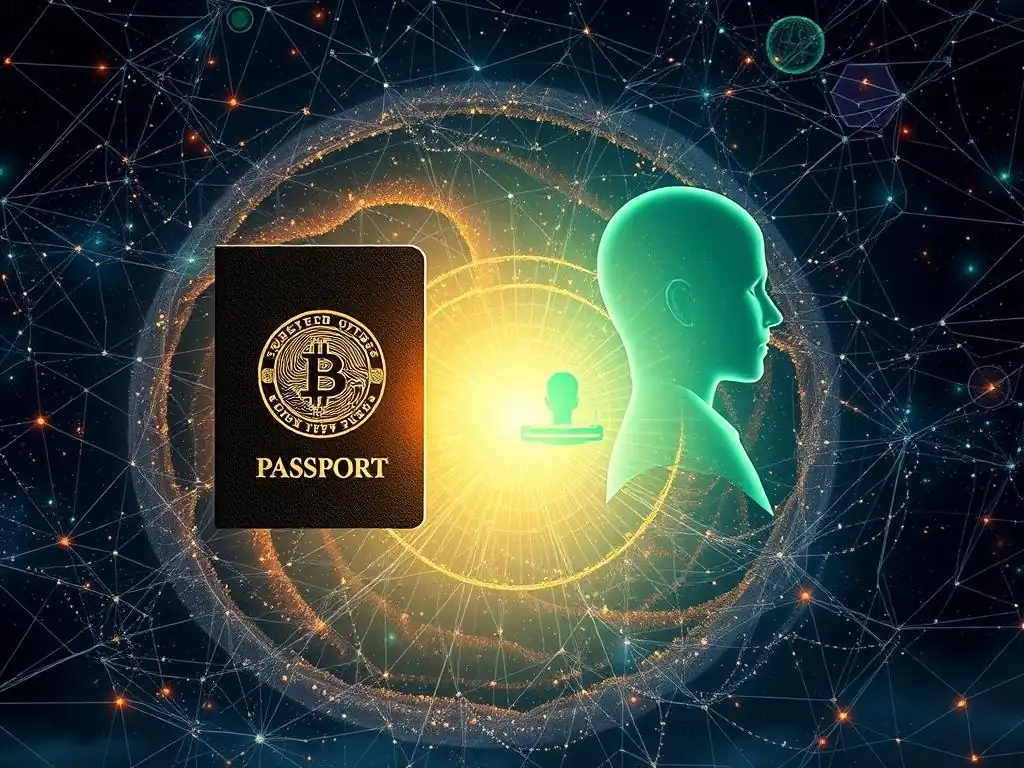
Welcome to Blockchain Trends, your gateway to understanding the evolving landscape of blockchain technology. Beyond the buzz of cryptocurrencies, we delve into the real-world applications shaping our future. Are you ready to explore the transformative potential of decentralized systems? Our latest article explores the exciting future of blockchain digital identity solutions, uncovering how they're revolutionizing the way we prove who we are online. Discover the possibilities and the challenges – the journey starts here!
The Evolution of Digital Identity: From Passports to Self-Sovereign Solutions
- Introduction: Understanding the Need for Modern Digital Identity
- From Physical Documents to Centralized Digital IDs
- The Blockchain Revolution: Decentralizing Digital Identity
- Self-Sovereign Identity (SSI): The Future of Digital Ownership
- Blockchain Digital Identity Solutions: Use Cases and Applications
- Current Blockchain Digital Identity Solutions Landscape
- Challenges and Opportunities in Blockchain-Based Digital Identity
- The Future of Blockchain Digital Identity Solutions
- Conclusion: Embracing the Future of Self-Sovereign Digital Identity
-
Frequently Asked Questions
- What are the key limitations of current, centralized digital identity systems?
- How does blockchain technology enhance digital identity management?
- What is self-sovereign identity (SSI) and how does it relate to blockchain digital identity solutions?
- What are some potential enterprise applications of blockchain-based digital identity solutions?
- What does the future hold for blockchain digital identity solutions?
- Final Reflection: Embracing the Future of Identity
- Unveil Your Self-Sovereign Future!
Introduction: Understanding the Need for Modern Digital Identity
The Limitations of Traditional Identity Systems
Traditional identity systems, built upon physical documents like passports and driver's licenses, face significant limitations in the digital age. These systems are inherently centralized, requiring individuals to carry physical proof of identity and present it repeatedly for verification across various services. This process is often cumbersome, prone to fraud through counterfeiting or theft, and lacks the flexibility required for seamless digital interactions. Furthermore, verifying the authenticity of physical documents can be time-consuming and labor-intensive for organizations, leading to inefficiencies and increased operational costs.
Moreover, the reliance on centralized authorities to issue and verify these physical identities creates single points of failure and potential vulnerabilities. If a government database is compromised, millions of identities could be at risk. The lack of a globally interoperable standard also poses challenges for international travel and cross-border digital transactions, necessitating complex verification processes that hinder global commerce and personal mobility. The need for a more secure, efficient, and globally recognized form of digital identity has become increasingly apparent as our lives move online.
The Rise of Digital Identity: A Necessary Evolution
As the world becomes increasingly interconnected through digital platforms, the need for a robust, secure, and universally recognized form of digital identity has moved from a convenience to a necessity. From accessing online banking and e-commerce to interacting with government services and participating in social networks, a verified digital presence is essential.
The evolution towards digital identity is driven by the demand for greater efficiency, enhanced security, and a more user-centric approach to identity management in the digital realm. Early forms of digital identity, often tied to specific service providers or relying on centralized databases, highlighted both the potential and the significant challenges in this transition.
This evolution is not merely about digitizing existing physical documents; it's about fundamentally rethinking how identity is asserted, verified, and managed in a decentralized digital landscape. The goal is to create a system that is resilient against fraud, protects user privacy, and facilitates trusted interactions online. Exploring blockchain digital identity solutions represents a significant leap forward in addressing the shortcomings of previous digital identity models and paving the way for a more secure and empowering future.
From Physical Documents to Centralized Digital IDs
Passports and Driver's Licenses: The Foundation of Identity
For centuries, physical documents such as passports, birth certificates, and driver's licenses have served as the cornerstone of identity verification. These documents, issued by trusted authorities like national governments, provide a standardized way to prove who a person is for various civil, legal, and commercial purposes.
They contain key identifying information like name, date of birth, photograph, and often biometric data, serving as a portable, albeit physical, form of identity that is widely accepted across borders and institutions. The reliance on these documents is deeply ingrained in societal processes, forming the basis for everything from opening bank accounts to voting in elections.
While foundational, these physical documents present considerable limitations in a digital-first world. They are susceptible to loss, damage, and fraudulent alteration. The process of verifying their authenticity often requires manual inspection or complex database checks, which can be slow and inefficient. Furthermore, individuals must repeatedly present these documents, sharing sensitive personal information with numerous entities, increasing the risk of data misuse or theft. The transition to digital forms of identity is partly driven by the need to overcome these inherent inefficiencies and security risks associated with purely physical identity proofs.
Centralized Databases: Early Attempts at Digital Identity Management
Early attempts to create digital identity systems often involved centralizing identity information in large databases managed by governments or major corporations. Examples include national identity card databases, credit reporting agency databases, or large-scale customer relationship management (CRM) systems. These systems aimed to provide a single point of truth for verifying identity online or through digital channels, enabling services like online banking verification or digital access to government portals. The convenience of not having to present physical documents for every interaction was a primary driver for these developments.
However, these centralized databases quickly revealed significant drawbacks. They became attractive targets for cybercriminals, with data breaches potentially exposing millions of sensitive records. High-profile incidents, such as the Equifax data breach in 2017 affecting approximately 147 million people, highlighted the extreme risks associated with storing vast amounts of personal data in one location.
Furthermore, individuals had little control over how their data was used or shared across different entities accessing the database, leading to privacy concerns and a lack of trust in the system. This demonstrated the need for a more secure and privacy-preserving approach to digital identity, which is where blockchain digital identity solutions offer a compelling alternative.
Challenges with Centralized Digital Identity: Security and Privacy Concerns
The fundamental architecture of centralized digital identity systems creates inherent security and privacy vulnerabilities. By consolidating vast amounts of personal data in single repositories, these systems become prime targets for malicious actors. A successful cyberattack can compromise the identities of millions, leading to financial fraud, identity theft, and significant reputational damage for the managing entity. Protecting these honey pots of data requires immense resources and sophisticated security measures, which are still often overcome by determined attackers. The risk is compounded by the potential for insider threats or accidental data leaks.
Beyond security, centralized systems raise profound privacy concerns. Individuals often have limited visibility into who accesses their data, for what purpose, and when. Consent mechanisms can be weak or non-existent, leading to unauthorized sharing and use of personal information.
This lack of control erodes user trust and limits the potential for individuals to manage their own digital footprint effectively. The push towards decentralized models, particularly those leveraging blockchain technology, is a direct response to these critical security and privacy challenges posed by centralized digital identity management. Future blockchain digital identity solutions aim to flip this model, giving control back to the individual.
The Blockchain Revolution: Decentralizing Digital Identity
Blockchain Technology: A New Paradigm for Identity Management
Blockchain technology, initially popularized by cryptocurrencies like Bitcoin, introduces a fundamentally new paradigm for managing digital information, one that is particularly suited for identity. Instead of storing data in a single, centralized database, blockchain utilizes a distributed ledger technology where data is recorded across a network of computers. Each new record (block) is cryptographically linked to the previous one, forming an immutable chain. This distributed and immutable nature makes it incredibly difficult and computationally expensive for any single party to alter or delete records without the consensus of the network, thereby enhancing security and trust.
In the context of identity, blockchain allows for the creation of tamper-evident records related to identity attributes or credentials without necessarily storing the sensitive personal data itself on the public chain. Instead, the blockchain can serve as a secure, shared layer for verifying the existence and validity of credentials issued by trusted parties. This shifts the power dynamic from centralized authorities holding all the data to individuals holding their own identity information, with the blockchain providing the trust layer for verification. This decentralized approach is a cornerstone of future blockchain digital identity solutions.
Key Features of Blockchain for Identity: Security, Transparency, and Immutability
Blockchain technology offers several key features that make it highly relevant for digital identity solutions. Firstly, its inherent security comes from cryptographic principles and the distributed nature of the ledger. Data recorded on a blockchain is secured using complex algorithms, making it resistant to tampering.
Unlike centralized databases, there is no single point of failure for attackers to target. Secondly, while sensitive personal data might be stored off-chain or encrypted, the transparency of the blockchain ledger (for public blockchains) allows participants to verify transactions and the integrity of the data structure, fostering trust among disparate parties without needing a central intermediary.
Thirdly, the immutability of the blockchain means that once a record is added and validated by the network, it is virtually impossible to alter or delete it. This is crucial for identity-related events, such as the issuance or revocation of a credential. It provides an auditable trail of identity-related transactions, adding a layer of trust and accountability. These features—security, transparency (where appropriate), and immutability—form the technical bedrock upon which robust and privacy-preserving blockchain digital identity solutions are being built, promising a more reliable and trustworthy identity layer for the internet.
Self-Sovereign Identity (SSI): The Future of Digital Ownership
What is Self-Sovereign Identity (SSI)? Definition and Core Principles
Self-Sovereign Identity (SSI) is a model for digital identity that gives individuals control over their digital identities and how their personal data is used. Unlike traditional or centralized digital identity systems where identity is managed by issuing authorities (like governments or corporations), SSI puts the individual at the center. The core principle is that individuals should own and control their digital identity, free from reliance on any single administrative authority. This model leverages decentralized technologies, most commonly blockchain, to create a secure, verifiable, and user-controlled system.
Key principles of SSI include:
- Control: Users own and control their identity.
- Access: Users can access their data without permission from an administrator.
- Transparency: All transactions on the underlying network are transparent and auditable.
- Persistence: The identity exists as long as the user wants it to.
- Portability: The identity can be used across different contexts and applications.
- Consent: Users must give explicit consent for data sharing.
- Minimization: Users share only the necessary data for a specific transaction.
- Protection: User data is protected and secured.
These principles collectively aim to create a user-centric identity system that enhances privacy, security, and user autonomy, representing the leading edge of blockchain digital identity solutions future developments.
User Control and Data Privacy: Empowering Individuals
A cornerstone of Self-Sovereign Identity is the emphasis on user control and data privacy. In an SSI model, individuals store their identity data and credentials securely, often in a digital wallet on their device. When proof of identity is required, the individual chooses which specific pieces of information to share and with whom. This contrasts sharply with traditional methods where an individual might present a driver's license (containing age, address, photo, etc.) just to prove they are over 18, revealing far more information than necessary. With SSI, a user could present a minimal, verifiable credential confirming only their age.
This granular control over data sharing is transformative for privacy. It minimizes the amount of personal data circulating in the digital ecosystem and significantly reduces the attack surface for identity theft. Users are empowered to manage their digital footprint, decide who can access their information, and revoke access when necessary. This shift from institution-centric to user-centric identity management is a critical aspect of the future of blockchain digital identity solutions, promising a more secure and privacy-respecting online experience.
Verifiable Credentials: Enabling Trustless Interactions
Verifiable Credentials (VCs) are a key component of Self-Sovereign Identity systems, enabling trusted interactions without relying on a central authority for verification. A VC is a tamper-evident piece of information issued by a trusted entity (an "Issuer"), such as a university issuing a degree, a government issuing a driver's license, or an employer issuing proof of employment. This credential is cryptographically signed by the Issuer and stored securely by the individual (the "Holder"), often in a digital wallet.
When the individual needs to prove something to a third party (a "Verifier"), they can selectively share the relevant VC. The Verifier can then cryptographically verify three things: that the credential was issued by the stated Issuer, that it has not been tampered with since issuance, and that the individual presenting it is indeed the Holder.
This verification process can happen instantly and without the Verifier needing to contact the Issuer or access a central database, enabling "trustless" (in the sense of not requiring trust in a single entity) and efficient verification. This framework of Issuers, Holders, and Verifiers, underpinned by blockchain technology for anchoring trust and managing decentralized identifiers (DIDs), is fundamental to the functionality and future of blockchain digital identity solutions based on SSI.
Blockchain Digital Identity Solutions: Use Cases and Applications

Supply Chain Management: Verifying Product Authenticity
Blockchain digital identity solutions are proving invaluable in supply chain management, particularly for verifying the authenticity and provenance of goods. By assigning unique digital identities (often linked to Decentralized Identifiers or DIDs) to products, components, or even shipments, their journey through the supply chain can be recorded on a blockchain. Each transfer of ownership, quality check, or location update can be registered as a verifiable credential issued by the party responsible for that step.
Consumers or businesses can then scan a QR code on a product and trace its entire history back to its origin, verifying its authenticity and ensuring it hasn't been tampered with. For example, luxury goods manufacturers or pharmaceutical companies are exploring these solutions to combat counterfeiting, a global problem costing billions annually. A blockchain-based identity for a specific medicine batch could allow pharmacists or patients to verify its legitimacy directly with the manufacturer's credential on the chain, significantly improving safety and trust in the supply chain.
Healthcare: Secure and Private Patient Data Management
In healthcare, managing patient data securely while ensuring accessibility for authorized parties is a critical challenge. Blockchain digital identity solutions offer a path towards a patient-centric model where individuals control access to their medical records. Using SSI, a patient could hold verifiable credentials representing their medical history, lab results, prescriptions, and insurance information in a digital wallet.
When visiting a new doctor or specialist, the patient could grant them temporary, granular access to specific parts of their record needed for diagnosis or treatment. This eliminates the need for faxing records, reduces administrative burden, and ensures privacy by minimizing data exposure. Furthermore, researchers could request anonymized or aggregated data access based on specific criteria, with the patient's explicit consent recorded on the blockchain, facilitating medical advancements while upholding privacy. The potential for improving data accuracy, reducing medical errors, and empowering patients makes this a significant area for future blockchain digital identity solutions.
Financial Services: Streamlining KYC and AML Processes with Blockchain Identity
Financial institutions face stringent Know Your Customer (KYC) and Anti-Money Laundering (AML) regulations, which often involve cumbersome and repetitive identity verification processes for customers. Blockchain digital identity solutions, particularly those based on SSI, can significantly streamline these operations. Instead of each bank or financial service provider independently collecting and verifying identity documents, a customer could undergo a single verification process with a trusted identity provider.
Upon successful verification, the provider issues verifiable credentials (e.g., "Identity Verified," "Address Confirmed," "Accredited Investor Status"). The customer stores these VCs in their digital wallet. When opening a new account or engaging with a financial service, the customer simply presents the necessary VCs.
The financial institution can cryptographically verify these credentials against the issuer's public key on the blockchain, instantly confirming the customer's identity without needing to re-collect sensitive documents. This can reduce onboarding time from days to minutes, lower operational costs, and enhance security by minimizing the storage of sensitive data by multiple entities. The future of blockchain digital identity solutions in finance lies in creating a portable, user-controlled identity that simplifies compliance and enhances user experience.
Government Services: Enhancing Citizen Identity and Service Delivery
Governments are exploring blockchain digital identity solutions to improve the efficiency, security, and accessibility of citizen services. Issuing digital identities or verifiable credentials for citizens could transform interactions with public services. A government could issue a digital ID card, birth certificate, or driver's license as verifiable credentials held by the citizen.
Citizens could then use these credentials to access services online (like filing taxes, applying for benefits, or voting) without needing to visit physical offices or repeatedly submit physical documents. For example, applying for a permit might only require presenting a VC proving residency and age, instead of a full identity document.
This not only makes services more convenient for citizens but also reduces administrative overhead and potential for fraud for the government. While implementing such systems on a national scale is complex, the potential for creating a more efficient, secure, and citizen-centric digital government is a key driver for the future of blockchain digital identity solutions in the public sector.
Current Blockchain Digital Identity Solutions Landscape
Leading Blockchain Platforms for SSI Development
Several blockchain platforms are emerging as prominent choices for building Self-Sovereign Identity solutions. Ethereum, with its robust smart contract capabilities, has been a popular choice, allowing for the creation of decentralized identity protocols and the anchoring of DIDs and verifiable credential schemas. Hyperledger Fabric, a permissioned blockchain framework, is often favored for enterprise-level identity solutions where participants are known and regulated, offering higher transaction throughput and privacy compared to public chains.
Other platforms like Sovrin, specifically designed for decentralized identity, and newer protocols built on blockchains like Polygon or Polkadot are also gaining traction. The choice of platform often depends on the specific requirements of the identity solution, such as the need for public verifiability, transaction speed, cost, and regulatory considerations. The variety of platforms reflects the dynamic nature of the blockchain digital identity solutions future, with ongoing innovation in scalability, interoperability, and privacy features.
Key Players in the Self-Sovereign Identity Space
The Self-Sovereign Identity space involves a diverse ecosystem of players, including technology companies, identity startups, standards bodies, and government initiatives. Companies like Microsoft, IBM, and Accenture are actively involved in developing and implementing enterprise-grade SSI solutions, often leveraging platforms like Hyperledger or their own identity networks. Startups like Civic, Evernym (now part of Avast), and uPort have been pioneers in developing SSI wallets, identity protocols, and verifiable credential platforms.
Standardization bodies like the Decentralized Identity Foundation (DIF) and the W3C (World Wide Web Consortium) are crucial for developing open standards for DIDs and Verifiable Credentials, ensuring interoperability between different SSI solutions. Governments and international organizations are also exploring SSI use cases, funding pilot projects, and contributing to policy discussions around decentralized identity. This collaborative landscape of technology providers, standard setters, and potential users is essential for the widespread adoption of blockchain digital identity solutions.
Examples of Successful SSI Implementations
While SSI is still maturing, several pilot projects and early implementations demonstrate its potential. In Canada, the Pan-Canadian Trust Network is exploring how provinces and private sector partners can issue and verify digital credentials using decentralized identity principles. In Europe, initiatives aligned with the eIDAS regulation are exploring the potential for verifiable credentials to facilitate cross-border digital interactions.
Specific examples include projects focused on issuing verifiable credentials for academic degrees, professional certifications, or proof of employment. For instance, some universities are piloting issuing digital diplomas as VCs that students can share with potential employers. Similarly, projects in the financial sector are testing the use of VCs for streamlined KYC processes. While not always at full national scale, these implementations highlight the practical feasibility and benefits of adopting blockchain digital identity solutions for specific use cases, providing valuable lessons for future deployments.
Challenges and Opportunities in Blockchain-Based Digital Identity
Scalability and Interoperability: Overcoming Technical Hurdles
One of the primary technical challenges for widespread blockchain digital identity solutions is ensuring scalability. Public blockchains, while offering high security and decentralization, can face limitations in transaction throughput (transactions per second) and transaction costs (gas fees), which could be prohibitive for systems requiring millions of daily identity verifications. Permissioned or private blockchains can offer higher performance but may sacrifice some degree of decentralization. Developing Layer 2 scaling solutions and more efficient consensus mechanisms is crucial for handling the volume of identity transactions required globally.
Interoperability is another significant hurdle. For SSI to be truly effective, credentials issued on one platform or network must be verifiable by entities using different platforms or wallets. This requires adherence to common open standards, such as those defined by the W3C for DIDs and VCs. Ensuring seamless communication and trust between different identity ecosystems is vital for the future of blockchain digital identity solutions, allowing individuals to use their digital identity across diverse services and jurisdictions without friction.
Navigating the complex and evolving regulatory landscape is a major challenge for blockchain digital identity solutions. Identity is a highly regulated area, involving laws related to privacy (like GDPR, CCPA), data protection, electronic signatures, and specific industry regulations (e.g., KYC/AML in finance, HIPAA in healthcare). Current regulations are often designed around centralized identity models and may not easily accommodate decentralized, user-controlled systems.
Legal clarity is needed on issues such as the legal status of verifiable credentials, the liability of issuers and verifiers, and how data subject rights (like the right to be forgotten) apply in a system designed for immutability. SSI solutions must be designed in a way that complies with existing laws while also advocating for regulatory frameworks that support decentralized identity. The success of future blockchain digital identity solutions will depend heavily on finding a balance between innovation and regulatory requirements, potentially requiring new legal interpretations or legislative changes.
User Adoption and Education: Driving Widespread Implementation
Achieving widespread user adoption is perhaps the biggest non-technical challenge for blockchain digital identity solutions. For SSI to become the default identity model, billions of people need to understand its benefits, trust the technology, and be willing to switch from familiar, albeit flawed, traditional methods. This requires significant user education on concepts like digital wallets, private keys, verifiable credentials, and the principles of self-sovereignty.
Designing user-friendly interfaces and intuitive experiences is paramount. Digital identity wallets must be as easy to use as physical wallets, and the process of obtaining, storing, and sharing credentials must be simple and secure for non-technical users. Building trust through successful pilot programs and demonstrating tangible benefits—like reduced friction in transactions, enhanced privacy, and greater control—will be key to driving adoption. Overcoming inertia and fostering a public understanding of decentralized identity are critical steps towards realizing the potential of blockchain digital identity solutions future implementations.
The Future of Blockchain Digital Identity Solutions
The Convergence of Blockchain, AI, and Biometrics
The future of blockchain digital identity solutions lies in the convergence of blockchain with other cutting-edge technologies like Artificial Intelligence (AI) and biometrics. AI can play a role in enhancing identity verification processes, detecting fraudulent credential requests, or analyzing patterns of identity usage for security purposes, all while interacting with verifiable credentials anchored on a blockchain. For instance, AI could assist in verifying the liveness and authenticity of a user during onboarding using facial recognition against a verifiable biometric credential.
Biometrics, such as fingerprint, facial, or iris recognition, offer a secure and convenient way for individuals to authenticate themselves and access their digital identity wallet or specific credentials. When combined with blockchain, biometric data itself is typically not stored on the chain but used locally to unlock access to private keys or verifiable credentials held by the user.
The blockchain provides the secure, tamper-evident layer for managing the relationship between a user's decentralized identifier (DID) and the verifiable credentials linked to their identity, with biometrics serving as a strong authentication factor. This convergence promises highly secure, user-friendly, and intelligent identity systems.
The Potential Impact on the Internet of Things (IoT)
The Internet of Things (IoT) is another area where blockchain digital identity solutions are poised to have a significant impact. As the number of connected devices explodes—from smart home appliances to industrial sensors—securely identifying and authenticating these devices and their interactions becomes critical. Centralized approaches are not scalable for billions or trillions of devices and create massive security vulnerabilities.
SSI principles, applied to things, can allow devices to have their own decentralized identifiers and verifiable credentials. A sensor, for example, could present a VC proving its manufacturer, calibration date, and ownership to a network. This enables secure, peer-to-peer communication and data exchange between devices without relying on a central broker. It also facilitates automated processes like supply chain tracking (devices reporting location/condition) or smart contracts executing based on verifiable data feeds from trusted IoT devices. The future of blockchain digital identity solutions extends beyond humans to encompass the secure and verifiable identity of every connected 'thing'.
Predictions for the Future of Decentralized Identity Management
Looking ahead, several predictions can be made about the future of decentralized identity management powered by blockchain. Firstly, we will likely see increasing adoption of verifiable credentials across various sectors, starting with specific high-value use cases like professional licensing, academic records, and corporate identity verification before moving to broader consumer applications. Secondly, the underlying blockchain infrastructure will become more scalable and interoperable, potentially through Layer 2 solutions, cross-chain protocols, and wider adoption of open standards like W3C DIDs and VCs.
Thirdly, regulatory frameworks will begin to evolve to better accommodate decentralized identity models, providing clearer guidelines for businesses and individuals. Finally, the concept of digital identity will become increasingly user-centric, with individuals having greater control and privacy over their personal data than ever before. The long-term vision for blockchain digital identity solutions future is a world where identity is a utility controlled by the individual, enabling seamless, secure, and privacy-preserving interactions across the entire digital and physical world.
Conclusion: Embracing the Future of Self-Sovereign Digital Identity
The Transformative Potential of Blockchain for Identity
The journey from physical identity documents to centralized digital IDs has highlighted the critical need for a more secure, private, and user-controlled approach. Blockchain technology offers a transformative pathway to achieve this through Self-Sovereign Identity. By providing a decentralized, immutable, and tamper-evident ledger, blockchain enables the creation, management, and verification of identity attributes and credentials in a fundamentally new way. This shifts power from institutions to individuals, empowering users with unprecedented control over their personal data and digital interactions.
The potential applications of blockchain digital identity solutions are vast and impactful, spanning finance, healthcare, supply chain, government services, and beyond. From streamlining cumbersome processes like KYC/AML to enabling secure and private sharing of sensitive medical records, SSI promises significant improvements in efficiency, security, and user experience. Embracing this technology is not just about technical innovation; it's about fundamentally changing how we think about and manage identity in the digital age, laying the groundwork for a more trustworthy and equitable online world.
The Importance of Continued Innovation and Collaboration
Realizing the full potential of Self-Sovereign Identity and ensuring the success of future blockchain digital identity solutions requires continued innovation and broad collaboration. Technical challenges related to scalability, interoperability, and user experience must be addressed through ongoing research and development. Furthermore, the ecosystem needs to work together to refine and adopt open standards that ensure different SSI solutions can work together seamlessly across various platforms and jurisdictions.
Collaboration between technology providers, businesses, governments, and individuals is essential to navigate the regulatory landscape, build trust, and drive widespread user adoption. Education initiatives are needed to inform the public about the benefits and responsibilities associated with self-sovereign identity. By fostering an environment of innovation, standardization, and collaboration, we can accelerate the transition to a future where individuals truly own and control their digital identities, unlocking the full transformative potential of blockchain digital identity solutions.
Frequently Asked Questions
What are the key limitations of current, centralized digital identity systems?
Current systems often suffer from security vulnerabilities, are prone to data breaches, and give users limited control over their personal information.
How does blockchain technology enhance digital identity management?
Blockchain offers increased security through cryptography, enables decentralized control for users, and promotes greater transparency and auditability.
What is self-sovereign identity (SSI) and how does it relate to blockchain digital identity solutions?
SSI empowers individuals to own and control their digital identities, using blockchain to create verifiable credentials that are independent of central authorities. It is a key application of blockchain in this area.
What are some potential enterprise applications of blockchain-based digital identity solutions?
Enterprises can leverage them for streamlined KYC/AML processes, secure supply chain management, and improved employee identity verification, boosting efficiency and security.
What does the future hold for blockchain digital identity solutions?
The future promises wider adoption, interoperability between different blockchain networks, and the integration of biometric authentication for even greater security and usability.
Final Reflection: Embracing the Future of Identity
The journey through the evolution of digital identity, from its rudimentary beginnings with physical passports to the nascent promise of self-sovereign solutions, reveals a profound shift in power dynamics. This evolution is not merely technological; it's a fundamental reshaping of how we interact with the digital world and control our personal data. The need for secure, user-centric, and privacy-respecting identity solutions has never been more critical, especially as we navigate an increasingly interconnected and data-driven society.
The promise of blockchain digital identity solutions lies in their potential to empower individuals, granting them unprecedented control over their personal information. This paradigm shift is not just about convenience; it's about reclaiming our digital autonomy and building a future where trust is verifiable and data breaches are minimized. As the digital landscape continues to evolve, the principles of self-sovereignty become increasingly vital. Identity is not just a piece of information; it is the key to accessing rights, services, and opportunities.
This quote underscores the profound impact digital identity solutions have on our lives and the importance of ensuring they are designed with the individual at their core.
As we stand on the cusp of a new era in digital identity, let us embrace the potential of blockchain and other innovative technologies to create a more equitable and secure future. Consider how you can advocate for user-centric solutions, demand greater transparency from data custodians, and actively participate in shaping the future of digital identity. The power to define our digital selves lies within each of us; let us wield it responsibly and build a future where identity empowers, rather than restricts.
Okay, I'm ready to craft a compelling Call to Action for the end of an article titled "The Evolution of Digital Identity: From Passports to Self-Sovereign Solutions" for the website Blockchain Trends (blockchaintrends.org). Here's my attempt:
Unveil Your Self-Sovereign Future!
Thank you for exploring the fascinating world of digital identity and the transformative power of self-sovereign solutions. Now that you've learned about the journey from traditional passports to decentralized identity, it's time to take control of your digital future. Here's how:
- Begin researching Self-Sovereign Identity (SSI) wallets and platforms that align with your values and needs. Consider exploring open-source options for enhanced transparency and control.
- Engage in the conversation! Share this article with your network to spark dialogue about the importance of reclaiming digital identity.
- Explore the ethical implications of SSI and join online communities dedicated to shaping a responsible and inclusive digital future.
What steps will you take to own your digital identity and contribute to a more secure and decentralized world?
Leave a Reply