
The Global Movement Towards SelfSovereign Identity: International Initiatives and Collaborations


Welcome to Blockchain Trends, your compass in the rapidly evolving world of decentralized technology. Are you ready to unlock the power of blockchain beyond cryptocurrencies? This article delves into the fascinating realm of selfsovereign identity blockchain initiatives, exploring how global collaborations are shaping the future of digital ownership and control. Discover the groundbreaking projects and international efforts driving this transformative shift – and why it matters to you. Read on to uncover the potential of a truly decentralized future!
The Global Movement Towards Self-Sovereign Identity: International Initiatives and Collaborations
- Understanding Self-Sovereign Identity (SSI) and its Global Significance
- Global SSI Implementations: A Worldwide Overview
- Key International Collaborations Driving SSI Adoption
-
Regional Self-Sovereign Identity Ecosystems: A Comparative Analysis
- European Union's Approach to Digital Identity and SSI: eIDAS 2.0 and the European Digital Identity Wallet
- North American SSI Initiatives: The DIACC and the US State of Utah's Efforts
- Asia-Pacific's Emerging SSI Landscape: Singapore's National Digital Identity and Australia's Trusted Digital Identity Framework
- Self-Sovereign Identity Use Cases Across Industries
- Challenges and Opportunities in Scaling Self-Sovereign Identity
- The Future of Self-Sovereign Identity
-
Frequently Asked Questions
- What is Self-Sovereign Identity (SSI) and why is it gaining traction?
- How is blockchain technology related to Self-Sovereign Identity?
- What are some examples of Self-Sovereign Identity blockchain initiatives happening globally?
- What regulatory challenges are associated with the adoption of Self-Sovereign Identity blockchain initiatives?
- What is the future outlook for Self-Sovereign Identity and its impact on decentralized systems?
- Final Reflection: Embracing the Future of Digital Autonomy
- Ignite Your Identity Revolution!
Understanding Self-Sovereign Identity (SSI) and its Global Significance
What is Self-Sovereign Identity (SSI)? A User-Centric Approach
Self-Sovereign Identity (SSI) represents a paradigm shift in how digital identities are managed, moving control away from central authorities and into the hands of individuals. At its core, SSI is a model for digital identity that is decentralized, persistent, and portable, allowing users to control their identity data and share it selectively and securely.
Unlike traditional federated or centralized models where identity providers hold and manage user data, SSI empowers individuals to own and manage their digital identities, often leveraging blockchain or distributed ledger technology (DLT) as a foundational layer for trust and immutability. This user-centric approach means that individuals, not organizations or governments, are the ultimate arbiters of their identity information.
The technical architecture of many self-sovereign identity blockchain initiatives typically involves Decentralized Identifiers (DIDs) and Verifiable Credentials (VCs). DIDs are a new type of identifier designed to enable verifiable, decentralized digital identity. They are globally unique identifiers that do not require a centralized registration authority.
VCs are tamper-evident credentials that can be issued by one party (an issuer), held by another party (a holder), and presented to a third party (a verifier) for verification. This system allows individuals to obtain digital proofs of attributes (like age, education, or professional license) from trusted sources and present them cryptographically without revealing unnecessary personal information, enhancing privacy and security.
The Growing Importance of SSI in a Digital World
In an increasingly digital and interconnected world, robust and trustworthy digital identity is paramount. Traditional identity systems often suffer from fragmentation, security vulnerabilities, and a lack of user control, leading to issues like identity theft, data breaches, and cumbersome verification processes. The rise of online services, remote work, and digital transactions necessitates a more secure, efficient, and privacy-preserving identity framework. Self-sovereign identity offers a compelling solution by providing individuals with a persistent digital identity that they control, independent of any single service provider.
The growing importance of SSI is further underscored by the increasing volume and sensitivity of data shared online. As regulations like GDPR come into effect, placing greater emphasis on data protection and user consent, SSI aligns well with the principles of data minimization and privacy by design.
Organizations are recognizing that relying solely on centralized identity stores poses significant risks, both in terms of data breaches and regulatory compliance. Consequently, there is a global push towards exploring and implementing self-sovereign identity blockchain initiatives across various sectors, aiming to create a more trustworthy digital ecosystem where individuals can interact securely and privately.
Benefits of Self-Sovereign Identity: Enhanced Privacy, Security, and User Control
The adoption of self-sovereign identity offers a trifecta of benefits: enhanced privacy, improved security, and greater user control. Privacy is significantly boosted because individuals can choose exactly which pieces of information to share and with whom, often using zero-knowledge proofs or selective disclosure techniques to reveal only the necessary data point (e.g., proving you are over 18 without revealing your birth date). This contrasts sharply with traditional systems where providing access to a service might require sharing an entire government ID, containing far more information than needed.
Security is also fundamentally improved. By distributing control and leveraging cryptographic verification, SSI reduces the reliance on single points of failure that centralized databases represent, making them less attractive targets for hackers. Verifiable Credentials are cryptographically signed by the issuer, making them tamper-evident and easily verifiable.
Furthermore, users control their private keys, which are essential for managing their identity and credentials, thereby minimizing the risk of identity theft stemming from a breach of a third-party database. The most significant benefit, however, is user control. SSI empowers individuals to manage their digital identities and the data associated with them, deciding when and with whom they share information, fostering a sense of ownership and trust in their digital interactions.
Global SSI Implementations: A Worldwide Overview
Exploring International SSI Implementations: Europe, Asia-Pacific, and North America
Self-sovereign identity blockchain initiatives are gaining traction across the globe, with distinct approaches emerging in different regions. In Europe, driven partly by strong data protection regulations like GDPR and the ambition for a digital single market, there's a significant focus on creating interoperable digital identity frameworks. The European Union's eIDAS regulation and its planned update, eIDAS 2.0, are central to this, aiming to provide every EU citizen with a secure, interoperable European Digital Identity Wallet based on SSI principles. This initiative involves pilots and large-scale projects across member states, aiming for widespread adoption by 2024-2025.
The Asia-Pacific region presents a diverse landscape, with some countries aggressively pursuing national digital identity programs that incorporate SSI concepts, while others are still in nascent stages. Singapore, for instance, has been a leader in digital identity with its National Digital Identity (NDI) system, which is exploring extensions towards greater decentralization and user control, aligning with SSI principles for specific use cases.
Australia has developed the Trusted Digital Identity Framework (TDIF), which sets standards for digital identity providers and relies on user consent for sharing identity attributes, incorporating key SSI tenets. These regional efforts highlight a global recognition of the need for improved digital identity solutions.
Government-Led Digital Identity Projects: Estonia's e-Residency and Canada's DIACC
Government-led initiatives have been pivotal in demonstrating the potential of advanced digital identity systems, often serving as precursors or direct implementers of SSI concepts. Estonia's e-Residency program, launched in 2014, is a prime example of a borderless digital identity that provides non-residents with secure digital identification and access to Estonia's e-services.
While not purely self-sovereign as it relies on a centralized government-issued identity card and infrastructure, it showcased the benefits of digital identity for remote business and trust, inspiring discussions around how blockchain and SSI could further decentralize and enhance such systems. The program has attracted over 100,000 e-residents from more than 170 countries, establishing over 20,000 companies.
In Canada, the Digital Identification and Authentication Council of Canada (DIACC) is a non-profit coalition of public and private sector organizations working to develop a pan-Canadian digital identity framework. The DIACC's Pan-Canadian Trust Framework (PCTF) is designed to be identity-agnostic and interoperable, supporting various identity models, including those based on self-sovereign identity. Projects under the DIACC umbrella are exploring decentralized approaches to identity verification and attribute sharing, aiming to improve trust and efficiency in online transactions for citizens and businesses across Canada. These initiatives demonstrate how national bodies are actively exploring or adopting frameworks compatible with self-sovereign identity principles.
Key International Collaborations Driving SSI Adoption
The Role of Standards Organizations: W3C, DIF, and IEEE-SA
Standards organizations play a critical role in ensuring the interoperability and widespread adoption of self-sovereign identity technologies. The World Wide Web Consortium (W3C) has been instrumental in developing foundational standards for decentralized identity, most notably the Decentralized Identifiers (DIDs) specification and the Verifiable Credentials (VCs) specification. These standards provide a common language and framework for creating and exchanging verifiable claims across different platforms and implementations, which is essential for building a truly interoperable global SSI ecosystem. The W3C DID specification reached Recommendation status in July 2022, signifying its maturity and readiness for broad implementation.
The Decentralized Identity Foundation (DIF) is another key organization, focusing on the development of an open ecosystem for decentralized identity and interoperable protocols. DIF brings together companies and developers from various sectors to work on specifications and reference implementations for core SSI components like DID methods, wallets, and data stores.
The Institute of Electrical and Electronics Engineers Standards Association (IEEE-SA) is also involved, contributing to standards related to blockchain, distributed ledger technologies, and identity management, which can support self-sovereign identity blockchain initiatives. These bodies ensure that independent SSI solutions can communicate and interact seamlessly, preventing fragmentation and promoting a unified global approach.
Industry Alliances and Partnerships Promoting Self-Sovereign Identity: Sovrin Foundation and Trust over IP Foundation
Industry alliances and foundations are crucial for fostering collaboration, developing open-source components, and promoting the adoption of self-sovereign identity technologies. The Sovrin Foundation, established in 2016, was a prominent non-profit dedicated to governing the Sovrin Network, a global public utility for self-sovereign identity built on a permissioned distributed ledger. While the Foundation has faced operational changes, its work on the Sovrin Network and the development of the Hyperledger Indy and Aries projects (under the Linux Foundation) has significantly contributed to the open-source tooling available for building SSI solutions. Hyperledger Indy provides tools for creating and using independent digital identities, while Hyperledger Aries offers a reusable, interoperable toolkit for building peer-to-peer SSI agents.
The Trust over IP (ToIP) Foundation, also hosted by the Linux Foundation, is another significant alliance focused on building a complete digital trust stack that enables self-sovereign identity. ToIP aims to bridge the gap between technical specifications and practical implementations by developing governance frameworks and architectural models for digital trust.
Its membership includes a broad range of companies and organizations working together to accelerate the development and adoption of interoperable digital trust systems, including those based on SSI principles. These alliances are vital for moving SSI from theoretical concepts to practical, deployable solutions through collaborative development and shared governance models.
Cross-Border SSI Interoperability: Challenges and Opportunities
Achieving true cross-border interoperability is both a significant challenge and a vast opportunity for self-sovereign identity. The opportunity lies in enabling seamless, secure, and privacy-preserving digital interactions between individuals and organizations across different countries and jurisdictions. Imagine a student using a verifiable credential for their degree issued by a university in one country to apply for a job or further education in another, without cumbersome paperwork or manual verification processes. This level of interoperability could unlock tremendous economic and social value.
However, the challenges are substantial. They involve harmonizing legal and regulatory frameworks across borders, ensuring technical compatibility between different SSI implementations and blockchain networks, and establishing mutually recognized trust frameworks. For instance, while W3C standards for DIDs and VCs provide a technical baseline, the governance and legal status of issuing and verifying credentials still vary widely.
Initiatives like the EU's European Digital Identity Wallet are specifically tackling cross-border interoperability within the EU bloc, but global interoperability requires broader international agreements and collaboration on governance models and trust registries. Overcoming these hurdles is essential for self-sovereign identity blockchain initiatives to achieve their full global potential.
Regional Self-Sovereign Identity Ecosystems: A Comparative Analysis
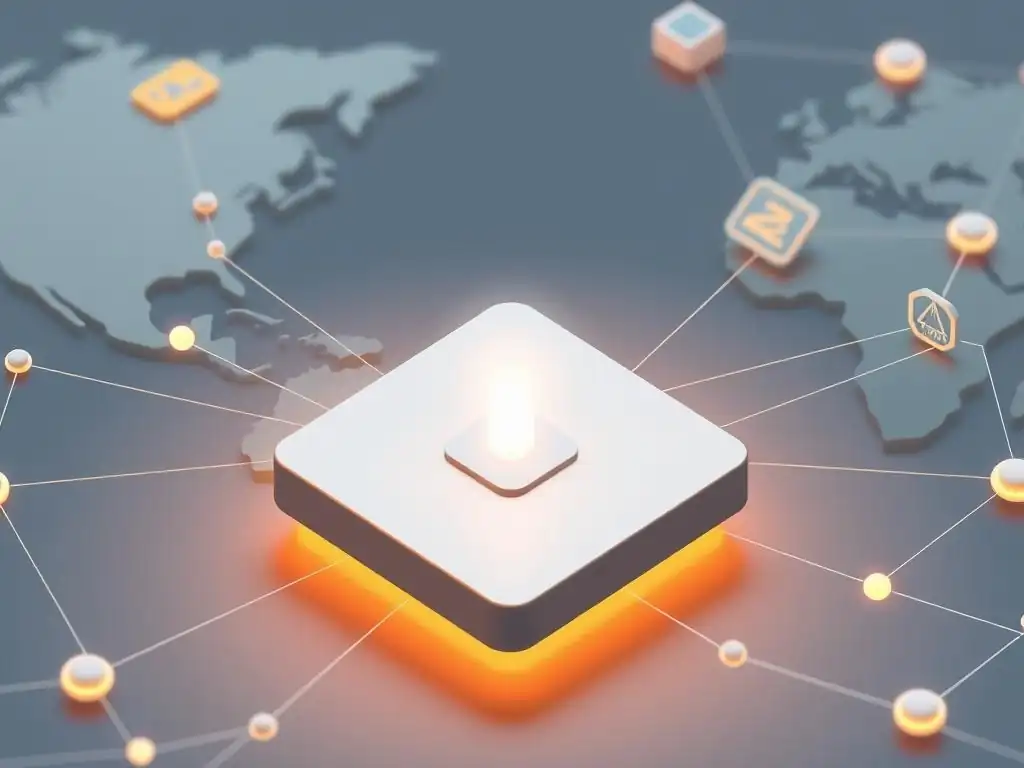
European Union's Approach to Digital Identity and SSI: eIDAS 2.0 and the European Digital Identity Wallet
The European Union is making a concerted effort to establish a robust digital identity framework that incorporates self-sovereign identity principles. The revised eIDAS regulation (eIDAS 2.0) is a cornerstone of this effort, proposing that all EU citizens and residents should have access to a secure, interoperable European Digital Identity Wallet by September 2024. This wallet, while managed by member states, is designed to be user-controlled, allowing individuals to store and share identity attributes and official documents (like birth certificates, medical certificates, professional qualifications, or even bank account details) in a verifiable manner.
The European Digital Identity Wallet is envisioned as a highly secure mobile application that will enable citizens to log in to online services, both public and private, prove their identity, and share electronic documents with ease and full control over their data. This initiative is backed by significant pilot projects, including four large-scale pilots launched in 2022 involving consortia of private companies and public authorities across EU member states.
These pilots cover various use cases, such as mobile driving licenses, eHealth credentials, electronic payments, and verifiable educational credentials, demonstrating the practical application of SSI concepts within a large, multi-jurisdictional framework. The EU's approach represents one of the most ambitious government-led self-sovereign identity blockchain initiatives globally, aiming for seamless digital interaction across 27 member states.
North American SSI Initiatives: The DIACC and the US State of Utah's Efforts
North America is also a hotbed for self-sovereign identity exploration and implementation, driven by both industry collaboration and specific government projects. As previously mentioned, Canada's DIACC is actively working on the Pan-Canadian Trust Framework, which is designed to support a variety of digital identity solutions, including those based on SSI. This framework aims to create a digital identity ecosystem where individuals and organizations can trust the identities and attributes exchanged online, regardless of the underlying technology, fostering self-sovereign identity blockchain initiatives across the country.
In the United States, while there isn't a single national digital identity program, several states and federal agencies are exploring decentralized identity solutions. A notable example is the State of Utah, which has been a pioneer in exploring the use of blockchain for digital identity and verifiable credentials.
In partnership with technology providers, Utah has piloted programs for issuing digital credentials based on SSI principles, such as digital driver's licenses or professional licenses, allowing residents to securely store and share these credentials from their mobile devices. These state-level initiatives, alongside federal research and private sector developments, contribute to a diverse landscape of self-sovereign identity blockchain initiatives in North America, characterized by innovation and pragmatic application.
Asia-Pacific's Emerging SSI Landscape: Singapore's National Digital Identity and Australia's Trusted Digital Identity Framework
The Asia-Pacific region showcases a mix of established national digital identity systems and emerging self-sovereign identity explorations. Singapore's Singpass is a highly successful national digital identity system used by nearly all adult residents and businesses to access over 1,400 government and private sector services. While Singpass is currently based on a centralized model, the government is actively exploring decentralized technologies and SSI concepts to enhance user control and privacy for specific use cases, such as verifiable credentials for education or employment. This evolution demonstrates a willingness to integrate SSI principles into existing robust digital infrastructures.
Australia's Trusted Digital Identity Framework (TDIF), managed by the Digital Transformation Agency (DTA), aims to create a voluntary accreditation scheme for digital identity providers and relying parties. The TDIF emphasizes privacy, security, and user control, allowing individuals to choose which accredited identity provider they use and explicitly consent to sharing their identity attributes.
While not strictly a self-sovereign identity framework in its current form, it incorporates key SSI principles like user control and selective disclosure, providing a foundation upon which more fully decentralized self-sovereign identity blockchain initiatives can be built and integrated into the national digital ecosystem. These examples highlight how diverse approaches are being taken across Asia-Pacific to improve digital identity, incorporating elements of SSI.
Self-Sovereign Identity Use Cases Across Industries
SSI in Healthcare: Secure Patient Data Management and Interoperability
Self-sovereign identity holds significant promise for transforming healthcare by improving patient data management, enhancing privacy, and facilitating secure interoperability. Patients could hold verifiable credentials for their medical history, lab results, prescriptions, and insurance information, issued by healthcare providers, laboratories, and insurers. This allows individuals to control access to their sensitive health data, granting specific doctors or clinics permission to view relevant records during consultations or emergencies, rather than relying on fragmented and often incompatible institutional databases.
Using SSI in healthcare could streamline patient onboarding, reduce administrative overhead, and improve the accuracy of patient records. For example, a patient could use a verifiable credential to prove their insurance coverage without revealing their full policy details or social security number.
Furthermore, SSI could enable secure cross-border healthcare by allowing patients to share their medical history with providers in different countries using interoperable verifiable credentials. Pilot projects are exploring SSI for managing health records, proving vaccination status (like the early discussions around EU Digital COVID Certificate extensions), and ensuring secure access to telehealth services, demonstrating the potential of self-sovereign identity blockchain initiatives in this critical sector.
SSI in Finance: Streamlined KYC/AML Compliance and Enhanced Identity Verification
The financial sector is a prime candidate for self-sovereign identity adoption, particularly for Know Your Customer (KYC) and Anti-Money Laundering (AML) compliance, as well as enhancing overall identity verification processes. Current KYC procedures are often manual, repetitive, and require individuals to submit sensitive documents to multiple financial institutions. With SSI, a customer could obtain verifiable credentials for their identity attributes (e.g., name, address, date of birth) and verified documents (e.g., passport, driver's license) from a trusted issuer (like a government agency or accredited identity provider).
This allows the user to securely share these verified credentials with banks or other financial institutions when opening an account or conducting a transaction. The institution can cryptographically verify the authenticity of the credentials directly with the original issuer, significantly reducing the need for repeated document submission and manual checks.
This not only streamlines the onboarding process for customers but also reduces the cost and complexity of compliance for financial institutions. Several consortia and fintech companies are actively developing self-sovereign identity blockchain initiatives focused on financial services, aiming to create more efficient, secure, and privacy-preserving identity verification systems for a wide range of financial activities, from opening bank accounts to applying for loans.
SSI in Supply Chain: Improved Traceability and Transparency
Self-sovereign identity can enhance trust and transparency within complex supply chains by providing verifiable identities for products, components, and even the entities involved in the chain (manufacturers, distributors, logistics providers). Each item could be assigned a DID, and verifiable credentials could be issued at each stage of its journey – proving origin, manufacturing date, quality checks, shipping details, and ownership transfers. This creates an immutable, verifiable history for every product, accessible to authorized parties.
This application of self-sovereign identity blockchain initiatives can help combat counterfeiting by allowing consumers to verify the authenticity of a product by scanning a QR code linked to its DID and checking its verifiable credentials. It also improves traceability in case of recalls or quality issues, allowing companies to quickly identify the source and affected products.
Furthermore, it can ensure ethical sourcing and sustainability claims by providing verifiable proof of origin and production practices. For example, a consumer could verify that a product was made under fair labor conditions or with sustainable materials by checking its associated verifiable credentials issued by certifying bodies.
SSI in Education: Verifiable Credentials for Academic Records and Lifelong Learning
The education sector is increasingly exploring self-sovereign identity for issuing and managing academic records, professional certifications, and evidence of lifelong learning. Educational institutions (universities, colleges, vocational schools) can act as issuers of verifiable credentials for degrees, diplomas, transcripts, and course completion certificates. Students, as holders, can then store these credentials in their digital wallets and share them securely with potential employers, other educational institutions, or professional bodies for verification.
This system eliminates the need for paper transcripts or manual verification processes, which can be time-consuming and prone to fraud. Employers and institutions can instantly and cryptographically verify the authenticity of a candidate's qualifications directly with the issuing body using the verifiable credential.
This application of self-sovereign identity blockchain initiatives supports a future of lifelong learning where individuals accumulate a portfolio of verifiable credentials reflecting their skills and knowledge gained from various sources throughout their career. Initiatives like the European Blockchain Services Infrastructure (EBSI) are piloting the use of verifiable credentials for educational qualifications across Europe, aiming to simplify cross-border recognition and mobility for students and professionals.
Challenges and Opportunities in Scaling Self-Sovereign Identity
Technical Challenges: Scalability, Interoperability, and Security
Scaling self-sovereign identity blockchain initiatives to a global level presents several technical challenges. Scalability is a key concern, particularly for SSI solutions built on public blockchain networks, which can face limitations in transaction throughput and latency as the number of users and credentials grows. While DLTs provide a foundation for trust, ensuring the underlying infrastructure can handle millions or billions of identity operations efficiently is critical. Many implementations are exploring alternative or hybrid approaches, utilizing permissioned ledgers or off-chain solutions for credential storage and verification to address this.
Interoperability remains a significant hurdle. While standards like W3C DIDs and VCs provide a common language, differences in implementation details, governance frameworks, and the choice of underlying DLTs can still create silos. Ensuring that a verifiable credential issued on one platform can be seamlessly verified by a relying party using a different platform requires ongoing collaboration and adherence to open standards.
Security, while a core benefit of SSI, also presents challenges, particularly regarding key management. Users must securely manage their private keys; loss or compromise can lead to the loss of control over their digital identity. Developing user-friendly and secure key management solutions is essential for mass adoption.
Legal and Regulatory Hurdles: GDPR Compliance and Cross-Border Recognition
The legal and regulatory landscape poses complex challenges for self-sovereign identity. While SSI aligns well with principles of privacy and data minimization championed by regulations like GDPR, navigating the specifics can be tricky. For instance, determining who is the "data controller" when identity data is distributed across user-controlled wallets and various issuers requires careful legal interpretation. Ensuring that SSI solutions comply with rights like the "right to be forgotten" or data portability, while maintaining the integrity and immutability often associated with the underlying DLT, requires innovative technical and legal solutions.
Cross-border recognition of digital identities and verifiable credentials issued under different national or regional frameworks is another major challenge. Legal frameworks for electronic signatures and trust services vary significantly between countries. Achieving mutual recognition requires international agreements, harmonized legal standards, and trust frameworks that bridge different jurisdictions. The EU's eIDAS 2.0 is tackling this within the EU, but global recognition necessitates broader international efforts, potentially through multilateral agreements or the development of international trust layer standards that are legally recognized by participating nations.
User Adoption and Education: Overcoming Barriers to Entry
Perhaps the most significant challenge for self-sovereign identity blockchain initiatives is achieving widespread user adoption. SSI requires users to take on more responsibility for managing their digital identity, including securing their private keys and understanding how to use digital wallets and verifiable credentials. This represents a shift from the passive identity experiences many are accustomed to with centralized systems. Educating the public about the benefits of SSI – enhanced privacy, security, and control – and how to use the technology safely and effectively is crucial.
The user experience of SSI solutions must be intuitive and seamless to encourage adoption. Complex interfaces, difficult key management processes, or a lack of clear benefits compared to existing systems will deter users. Service providers also need incentives and clear guidelines to integrate SSI verification into their workflows. Overcoming these barriers requires not just technical development but also significant investment in user education, public awareness campaigns, and the design of user-friendly applications that make the advantages of self-sovereign identity tangible and accessible to everyone.
The Future of Self-Sovereign Identity
Emerging Trends in SSI Technology: Decentralized Identifiers (DIDs) and Verifiable Credentials (VCs)
The future of self-sovereign identity is intrinsically linked to the continued evolution and widespread adoption of core technical standards like Decentralized Identifiers (DIDs) and Verifiable Credentials (VCs). As the W3C specifications for DIDs and VCs mature and gain broader industry backing, we can expect to see more robust, interoperable, and feature-rich implementations. Emerging trends include the development of more sophisticated DID methods capable of operating across various distributed ledgers and traditional infrastructure, as well as advancements in zero-knowledge proof technologies that enable highly selective disclosure of information while maintaining privacy.
Further development will focus on improving the user experience of SSI wallets and agents, making them as easy to use as traditional digital wallets. We will likely see innovation in secure key management solutions, including the use of hardware security modules or multi-party computation to enhance security while simplifying recovery processes. The integration of SSI with decentralized applications (dApps) and Web3 services will also become more seamless, allowing users to interact in decentralized environments using their self-sovereign digital identity. These technological advancements are critical for enabling the next wave of self-sovereign identity blockchain initiatives.
The Potential of SSI to Transform Digital Interactions
Self-sovereign identity has the potential to fundamentally transform almost every digital interaction. By empowering individuals with control over their data and providing a trustworthy mechanism for verifying identity and attributes, SSI can unlock new possibilities for secure, private, and efficient online engagement. From logging into websites without passwords using a verified identity to participating in decentralized governance, SSI can simplify processes, reduce friction, and mitigate risks associated with traditional identity systems.
Consider the potential impact on e-commerce, social media, or online gaming, where users could control their profiles, share information selectively, and verify their age or identity without relying on platform-specific credentials or risking data exposure. The ability to present cryptographically verifiable proofs of identity or attributes on demand can streamline onboarding, enhance security, and foster trust in digital relationships between individuals, businesses, and governments. This transformative potential is driving significant investment and development in self-sovereign identity blockchain initiatives across the globe.
The Long-Term Vision for a Self-Sovereign Identity-Enabled World
The long-term vision for a self-sovereign identity-enabled world is one where individuals are empowered digital citizens, in full control of their online identities and personal data. It's a world where digital interactions are built on a foundation of verifiable trust, privacy is a default setting, and identity theft is significantly reduced. In this future, individuals would seamlessly transition between online and offline interactions using their portable digital identity, presenting verifiable credentials for everything from accessing healthcare to voting or proving their professional qualifications.
Achieving this vision requires continued collaboration between technologists, policymakers, businesses, and individuals. It involves building open, interoperable ecosystems based on global standards and developing user-friendly tools that make SSI accessible to everyone. While challenges remain, the growing momentum behind self-sovereign identity blockchain initiatives worldwide signals a clear trajectory towards a more decentralized, secure, and user-centric digital future. The journey is ongoing, but the potential rewards – a more trusted and empowering digital world – make it a compelling pursuit.
Frequently Asked Questions
What is Self-Sovereign Identity (SSI) and why is it gaining traction?
SSI empowers individuals to control their own digital identities without relying on central authorities. It's gaining traction due to increasing concerns about data privacy and the desire for greater autonomy online.
Blockchain provides a decentralized and secure platform for storing and verifying identity credentials. This allows individuals to prove their identity without revealing unnecessary personal information, leveraging the immutability of the blockchain.
What are some examples of Self-Sovereign Identity blockchain initiatives happening globally?
Several initiatives are underway, including projects focused on digital identity wallets, credential verification systems, and cross-border identity interoperability. These often involve collaboration between governments, businesses, and standards organizations.
What regulatory challenges are associated with the adoption of Self-Sovereign Identity blockchain initiatives?
Regulation needs to address data protection, liability, and cross-jurisdictional recognition of digital identities. Clear frameworks are crucial to foster trust and ensure responsible development of SSI solutions.
What is the future outlook for Self-Sovereign Identity and its impact on decentralized systems?
SSI is expected to revolutionize how we interact online, enabling more secure and private transactions. It could also drive innovation in areas like supply chain management, healthcare, and government services, fostering a more decentralized and user-centric digital landscape.
Final Reflection: Embracing the Future of Digital Autonomy
The journey towards self-sovereign identity (SSI), as explored throughout this article, is not merely a technological evolution; it represents a fundamental shift in power dynamics within the digital realm. The international initiatives and collaborations highlighted demonstrate a growing recognition that individuals should have control over their own data, a concept that is becoming increasingly vital in our interconnected world. The momentum behind SSI blockchain initiatives underscores the urgency of establishing a more equitable and secure digital future for all.
This movement towards digital autonomy profoundly impacts how we interact with institutions, conduct business, and even define our sense of self online. The potential for SSI to empower individuals, protect privacy, and foster trust is immense, and its ongoing development requires our active participation and critical evaluation. Identity is the new perimeter of security,
a sentiment that perfectly encapsulates the need for individuals to reclaim ownership of their digital identities and navigate the digital landscape with confidence and control.
As we stand on the cusp of this transformative era, let us not be passive observers. Consider how you can advocate for and embrace self-sovereign identity principles in your own life. Explore the available technologies, support initiatives that prioritize user privacy, and demand greater transparency from the organizations that handle your data. The future of digital identity is being shaped now, and your voice matters in ensuring it is a future that truly empowers us all.
Ignite Your Identity Revolution!
Thank you for exploring the global landscape of Self-Sovereign Identity with us. You've gained valuable insights into the international collaborations shaping the future of digital identity. Are you ready to become part of the movement?
Here are some actionable steps you can take today:
- Dive deeper into the Hyperledger Indy project and consider contributing to its development. It’s a prominent open-source framework for self-sovereign identity.
- Follow leading initiatives in the field on social media to stay updated on the latest news and breakthroughs.
- Surprise yourself! Reach out to a local organization working on SSI solutions and offer your skills— even a small contribution can make a significant difference.
Which SSI initiative resonates most with you, and how do you see yourself contributing to its growth? Share your thoughts below!
Leave a Reply