
Immutable Identities: How Blockchain Ensures the Integrity of Verifiable Credentials

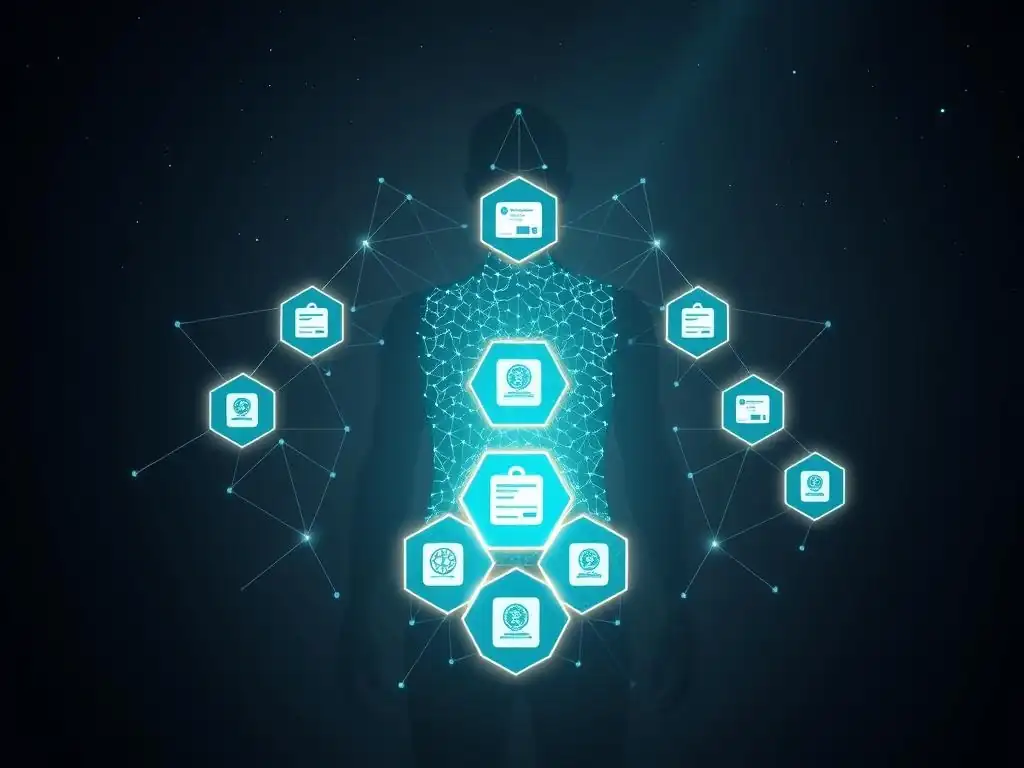
Welcome to Blockchain Trends, your premier source for dissecting the evolving landscape of blockchain technology.
Dive into the fascinating world of decentralized systems and explore how they're reshaping industries beyond just cryptocurrencies. Curious about securing digital identities in a world increasingly reliant on online interactions? Then you've come to the right place. Our latest article delves into the critical topic of blockchain verifiable credentials integrity, revealing how this technology is poised to revolutionize trust and security in the digital age. Discover the groundbreaking potential and challenges that lie ahead, and begin to understand how blockchain is safeguarding our digital identities. Read on to unlock the secrets of immutable identities!
Immutable Identities: How Blockchain Ensures the Integrity of Verifiable Credentials
- Introduction: Understanding the Need for Verifiable Credentials Integrity
- What are Verifiable Credentials and How Do They Work?
- Blockchain's Role in Securing Verifiable Credentials
- Blockchain Verifiable Credentials Integrity: A Deep Dive
- Benefits of Using Blockchain for Verifiable Credential Management
- Different Blockchain Approaches for Verifiable Credentials
- Use Cases: Blockchain's Impact on Verifiable Credentials Across Industries
- Overcoming Challenges in Implementing Blockchain-Based Verifiable Credentials
- The Future of Blockchain and Verifiable Credentials
- Conclusion: Embracing Blockchain for Enhanced Verifiable Credentials Integrity
-
Frequently Asked Questions
- What are verifiable credentials, and why is their integrity important?
- How does blockchain technology contribute to the integrity of verifiable credentials?
- What are the key benefits of using blockchain for verifiable credentials compared to traditional methods?
- What are some potential enterprise applications of blockchain-based verifiable credentials?
- What are the regulatory considerations surrounding the use of blockchain for verifiable credentials?
- Final Reflection: Securing Trust in a Digital World
- Unveil Your Secure Future: Take Control with Blockchain Identity!
Introduction: Understanding the Need for Verifiable Credentials Integrity
The Growing Importance of Digital Identity in the Modern World
In today's interconnected digital landscape, identity is no longer solely a physical concept. From accessing online services and participating in e-commerce to verifying professional qualifications and educational achievements, digital identity has become fundamental to daily life and global commerce. The reliance on digital interactions necessitates robust systems that can accurately and securely represent individuals, organizations, and even objects in the digital realm. This shift highlights the critical need for reliable methods to manage and verify credentials digitally.
The volume of digital transactions and interactions requiring identity verification is escalating rapidly. Experts estimate that by 2025, the global digital identity market could reach over $50 billion, reflecting the increasing demand for secure and efficient identity solutions. This growth is driven by factors such as the expansion of online services, regulatory requirements like KYC (Know Your Customer) and AML (Anti-Money Laundering), and the need to combat digital fraud. Ensuring the trustworthiness of digital identities and the credentials associated with them is paramount for fostering confidence and enabling seamless digital experiences.
Challenges in Maintaining Trust and Integrity in Traditional Credential Systems
Traditional systems for issuing and verifying credentials often suffer from significant vulnerabilities. Centralized databases are susceptible to single points of failure, data breaches, and unauthorized modifications. Paper-based documents, while tangible, are easily forged, lost, or damaged, and their verification process can be cumbersome and time-consuming. Furthermore, the current model typically places control of credentials in the hands of issuing organizations (like universities or employers) and relying parties (those who need to verify), leaving the individual with limited control over their own data.
The lack of a universal, secure, and privacy-preserving method for managing and verifying credentials creates friction and risk. For example, verifying a university degree can involve contacting the institution, waiting for confirmation, and potentially paying fees. This process is inefficient and prone to errors or delays. The potential for fraud in traditional credential systems is substantial, impacting everything from hiring decisions and access to services to the integrity of academic and professional qualifications. Addressing these challenges requires a paradigm shift towards more secure, efficient, and user-centric systems.
How Blockchain Technology Addresses These Challenges
Blockchain technology offers a compelling solution to many of the inherent weaknesses in traditional credential management systems. Its decentralized and immutable nature provides a robust foundation for creating verifiable credentials that are tamper-proof and easily verifiable. By leveraging cryptographic principles and distributed ledgers, blockchain can enhance the security, integrity, and trustworthiness of digital identities and the credentials linked to them.
Specifically, blockchain can provide a secure anchoring point for verifiable credentials. Instead of storing the full credential data on the blockchain (which can be inefficient and raise privacy concerns), a cryptographic hash of the credential, signed by the issuer, can be recorded on the ledger. This hash acts as a unique digital fingerprint. Any attempt to alter the original credential would result in a different hash, immediately invalidating the credential when checked against the hash stored on the blockchain. This mechanism is central to ensuring blockchain verifiable credentials integrity.
What are Verifiable Credentials and How Do They Work?
Defining Verifiable Credentials (VCs)
Verifiable Credentials (VCs) are a tamper-evident way to express digital credentials. They are based on open standards developed by the World Wide Web Consortium (W3C) and represent a significant step forward in digital identity. A VC is essentially a piece of digitally signed data issued by an authority (the "Issuer") to a subject (the "Holder"), which can then be presented to a third party ( the "Verifier") for verification. Unlike traditional credentials, VCs are designed to be cryptographically secure, privacy-preserving, and machine-readable.
The core concept is to empower individuals with control over their digital identities and credentials. Instead of relying on centralized databases managed by various institutions, individuals can hold their VCs securely in a digital wallet. When proof of a credential is required, the holder can selectively share the necessary information with a verifier, often without revealing unnecessary personal data. This model shifts control from institutions to the individual, aligning with the principles of self-sovereign identity.
Key Components of a Verifiable Credential
A typical Verifiable Credential consists of several key components that work together to ensure its integrity and functionality. These components are defined within the W3C Verifiable Credentials Data Model standard. The primary elements include the credential's type (e.g., "UniversityDegree", "MedicalLicense"), information about the subject (the person or entity the credential is about), the claims being made (e.g., "degree": "Bachelor of Science", "major": "Computer Science"), information about the issuer, and crucially, a digital signature from the issuer.
Beyond these core data points, VCs also include metadata such as the issuance date, expiration date (if applicable), and a unique identifier for the credential. The issuer's digital signature is critical; it cryptographically links the issuer to the claims made in the credential, allowing any verifier to confirm that the credential originated from the stated issuer and has not been altered since it was signed. This cryptographic binding is a foundational element enabling blockchain verifiable credentials integrity.
The Role of Decentralized Identifiers (DIDs) in VC Ecosystems
Decentralized Identifiers (DIDs) are a new type of identifier designed to enable verifiable, decentralized digital identity. Unlike traditional identifiers like email addresses or usernames, DIDs are globally unique, persistent, and cryptographically verifiable. They are not tied to a centralized registry and can be created and managed by the individual or entity they identify. DIDs are essential for the functioning of Verifiable Credentials ecosystems because they provide a secure and privacy-preserving way to identify the issuer, holder, and subject of a VC.
DIDs work in conjunction with DID documents, which are JSON-based documents that contain cryptographic keys, service endpoints, and other information associated with the DID. These DID documents are often stored on decentralized systems, such as blockchains or distributed file systems, making them highly available and resistant to censorship or central control.
When an issuer signs a Verifiable Credential, they use a private key associated with their DID; a verifier can then use the issuer's DID to retrieve their public key from their DID document and verify the signature, confirming the credential's authenticity and contributing significantly to blockchain verifiable credentials integrity.
Blockchain's Role in Securing Verifiable Credentials
Leveraging Blockchain for Immutable Data Storage
One of the most significant contributions of blockchain technology to Verifiable Credentials is its ability to provide immutable data storage. While the full credential data is typically not stored directly on a public blockchain for privacy and scalability reasons, the blockchain serves as a secure anchor point for critical information. This often involves storing cryptographic hashes of credentials or DID documents on the distributed ledger. Once a block of data is added to the blockchain, it is extremely difficult and computationally expensive to alter or remove it without being detected by the network participants.
This immutability ensures that the record of a credential's issuance or the state of a DID document, once recorded on the blockchain, remains unchanged over time. For instance, if a university issues a digital diploma as a Verifiable Credential and anchors a hash of it on a blockchain, that hash becomes a permanent, verifiable record. Any future attempt to modify the digital diploma would change its hash, making it impossible to match the new hash with the one recorded on the blockchain. This foundational property is key to guaranteeing blockchain verifiable credentials integrity.
Ensuring Data Integrity with Cryptographic Hashes
Cryptographic hashing is a fundamental technique used in both Verifiable Credentials and blockchain technology to ensure data integrity. A hash function takes an input (like a document or a credential) and produces a fixed-size string of characters (the hash or digest). Even a tiny change in the input data will result in a drastically different output hash. This property makes hashes ideal for detecting any modification to the original data.
In the context of VCs, the issuer computes a hash of the credential data before signing it and potentially anchoring it to the blockchain. When a verifier receives the credential, they can re-compute the hash of the credential data and compare it to the hash provided by the issuer (either within the credential itself or by looking up the anchored hash on the blockchain).
If the hashes match, it confirms that the credential data has not been tampered with since it was issued. The blockchain adds an extra layer of security by providing an immutable record of the hash, further reinforcing blockchain verifiable credentials integrity.
Preventing Tampering and Fraud Through Blockchain Consensus Mechanisms
Blockchain networks rely on consensus mechanisms (like Proof-of-Work or Proof-of-Stake) to validate transactions and add new blocks to the chain. This distributed consensus process makes it incredibly difficult for any single party to unilaterally alter the data stored on the blockchain. To tamper with a record, an attacker would need to control a significant portion of the network's computing power or stake, depending on the consensus mechanism, which is economically prohibitive for established blockchains like Bitcoin or Ethereum.
For Verifiable Credentials anchored on a blockchain, this distributed consensus provides a powerful defense against fraud. If a fraudulent party attempts to alter a credential's hash on the blockchain, their proposed change would be rejected by the majority of the network participants because it wouldn't align with the established consensus rules and the immutable history of the ledger. This collective validation process ensures that the anchored hashes remain trustworthy, providing a solid basis for verifying the integrity of the associated credentials and strengthening blockchain verifiable credentials integrity.
Blockchain Verifiable Credentials Integrity: A Deep Dive
How Blockchain Enhances the Trustworthiness of VCs
Blockchain technology doesn't create Verifiable Credentials, but it significantly enhances their trustworthiness by providing a secure, decentralized, and immutable layer for anchoring critical data points. The W3C VC standard defines the structure and processes for issuing and verifying credentials using cryptography, but it doesn't mandate a specific underlying infrastructure. Blockchain provides an ideal infrastructure layer, particularly for the decentralized identifier (DID) resolution and for anchoring verifiable proofs (like hashes) that confirm the existence and state of a credential at a specific point in time.
By anchoring the issuer's DID document or a hash of the credential on a blockchain, relying parties (verifiers) can trust that the cryptographic material used to issue and sign the credential is valid and hasn't been revoked without a transparent, auditable record. This eliminates reliance on centralized directories that could be manipulated or taken offline.
The inherent security and transparency of the blockchain ledger provide a robust public utility for verifying the foundational elements of a VC ecosystem, making the credentials themselves more trustworthy. This direct link to an immutable ledger is the core of how blockchain verifiable credentials integrity is achieved.
Immutability and Auditability: Core Benefits of Blockchain-Based VCs
The immutability of blockchain ensures that once a record, such as a credential hash or a DID update, is added to the ledger, it cannot be retroactively changed. This is a critical feature for credentials, where a permanent and unalterable record is often required. For instance, an academic record or a professional certification should ideally have a history that cannot be erased or modified without detection. The blockchain provides this tamper-proof history.
Furthermore, blockchain provides a high degree of auditability. Every transaction and data entry on the ledger is timestamped and linked to previous entries, creating a transparent and chronological record of events. Anyone with access to the network can verify the history of anchored data, tracing back the issuance of a credential hash or the status of an issuer's DID. This audit trail makes it much harder to engage in fraudulent activities and provides a mechanism for resolving disputes, significantly bolstering blockchain verifiable credentials integrity and accountability.
Use Case: Academic Transcript Verification with Blockchain
Consider the process of verifying an academic transcript using blockchain-based Verifiable Credentials. A university (the Issuer) issues a digital transcript as a VC to a student (the Holder). The university calculates a cryptographic hash of the transcript data, signs the VC using its private key associated with its DID, and anchors the hash of the VC or the issuer's DID information on a public or permissioned blockchain. The student stores the VC in their digital wallet.
When the student applies for a job, they present the VC to the potential employer (the Verifier). The employer's system receives the VC and performs several checks:
- It retrieves the university's DID document using the DID specified in the VC, typically resolving it via the blockchain or a distributed network.
- It uses the university's public key from the DID document to verify the issuer's signature on the VC, confirming it came from the legitimate university.
- It calculates the hash of the transcript data contained within the VC.
- It compares this computed hash with the hash anchored on the blockchain (if applicable) or relies solely on the issuer's verified signature on the hash within the VC itself, knowing the issuer's DID is anchored.
This process cryptographically proves that the transcript was issued by the university and has not been altered since issuance, all without requiring the employer to contact the university directly. This real-world application demonstrates how blockchain verifiable credentials integrity streamlines processes and combat fraud in academic verification.
Benefits of Using Blockchain for Verifiable Credential Management
Enhanced Security and Data Protection
Integrating blockchain with Verifiable Credentials fundamentally enhances security and data protection compared to traditional systems. Centralized databases are prime targets for cyberattacks, with breaches potentially exposing millions of sensitive records. By contrast, blockchain's decentralized architecture makes it significantly more resilient to attacks. There is no single point of failure for the anchored data. Furthermore, VCs stored in an individual's digital wallet are under their control, reducing the risk associated with organizations holding vast amounts of personal data.
While the full credential data may not reside on the blockchain, the cryptographic links and anchors ensure that any tampering is immediately detectable. The use of public/private key cryptography for signing and verifying credentials adds another layer of security, ensuring that only the legitimate issuer could have issued the credential and that it remains unaltered. This robust security framework is a cornerstone of blockchain verifiable credentials integrity.
Increased Transparency and Accountability
Public or permissioned blockchains offer a high degree of transparency and accountability, which is beneficial for credential ecosystems. While the content of a credential remains private between the holder, issuer, and verifier, the record of issuance (via an anchored hash or DID transaction) and the state of the issuer's DID are often publicly auditable on the ledger. This transparency allows anyone to verify the legitimacy of an issuer's identity and the validity of anchored proofs.
This transparency fosters accountability. Issuers are accountable for the credentials they issue, as their actions are recorded on an immutable ledger. Verifiers can be confident in the origin and integrity of the credentials they check. This open, auditable record reduces opportunities for opaque processes or hidden manipulations, contributing positively to blockchain verifiable credentials integrity across the network.
Improved Efficiency and Reduced Costs
Traditional credential verification processes are often manual, time-consuming, and costly. Requesting transcripts, obtaining letters of recommendation, or verifying professional licenses can involve significant administrative overhead for individuals, issuers, and verifiers. Blockchain-based VCs streamline these processes dramatically. Once a VC is issued, the holder can present it instantly, and the verifier can authenticate its integrity within seconds using automated cryptographic checks and blockchain lookups.
This automation and disintermediation lead to substantial cost reductions. Institutions spend less on responding to verification requests, and individuals save time and money. The efficiency gains are particularly evident in high-volume scenarios like job applications or university admissions, where verifying credentials for thousands of applicants can be a significant bottleneck. The efficiency brought by blockchain verifiable credentials integrity translates into tangible economic benefits.
Greater Interoperability and Portability of Credentials
One of the major limitations of traditional credential systems is their lack of interoperability. Credentials issued by one institution or in one format are often difficult to verify or accept in another system. Blockchain-based Verifiable Credentials, built on open standards like W3C VCs and DIDs, are designed for interoperability. The underlying technology provides a common framework for issuing, holding, and verifying credentials across different platforms and industries.
Individuals can collect credentials from various sources (universities, employers, certification bodies) and store them in a single digital wallet, controlling how and when they share them. This portability empowers individuals and eliminates the need for institutions to constantly exchange data directly. The standardized approach facilitated by blockchain anchors ensures that a VC issued in one context can be reliably verified in another, enhancing the utility and reach of blockchain verifiable credentials integrity.
Different Blockchain Approaches for Verifiable Credentials
Public vs. Private Blockchains for VC Management
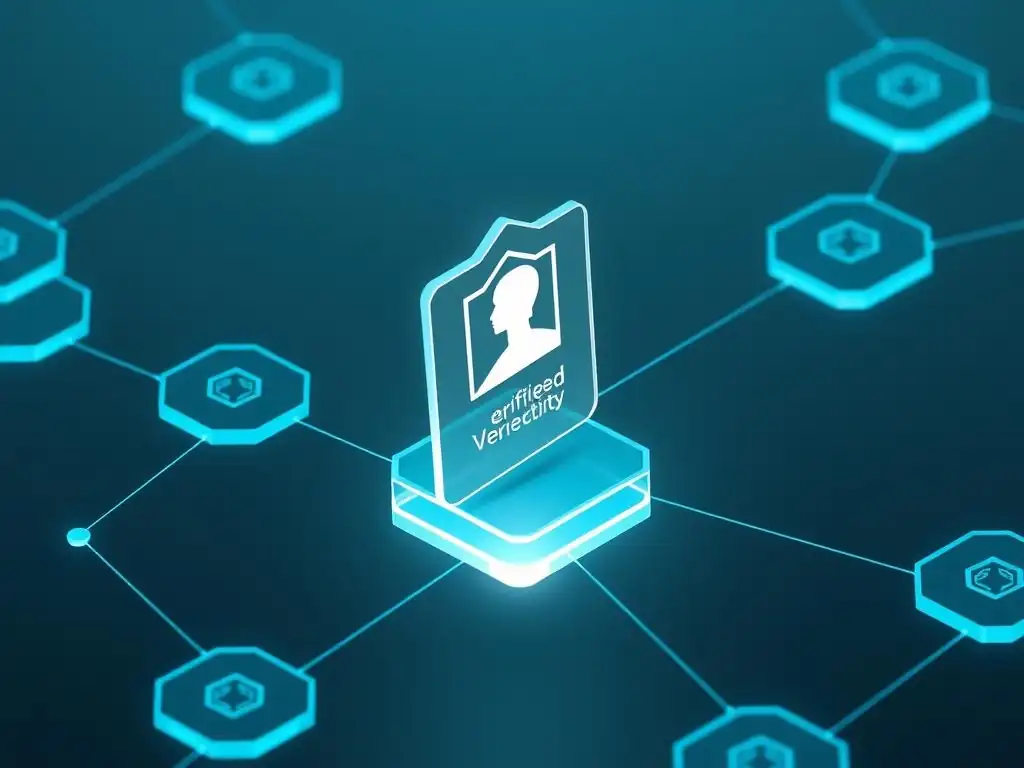
When implementing Verifiable Credentials solutions, organizations must choose the type of blockchain network to utilize. Public blockchains, like Ethereum or Bitcoin (though Bitcoin is less common for this use case), are permissionless, meaning anyone can join the network and participate in consensus. They offer high decentralization and transparency, making anchored data highly resistant to censorship and manipulation. However, they can face scalability challenges and may have higher transaction costs (gas fees).
Private blockchains, like Hyperledger Fabric or Corda, are permissioned networks where participation is restricted to known entities. They offer greater control over participants and consensus mechanisms, leading to potentially higher transaction speeds and lower costs. They are often preferred by consortia of organizations or enterprises that require more privacy and controlled access. The choice between public and private depends on the specific requirements for decentralization, privacy, scalability, and governance of the blockchain verifiable credentials integrity solution.
Permissioned and Permissionless Blockchain Options
Closely related to public vs. private is the distinction between permissionless and permissioned blockchains. Permissionless blockchains (typically public) allow anyone to read transactions and participate in consensus. They maximize decentralization and trust is distributed across a large, anonymous network. This model is suitable where maximum transparency and censorship resistance for anchored data are paramount.
Permissioned blockchains (typically private or consortium) require participants to be invited and validated. Reading transactions might be restricted to participants, and consensus is reached by a limited, known set of nodes. This offers more privacy and control, often resulting in higher transaction throughput and lower latency. Many enterprise-level blockchain verifiable credentials integrity solutions opt for permissioned networks due to these factors, balancing decentralization with practical business requirements. Hybrid approaches, using a private chain for data and anchoring hashes on a public chain, are also explored.
Comparison of Blockchain Platforms for VCs: Ethereum, Hyperledger Fabric, and Corda
Several blockchain platforms are actively used or considered for implementing Verifiable Credentials systems.
- Ethereum: A leading public, permissionless blockchain supporting smart contracts. Its wide adoption, developer community, and support for standards like ERC-721 (for NFTs, potentially representing credentials) and ERC-1888 (for DIDs) make it a viable option. Challenges include scalability and gas costs, though layer 2 solutions are addressing these. Some VC projects anchor DID registration or credential hashes on Ethereum mainnet for maximum immutability.
- Hyperledger Fabric: A permissioned blockchain framework hosted by the Linux Foundation. It's designed for enterprise use cases, offering modular architecture, pluggable consensus mechanisms, and data privacy through channels. Fabric is well-suited for consortia of organizations needing shared, but controlled, ledger access, making it popular for industry-specific blockchain verifiable credentials integrity solutions like in supply chain or healthcare.
- Corda: Developed by R3, Corda is a distributed ledger platform specifically designed for regulated financial services and other enterprise applications. It operates on a peer-to-peer basis, recording agreements (states) between parties rather than broadcasting all transactions to everyone. Corda's focus on privacy and direct interactions between involved parties makes it suitable for VCs in sectors requiring strict data confidentiality.
Each platform offers different trade-offs regarding decentralization, performance, privacy, and governance, influencing their suitability for various blockchain verifiable credentials integrity use cases.
Use Cases: Blockchain's Impact on Verifiable Credentials Across Industries
Education: Securing Diplomas and Transcripts on the Blockchain
The education sector is a prime candidate for adopting blockchain-based Verifiable Credentials. Universities and colleges issue millions of diplomas, degrees, and transcripts annually. Traditional paper or easily forgeable digital copies are vulnerable to fraud. By issuing academic records as VCs anchored on a blockchain, institutions can provide students with tamper-proof digital credentials.
For example, institutions like MIT and NUS (National University of Singapore) have piloted blockchain-based digital diplomas. MIT's Blockcerts initiative was an early pioneer, issuing digital diplomas to graduates as VCs anchored on the Bitcoin blockchain. This allows graduates to share their verified credentials with employers or other institutions instantly and securely. This application of blockchain verifiable credentials integrity drastically reduces the administrative burden of verification for universities and employers alike, while empowering graduates with portable, verifiable proof of their achievements.
Healthcare: Verifying Medical Credentials and Patient Records
In healthcare, the integrity of medical credentials for practitioners and the secure, verifiable sharing of patient records are critical. Blockchain-based VCs can be used to issue and verify professional licenses for doctors, nurses, and specialists, ensuring that only qualified individuals are providing care. This reduces the risk of employing individuals with fraudulent credentials, a significant concern in patient safety.
Furthermore, VCs can enable patients to control and share their medical records securely. A hospital or clinic (Issuer) could issue a patient's medical history or specific test results as VCs. The patient (Holder) stores these in a digital wallet and can grant a new doctor (Verifier) access to specific records for a limited time. Anchoring hashes or relevant metadata on a permissioned healthcare blockchain can provide an auditable trail of data access and issuance, enhancing patient privacy and the overall blockchain verifiable credentials integrity of medical information exchange.
Supply Chain: Tracking Product Provenance and Authenticity
Verifiable Credentials and blockchain technology can significantly enhance transparency and trust in supply chains. VCs can represent various claims about a product, such as its origin, manufacturing date, materials used, or certifications (e.g., organic, fair trade). Each entity in the supply chain (farmer, manufacturer, transporter, retailer) can act as an Issuer, creating VCs about their specific contribution to the product.
These VCs can be linked together, forming a verifiable history of the product's journey. Anchoring these VCs or related transaction data on a blockchain provides an immutable and transparent ledger of the supply chain. Consumers or auditors can scan a QR code on a product to access its digital history, verifying its authenticity and provenance directly from the source VCs issued by trusted parties. This application of blockchain verifiable credentials integrity helps combat counterfeiting and ensures ethical sourcing.
Government: Issuing Secure and Verifiable Identification Documents
Governments issue a wide array of identification documents, from passports and driver's licenses to birth certificates and professional licenses. Transitioning these to blockchain-based Verifiable Credentials could offer enhanced security, reduce fraud, and empower citizens with greater control over their identity data. A government agency (Issuer) could issue a digital driver's license as a VC to a citizen (Holder).
When pulled over by law enforcement (Verifier), the citizen could present the digital VC from their phone. The officer's device could cryptographically verify the VC against the government's anchored DID and the blockchain ledger, confirming its authenticity instantly without needing to access a centralized database or rely on a physical card. This not only improves security and efficiency but also gives the citizen control over when and to whom they disclose this information, demonstrating the potential of blockchain verifiable credentials integrity in public services.
Overcoming Challenges in Implementing Blockchain-Based Verifiable Credentials
Scalability Issues and Potential Solutions
One significant challenge for adopting blockchain-based Verifiable Credentials, particularly on public networks, is scalability. Handling millions or billions of credentials and their associated on-chain transactions (like DID registrations or hash anchors) can strain network capacity and lead to high transaction fees and latency. While storing full credentials on-chain is rare, even anchoring hashes requires transaction throughput.
Potential solutions include utilizing blockchain platforms designed for higher performance and scalability (like some permissioned chains). Layer 2 scaling solutions on public blockchains, such as rollups or state channels, can process transactions off-chain and periodically commit aggregated proofs to the main chain, significantly increasing throughput and reducing costs. Designing VC systems to minimize on-chain operations, perhaps only anchoring critical issuer DID information or revocation proofs, also helps manage scalability and maintain blockchain verifiable credentials integrity without overwhelming the ledger.
Interoperability Challenges and Standardization Efforts
While W3C Verifiable Credentials and Decentralized Identifiers provide open standards, ensuring seamless interoperability between different VC implementations and blockchain networks remains a challenge. Different projects might use different blockchain platforms, different DID methods, or varying interpretations of the VC data model, creating silos that hinder the universal verification of credentials.
Significant efforts are underway within the W3C, Decentralized Identity Foundation (DIF), and other bodies to mature and refine the standards and develop interoperability protocols. Initiatives like the Trust Over IP (ToIP) Foundation are creating governance frameworks and trust layers that sit above the technology layer (like blockchain) to ensure that VCs issued and verified by different parties can be trusted and understood across ecosystems. Continued collaboration and adherence to these evolving standards are crucial for achieving widespread blockchain verifiable credentials integrity and adoption.
Regulatory Considerations and Compliance Requirements
Implementing blockchain-based Verifiable Credentials must navigate a complex and evolving regulatory landscape. Issues around data privacy (e.g., GDPR, CCPA), digital signatures, electronic transactions, and industry-specific regulations (e.g., HIPAA in healthcare, KYC/AML in finance) need careful consideration. While VCs are designed with privacy in mind (e.g., selective disclosure), the use of immutable ledgers for anchoring raises questions about the "right to be forgotten" and data deletion.
Organizations deploying VC solutions must ensure their chosen blockchain platform and system design comply with relevant laws. Permissioned blockchains might offer more control for compliance purposes. Legal frameworks around digital identity and electronic signatures are still catching up to decentralized technologies. Working closely with legal experts and engaging with regulatory bodies are essential steps to ensure that blockchain verifiable credentials integrity solutions are not only technologically sound but also legally compliant and widely accepted.
The Future of Blockchain and Verifiable Credentials
Emerging Trends and Innovations in the VC Landscape
The field of Verifiable Credentials on blockchain is rapidly evolving, driven by ongoing standardization efforts and technological advancements. Emerging trends include the development of more sophisticated selective disclosure techniques, allowing holders to prove specific attributes of a credential without revealing the entire document (e.g., proving you are over 18 without showing your full date of birth). This enhances privacy significantly.
Another area of innovation is the integration of Zero-Knowledge Proofs (ZKPs) with VCs. ZKPs allow a prover to demonstrate that a statement is true without revealing any information beyond the validity of the statement itself. Applied to VCs, this could enable a holder to prove they meet certain criteria (e.g., having a specific degree or certification) without disclosing the credential itself to the verifier. These privacy-enhancing technologies further strengthen the utility and security of blockchain verifiable credentials integrity systems.
The Potential of Self-Sovereign Identity (SSI) and Blockchain
Self-Sovereign Identity (SSI) is a decentralized approach to digital identity that gives individuals control over their digital identities and data. It is based on the principles that individuals should own and control their identity data, and that identity should be portable and persistent. Verifiable Credentials and Decentralized Identifiers, anchored and managed with the help of blockchain, are foundational technologies for realizing SSI.
In an SSI model powered by blockchain, individuals create and manage their DIDs, receive VCs directly from issuers into their secure digital wallets, and selectively share these credentials with verifiers. The blockchain provides the trusted, decentralized infrastructure for resolving DIDs and verifying the integrity of the VCs, acting as the public trust layer. This empowers individuals, reduces reliance on centralized authorities, and promises a future where users have unprecedented control and privacy over their digital lives, underpinned by blockchain verifiable credentials integrity.
Predictions for the Adoption of Blockchain-Based VCs in Healthcare and Finance
Adoption of blockchain-based Verifiable Credentials is expected to accelerate in industries with high requirements for trust, security, and efficiency, particularly healthcare and finance. In healthcare, the need for secure patient data exchange, verifiable medical professional credentials, and streamlined insurance processes aligns perfectly with the capabilities of VCs anchored on permissioned blockchains. We could see widespread adoption for verifying provider credentials and facilitating secure, patient-controlled sharing of medical records within the next 5-10 years, driven by pilot programs showing significant efficiency and security gains.
In finance, VCs can revolutionize KYC/AML processes, credit scoring, and identity verification for transactions. Instead of repeatedly submitting documents to different financial institutions, users could obtain a verified identity VC from a trusted provider and share specific proofs with banks or exchanges. The immutable nature of blockchain verifiable credentials integrity is crucial for compliance and fraud prevention in this highly regulated sector. Experts predict significant pilot programs and initial rollouts in finance within the next 3-7 years, starting with specific use cases like institutional KYC or supply chain finance.
Conclusion: Embracing Blockchain for Enhanced Verifiable Credentials Integrity
Recap of the Key Benefits of Blockchain in VC Management
Blockchain technology provides a robust and transformative infrastructure layer for Verifiable Credentials. Its core properties—decentralization, immutability, cryptographic security, and transparency—address many of the fundamental weaknesses of traditional credential management systems. By using blockchain to anchor decentralized identifiers and cryptographic proofs (like hashes) related to VCs, we can create digital credentials that are tamper-proof, easily verifiable, and truly owned and controlled by the individual.
The benefits are clear: enhanced security and data protection against breaches and fraud; increased transparency and auditability of credential issuance and verification; improved efficiency and reduced costs by streamlining manual processes; and greater interoperability and portability of credentials across different systems and industries. These advantages collectively underscore the power of blockchain verifiable credentials integrity in building a more trustworthy digital world.
The Importance of a Secure and Trustworthy Digital Identity Ecosystem
A secure and trustworthy digital identity ecosystem is not just a technical challenge; it's a societal imperative. As more of our lives move online, our digital identities become increasingly valuable and vulnerable. Building systems that ensure the integrity of the credentials associated with these identities is paramount for fostering trust in online interactions, enabling economic growth, and protecting individual privacy and security.
Verifiable Credentials, powered by blockchain technology, offer a path towards this future. By putting individuals in control of their identities and providing cryptographic and immutable guarantees for the integrity of their credentials, this technology can unlock new levels of trust, efficiency, and privacy in the digital realm. Establishing robust standards and governance frameworks around these technologies is crucial for widespread adoption and ensuring that the benefits of blockchain verifiable credentials integrity are realized globally.
Call to Action: Exploring and Implementing Blockchain Solutions for Verifiable Credentials
Organizations, institutions, and governments should actively explore and pilot blockchain-based Verifiable Credential solutions. Whether in education, healthcare, supply chain, or public services, the potential for improved security, efficiency, and user empowerment is significant. Start by understanding the W3C VC and DID standards and evaluating different blockchain platforms based on specific use case requirements for privacy, scalability, and decentralization.
Implementing these solutions requires collaboration between technologists, legal experts, and stakeholders across industries. By embracing this innovative approach to digital identity, we can move towards a future where identities are truly immutable, credentials are undeniably verifiable, and individuals have sovereign control over their digital selves, fundamentally enhancing blockchain verifiable credentials integrity for everyone.
Frequently Asked Questions
What are verifiable credentials, and why is their integrity important?
Verifiable credentials are digital representations of credentials like diplomas or licenses. Their integrity is crucial because it ensures the authenticity and trustworthiness of these credentials, preventing fraud.
How does blockchain technology contribute to the integrity of verifiable credentials?
Blockchain provides an immutable and transparent ledger for storing credential data. This means that once a credential is recorded, it cannot be altered, guaranteeing its long-term integrity.
What are the key benefits of using blockchain for verifiable credentials compared to traditional methods?
Blockchain offers improved security, transparency, and auditability. Traditional methods are often susceptible to forgery and lack a centralized, verifiable record, making blockchain a superior solution.
What are some potential enterprise applications of blockchain-based verifiable credentials?
Enterprises can use them for employee verification, supply chain management, and data provenance. This leads to increased efficiency, reduced costs, and enhanced trust in business processes.
What are the regulatory considerations surrounding the use of blockchain for verifiable credentials?
Regulations are still evolving, but key concerns include data privacy, compliance with GDPR, and legal recognition. Understanding and adhering to these regulations is vital for responsible blockchain implementation.
Final Reflection: Securing Trust in a Digital World
The exploration of blockchain's role in ensuring the integrity of verifiable credentials highlights a critical need in our increasingly digital society: unwavering trust in identity. As we navigate a world where information is easily manipulated and identities are readily impersonated, the immutable nature of blockchain offers a powerful solution, safeguarding the authenticity and reliability of our digital selves. This is not just about technology; it's about building a foundation of trust in a world that desperately needs it.
The impact of verifiable credentials, secured by blockchain, extends far beyond simple authentication. It promises to reshape how we interact online, fostering a more secure and transparent environment for everything from education and employment to healthcare and finance. The potential for empowerment is immense, allowing individuals to control their own data and share it selectively, without relying on centralized authorities. Identity is the new perimeter of security,
as Jeremy Grant, former Senior Executive Advisor at NIST, so aptly stated. This underscores the vital role of robust and verifiable credentials in protecting our digital lives.
Now, as you consider the implications of blockchain verifiable credentials integrity, I invite you to reflect on your own digital footprint. How can you leverage these emerging technologies to protect your identity and contribute to a more trustworthy online world? The future of digital interaction hinges on our collective commitment to security and transparency. Let us embrace these tools and build a future where trust is not a luxury, but a fundamental right.
Okay, here's a call to action (CTA) crafted for the end of an article titled "Immutable Identities: How Blockchain Ensures the Integrity of Verifiable Credentials" on a website called "Blockchain Trends" (blockchaintrends.org):
Unveil Your Secure Future: Take Control with Blockchain Identity!
Thank you for exploring how blockchain is revolutionizing verifiable credentials and ensuring immutable identities! Now that you understand the power of this technology, it's time to take control and explore the opportunities it offers. Here's how you can get started:
- Implement a secure and blockchain-based system for verifiable credentials today!
- Delve deeper into the technical aspects by reviewing open-source blockchain identity projects and contributing to the community.
- Share this article with colleagues and friends who are seeking secure and trustworthy methods for managing their digital identities to foster a wider conversation about verifiable credentials!
What steps are you taking today to safeguard your digital identity in the ever-evolving blockchain landscape?
Leave a Reply