
Key Players in the SelfSovereign Identity Space: Companies and Organizations to Watch


Welcome to Blockchain Trends, your compass in the ever-evolving world of decentralized technology. Beyond the buzzwords, we delve into the real-world applications transforming industries. Ever wondered who's leading the charge in giving individuals control over their digital lives? Our latest exploration spotlights the selfsovereign identity companies watching closely, shaping a future where you own your data. Discover the key players and their innovative approaches – the journey to decentralized identity starts here.
Key Players in the Self-Sovereign Identity Space: Companies and Organizations to Watch
- Understanding Self-Sovereign Identity (SSI) and Its Growing Importance
- Top Self-Sovereign Identity Companies and Organizations Leading the Way
- Key Companies Developing SSI Solutions
- Organizations Driving the Self-Sovereign Identity Movement
- Analyzing the Landscape of Self-Sovereign Identity Providers
- The Future of Self-Sovereign Identity: Trends and Predictions
- Challenges and Opportunities in the SSI Ecosystem
- Conclusion: Embracing the Potential of Self-Sovereign Identity
-
Frequently Asked Questions
- What exactly is Self-Sovereign Identity (SSI), and why is it important?
- What are some key applications of Self-Sovereign Identity beyond digital IDs?
- What are some of the regulatory challenges facing the widespread adoption of SSI?
- How does blockchain technology enable Self-Sovereign Identity solutions?
- What are the key characteristics that define the "Selfsovereign identity companies watching" in this rapidly evolving space?
- Final Reflection: Empowering Digital Autonomy
- Unveil Your SSI Future: Take Control Now!
Understanding Self-Sovereign Identity (SSI) and Its Growing Importance
The Core Principles of Self-Sovereign Identity
Self-Sovereign Identity (SSI) represents a paradigm shift in how individuals and organizations manage their digital identities. At its core, SSI is based on the principle that individuals should have control over their own identity data, deciding who they share it with, when, and for what purpose. This contrasts sharply with traditional identity models where centralized entities like governments or corporations control identity information, often leading to data silos, privacy risks, and fragmented user experiences. Key principles include user control, consent, transparency, and portability of data.
SSI leverages decentralized technologies, often including blockchain or distributed ledgers, to provide a secure and verifiable foundation for digital identities. Instead of storing personal data directly on a blockchain, SSI uses these ledgers to anchor cryptographically secured identifiers (DIDs - Decentralized Identifiers) and verifiable credentials (VCs). This architecture allows users to store their credentials securely in a digital wallet, presenting them to verifiers without relying on a central authority or the original issuer being constantly online. This model enhances privacy by minimizing data sharing and reduces reliance on vulnerable central databases.
Why SSI Matters in Today's Digital Landscape
In an era marked by increasing data breaches, identity theft, and concerns over digital privacy, Self-Sovereign Identity offers a compelling solution. Traditional identity systems are often cumbersome, insecure, and fail to empower the individual. SSI addresses these issues by putting the user back in control, enabling more secure and private interactions online and offline. It facilitates trust in digital transactions by allowing verifiable claims about an individual or entity to be shared selectively and securely.
The importance of SSI extends across numerous sectors, from finance and healthcare to government services and education. For instance, a student could use an SSI wallet to prove their degree status to a potential employer without sharing their full academic transcript. A patient could share specific health records with a new doctor without granting access to their entire medical history. This fine-grained control over personal data is crucial for complying with evolving privacy regulations like GDPR and CCPA, while also unlocking new models for digital interaction and service delivery that prioritize user agency and data minimization.
Top Self-Sovereign Identity Companies and Organizations Leading the Way
Self-Sovereign Identity Companies Watching: A Curated List
The landscape of Self-Sovereign Identity is rapidly evolving, driven by innovative companies and collaborative organizations. Many Selfsovereign identity companies watching are focusing on building the foundational technology, developing user-friendly wallets, or creating enterprise-grade platforms. Simultaneously, non-profit organizations are crucial in establishing the necessary standards and frameworks to ensure interoperability and broad adoption. This section highlights some of the key players shaping the future of digital identity.
The list below covers a mix of technology providers building core SSI infrastructure and platforms, as well as influential bodies focused on standardization and ecosystem development. These entities are actively contributing to the maturation and deployment of SSI solutions across various industries globally. Tracking the progress and contributions of these Selfsovereign identity companies watching provides valuable insight into the direction and potential impact of this transformative technology.
Key Companies Developing SSI Solutions
Spruce: Focused on Decentralized Identity Tooling
Spruce's Key SSI Offerings
Spruce Systems is a prominent player in the SSI space, specializing in building open-source tools and infrastructure for decentralized identity. Their core offerings revolve around implementing and extending key SSI standards like Decentralized Identifiers (DIDs) and Verifiable Credentials (VCs). They provide software development kits (SDKs) and APIs that allow developers to integrate SSI capabilities into their applications, enabling functionalities such as issuing, holding, and verifying credentials. Their focus is often on providing robust, developer-friendly libraries that abstract away the complexities of underlying blockchain or distributed ledger technologies.
A significant part of Spruce's contribution is their work on specific implementations of DID methods and VC formats. For example, they have been involved with DID methods anchored on various blockchains, including Tezos and Ethereum, demonstrating the potential for SSI across different decentralized networks. Their tooling supports various cryptographic signature schemes and data formats essential for creating interoperable and secure identity systems. These offerings are critical for organizations looking to adopt SSI without building the foundational identity layer from scratch, making them a key entity among Selfsovereign identity companies watching.
Spruce's Contribution to the SSI Ecosystem
Spruce's contribution to the SSI ecosystem is deeply rooted in its commitment to open standards and interoperability. By building and maintaining open-source libraries that conform to W3C and DIF specifications, they lower the barrier to entry for developers and companies wanting to experiment with or deploy SSI solutions. Their work directly supports the development of a decentralized web where users can manage their identity data across different platforms and services seamlessly. They actively participate in standards bodies, helping to shape the future direction of SSI technology.
Furthermore, Spruce often collaborates with other organizations and protocols within the decentralized ecosystem. Their tools are designed to be modular and adaptable, allowing them to be integrated into various identity wallets, credential issuance platforms, and verification services. This collaborative approach fosters a more connected and resilient SSI landscape, ensuring that different components built by various vendors can work together effectively. Their technical contributions are fundamental to the growth and adoption of SSI tooling, making them a critical part of the Selfsovereign identity companies watching list.
MATTR: Providing Enterprise-Grade SSI Solutions
MATTR's Approach to Self-Sovereign Identity
MATTR takes an enterprise-focused approach to Self-Sovereign Identity, offering a platform designed for large organizations and governments to issue, manage, and verify verifiable credentials at scale. Their platform provides a comprehensive suite of tools covering the full lifecycle of verifiable credentials, from creating issuer services and digital wallets to building verifier applications. MATTR aims to simplify the complexity of SSI implementation for large-scale deployments, focusing on security, compliance, and integration with existing enterprise systems.
Their platform is built to handle high transaction volumes and meet stringent regulatory requirements, making it suitable for use cases such as digital passports, verifiable professional licenses, or secure data sharing in regulated industries. MATTR emphasizes creating trusted digital ecosystems where participants can exchange verifiable data securely and efficiently. This often involves working closely with clients to design custom solutions that leverage SSI principles for specific business processes, positioning them as a significant player among Selfsovereign identity companies watching for enterprise adoption.
MATTR's Notable Partnerships in the SSI Space
MATTR has forged significant partnerships with various entities across different sectors to drive the adoption of enterprise SSI. They have collaborated with government bodies to explore the use of verifiable credentials for official documents and services, aiming to improve efficiency and reduce fraud. Partnerships with technology providers and system integrators are also key to their strategy, enabling them to offer integrated solutions and expand their reach into new markets.
A notable example of MATTR's impact is their work in sectors like education, where they have partnered with universities to issue verifiable diplomas and transcripts. They have also been involved in initiatives related to healthcare and finance, demonstrating the versatility of their platform for diverse enterprise needs. These collaborations highlight MATTR's role in translating SSI principles into practical, large-scale applications that can deliver tangible benefits to organizations and their users, solidifying their position among the Selfsovereign identity companies watching for enterprise-level deployments.
Civic Technologies: Specializing in Identity Verification and Management
Civic Technologies' SSI Technology Stack
Civic Technologies has evolved its platform to incorporate Self-Sovereign Identity principles, building upon its initial focus on secure identity verification using blockchain. Their technology stack includes a mobile application that serves as a digital identity wallet for users, allowing them to securely store and manage their verifiable credentials. On the business side, Civic provides tools and APIs for companies to request, verify, and accept these credentials from users, streamlining identity verification processes.
The Civic platform leverages blockchain technology, initially on the Ethereum network and later exploring other chains or identity-specific layers, to anchor identity attestations and ensure the integrity of the system. While they may not store sensitive personal data on the blockchain, they use it to record proof of verification events and credential issuance, enhancing transparency and auditability. Their stack is designed to provide a user-friendly experience for individuals while offering robust verification capabilities for businesses, making them a key entity among Selfsovereign identity companies watching in the user-facing SSI space.
Civic Technologies' Impact on SSI Adoption
Civic has played a role in increasing awareness and adoption of blockchain-based identity solutions, particularly among consumers. Their focus on a mobile-first approach and user experience has made digital identity wallets more accessible to a broader audience. By partnering with businesses across various sectors, including cryptocurrency exchanges, online marketplaces, and healthcare providers, Civic has demonstrated practical use cases for verifiable identity and credential sharing.
Their platform enables faster and more secure onboarding processes for businesses by allowing users to reuse verified identity information stored in their Civic wallet. This reduces friction for users and compliance costs for businesses. Civic's ongoing efforts to expand its network of partners and integrate with more services contribute to building a more interconnected SSI ecosystem, showcasing their impact on bringing decentralized identity into everyday use cases and solidifying their place among the Selfsovereign identity companies watching for consumer adoption.
Organizations Driving the Self-Sovereign Identity Movement
Decentralized Identity Foundation (DIF): Fostering Interoperability
DIF's Role in Standardizing SSI Protocols
The Decentralized Identity Foundation (DIF) is a non-profit organization dedicated to fostering the development and adoption of open standards for decentralized identity. DIF brings together companies, developers, and thought leaders to collaborate on specifications and reference implementations for key SSI components, such as Decentralized Identifiers (DIDs), Verifiable Credentials (VCs), and secure data storage solutions. Their work is crucial for ensuring that identity systems built by different vendors can interoperate seamlessly, preventing vendor lock-in and promoting a global, decentralized identity layer.
DIF operates through various working groups, each focused on specific aspects of the decentralized identity stack, such as DID methods, credential formats, discovery mechanisms, and secure data storage. These groups produce specifications, guidelines, and reference code that serve as the foundation for commercial and open-source SSI implementations. By providing a neutral ground for collaboration and driving consensus on technical standards, DIF plays a vital role in building the technical bedrock upon which the entire SSI ecosystem relies.
Key DIF Projects and Initiatives
DIF is involved in numerous projects aimed at advancing the state of decentralized identity technology. One significant initiative is the development of various DID methods, which define how DIDs are registered, resolved, and updated on different underlying networks (e.g., blockchains, distributed file systems). Another key area is the exploration and specification of secure data storage solutions, often referred to as Decentralized Web Nodes (DWNs) or similar concepts, which allow users to control where their data is stored and shared.
Furthermore, DIF actively works on testing frameworks and interoperability events to ensure that different implementations of SSI standards can effectively communicate with each other. Projects like the Universal Resolver and Universal Wallet are examples of efforts to create common interfaces and tools that make the SSI ecosystem more accessible and functional. These initiatives are vital for moving SSI from theoretical concepts to practical, widely deployable solutions.
W3C Credentials Community Group: Defining Verifiable Credentials Standards
The Importance of W3C Standards for SSI
The World Wide Web Consortium (W3C) plays a foundational role in the Self-Sovereign Identity space, particularly through its work on Verifiable Credentials (VCs). The W3C's Verifiable Credentials Data Model specification is a cornerstone of SSI, defining a standard way to express claims about a subject (like a person or organization) that can be cryptographically verified. This standard provides a common language and structure for creating digital credentials that are tamper-evident and can be shared securely between issuers, holders, and verifiers, regardless of the underlying technology used.
The W3C's involvement ensures that Verifiable Credentials are built upon widely accepted web standards, promoting broad compatibility and easing integration into existing web infrastructure. By providing a normative specification, the W3C enables a diverse ecosystem of vendors and developers to build interoperable VC solutions. This standardization is critical for the widespread adoption of SSI, as it allows credentials issued by one entity to be accepted and verified by many others across different platforms and applications.
W3C's Impact on SSI Implementation
The W3C's work directly impacts how Self-Sovereign Identity solutions are implemented globally. The Verifiable Credentials Data Model provides the blueprint for creating digital equivalents of physical credentials like passports, driver's licenses, or university degrees. Implementers use this standard to format the data, add cryptographic proofs, and define the metadata necessary for a credential to be verifiable. This has led to the development of various libraries, tools, and platforms that are compliant with the W3C VC specification.
Beyond the data model, W3C also works on related standards, such as Decentralized Identifiers (DIDs), which are often used as the subject or issuer identifiers within VCs. The collaboration between different W3C working groups and external bodies like DIF helps create a cohesive set of standards for the entire decentralized identity stack. The widespread adoption of W3C VC standards is a key enabler for the growth of the SSI ecosystem, providing the necessary interoperability for credentials to be truly portable and useful.
Trust Over IP (ToIP) Foundation: Enabling Trust at the Internet Protocol Layer
ToIP's Commitment to Trust Frameworks
The Trust Over IP (ToIP) Foundation is a project hosted by the Linux Foundation, focused on building a global digital trust layer for the internet. ToIP's mission is to enable the trustworthy exchange of data between any two parties across any digital channel. While DIF and W3C focus on technical standards for DIDs and VCs, ToIP concentrates on the governance frameworks and trust protocols needed to make these technologies work reliably and ethically at scale. Their commitment is to define a complete architecture for digital trust, encompassing technology, governance, and legal layers.
ToIP recognizes that technology alone is insufficient for building trust. Therefore, a significant part of their work involves developing models for governance frameworks that define the rules, policies, and legal agreements under which participants in a digital trust ecosystem operate. These frameworks are essential for establishing accountability, ensuring compliance, and managing risks associated with the issuance and verification of verifiable credentials and the use of decentralized identifiers.
ToIP Stack and its Governance Model
A central output of the ToIP Foundation is the ToIP Stack, a layered model that provides a comprehensive framework for building digital trust systems. The stack consists of four layers:
- The Trust Anchorage Layer: Deals with the underlying ledger or network used to anchor decentralized identifiers (e.g., a blockchain).
- The Protocol Layer: Defines the protocols for exchanging verifiable credentials and other identity-related messages (e.g., DIDComm).
- The Credential Exchange Layer: Focuses on the formats and processes for issuing, holding, and verifying credentials (building upon W3C VCs).
- The Trust Community Layer: Addresses the governance frameworks and rules that govern interactions within specific digital trust ecosystems.
ToIP's governance model development is particularly impactful. They provide blueprints and guidance for creating 'Trust Registries' and defining policies within a 'Trust Community'. This structured approach to governance helps organizations understand how to implement SSI solutions in a way that is not only technically sound but also aligns with legal requirements and fosters trust among participants. The ToIP Foundation's work complements the technical standards by providing the necessary governance glue to make SSI practical and trustworthy in real-world applications.
Analyzing the Landscape of Self-Sovereign Identity Providers
Comparing Key Features and Functionality of Different SSI Platforms
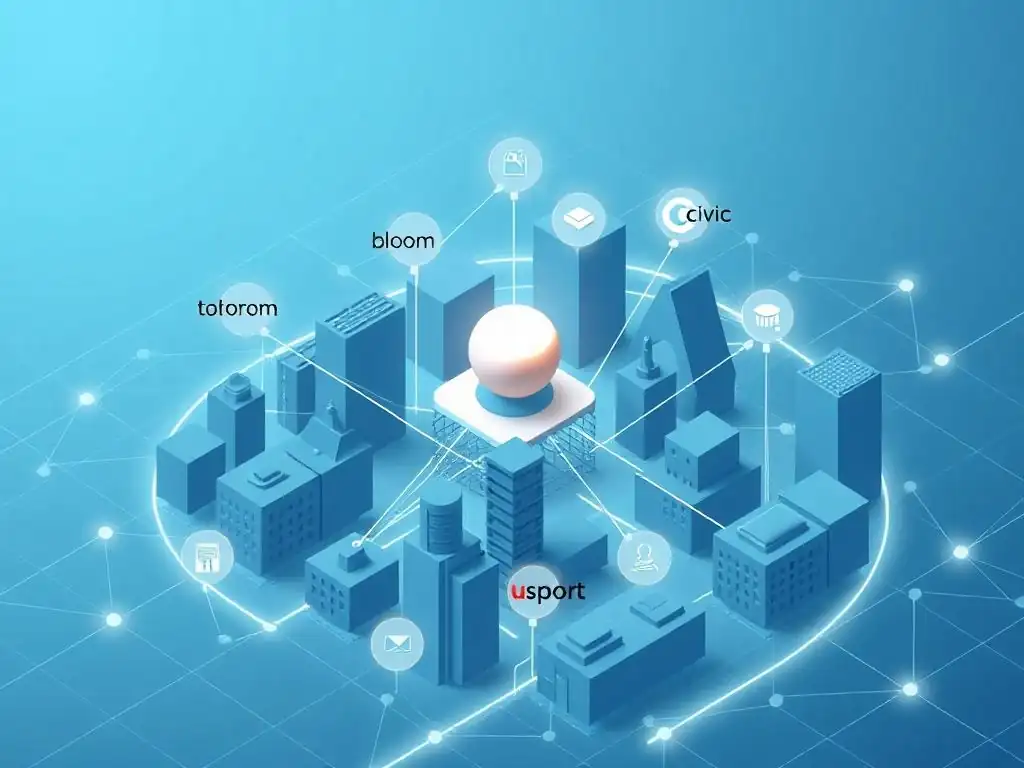
When evaluating the many Selfsovereign identity companies watching, comparing their key features and functionality is essential. SSI platforms often differ in several core areas: the specific DID methods they support, the range of verifiable credential formats they handle, the types of digital wallets they offer (mobile, web, enterprise), and the tools they provide for issuers and verifiers. Some platforms offer comprehensive, end-to-end solutions, while others specialize in specific components like developer SDKs or secure storage.
Furthermore, the underlying technology choices vary. Some providers build primarily on public blockchains, leveraging their decentralization and immutability, while others may use private or permissioned ledgers, or even non-blockchain distributed ledger technologies, depending on the target use case and scalability requirements. Features related to security, privacy-preserving technologies (like zero-knowledge proofs), ease of integration with existing systems, and compliance features are also critical differentiators that organizations must consider when selecting an SSI partner.
Evaluating the Security and Privacy Aspects of SSI Solutions
Security and privacy are paramount in Self-Sovereign Identity, and potential adopters must carefully evaluate how different solutions address these concerns. A well-designed SSI system minimizes the sharing of personal data, relying instead on verifiable claims and cryptographic proofs. The security of digital wallets, where users store their private keys and credentials, is critical; robust encryption, secure key management practices, and multi-factor authentication are vital features.
From a privacy perspective, SSI inherently improves upon traditional models by reducing reliance on centralized databases. However, implementations can vary. Solutions should support privacy-preserving technologies that allow verifiers to confirm the validity of a credential or a specific attribute without learning unnecessary personal information. Compliance with data protection regulations like GDPR is also a key consideration, requiring platforms to support concepts like data minimization, purpose limitation, and the right to erasure (where applicable within the decentralized context).
Examining the Scalability and Performance of SSI Technologies
Scalability and performance are practical considerations for deploying SSI solutions, especially for large-scale enterprise or government use cases. The underlying decentralized technology can impact transaction throughput, latency, and cost. While anchoring DIDs or recording credential issuance events on certain public blockchains might introduce limitations in terms of speed or transaction fees, many SSI solutions are designed to minimize on-chain interactions, performing most operations (like credential exchange and verification) off-chain using peer-to-peer protocols.
Evaluations should consider the architecture of the SSI platform and its ability to handle a growing number of users, credentials, and transactions. Factors like the efficiency of the DID method resolution, the size and complexity of verifiable credentials, and the performance of the digital wallet application all contribute to the overall user experience and system capacity. Providers are continuously working on optimizing their platforms and leveraging more scalable decentralized technologies to meet the demands of widespread SSI adoption.
The Future of Self-Sovereign Identity: Trends and Predictions
Emerging Trends in the SSI Market
Several trends are shaping the future of the Self-Sovereign Identity market. One significant trend is the increasing integration of SSI with other emerging technologies, such as decentralized finance (DeFi) for identity verification in lending or trading platforms, and the metaverse for creating persistent and verifiable digital identities. Another trend is the move towards more user-friendly wallet interfaces and tools that abstract away the technical complexities of managing keys and credentials, making SSI accessible to non-technical users.
The development of standardized, secure data storage solutions (like DWNs) is also a key trend, providing users with controlled storage spaces for their digital assets and data beyond just credentials. Furthermore, there is growing interest in cross-chain or multi-ledger compatibility for DIDs and VCs, allowing identities and credentials to be anchored and verified across different blockchain networks. Finally, regulatory bodies and governments are increasingly exploring SSI, signaling potential for large-scale national or international identity initiatives.
The Role of Blockchain in Shaping the Future of SSI
Blockchain technology continues to play a crucial role in shaping the future of Self-Sovereign Identity, primarily by providing a decentralized, tamper-evident, and highly available layer for anchoring decentralized identifiers and recording proofs related to credentials. While not all SSI solutions must use a blockchain, distributed ledgers offer unique properties that align well with SSI principles, such as immutability (for historical records), transparency (for public identifiers), and resilience against single points of failure.
Future developments in blockchain technology, such as increased scalability through layer-2 solutions, reduced transaction costs, and energy efficiency improvements (e.g., Proof-of-Stake), will further enhance its suitability for SSI. Blockchain can also facilitate the creation of tokenized credentials or reputation systems, adding new dimensions to digital identity. As blockchain technology matures, its integration with SSI is expected to deepen, providing a robust and decentralized foundation for global identity systems.
Predictions for the Growth and Adoption of Self-Sovereign Identity Solutions
Predictions for the growth and adoption of Self-Sovereign Identity solutions are generally positive, driven by increasing awareness of privacy issues, regulatory pressures, and the clear benefits SSI offers over traditional systems. While mass consumer adoption is still in its early stages, enterprise and government interest is accelerating. Analysts predict significant market growth over the next few years, fueled by pilot projects transitioning to production deployments and new use cases emerging across various sectors.
The healthcare, education, finance, and supply chain industries are expected to be early adopters, leveraging SSI for use cases like secure health record sharing, verifiable academic credentials, streamlined KYC/AML processes, and transparent product provenance. As standards solidify and user-friendly tools become more common, SSI has the potential to become a fundamental layer of the digital economy, empowering individuals and enabling trusted digital interactions on a global scale. The progress made by the Selfsovereign identity companies watching closely will be a key indicator of this trend.
Challenges and Opportunities in the SSI Ecosystem
Addressing the Challenges of SSI Implementation
Implementing Self-Sovereign Identity solutions is not without its challenges. One major hurdle is achieving true interoperability across different platforms, vendors, and underlying distributed ledger technologies. While standards bodies like DIF and W3C are making significant progress, ensuring seamless interaction between diverse SSI implementations requires ongoing collaboration and adherence to specifications. Another challenge is the complexity associated with key management; users must secure their private keys, as their loss can lead to losing control over their digital identity and credentials. Developing user-friendly and secure key recovery mechanisms is crucial.
Furthermore, regulatory clarity around decentralized identity and verifiable credentials is still evolving in many jurisdictions. Businesses and governments need clear legal frameworks to confidently adopt and rely on SSI. Educating users about the benefits and responsibilities of managing their own digital identity is also a significant task. Finally, integrating SSI with legacy systems and existing identity infrastructure presents technical and organizational challenges that require careful planning and execution.
Capitalizing on the Opportunities of Self-Sovereign Identity
Despite the challenges, the opportunities presented by Self-Sovereign Identity are substantial. For individuals, SSI offers unprecedented control over personal data, enhanced privacy, and a more secure and convenient way to interact in the digital world. For businesses, SSI can streamline onboarding processes, reduce compliance costs, mitigate fraud, and build stronger trust relationships with customers. The ability to rely on verifiable credentials issued by trusted third parties can significantly improve efficiency and security in various transactions.
New business models can emerge based on SSI, such as trusted data marketplaces or decentralized reputation systems. Governments can leverage SSI to provide more efficient and secure digital public services, reduce identity fraud, and empower citizens with control over their data. The development of open standards fosters a competitive market for SSI solutions, encouraging innovation and driving down costs. Capitalizing on these opportunities requires continued collaboration between technology providers, standards bodies, regulators, and end-users to build a robust, interoperable, and trustworthy decentralized identity ecosystem.
Conclusion: Embracing the Potential of Self-Sovereign Identity
Self-Sovereign Identity represents a fundamental shift towards a more user-centric and trustworthy digital world. By empowering individuals and organizations with control over their identity data, SSI promises enhanced privacy, security, and efficiency across a multitude of digital interactions. The landscape is populated by innovative Selfsovereign identity companies watching the space closely, alongside crucial organizations dedicated to building the necessary standards and frameworks for interoperability and trust.
While challenges related to interoperability, key management, and regulatory clarity remain, the potential benefits of SSI are driving significant investment and development. As standards mature, technology evolves, and pilot projects demonstrate tangible value, the adoption of Self-Sovereign Identity solutions is poised to accelerate. Embracing SSI is not just about adopting a new technology; it's about building a more equitable and secure digital future where trust is established through verifiable claims and individuals are sovereign over their own digital identities.
Frequently Asked Questions
What exactly is Self-Sovereign Identity (SSI), and why is it important?
SSI is a revolutionary approach to identity management where individuals control their own digital identities, without relying on centralized authorities. This is important because it enhances privacy, security, and user autonomy.
What are some key applications of Self-Sovereign Identity beyond digital IDs?
SSI extends beyond simple digital IDs, finding application in areas like supply chain management for tracking provenance, healthcare for secure medical record access, and verifiable credentials for employment verification.
What are some of the regulatory challenges facing the widespread adoption of SSI?
Regulatory uncertainty surrounding data privacy, cross-border data transfer, and liability are significant hurdles. Establishing clear and consistent legal frameworks is crucial for fostering trust and adoption.
How does blockchain technology enable Self-Sovereign Identity solutions?
Blockchain provides a decentralized and immutable ledger for storing identity data, ensuring tamper-proof records and enhanced security. This distributed architecture is fundamental to SSI's core principles.
What are the key characteristics that define the "Selfsovereign identity companies watching" in this rapidly evolving space?
These companies are characterized by their innovative approaches to identity management, focus on user-centric design, and commitment to interoperable solutions that can work across different platforms.
Final Reflection: Empowering Digital Autonomy
The exploration of key players in the Self-Sovereign Identity (SSI) space underscores a critical shift in how we perceive and manage our digital identities. The rise of SSI represents a fundamental move towards individual empowerment and control over personal data, a concept increasingly vital in our data-driven world where privacy breaches and centralized control are rampant.
The impact of SSI extends far beyond technological innovation; it's reshaping the cultural and social landscape by challenging traditional power structures. This movement towards decentralized identity is not just about technology; it's about reclaiming our digital selves and fostering a more equitable and trustworthy online environment. Identity is not just what you are, but what you choose to be.
This quote perfectly encapsulates the essence of SSI, allowing individuals to actively shape and control their digital narrative.
As we look towards the future, let us embrace the principles of Self-Sovereign Identity and actively participate in building a more secure, private, and empowering digital world. Consider how you can leverage SSI solutions to protect your own data and advocate for a future where individuals, not corporations, are at the heart of the digital ecosystem. The power to control your identity is within your reach; use it wisely and shape the future of digital autonomy.
Unveil Your SSI Future: Take Control Now!
Thank you for exploring the world of Self-Sovereign Identity. We hope this overview of key players has shed light on the possibilities and potential of this revolutionary technology. Are you ready to become part of the SSI movement?
Here are some actions you can take today:
- Research and identify a company or organization from the list that aligns with your interests or needs. Understanding their approach is essential to navigating the SSI landscape.
- Explore related topics such as verifiable credentials and decentralized identifiers to broaden your knowledge and gain a comprehensive understanding of SSI.
- Share this article with colleagues or friends interested in blockchain technology and digital identity — let's grow the SSI community!
What specific challenges or opportunities do you see for implementing Self-Sovereign Identity in your industry or personal life? Share your thoughts in the comments below!
Leave a Reply