
SelfSovereign Identity and the Internet of Things (IoT): Securing Connected Devices

Welcome to Blockchain Trends, your go-to resource for navigating the evolving landscape of blockchain technology.
Ever wondered how blockchain can revolutionize the security of your smart devices? Dive into our latest article exploring Blockchain IoT security solutions and discover how Self-Sovereign Identity is poised to transform the Internet of Things, creating a more secure and user-centric future. Intrigued? Read on to unlock the potential!
- Case Studies: Successful Implementations of SSI in IoT
-
Frequently Asked Questions
- What is Self-Sovereign Identity (SSI) and how does it relate to IoT?
- Why is security a major concern for IoT devices, and how can blockchain help?
- How can Blockchain IoT security solutions improve data privacy in connected devices?
- What are some potential applications of Blockchain IoT security solutions beyond device authentication?
- What are the current challenges in implementing Blockchain IoT security solutions, and what is the future outlook?
- Final Reflection: Embracing Decentralized Trust in a Connected World
- Empower Your IoT: Take Control of Your Digital Identity!
Case Studies: Successful Implementations of SSI in IoT
Smart Metering Infrastructure: Enhancing Security and Privacy with SSI
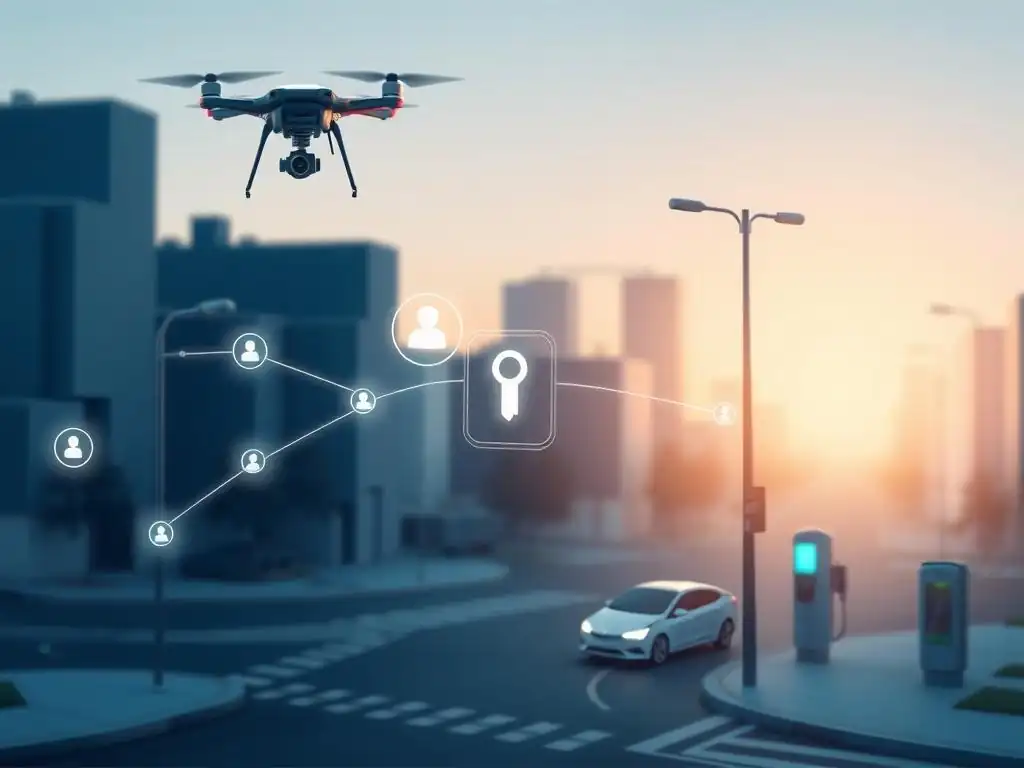
Smart metering infrastructure is a prime example where the integration of Self-Sovereign Identity (SSI) offers significant improvements over traditional security models. In conventional smart grids, meters are often authenticated using pre-shared keys or centralized certificates, which can be vulnerable to breaches and do not provide robust privacy for consumer data. SSI enables each smart meter to possess its own decentralized identifier (DID) and verifiable credentials (VCs).
This allows the meter to authenticate itself to the grid infrastructure, energy providers, and potentially consumers in a secure, tamper-evident manner without relying on a single point of failure. For instance, a meter could present a VC issued by the utility company proving its authenticity and operational status, while simultaneously a consumer's device could verify the meter's identity before accepting data, enhancing trust and security.
Furthermore, SSI provides a framework for more granular and privacy-preserving data sharing. Instead of the utility company having unilateral access to all detailed consumption data, SSI allows the consumer (as the data owner) to issue VCs or grant specific, time-limited permissions for data access to authorized parties, such as third-party energy efficiency services.
This decentralized approach to identity and access management significantly mitigates the risk of large-scale data breaches impacting millions of meter readings and personal consumption patterns. Projects exploring blockchain IoT security solutions for smart grids have shown the potential for SSI to reduce operational overhead associated with managing vast numbers of device identities and credentials across a distributed network, while simultaneously elevating user privacy and securing critical infrastructure against unauthorized access and data manipulation.
Automotive Industry: Secure Vehicle-to-Everything (V2X) Communication using SSI
The automotive sector, particularly in the realm of Vehicle-to-Everything (V2X) communication, presents a critical need for robust and scalable identity and security solutions. As vehicles increasingly communicate with each other (V2V), infrastructure (V2I), pedestrians (V2P), and the network (V2N), ensuring the authenticity and integrity of these interactions is paramount for safety and reliability.
Traditional public key infrastructure (PKI) models for V2X can face challenges related to certificate management, revocation lists, and scalability across millions of vehicles and infrastructure points. Self-Sovereign Identity offers a decentralized alternative where each vehicle, piece of roadside infrastructure, or even authorized pedestrian device can have a unique, self-managed DID verified by trusted entities (e.g., manufacturers, transportation authorities).
Using SSI, a vehicle can cryptographically prove its identity and legitimacy to other vehicles or infrastructure components using verifiable credentials, such as proof of valid registration or an up-to-date safety certificate, without revealing personally identifiable information unless necessary and consented to. This decentralized verification process is crucial for securing critical V2V messages related to collision avoidance or traffic management.
For example, in a scenario where a vehicle needs to broadcast a hazard warning, its identity can be quickly verified against a trusted registry via its DID and associated VCs, preventing malicious actors from injecting false information into the network. Implementing blockchain IoT security solutions centered around SSI in the automotive space promises enhanced resilience against cyberattacks, improved data privacy for drivers, and a more trustworthy foundation for the future of connected and autonomous driving, moving beyond centralized systems towards a more distributed and secure identity layer.
Frequently Asked Questions
What is Self-Sovereign Identity (SSI) and how does it relate to IoT?
SSI empowers individuals and entities to control their own digital identities, independently of centralized authorities. In IoT, this means devices can have unique, verifiable identities, enhancing security and trust.
Why is security a major concern for IoT devices, and how can blockchain help?
IoT devices are vulnerable to attacks due to their limited processing power and often weak security protocols. Blockchain provides a decentralized, immutable ledger to secure device identities and communication, making it harder for malicious actors to compromise them.
How can Blockchain IoT security solutions improve data privacy in connected devices?
By using SSI and decentralized identifiers (DIDs), users can selectively share data with IoT devices. This minimizes data exposure and ensures that individuals retain greater control over their personal information.
What are some potential applications of Blockchain IoT security solutions beyond device authentication?
Beyond authentication, these solutions can be used for secure data exchange, supply chain tracking, and automated micro-transactions between IoT devices and other systems, creating more efficient and trustworthy ecosystems.
What are the current challenges in implementing Blockchain IoT security solutions, and what is the future outlook?
Challenges include scalability limitations of some blockchains and the complexity of integrating blockchain technology with existing IoT infrastructure. The future looks promising, with ongoing research and development focused on overcoming these hurdles to enable widespread adoption.
Final Reflection: Embracing Decentralized Trust in a Connected World
The exploration of Self-Sovereign Identity (SSI) within the Internet of Things (IoT) underscores a critical need for rethinking security paradigms in an increasingly interconnected world. As we've seen, the vulnerabilities inherent in centralized systems are amplified by the sheer scale and complexity of IoT deployments. SSI, powered by blockchain technology, offers a compelling alternative, promising enhanced security, privacy, and control for both individuals and organizations navigating the digital landscape.
The potential of SSI to revolutionize Blockchain IoT security solutions is profound. It's not just about securing devices; it's about empowering users to own and manage their digital identities and data, fostering a more trustworthy and equitable ecosystem. This shift towards decentralized trust resonates deeply, reminding us that security is not merely a technological challenge but a fundamental human right. The future of identity will be self-sovereign. Individuals will have the right to control their own identity and data, and to interact with services and applications without being tracked or monitored.
- Don Tapscott, author of Blockchain Revolution.
As we move forward, let us embrace the principles of SSI and actively seek out Blockchain IoT security solutions that prioritize user empowerment and data sovereignty. Consider how you can advocate for these technologies in your own sphere of influence, whether it's through supporting open-source initiatives, demanding greater transparency from IoT vendors, or simply educating others about the importance of decentralized trust. The future of a secure and connected world depends on our collective commitment to building a more resilient and user-centric digital infrastructure.
Empower Your IoT: Take Control of Your Digital Identity!
Thank you for exploring how Self-Sovereign Identity can revolutionize the security of IoT devices. You've gained valuable insights into protecting your connected world. Now, let's put that knowledge into action!
Here are a few ways to leverage SSI for a safer IoT experience:
- Start by implementing SSI in a small, personal IoT project. Whether it's securing your smart home devices or managing access to a personal sensor network, hands-on experience is invaluable.
- Learn more about the technical standards related to SSI for IoT, such as decentralized identifiers and verifiable credentials for device authentication. Understanding how these technologies work together is key.
- Share this article with a colleague or friend interested in blockchain and IoT security, and start a conversation about practical applications in your industry.
What's one small, practical step you'll take this week to explore SSI in securing your connected devices? Share your plans in the comments below!
Leave a Reply