
Travel and SelfSovereign Identity: Streamlining Border Control and Passenger Verification

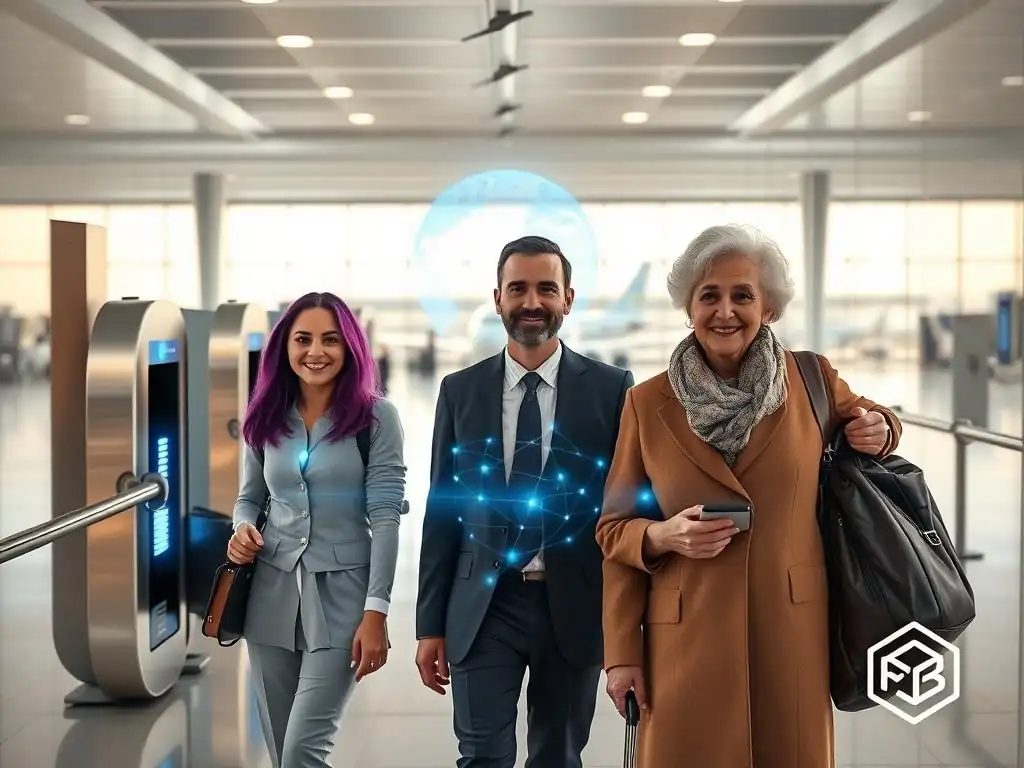
Welcome to Blockchain Trends, your compass in the evolving landscape of decentralized technologies!
Ever wondered how blockchain is revolutionizing more than just cryptocurrencies? Dive in to discover its transformative power in areas like DeFi, enterprise solutions, and the future of secure systems. Today, we're focusing on a particularly intriguing application: Blockchain border control passenger verification. Can blockchain streamline international travel and enhance security? Explore how self-sovereign identity is poised to redefine border management, and what this means for your future travels. Keep reading to unravel the possibilities!
Inefficiencies in Current Identity Verification Processes
Traditional identity verification in travel heavily relies on manual processes and physical documents like passports and visas. This leads to significant inefficiencies, particularly at busy international airports and border crossings. Officers must visually inspect documents, compare photos to individuals, and manually enter or scan data into systems that may not always be interconnected or up-to-date.
This manual handling is time-consuming; reports from major international hubs often cite average processing times ranging from 30 seconds to several minutes per passenger, potentially accumulating into hours of waiting during peak travel periods. Furthermore, discrepancies or damaged documents can trigger lengthy manual checks, further exacerbating delays and frustrating travelers. The sheer volume of global travel—estimated to be in the billions of international tourist arrivals annually prior to recent disruptions—underscores the need for a more scalable and efficient system than current labor-intensive methods can provide.
These process inefficiencies are not merely an inconvenience; they represent a substantial operational cost for border agencies and airlines alike. Significant personnel resources are dedicated solely to identity verification tasks, diverting staff from other critical security or customer service roles. Moreover, the reliance on physical documents creates bottlenecks and limits the potential for automation.
The lack of seamless digital integration across different jurisdictions and transportation modes means that passenger information often has to be re-verified at multiple points in the journey, from airline check-in to security checkpoints and final border control. This fragmented approach hinders the ability to implement a truly streamlined blockchain border control passenger verification process that could significantly reduce wait times and operational overhead.
Security Vulnerabilities in Existing Travel Documents
Despite layers of security features, physical travel documents like passports and visas remain susceptible to counterfeiting and tampering. Advanced forgery techniques can replicate holographic images, watermarks, and even biometric data pages, making it challenging for human eyes or standard scanning equipment to detect fraudulent documents.
The global black market for counterfeit travel documents is a persistent threat, enabling individuals to travel under false identities for illicit purposes, including organized crime and terrorism. Once a physical document is reported lost or stolen, updating databases globally and in real-time across all border checkpoints is a complex and slow process, leaving windows of opportunity for misuse.
Beyond counterfeiting, the centralized databases used to store passenger information linked to these physical documents also present security risks. Large, centralized systems can be attractive targets for cyberattacks, risking massive data breaches that could expose sensitive personal information of millions of travelers. While security measures are in place, the inherent architecture of siloed, centralized systems makes them vulnerable compared to decentralized alternatives.
The potential for data manipulation within these systems, although less common than physical forgery, also exists. Addressing these vulnerabilities requires a fundamental shift towards more secure, tamper-evident, and privacy-preserving methods for identity management and passenger verification, highlighting the need for innovative solutions like those leveraging blockchain technology for border control.
The Growing Need for Enhanced Data Privacy in Travel
As travel becomes increasingly digitized, the amount of personal data collected, stored, and shared by airlines, border agencies, and third-party vendors is growing exponentially. This data includes sensitive information such as full names, dates of birth, addresses, travel history, biometric data (like fingerprints or facial scans), and even payment details. Under current systems, this data is often stored in multiple, centralized databases, each with its own security protocols and privacy policies, which can be opaque to the traveler. This raises significant privacy concerns regarding how personal information is accessed, used, shared, and protected from unauthorized disclosure or breaches.
Travelers are becoming increasingly aware of their digital footprint and are demanding greater control over their personal data. Regulations like GDPR in Europe and similar privacy laws elsewhere reflect a global trend towards stronger data protection. The current model, where travelers surrender their identity documents and implicitly consent to their data being processed by various entities with limited transparency, is becoming unsustainable in a privacy-conscious world.
Implementing solutions that allow individuals to control who accesses their data, when, and for what purpose is crucial. This is where concepts like Self-Sovereign Identity (SSI), underpinned by technologies like blockchain, offer a compelling alternative for blockchain border control passenger verification, promising enhanced security and greater traveler autonomy over their personal information.
- Inefficiencies in Current Identity Verification Processes
- Security Vulnerabilities in Existing Travel Documents
- The Growing Need for Enhanced Data Privacy in Travel
- How can blockchain technology improve border control processes?
- What is Self-Sovereign Identity (SSI) and how does it relate to blockchain in travel?
- What are the potential benefits of using blockchain for passenger verification?
- Are there any regulatory challenges associated with implementing blockchain-based border control?
- What is the future outlook for blockchain in travel and border security?
Frequently Asked Questions
How can blockchain technology improve border control processes?
Blockchain offers a decentralized and immutable ledger for storing and verifying passenger data, leading to increased security and reduced fraud in border control. This allows for faster and more reliable identity verification.
What is Self-Sovereign Identity (SSI) and how does it relate to blockchain in travel?
SSI empowers individuals to control their own digital identities. Blockchain can be used to create a secure and verifiable system for individuals to share their identity data with border control, improving privacy and efficiency.
What are the potential benefits of using blockchain for passenger verification?
Benefits include reduced wait times at borders, enhanced security against identity theft, and improved data privacy for travelers. The system can also streamline international travel logistics.
Are there any regulatory challenges associated with implementing blockchain-based border control?
Yes, global data privacy regulations like GDPR and varying national laws present challenges. Interoperability between different blockchain systems and international agreements are also necessary.
What is the future outlook for blockchain in travel and border security?
The future involves wider adoption of SSI and blockchain-based systems for enhanced security and efficiency. Expect to see more collaborations between governments, travel agencies, and blockchain developers.
Final Reflection: Embracing Trustless Travel
The promise of seamless and secure travel through self-sovereign identity (SSI), as explored in this article, is no longer a futuristic concept but a rapidly approaching reality. The convergence of blockchain technology and border control offers a tangible solution to the inefficiencies and security vulnerabilities that plague current passenger verification systems, presenting a compelling vision for the future of global mobility.
The potential impact of SSI on the travel experience is profound, extending beyond mere convenience. It empowers individuals with control over their personal data, fostering a more equitable and transparent relationship with border authorities. This shift towards user-centricity is crucial in an era where data privacy is paramount. The future of identity is decentralized, empowering individuals to own and control their digital identities.
- Don Tapscott
As we look ahead, it's imperative that we continue to champion the adoption of blockchain-based SSI solutions in the travel industry. Consider how you, as a traveler, can advocate for these technologies, demanding greater control over your personal information and contributing to a future where border crossings are not only efficient but also respectful of individual privacy. Let us all strive to build a world where travel is truly frictionless and secure, powered by the trustless foundation of blockchain.
Rediscover Seamless Travel with Self-Sovereign Identity!
Thank you for exploring how Self-Sovereign Identity (SSI) can revolutionize border control and passenger verification, making travel smoother and more secure. Now, let's put that knowledge into action!
- Dive deeper: Explore the potential of SSI in travel by researching real-world implementations and pilot programs.: Start with the IATA One ID initiative and other industry collaborations.
- Share your insights! Discuss the benefits and challenges of SSI for travel on social media, using hashtags like #SelfSovereignIdentity and #FutureofTravel.
- Consider how your travel experiences could be improved with SSI and share these improvements with authorities or related organizations.
What steps will you take to advocate for more efficient and secure travel experiences using Self-Sovereign Identity?
Leave a Reply