
Beyond Traditional Methods: Blockchain's Superiority in Pharma Supply Chain Management


Welcome to Blockchain Trends, your guide to navigating the revolutionary world of blockchain technology!
Beyond cryptocurrencies, discover how this powerful tool is reshaping industries and redefining possibilities. Ever wondered how blockchain can guarantee the authenticity and safety of your medication? Dive into our latest article, "Beyond Traditional Methods: Blockchain's Superiority in Pharma Supply Chain Management," and unravel the intriguing potential of blockchain in the pharma supply chain. What vulnerabilities can it eliminate, and what benefits does it unlock for patients and manufacturers alike? The answer might surprise you...
Beyond Traditional Methods: Blockchain's Superiority in Pharma Supply Chain Management
- Introduction: The Imperative for Transparency in Pharmaceutical Supply Chains
- Blockchain Technology: A Paradigm Shift for Pharma Supply Chain Security
-
Blockchain Pharma Supply Chain: Key Benefits and Advantages
- Enhanced Traceability and Provenance Tracking: Ensuring Drug Authenticity
- Improved Security and Reduced Counterfeiting Risks in the Pharmaceutical Industry
- Increased Efficiency and Reduced Costs in Pharma Supply Chain Operations
- Streamlined Regulatory Compliance and Auditing Processes for Pharmaceuticals
- Comparing Blockchain Solutions with Traditional Pharma Supply Chain Management Systems
- Real-World Applications and Case Studies of Blockchain in Pharma
- Overcoming Challenges and Barriers to Blockchain Adoption in Pharma
- The Future of Blockchain in Pharmaceutical Supply Chain Management
- Conclusion: Embracing Blockchain for a Safer and More Efficient Pharma Supply Chain
-
Frequently Asked Questions
- What are the primary benefits of using blockchain in the pharma supply chain?
- How does blockchain help combat counterfeit drugs in the pharmaceutical industry?
- What are some potential challenges to implementing blockchain in the pharma supply chain?
- How can blockchain improve the efficiency of the pharma supply chain?
- What role does regulation play in the adoption of blockchain for pharmaceutical supply chains?
- Final Reflection: Securing the Future of Medicine
- Revolutionize Your Pharma Supply Chain: Start Today!
Introduction: The Imperative for Transparency in Pharmaceutical Supply Chains
The Growing Concerns of Counterfeit Drugs and Supply Chain Inefficiencies
The global pharmaceutical supply chain faces persistent and escalating threats, primarily from counterfeit drugs and systemic inefficiencies. The World Health Organization (WHO) has estimated that the global market for counterfeit medicines is a significant problem, potentially reaching hundreds of billions of dollars annually. These illicit products pose serious health risks to patients worldwide, often containing incorrect dosages, harmful substances, or no active ingredients at all. The lack of robust, transparent tracking mechanisms in traditional systems makes it difficult to identify and remove these dangerous products before they reach consumers, undermining public trust and patient safety.
Beyond counterfeiting, the intricate web of manufacturers, distributors, wholesalers, pharmacies, and healthcare providers involved in delivering pharmaceuticals is plagued by inefficiencies. These include manual processes, data silos, lack of real-time visibility, and complex reconciliation procedures, such as those surrounding chargebacks and returns. These issues lead to delays, increased operational costs, and a higher potential for errors, further highlighting the urgent need for transformative solutions in the blockchain pharma supply chain. The current landscape demands a fundamental shift towards greater transparency, security, and efficiency to safeguard public health and optimize operations.
Why Traditional Methods Fall Short in Pharma Traceability
Traditional pharmaceutical supply chain management relies heavily on paper-based records, centralized databases, and disparate legacy systems. While regulations like the Drug Supply Chain Security Act (DSCSA) in the United States mandate serialisation and traceability, the methods used to achieve this often involve fragmented data trails that reside in isolated systems belonging to different stakeholders. This creates significant blind spots, making it challenging to establish a complete, immutable history of a drug's journey from manufacturing plant to patient.
The inherent limitations of these traditional methods lie in their susceptibility to data manipulation, lack of interoperability between different company systems, and the difficulty in verifying data integrity across the supply chain. When data is held in silos, it is vulnerable to errors, fraud, and delays in information sharing. This makes tracing contaminated batches or identifying the point of diversion for counterfeit goods a time-consuming and often impossible task. A more robust, interconnected, and trustworthy system is essential, one that traditional approaches simply cannot provide for the complex blockchain pharma supply chain.
Blockchain Technology: A Paradigm Shift for Pharma Supply Chain Security
Understanding Blockchain's Core Principles: Immutability, Transparency, and Decentralization
Blockchain technology operates on a distributed ledger system where transactions are grouped into 'blocks' and added to a chain in chronological order. Once a block is added, it is cryptographically linked to the previous block, making it extremely difficult to alter any historical data without consensus from the majority of participants in the network. This core principle of immutability ensures that the record of a drug's journey, from its origin to its destination, remains tamper-proof and trustworthy, which is critical for a secure blockchain pharma supply chain.
Furthermore, blockchain inherently promotes transparency. While specific details can be permissioned to protect sensitive business information, the record of transactions – who handled the product and when – is visible to authorized participants on the network. This shared, single source of truth eliminates data silos and provides unprecedented visibility across the entire supply chain. Coupled with decentralization, where data is not stored in one vulnerable location but distributed across multiple nodes, blockchain offers a level of resilience and security far exceeding traditional centralized databases, making it an ideal foundation for enhancing pharmaceutical supply chain integrity.
How Blockchain Addresses Pharma Supply Chain Challenges: A Detailed Overview
Blockchain's unique attributes directly address the critical pain points within the pharmaceutical supply chain. By creating an immutable ledger of every transaction and movement of a drug, blockchain provides end-to-end traceability that traditional systems lack. This means that at any point, stakeholders can verify the provenance and authenticity of a product by reviewing its complete history recorded on the chain. This capability is vital for combating the proliferation of counterfeit drugs, as any illegitimate product introduced into the supply chain would not have a verifiable, legitimate record on the blockchain.
Moreover, the decentralized nature of blockchain enhances security and resilience. Unlike centralized databases that are single points of failure and attractive targets for cyberattacks, a blockchain network distributes data across many nodes, making it significantly harder to compromise.
Smart contracts, self-executing contracts with the terms of the agreement directly written into code, can automate processes like payments or transfers of ownership, reducing manual intervention and potential for error or fraud. This automation, combined with the inherent security and transparency, streamlines operations, reduces disputes (like chargebacks), and builds a foundation of trust among all participants in the blockchain pharma supply chain.
Blockchain Pharma Supply Chain: Key Benefits and Advantages
Enhanced Traceability and Provenance Tracking: Ensuring Drug Authenticity
One of the most significant advantages of implementing blockchain in the pharmaceutical supply chain is the unparalleled level of traceability it provides. Each step a pharmaceutical product takes, from the initial manufacturing batch to its final delivery to a pharmacy or hospital, can be recorded as a transaction on the blockchain. This creates a permanent, verifiable digital trail. For example, a batch of pain medication manufactured in Facility A on Date X, packaged into Lot Y, shipped to Distributor B on Date Z, and received by Pharmacy C on Date W, would have each of these movements recorded immutably.
This granular, end-to-end visibility allows stakeholders to instantly verify the origin and handling history of any specific product unit. If a safety issue arises, such as a recall or suspected tampering, authorities can quickly trace the affected batch back to its source and identify all locations it was shipped to, significantly reducing the time and effort involved compared to traditional manual tracking methods. This enhanced provenance tracking is fundamental to building a trustworthy blockchain pharma supply chain and ensuring that only authentic, safe medications reach patients.
Improved Security and Reduced Counterfeiting Risks in the Pharmaceutical Industry
The inherent security features of blockchain technology offer a powerful defense against the persistent threat of counterfeit drugs. The immutability of the ledger means that once a legitimate product's details (like its unique serial number and batch information) are recorded at the point of manufacture, this record cannot be altered or deleted without the consensus of the network. Any attempt to introduce a counterfeit product with a duplicate or fraudulent serial number would immediately be flagged as invalid because it would not have a corresponding legitimate transaction history on the blockchain.
By enabling every participant in the supply chain – from wholesalers to pharmacists – to verify the authenticity of a product against the secure, shared ledger, the window for counterfeit drugs to infiltrate the legitimate supply chain is drastically narrowed. Furthermore, cryptographic hashing ensures the integrity of the data within each block, making it virtually impossible to tamper with records without detection. This robust security framework is paramount for protecting both pharmaceutical companies' reputations and, more importantly, patient lives within the blockchain pharma supply chain.
Increased Efficiency and Reduced Costs in Pharma Supply Chain Operations
Implementing blockchain solutions can lead to significant operational efficiencies and cost reductions throughout the pharmaceutical supply chain. Automating processes through smart contracts can streamline complex procedures like contract management, chargeback settlements, and returns processing. For instance, a smart contract could automatically trigger a payment or credit once a delivery is confirmed and verified on the blockchain, eliminating manual reconciliation and reducing the potential for disputes. Industry estimates suggest that disputes and reconciliation in the pharma supply chain, particularly related to chargebacks, can consume significant resources, potentially representing millions of dollars annually in administrative costs and lost revenue opportunities.
Real-time visibility provided by a shared ledger reduces delays and improves coordination among supply chain partners. Better inventory management becomes possible as accurate, up-to-date information on product location and status is readily available to authorized parties. Reduced administrative overhead, fewer errors requiring manual correction, and faster dispute resolution contribute to lower operating costs. While specific figures vary by implementation scale, pilot programs have demonstrated the potential for double-digit percentage reductions in processing times for certain transactions, showcasing the tangible efficiency gains possible with a blockchain pharma supply chain.
Streamlined Regulatory Compliance and Auditing Processes for Pharmaceuticals
Pharmaceutical companies operate under stringent regulatory requirements, such as the DSCSA in the US, which mandate detailed tracking and reporting of drug movements. Traditional methods for compliance can be labor-intensive and time-consuming, involving collecting and reconciling data from various sources and systems. Blockchain technology inherently facilitates compliance by creating a single, immutable, and easily auditable record of all transactions.
With a blockchain pharma supply chain, regulatory bodies and authorized auditors can potentially gain permissioned access to the ledger to verify compliance with traceability requirements in near real-time. The transparent and tamper-proof nature of the data simplifies the auditing process, reducing the burden on companies and potentially decreasing the frequency and duration of audits. The ability to quickly generate reports and provide regulators with a verifiable history of any product strengthens confidence in the supply chain's integrity and ensures adherence to critical safety and security regulations.
Comparing Blockchain Solutions with Traditional Pharma Supply Chain Management Systems
Traditional Systems: Limitations in Transparency and Data Security
Traditional pharmaceutical supply chain systems, often relying on Electronic Data Interchange (EDI), spreadsheets, and disparate internal databases, suffer from fundamental limitations in transparency and data security. Information is typically siloed within individual companies, meaning manufacturers have limited visibility into distributor inventory, and pharmacies lack detailed information about a drug's handling history before it reached their door. Sharing data between partners is often done through manual processes or point-to-point integrations, leading to delays, errors, and a lack of a unified, real-time view of the supply chain.
Data security in these systems is also a significant concern. Centralized databases are vulnerable to cyberattacks, and data can be more easily altered or deleted without detection compared to a distributed ledger. The lack of a shared, immutable record makes it difficult to trust the data received from trading partners, necessitating time-consuming verification processes. These inherent weaknesses make traditional systems ill-equipped to handle the complexities and security demands of today's global pharmaceutical market, especially when facing sophisticated counterfeit operations.
Blockchain-Based Systems: Real-Time Visibility and Data Integrity
In contrast, blockchain-based systems offer a paradigm shift in transparency and data integrity for the blockchain pharma supply chain. By creating a shared, distributed ledger accessible to authorized participants, blockchain provides near real-time visibility into the location and status of pharmaceutical products as they move through the supply chain. Every transaction is recorded and validated by multiple parties on the network, ensuring that the data is accurate and consistent across the ecosystem.
The cryptographic nature of blockchain guarantees data integrity. Once a transaction is added to the chain, it is linked to all previous transactions and cannot be altered without invalidating the entire chain, which is practically impossible in a distributed network.
This immutability means that the history of a drug is verifiable and trustworthy, eliminating the need for extensive manual reconciliation and reducing the potential for disputes arising from conflicting data. This level of real-time visibility and guaranteed data integrity is a critical advantage over traditional systems, enabling faster decision-making, improved coordination, and a higher level of trust among supply chain partners.
Comparison Table: Blockchain vs. Traditional Pharma Supply Chain Methods
Comparing blockchain and traditional methods highlights the significant advantages of the distributed ledger technology for the blockchain pharma supply chain:
- Transparency:
- Traditional: Limited, siloed data, difficult to share across partners.
- Blockchain: High, shared ledger provides visibility to authorized parties.
- Data Security:
- Traditional: Centralized databases vulnerable to attacks, data can be altered.
- Blockchain: Decentralized, cryptographically secured, immutable records, highly resistant to tampering.
- Traceability:
- Traditional: Fragmented records, difficult to achieve end-to-end tracking, time-consuming recalls.
- Blockchain: End-to-end, immutable tracking from origin to destination, faster recalls and investigations.
- Efficiency:
- Traditional: Manual processes, reconciliation challenges, high administrative costs.
- Blockchain: Automation via smart contracts, streamlined processes, reduced disputes and administrative overhead.
- Counterfeiting Risk:
- Traditional: High risk due to lack of verifiable origin and easy data manipulation.
- Blockchain: Significantly reduced risk due to immutable provenance records and authentication capabilities.
- Regulatory Compliance:
- Traditional: Laborious data collection and reporting, complex audits.
- Blockchain: Simplified data access for auditors, automated record-keeping, streamlined compliance verification.
- Trust:
- Traditional: Low, requires trust in individual partners' systems and data.
- Blockchain: High, trust is inherent in the distributed, verifiable, and immutable ledger.
Real-World Applications and Case Studies of Blockchain in Pharma
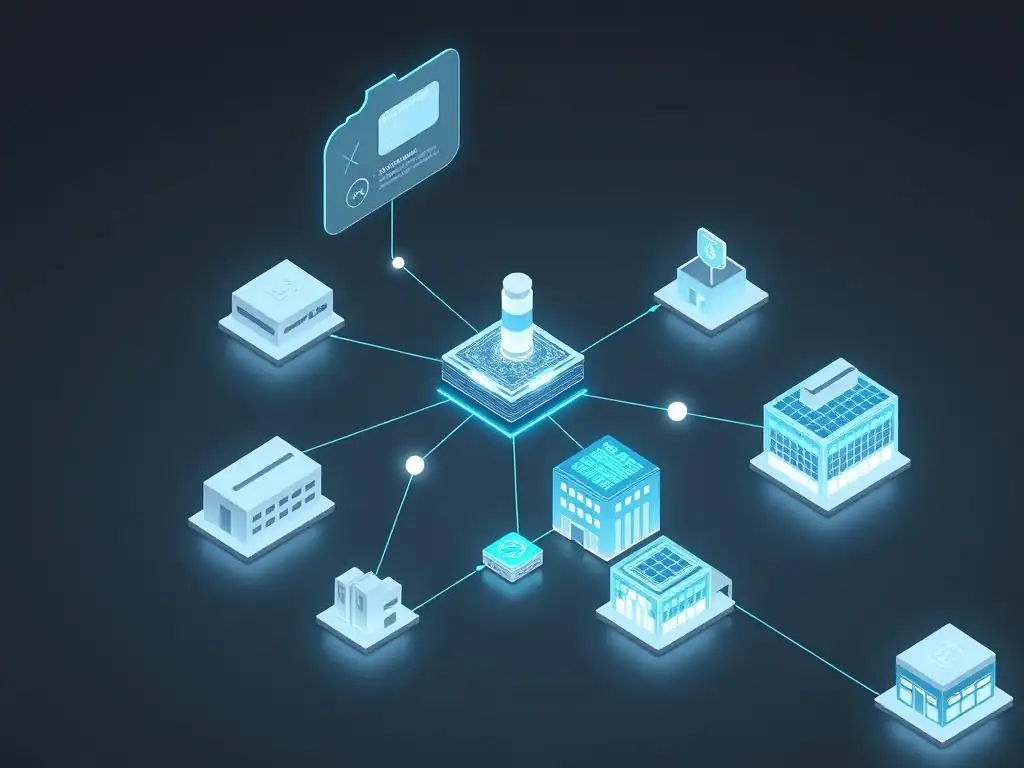
Case Study 1: IBM Food Trust - Tracking Pharmaceuticals
While primarily known for tracking food products like lettuce and tomatoes, the underlying technology and principles of IBM Food Trust have been explored for application in the pharmaceutical sector. The platform, built on IBM Blockchain, demonstrates the capability to create a permissioned network where supply chain participants can securely share data about product movements. In the context of pharmaceuticals, this means recording details about a specific drug batch as it moves from the manufacturer, through various distributors, potentially repackagers, and finally to the dispenser.
The core value proposition, transferable from food to pharma, is the ability to dramatically reduce the time it takes to trace a product back to its origin. In food recalls, what used to take days or weeks with traditional methods could be accomplished in seconds or minutes using the blockchain platform.
Applying this to pharmaceuticals means that in the event of a safety alert or suspected counterfeit incident, the affected products can be identified and located with unprecedented speed and accuracy. This capability is crucial for protecting public health and is a direct application of the benefits of a blockchain pharma supply chain.
Case Study 2: MediLedger - Addressing Chargebacks and Contract Management
The MediLedger Project is a prominent, industry-wide initiative focused specifically on applying blockchain technology to address critical challenges within the US pharmaceutical supply chain. One of its initial and successful applications has been tackling the complex and often contentious process of chargebacks. Chargebacks occur when a dispenser (like a pharmacy) purchases drugs from a wholesaler at a discounted price based on a contract with the manufacturer.
The wholesaler then charges the manufacturer the difference. Discrepancies in contract terms, pricing, and sales data lead to significant disputes and manual reconciliation efforts, costing the industry substantial amounts annually – estimates often range into the billions of dollars in administrative costs and unresolved claims across the US market.
MediLedger uses a decentralized network where manufacturers, wholesalers, and dispensers can agree on contract terms and record transaction data immutably. Smart contracts verify sales against contract terms automatically, facilitating accurate and timely chargeback processing. This reduces disputes, eliminates the need for extensive manual reconciliation, and improves trust between trading partners. By solving a specific, high-cost problem like chargebacks, MediLedger demonstrates the tangible benefits of a blockchain pharma supply chain in streamlining complex business processes and reducing operational friction within the industry.
The Impact of Blockchain on Patient Safety and Trust in the Pharmaceutical Industry
Ultimately, the implementation of blockchain technology in the pharmaceutical supply chain has a profound and positive impact on patient safety and trust. By ensuring the authenticity and integrity of medications through enhanced traceability and reduced counterfeiting, blockchain directly protects patients from the dangers of fake or substandard drugs. Patients and healthcare providers can have greater confidence that the medication they receive is legitimate and has been handled appropriately throughout its journey.
The increased transparency provided by a blockchain pharma supply chain also builds trust among all stakeholders. Manufacturers can trust that their products are being distributed correctly, distributors can trust the data they receive from manufacturers, and pharmacies can trust the provenance of the drugs they dispense. This ecosystem of trust, built on verifiable and immutable data, strengthens the entire supply chain, making it more reliable and ultimately serving the critical mission of delivering safe and effective medications to those who need them.
Overcoming Challenges and Barriers to Blockchain Adoption in Pharma
Addressing Regulatory Hurdles and Compliance Requirements
While blockchain can streamline compliance with regulations like DSCSA, navigating the existing regulatory landscape and ensuring new blockchain solutions meet these requirements remains a significant challenge. Regulatory bodies need to understand how blockchain platforms function and how they can be audited effectively. There is a need for clear guidelines on what constitutes compliant data storage, sharing, and reporting within a decentralized framework. For instance, demonstrating compliance with specific data serialization and reporting requirements (like EPCIS data standards) on a blockchain requires careful mapping and integration.
Furthermore, regulations vary significantly across different countries and regions. A global pharmaceutical company implementing a blockchain pharma supply chain needs to ensure its solution can adapt to diverse regulatory environments, potentially requiring different network configurations or data access rules depending on the jurisdiction. Collaboration between industry consortia, technology providers, and regulatory agencies is crucial to develop standards and interpretations that facilitate compliant blockchain adoption and avoid creating new regulatory obstacles.
Data Privacy and Security Considerations in Blockchain-Based Pharma Solutions
Implementing a blockchain pharma supply chain raises critical questions about data privacy and security, particularly concerning sensitive information. While blockchain offers inherent security through cryptography and immutability, the transparency of the ledger must be carefully managed. Not all data needs to be visible to every participant. Competitive pricing information, sensitive patient data (though typically not stored directly on the blockchain, but rather referenced), and proprietary manufacturing processes must be protected.
Permissioned blockchains, where participation and data access are restricted to known and authorized entities, are the standard approach in enterprise settings like pharma to address these privacy concerns. Data encryption, off-chain storage of highly sensitive data with on-chain hashes for verification, and granular access controls are essential technical measures. Establishing clear data governance policies and legal agreements among network participants is also vital to ensure that data is handled according to privacy regulations like GDPR or HIPAA, maintaining confidentiality while leveraging the benefits of a shared ledger.
Scalability and Interoperability Challenges in the Pharma Supply Chain
Scaling a blockchain network to accommodate the vast volume of transactions occurring daily in the global pharmaceutical supply chain presents a technical challenge. Early blockchain platforms sometimes faced limitations in transaction throughput. However, newer enterprise-grade blockchain platforms have made significant advancements in scalability, capable of handling thousands or even tens of thousands of transactions per second, which is becoming sufficient for many supply chain applications.
Interoperability is another key barrier. The pharmaceutical industry involves numerous stakeholders using diverse legacy systems. A successful blockchain pharma supply chain requires seamless integration between these existing systems and the blockchain platform. This involves developing standards for data exchange and ensuring that different blockchain networks (if companies join multiple initiatives) can potentially interact. Overcoming these technical hurdles requires careful planning, robust integration strategies, and potentially industry-wide collaboration on technical standards to ensure widespread adoption and maximize the network effect.
The Future of Blockchain in Pharmaceutical Supply Chain Management
Emerging Trends and Innovations in Blockchain Pharma Solutions
The future of blockchain in the pharmaceutical supply chain is being shaped by several emerging trends and innovations. One significant area is the integration of Internet of Things (IoT) devices with blockchain. Sensors tracking temperature, humidity, or location can automatically record data onto the blockchain, creating an immutable record of cold chain compliance for sensitive pharmaceuticals like vaccines or biologics. This automated data capture reduces manual entry errors and provides real-time monitoring capabilities.
Another trend is the exploration of different blockchain architectures, including hybrid models that combine aspects of public and private blockchains, or the use of zero-knowledge proofs to verify transactions or data without revealing the underlying sensitive information. Furthermore, advancements in interoperability standards and middleware are making it easier to connect diverse systems to blockchain networks. The focus is increasingly on creating comprehensive platforms that manage not just traceability but also smart contracts for complex agreements, digital identities for participants, and integration with regulatory reporting systems, building a truly connected blockchain pharma supply chain.
The Role of Blockchain in Building a More Secure and Transparent Pharma Ecosystem
Blockchain technology is poised to play a foundational role in building a fundamentally more secure and transparent ecosystem for pharmaceuticals. By providing a single, trusted source of truth for product information and transaction history, it eliminates the opacity and data silos that have historically plagued the industry and enabled illicit activities. The inherent security features make it significantly harder for counterfeiters to operate undetected, while the transparency allows legitimate products to be verified at every step.
This enhanced security and transparency foster greater collaboration and trust among supply chain partners. When all parties are operating from the same verifiable data set on the blockchain pharma supply chain, disputes are reduced, communication is improved, and the collective effort to ensure product integrity is strengthened. This shift from a fragmented, opaque system to a connected, transparent network is essential for meeting the growing demands for safety and accountability in the global pharmaceutical market.
Predictions for the Future of Blockchain's Impact on the Pharmaceutical Industry
Industry experts and analysts predict that blockchain technology will move beyond pilot programs and niche applications to become a core component of pharmaceutical supply chain infrastructure within the next five to ten years. While initial adoption might focus on high-value drugs or specific pain points like chargebacks, the technology is expected to expand to cover a broader range of products and processes. The global market for blockchain in healthcare, which includes supply chain applications, is projected to grow significantly, potentially reaching billions of dollars in market value by the mid-2020s, reflecting increasing investment and implementation.
Future impacts are expected to include widespread adoption of digital product passports linked to blockchain records, enabling patients and healthcare providers to verify drug authenticity via a simple scan. Regulatory bodies may increasingly integrate with blockchain networks for real-time monitoring and auditing. The blockchain pharma supply chain is expected to become a standard, rather than an exception, fundamentally transforming how drugs are tracked, verified, and delivered, leading to a safer, more efficient, and more trustworthy pharmaceutical landscape for everyone involved.
Conclusion: Embracing Blockchain for a Safer and More Efficient Pharma Supply Chain
The Transformative Potential of Blockchain for the Pharmaceutical Industry
Blockchain technology offers a truly transformative solution for the long-standing challenges faced by the pharmaceutical supply chain. Its core principles of immutability, transparency, and decentralization directly address the vulnerabilities of traditional systems, particularly concerning counterfeit drugs, traceability, and operational inefficiencies. By providing a secure, shared, and verifiable ledger of every product movement, blockchain builds a foundation of trust and integrity that is currently lacking.
The benefits – from enhanced traceability and reduced counterfeiting to improved efficiency and streamlined compliance – are significant and directly contribute to safeguarding patient safety and optimizing business operations. Real-world initiatives like MediLedger demonstrate that blockchain is not merely a theoretical concept but a practical tool already delivering tangible value within the industry, proving the viability and necessity of a robust blockchain pharma supply chain.
Call to Action: Embracing Innovation and Collaboration in the Pharma Sector
To fully realize the transformative potential of blockchain, stakeholders across the pharmaceutical supply chain must actively embrace this innovation and foster collaboration. Manufacturers, wholesalers, distributors, pharmacies, technology providers, and regulatory bodies need to work together to develop and adopt standardized blockchain solutions. Participating in industry consortia, investing in pilot programs, and developing the necessary technical infrastructure and expertise are crucial next steps.
Ignoring the potential of blockchain means remaining vulnerable to the rising threats of counterfeiting and struggling with the inefficiencies of outdated systems. Embracing the development of a comprehensive blockchain pharma supply chain is not just about adopting a new technology; it's about committing to building a safer, more transparent, and more efficient future for the delivery of essential medicines worldwide. The time to act is now to ensure the integrity of the pharmaceutical ecosystem and protect public health.
Frequently Asked Questions
What are the primary benefits of using blockchain in the pharma supply chain?
Blockchain offers enhanced transparency and traceability, reducing the risk of counterfeit drugs. It also improves supply chain efficiency and builds trust among stakeholders.
How does blockchain help combat counterfeit drugs in the pharmaceutical industry?
Blockchain provides an immutable record of each product's journey, making it difficult for counterfeiters to introduce fake medications into the system. This enhanced track and trace capability is crucial.
What are some potential challenges to implementing blockchain in the pharma supply chain?
Scalability can be a concern, along with the need for industry-wide collaboration and the establishment of standardized data formats to ensure interoperability.
How can blockchain improve the efficiency of the pharma supply chain?
By automating processes, reducing intermediaries, and providing real-time visibility, blockchain can significantly streamline operations and reduce delays in the pharma supply chain.
What role does regulation play in the adoption of blockchain for pharmaceutical supply chains?
Clear regulatory frameworks are essential to provide legal certainty and encourage wider adoption. Regulations can address data privacy, security, and liability issues within the blockchain-based supply chain.
Final Reflection: Securing the Future of Medicine
The exploration of blockchain's potential within pharmaceutical supply chain management reveals a critical truth: transparency and security are no longer optional, but essential for patient safety and trust. The vulnerabilities inherent in traditional systems, as we've discussed, demand a radical shift, and blockchain offers a compelling solution. The stakes are high, impacting not just efficiency and cost savings, but the very integrity of the medications we rely upon.
The impact of a secure and transparent pharmaceutical supply chain extends far beyond the boardroom. It touches the lives of every individual who depends on medication, fostering confidence and mitigating the risks of counterfeit drugs. Witnessing the potential of blockchain to revolutionize this vital industry underscores the urgent need for widespread adoption. The best way to predict the future is to create it.
- Peter Drucker. This quote resonates deeply when considering the proactive steps needed to implement blockchain solutions and safeguard the future of medicine.
As we conclude this exploration, consider the role you can play in advocating for a more secure and transparent pharmaceutical supply chain. Whether you're a healthcare professional, a technology enthusiast, or simply a concerned citizen, your voice matters. Let us collectively champion the adoption of blockchain technology, ensuring that the medications we trust are truly safe and effective, from manufacturer to patient. Let's build a future where trust is not just hoped for, but guaranteed.
Revolutionize Your Pharma Supply Chain: Start Today!
Thank you for exploring the transformative potential of blockchain in revolutionizing pharmaceutical supply chain management. We hope this article has highlighted the significant advantages blockchain offers over traditional methods. Now, let's put this knowledge into action.
Here's how you can take the next step:
- Begin mapping your current supply chain and identify key areas where blockchain solutions could provide immediate improvements in transparency, security, and efficiency. This will lay a strong foundation for future enhancements.
- Share this article with your colleagues and initiate discussions within your organization about the potential of blockchain. Collaboration is essential for successful implementation.
- Consider exploring open-source blockchain platforms tailored for supply chain management and experimenting with a pilot project to evaluate its benefits firsthand.
Which part of your pharmaceutical supply chain do you think would benefit most from blockchain integration, and why? Share your insights in the comments below!
Leave a Reply