
Blockchain and Pharma Cold Chain Monitoring: Maintaining TemperatureSensitive Drug Integrity


Welcome to Blockchain Trends, where we delve into the transformative potential of blockchain technology that extends far beyond the realm of cryptocurrencies. In this article, we explore an innovative intersection of blockchain and healthcare with a focus on "Blockchain cold chain pharma monitoring." Discover how this groundbreaking technology is revolutionizing the way temperature-sensitive drugs are managed during transportation, ensuring their integrity and efficacy. Are you ready to uncover the future of decentralized systems in pharmaceutical logistics? Let’s embark on this journey together!
Blockchain and Pharma Cold Chain Monitoring: Maintaining Temperature-Sensitive Drug Integrity
- Introduction: Ensuring Drug Integrity with Blockchain in Pharma Cold Chain
- Understanding the Pharma Cold Chain and Temperature Sensitivity
- Blockchain Cold Chain Pharma Monitoring: A Technological Overview
- Benefits of Blockchain in Pharma Cold Chain Tracking
- Real-World Applications of Blockchain for Pharma Cold Chain
- Overcoming Challenges in Blockchain Implementation for Pharma Cold Chain
- The Future of Blockchain in Pharma Cold Chain Monitoring
- Conclusion: Blockchain's Transformative Potential for Pharma Cold Chain Integrity
-
Frequently Asked Questions
- What is blockchain cold chain pharma monitoring and why is it important?
- How does blockchain enhance traditional cold chain monitoring systems?
- What are the key benefits of implementing blockchain in pharma cold chains?
- What are some challenges to adopting blockchain for pharma cold chain monitoring?
- How does blockchain contribute to regulatory compliance in the pharmaceutical industry?
- Final Reflection: Securing Health Through Trust
- Secure the Supply Chain: Take Action Now!
Introduction: Ensuring Drug Integrity with Blockchain in Pharma Cold Chain
The Critical Need for Temperature Control in Pharmaceutical Supply Chains
Maintaining strict temperature control throughout the pharmaceutical supply chain is not merely a regulatory requirement; it is fundamental to ensuring drug efficacy and patient safety. Many life-saving medications, including vaccines, biologics, and certain specialty drugs, are temperature-sensitive. Exposure to temperatures outside their specified range, even for short periods, can degrade the active ingredients, render the drug ineffective, or worse, turn it toxic. The global pharmaceutical cold chain market is vast and growing, estimated to be worth tens of billions of dollars, underscoring the scale of operations requiring meticulous temperature management.
The integrity of temperature-sensitive pharmaceuticals relies on an unbroken "cold chain" from manufacturing through distribution to the point of administration. This chain involves complex logistics, multiple handoffs between parties (manufacturers, distributors, wholesalers, pharmacies, hospitals), and various modes of transport (air, sea, road). Each step presents potential points of failure where temperature deviations can occur due to equipment malfunction, human error, or unforeseen delays.
The consequences of such excursions can be severe, leading to significant financial losses from spoiled inventory and, more critically, jeopardizing public health if compromised drugs reach patients. Industry estimates suggest that temperature excursions contribute to billions of dollars in annual losses for the pharmaceutical industry, highlighting the economic and health imperatives for robust monitoring solutions.
Challenges in Traditional Pharma Cold Chain Monitoring Systems
Traditional methods for monitoring the pharma cold chain often rely on manual checks, paper-based logs, and fragmented data systems. While data loggers and temperature indicators are widely used, the data collected is frequently siloed within individual organizations or specific legs of the journey. This creates visibility gaps, making it difficult to get an end-to-end view of a product's temperature history. When a temperature excursion is detected, pinpointing exactly where and when it occurred, and identifying the responsible party, can be challenging and time-consuming due to the lack of a single, immutable record shared across the chain.
Furthermore, the data collected in traditional systems can be susceptible to tampering or errors. Manual data entry is prone to mistakes, and data stored in centralized databases can be altered, intentionally or unintentionally, compromising its reliability. Auditing and compliance reporting become cumbersome as information must be pieced together from disparate sources, increasing administrative overhead and the risk of non-compliance. The lack of real-time, shared visibility also hinders proactive intervention. If a temperature issue arises, stakeholders downstream may not be notified promptly, leading to further propagation of the problem and increased product spoilage before it can be intercepted.
How Blockchain Technology Addresses Cold Chain Pharma Challenges
Blockchain technology offers a compelling solution to many of the inherent challenges in traditional pharma cold chain monitoring. By providing a decentralized, immutable, and transparent ledger, blockchain can create a single, trustworthy record of a product's journey and its associated environmental conditions, such as temperature and humidity. When integrated with IoT sensors placed with pharmaceutical shipments, blockchain can automatically record temperature data points in real-time as transactions on the ledger. This ensures that once data is recorded, it cannot be altered or deleted without the consensus of the network participants, providing unparalleled data integrity.
The shared nature of the blockchain allows all authorized parties in the supply chain – from the manufacturer to the final dispenser – to access the same, verifiable temperature history for a specific batch of drugs. This enhanced visibility fosters trust and accountability across the network.
Smart contracts, self-executing contracts with the terms of the agreement directly written into code, can be deployed on the blockchain to automate actions based on predefined conditions, such as triggering alerts if a temperature excursion is detected or even automating payments upon successful delivery within specified parameters. This automation reduces reliance on manual processes, minimizes human error, and enables faster, more efficient responses to critical events in the blockchain cold chain pharma monitoring process.
Understanding the Pharma Cold Chain and Temperature Sensitivity
What is the Pharma Cold Chain? A Detailed Explanation
The pharmaceutical cold chain is a specialized segment of the supply chain dedicated to transporting and storing temperature-sensitive pharmaceutical products within a specific temperature range, typically between 2°C and 8°C (36°F and 46°F) for refrigerated products, or lower for frozen goods. This complex network involves manufacturers, packaging providers, logistics carriers, distributors, wholesalers, healthcare providers (hospitals, clinics, pharmacies), and sometimes patients. Each entity plays a crucial role in maintaining the required environmental conditions to preserve the quality, safety, and efficacy of sensitive medications like vaccines, insulin, blood plasma, and many biopharmaceuticals.
The process begins at the manufacturing site, where drugs are produced and immediately placed into controlled temperature environments. Specialized packaging, such as insulated containers with gel packs or dry ice, is often used for transport. Logistics partners utilize refrigerated vehicles, temperature-controlled warehouses, and monitoring equipment to ensure the temperature remains within the acceptable range during transit and storage.
At every transfer point, from loading docks to airport tarmacs and distribution centers, protocols must be strictly followed to minimize the time products spend outside controlled environments. The integrity of this chain is paramount, as breaches can render expensive and vital medications useless.
Risks of Temperature Excursions in Pharmaceutical Products
Temperature excursions, defined as any deviation from the required storage or transport temperature range, pose significant risks to pharmaceutical products. For refrigerated goods (2-8°C), exposure to temperatures above 8°C can accelerate the degradation of active ingredients. Freezing, meaning exposure to temperatures below 0°C (32°F), is equally damaging for many products, particularly vaccines and biologics, as it can denature proteins and render them ineffective or even harmful. For frozen products (e.g., -20°C or -70°C), thawing and refreezing cycles are particularly detrimental.
The risks associated with these excursions are multi-faceted. Financially, temperature deviations lead to product spoilage, requiring costly disposal and replacement. This can amount to billions in losses globally each year; some estimates place the cost of cold chain failures for the pharma industry at over $10 billion annually. Operationally, excursions cause delays as products must be quarantined and tested, disrupting supply and potentially leading to drug shortages. Most importantly, from a public health perspective, compromised drugs may not provide the intended therapeutic effect or could cause adverse reactions, directly impacting patient outcomes and eroding trust in the pharmaceutical system.
The Impact of Temperature Fluctuations on Drug Efficacy and Safety
Temperature fluctuations directly impact the chemical stability and biological activity of temperature-sensitive pharmaceuticals. Enzymes, proteins, and complex molecules in biologics and vaccines are particularly vulnerable. For example, if a protein-based drug is exposed to excessive heat, its three-dimensional structure can unfold (denature), destroying its therapeutic function. Similarly, freezing can cause ice crystals to form, damaging cell structures in vaccines or altering the physical properties of a solution, leading to aggregation or precipitation of active ingredients.
Even seemingly minor or brief excursions can have cumulative effects. While some products might tolerate brief excursions, repeated or prolonged deviations significantly increase the risk of degradation. The loss of efficacy means patients may not receive the full benefit of the medication, potentially leading to treatment failure. In some cases, degradation products could be harmful. Ensuring the cold chain is maintained with high precision is therefore not just about preserving product quality; it is a critical component of patient safety and public health, making robust blockchain cold chain pharma monitoring solutions increasingly vital.
Blockchain Cold Chain Pharma Monitoring: A Technological Overview
How Blockchain Enhances Pharma Cold Chain Visibility
Blockchain technology fundamentally enhances visibility in the pharma cold chain by creating a shared, tamper-evident ledger accessible to authorized participants across the network. Unlike traditional systems where each party maintains its own separate records, a blockchain network allows manufacturers, carriers, distributors, and healthcare providers to view the same immutable history of a drug shipment. When temperature data from IoT sensors is recorded as transactions on the blockchain, it creates a transparent log of environmental conditions linked directly to the specific product batch or unit.
This shared visibility means that at any point in the journey, stakeholders can verify the temperature history without relying on fragmented data or trusting intermediaries' reports. For instance, a pharmacist receiving a shipment can scan a QR code on the package, which links to its blockchain record, instantly revealing the complete temperature profile from the moment it left the manufacturer.
This level of transparency significantly reduces information asymmetry, builds trust among supply chain partners, and enables faster decision-making, such as immediately quarantining a product if an excursion is detected early in the process, before it reaches its destination. This enhanced visibility is a core benefit of blockchain cold chain pharma monitoring.
Key Features of Blockchain for Temperature Monitoring in Pharma
Several key features of blockchain make it particularly well-suited for pharmaceutical temperature monitoring. First is immutability: once temperature data is recorded on the blockchain, it cannot be altered or deleted. This ensures the integrity and trustworthiness of the temperature history, providing a reliable audit trail. Second is decentralization: data is not stored in a single central database vulnerable to hacking or failure; instead, it is distributed across multiple nodes in the network, increasing security and resilience.
Third is transparency: while access can be permissioned to protect sensitive business data, the recorded temperature transactions are typically visible to all authorized network participants, fostering accountability. Fourth is the ability to integrate with IoT devices: Blockchain platforms can seamlessly connect with temperature sensors, humidity sensors, and GPS trackers to automatically feed real-time environmental and location data onto the ledger.
Finally, smart contracts enable automation: predefined rules based on temperature thresholds can trigger automatic alerts, notifications, or even initiate actions like initiating return protocols or releasing payments, streamlining operations and ensuring rapid response to deviations. These features collectively establish a robust framework for blockchain cold chain pharma monitoring.
Implementing Smart Contracts for Automated Cold Chain Management
Smart contracts are a powerful application of blockchain technology for automating cold chain management processes. These self-executing contracts are written in code and reside on the blockchain, automatically enforcing the terms of an agreement based on verifiable data inputs, such as temperature readings from IoT sensors. For example, a smart contract can be programmed to monitor the temperature data associated with a specific pharmaceutical shipment. If a temperature reading exceeds the predefined threshold (e.g., goes above 8°C for a vaccine), the smart contract can automatically trigger a series of actions.
These automated actions can include sending immediate alerts to relevant parties (carrier, manufacturer, distributor), changing the status of the shipment on the blockchain ledger to "potentially compromised," initiating a quarantine protocol, or even automatically adjusting payment terms based on the deviation severity. This automation eliminates the need for manual checks and interventions for routine conditional responses, reducing delays and human error. Smart contracts embedded in a blockchain cold chain pharma monitoring solution ensure that agreed-upon protocols for temperature management are executed instantly and reliably whenever conditions are met, enhancing efficiency and compliance throughout the supply chain.
Benefits of Blockchain in Pharma Cold Chain Tracking
Enhanced Transparency and Traceability in Drug Supply Chains
One of the most significant benefits of implementing blockchain in pharmaceutical cold chain tracking is the dramatic improvement in transparency and traceability. Each step of a drug product's journey, from its origin to its destination, along with critical data points like temperature logs, can be recorded as immutable transactions on a shared ledger. This creates an unbroken, verifiable chain of custody and condition data. Authorized participants can access this ledger to see exactly where a product has been, who handled it, and what temperatures it experienced at each point.
This level of end-to-end visibility is unparalleled in traditional systems. For instance, if a patient experiences an adverse reaction potentially linked to a compromised drug, healthcare providers or regulators can quickly trace the specific batch back through the supply chain using the blockchain record, identifying its origin and journey details within minutes rather than days or weeks. This enhanced transparency fosters greater trust among supply chain partners and consumers alike, knowing that the history of their medication is openly verifiable and resistant to falsification, a key advantage of blockchain cold chain pharma monitoring.
Improved Data Security and Immutability for Pharma Products
Data security and immutability are paramount in the pharmaceutical industry, especially when dealing with critical condition data like temperature. Blockchain's inherent cryptographic security features and distributed nature provide a robust solution. Data recorded on the blockchain is encrypted, and each new block of transactions is linked cryptographically to the previous one, forming a secure chain. Altering data in a past block would require re-calculating the hash for that block and all subsequent blocks, a computationally infeasible task across a distributed network.
This immutability ensures that the temperature history recorded for a pharmaceutical shipment is trustworthy and cannot be tampered with after it has been added to the ledger. This is crucial for compliance, auditing, and dispute resolution. Furthermore, the decentralized nature means there is no single point of failure that a cyberattack could exploit to compromise the entire dataset. This improved data integrity provides a high level of assurance regarding the reliability of temperature records, essential for maintaining the quality and safety of temperature-sensitive drugs tracked via blockchain cold chain pharma monitoring.
Reduced Counterfeiting and Diversion of Temperature-Sensitive Drugs
Counterfeiting and diversion are major concerns in the pharmaceutical industry, posing serious risks to patient safety and causing significant financial losses. Temperature-sensitive drugs, often high-value and critical, are prime targets. By creating a secure, transparent, and traceable record of each product's journey on a blockchain, it becomes significantly harder for counterfeit products to enter the legitimate supply chain or for legitimate products to be diverted. Each unit or batch can be assigned a unique digital identity recorded on the ledger.
As the product moves through the supply chain, its location, custody transfers, and temperature conditions are logged on the blockchain. If a product appears in a location or context that doesn't align with its recorded history on the ledger – or if a product claims to be from a specific batch but lacks a verifiable blockchain history – it raises a red flag indicative of potential counterfeiting or diversion. This transparent and immutable tracking mechanism, integrated with blockchain cold chain pharma monitoring, provides a powerful deterrent against illicit activities, helping to protect the integrity of the drug supply.
Streamlined Auditing and Compliance Processes in Pharma
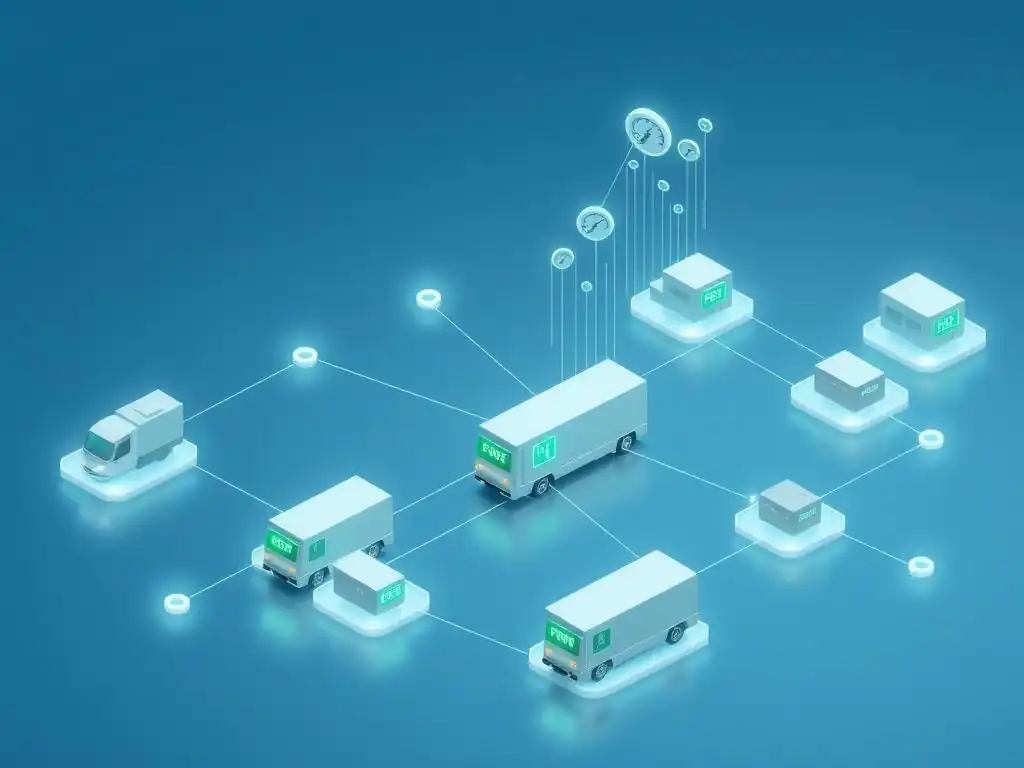
The pharmaceutical industry is heavily regulated, requiring extensive documentation and auditing to ensure compliance with Good Distribution Practices (GDP) and other standards, particularly concerning temperature control. Traditional manual or fragmented digital systems make audits cumbersome, requiring auditors to sift through numerous disparate records from different entities. Blockchain significantly streamlines these processes by providing a single, immutable, and easily accessible source of truth for a product's entire journey and temperature history.
With blockchain cold chain pharma monitoring, auditors can quickly access the complete, verifiable record of a specific batch's temperature profile, custody transfers, and timestamps directly from the ledger. This reduces the time and effort required for audits, lowers administrative costs, and minimizes the potential for errors or discrepancies in reporting. Furthermore, the inherent immutability of the blockchain record provides regulators and auditors with high confidence in the data's accuracy and integrity, simplifying compliance verification and potentially accelerating regulatory approvals or investigations.
Cost Savings through Efficient Cold Chain Management
Implementing blockchain for pharma cold chain monitoring can lead to significant cost savings across the supply chain. Reduced product spoilage is a major factor; by providing real-time visibility and automated alerts via smart contracts, temperature excursions can be detected and addressed much faster, potentially saving valuable shipments from being compromised. Estimates suggest that proactive intervention enabled by enhanced monitoring can reduce cold chain-related losses by a notable percentage, possibly in the range of 10-25% for some operations.
Beyond spoilage reduction, blockchain can lower operational costs by streamlining processes. Automated data logging from IoT sensors reduces manual data entry and associated errors. Simplified auditing and compliance processes decrease administrative overhead. Faster dispute resolution regarding shipment conditions is possible because the blockchain provides an undeniable record. While initial implementation costs exist, the long-term efficiencies gained through improved visibility, data integrity, and process automation contribute to a healthier bottom line for pharmaceutical companies and their logistics partners leveraging blockchain cold chain pharma monitoring.
Real-World Applications of Blockchain for Pharma Cold Chain
Case Study 1: Integrating Blockchain with IoT Sensors for Real-Time Monitoring
Several initiatives have demonstrated the practical application of integrating blockchain with IoT sensors for real-time pharma cold chain monitoring. One notable example involves companies piloting solutions for tracking high-value biologics. In these pilots, temperature and location sensors placed within shipping containers continuously collect data. This data is then automatically transmitted to a blockchain network, where it is recorded as immutable transactions, linked to the specific shipment's unique identifier.
Participants in the pilot network, including the manufacturer, logistics provider, and receiving pharmacy or hospital, have permissioned access to view this real-time data on the blockchain. If a temperature reading goes out of the acceptable range, the system triggers immediate alerts via smart contracts to all relevant parties.
This allows for rapid investigation and intervention – for instance, rerouting a shipment or arranging for immediate inspection upon arrival – significantly reducing the time between excursion and action compared to traditional methods. These pilots have shown the feasibility of creating a transparent, automated, and highly responsive monitoring system using blockchain cold chain pharma monitoring technology.
Case Study 2: Blockchain for Vaccine Distribution in Developing Countries
The distribution of vaccines, particularly in developing countries with challenging infrastructure and varying environmental conditions, presents a critical need for reliable cold chain monitoring. Several non-profit organizations and technology companies have explored or piloted blockchain solutions for this specific context. The goal is to ensure that vaccines maintain efficacy from the point of manufacture to remote clinics, where reliable electricity and traditional monitoring infrastructure may be scarce.
In such initiatives, low-cost, rugged IoT sensors are used to monitor temperature during transport and storage. The data is then recorded on a blockchain, often using mobile-based interfaces or intermittent connectivity solutions to upload data when available. This creates an immutable record accessible to public health officials and supply chain managers.
The transparent, shared ledger helps build trust in the vaccine supply chain, allows for targeted interventions when cold chain breaches occur, and provides verifiable data for audits and program evaluation. While still facing infrastructure challenges, these projects highlight the potential of blockchain cold chain pharma monitoring to improve global health outcomes.
Examples of Blockchain-Enabled Temperature Sensors and IoT Integration
The integration of blockchain with IoT for pharma cold chain relies on various types of sensors and connectivity solutions. Temperature data loggers are standard, but newer versions are designed for seamless integration with blockchain platforms. These can be simple disposable indicators, reusable devices with internal memory, or advanced sensors capable of real-time transmission. For blockchain integration, sensors often need connectivity capabilities like Bluetooth, Wi-Fi, cellular (3G/4G/5G), or even satellite communication for remote areas.
Examples include smart labels with NFC or RFID that can link to a blockchain record, or more complex multi-sensor devices that monitor temperature, humidity, light exposure, and shock. Companies are developing specific IoT gateways that collect data from these sensors and securely write it onto a designated blockchain network.
The key is ensuring the data captured by the sensor is accurately and immutably recorded on the ledger, often through a secure API or middleware layer that connects the physical world of the sensor to the digital world of the blockchain, forming the backbone of blockchain cold chain pharma monitoring systems.
Overcoming Challenges in Blockchain Implementation for Pharma Cold Chain
Regulatory Hurdles and Compliance Requirements for Blockchain in Pharma
Implementing blockchain in the highly regulated pharmaceutical industry faces significant regulatory hurdles. Agencies like the FDA in the U.S. and the EMA in Europe have strict requirements for data integrity, validation, and audit trails for systems impacting drug quality. While blockchain offers inherent data integrity, demonstrating that a specific blockchain implementation meets these stringent requirements (e.g., Part 11 compliance for electronic records) requires careful validation and documentation. Regulators are still developing specific guidance for blockchain, creating uncertainty.
Furthermore, the decentralized nature of blockchain can complicate traditional regulatory oversight models. Questions arise about data ownership, responsibility for data accuracy, and the legal standing of smart contracts. Companies must navigate how to integrate blockchain solutions within existing validated systems and processes while ensuring they meet current and future regulatory expectations. Collaboration between industry, technology providers, and regulatory bodies is essential to establish clear guidelines and best practices for using blockchain cold chain pharma monitoring in a compliant manner.
Data Privacy and Security Considerations in Pharma Blockchain Networks
While blockchain offers immutability and security for recorded transactions, implementing it in the pharma cold chain raises specific data privacy and security considerations. Pharmaceutical supply chain data, including shipment details, quantities, routes, and potentially sensitive handling information, must be protected. Public blockchains are generally not suitable due to the requirement for open access. Permissioned or private blockchains, where participation and data access are restricted to authorized entities, are typically preferred.
However, within a permissioned network, careful design is needed to ensure that sensitive commercial data (like pricing or specific customer details) is not exposed to competing network participants. Techniques like data partitioning, zero-knowledge proofs, or storing only hashes of sensitive data on the public chain while keeping the actual data off-chain in secure, permissioned databases are explored. Ensuring robust identity management and access controls within the blockchain network is also critical to protect against unauthorized data access or manipulation, key considerations for effective blockchain cold chain pharma monitoring.
Scalability and Interoperability Challenges in Pharma Supply Chains
Scalability is a potential challenge for blockchain networks, particularly as the volume of temperature data from thousands or millions of shipments and sensors grows exponentially. Public blockchains like Bitcoin or Ethereum can process a limited number of transactions per second, which might not be sufficient for a large-scale global pharmaceutical supply chain. Permissioned blockchains often offer higher transaction throughput, but careful design and infrastructure planning are still necessary to handle massive data flows from IoT devices.
Interoperability is another major challenge. The pharmaceutical supply chain involves numerous disparate systems used by different companies – from legacy ERP systems to various WMS and TMS platforms. Integrating these existing systems with a new blockchain cold chain pharma monitoring solution requires significant development effort and coordination. Furthermore, different blockchain platforms exist (e.g., Hyperledger Fabric, R3 Corda, Ethereum variants), and ensuring interoperability between different blockchain networks or between blockchain and traditional databases is an ongoing area of focus for the industry.
Integration with Existing Pharma Supply Chain Systems
Integrating a blockchain cold chain pharma monitoring solution into the complex web of existing legacy systems used throughout the pharmaceutical supply chain is a significant technical and operational hurdle. Pharmaceutical companies, distributors, and logistics providers rely on established Enterprise Resource Planning (ERP), Warehouse Management Systems (WMS), Transportation Management Systems (TMS), and Quality Management Systems (QMS). These systems often hold critical data related to inventory, orders, shipments, and product quality.
A successful blockchain implementation requires seamless data exchange between the blockchain ledger and these existing systems. This typically involves building Application Programming Interfaces (APIs) and middleware to ensure that data flows accurately and efficiently in both directions – pushing temperature data from IoT sensors onto the blockchain, and pulling verified data from the blockchain back into operational systems for decision-making, inventory management, or quality control processes. The complexity of integrating across multiple organizations, each with their own technology stack, necessitates careful planning, standardized data formats, and significant collaboration to unlock the full potential of blockchain cold chain pharma monitoring.
The Future of Blockchain in Pharma Cold Chain Monitoring
Emerging Trends in Blockchain for Temperature-Controlled Logistics
The future of blockchain in temperature-controlled logistics for pharmaceuticals is trending towards greater automation, integration, and standardization. We are seeing the development of more sophisticated smart contracts that can handle complex multi-party agreements and automate a wider range of actions beyond simple alerts, such as dynamic rerouting based on real-time temperature data combined with logistics network conditions. The focus is also shifting towards creating industry consortia and standards bodies to define common data models and network protocols, which will be crucial for achieving true interoperability across the fragmented global supply chain.
Another emerging trend is the use of decentralized identifiers (DIDs) and verifiable credentials (VCs) on the blockchain to manage the identities and permissions of participants, devices, and even individual product units. This enhances security and privacy while maintaining traceability. Furthermore, the integration of blockchain with other cutting-edge technologies, such as AI for predictive analytics on temperature excursion risks and machine learning for optimizing cold chain routes based on historical blockchain data, is expected to become more prevalent, pushing the capabilities of blockchain cold chain pharma monitoring beyond simple tracking.
The Role of AI and Machine Learning in Enhancing Blockchain Cold Chain Solutions
Artificial Intelligence (AI) and Machine Learning (ML) are poised to play a significant role in enhancing blockchain cold chain pharma monitoring solutions. While blockchain provides the secure, immutable data foundation, AI/ML can extract valuable insights from this vast dataset. For example, ML algorithms can analyze historical temperature data recorded on the blockchain across numerous shipments, routes, and carriers to identify patterns and predict potential points of failure or high-risk routes for temperature excursions.
AI can be used to optimize cold chain logistics by analyzing real-time temperature and location data from the blockchain, combined with external factors like weather forecasts or traffic conditions, to dynamically suggest route adjustments or recommend specific packaging solutions for different legs of a journey. Machine learning can also help in validating the integrity of sensor data before it's recorded on the blockchain, identifying anomalies that might indicate sensor malfunction or attempted data tampering.
By combining the data integrity of blockchain with the predictive power of AI/ML, the industry can move from reactive monitoring to proactive risk management in the pharma cold chain.
Predictions for the Adoption of Blockchain in the Pharmaceutical Industry
Predictions for the adoption of blockchain in the pharmaceutical industry, particularly for supply chain and cold chain applications, are generally optimistic, though acknowledging a phased approach. While broad, industry-wide adoption is likely several years away (perhaps 5-10 years for full maturity), pilot programs and targeted implementations are expected to increase significantly in the near term (within the next 2-4 years). High-value, temperature-sensitive drugs and critical products like vaccines are likely to be early adopters due to the high cost of failure and stringent regulatory requirements.
Factors driving adoption include increasing regulatory pressure for enhanced traceability (like the U.S. DSCSA requirements), the rising cost of cold chain failures, and the growing need to combat counterfeit drugs. Challenges like regulatory clarity, interoperability between different systems and networks, and the cost of implementation will need to be overcome. However, the compelling benefits in terms of data integrity, transparency, and efficiency suggest that blockchain cold chain pharma monitoring is set to become a standard practice for ensuring the safety and efficacy of temperature-sensitive medications in the future.
Conclusion: Blockchain's Transformative Potential for Pharma Cold Chain Integrity
The Importance of Blockchain for Maintaining Drug Safety and Efficacy
Maintaining the safety and efficacy of temperature-sensitive drugs is critically dependent on preserving the integrity of the cold chain from manufacturer to patient. Temperature excursions can render vital medications ineffective or harmful, posing significant risks to public health. Traditional monitoring systems often suffer from fragmentation, lack of real-time visibility, and susceptibility to data tampering, making it challenging to ensure that drugs have been stored and transported under optimal conditions throughout their journey.
Blockchain technology offers a robust solution to these challenges. By providing a secure, immutable, and transparent ledger for recording temperature data from IoT sensors, blockchain creates an undeniable record of a product's environmental history. This enhanced data integrity and end-to-end visibility are essential for verifying the quality of temperature-sensitive pharmaceuticals, enabling rapid response to deviations, and ultimately ensuring that patients receive medications that are safe, effective, and have maintained their intended therapeutic properties, highlighting the fundamental importance of blockchain cold chain pharma monitoring.
Embracing Blockchain for a More Secure and Transparent Pharma Supply Chain
Embracing blockchain technology is a strategic move for the pharmaceutical industry towards building a more secure, transparent, and efficient supply chain, particularly for temperature-controlled products. The ability to track and verify the temperature history of every drug shipment on an immutable ledger provides an unprecedented level of accountability and trust among all stakeholders. This transparency not only helps in maintaining product quality but also serves as a powerful tool in combating counterfeiting and diversion, protecting both the industry's reputation and patient safety.
While challenges related to regulation, integration, and scalability exist, ongoing pilots and industry collaborations are paving the way for broader adoption. The long-term benefits in terms of reduced losses, streamlined compliance, and enhanced patient safety make the investment in blockchain cold chain pharma monitoring a compelling proposition. As the technology matures and standards emerge, blockchain is set to become an integral part of modern pharmaceutical logistics, ensuring the integrity of the cold chain and contributing to better health outcomes globally.
Frequently Asked Questions
What is blockchain cold chain pharma monitoring and why is it important?
Blockchain cold chain pharma monitoring uses blockchain technology to track and verify the temperature history of pharmaceuticals. This is crucial for ensuring drug integrity and patient safety as temperature excursions can render drugs ineffective or even harmful.
How does blockchain enhance traditional cold chain monitoring systems?
Blockchain provides an immutable and transparent record of temperature data, eliminating the risk of tampering or data manipulation. This increases trust and accountability throughout the supply chain compared to traditional, more centralized systems.
What are the key benefits of implementing blockchain in pharma cold chains?
The main benefits include improved traceability, enhanced data security, and increased transparency. These lead to reduced spoilage, minimized counterfeiting, and improved compliance with regulations.
What are some challenges to adopting blockchain for pharma cold chain monitoring?
Challenges include the initial investment cost, the need for interoperability between different systems, and potential regulatory hurdles regarding data privacy and security.
How does blockchain contribute to regulatory compliance in the pharmaceutical industry?
Blockchain provides an auditable trail of data that demonstrates compliance with regulatory requirements such as those from the FDA or EMA. This helps ensure that temperature-sensitive drugs are stored and transported within acceptable ranges.
Okay, here's a final reflection crafted to fit your article's theme and target keyword, using the structure you provided:
Final Reflection: Securing Health Through Trust
The journey of temperature-sensitive pharmaceuticals from manufacturer to patient is fraught with risk, and the potential for compromised integrity is a serious threat. Blockchain cold chain pharma monitoring offers a powerful solution, not just for tracking temperature, but for building an unshakeable foundation of trust in the entire supply chain, ensuring that patients receive the safe and effective medications they need.
The impact of this technology extends far beyond simple logistics; it touches upon the very core of patient safety and public health. Witnessing the potential for blockchain to revolutionize such a critical aspect of healthcare is profoundly inspiring, reminding us that innovation can directly translate into improved lives. The best way to predict the future is to create it.
- Peter Drucker. This quote encapsulates the proactive approach needed to embrace and implement blockchain solutions in the pharmaceutical cold chain.
As we look to the future, let us not only celebrate the technological advancements but also commit to fostering collaboration and transparency within the pharmaceutical industry. Consider how you can champion the adoption of blockchain technology in your own sphere of influence, ensuring that the integrity of temperature-sensitive drugs is maintained, and ultimately, safeguarding the health and well-being of communities worldwide.
Secure the Supply Chain: Take Action Now!
Thank you for exploring the vital role of blockchain technology in protecting temperature-sensitive medicines. You've seen how this innovation can transform cold chain monitoring in the pharmaceutical industry. Don't let this knowledge go to waste—take proactive steps to make a difference. Here's how you can contribute to a safer, more transparent healthcare supply chain:
- Immediately investigate potential blockchain solutions for your current supply chain challenges. Identify opportunities where enhanced tracking and temperature monitoring can minimize risks and ensure compliance. This is the essential first step!
- Share this article with colleagues in pharmaceuticals and logistics to raise awareness about the benefits of blockchain in maintaining drug integrity. Let's start an important conversation!
- Consider researching and supporting open-source blockchain projects dedicated to supply chain management. Get involved and help shape the future of industry standards!
What temperature-sensitive products do you think would benefit most from blockchain-based monitoring, and what obstacles might arise during implementation? Share your insights below!
Leave a Reply