
Blockchain for Pharma Distribution: Streamlining the Journey to Patients

Welcome to Blockchain Trends, your compass in the rapidly evolving world of decentralized technologies. We delve deep into how blockchain is reshaping industries beyond just cryptocurrencies, from DeFi innovations to enterprise solutions.
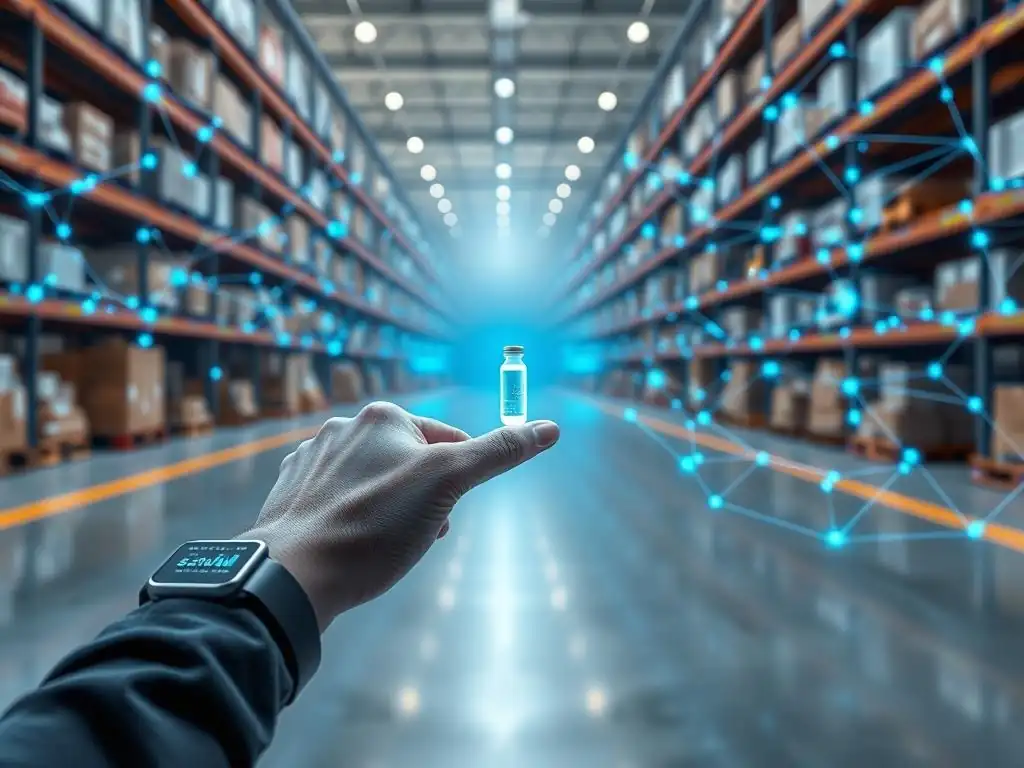
Ever wondered how blockchain technology can revolutionize the pharmaceutical industry? Our latest exploration focuses on the blockchain pharma supply chain, uncovering how it's streamlining the journey of vital medications to patients, ensuring authenticity and efficiency every step of the way. Intrigued? Discover how this transformative application is setting a new standard in healthcare transparency and security.
Blockchain for Pharma Distribution: Streamlining the Journey to Patients
- Introduction: The Urgent Need for Transparency in Pharmaceutical Distribution
- Understanding Blockchain Technology and its Relevance to Pharmaceuticals
- The Challenges Facing the Pharmaceutical Supply Chain
- Blockchain Solutions for Pharma Distribution: A Detailed Overview
- Implementing Blockchain in the Pharma Supply Chain: A Step-by-Step Approach
- Real-World Examples: Blockchain Pharma Supply Chain Success Stories
- Benefits of Blockchain Implementation for Pharma Companies
- Overcoming Challenges and Barriers to Blockchain Adoption in Pharma
- The Future of Blockchain in Pharmaceutical Distribution
- Conclusion: Blockchain - A Transformative Force in Pharma Distribution
-
Frequently Asked Questions
- What are the main benefits of using blockchain in the pharma supply chain?
- How does blockchain help with regulatory compliance in the pharmaceutical industry?
- What are some potential challenges in implementing blockchain for pharma distribution?
- Beyond tracking, what other applications does blockchain have in the pharma supply chain?
- How does blockchain technology contribute to improving patient outcomes in the pharmaceutical sector?
- Final Reflection: Securing the Chain of Trust
- Unveil the Future of Pharma: Take Action Now!
Introduction: The Urgent Need for Transparency in Pharmaceutical Distribution
The Complexities of the Current Pharma Supply Chain
The pharmaceutical supply chain is arguably one of the most intricate and critical logistics networks globally. It involves a diverse array of stakeholders, including manufacturers, raw material suppliers, wholesalers, distributors, pharmacies, hospitals, and ultimately, the patients. Products range from bulk chemicals to highly sensitive biologicals requiring strict temperature controls. Navigating this labyrinth involves multiple handoffs, international borders, varying regulatory requirements across jurisdictions, and a constant flow of information that is often siloed across different entities and legacy systems. This inherent complexity creates numerous potential vulnerabilities, from data inaccuracies to points of potential diversion or tampering.
Compounding these complexities are the sheer volume and value of pharmaceutical goods, along with the life-critical nature of the products. A single shipment might contain millions of dollars worth of medication, and any disruption or compromise can have devastating consequences for public health.
The traditional paper-based or disparate electronic tracking systems often lack real-time visibility and fail to provide a single, authoritative source of truth for a product's journey. This opacity makes it exceedingly difficult to quickly identify the origin of issues, verify product authenticity, or conduct efficient recalls, highlighting a critical need for a more robust and transparent framework within the blockchain pharma supply chain.
Addressing Counterfeit Drugs and Patient Safety with Blockchain
Counterfeit drugs represent a significant and escalating global threat, estimated by the World Health Organization (WHO) to constitute around 10% of the global drug market, potentially higher in some developing regions. These fake medications can contain incorrect dosages, harmful substances, or no active ingredients at all, leading to treatment failure, serious health complications, or even death. The lack of reliable mechanisms to trace a drug from its point of manufacture to the patient's hand makes it difficult to detect counterfeits once they enter legitimate distribution channels, posing a direct threat to patient safety.
Blockchain technology offers a powerful paradigm shift in addressing this critical issue within the blockchain pharma supply chain. By creating an immutable, transparent, and distributed ledger of every transaction and movement of a drug, blockchain makes it virtually impossible for counterfeit products to be inserted undetected into the supply chain. Each participant in the authorized chain can verify the legitimacy of the product and its history, significantly reducing the opportunities for illicit actors. This enhanced integrity directly contributes to safeguarding public health by ensuring that patients receive authentic, safe, and effective medications.
Understanding Blockchain Technology and its Relevance to Pharmaceuticals
What is Blockchain and How Does it Work?
At its core, a blockchain is a decentralized, distributed ledger that records transactions across many computers. These transactions are grouped into "blocks," and each new block is cryptographically linked to the previous one, forming a chain. Once a block is added to the chain, it is extremely difficult and computationally expensive to alter or remove the data it contains without detection, making the ledger effectively immutable. This structure ensures the integrity and security of the data recorded on the blockchain.
Participants in a blockchain network typically have access to a shared, synchronized copy of the ledger. Transactions are validated by network participants (nodes) through a consensus mechanism before being added to a new block. This distributed nature means there is no single point of control or failure, enhancing resilience and reducing reliance on central authorities. For the blockchain pharma supply chain, this means that information about a drug's journey is not held by one entity but is shared and verifiable by all authorized participants, creating unprecedented transparency.
Key Features of Blockchain: Immutability, Transparency, and Security
Immutability is a cornerstone feature of blockchain; once data is written to the ledger and confirmed, it cannot be retrospectively altered or deleted. This provides an unalterable record of events, crucial for tracking the provenance of sensitive goods like pharmaceuticals. Any attempt to tamper with historical data would break the cryptographic links between blocks and would be immediately apparent to the network, rendering the compromised data invalid.
Transparency in blockchain refers to the fact that all authorized participants can view the transaction history on the ledger. While sensitive commercial data can be protected using privacy-preserving techniques like zero-knowledge proofs or by restricting access to permissioned networks, the integrity of the chain of custody is visible. Security is inherent in the cryptographic principles underlying blockchain, including hashing and digital signatures, which ensure data integrity and authenticate participants. These combined features make blockchain an ideal technology for building trust and reliability in the complex blockchain pharma supply chain.
Benefits of Applying Blockchain in the Pharma Industry
Implementing blockchain technology offers a multitude of advantages for the pharmaceutical sector. One primary benefit is the significant increase in supply chain visibility and traceability, allowing stakeholders to track products with granular detail from manufacturing plant to pharmacy shelf. This end-to-end tracking is vital for compliance with regulations like the US Drug Supply Chain Security Act (DSCSA) and similar directives globally, which mandate enhanced traceability to combat counterfeiting and diversion.
Beyond regulatory compliance, blockchain enhances operational efficiency by streamlining data sharing and reducing reliance on manual processes or disparate systems. Smart contracts, self-executing contracts with the terms directly written into code, can automate processes such as payments upon delivery verification or triggering alerts based on conditions like temperature excursions. This automation minimizes errors, reduces administrative overhead, and accelerates transactions within the blockchain pharma supply chain, ultimately leading to cost savings and faster delivery times.
The Challenges Facing the Pharmaceutical Supply Chain
Counterfeit Drugs: A Global Threat to Public Health
The proliferation of counterfeit drugs poses one of the most critical challenges to the pharmaceutical supply chain and global public health. These illicit products bypass rigorous quality control standards and regulatory oversight, often containing incorrect ingredients, insufficient active compounds, or harmful contaminants. The consequences for patients can be severe, ranging from ineffective treatment and worsening health conditions to toxic reactions and death. Estimates from various sources, including the WHO and UNODC, place the value of this illicit market in the tens or even hundreds of billions of dollars annually, indicating its vast scale and the difficulty in eradicating it.
The sophisticated nature of some counterfeiting operations makes detection challenging within traditional supply chains. Counterfeiters often produce packaging that is nearly indistinguishable from genuine products, and without robust, verifiable tracking mechanisms, these fakes can easily blend into legitimate distribution channels. This lack of transparency and the ease with which products can be compromised at various points in the journey underscore the urgent need for a more secure and traceable system, which blockchain technology is uniquely positioned to provide for the blockchain pharma supply chain.
Lack of Traceability and Visibility in Drug Distribution
A fundamental weakness in conventional pharmaceutical distribution is the limited end-to-end traceability and visibility. Information about a drug's movement, handling, and condition is often fragmented across numerous independent databases and systems operated by different stakeholders. A manufacturer might track a batch to its first distributor, but visibility often diminishes significantly thereafter. This creates blind spots where products can be lost, diverted, or tampered with without immediate detection.
The inability to quickly and reliably trace a specific product unit back to its origin complicates crucial processes like targeted recalls. If a safety issue is identified, pinpointing affected batches and locations can be slow and inefficient, potentially leaving harmful products in circulation longer than necessary. Furthermore, verifying the legitimate chain of custody for a specific product unit at the point of dispensing or administration is often difficult, increasing the risk of counterfeit products reaching patients. Enhancing traceability is a core requirement for improving the integrity and safety of the blockchain pharma supply chain.
Inefficiencies and Delays in the Pharmaceutical Supply Chain
Beyond security and safety concerns, the pharmaceutical supply chain is often plagued by operational inefficiencies and delays. The reliance on manual processes, paper documentation, and disparate electronic systems leads to administrative burdens, data entry errors, and communication breakdowns between parties. Reconciling discrepancies across different systems can be time-consuming and costly.
Furthermore, the lack of real-time visibility into inventory levels and shipment statuses can lead to stockouts or overstocking, impacting patient access to essential medicines and increasing holding costs for businesses. Disputes over shipment details, product condition, or delivery times are common and can cause significant delays in payments and product flow. Streamlining these processes through a shared, verifiable ledger like blockchain can significantly improve the efficiency and responsiveness of the blockchain pharma supply chain.
Blockchain Solutions for Pharma Distribution: A Detailed Overview
Track and Trace: Enhancing Visibility Across the Supply Chain
One of the most immediate and impactful applications of blockchain in pharmaceutical distribution is enhanced track and trace capabilities. By assigning a unique identifier (like a serial number) to each individual drug package and recording every transaction involving that package on an immutable ledger, stakeholders can gain unprecedented end-to-end visibility. From the moment a product leaves the manufacturing line, through distribution centers, wholesalers, pharmacies, and even potentially to the patient, its journey is recorded.
This granular tracking allows any authorized participant to verify the complete history of a specific unit of medication. For example, a pharmacist receiving a shipment can scan the package's serial number and instantly verify its origin, route, and handling history against the blockchain record. This capability is fundamental to meeting regulatory requirements like DSCSA in the US, which aims for unit-level traceability by 2023, and similar regulations in other regions. Implementing robust track and trace powered by blockchain is a critical step towards securing the blockchain pharma supply chain.
Temperature Monitoring: Ensuring Drug Integrity with IoT Integration
Many pharmaceutical products, particularly vaccines, biologics, and certain specialty medications, require strict temperature control throughout their journey to maintain efficacy and safety. Deviations from the required temperature range can render these drugs ineffective or even harmful. Monitoring temperature accurately and ensuring that the monitoring data is reliable and auditable is a significant challenge in complex, multi-leg supply chains.
Integrating Internet of Things (IoT) sensors with a blockchain platform provides a powerful solution. Temperature sensors placed with drug shipments can automatically record temperature data at regular intervals. This data is then written directly to the blockchain, creating an immutable log of the product's environmental conditions during transit and storage. If a temperature excursion occurs, it is immediately recorded on the ledger, providing an objective, verifiable record for all stakeholders and enabling timely intervention or quarantine of compromised products. This combination of IoT and blockchain significantly enhances the integrity of the cold chain within the blockchain pharma supply chain.
Verification and Authentication: Combating Counterfeit Medications
Blockchain provides a robust mechanism for verifying the authenticity of pharmaceutical products at multiple points in the supply chain. By recording the unique serial number and associated manufacturing data on the blockchain at the point of production, any subsequent scanning of that serial number can be checked against the immutable ledger. If a product with the same serial number appears elsewhere in the supply chain simultaneously (indicating a duplicate/counterfeit), or if the scanned serial number does not match a record on the blockchain, it can be flagged as suspicious.
Furthermore, cryptographic signatures associated with each transaction ensure that the entity handling the product at each step is authorized and that the product's chain of custody remains unbroken. This distributed verification process makes it significantly harder for counterfeit products to infiltrate legitimate channels undetected. Pharmacists, healthcare providers, and even potentially patients could use simple applications to scan a product's identifier and instantly verify its legitimacy and history against the trusted blockchain record, bolstering defenses against counterfeit drugs in the blockchain pharma supply chain.
Secure Data Sharing: Facilitating Collaboration Among Stakeholders
The pharmaceutical supply chain involves numerous independent companies that traditionally operate with siloed data systems. Sharing sensitive information, such as manufacturing details, lot numbers, expiry dates, handling instructions, and transaction records, securely and efficiently across these disparate entities has been a persistent challenge. Concerns about data privacy, security, and competitive interests often hinder the free flow of necessary information.
Blockchain, particularly permissioned or private blockchains, offers a framework for secure and controlled data sharing. Participants can be granted specific levels of access to view or add data to the ledger based on their role and permissions. Cryptographic techniques ensure data integrity and confidentiality where needed. This shared, yet secure, data environment facilitates unprecedented collaboration and transparency among stakeholders, enabling faster problem resolution, more efficient recalls, and improved overall coordination across the blockchain pharma supply chain without compromising sensitive business information.
Implementing Blockchain in the Pharma Supply Chain: A Step-by-Step Approach
Identifying Key Stakeholders and Their Roles
Successful implementation of blockchain in the pharmaceutical supply chain requires careful consideration of all involved parties and their specific needs and roles. This typically includes pharmaceutical manufacturers, who initiate the supply chain and hold critical product data; wholesalers and distributors, responsible for moving large volumes of product; pharmacies and hospitals, the points of dispensing to patients; and potentially regulatory bodies, auditors, and third-party logistics providers. Each stakeholder has unique requirements regarding data access, system integration, and regulatory compliance.
Engaging these stakeholders early in the process is crucial. Understanding their current workflows, pain points related to traceability and data sharing, and technical capabilities will inform the design and implementation of the blockchain solution. Defining clear roles and responsibilities for adding data, validating transactions, and accessing information on the network is essential for establishing governance and ensuring widespread adoption and trust within the blockchain pharma supply chain.
Selecting the Right Blockchain Platform for Pharma
Choosing the appropriate blockchain platform is a critical decision with long-term implications. Given the sensitive nature of pharmaceutical data and the need for controlled access, a permissioned blockchain platform is typically preferred over public, permissionless ones like Bitcoin or Ethereum (though enterprise versions like Quorum, Hyperledger Fabric, or Corda are relevant). Permissioned networks allow organizations to control who can participate, validate transactions, and access specific data, addressing privacy and regulatory concerns.
Factors to consider include the platform's scalability to handle millions of transactions per day, its performance in terms of transaction speed, its security features, ease of integration with existing enterprise resource planning (ERP) and warehouse management systems (WMS), and the availability of developer support and a robust ecosystem. The chosen platform must be capable of supporting complex data structures, including serial numbers, lot information, expiry dates, and potentially condition monitoring data, to effectively manage the blockchain pharma supply chain.
Integrating Blockchain with Existing Pharmaceutical Systems
A major challenge in implementing blockchain in the pharmaceutical industry is integrating the new blockchain platform with the myriad of legacy systems currently used by stakeholders (e.g., ERP, WMS, serialization systems, temperature monitoring databases). These systems often use different data formats and communication protocols, requiring middleware or APIs to facilitate seamless data exchange with the blockchain. Data from existing systems, such as production records and serialization data, must be accurately and securely fed onto the blockchain.
This integration process requires careful planning and execution to avoid disrupting current operations. It often involves developing connectors or adapters to translate data between systems and establishing clear data governance rules to ensure consistency and accuracy. Successful integration is key to ensuring that the blockchain solution enhances, rather than complicates, existing workflows and provides a single source of truth for product information across the entire blockchain pharma supply chain.
Data Management and Security Considerations for Pharma Blockchain
Managing data on a blockchain for pharmaceuticals involves specific security and privacy considerations. While the blockchain itself provides immutability and cryptographic security, the data being written to it must be accurate and protected before it is recorded. This includes securing the interfaces and systems that feed data to the blockchain and ensuring that only authorized parties can submit or access information.
Given the sensitive nature of patient data (if linked) and commercial supply chain information, robust access control mechanisms are paramount. Permissioned blockchains allow for fine-grained control over who can see which data. Furthermore, compliance with data privacy regulations like GDPR and HIPAA is essential. Techniques like hashing sensitive data or storing large off-chain data with only cryptographic proofs on-chain can help maintain privacy while leveraging blockchain's integrity features. Establishing clear data ownership policies and security protocols is vital for a trustworthy blockchain pharma supply chain.
Real-World Examples: Blockchain Pharma Supply Chain Success Stories
Tracking Prescription Opioids to Combat Abuse
The opioid crisis in many parts of the world highlights the critical need for robust tracking of controlled substances. Blockchain technology has been explored and piloted as a means to create an immutable record of every transaction involving prescription opioids, from manufacturing through dispensing. By tracking each unit with a unique identifier on a blockchain, regulators, manufacturers, and distributors can gain unprecedented visibility into the flow of these drugs.
One notable initiative, the MediLedger Project, involves major pharmaceutical companies and aims to build a network for verifying drug authenticity and tracking ownership transfers using blockchain. While not exclusively focused on opioids, its principles are directly applicable. By providing a shared, verifiable ledger of opioid movements, blockchain can help identify suspicious patterns, detect diversion, and provide authorities with the data needed to intervene, significantly strengthening controls within the blockchain pharma supply chain for these critical medications.
Enhancing Transparency in Vaccine Distribution
Ensuring the integrity and timely delivery of vaccines, particularly those requiring strict cold chain management like many COVID-19 vaccines, is a complex logistical challenge. Several pilot programs have explored using blockchain combined with IoT sensors to enhance transparency and reliability in vaccine distribution. These projects aim to track vaccine shipments in real-time, monitor temperature conditions immutably on the blockchain, and provide verifiable proof of delivery and handling for all stakeholders.
For instance, some initiatives have tested tracking vaccine vials from the manufacturer to administration sites, recording location, temperature logs from IoT sensors, and custody transfers on a blockchain. This provides a transparent and auditable history for each batch or even individual vial, ensuring that vaccines have been stored and transported correctly and helping to build public trust in the safety and efficacy of distributed doses. Such applications demonstrate the practical benefits of blockchain in critical areas of the blockchain pharma supply chain.
Streamlining Clinical Trial Data Management
While not strictly distribution of finished products, managing clinical trial data shares many challenges with supply chain management: ensuring data integrity, security, and auditability across multiple sites and parties. Blockchain is being explored to create secure, immutable records of patient consent, trial protocols, and the data generated during trials.
By recording key trial milestones and data points on a blockchain, researchers can create a tamper-proof audit trail that enhances trust in trial results and streamlines the validation process for regulatory submissions. This application leverages blockchain's immutability and transparency features to improve the efficiency and integrity of clinical research, which is a crucial upstream component of the pharmaceutical lifecycle and indirectly impacts the data associated with products moving through the blockchain pharma supply chain.
Benefits of Blockchain Implementation for Pharma Companies
Enhanced Supply Chain Transparency and Traceability
Implementing blockchain technology provides pharmaceutical companies with unparalleled visibility into their supply chains. They can track specific drug units from manufacturing to the point of sale or administration, gaining real-time insights into location, handling history, and environmental conditions. This level of transparency extends not just within a company's own operations but across its network of partners, including wholesalers, distributors, and pharmacies.
This enhanced traceability allows companies to quickly identify the source of issues, verify product authenticity at any point, and gain a comprehensive understanding of their inventory flow. Knowing exactly where products are and how they have been handled is invaluable for optimizing logistics, managing stock levels, and responding rapidly to potential problems or regulatory inquiries. This foundational benefit is a primary driver for adopting blockchain in the blockchain pharma supply chain.
Reduced Counterfeiting and Drug Diversion
By creating an immutable and verifiable record of each product's journey, blockchain significantly raises the barrier for counterfeiters and those seeking to divert legitimate drugs. Any attempt to introduce a fake product or reroute a genuine one outside the authorized chain would create a discrepancy on the blockchain ledger, which can be immediately flagged and investigated. The cost and complexity of trying to replicate or tamper with a blockchain record far exceed those of traditional methods.
This improved security protects patients from harmful counterfeit medications and helps companies protect their brand reputation and revenue. Reducing diversion also helps combat issues like substance abuse by making it harder for controlled substances to enter illicit markets. The inherent security features of blockchain make it a powerful tool in the fight against these pervasive threats within the blockchain pharma supply chain.
Improved Patient Safety and Trust
Ultimately, the goal of securing the pharmaceutical supply chain is to ensure patient safety. By guaranteeing the authenticity and integrity of medications, blockchain directly contributes to this objective. Patients and healthcare providers can have increased confidence that the drugs they receive are genuine, have been handled correctly, and are safe and effective for use.
Furthermore, the transparency offered by blockchain can help build trust between pharmaceutical companies and the public. By providing a verifiable record of product provenance and handling, companies demonstrate their commitment to quality and safety. This can be particularly impactful in scenarios involving complex or sensitive products like vaccines, where public trust is paramount. A secure blockchain pharma supply chain directly translates to improved patient outcomes and greater confidence in the healthcare system.
Increased Operational Efficiency and Cost Savings
Beyond security and safety, blockchain implementation can lead to significant operational efficiencies and cost savings for pharmaceutical companies. Automating processes through smart contracts, such as payments triggered by verified delivery or automated quality checks based on temperature data, reduces manual effort and administrative costs. The shared, immutable ledger reduces disputes over shipment details and product condition, streamlining reconciliation and reducing potential financial losses.
Improved visibility leads to better inventory management, reducing waste from expired stock and preventing costly stockouts. Faster and more reliable data sharing among partners improves coordination and reduces delays. While initial implementation costs exist, the long-term benefits in reduced losses from counterfeiting, streamlined operations, and improved supply chain resilience offer a compelling return on investment for companies adopting blockchain in the blockchain pharma supply chain.
Overcoming Challenges and Barriers to Blockchain Adoption in Pharma
Regulatory Compliance and Data Privacy Concerns
Navigating the complex landscape of pharmaceutical regulations across different countries is a significant challenge for blockchain adoption. While regulations like DSCSA in the US are driving the need for enhanced traceability, they may not explicitly mandate or provide clear guidelines for using blockchain. Companies need to ensure that their blockchain implementation meets all existing and evolving regulatory requirements, which can be a moving target.
Furthermore, handling sensitive data within a blockchain context raises significant data privacy concerns. While permissioned blockchains offer control, ensuring compliance with regulations like GDPR (in Europe) and HIPAA (in the US), which govern the processing and protection of personal health information, is critical. Designing the system to protect patient privacy while still providing necessary traceability requires careful architectural decisions, potentially involving off-chain storage of sensitive data or using advanced cryptographic techniques, posing hurdles for the blockchain pharma supply chain.
Interoperability with Existing Systems
Integrating a new blockchain platform with the diverse and often outdated legacy systems used throughout the pharmaceutical industry is a major technical hurdle. Manufacturers, distributors, and pharmacies all use different software for inventory management, serialization, order processing, and enterprise resource planning. These systems were not designed to easily communicate with a distributed ledger technology like blockchain.
Achieving seamless interoperability requires developing robust integration layers (APIs, middleware) that can translate data between legacy systems and the blockchain network. This process can be complex, time-consuming, and expensive, requiring significant technical expertise and coordination among multiple parties. Ensuring that data flows accurately and reliably into and out of the blockchain without disrupting existing critical operations is essential for the success of a blockchain pharma supply chain.
Scalability and Performance Issues
The pharmaceutical supply chain handles billions of drug packages annually worldwide. Any technology solution must be able to scale to accommodate this immense volume of transactions without compromising performance (transaction speed and latency). While enterprise-grade permissioned blockchains are designed for higher throughput than public networks, ensuring they can handle the peak loads and continuous data streams required for unit-level tracking across a global network is a significant technical challenge.
Performance issues, such as slow transaction confirmation times, could impede real-time tracking and verification processes, diminishing the practical benefits of the system. Ensuring the chosen platform can scale efficiently as more participants join the network and transaction volumes increase requires careful planning, infrastructure investment, and ongoing optimization. Addressing scalability is key to building a viable blockchain pharma supply chain solution.
Educating Stakeholders on Blockchain Technology
A significant non-technical barrier to blockchain adoption is the lack of widespread understanding and expertise among stakeholders in the pharmaceutical industry. Many professionals are unfamiliar with how blockchain works, its potential benefits, and its limitations. This knowledge gap can lead to skepticism, resistance to change, and difficulties in implementing and managing the technology effectively.
Educating employees, partners, and even regulators about blockchain technology, its specific application in the blockchain pharma supply chain, and the advantages it brings is crucial for fostering acceptance and driving successful adoption. This involves training programs, clear communication about the project's goals and benefits, and addressing concerns about data security, privacy, and job impact. Building a shared understanding is essential for collaborative implementation.
The Future of Blockchain in Pharmaceutical Distribution
Emerging Trends and Innovations in Pharma Blockchain
The application of blockchain in the pharmaceutical supply chain is a rapidly evolving field, with several emerging trends and innovations on the horizon. Beyond basic track and trace, future developments are likely to include more sophisticated uses of smart contracts for automating complex agreements, such as revenue sharing based on supply chain performance or automated payments triggered by regulatory milestones. The integration of advanced analytics and AI with blockchain data will enable predictive capabilities, such as forecasting potential supply chain disruptions or identifying suspicious patterns indicative of counterfeiting activity.
Another trend is the exploration of combining blockchain with other cutting-edge technologies. Decentralized identifiers (DIDs) and verifiable credentials could be used to manage the identity and permissions of participants and devices on the network more securely. Furthermore, research into interoperability standards between different blockchain networks and legacy systems is ongoing, aiming to create a more connected and efficient global blockchain pharma supply chain ecosystem.
The Role of Blockchain in Personalized Medicine
As the pharmaceutical industry moves towards more personalized and complex therapies, the need for precise tracking and data management becomes even more critical. Personalized medicines, including cell and gene therapies, often involve patient-specific manufacturing processes and require an absolute guarantee of identity and chain of custody from biological sample collection to the administration of the final product.
Blockchain is uniquely suited to provide the immutable, auditable trail required for these highly individualized treatments. It can track the patient's sample, the manufacturing process, and the delivery and administration of the specific therapy, ensuring the right treatment reaches the right patient without error or mix-up. This application extends the blockchain pharma supply chain concept from mass-produced drugs to highly tailored therapies, ensuring integrity and safety in this cutting-edge area of medicine.
Blockchain and Enhanced Data Security
While blockchain is inherently secure due to its cryptographic nature, future developments will likely focus on further enhancing data security and privacy within pharmaceutical applications. This includes exploring more advanced privacy-preserving techniques, such as homomorphic encryption or zero-knowledge proofs, which allow computations or verifications to be performed on encrypted data without decrypting it, thus protecting sensitive information even from network participants.
Standardization efforts for security protocols specific to pharmaceutical supply chain data on blockchain will also play a crucial role. As regulations evolve, the need for robust, verifiable data security measures will increase. Future blockchain solutions will likely incorporate enhanced identity management and access control features to meet these stringent requirements, further solidifying blockchain's role as a foundation for a secure blockchain pharma supply chain.
Conclusion: Blockchain - A Transformative Force in Pharma Distribution
Embracing Blockchain for a Safer and More Efficient Pharmaceutical Supply Chain
The challenges facing the traditional pharmaceutical supply chain—counterfeiting, lack of visibility, and operational inefficiencies—are significant and have direct consequences for patient safety and public health. Blockchain technology, with its core attributes of immutability, transparency, and security, offers a powerful and transformative solution to these long-standing problems. By providing an unalterable, shared record of a drug's journey, blockchain enables true end-to-end traceability, effectively combating the insertion of counterfeit products and reducing diversion.
Implementing blockchain requires overcoming technical hurdles like integration and scalability, as well as addressing regulatory and educational barriers. However, the potential benefits in terms of enhanced safety, improved operational efficiency, and significant cost savings make a compelling case for adoption. Companies that embrace blockchain are positioning themselves to build a more resilient, trustworthy, and compliant blockchain pharma supply chain capable of meeting the demands of modern healthcare.
The Potential of Blockchain to Revolutionize Patient Care
Ultimately, the successful adoption of blockchain in pharmaceutical distribution has the potential to revolutionize patient care. By ensuring that every medication reaching a patient is authentic, safe, and has been handled correctly, blockchain builds a foundation of trust in the healthcare system. Patients can have greater confidence in the quality and efficacy of their treatments, leading to better health outcomes.
Beyond just ensuring authenticity, the transparency and efficiency gains enabled by blockchain can contribute to more timely access to medications, reduce errors in dispensing, and improve the overall patient experience. As the technology matures and adoption grows, blockchain will become an indispensable tool for creating a safer, more efficient, and ultimately, more patient-centric pharmaceutical ecosystem. The journey towards a fully transparent and secure blockchain pharma supply chain is underway, promising significant positive impacts on global health.
Frequently Asked Questions
What are the main benefits of using blockchain in the pharma supply chain?
Blockchain offers enhanced traceability and transparency, helping to combat counterfeit drugs and ensure product integrity throughout the distribution process. This leads to greater patient safety and trust.
How does blockchain help with regulatory compliance in the pharmaceutical industry?
Blockchain provides an immutable record of all transactions, making it easier to meet regulatory requirements like the Drug Supply Chain Security Act (DSCSA). This streamlines audits and ensures accountability across the supply chain.
What are some potential challenges in implementing blockchain for pharma distribution?
Challenges include the lack of standardization across the industry, the high initial investment in infrastructure, and the need for collaboration between various stakeholders.
Beyond tracking, what other applications does blockchain have in the pharma supply chain?
Besides tracking and tracing, blockchain can facilitate secure data sharing, automated smart contracts for payments, and improved inventory management. It can also streamline clinical trial data.
How does blockchain technology contribute to improving patient outcomes in the pharmaceutical sector?
By ensuring the authenticity and integrity of drugs, blockchain helps prevent patients from receiving counterfeit or substandard medications. This directly impacts patient safety and treatment effectiveness.
Final Reflection: Securing the Chain of Trust
The promise of enhanced transparency and security in pharmaceutical distribution is no longer a distant aspiration. As we've explored, blockchain technology offers a tangible solution to combat counterfeiting, improve traceability, and ultimately safeguard patient health within the complex pharma supply chain. The urgency of this application is amplified by the increasing globalization of drug production and the ever-present threat of substandard and falsified medicines reaching vulnerable populations.
The impact of a robust and transparent blockchain pharma supply chain extends far beyond regulatory compliance. It fosters trust – trust between manufacturers, distributors, healthcare providers, and, most importantly, patients. This trust is the bedrock of a healthy society, and its erosion, even in the smallest degree, can have devastating consequences. Trust is the glue of life. It's the most essential ingredient in effective communication. It's the foundational principle that holds all relationships.
- Stephen Covey. This quote perfectly encapsulates the critical role trust plays in the pharmaceutical industry, and blockchain offers a powerful tool to rebuild and reinforce it.
Now, consider the implications of this technology in your own life. How can you, as a consumer, a healthcare professional, or a member of the broader community, advocate for the adoption of blockchain solutions in the pharmaceutical industry? Educate yourself, engage in conversations, and demand greater transparency from the companies that provide your medications. The future of healthcare security rests, in part, on our collective willingness to embrace innovative solutions and champion a world where every patient can be confident in the safety and authenticity of their medicine.
Unveil the Future of Pharma: Take Action Now!
Thank you for exploring how blockchain is transforming pharmaceutical distribution and safeguarding medication integrity. You now have valuable insights into its potential to create a safer, more efficient supply chain. Are you ready to turn this knowledge into action?
Here's how to get started:
- Explore how blockchain could be applied within your organization’s pharmaceutical distribution processes. Identify specific challenges that blockchain can address and consider the potential return on investment. This is a crucial first step!
- Investigate the latest blockchain initiatives and industry groups related to pharmaceuticals. Connect with professionals in the field to share ideas and foster collaboration.
- Look into real-world examples of successful blockchain implementations in similar sectors. Learn from these experiences to see what lessons could be adapted for the pharmaceutical industry.
Which part of the pharmaceutical supply chain do you believe blockchain can influence most significantly? What initial steps would you take to implement it? Share your thoughts in the comments below!
Leave a Reply