
Blockchain in Telemedicine Supply Chains: Ensuring Drug Authenticity & Safety

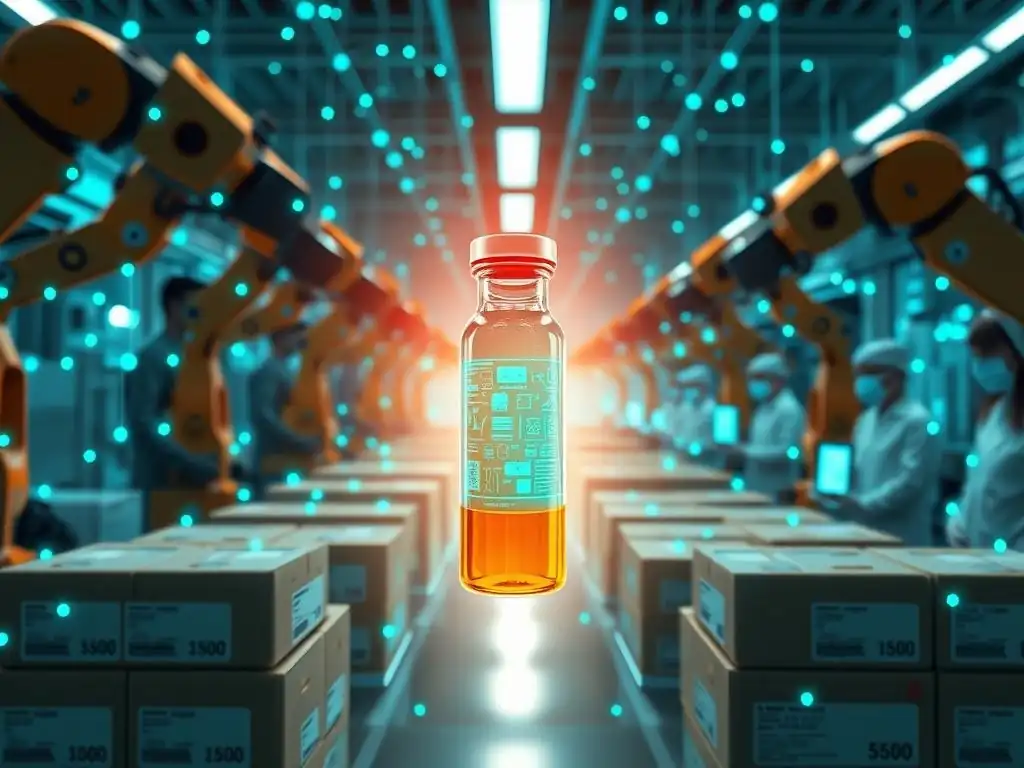
Welcome to Blockchain Trends, your guide to understanding the real-world impact of blockchain technology. Forget just cryptocurrencies; we delve into the exciting possibilities of DeFi, enterprise solutions, and the future of decentralized systems. Are you ready to explore how blockchain is revolutionizing industries? Dive into our latest analysis of the blockchain drug supply chain and discover how this innovative technology is ensuring drug authenticity and safety, particularly within telemedicine. The implications are profound, and the potential, limitless. Read on to learn more!
Blockchain in Pharmaceutical Supply Chains: Ensuring Authenticity & Safety
- Introduction: The Need for Secure Pharmaceutical Supply Chains
- Understanding the Blockchain-Enabled Pharmaceutical Supply Chain
- Ensuring Drug Authenticity with Blockchain
- Enhancing Drug Safety Through Blockchain
- Implementing Blockchain Solutions for Pharmaceutical Supply Chains
- Challenges and Opportunities in Blockchain Adoption for Pharmacies
- The Future of Blockchain in Pharmaceutical Supply Management
- Conclusion: Securing the Future with Blockchain Pharmaceutical Supply Chains
-
Frequently Asked Questions
- How does blockchain technology help in ensuring the authenticity of drugs in telemedicine supply chains?
- What are the main benefits of using blockchain for drug supply chains, particularly in telemedicine?
- What challenges exist in implementing blockchain solutions for telemedicine drug supply chains?
- How can blockchain improve regulatory compliance in the telemedicine drug supply chain?
- What is the future outlook for blockchain technology in the telemedicine drug supply chain?
- Final Reflection: Securing Trust in Healthcare's Future
- Empower Your Telemedicine Supply Chain Today!
Introduction: The Need for Secure Pharmaceutical Supply Chains
The Complexities of Modern Pharmaceutical Supply Chains
Modern pharmaceutical supply chains are vast, intricate networks spanning continents and involving numerous stakeholders: manufacturers, distributors, wholesalers, pharmacies, and healthcare providers. Drugs often pass through multiple intermediaries before reaching the patient. This multi-tiered structure, while enabling global access to medications, introduces significant vulnerabilities.
Managing inventory, ensuring proper storage conditions (like temperature control for sensitive drugs), and maintaining visibility across this complex web are monumental tasks. The lack of a unified, transparent system makes it difficult to track a drug's journey from its point of origin to the final consumer, creating blind spots susceptible to various risks, including diversion and counterfeiting.
The inherent complexity is exacerbated by varying regulations across different jurisdictions, diverse data formats used by different companies, and the sheer volume of transactions occurring daily. According to some estimates, the global pharmaceutical market is projected to reach over $1.5 trillion by 2023, signifying the massive scale of operations. Each product batch, potentially containing thousands of units, needs meticulous handling and tracking. Without a robust, interoperable system, reconciling discrepancies, verifying the legitimacy of each handoff, and responding swiftly to issues like recalls becomes incredibly challenging, putting patient safety at risk within the traditional drug supply chain.
Counterfeit Drugs: A Persistent Global Threat
The proliferation of counterfeit drugs represents a severe and persistent global health threat. These fraudulent products, which may contain incorrect ingredients, insufficient active pharmaceutical ingredients, or even toxic substances, pose a direct danger to patient health and erode public trust in healthcare systems. The World Health Organization (WHO) estimates that 1 in 10 medical products in low- and middle-income countries is substandard or falsified, contributing to significant morbidity and mortality. In certain regions, this figure can be much higher for specific drug classes.
The economic impact is also staggering, with estimates suggesting the global market for counterfeit drugs is worth tens of billions of dollars annually. This illicit trade thrives on the lack of transparency and traceability in conventional supply chains. Criminal networks exploit vulnerabilities at various points, from manufacturing to distribution, making it difficult for authorities and legitimate businesses to distinguish genuine products from fakes. Implementing a secure blockchain drug supply chain is increasingly seen as a critical strategy to combat this dangerous phenomenon by providing an immutable record of a drug's provenance.
How Blockchain Can Revolutionize Pharmaceutical Distribution
Blockchain technology offers a transformative solution to many of the challenges plaguing traditional pharmaceutical supply chains. By providing a decentralized, immutable, and transparent ledger, blockchain can create a single source of truth for tracking drugs. Each transaction—from manufacturing and packaging to shipping, receiving by distributors, and dispensing to patients—can be recorded as a block on the chain. This creates an unbroken, verifiable history for every drug unit or batch.
This inherent transparency and immutability make it significantly harder for counterfeit products to infiltrate the legitimate supply chain. Any attempt to alter a record would be immediately detectable by other participants in the network. Furthermore, blockchain can facilitate secure data sharing among authorized parties, improving coordination and efficiency while maintaining data integrity. This capability to provide end-to-end visibility is poised to revolutionize how pharmaceutical products are tracked, verified, and delivered, fundamentally enhancing the security of the blockchain drug supply chain.
Understanding the Blockchain-Enabled Pharmaceutical Supply Chain
What is a Blockchain-Enabled Pharmaceutical Supply Chain?
A blockchain-enabled pharmaceutical supply chain is a system where the movement and status of pharmaceutical products are recorded on a distributed ledger. Instead of relying on fragmented, proprietary databases maintained by individual companies, all authorized participants in the supply chain share access to a synchronized, cryptographically secured ledger.
When a drug batch moves from one entity to another (e.g., from manufacturer to wholesaler), this transfer is recorded as a transaction on the blockchain. Each transaction is time-stamped, verified by network participants (depending on the type of blockchain), and added as a new block to the chain, creating an irreversible record.
This structure provides unprecedented visibility and traceability. Stakeholders, with appropriate permissions, can view the complete history of a drug, including its origin, manufacturing details, handling information (like temperature data), and custody transfers. This shared, tamper-evident record forms the backbone of a secure blockchain drug supply chain, drastically reducing opportunities for fraud, errors, and inefficiencies that are common in traditional systems. The decentralized nature ensures that no single point of failure can compromise the integrity of the entire tracking system.
Key Components of a Secure Pharmaceutical Supply Chain
A truly secure pharmaceutical supply chain, whether blockchain-enabled or not, relies on several critical components working in concert. These include robust identification systems for products and participants (e.g., serial numbers, unique identifiers), secure data capture mechanisms (e.g., scanning at each handoff), strict adherence to regulatory standards (like good manufacturing practices and distribution practices), and effective communication channels among stakeholders. Temperature and humidity monitoring for sensitive products are also paramount, requiring specialized logistics and data logging.
Integrating blockchain enhances these existing components by providing an overarching layer of trust and immutability. Product identifiers are linked to blockchain transactions. Data captured during handling and transfers is recorded on the ledger. Compliance data can potentially be linked or stored on the chain. Furthermore, incorporating IoT sensors for environmental monitoring can directly feed data onto the blockchain, creating verifiable records of conditions during transit and storage. This integrated approach strengthens the entire chain, making the blockchain drug supply chain significantly more resilient against tampering and errors.
Benefits of Blockchain in Securing Pharmaceutical Distribution
The adoption of blockchain technology in pharmaceutical distribution offers numerous benefits aimed at enhancing security and efficiency. Firstly, it drastically improves traceability. Stakeholders can pinpoint the exact location and history of a drug at any given moment, from production to dispensing. This granular visibility is crucial for identifying potential issues early. Secondly, blockchain's immutability significantly deters counterfeiting and diversion; altering records without detection is virtually impossible.
Thirdly, it fosters greater trust and collaboration among supply chain partners by providing a shared, verifiable source of information. This reduces disputes and streamlines processes like audits and reconciliation. Fourthly, in the event of a recall, the ability to quickly and accurately identify affected batches and their current locations is dramatically improved, enabling faster and more targeted recall efforts. Finally, increased efficiency through automated processes via smart contracts can reduce administrative overhead. These combined advantages solidify the case for implementing a blockchain drug supply chain to protect patients and supply chain integrity.
Ensuring Drug Authenticity with Blockchain
Blockchain's Role in Verifying Drug Origin and Manufacturing
One of the primary ways blockchain enhances drug authenticity is by creating an indisputable record of a drug's origin and manufacturing details. When a batch of medication is produced, key information such as the manufacturing date, location, batch number, expiration date, and active ingredients can be recorded as the initial transaction on the blockchain. This block serves as the genesis point for that specific batch within the digital ledger. Subsequent transactions related to packaging, quality control checks, and release for distribution are then linked to this original record.
This process establishes a clear, transparent, and verifiable provenance for each drug batch. Any party interacting with the drug downstream can access this initial record (with appropriate permissions) to verify its legitimate origin. Unlike paper-based systems or siloed databases that can be easily altered or faked, the cryptographic nature of blockchain ensures that this foundational information about the drug's identity and creation is secure and immutable, making it incredibly difficult for counterfeiters to insert fraudulent products with fabricated origin data into the blockchain drug supply chain.
Tracking Drugs from Manufacturer to Patient: A Blockchain Approach
Tracking a drug's journey from the manufacturing plant all the way to the patient's hands is a complex process that blockchain simplifies and secures. As a drug batch moves through the supply chain—from manufacturer to primary distributor, then potentially to a secondary distributor, a pharmacy, and finally dispensed—each transfer of custody is recorded as a transaction on the blockchain. This creates a chain of blocks, where each block represents a specific handoff or event (like repackaging or quality checks) linked chronologically and cryptographically.
At each point, participants scan unique identifiers on the drug packaging (like serial numbers or 2D matrix codes), and this scanning event, along with location and timestamp data, is recorded on the shared ledger. This granular tracking provides end-to-end visibility. Pharmacies or healthcare providers, before dispensing medication, could potentially scan the drug's identifier and instantly verify its complete history on the blockchain, confirming its legitimacy and tracing its path through the secure blockchain drug supply chain. This level of transparency empowers the final points of sale to act as a crucial check against counterfeit or diverted products.
Preventing Counterfeiting with Immutable Records on the Blockchain
The inherent immutability of blockchain technology is a powerful deterrent against drug counterfeiting. Once a transaction is recorded on the blockchain and verified by the network, it cannot be altered or deleted. If a bad actor attempts to introduce fake drugs into the supply chain, they would need to create false records to make them appear legitimate. However, these fabricated records would not align with the existing, verifiable chain of transactions on the blockchain for genuine products.
Furthermore, introducing a counterfeit product would involve a transaction (e.g., a transfer of custody) that is not recorded or verified on the legitimate blockchain ledger. Downstream participants checking the drug's history would immediately see that the product lacks a valid, traceable history on the network. This makes it extremely difficult to seamlessly integrate counterfeit goods. While blockchain doesn't physically stop a fake drug from being made, it makes it significantly harder to move it through the legitimate supply chain undetected by providing a transparent and tamper-proof record of authentic products in the blockchain drug supply chain.
Enhancing Drug Safety Through Blockchain
Temperature Monitoring and Cold Chain Management using Blockchain
Many pharmaceutical products, such as vaccines, biologics, and certain insulins, require strict temperature control throughout their journey from manufacturer to patient. Deviations from the required temperature range can degrade the product, rendering it ineffective or even harmful. Ensuring the integrity of the "cold chain" is therefore critical for drug safety. Traditional methods often rely on manual temperature loggers or separate systems that are prone to error or tampering.
Blockchain can significantly enhance cold chain management by integrating with IoT (Internet of Things) temperature sensors. These sensors can be placed with drug shipments and continuously record temperature data. This data is then automatically and securely uploaded to the blockchain at regular intervals. Each temperature reading becomes part of the immutable record associated with that specific drug batch. This provides a verifiable, continuous log of the environmental conditions the drug experienced, ensuring that if a temperature excursion occurred, it is immediately evident on the blockchain drug supply chain record, allowing for timely intervention or rejection of compromised products.
Reducing Medication Errors with Blockchain-Based Tracking
Medication errors, while often associated with prescription and administration in healthcare settings, can also stem from issues within the supply chain, such as mix-ups during packaging, labeling errors, or dispensing the wrong product due of poor traceability. Blockchain technology can help mitigate these risks by providing highly accurate and verifiable information about each specific drug unit. By linking unique serial numbers or identifiers to detailed product information, batch details, and expiration dates on the blockchain, healthcare professionals can quickly verify that they have the correct medication.
Scanning a drug's identifier at the point of dispensing can trigger a check against the blockchain ledger to confirm the product's identity, batch number, and expiry date, cross-referencing it with the prescription details. This automated verification process reduces the reliance on manual checks and minimizes the potential for human error in identifying the correct drug. Furthermore, clear, accessible information about a drug's history on the blockchain drug supply chain can help prevent dispensing products that may have been compromised or are past their valid date.
Improving Recall Processes with Blockchain Transparency
Drug recalls are a necessary but often complex and time-consuming process in the pharmaceutical industry. Identifying exactly which batches are affected, where they were distributed, and who received them can be challenging with fragmented tracking systems. Delays in executing recalls can expose more patients to potentially unsafe medications. Blockchain's ability to provide end-to-end, real-time (or near real-time) visibility of drug movement drastically improves the efficiency and speed of recalls.
If an issue is detected with a specific batch of medication, stakeholders can query the blockchain ledger to instantly identify all entities that have received products from that batch. This allows manufacturers and regulators to issue targeted notifications and initiate recalls much faster than is possible with traditional methods. The transparency of the blockchain drug supply chain ensures that the location of affected products is known, enabling swift removal from shelves and reducing the risk to public health. This improved responsiveness is a critical safety benefit offered by blockchain adoption.
Implementing Blockchain Solutions for Pharmaceutical Supply Chains

Selecting the Right Blockchain Platform for Pharmaceutical Traceability
Choosing the appropriate blockchain platform is a critical first step in implementing a blockchain drug supply chain. Public blockchains like Bitcoin or Ethereum, while decentralized, may not be suitable due to transaction costs, throughput limitations, and the need for strict privacy regarding sensitive pharmaceutical data. Permissioned or private blockchains, such as Hyperledger Fabric or R3 Corda, are often preferred for enterprise applications like supply chain management. These platforms allow organizations to control who can join the network, validate transactions, and access data, addressing privacy and regulatory requirements.
Factors to consider include the platform's scalability (ability to handle millions of transactions), security features, interoperability with existing systems, ease of development and integration, and the consensus mechanism used (which affects transaction speed and energy consumption). The chosen platform must be robust enough to support the complex interactions and high volume of data generated within the pharmaceutical supply chain while complying with industry-specific regulations like the U.S. Drug Supply Chain Security Act (DSCSA) or similar regulations in other regions.
Integrating Blockchain with Existing Pharmaceutical Systems
Integrating a new blockchain solution with existing legacy systems is a significant technical and operational challenge. Pharmaceutical companies rely on a variety of systems, including Enterprise Resource Planning (ERP), Warehouse Management Systems (WMS), and serialization software. The blockchain platform needs to seamlessly connect with these systems to pull relevant data (e.g., production details, shipment manifests) and push transaction records. This often requires developing Application Programming Interfaces (APIs) or middleware to ensure data flows smoothly and accurately between the blockchain and the existing infrastructure.
Data mapping and standardization are crucial during integration. Ensuring that data points from different systems are correctly translated and recorded on the blockchain in a consistent format is essential for maintaining data integrity and enabling accurate tracing. Successful integration requires close collaboration between IT teams, supply chain managers, and potentially external blockchain solution providers to minimize disruption and ensure that the blockchain drug supply chain solution truly enhances, rather than complicates, existing operations.
Case Study: Blockchain Implementation for Vaccine Distribution
While specific, detailed public data on individual company rollouts can be limited, a generalized case study focusing on vaccine distribution illustrates the practical application of a blockchain drug supply chain. Imagine a consortium of pharmaceutical manufacturers, logistics providers, and healthcare systems collaborating on a permissioned blockchain network. When vaccines are manufactured, serial numbers and batch details are recorded on the blockchain. As batches are transported, IoT sensors monitor temperature, with data points automatically written to the ledger.
Distributors and healthcare providers scan vaccine identifiers upon receipt, updating custody records on the blockchain. This provides real-time visibility into the location and condition of each vaccine shipment. In a scenario where a temperature excursion is detected for a specific batch, the blockchain record immediately flags this, allowing administrators to quarantine or discard the affected doses before they reach patients.
Furthermore, tracking distribution ensures equitable access and helps prevent diversion. While specific figures vary by project, pilot programs have shown improvements in data accuracy by potentially reducing manual data entry errors by a significant percentage (e.g., 20-30%) and speeding up verification processes considerably compared to traditional methods. This example highlights how a blockchain drug supply chain can enhance traceability, safety, and efficiency for critical medical products.
Challenges and Opportunities in Blockchain Adoption for Pharmacies
Overcoming Regulatory Hurdles in Blockchain for Drug Traceability
Implementing blockchain for drug traceability involves navigating complex regulatory landscapes. In the United States, the Drug Supply Chain Security Act (DSCSA) mandates interoperable electronic tracing of products at the package level by 2023 (though deadlines have seen extensions and clarifications). While blockchain aligns well with the goals of DSCSA by providing traceability and verification, specific blockchain implementations must meet the technical and functional requirements defined by regulatory bodies like the FDA. This includes ensuring data privacy, security, and accessibility for regulatory audits.
Furthermore, regulations vary significantly across countries and regions, creating challenges for global pharmaceutical companies. A blockchain solution needs to be flexible enough to accommodate these diverse requirements. Opportunities lie in collaborating with regulatory bodies during the development phase to ensure solutions meet compliance standards and potentially influence future regulations to better accommodate decentralized ledger technologies. Successful navigation of these hurdles is key to widespread adoption of the blockchain drug supply chain.
Addressing Data Privacy and Security Concerns
While blockchain is inherently secure due to its cryptographic nature, implementing a blockchain drug supply chain raises specific data privacy and security concerns. Pharmaceutical supply chain data, including sensitive information about product movements, quantities, and potentially even patient-level data in downstream applications, must be protected. Public blockchains offer transparency but may expose sensitive business data. Permissioned blockchains, where access is restricted to authorized participants, offer better privacy but require robust governance models to manage access rights.
Ensuring compliance with data protection regulations like GDPR (General Data Protection Regulation) in Europe or HIPAA (Health Insurance Portability and Accountability Act) in the U.S. is paramount. Techniques like zero-knowledge proofs or data encryption off-chain with only hashes stored on-chain can be employed to protect sensitive information while still leveraging the blockchain for verification and integrity checks. Addressing these concerns through careful design and implementation is crucial for building trust in the blockchain drug supply chain.
Scaling Blockchain Solutions for Widespread Adoption
Scaling blockchain solutions to handle the immense volume of transactions in the global pharmaceutical supply chain is a significant technical challenge. The pharmaceutical industry involves billions of drug packages moving annually. A blockchain platform must be able to process a high throughput of transactions efficiently and cost-effectively. Early blockchain platforms faced limitations in transaction speed and scalability, but newer enterprise-grade platforms are designed with higher performance in mind.
Achieving widespread adoption requires interoperability between different blockchain networks that may be implemented by various companies or consortia. Standards for data formats and protocols are needed to ensure seamless communication and data exchange across different blockchain implementations. Furthermore, the cost of implementation, integration, and ongoing maintenance needs to be manageable for businesses of all sizes within the supply chain, from large manufacturers to independent pharmacies. Overcoming these scaling and interoperability challenges is essential for the successful and widespread deployment of the blockchain drug supply chain.
The Future of Blockchain in Pharmaceutical Supply Management
Emerging Trends in Blockchain-Based Pharmaceutical Solutions
The field of blockchain in pharmaceutical supply management is rapidly evolving, with several emerging trends shaping its future. Beyond basic traceability, we see the development of solutions for managing drug expiry dates more effectively, automating returns processes for expired or recalled drugs, and improving inventory management through real-time visibility. There's also growing interest in using blockchain for clinical trial supply chain management, ensuring the integrity and traceability of investigational drugs.
Another trend is the exploration of tokenization of pharmaceutical products, where each drug package is represented by a unique digital token on the blockchain. This could potentially enable more granular tracking and even facilitate innovative business models. Furthermore, the development of industry-specific blockchain consortia is gaining momentum, bringing together multiple stakeholders to build shared network infrastructure and governance models for the blockchain drug supply chain.
The Role of AI and IoT in Enhancing Blockchain Drug Traceability
The combination of Artificial Intelligence (AI) and the Internet of Things (IoT) with blockchain technology promises to create even more powerful and intelligent pharmaceutical supply chains. IoT sensors, as mentioned, can provide real-time data on conditions like temperature, humidity, and location, feeding this information directly onto the immutable blockchain ledger. This creates a rich dataset for every product's journey.
AI can then analyze this vast amount of blockchain-recorded data to identify patterns, predict potential risks (e.g., identifying routes or partners associated with a higher incidence of temperature excursions), optimize logistics, and even detect anomalies that might indicate fraudulent activity. For instance, AI could flag unusual transaction patterns on the blockchain drug supply chain that deviate from typical distribution flows. This synergy between IoT for data collection, Blockchain for secure recording, and AI for analysis creates a highly robust, transparent, and proactive supply chain management system.
Increased Transparency and Efficiency in Pharmaceutical Supply Chains
Ultimately, the future of blockchain in pharmaceutical supply management points towards significantly increased transparency and efficiency across the entire ecosystem. With a shared, immutable ledger, all authorized participants gain unprecedented visibility into the movement and status of drugs. This eliminates information silos, reduces the need for manual checks and reconciliation, and builds trust among stakeholders.
The resulting efficiency gains come from streamlined processes, reduced administrative burdens, faster dispute resolution, and optimized inventory management based on accurate, real-time data. This enhanced transparency and efficiency not only benefit the companies involved but, more importantly, contribute directly to improved patient safety by ensuring that the drugs reaching consumers are authentic, safe, and handled correctly throughout the blockchain drug supply chain.
Conclusion: Securing the Future with Blockchain Pharmaceutical Supply Chains
Blockchain's Potential to Transform Patient Safety
Blockchain technology holds immense potential to fundamentally transform patient safety within the healthcare ecosystem, particularly by securing the pharmaceutical supply chain. By creating an immutable, transparent, and verifiable record for every drug product from its point of origin to the patient, blockchain directly addresses the critical threats of counterfeiting, diversion, and errors related to handling and tracking. Patients and healthcare providers can gain unprecedented confidence in the authenticity and integrity of the medications they receive.
The ability to instantly verify a drug's history, confirm proper storage conditions through cold chain monitoring recorded on-chain, and enable rapid, targeted recalls means that fewer compromised or illegitimate drugs are likely to reach consumers. This significantly reduces the risk of adverse health outcomes associated with substandard or falsified medicines. The secure blockchain drug supply chain is not just about logistics; it's a crucial layer of protection for public health.
Call to Action: Embracing Blockchain for a More Secure Pharmaceutical Future
The benefits of implementing blockchain in the pharmaceutical supply chain are clear and compelling, offering a robust defense against threats that endanger patient lives and undermine the integrity of the healthcare system. While challenges related to regulation, integration, and scalability exist, they are being actively addressed by industry leaders and technology providers. The opportunity to create a more secure, transparent, and efficient drug supply chain is within reach.
Pharmaceutical manufacturers, distributors, pharmacies, and regulatory bodies must collaborate to explore, pilot, and adopt blockchain solutions. Investing in the necessary infrastructure, developing industry standards, and fostering a culture of data sharing and transparency on permissioned networks are essential steps. Embracing the blockchain drug supply chain is not just a technological upgrade; it is a commitment to enhancing patient safety and building a more trustworthy future for pharmaceutical distribution.
Frequently Asked Questions
How does blockchain technology help in ensuring the authenticity of drugs in telemedicine supply chains?
Blockchain provides an immutable ledger that tracks drugs from manufacturer to patient. This transparency and traceability minimizes the risk of counterfeit drugs entering the supply chain. Each transaction is recorded, creating a verifiable history.
What are the main benefits of using blockchain for drug supply chains, particularly in telemedicine?
The primary benefits include enhanced security, reduced fraud, and improved patient safety. Blockchain's decentralized nature makes it difficult to tamper with data, creating a more trustworthy system compared to traditional methods.
What challenges exist in implementing blockchain solutions for telemedicine drug supply chains?
Challenges include the lack of standardized regulations, the need for interoperability between different blockchain systems, and the initial cost of implementation. Overcoming these hurdles is crucial for widespread adoption.
How can blockchain improve regulatory compliance in the telemedicine drug supply chain?
Blockchain simplifies regulatory compliance by providing an auditable trail of all drug-related transactions. This real-time visibility allows regulators to easily verify the authenticity and movement of drugs, ensuring adherence to standards.
What is the future outlook for blockchain technology in the telemedicine drug supply chain?
The future looks promising, with blockchain poised to become a standard practice for ensuring drug authenticity and safety. Further advancements in technology and increased regulatory support will drive wider adoption and greater efficiency.
Final Reflection: Securing Trust in Healthcare's Future
The intricate dance of pharmaceutical supply chains, now more than ever, demands unwavering transparency and security. The promise of blockchain technology to revolutionize drug authenticity and safety is not just a technological advancement, but a moral imperative. The vulnerabilities exposed in traditional systems necessitate a paradigm shift, and blockchain offers a compelling solution to combat counterfeit drugs and ensure patient well-being.
The impact of a secure, blockchain-enabled drug supply chain extends far beyond mere efficiency; it fosters trust – a cornerstone of the doctor-patient relationship and the healthcare system as a whole. Witnessing the potential of this technology to safeguard lives and build confidence in the medications we rely on is profoundly moving. Trust is the glue of life. It's the most essential ingredient in effective communication. It's the foundational principle that holds all relationships.
- Stephen Covey. This quote resonates deeply when considering the critical role trust plays in the pharmaceutical industry and the potential of blockchain to solidify that trust.
As we stand at the cusp of this technological transformation, let us not be passive observers. Reflect on the power of blockchain to reshape the future of healthcare. Consider how you, as a patient, a healthcare professional, or a technology enthusiast, can contribute to the adoption and refinement of this vital technology. Let us collectively strive for a future where every medication is verifiably authentic, and every patient can access life-saving treatments with unwavering confidence.
Empower Your Telemedicine Supply Chain Today!
Thank you for exploring how blockchain is transforming drug authenticity and safety within telemedicine. Now that you’re informed about its potential, it’s time to take action.
Consider implementing blockchain solutions in your organization to ensure the integrity of pharmaceutical supplies and promote safer healthcare practices. Share this information with colleagues and industry peers to help expand understanding of blockchain’s benefits in telemedicine. Additionally, explore existing blockchain platforms and pilot projects to identify applications tailored to your specific needs.
What innovative solutions do you envision for blockchain in your local healthcare system? Share your ideas in the comments below!
Leave a Reply