
The BlockchainPowered Pharma Supply Chain: A Vision for the Future


Welcome to Blockchain Trends, your compass in the rapidly evolving world of decentralized technologies. Beyond the hype of cryptocurrencies lies a transformative force reshaping industries. Curious how blockchain is revolutionizing healthcare? Dive into our latest analysis on the Blockchain Pharma Supply Chain and discover how this innovative technology is paving the way for a more secure, transparent, and efficient future for the pharmaceutical industry. Explore the possibilities and join us as we unravel the potential of blockchain beyond the buzz!
The Blockchain-Powered Pharma Supply Chain: A Vision for the Future
- Introduction: Transforming Pharma with Blockchain Technology
- Understanding the Blockchain Pharma Supply Chain
- Use Cases: Blockchain in the Pharmaceutical Industry
- Implementing a Blockchain Pharma Supply Chain: Key Considerations
- Overcoming the Challenges of Blockchain Adoption in Pharma
- The Future of Blockchain in Pharma: A Vision for Tomorrow
- Conclusion: Blockchain as a Catalyst for a Safer and More Efficient Pharma Industry
-
Frequently Asked Questions
- How can blockchain technology improve the pharma supply chain?
- What are the key benefits of using blockchain in the pharma supply chain?
- How does blockchain help combat counterfeit drugs in the pharmaceutical industry?
- What regulatory challenges need to be addressed for widespread blockchain adoption in pharma?
- What is the future outlook for blockchain in the pharmaceutical supply chain?
- Final Reflection: Securing Health, Empowering Trust
- Unleash the Potential: Secure Your Pharma Future Now!
Introduction: Transforming Pharma with Blockchain Technology
The pharmaceutical supply chain is arguably one of the most critical and complex logistical networks in the world. It involves a multitude of stakeholders, from manufacturers and distributors to pharmacies and patients, spanning vast geographical distances and operating under stringent regulatory requirements. However, this intricate system is plagued by significant challenges, including the persistent threat of counterfeit drugs, lack of transparency, inefficient tracking, and data silos. These issues not only compromise patient safety but also result in substantial financial losses for the industry.
Emerging technologies offer potential solutions to these long-standing problems. Among them, blockchain technology stands out for its inherent characteristics of immutability, transparency, and decentralization. While initially popularized by cryptocurrencies, blockchain's distributed ledger capabilities are increasingly recognized for their potential to revolutionize various industries, including healthcare and pharmaceuticals. Implementing a robust blockchain pharma supply chain could address key vulnerabilities, enhancing security, improving traceability, and ultimately building greater trust across the entire ecosystem, from the point of manufacture to the point of care.
The Current Challenges in Pharmaceutical Supply Chains
The current pharmaceutical supply chain faces numerous hurdles that undermine its efficiency and safety. One major challenge is the lack of end-to-end visibility. Medications often pass through multiple intermediaries, making it difficult to track their origin, handling, and current location accurately. This opacity complicates inventory management, exacerbates delays, and makes it harder to identify points of failure or diversion within the chain.
Another critical issue is the vulnerability to counterfeiting. The World Health Organization (WHO) estimates that up to 10% of medical products in low- and middle-income countries are substandard or falsified. This represents a multi-billion dollar problem globally, posing serious health risks to patients who receive ineffective or harmful treatments. The difficulty in verifying the authenticity of drugs at various points in the supply chain makes it a prime target for counterfeiters, highlighting the urgent need for more secure and verifiable tracking mechanisms within the blockchain pharma supply chain concept.
The Promise of Blockchain for Pharma: Enhanced Security and Transparency
Blockchain technology offers a compelling solution to many of the pharmaceutical industry's deeply rooted supply chain challenges by providing an immutable and transparent ledger of transactions. Each step in the drug's journey – manufacturing, packaging, shipping, distribution, and dispensing – can be recorded on the blockchain as a transaction. Once recorded, this data is cryptographically linked to previous transactions, making it nearly impossible to alter without detection.
This inherent security and transparency mean that every participant in the blockchain pharma supply chain, granted appropriate permissions, can access a shared, tamper-evident history of a product. This drastically improves visibility, allowing stakeholders to trace a drug's provenance back to its source with high confidence. Furthermore, the decentralized nature of blockchain reduces reliance on single points of authority, making the system more resilient to fraud, errors, and cyberattacks, thus enhancing overall security and integrity within the pharmaceutical logistics network.
Understanding the Blockchain Pharma Supply Chain
What is Blockchain and How Does it Apply to Pharmaceuticals?
At its core, blockchain is a decentralized, distributed ledger technology that records transactions across many computers. These transactions are grouped into "blocks," which are then added chronologically to a chain. Each block is cryptographically secured and linked to the previous one, creating an immutable record. This distributed nature means no single entity controls the data, and any attempt to tamper with it would require altering the majority of copies across the network, which is computationally infeasible.
In the context of pharmaceuticals, blockchain can serve as a digital passport for every unit of medication or batch. From the moment raw materials are sourced, through manufacturing, quality control, packaging, and distribution, every touchpoint and data point (like temperature readings during transport) can be recorded on a blockchain. This distributed ledger technology creates an unalterable audit trail that provides unprecedented transparency and accountability across the entire blockchain pharma supply chain, addressing issues that traditional centralized databases struggle with.
Key Benefits of a Blockchain-Based Pharma Supply Chain
Implementing blockchain technology within the pharmaceutical supply chain offers a range of significant benefits that can transform the industry's operations and safeguard public health. These advantages span improved tracking, enhanced security against illicit activities, and greater overall efficiency. The integration of a distributed ledger fundamentally changes how data is managed and shared among disparate stakeholders, fostering collaboration and trust in a sector historically marked by data silos and limited transparency.
The potential impact is substantial. Estimates suggest that supply chain inefficiencies cost the pharmaceutical industry billions annually. By streamlining processes and reducing losses due to counterfeiting or expired goods, a well-implemented blockchain pharma supply chain could lead to significant cost savings, potentially in the range of 10-15% of logistical costs according to some industry analyses. Furthermore, the ability to quickly and accurately identify affected products during a recall can dramatically reduce the time, cost, and risk associated with such events.
Improved Traceability and Provenance of Medications
One of the most immediate and impactful benefits of a blockchain pharma supply chain is the dramatic improvement in traceability. Each package or even individual unit of medication can be tagged with a unique identifier (like a serialized barcode or QR code) whose journey is recorded on the blockchain. Every time the product changes hands or undergoes a significant event (e.g., quality check, temperature log), a transaction is added to its digital history on the ledger.
This creates a comprehensive, immutable record accessible to authorized parties. A pharmacist could scan a drug package and instantly see its manufacturing date, batch number, origin, shipping route, temperature history, and every intermediary it passed through. This level of granular detail and transparency is difficult, if not impossible, to achieve with traditional paper-based or fragmented digital systems, providing a verifiable audit trail that ensures the provenance and integrity of the medication.
Enhanced Security and Prevention of Counterfeit Drugs
The immutable nature of blockchain is a powerful weapon against the proliferation of counterfeit drugs. Because the transaction history is tamper-evident and distributed across the network, verifying the legitimacy of a drug becomes significantly easier and more reliable. Any attempt to introduce a fake product or alter its recorded history would be immediately detectable by comparing the proposed changes against the distributed consensus.
By providing a secure, verifiable record from manufacturer to patient, a blockchain pharma supply chain makes it much harder for counterfeit products to infiltrate legitimate channels. Patients, pharmacists, and regulators can potentially verify the authenticity of a drug at the point of dispensing or even consumption using a simple application that queries the blockchain data associated with the product's unique identifier. This added layer of security is vital in protecting patient health and maintaining trust in pharmaceutical products.
Increased Efficiency and Reduced Costs in Pharma Logistics
Beyond security and traceability, blockchain can also drive significant efficiencies and cost reductions within pharmaceutical logistics. Smart contracts, self-executing contracts with the terms of the agreement directly written into code, can automate many manual processes. For example, payment to a distributor could be automatically released once the blockchain confirms the successful delivery and temperature requirements of a shipment.
Furthermore, improved visibility reduces waste by allowing for better inventory management and minimizing losses due to expired products or inefficient routing. streamlined data sharing among supply chain partners through a shared ledger reduces administrative overhead and disputes. While initial implementation costs exist, the long-term operational efficiencies and reduced risks associated with a blockchain pharma supply chain are expected to yield substantial savings across the industry.
Use Cases: Blockchain in the Pharmaceutical Industry
Tracking and Tracing Pharmaceuticals from Manufacturer to Patient
One of the most compelling applications of blockchain in pharmaceuticals is creating an end-to-end tracking and tracing system. Projects like the U.S. Drug Supply Chain Security Act (DSCSA) mandate enhanced traceability, and blockchain provides a robust technological framework to meet and exceed these requirements. By assigning a unique serial number to each drug package and recording its movement on an immutable ledger, stakeholders gain real-time visibility into the product's location and status.
Consider a batch of vaccines. Using a blockchain pharma supply chain system, the manufacturer logs the batch details and serialization data onto the ledger. As the batch moves through a third-party logistics provider, a wholesaler, and finally to a pharmacy, each handover is recorded as a transaction on the blockchain. This creates a transparent, verifiable chain of custody. If a problem arises, such as a temperature excursion detected by an IoT sensor linked to the blockchain entry, the system can flag the specific affected units immediately, allowing for targeted action and preventing compromised products from reaching patients.
Combating Counterfeit Drugs with Blockchain Verification
The global fight against counterfeit drugs is a major driver for adopting blockchain technology in pharma. The lack of a unified, verifiable system makes it relatively easy for fake drugs, which may contain incorrect ingredients, improper dosages, or no active ingredients at all, to enter the supply chain. Blockchain offers a way to create a digital fingerprint for each legitimate product that is virtually impossible for counterfeiters to replicate or falsify on the distributed ledger.
By scanning a QR code on a drug package, a pharmacist or even a patient can query the blockchain to verify its authenticity and history. The system can confirm if the serial number is legitimate, if it has been previously dispensed, and if its recorded journey aligns with expected routes and timelines. This point-of-verification capability empowers stakeholders throughout the blockchain pharma supply chain to identify and isolate suspicious products before they harm patients, significantly bolstering efforts to combat illicit drug markets.
Streamlining Pharma Supply Chain Management with Smart Contracts
Smart contracts are automated agreements that live on the blockchain and execute automatically when predefined conditions are met. In the pharmaceutical supply chain, smart contracts can automate and streamline many complex processes, from order placement and inventory management to payments and regulatory reporting. This reduces manual intervention, minimizes errors, and speeds up transactions between supply chain partners.
For instance, a smart contract could be programmed to automatically trigger a reorder for a specific drug when inventory levels reported to the blockchain by a distributor fall below a certain threshold. Another application could involve payment to a logistics provider being automatically released from escrow once the blockchain records confirmation of delivery and compliance with cold chain requirements, verified by linked IoT sensors. This automation through smart contracts enhances efficiency and reduces administrative costs across the blockchain pharma supply chain.
Securing Clinical Trial Data with Blockchain
Beyond the supply chain, blockchain also holds significant promise for securing and managing clinical trial data. The integrity and immutability of clinical trial data are paramount for drug approval and patient safety. Blockchain can provide a tamper-evident ledger for recording trial protocols, subject consent, data entries, and amendments.
By timestamping and hashing data onto a blockchain, researchers can create an unalterable audit trail of all activities. This increases trust in the data's integrity, facilitates collaboration among research sites, and simplifies audits by regulatory bodies. While not strictly part of the blockchain pharma supply chain, securing clinical trial data is a related application within the broader pharmaceutical lifecycle that benefits from blockchain's core properties of immutability and transparency.
Optimizing Drug Recall Processes with Distributed Ledgers
Drug recalls are complex, costly, and time-sensitive operations. In a traditional supply chain, identifying the exact location and quantity of affected products can take days or even weeks, increasing the risk that compromised drugs remain on shelves or reach patients. A blockchain pharma supply chain can drastically improve the speed and accuracy of recalls.
Because every product's journey is recorded on the immutable ledger, stakeholders can quickly query the system to pinpoint the precise locations of affected batches or serialized units. This allows for highly targeted and efficient recall efforts, minimizing the scope and cost of the recall while maximizing the speed at which dangerous products are removed from circulation. The distributed ledger provides the necessary transparency and data integrity to manage recalls effectively and protect public health.
Implementing a Blockchain Pharma Supply Chain: Key Considerations
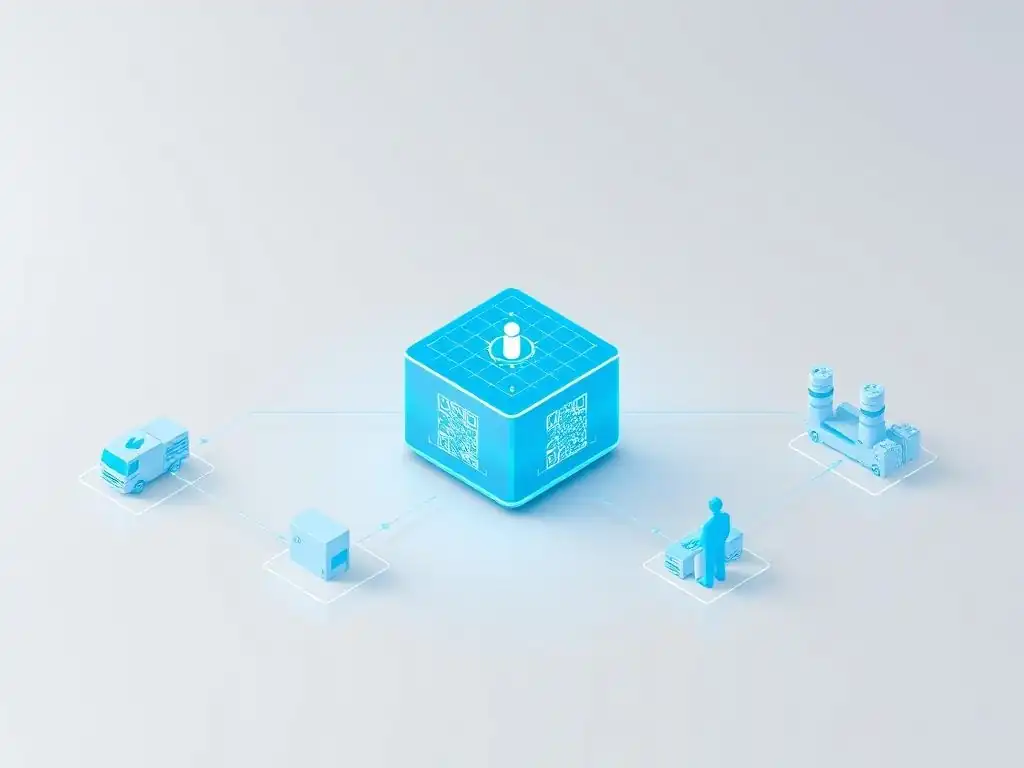
Choosing the Right Blockchain Platform for Pharma
Selecting the appropriate blockchain platform is a critical first step in building a blockchain pharma supply chain. The pharmaceutical industry has unique requirements concerning data privacy, security, scalability, and regulatory compliance. Public blockchains like Bitcoin or Ethereum, while decentralized, may present challenges related to transaction speed, cost, and the public nature of data for sensitive pharmaceutical information.
Private or consortium blockchains, on the other hand, offer more control over access and permissions, potentially providing faster transaction speeds and better scalability for enterprise use cases. Platforms like Hyperledger Fabric or Corda are often considered for their permissioned nature, allowing only authorized participants (manufacturers, distributors, pharmacies, regulators) to join the network and access specific data. The choice depends on factors like the required level of decentralization, privacy needs, transaction volume, and the ecosystem of partners willing to participate.
Data Security and Privacy in a Blockchain-Based Pharma System
While blockchain offers inherent security through immutability and cryptography, ensuring data privacy, especially concerning sensitive patient or commercial information, is paramount in a blockchain pharma supply chain. Not all data needs to reside directly on the public ledger. Strategies like storing sensitive data off-chain in secure databases and using blockchain to store only cryptographic hashes of that data, or using privacy-preserving techniques like zero-knowledge proofs, are essential.
Furthermore, permissioned blockchains allow for granular control over who can access what information. Different stakeholders (e.g., regulators, manufacturers, distributors) may have varying levels of access based on their role. Designing a robust access control mechanism and employing data encryption techniques are crucial to comply with regulations like GDPR or HIPAA while leveraging the transparency benefits of blockchain for supply chain integrity.
Regulatory Compliance and Interoperability
Navigating the complex regulatory landscape is a significant challenge for implementing a blockchain pharma supply chain. Regulations like the DSCSA in the U.S. and similar directives in the EU require specific data points to be tracked and shared. Any blockchain solution must be designed to meet or exceed these requirements. Furthermore, regulators themselves may need access to the blockchain data for audits and investigations, necessitating collaboration and standardized data formats.
Interoperability is another key consideration. The pharmaceutical supply chain involves diverse systems used by many different companies (ERPs, WMS, TMS). A successful blockchain implementation must be able to integrate seamlessly with these existing legacy systems. This requires developing standardized APIs and data models that allow information to flow accurately between the traditional IT infrastructure and the distributed ledger network used for the blockchain pharma supply chain.
Integrating Blockchain with Existing Pharma Systems
Integrating a new blockchain layer with the deeply entrenched legacy systems used throughout the pharmaceutical industry is a complex technical undertaking. Manufacturers, wholesalers, distributors, and pharmacies all rely on existing enterprise resource planning (ERP), warehouse management systems (WMS), and transportation management systems (TMS). A blockchain pharma supply chain solution cannot simply replace these systems; it must connect with them to pull and push relevant data.
This integration requires careful planning, robust middleware, and potentially significant development work. Data points like serial numbers, batch information, shipment details, and status updates need to be accurately captured from existing systems and written onto the blockchain. Conversely, verification requests or recall notifications from the blockchain need to be accessible and actionable within the operational workflows of these legacy systems. Ensuring smooth data flow and synchronization is critical for the functional success of the blockchain pharma supply chain.
Overcoming the Challenges of Blockchain Adoption in Pharma
Addressing Concerns about Scalability and Performance
One of the historical challenges associated with blockchain technology, particularly public blockchains, is scalability – the ability to handle a high volume of transactions quickly and efficiently. The global pharmaceutical supply chain generates an enormous amount of data and involves countless transactions daily. A blockchain pharma supply chain solution must be able to process these transactions at speeds comparable to or exceeding current systems without becoming prohibitively slow or expensive.
While early blockchain implementations faced limitations, significant advancements have been made in platform design, consensus mechanisms, and layer-2 scaling solutions. Permissioned blockchains, often favored for enterprise use, typically offer much higher transaction throughput than public chains. Ongoing research and development in blockchain technology are continuously improving performance, making it increasingly viable for the demanding requirements of the pharmaceutical industry's complex supply chain.
Building Trust and Collaboration Among Pharma Stakeholders
A blockchain pharma supply chain requires collaboration and trust among a diverse group of stakeholders who have historically operated in a less transparent environment. Manufacturers, distributors, pharmacies, and even regulators need to agree on a shared platform, data standards, and governance model. Building this consensus and fostering a willingness to share data, even in a controlled, permissioned manner, is a significant non-technical hurdle.
Overcoming this challenge involves clear communication about the benefits of the shared ledger (e.g., reduced counterfeiting risk, increased efficiency) and establishing a neutral governance body for the network. Pilot programs and consortia, like the U.S. FDA's pilot program exploring blockchain for DSCSA compliance, are crucial steps in demonstrating the value proposition and building the necessary trust among potential participants in a pharmaceutical blockchain network.
Ensuring Data Integrity and Security on the Blockchain
While the blockchain itself is designed to be immutable, the data entered onto the blockchain must be accurate and secure from the point of origin. If incorrect or fraudulent data is initially recorded, the blockchain will faithfully preserve that inaccurate information. Ensuring data integrity requires robust processes and technologies before data is committed to the ledger, such as secure data capture methods, validated sensors for environmental monitoring, and stringent access controls for data entry points within the blockchain pharma supply chain.
Furthermore, protecting the private keys that control access and authorize transactions on the blockchain is paramount. Loss or compromise of private keys could lead to unauthorized access or manipulation of data within a permissioned network, even if the ledger itself remains cryptographically secure. Implementing strong cryptographic practices, secure key management systems, and multi-factor authentication are essential security measures for any blockchain implementation in the pharmaceutical sector.
Data Silos and Interoperability Challenges
The pharmaceutical industry is characterized by numerous data silos, where information is locked within individual companies' systems with limited ability to share or integrate with external partners. This fragmentation hinders visibility and efficiency across the supply chain. While blockchain provides a shared ledger, integrating it with these disparate legacy systems presents a significant technical challenge for creating a truly connected blockchain pharma supply chain.
Achieving interoperability requires developing industry-wide data standards and APIs that allow different systems to communicate effectively with the blockchain platform. This often involves significant investment in IT infrastructure upgrades and custom integration work for each participant. Overcoming these data silo and interoperability challenges is key to unlocking the full potential of blockchain for end-to-end visibility and seamless information flow in the pharmaceutical supply chain.
Resistance to Change and Lack of Expertise
Adopting a new technology like blockchain requires significant organizational change management. Companies within the pharmaceutical supply chain may face resistance from employees accustomed to traditional workflows and systems. There may also be a lack of in-house expertise in blockchain technology, requiring investment in training or hiring new talent.
Overcoming resistance involves clearly articulating the benefits of the blockchain pharma supply chain to employees and stakeholders, providing adequate training, and involving key personnel in the transition process. Addressing the lack of expertise requires investing in educational programs and potentially partnering with technology providers who specialize in blockchain implementations for regulated industries like pharmaceuticals. Demonstrating successful pilot programs can also help build confidence and accelerate adoption.
The Future of Blockchain in Pharma: A Vision for Tomorrow
Emerging Trends in Blockchain Pharma Supply Chain Solutions
The field of blockchain in pharmaceuticals is rapidly evolving, with several key trends shaping its future. One significant trend is the development of industry-specific consortiums and networks focused on building shared blockchain pharma supply chain infrastructure. Initiatives like MediLedger in the U.S. are bringing together manufacturers, wholesalers, and other partners to develop common protocols and platforms for traceability and verification, specifically addressing DSCSA requirements.
Another trend is the increased focus on integrating blockchain with other emerging technologies. Combining blockchain's immutable ledger with Internet of Things (IoT) devices for real-time condition monitoring (like temperature or humidity sensors in shipments) enhances data integrity and provides automated verification. Furthermore, leveraging Artificial Intelligence (AI) for analyzing the vast amounts of data recorded on the blockchain can yield valuable insights into supply chain performance, potential risks, and areas for optimization within the pharmaceutical network.
The Role of AI and IoT in Enhancing Blockchain Pharma Applications
The synergy between blockchain, AI, and IoT is poised to create highly intelligent and efficient blockchain pharma supply chain systems. IoT sensors placed on drug shipments can continuously collect data on environmental conditions. This data can be securely recorded on the blockchain, providing an immutable record of handling conditions. Smart contracts can then use this data to trigger alerts or automated actions if conditions deviate from required parameters, ensuring product quality and safety.
AI can analyze the massive, trustworthy datasets generated by the blockchain and IoT devices. This analysis can identify patterns indicative of potential fraud, predict supply chain disruptions, optimize routing, or even personalize logistics based on specific drug requirements. For example, AI could detect anomalous transaction patterns on the blockchain that suggest diversion or counterfeiting attempts. The combination of secure data capture (IoT), immutable record-keeping (Blockchain), and intelligent analysis (AI) creates a powerful framework for a future-proof blockchain pharma supply chain.
The Potential for Decentralized Pharma Supply Chain Networks
Looking further ahead, the vision for the blockchain pharma supply chain involves increasingly decentralized networks. Instead of relying on a single company or platform, the future could see a network of interconnected blockchains or a single, widely adopted consortium blockchain where all legitimate participants in the supply chain – from raw material suppliers to patients (via verified applications) – can securely interact and share relevant information.
This decentralized model enhances resilience, reduces reliance on intermediaries, and empowers all stakeholders with greater visibility and control over their part of the supply chain. While significant challenges remain in achieving this level of decentralization and interoperability across the highly regulated pharmaceutical sector, the underlying principles of blockchain lay the groundwork for a future where the pharmaceutical supply chain is more transparent, secure, and efficient for the benefit of the entire ecosystem and, most importantly, the patients it serves.
Conclusion: Blockchain as a Catalyst for a Safer and More Efficient Pharma Industry
The Transformative Potential of Blockchain for the Pharmaceutical Sector
Blockchain technology holds immense transformative potential for the pharmaceutical sector, moving it beyond its initial association with cryptocurrencies to become a foundational technology for building trust and efficiency. By providing an immutable, transparent, and decentralized ledger, blockchain directly addresses some of the industry's most critical challenges, including the pervasive threat of counterfeit drugs, lack of end-to-end visibility, and operational inefficiencies.
The ability to create a secure, verifiable record of every drug's journey from manufacturing to dispensing fundamentally changes how provenance and authenticity are established. This enhanced traceability not only helps combat illicit trade but also streamlines logistics, improves recall processes, and builds greater confidence among regulators, healthcare providers, and patients. The blockchain pharma supply chain is not just a technological upgrade; it's a paradigm shift towards a more secure, transparent, and efficient future for pharmaceutical distribution.
Embracing Blockchain for a Secure and Transparent Pharma Future
Embracing blockchain technology is becoming increasingly imperative for pharmaceutical companies looking to future-proof their operations and enhance patient safety. While challenges related to implementation, scalability, and collaboration exist, the potential benefits in terms of security, efficiency, and compliance are too significant to ignore. Pilot programs and industry consortia are already demonstrating the viability and value of blockchain pharma supply chain solutions in real-world scenarios.
As the technology matures and standards evolve, we can expect to see wider adoption of blockchain across the pharmaceutical ecosystem. Integrating blockchain with AI and IoT will further unlock capabilities for intelligent monitoring and optimization. Ultimately, a secure and transparent blockchain pharma supply chain is essential for ensuring that patients receive safe, authentic, and effective medications, building a more resilient and trustworthy global health system.
Frequently Asked Questions
How can blockchain technology improve the pharma supply chain?
Blockchain provides enhanced transparency and traceability, enabling real-time tracking of pharmaceuticals from origin to consumer. This reduces the risk of counterfeit drugs and ensures product integrity.
What are the key benefits of using blockchain in the pharma supply chain?
The main advantages include improved supply chain visibility, increased efficiency through automation, and enhanced security against fraud and tampering of medications.
How does blockchain help combat counterfeit drugs in the pharmaceutical industry?
Blockchain's immutable ledger creates a permanent record of each product's journey. This allows for easy verification of authenticity and prevents counterfeit medications from entering the supply chain.
What regulatory challenges need to be addressed for widespread blockchain adoption in pharma?
Standardization and interoperability of blockchain systems are crucial. Furthermore, clear regulatory frameworks regarding data privacy and security are needed to facilitate widespread adoption.
What is the future outlook for blockchain in the pharmaceutical supply chain?
The future envisions a more secure and efficient supply chain, driven by blockchain's capabilities. This will lead to improved patient safety and greater trust in the pharmaceutical industry.
Okay, here's a final reflection crafted to conclude your article, "The Blockchain-Powered Pharma Supply Chain: A Vision for the Future," optimized for the keyword "Blockchain pharma supply chain" and following the structure you outlined:
Final Reflection: Securing Health, Empowering Trust
The journey through the potential of blockchain technology in revolutionizing the pharmaceutical supply chain culminates in a stark realization: the future of accessible and safe medication hinges on embracing transparency and accountability. The vulnerabilities exposed in traditional systems, from counterfeit drugs to inefficient tracking, demand a radical shift, and blockchain offers precisely that – a secure, immutable, and decentralized solution.
The impact of a blockchain pharma supply chain extends far beyond mere efficiency gains; it fundamentally alters the relationship between patients, providers, and manufacturers. This shift towards greater transparency and trust is not just a technological advancement, but a moral imperative, ensuring that every individual has access to authentic and life-saving medications. The ultimate goal is to create a healthcare ecosystem where trust is not assumed, but verified, and where every patient can be confident in the integrity of their medication.
As we look ahead, the challenge lies not in the technology itself, but in the collective will to implement it. Let us all, from industry leaders to individual consumers, embrace the potential of the blockchain pharma supply chain. Consider the power you hold to demand transparency, to advocate for secure medication, and to contribute to a future where health is not compromised by doubt. The time to act is now, to build a healthier, more trustworthy world, one block at a time.
Unleash the Potential: Secure Your Pharma Future Now!
Thank you for exploring how blockchain can revolutionize the pharmaceutical supply chain. This technology offers improved transparency, helps prevent counterfeiting, and can ultimately save lives. Are you ready to take the next step?
Here’s how you can get involved:
- Become an advocate for blockchain adoption: Share this article with your colleagues and network to encourage meaningful discussions and build momentum toward implementation.
- Explore innovative initiatives: Attend blockchain events focused on pharmaceuticals or participate in pilot programs to discover where your expertise can make a difference and connect with industry pioneers.
- Assess your supply chain: Identify vulnerabilities within your current processes and begin developing a strategy to incorporate blockchain technology.
What initial steps will your organization take to leverage blockchain for a more secure and efficient pharmaceutical supply chain? Share your thoughts in the comments below!
Leave a Reply