
BlockchainPowered Telemedicine: Secure, Scalable, and PatientFriendly

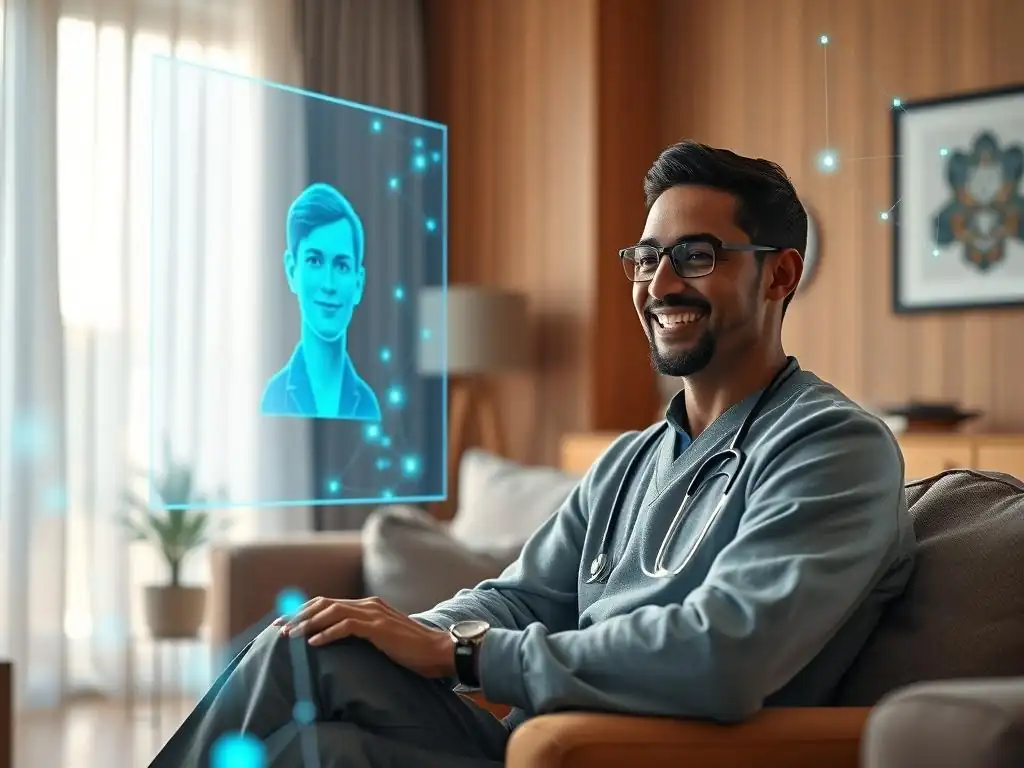
Welcome to Blockchain Trends, your compass in the rapidly evolving world of decentralized technology!
Delve into the transformative power of blockchain beyond the headlines, as we explore its impact on industries like healthcare. Are you ready to discover the blockchain telemedicine security benefits that are revolutionizing patient care and data protection? Uncover the potential for secure, scalable, and patient-friendly solutions – and how blockchain is poised to reshape the future of healthcare. Let's begin!
Blockchain-Powered Telemedicine: Secure, Scalable, and Patient-Friendly
- Introduction: Revolutionizing Healthcare with Blockchain's Security and Efficiency
- The Current State of Telemedicine: Challenges and Opportunities
- What is Blockchain and How Does it Apply to Telemedicine?
- Blockchain Telemedicine Security Benefits: A Comprehensive Overview
- Blockchain Telemedicine Scalability and Efficiency
- Patient-Friendly Features of Blockchain-Based Telemedicine
- Real-World Applications and Use Cases of Blockchain in Telemedicine
- Overcoming Barriers to Blockchain Adoption in Telemedicine
- The Future of Blockchain in Healthcare: Telemedicine and Beyond
- Conclusion: Embracing Blockchain for a More Secure and Efficient Telemedicine Ecosystem
-
Frequently Asked Questions
- How does blockchain enhance the security of telemedicine data?
- What are the scalability benefits of using blockchain in telemedicine platforms?
- How does blockchain improve patient-friendliness in telemedicine?
- Besides security and scalability, what other advantages does blockchain offer telemedicine?
- What are the regulatory considerations surrounding the use of blockchain in telemedicine?
- Final Reflection: Securing the Future of Care
- Embrace the Future of Healthcare: Start Securing Your Health Data!
Introduction: Revolutionizing Healthcare with Blockchain's Security and Efficiency
Telemedicine, the delivery of healthcare services remotely using telecommunications technology, has become increasingly vital in modern healthcare. It offers convenience, accessibility, and the potential to reduce costs. However, the widespread adoption of telemedicine faces significant hurdles, particularly concerning the security and privacy of sensitive patient data, system interoperability, and scalability to meet growing demand.
This is where blockchain technology emerges as a transformative force, offering a decentralized, secure, and transparent framework that can address these fundamental challenges. By leveraging blockchain's inherent properties, telemedicine platforms can enhance trust, streamline processes, and provide robust Blockchain telemedicine security benefits that traditional systems struggle to achieve.
The integration of blockchain into telemedicine promises a new era of healthcare delivery. It moves beyond the limitations of centralized databases, which are often vulnerable to breaches and lack seamless data exchange capabilities. Blockchain's distributed ledger technology creates an immutable record of transactions and data access, significantly bolstering security and patient privacy. Furthermore, smart contracts can automate administrative tasks, improving efficiency and reducing overhead. As we delve deeper, we will explore how blockchain technology is poised to redefine telemedicine, making it not only more secure and efficient but also more patient-centric and accessible for everyone.
The Current State of Telemedicine: Challenges and Opportunities
Telemedicine's Growing Importance in Modern Healthcare
Telemedicine has seen explosive growth in recent years, accelerated significantly by global events that necessitated remote healthcare access. It allows patients in rural or underserved areas to connect with specialists, facilitates follow-up consultations without travel, and enables chronic disease management through remote monitoring. The global telemedicine market size was valued at approximately USD 62 billion in 2020 and is projected to reach over USD 600 billion by 2028, according to various market reports. This growth underscores its critical role in expanding healthcare access and improving patient outcomes, especially as populations age and demand for healthcare services increases.
Beyond simple video consultations, telemedicine now encompasses a wide range of services, including remote patient monitoring for conditions like diabetes and heart disease, teledermatology, teleradiology, and telepsychiatry. These applications demonstrate the versatility and potential of remote healthcare delivery. For instance, remote patient monitoring has been shown to reduce hospital readmissions for heart failure patients by up to 25% in some studies. However, the increasing volume and sensitivity of the data exchanged within these systems highlight the urgent need for enhanced security measures and robust infrastructure capable of handling this expansion.
Key Challenges in Traditional Telemedicine Systems: Data Security, Interoperability, and Scalability
Despite its rapid adoption, traditional telemedicine infrastructure is plagued by several critical challenges. Data security is paramount; centralized databases holding vast amounts of personal health information (PHI) are attractive targets for cybercriminals. High-profile data breaches in healthcare organizations have exposed millions of patient records, leading to identity theft, financial fraud, and erosion of patient trust.
For example, a single breach can cost a healthcare organization an average of USD 9.23 million, according to the 2021 IBM Security X-Force Threat Intelligence Index. Protecting this sensitive data and ensuring HIPAA (Health Insurance Portability and Accountability Act) compliance in the US, or GDPR (General Data Protection Regulation) in Europe, is a constant struggle.
Interoperability is another major hurdle. Healthcare data is often fragmented across different providers, electronic health record (EHR) systems, and telemedicine platforms that use incompatible formats and protocols. This lack of seamless data exchange hinders coordinated care, leads to redundant tests, and reduces efficiency. Clinicians often cannot easily access a patient's complete medical history from different institutions during a telemedicine consultation. Finally, scalability is a concern; as telemedicine usage surges, traditional centralized systems can face performance bottlenecks, high infrastructure costs, and difficulty handling peak loads, potentially impacting service reliability and access during critical times.
What is Blockchain and How Does it Apply to Telemedicine?
Understanding Blockchain Technology: A Decentralized Ledger
At its core, blockchain is a type of distributed ledger technology (DLT) that records transactions across many computers. Instead of storing data in a single, centralized database, copies of the ledger are held by multiple participants in a network. Each transaction is grouped into a 'block', and once verified by the network's consensus mechanism, this block is added to a chain of previous blocks in a chronological order.
This creates a continuous, shared record that is extremely difficult to alter. The decentralized nature means there is no single point of failure, making the system more resilient and secure against tampering.
Think of it like a shared, digital notebook where entries (transactions) are added sequentially. Once an entry is written down and agreed upon by everyone holding a copy of the notebook, it's virtually impossible to go back and change a previous entry without everyone noticing and rejecting the change. This distributed and immutable nature is fundamental to blockchain's appeal in applications requiring high levels of trust and security, such as managing sensitive health information or ensuring the integrity of medical supply chains.
Blockchain's Core Principles: Security, Transparency, and Immutability
Blockchain technology operates on several fundamental principles that make it uniquely suited for applications requiring high trust and data integrity. Security is paramount, achieved through cryptographic hashing and digital signatures. Each block contains a hash of the previous block, creating a chain where any alteration to a past block would break the chain and be immediately detectable. Transactions are also secured using public and private key cryptography, ensuring only authorized participants can initiate or approve actions. This cryptographic foundation provides a strong layer of protection for the data stored on the ledger.
Transparency is another key principle, though it can be implemented with varying degrees of privacy depending on the type of blockchain (public, private, or consortium). In many blockchain applications, the transactions recorded on the ledger are visible to network participants, providing an open and verifiable history. While patient identity can be anonymized or pseudonymized, the integrity of the transaction itself (e.g., a data access event or a prescription issue) is transparently recorded.
Immutability means that once data is added to the blockchain, it cannot be retrospectively altered or deleted. This creates a permanent, tamper-proof audit trail, which is invaluable for regulatory compliance and ensuring accountability in healthcare interactions.
Applying Blockchain to Telemedicine: Enhancing Security and Efficiency
The application of blockchain technology to telemedicine involves using its core principles to address the system's inherent vulnerabilities. Instead of storing patient data in a single server, a blockchain-based system could store encrypted links or hashes of data across a distributed network. The actual patient data might reside off-chain in secure storage, with access permissions managed and recorded on the blockchain. This decentralized approach drastically reduces the risk associated with a single point of failure or attack, providing significant Blockchain telemedicine security benefits.
Furthermore, blockchain can streamline telemedicine workflows through smart contracts. These are self-executing contracts with the terms of the agreement directly written into code. For example, a smart contract could automate the release of a patient's record to a specialist upon receiving patient consent verified on the blockchain. Another could process a payment to a clinician automatically after a consultation is completed and verified. This automation reduces administrative overhead, minimizes potential for errors or fraud, and improves the overall efficiency of telemedicine services, enhancing both the clinician and patient experience.
Blockchain Telemedicine Security Benefits: A Comprehensive Overview
Enhanced Data Security and Privacy in Telemedicine
One of the most compelling advantages of integrating blockchain into telemedicine is the significant enhancement of data security and patient privacy. Traditional systems are often centralized targets, making them vulnerable to large-scale data breaches. Blockchain, by its distributed nature, eliminates this single point of failure. Patient data, or at least the access rights and transaction records related to that data, are spread across a network of nodes, making it exponentially harder for malicious actors to compromise the entire system. This fundamental architectural difference provides a robust layer of protection, bolstering Blockchain telemedicine security benefits.
Moreover, blockchain technology inherently supports strong cryptographic methods. Patient records, if stored off-chain, can be encrypted using advanced techniques, and the keys or access permissions managed on the blockchain. This ensures that only authorized individuals with the correct cryptographic keys can decrypt and view the sensitive information. The process of granting or revoking access is also recorded on the immutable ledger, creating a transparent and auditable trail of who accessed what data and when. This level of granular control and verifiable history is a major leap forward in protecting patient confidentiality in the digital age.
Protecting Patient Data with Blockchain Encryption
Blockchain reinforces data protection through the sophisticated use of encryption. While large medical files might not be stored directly on the blockchain due to storage capacity and cost limitations, the blockchain can securely store encrypted pointers to this data, or cryptographic hashes that verify the data's integrity. Access to the decryption keys for the off-chain data is then managed via the blockchain, utilizing public-key cryptography.
When a healthcare provider needs to access a patient's record, they initiate a transaction on the blockchain. If the patient has granted permission (recorded on the blockchain), a smart contract can automatically release the decryption key or grant temporary access rights to the provider's public key.
This model ensures that patient data remains encrypted and inaccessible to unauthorized parties. Even if a node in the blockchain network were compromised, the attacker would only gain access to encrypted data or hashes, not the readable patient information itself. The security relies on the strength of the encryption algorithms and the secure management of private keys, which is a standard practice in blockchain implementations. This method significantly elevates the protection of sensitive personal health information compared to traditional database security models.
Preventing Data Breaches and Unauthorized Access
Blockchain's architecture is designed to prevent the types of large-scale data breaches common in centralized systems. By distributing the data (or access control to the data) across multiple nodes, there is no single honey pot of information for attackers to target. To compromise the data, an attacker would theoretically need to compromise a majority of the nodes in the network simultaneously, which is computationally infeasible for a sufficiently large and distributed network. This inherent resistance to mass compromise is a core component of Blockchain telemedicine security benefits.
Furthermore, every attempt to access or modify data permissions is recorded as an immutable transaction on the blockchain. This creates a transparent audit trail that can be instantly verified by network participants. If an unauthorized access attempt occurs, it is logged on the ledger, alerting the system and relevant parties. This level of transparency and immutability acts as a powerful deterrent against malicious activity and provides the ability to quickly detect and respond to any potential security incidents, significantly reducing the likelihood and impact of unauthorized access.
Improved Data Interoperability and Exchange in Healthcare
Interoperability remains a significant challenge in healthcare, with disparate systems unable to easily share patient information. Blockchain offers a potential solution by providing a standardized, secure, and transparent layer for data exchange. By using a blockchain to manage consent and track the movement of data, healthcare organizations can overcome the silos that currently exist.
A patient's medical history, stored across various providers, could be securely linked and accessed by authorized parties via the blockchain ledger, improving care coordination and efficiency. This capability is a key part of the Blockchain telemedicine security benefits package, as it facilitates necessary data flow while maintaining strict control.
Consider a patient who sees a primary care physician, a specialist, and receives laboratory tests from different facilities. In a traditional system, sharing this information requires manual processes, faxes, or incompatible electronic transfers. With a blockchain layer managing consent and data pointers, the specialist, with the patient's permission recorded on the blockchain, could securely access the relevant lab results and primary care notes directly, regardless of the underlying EHR system used by each provider. This seamless exchange of information is crucial for accurate diagnosis and treatment in telemedicine consultations.
Seamless Data Sharing Between Healthcare Providers
Blockchain enables seamless data sharing by acting as a trusted, shared layer that sits above existing, often siloed, healthcare systems. Instead of requiring complex, point-to-point integrations between every possible provider system, organizations can connect to a shared blockchain network.
When a patient's data needs to be shared (e.g., from a hospital to a telemedicine platform, or between different hospitals), the transaction is initiated and recorded on the blockchain. This transaction would involve the patient granting permission (often via a mobile app or web portal interacting with the blockchain) and the system recording that permission and potentially sharing an encrypted link or hash of the data.
The blockchain doesn't necessarily store the large medical files themselves but acts as a secure, verifiable index and access control layer. This model allows different healthcare providers, using diverse systems, to interact with the same underlying data permission layer. It significantly reduces the technical complexity and cost associated with creating direct integrations between every system, facilitating a more interconnected healthcare ecosystem where patient information can flow securely and efficiently to authorized providers during telemedicine sessions or other care interactions.
Standardizing Data Formats for Efficient Communication
While blockchain primarily focuses on secure transaction recording and access control, its implementation in healthcare often goes hand-in-hand with efforts to standardize data formats. By requiring data shared or referenced on the blockchain to adhere to specific industry standards (like FHIR - Fast Healthcare Interoperability Resources), blockchain initiatives can drive greater consistency in how health information is represented and exchanged. When data is formatted consistently, it becomes much easier for different systems to understand and process it automatically, which is vital for efficient communication in telemedicine.
A blockchain platform designed for healthcare data exchange can enforce the use of these standards for any data pointers or summaries recorded on the ledger, or for the off-chain data referenced by the ledger. This push towards standardization, coupled with the secure and transparent exchange facilitated by blockchain, creates an environment where telemedicine platforms can reliably access and interpret patient data from various sources. This reduces the time clinicians spend manually piecing together information and allows them to focus more on patient care during remote consultations.
Increased Transparency and Trust in Telemedicine Transactions
Transparency and trust are foundational to effective healthcare, and blockchain significantly enhances both within telemedicine. Every interaction involving patient data access, consent management, or prescriptions can be recorded as a transaction on an immutable ledger. This creates a permanent, transparent, and verifiable history that all authorized parties can review. This level of transparency builds trust among patients, providers, and regulators, as there is a clear and undeniable record of all actions taken within the system, contributing significantly to Blockchain telemedicine security benefits.
For instance, if a patient wants to know who accessed their medical record and when, they can query the blockchain ledger (via a user-friendly interface). The ledger provides an undeniable log of every access event, including timestamps and the identity of the accessing party (often represented by a cryptographic ID). This stands in stark contrast to traditional systems where audit trails can sometimes be incomplete or potentially altered. The immutable nature of the blockchain ensures that once a transaction is recorded, it cannot be tampered with, providing a high degree of confidence in the integrity of the historical data.
Immutable Audit Trails for Healthcare Records
Blockchain's immutable nature creates unparalleled audit trails for healthcare records and telemedicine interactions. Every time a healthcare provider accesses a patient's record, a consent is granted, a prescription is issued via telemedicine, or a payment is made, a record of this event is added to the blockchain. This record is cryptographically linked to the previous records, forming an unbroken chain. Because changing any historical record would require re-calculating the cryptographic hash for that block and all subsequent blocks, and gaining consensus from the network, it is practically impossible to alter past entries without detection.
This creates a tamper-proof log of all activities related to patient data and telemedicine transactions. Healthcare organizations can use these immutable audit trails for regulatory compliance (like HIPAA or GDPR), internal audits, and resolving disputes. Patients also benefit from this transparency, as they can verify who has accessed their data and when, empowering them with greater control and visibility over their personal health information within the telemedicine framework. This verifiable history is a critical aspect of the Blockchain telemedicine security benefits.
Verifiable Credentials for Healthcare Professionals
Beyond patient data, blockchain can also be used to manage and verify the credentials of healthcare professionals participating in telemedicine networks. Licensing, certifications, and specialization details could be recorded on a blockchain, issued by relevant authorities (like medical boards or universities). This creates a decentralized, tamper-proof record of a clinician's qualifications. When a patient connects with a doctor via a telemedicine platform, the platform or the patient themselves could potentially verify the doctor's credentials against the blockchain ledger.
This system ensures that patients are receiving care from properly licensed and qualified professionals, increasing trust in the telemedicine service. It also streamlines the credentialing process for healthcare organizations, reducing administrative burden and the risk of hiring individuals with fraudulent qualifications. The immutability of the blockchain ensures that once a credential is issued and recorded, it cannot be falsely altered or revoked without a transparent, recorded transaction, adding another layer of security and trust to the telemedicine ecosystem.
Blockchain Telemedicine Scalability and Efficiency
Addressing Scalability Challenges in Telemedicine Infrastructure
Scalability is a critical factor for the widespread adoption of telemedicine. As more patients and providers use these services, the underlying infrastructure must be able to handle a rapidly increasing volume of data and transactions. Traditional centralized systems can become bottlenecks, requiring expensive hardware upgrades and complex management as they grow. Blockchain, particularly certain types of blockchain architectures designed for enterprise use, offers potential solutions to these scalability challenges, contributing to the overall efficiency and viability of telemedicine platforms.
While early public blockchains faced scalability issues (e.g., limited transactions per second), newer blockchain platforms and layer-2 scaling solutions are designed to handle high transaction throughput. Private or consortium blockchains, often used in enterprise settings like healthcare, can be optimized for performance and process thousands of transactions per second, making them suitable for managing the transaction volume generated by a large-scale telemedicine system, including patient data access logs, consent updates, and smart contract executions.
Blockchain's Ability to Handle Large Volumes of Data
While the blockchain itself may not store massive video consultation files or high-resolution medical images, it is highly capable of handling the large volume of transactional data and metadata generated by a busy telemedicine platform. This includes records of appointments scheduled, consultations completed, data access requests, consent approvals, prescription details, and payment transactions. Each of these events can be recorded as a small, cryptographically secured transaction on the ledger.
As telemedicine usage scales, the blockchain network can accommodate the increasing flow of these transactions. The distributed nature means that the processing load is shared across multiple nodes, preventing a single server from being overwhelmed. Furthermore, advanced blockchain designs and sharding techniques (dividing the network into smaller, manageable parts) are continuously improving the transaction processing capacity of blockchain networks, making them increasingly viable for high-volume applications like a national or global telemedicine network.
Decentralized Network for Reduced Bottlenecks
A key advantage of blockchain's architecture for scalability is its decentralized network structure. In a traditional centralized system, all requests and data flows through a single point (or a cluster of points) which can become a bottleneck under heavy load. If that central point fails or is overloaded, the entire system can slow down or become unavailable. This is a significant risk for critical healthcare services like telemedicine.
In a decentralized blockchain network, there is no single point of failure or congestion. Transactions and data requests are distributed across the network nodes. This allows the system to handle a much larger volume of activity concurrently. If one node experiences issues, the network as a whole continues to function, maintaining availability and performance. This distributed processing power makes blockchain inherently more resilient and scalable than traditional centralized database systems when designed appropriately for enterprise use cases like managing the operational flow of a large telemedicine service.
Streamlining Telemedicine Processes with Smart Contracts
Smart contracts are automated agreements that live on the blockchain and execute automatically when predefined conditions are met. They can significantly streamline various administrative and operational processes within telemedicine, improving efficiency and reducing the need for manual intervention. By automating routine tasks, smart contracts can reduce administrative costs, minimize errors, and speed up workflows, making telemedicine services more efficient for both providers and patients.
For example, processes like appointment scheduling, payment processing, and the release of medical records upon verified consent can be handled by smart contracts. This automation frees up administrative staff to focus on more complex tasks and reduces the potential for delays or human error. The execution of smart contracts is transparently recorded on the blockchain, providing an immutable audit trail of these automated processes, further enhancing trust and accountability within the telemedicine system.
Automated Appointment Scheduling and Reminders
Smart contracts can automate the entire appointment lifecycle in a telemedicine setting. When a patient requests an appointment, a smart contract can check the provider's availability (information that could be fed into the contract via oracles, secure data feeds), verify the patient's eligibility or insurance information, book the slot, and automatically send confirmation notifications to both parties. The terms of the appointment (date, time, provider, type of consultation) are recorded immutably on the blockchain via the smart contract execution.
Furthermore, smart contracts can be programmed to send automated reminders to patients and providers closer to the appointment time. If an appointment is canceled or rescheduled according to predefined rules (e.g., within a certain timeframe), the smart contract can automatically update the schedule and potentially trigger refunds or rescheduling procedures. This reduces the administrative burden of managing appointments, minimizes missed appointments, and improves the overall efficiency of the telemedicine platform.
Secure and Efficient Payment Processing
Payment processing in healthcare can be complex and prone to delays and disputes. Smart contracts can automate and secure the payment process for telemedicine consultations. When a telemedicine session is completed (a condition verified on the blockchain, perhaps by both patient and provider confirming completion), a smart contract can automatically trigger the payment process. This could involve transferring funds from a patient's account (with prior consent) or an insurance provider directly to the healthcare provider's account.
The terms for payment (e.g., fixed fee per consultation, hourly rate based on session duration) are coded into the smart contract. Once the trigger condition is met, the payment is executed automatically and transparently recorded on the blockchain. This eliminates the need for manual billing, reduces administrative overhead, minimizes the risk of payment disputes, and ensures that providers are paid promptly and securely. The immutable record of the payment transaction on the blockchain provides a clear and verifiable financial audit trail.
Patient-Friendly Features of Blockchain-Based Telemedicine

Empowering Patients with Control Over Their Health Data
One of the most significant advantages of a blockchain-based telemedicine system from a patient's perspective is the ability to regain control over their personal health data. In traditional systems, patient data is fragmented and held by various providers, often without easy or transparent access for the patient themselves. Blockchain enables a patient-centric model where individuals can manage permissions for who can access their medical records, enhancing privacy and autonomy, a key aspect of Blockchain telemedicine security benefits.
Through a user-friendly interface, such as a mobile app, patients can view a transparent log (from the blockchain) of who has accessed their data and when. They can grant or revoke access permissions to specific healthcare providers or researchers with a few clicks. This shifts the control from institutions to the individual, empowering patients to be active participants in managing their health information and deciding how it is used within the telemedicine ecosystem and beyond.
Patient-Centric Data Management
Blockchain facilitates a patient-centric approach to health data management. Instead of data being scattered across disparate, provider-controlled systems, the blockchain can serve as a secure index and access control layer for a patient's aggregated health information. The actual data might reside in various locations (e.g., original provider systems, personal health record apps), but the patient controls the keys and permissions to access it via the blockchain.
This means a patient can decide to share specific parts of their record with a telemedicine provider for a consultation, grant temporary access for a second opinion, or even share anonymized data for research purposes, all managed transparently and securely on the blockchain. This level of control was previously difficult or impossible to achieve, making patients passive recipients of care rather than active managers of their health information.
Secure and Transparent Data Access
Blockchain ensures that patient data access is both secure and transparent. As discussed earlier, access is managed through cryptographic keys and smart contracts, ensuring only authorized parties can view sensitive information. More importantly from the patient's perspective, every instance of data access is recorded on the immutable blockchain ledger.
Patients can access this ledger (via a dashboard or app) to see a complete history of who has requested or accessed their data, including the date and time. This provides an unprecedented level of transparency. If a patient notices suspicious activity (e.g., access by an unknown entity), they can immediately see it on the audit trail. This transparency builds trust in the telemedicine platform and provides patients with peace of mind knowing their sensitive information is being handled securely and accountably.
Enhanced Patient Engagement and Communication
Blockchain can also enhance patient engagement and communication within telemedicine by providing a secure and trustworthy platform for interactions. Secure messaging, sharing of consultation summaries, and personalized health plans can all be facilitated through applications built on a blockchain foundation, ensuring that sensitive communications remain private and verifiable. This contributes to a more connected and trusting relationship between patients and their healthcare providers.
For instance, secure messaging between a patient and a telemedicine provider could have its metadata (sender, receiver, timestamp, message hash) recorded on the blockchain to ensure the integrity and existence of the communication log, without exposing the message content itself. This provides a verifiable record of communication, which can be important for follow-up care and accountability.
Secure Messaging and Video Consultations
While the video stream of a telemedicine consultation is typically handled by existing secure communication protocols, blockchain can enhance the security and integrity of the metadata surrounding the consultation. Details like the participants, the time and duration of the session, and confirmation of completion can be recorded on the blockchain. This provides a secure and immutable record that the consultation took place, which can be used for billing, medical-legal purposes, and ensuring service delivery.
For secure messaging within a telemedicine platform, blockchain can be used to manage the identities of the participants and timestamp message exchanges. While the message content itself would be encrypted end-to-end and stored off-chain, the blockchain could record a hash of each message and the transaction details (sender, receiver, timestamp). This ensures the integrity of the communication log and provides a verifiable history of exchanges, adding an extra layer of security and trust to patient-provider communication.
Personalized Healthcare Experiences
Blockchain's ability to securely manage and share patient data with consent opens up possibilities for highly personalized healthcare experiences in telemedicine. With authorized access to a patient's comprehensive medical history (spanning different providers and even wearable device data), telemedicine platforms can offer more tailored advice, treatment plans, and preventative care recommendations. This data-driven personalization relies on the secure and verifiable data exchange facilitated by blockchain.
A patient could grant a telemedicine AI assistant or a specific health program access to relevant parts of their medical history via the blockchain. This allows the program to provide personalized health insights, medication reminders, or recommendations based on the patient's unique profile. The patient retains control over which data is shared and with whom, ensuring privacy while benefiting from personalized care, enabled by the secure foundation provided by blockchain technology.
Real-World Applications and Use Cases of Blockchain in Telemedicine
Secure and Decentralized Electronic Health Records (EHR)
One of the most promising real-world applications of blockchain in healthcare, directly impacting telemedicine, is the creation of secure and decentralized Electronic Health Records (EHRs). Several companies and initiatives are exploring or building platforms where patient records are not stored in a single database but rather referenced and accessed via a blockchain layer. For example, projects like Medicalchain and BurstIQ are developing platforms that use blockchain to manage patient consent and provide a secure, immutable audit trail for access to health data.
In these models, the patient typically controls access to their data, which might be stored in encrypted form across different locations or systems. The blockchain records who has permission to access which parts of the record and logs every access event. This decentralized approach enhances security, improves interoperability (as different providers can connect to the same blockchain network with patient consent), and empowers patients with control over their health information, providing significant Blockchain telemedicine security benefits for EHR management.
Supply Chain Management for Pharmaceuticals
While not directly a telemedicine service, secure pharmaceutical supply chain management is crucial for patient safety and trust, particularly when prescriptions are issued via telemedicine. Blockchain can provide end-to-end traceability for pharmaceuticals, from manufacturing to delivery at the pharmacy or patient's door. Companies like Chronicled and MediLedger are using blockchain to create secure, verifiable records of drug provenance and movement.
Each step in the supply chain – manufacturing, packaging, shipping, distribution, dispensing – can be recorded as a transaction on the blockchain. This creates an immutable ledger that can prove the origin and handling of a drug, helping to combat counterfeiting and ensure the integrity of the pharmaceutical supply. This is vital for telemedicine, where patients rely on receiving authentic and safe medications based on remote prescriptions. A patient receiving a prescription via telemedicine could potentially verify the legitimacy of the dispensed medication by scanning a code linked to the blockchain record.
Decentralized Clinical Trial Management
Blockchain is also being applied to improve the efficiency, transparency, and integrity of clinical trials, which has indirect benefits for telemedicine, particularly in drug development and personalized medicine. Clinical trial data is highly sensitive and requires rigorous management to ensure accuracy and compliance. Blockchain can provide a secure, immutable ledger for recording trial protocols, patient consent, data inputs, and results.
Projects like Triall are developing blockchain-based platforms for clinical trial data management. Using blockchain ensures that trial data, once recorded, cannot be altered, enhancing data integrity and reducing the risk of fraud or errors. Patient consent for participating in trials and sharing data can also be managed securely on the blockchain. This improved data integrity and transparency in clinical trials ultimately contributes to the development of safer and more effective treatments, which are then prescribed and managed via healthcare services, including telemedicine.
Overcoming Barriers to Blockchain Adoption in Telemedicine
Regulatory Considerations and Compliance
Adopting blockchain in telemedicine faces significant regulatory hurdles. Healthcare is a heavily regulated industry, and new technologies must comply with stringent data privacy and security laws such as HIPAA in the United States, GDPR in Europe, and similar regulations globally. While blockchain offers strong security features, ensuring a specific implementation is compliant requires careful design, particularly regarding the right to access, modify (though immutability is key, certain legal requirements might necessitate handling data in specific ways, e.g., pseudonymization or storing sensitive data off-chain with blockchain managing access), and erase data (the "right to be forgotten" under GDPR).
Developing blockchain solutions that meet these diverse and sometimes conflicting regulatory requirements is complex. It requires close collaboration between blockchain developers, healthcare providers, legal experts, and regulatory bodies. Clear guidelines and frameworks are needed from governing bodies to facilitate the responsible adoption of blockchain technology while ensuring patient rights and data protection are upheld. This regulatory clarity is crucial for unlocking the full Blockchain telemedicine security benefits on a large scale.
Technical Challenges and Integration Issues
Integrating blockchain technology with existing legacy healthcare IT systems presents significant technical challenges. Hospitals and clinics often rely on outdated or proprietary Electronic Health Record (EHR) systems that were not designed to interact with decentralized blockchain networks. Developing interfaces and middleware to connect these disparate systems to a blockchain platform requires substantial technical expertise and resources.
Furthermore, selecting the right blockchain platform (public, private, or consortium), consensus mechanism, and data storage strategy (on-chain vs. off-chain) is critical for performance, scalability, and cost-effectiveness. Ensuring the blockchain solution can handle the required transaction throughput for a large telemedicine network, manage large volumes of data efficiently (even if stored off-chain), and integrate seamlessly into clinical workflows without adding complexity for users are all major technical considerations that need to be addressed for successful adoption.
Addressing Public Perception and Trust
Despite its technical merits, blockchain technology is still relatively new and often misunderstood by the general public and even many healthcare professionals. Concerns about complexity, security (ironically, given its benefits), and association with volatile cryptocurrencies can create skepticism and hinder adoption. Building trust and ensuring positive public perception are crucial for the successful implementation of blockchain in telemedicine.
Educating patients and providers about how blockchain enhances data security and privacy, empowers patients, and improves efficiency is essential. Demonstrating successful pilot programs and real-world use cases can help build confidence. Addressing concerns about the immutability of data in the context of data correction requirements and explaining how sensitive data is handled securely (e.g., off-chain storage with blockchain for access control) are important steps in fostering acceptance and leveraging the significant Blockchain telemedicine security benefits.
The Future of Blockchain in Healthcare: Telemedicine and Beyond
Emerging Trends in Blockchain-Powered Healthcare Solutions
The application of blockchain in healthcare is rapidly evolving, with several emerging trends pointing towards its transformative potential. Beyond telemedicine, blockchain is being explored for managing clinical trial data more effectively, securing the pharmaceutical supply chain to combat counterfeiting, and enabling secure health data marketplaces where patients can monetize their anonymized data for research. Decentralized Autonomous Organizations (DAOs) are also being considered for governing health data networks, giving stakeholders more say in how data is managed.
Another trend is the use of zero-knowledge proofs (ZKPs) in conjunction with blockchain. ZKPs allow one party to prove to another that a statement is true without revealing any information beyond the validity of the statement itself. In healthcare, this could mean verifying a patient's eligibility for a service or the integrity of a data set without revealing the underlying sensitive information, further enhancing privacy within blockchain-based systems.
The Potential for Blockchain to Transform Healthcare Delivery
Blockchain has the potential to fundamentally transform healthcare delivery by creating a more secure, transparent, efficient, and patient-centric ecosystem. By providing a trusted layer for managing patient data access, verifying identities, automating processes with smart contracts, and ensuring the integrity of health records and supply chains, blockchain can address many of the systemic challenges facing modern healthcare.
This transformation extends beyond telemedicine to encompass areas like claims processing (reducing fraud and speeding up payments), public health data management (securely sharing aggregated, anonymized data for disease tracking), and even medical device security. A blockchain-powered healthcare system could lead to reduced administrative costs (estimated to be a significant portion of healthcare expenditure), improved patient outcomes through better data access and coordination, and increased trust across all stakeholders.
Blockchain Telemedicine Security Benefits: A Long-Term Vision
Looking ahead, the Blockchain telemedicine security benefits are not just short-term gains but represent a long-term vision for a more robust and trustworthy remote healthcare system. As telemedicine becomes an increasingly integral part of healthcare delivery, the need for ironclad security and privacy will only grow. Blockchain's inherent properties of decentralization, immutability, and cryptographic security provide a foundation that is significantly more resilient to the threats facing traditional systems.
The long-term vision involves a global network of interoperable healthcare systems, where patients seamlessly control their health data, providers access necessary information securely and efficiently via telemedicine, and all transactions are recorded on an immutable, transparent ledger. This future state promises not only enhanced security but also increased efficiency, reduced costs, and ultimately, better patient care delivered through trusted, scalable telemedicine platforms built on blockchain technology.
Conclusion: Embracing Blockchain for a More Secure and Efficient Telemedicine Ecosystem
Telemedicine offers immense potential to expand access to healthcare, improve convenience, and enhance patient outcomes. However, realizing this potential at scale requires overcoming significant challenges related to data security, interoperability, and efficiency. Blockchain technology presents a compelling solution by providing a decentralized, secure, and transparent framework capable of addressing these fundamental issues. The Blockchain telemedicine security benefits are particularly noteworthy, offering enhanced data protection, improved privacy, and immutable audit trails that build trust and compliance.
By leveraging blockchain's core principles, telemedicine platforms can move towards a more patient-centric model where individuals have control over their health data. Smart contracts can streamline administrative processes, improving efficiency and reducing costs. While technical and regulatory hurdles remain, ongoing development and successful pilot programs demonstrate the feasibility and promise of blockchain in this domain. Embracing blockchain is not just about adopting a new technology; it's about building a more secure, efficient, and trustworthy future for telemedicine, ensuring that remote healthcare can reach its full potential for the benefit of patients and providers worldwide.
Frequently Asked Questions
How does blockchain enhance the security of telemedicine data?
Blockchain provides immutable and transparent records, making patient data more secure. Its decentralized nature reduces the risk of single points of failure and hacking. This helps maintain data integrity and confidentiality.
What are the scalability benefits of using blockchain in telemedicine platforms?
Blockchain can support a large number of transactions and users without compromising performance. Its distributed architecture allows for efficient data sharing among authorized participants. This is crucial for handling growing patient populations.
How does blockchain improve patient-friendliness in telemedicine?
Blockchain enables patients to have greater control over their own medical data. They can grant and revoke access to healthcare providers as needed. This empowers patients and fosters trust in the system.
Besides security and scalability, what other advantages does blockchain offer telemedicine?
Blockchain facilitates interoperability between different healthcare systems. It also streamlines processes such as prescription management and insurance claims. Ultimately, it leads to reduced administrative costs.
What are the regulatory considerations surrounding the use of blockchain in telemedicine?
Regulatory frameworks are still evolving, and compliance is crucial. Issues such as data privacy regulations (e.g., GDPR) and data sovereignty need careful attention. Adherence to these ensures responsible implementation.
Okay, here's a final reflection you can use for your article "Blockchain-Powered Telemedicine: Secure, Scalable, and Patient-Friendly," optimized for the keyword "Blockchain telemedicine security benefits."
Final Reflection: Securing the Future of Care
The exploration of blockchain's potential within telemedicine reveals a landscape ripe with opportunity, yet demanding careful consideration. The promise of enhanced security, scalability, and patient-centricity through blockchain technology is not just a theoretical advantage; it's a vital necessity in today's increasingly interconnected and vulnerable healthcare ecosystem. As we've seen, the benefits extend beyond simple data protection, offering a foundation for trust and transparency that can revolutionize how healthcare is delivered and accessed.
The integration of blockchain into telemedicine is more than a technological upgrade; it's a fundamental shift in power, placing control back into the hands of the patient. This paradigm shift, driven by the need for greater data security and privacy, is profoundly impacting the cultural landscape of healthcare, fostering a sense of ownership and empowerment. The future of healthcare is not about technology replacing human interaction, but about technology empowering human connection.
This quote encapsulates the essence of blockchain's role: to facilitate secure and seamless interactions between patients and providers, ultimately strengthening the doctor-patient relationship.
Now, as you consider the potential of blockchain in telemedicine, I encourage you to reflect on your own role in shaping this future. How can you advocate for the adoption of secure, scalable, and patient-friendly technologies? How can you contribute to a healthcare system that prioritizes privacy and empowers individuals to take control of their health data? The future of healthcare is being written now, and your understanding and engagement are crucial to ensuring it is a future built on trust, security, and accessibility for all.
Embrace the Future of Healthcare: Start Securing Your Health Data!
Thank you for exploring the potential of blockchain in revolutionizing telemedicine. Now that you understand how blockchain can enhance security, scalability, and patient-friendliness in healthcare, let's put that knowledge into action!
Here's how you can take the next step:
- Start researching blockchain-based telemedicine platforms available in your area. Understand their security protocols and data privacy measures to make informed decisions about your healthcare.
- Share this article with friends and family who might benefit from learning about the secure and efficient healthcare solutions blockchain can provide. Let's spread awareness together!
- Explore local tech meetups or online forums dedicated to blockchain and healthcare. Engage with experts and enthusiasts to understand real-world implementations and contribute to the discussion.
How will you leverage blockchain technology to take control of your health data and empower the future of telemedicine?
Leave a Reply