
Blockchain's Contribution to Faster and More Efficient Pharma Supply Chains

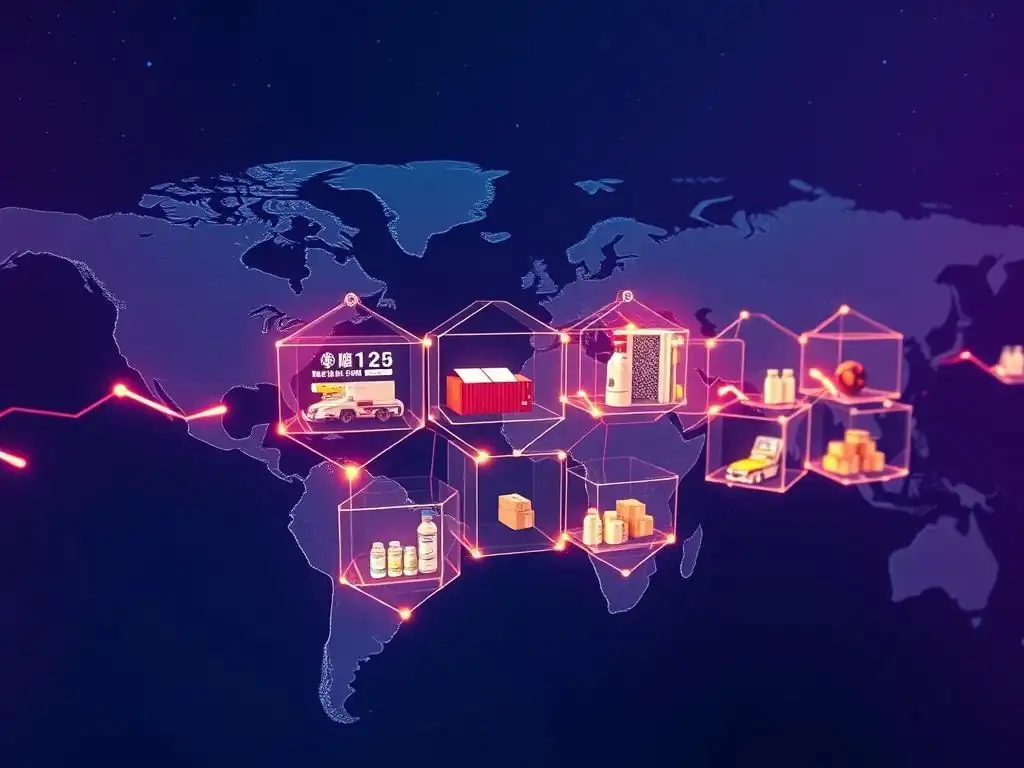
Welcome to Blockchain Trends, your go-to source for understanding the transformative power of blockchain beyond the buzz. Ever wondered how this groundbreaking technology is revolutionizing industries outside of cryptocurrency?
Dive into our latest exploration of blockchain pharma supply chain solutions, and discover how this secure and transparent system is poised to reshape healthcare. Can blockchain truly solve the critical challenges of counterfeit drugs and inefficient tracking? Read on to find out, and unlock the potential of a healthier, more reliable future.
- Blockchain's Contribution to Faster and More Efficient Pharma Supply Chains
- Current Challenges in Pharmaceutical Supply Chains
- How Blockchain Improves Pharma Supply Chain Efficiency
- Key Benefits of Blockchain in the Pharma Supply Chain
- Real-World Applications of Blockchain in Pharma
- The Future of Blockchain in Pharmaceutical Supply Chains
- Overcoming Barriers to Blockchain Implementation in Pharma
- Conclusion: Blockchain as a Catalyst for a More Secure and Efficient Pharma Supply Chain
-
Frequently Asked Questions
- How can blockchain technology improve the speed of the pharmaceutical supply chain?
- What role does blockchain play in enhancing the efficiency of the pharmaceutical supply chain?
- What are the main benefits of using blockchain to combat counterfeit drugs in the pharmaceutical supply chain?
- How does blockchain help with regulatory compliance in the pharmaceutical industry?
- Beyond tracking and tracing, what other potential applications of blockchain exist within the pharmaceutical supply chain?
- Final Reflection: Embracing Transparency in Healthcare
- Revolutionize Your Role: Be the Change in Pharma's Future!
Blockchain's Contribution to Faster and More Efficient Pharma Supply Chains
The Growing Need for Transparency and Efficiency in Pharmaceutical Supply Chains
The pharmaceutical supply chain is one of the most complex and critical networks globally, responsible for transporting sensitive and often life-saving medications from manufacturers to patients. This complexity is compounded by stringent regulatory requirements, the imperative for product integrity, and the global nature of drug production and distribution. Stakeholders across the chain, including manufacturers, distributors, pharmacies, and regulators, face significant challenges in ensuring transparency regarding product origin, handling, and authenticity.
The lack of end-to-end visibility can lead to delays, increased costs, and, most critically, opportunities for counterfeit or substandard drugs to enter the legitimate supply chain. The demand for robust systems that can provide real-time tracking and verification is escalating as global trade expands and supply routes become more intricate.
Furthermore, the sheer volume and diversity of pharmaceutical products, coupled with varying storage and transport requirements (like cold chain management for vaccines and biologics), necessitate highly efficient and reliable logistics. Manual processes, siloed data systems, and fragmented communication channels prevalent in many traditional pharma supply chain setups contribute to inefficiencies, errors, and delays. These inefficiencies can impact everything from inventory management and order fulfillment to product recalls and audits.
The industry is actively seeking transformative technologies that can address these systemic issues, improve operational speed, reduce waste, and ultimately enhance patient safety and access to vital medicines. This growing need highlights the potential for innovative solutions like the blockchain pharma supply chain to bring about much-needed change.
Understanding Blockchain Technology: A Foundation for Pharma Solutions
Blockchain technology is a decentralized, distributed ledger system that records transactions across many computers. These transactions are grouped into 'blocks', which are then cryptographically linked together in a chronological chain. Once a block is added to the chain, it is extremely difficult to alter or remove, creating an immutable and transparent record of all transactions.
This inherent immutability and transparency, coupled with the distributed nature of the ledger, removes the need for a central authority to validate transactions, fostering trust among participants who may not otherwise trust each other. Each participant in the network typically holds a copy of the ledger, and updates are validated through consensus mechanisms, ensuring data integrity across the network.
For the pharmaceutical industry, blockchain's core attributes offer a compelling foundation for building more secure, transparent, and efficient supply chain systems. The ability to create a shared, tamper-evident record of a drug's journey from manufacturing plant to pharmacy shelf addresses fundamental challenges around traceability and authenticity.
By recording each handoff, temperature reading, or verification step on a blockchain, stakeholders can gain unprecedented visibility into the product's history. This foundational technology provides the backbone for applications designed to tackle specific problems within the pharma supply chain, such as verifying product legitimacy or streamlining regulatory reporting, paving the way for a truly revolutionized blockchain pharma supply chain.
Current Challenges in Pharmaceutical Supply Chains
Counterfeit Drugs: A Critical Threat to Patient Safety
Counterfeit drugs pose a severe and persistent threat to global public health and safety. These fake medications may contain incorrect ingredients, insufficient active pharmaceutical ingredients (APIs), harmful fillers, or no active ingredients at all. The World Health Organization (WHO) has estimated that up to 10% of medical products in low and middle-income countries are substandard or falsified, a figure that can be significantly higher in specific regions or for certain product types.
While developed nations have more robust regulatory systems, counterfeit drugs still infiltrate supply chains through online pharmacies, sophisticated criminal networks exploiting vulnerabilities, or even via legitimate distribution channels due to inadequate verification processes. The economic impact is also substantial, estimated to be billions of dollars annually, but the human cost in terms of ineffective treatments, adverse health events, and even fatalities is immeasurable.
The current methods for combating counterfeiting, such as holograms, special inks, and 2D barcodes, can often be replicated by sophisticated counterfeiters. Tracking individual units through complex global supply chains is also challenging with traditional systems, making it difficult to pinpoint where a fake product entered the chain or verify the legitimacy of a product found in the market.
This lack of a universally verifiable, tamper-proof history for each drug unit is a major gap. The distributed and immutable nature of a blockchain pharma supply chain ledger offers a potential solution by creating a secure digital identity and transaction history for every package, making it significantly harder for fakes to masquerade as legitimate products.
Lack of Traceability and Visibility in the Pharma Supply Chain
Traditional pharmaceutical supply chains often suffer from fragmented data systems and poor communication between disparate parties. As a drug moves from the manufacturer to wholesalers, distributors, repackagers, and ultimately to pharmacies or hospitals, information about its location, ownership, and condition is often recorded in separate, incompatible databases. This results in a significant lack of end-to-end traceability and visibility. It becomes difficult, if not impossible, to track the precise journey of a specific batch or even individual package of medication in real-time across multiple stakeholders.
This deficit in visibility creates numerous problems. During a product recall, for instance, identifying and locating affected batches quickly and accurately is critical but often hindered by incomplete or delayed information. Similarly, investigating the source of a potential issue, such as improper storage conditions or theft, is challenging without a clear, continuous record of the product's handling.
The absence of a single, shared source of truth means that stakeholders operate with limited information about upstream or downstream activities. A blockchain pharma supply chain network, by providing a shared, append-only ledger accessible to authorized participants, can bridge these information gaps, offering unparalleled traceability from production to dispensing and enhancing overall supply chain transparency.
Inefficiencies in Pharma Logistics and Distribution
The logistics and distribution of pharmaceuticals are inherently complex, involving managing diverse product types with varying temperature, humidity, and security requirements. Inefficient processes in this area lead to significant costs and potential risks. For example, managing the cold chain for temperature-sensitive drugs like vaccines requires meticulous monitoring and documentation at every transfer point. Manual data entry, paper-based records, and disparate tracking systems increase the likelihood of errors, data inconsistencies, and delays in transit. These inefficiencies can result in product degradation, spoilage, and ultimately, wasted medication, which is costly and detrimental to patient care.
Furthermore, processes like order fulfillment, inventory management, and proof of delivery often involve extensive paperwork and manual reconciliation between parties. Discrepancies can lead to payment disputes, delays in receiving goods, and inaccurate stock levels, impacting the ability of pharmacies and hospitals to reliably dispense medication.
The lack of real-time, shared data makes optimizing routes, managing unexpected disruptions, and ensuring timely delivery challenging. Implementing blockchain solutions in the pharma supply chain logistics can automate data capture through IoT devices, provide real-time location and condition monitoring on an immutable ledger, and streamline verification processes, leading to faster, more reliable, and cost-effective distribution.
Regulatory Compliance Complexities in the Pharmaceutical Industry
The pharmaceutical industry operates under a dense and evolving web of regulations designed to ensure product quality, safety, and traceability. In the United States, the Drug Supply Chain Security Act (DSCSA) mandates interoperable electronic tracing of prescription drug packages at the unit level by November 2023. This requires stakeholders to exchange transaction information (TI), transaction history (TH), and transaction statements (TS) for each product sale, and eventually, to serialize products and verify their authenticity throughout the supply chain.
Similar regulations exist globally, such as the Falsified Medicines Directive (FMD) in Europe. Compliance involves managing vast amounts of data, ensuring data integrity, and being able to quickly respond to verification requests or audits.
Meeting these complex regulatory requirements using legacy systems is difficult and costly. Data silos prevent easy sharing of information between trading partners, and verifying the authenticity of products across multiple hops in the supply chain requires reliable, accessible records. The mandate for interoperability poses a significant challenge, as different companies use different systems and formats.
Blockchain technology, with its ability to create a shared, immutable, and secure ledger, is uniquely positioned to facilitate regulatory compliance. It can provide a standardized platform for recording and sharing the required transaction data, support unit-level serialization tracking, and enable efficient verification processes, making the blockchain pharma supply chain a powerful tool for meeting regulatory mandates like DSCSA.
How Blockchain Improves Pharma Supply Chain Efficiency
Enhanced Traceability and Provenance Tracking with Blockchain
Blockchain technology fundamentally enhances traceability within the pharmaceutical supply chain by creating a secure, shared, and immutable record of every transaction and movement of a product. From the moment an active pharmaceutical ingredient (API) is sourced, through manufacturing, packaging, distribution, and finally to dispensing, each step can be recorded as a block on the ledger.
This includes details such as the product's unique serial number, batch information, manufacturing date, location changes, temperature readings (if tracked via IoT sensors), and ownership transfers. Unlike traditional systems where this information is fragmented across different databases held by individual companies, a blockchain allows authorized participants across the supply chain to access a unified, tamper-evident history for any given product unit.
This granular, end-to-end traceability provides unprecedented visibility into a drug's provenance. If a question arises about a product's authenticity or handling history, stakeholders can quickly and reliably trace its journey back to the source using the blockchain record. This capability is crucial for verifying legitimate products, identifying potential points of contamination or diversion, and ensuring that products have been handled according to required conditions.
For example, tracking the cold chain for vaccines becomes much more reliable when temperature data from smart sensors is automatically logged onto an immutable ledger at every transfer point, providing verifiable proof of compliance. The enhanced traceability offered by a blockchain pharma supply chain is a significant leap forward from current tracking methods.
Combating Counterfeit Drugs Using Blockchain's Immutability
The immutable nature of blockchain is a powerful weapon against counterfeit drugs. By assigning a unique digital identity, often linked to a serialized physical identifier like a 2D matrix code, to each individual drug package at the point of manufacturing, its subsequent movements and status can be recorded on the blockchain.
Each transfer of ownership or change in status (e.g., "shipped," "received," "dispensed") is added as a transaction to the product's history on the ledger. Because past transactions on a blockchain cannot be altered or deleted without the consensus of the network, any attempt to introduce a fake product with a duplicated or falsified serial number, or to tamper with the recorded history of a legitimate product, becomes immediately apparent.
When a product arrives at a distribution center, pharmacy, or hospital, its unique identifier can be scanned, and its history on the blockchain can be instantly verified against the expected provenance and status. If the blockchain record shows discrepancies – such as a serial number already marked as dispensed, a history that doesn't match the expected path, or missing transaction records – it indicates a potential counterfeit or diverted product.
This ability for any authorized party to quickly and reliably verify a product's legitimacy against an immutable ledger significantly raises the bar for counterfeiters and provides a robust layer of security throughout the blockchain pharma supply chain.
Improved Supply Chain Visibility and Data Sharing
One of the major inefficiencies in the traditional pharmaceutical supply chain stems from poor visibility and limited data sharing between trading partners. Companies often operate with siloed systems, making it difficult to get a holistic view of inventory levels, shipment statuses, and potential disruptions across the entire network. This lack of real-time, shared information hinders effective collaboration, planning, and rapid response to issues. Blockchain technology addresses this by providing a shared, permissioned ledger where relevant data can be recorded and accessed by authorized participants.
Instead of relying on fragmented data exchange methods like emails, faxes, or incompatible electronic data interchange (EDI) systems, all parties in a blockchain network can access the same version of the truth regarding a product's status and location. This shared visibility allows manufacturers to better forecast demand, distributors to optimize logistics and inventory, and pharmacies to verify incoming shipments efficiently.
Smart contracts, self-executing contracts with the terms of the agreement directly written into code on the blockchain, can automate processes like payments upon verified delivery, further improving efficiency. This enhanced data sharing and visibility provided by a blockchain pharma supply chain ecosystem leads to better coordination, reduced errors, and faster operations.
Streamlined Logistics and Reduced Costs with Blockchain Solutions
Inefficiencies in pharmaceutical logistics contribute significantly to operational costs. These include expenses related to manual tracking, data entry errors, reconciliation processes, delays, product spoilage, and the administrative burden of compliance and audits. Blockchain technology, by automating data capture, providing real-time visibility, and streamlining verification, can lead to substantial cost reductions and logistics improvements. For example, integrating blockchain with IoT sensors can provide continuous, automated monitoring and logging of temperature and humidity for cold chain products, reducing the need for manual checks and minimizing the risk of spoilage due to temperature excursions.
Furthermore, the use of smart contracts can automate payments and settlements based on verified delivery and condition, reducing administrative overhead and speeding up financial transactions. The improved accuracy of inventory data across the network helps reduce carrying costs associated with excess stock and minimizes losses from expired products.
Streamlined processes for receiving and verifying shipments at distribution centers and pharmacies, enabled by quick blockchain lookups, reduce labor costs and speed up throughput. While specific cost savings vary depending on the implementation scope, pilot programs have indicated potential reductions in areas like compliance costs, administrative overhead, and losses due to counterfeiting or spoilage, demonstrating the economic benefits of a blockchain pharma supply chain.
Key Benefits of Blockchain in the Pharma Supply Chain
Increased Transparency and Accountability
A primary benefit of implementing blockchain in the pharmaceutical supply chain is the significant increase in transparency. By creating a shared, immutable ledger of every transaction and handling event associated with a drug product, all authorized participants gain access to a unified record of its journey. This contrasts sharply with traditional systems where information is often siloed within individual companies. This transparency makes it difficult for illicit activities, such as introducing counterfeit drugs or diverting legitimate ones, to go unnoticed. Every action recorded on the blockchain is timestamped and attributed to a specific party, creating a clear audit trail.
This enhanced transparency naturally leads to increased accountability. Each stakeholder in the supply chain, from the manufacturer packaging the drug to the dispenser giving it to the patient, is accountable for the product while it is in their possession. Any change in the product's status or location is recorded, linking the action to the responsible party.
This fosters a culture of responsibility and diligence throughout the network. In case of an issue, such as a product quality complaint or a suspected diversion, the transparent and immutable record on the blockchain allows for rapid identification of the point in the supply chain where the issue likely originated and who was responsible, significantly improving incident investigation and resolution within the blockchain pharma supply chain.
Enhanced Security and Data Integrity
Security and data integrity are paramount in the handling of sensitive pharmaceutical information and products. Blockchain technology inherently provides robust security features. The use of cryptographic hashes links blocks together, making it virtually impossible to alter historical data without invalidating subsequent blocks and alerting network participants. This distributed nature means there is no single point of failure or central database that can be easily compromised. Data recorded on the blockchain is highly resistant to tampering, ensuring its integrity from the moment it is added.
For the pharmaceutical supply chain, this means that critical information – such as product serialization data, transaction histories, temperature logs, and verification statuses – can be stored and shared with a high degree of confidence in its accuracy and immutability. Participants can trust the data on the ledger because its integrity is cryptographically secured and validated by the network, rather than relying on the security measures of a single entity's database. This enhanced security and data integrity are vital for maintaining regulatory compliance, ensuring product safety, and building trust among all parties involved in the blockchain pharma supply chain.
Reduced Risk of Counterfeit Medications
As discussed earlier, counterfeit drugs are a major threat. Blockchain technology directly addresses this by creating a system where the authenticity of each drug package can be verified against a secure, immutable record. When a product is serialized and its unique identifier is registered on the blockchain at the point of manufacture, this registration serves as its digital birth certificate. Subsequent transactions, such as changes in ownership or location, are added to its record.
At any point in the supply chain, a simple scan of the product's identifier can trigger a lookup on the blockchain. The system can instantly verify if the serial number is legitimate, if it has been previously dispensed, or if its recorded history matches the expected path. Any discrepancy flags the product as suspicious.
This on-demand verification capability, accessible to pharmacies, hospitals, and potentially even patients (via mobile apps accessing a permissioned view), makes it significantly harder for counterfeit products to enter or move undetected within the legitimate distribution channels. Studies and pilot programs have shown that blockchain can drastically reduce the likelihood of counterfeit drugs reaching patients by enabling reliable point-of-dispense verification, strengthening the entire blockchain pharma supply chain against illicit products.
Improved Regulatory Compliance and Auditability
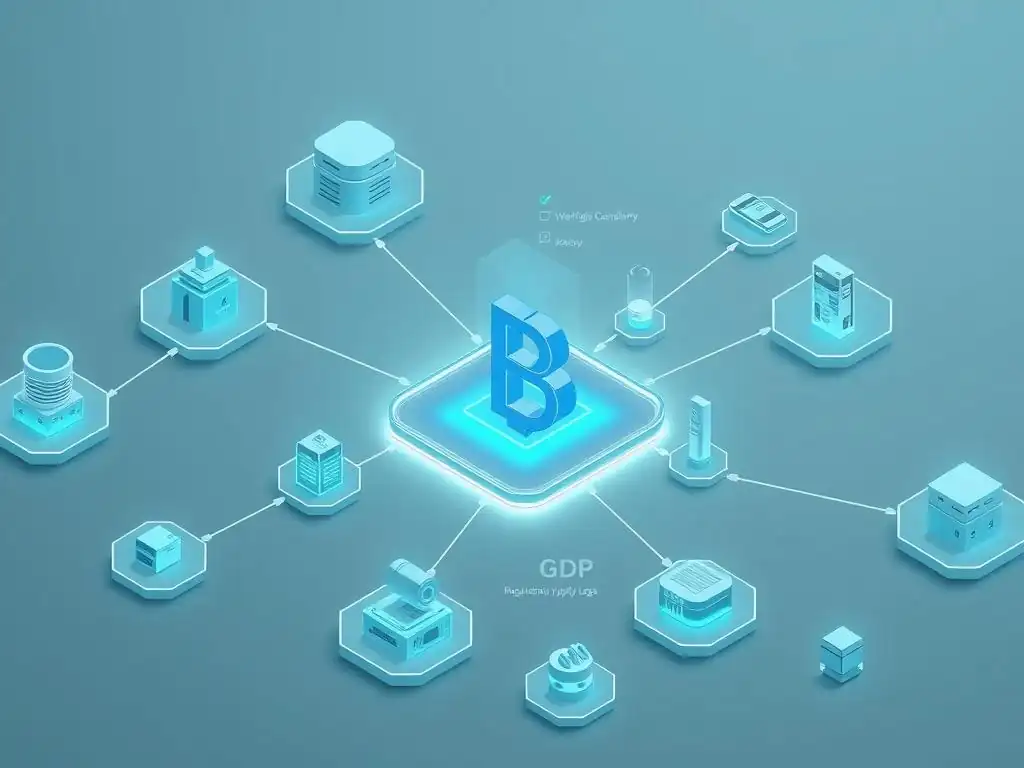
Meeting stringent pharmaceutical regulations, such as the DSCSA in the US or FMD in Europe, requires meticulous record-keeping, the ability to exchange data with trading partners, and the capacity to quickly respond to verification requests and audits. Blockchain technology can significantly streamline these processes. By providing a standardized, shared platform for recording transaction information (TI), transaction history (TH), and transaction statements (TS) in an immutable manner, it facilitates compliance with traceability mandates. Each transfer of ownership is automatically logged, creating a comprehensive and tamper-proof audit trail that satisfies regulatory requirements.
Furthermore, the ability to quickly query the blockchain for a product's history simplifies audit processes. Regulators and auditors can be granted permissioned access to the relevant data on the ledger, allowing them to independently verify the compliance of supply chain participants without relying solely on individual company records.
The system can also facilitate rapid responses to verification requests, a key requirement under regulations like DSCSA. By automating the capture and secure sharing of necessary compliance data, a blockchain pharma supply chain reduces the administrative burden and cost of meeting regulatory obligations, while simultaneously improving the accuracy and reliability of compliance documentation.
Optimized Inventory Management and Reduced Waste
Efficient inventory management is crucial for pharmaceutical companies to ensure product availability while minimizing costs associated with holding excess stock or losing products due to expiry or spoilage. Traditional inventory systems often suffer from inaccuracies due to manual data entry, delays in reporting, and lack of real-time visibility across the extended supply chain. This can lead to stockouts in some locations and overstocking in others, resulting in lost sales, rush deliveries, or significant waste.
Blockchain, by providing real-time, accurate, and shared data on product location, status, and movement across the network, can significantly optimize inventory management. Distributors and pharmacies can have better visibility into incoming shipments and expected delivery times. Manufacturers can gain insights into demand signals further down the chain, enabling more accurate production planning.
The immutable record of product handling, especially for temperature-sensitive goods tracked via IoT, helps identify potential spoilage issues early, reducing waste. By improving data accuracy and transparency regarding inventory levels and product flow, a blockchain pharma supply chain enables more precise forecasting, better allocation of resources, and a reduction in costly waste due to expiry or spoilage.
Real-World Applications of Blockchain in Pharma
Case Study 1: MediLedger's DSCSA Compliance Solution
One of the most prominent real-world applications of blockchain in the pharmaceutical sector is the MediLedger Project. This consortium, initiated by Chronicled and involving major pharmaceutical manufacturers, distributors, and wholesalers, developed a blockchain-based network specifically designed to meet the requirements of the US Drug Supply Chain Security Act (DSCSA). The project focused initially on verifying product identifiers (serialization) and automating the exchange of transaction information between trading partners.
The MediLedger Network utilizes a permissioned blockchain to enable participants to verify the authenticity of drug packages at the unit level and to manage transaction data securely and efficiently. When a manufacturer ships products, they record the serial numbers on the blockchain. When a trading partner receives the shipment, they can query the network to verify the legitimacy of the serial numbers against the manufacturer's record.
This verification process is critical for preventing counterfeit drugs from entering the supply chain. The network also facilitates the secure exchange of transaction data required by DSCSA, such as lot number, expiration date, and ownership transfer details, creating an immutable history for each product. The success of the MediLedger pilot demonstrated the feasibility of using blockchain technology to build an interoperable network for compliance and verification in the complex US pharmaceutical supply chain, showcasing a practical blockchain pharma supply chain solution.
Case Study 2: IBM Food Trust's Application in Vaccine Distribution
While primarily known for its application in the food industry (tracking produce from farm to table), the IBM Food Trust platform, built on IBM Blockchain technology, provides a strong example of how blockchain principles can be applied to improve traceability and transparency for complex, sensitive supply chains, including pharmaceuticals. IBM has explored and participated in projects related to tracking medical supplies, including vaccines, leveraging the capabilities developed for Food Trust. The core concept involves creating a shared, permissioned network where participants across the supply chain contribute data about the product's journey.
For vaccine distribution, which requires strict cold chain management and rapid, reliable delivery, a blockchain application based on this model allows manufacturers, distributors, logistics providers, and healthcare providers to record and share critical information. This includes origin, batch details, temperature logs from IoT sensors during transit and storage, and ownership transfers. If a temperature excursion occurs, it is immutably recorded on the ledger, alerting relevant parties and facilitating quick decisions about the viability of the affected batch.
The ability to trace a specific vaccine dose from production to administration with high confidence in the data's integrity is crucial for ensuring efficacy and safety. While not exclusively a pharma-specific platform in its general release, IBM's work demonstrates the adaptability of blockchain for tracking sensitive medical goods and managing critical conditions like temperature within a blockchain pharma supply chain context.
Examples of Blockchain Pilot Projects and Implementations
Beyond large consortia like MediLedger and adaptable platforms like IBM's, numerous other pilot projects and smaller-scale implementations of blockchain in the pharmaceutical supply chain have emerged globally. For instance, various companies have piloted solutions for tracking high-value or high-risk drugs, such as controlled substances or oncology medications, where the risk of diversion or counterfeiting is particularly high. These pilots often focus on unit-level serialization, real-time tracking, and enabling verification at different points in the distribution chain.
Several pharmaceutical manufacturers and logistics providers have explored using blockchain to improve cold chain monitoring, integrating IoT sensors with blockchain ledgers to create verifiable records of temperature and humidity throughout transit. Other initiatives have looked at leveraging blockchain for managing clinical trial supply chains, ensuring the integrity and tracking of investigational products. While widespread, full-scale adoption across the entire global pharmaceutical industry is still developing, these diverse pilot projects demonstrate the technology's potential to address specific pain points and build the foundation for a more secure and efficient blockchain pharma supply chain ecosystem.
The Future of Blockchain in Pharmaceutical Supply Chains
Emerging Trends and Innovations in Blockchain Pharma
The application of blockchain in the pharmaceutical supply chain is still evolving, with several key trends and innovations shaping its future. One significant trend is the increasing focus on interoperability between different blockchain networks and legacy systems. As multiple blockchain initiatives emerge, ensuring they can communicate and exchange data seamlessly will be crucial for building a truly connected supply chain. Standards bodies and industry consortia are working towards establishing common protocols and data models to facilitate this.
Another emerging area is the integration of blockchain with other advanced technologies, particularly the Internet of Things (IoT) and Artificial Intelligence (AI). IoT sensors can provide real-time data (e.g., temperature, location) that is automatically recorded on the blockchain, enhancing traceability and condition monitoring.
AI can analyze the vast amounts of data collected on the blockchain to identify patterns indicative of potential fraud, inefficiencies, or supply chain risks, providing predictive insights. Furthermore, the use of zero-knowledge proofs (ZKPs) is being explored to allow parties to verify information (like product authenticity) on the blockchain without revealing sensitive underlying data, enhancing privacy while maintaining verification capabilities in the future blockchain pharma supply chain.
The Role of Blockchain in Personalized Medicine and Patient Data
As healthcare moves towards more personalized medicine, involving highly specific therapies and potentially patient-specific drug production or packaging, the need for granular tracking and data integrity becomes even more critical. Blockchain could play a vital role in managing the complex logistics and data associated with personalized treatments. It could track personalized therapies from the point of creation (e.g., cell therapy manufacturing) through the intricate steps of preparation, transport, and administration to the specific patient, ensuring chain of custody and product integrity.
Beyond supply chain logistics, there is potential for blockchain to manage patient consent and access to health data related to their treatments, including the specific medications they received. While patient health data privacy is paramount and subject to strict regulations (like HIPAA), blockchain's permissioning capabilities could allow patients to control who accesses their treatment and medication history.
This could potentially link the supply chain record of a specific drug unit to the patient who received it, enabling more precise post-market surveillance, adverse event tracking, and facilitating personalized treatment plans, further expanding the scope of the blockchain pharma supply chain into patient-centric care.
Potential Challenges and Roadblocks to Adoption
Despite the significant potential, the widespread adoption of blockchain in the pharmaceutical supply chain faces several challenges. One major hurdle is the need for industry-wide collaboration and standardization. For a supply chain network to be effective, all or most participants – manufacturers, wholesalers, distributors, pharmacies, regulators – need to adopt compatible blockchain solutions and agree on common data standards and protocols. Achieving this level of consensus across a highly competitive and fragmented industry is complex and time-consuming.
Another significant challenge is the initial investment and technical expertise required to implement and integrate blockchain solutions with existing legacy systems. Many pharmaceutical companies and distributors have invested heavily in their current enterprise resource planning (ERP) and supply chain management systems, and integrating blockchain requires technical effort and cost. Furthermore, concerns around scalability, transaction speed, and the environmental impact of certain blockchain consensus mechanisms (though many enterprise solutions use more energy-efficient models) need to be addressed.
Finally, regulatory bodies need to fully understand and endorse blockchain-based solutions for compliance purposes, which requires ongoing dialogue and pilot successes. These roadblocks highlight areas that need focus for the successful future development of the blockchain pharma supply chain.
Overcoming Barriers to Blockchain Implementation in Pharma
Addressing Scalability and Interoperability Concerns
Scalability is a critical concern for a global industry like pharmaceuticals, which involves billions of transactions annually. Early blockchain implementations, particularly public networks like Bitcoin or Ethereum (before updates), faced limitations in processing speed and transaction volume. However, enterprise-grade permissioned blockchains designed for supply chain applications, such as Hyperledger Fabric or Quorum, offer significantly higher transaction throughput and lower latency, making them more suitable for the demands of the pharmaceutical industry. Ongoing advancements in blockchain technology, including layer-2 scaling solutions and more efficient consensus mechanisms, continue to improve performance.
Interoperability, the ability of different blockchain networks and traditional systems to communicate and exchange data, is equally important. No single blockchain network is likely to encompass the entire global pharmaceutical supply chain. Solutions are being developed to bridge different blockchain platforms and connect them with existing ERP, warehouse management, and serialization systems.
This includes establishing industry-wide data standards (e.g., GS1 standards adapted for blockchain), developing APIs, and utilizing middleware solutions. Collaborative efforts by consortia like MediLedger are key to driving interoperability by establishing common protocols and governance models that enable seamless data flow across diverse participants and systems within the blockchain pharma supply chain ecosystem.
Establishing Industry Standards and Collaboration
The successful implementation of a blockchain pharma supply chain hinges on the establishment of clear industry standards and robust collaboration among stakeholders. Without agreed-upon standards for data formats, transaction types, network protocols, and governance rules, different blockchain initiatives will operate in silos, hindering the creation of a truly interoperable and efficient supply chain network. Industry consortia, working closely with regulatory bodies and standards organizations like GS1, are essential for defining these common guidelines.
Collaboration is necessary not only for setting standards but also for building and governing the shared network infrastructure. Pharmaceutical manufacturers, wholesalers, distributors, pharmacies, and even healthcare providers need to agree on the rules of participation, data access permissions, and dispute resolution mechanisms within the blockchain network.
Collaborative pilot programs and phased rollouts allow participants to test the technology, identify challenges, and refine processes in a shared learning environment. This collaborative approach, driven by the mutual goal of improving patient safety and supply chain efficiency, is fundamental to overcoming the fragmentation barrier and fostering widespread adoption of the blockchain pharma supply chain.
Educating Stakeholders and Fostering Trust
A significant non-technical barrier to blockchain adoption in the pharmaceutical industry is the lack of understanding and trust among potential users. Many stakeholders, particularly those less familiar with emerging technologies, may be hesitant to adopt a new system that fundamentally changes data management and sharing practices. Concerns about data privacy, security, control, and the perceived complexity of blockchain technology can impede implementation.
Addressing these concerns requires comprehensive education and communication efforts targeting all levels of the supply chain. Training programs can help personnel understand how blockchain works, its benefits for their specific roles (e.g., verification for pharmacists, tracking for logistics managers), and how it enhances security and compliance. Demonstrating successful pilot projects and real-world use cases helps build confidence and illustrates the tangible advantages.
Fostering trust involves transparent communication about the technology's capabilities and limitations, establishing clear governance frameworks for the blockchain network, and ensuring regulatory bodies are informed and supportive. Building this foundation of understanding and trust is crucial for gaining buy-in and driving the necessary behavioral changes for a successful blockchain pharma supply chain transition.
Conclusion: Blockchain as a Catalyst for a More Secure and Efficient Pharma Supply Chain
The Transformative Potential of Blockchain for the Pharmaceutical Industry
Blockchain technology holds profound transformative potential for the pharmaceutical industry, offering solutions to some of its most persistent and critical challenges. By providing a decentralized, immutable, and transparent ledger, it can fundamentally change how drugs are tracked, verified, and moved through the supply chain. The ability to create a secure, shared record of a product's journey from manufacturing to dispensing addresses the core issues of counterfeiting, lack of traceability, and data integrity that compromise patient safety and drive up costs.
Implementing a blockchain pharma supply chain can lead to significant improvements: enabling rapid and reliable verification of product authenticity, providing real-time, end-to-end visibility, streamlining complex logistics and distribution processes, and facilitating compliance with stringent regulations like DSCSA. The technology fosters greater trust and collaboration among supply chain partners by providing a single source of truth.
While challenges related to standardization, interoperability, and adoption remain, ongoing developments and successful pilot programs demonstrate that these hurdles are being addressed. The path towards a fully integrated, blockchain-powered pharmaceutical supply chain is becoming clearer, promising a future with enhanced security, improved efficiency, and ultimately, better outcomes for patients.
Call to Action: Embracing Blockchain for a Healthier Future
The evidence is compelling: blockchain technology offers a powerful pathway to building a pharmaceutical supply chain that is more secure, transparent, and efficient than ever before. Stakeholders across the industry – from manufacturers and distributors to pharmacies and regulators – have a collective opportunity and responsibility to explore and adopt these transformative solutions. Embracing blockchain is not just about adopting a new technology; it's about investing in a future where the integrity of life-saving medications is unequivocally assured, where supply chain inefficiencies are minimized, and where regulatory compliance is streamlined.
Companies should actively engage in industry consortia, participate in pilot programs, and invest in understanding how blockchain can be integrated into their existing operations. Regulators should continue to work with the industry to understand and endorse secure, blockchain-based solutions for compliance and enforcement.
By collaboratively building and adopting a robust blockchain pharma supply chain infrastructure, the industry can significantly enhance patient safety, reduce economic losses from counterfeiting and waste, and create a more resilient and responsive supply chain for the benefit of global health. The time to act and embrace the potential of blockchain for a healthier future is now.
Frequently Asked Questions
How can blockchain technology improve the speed of the pharmaceutical supply chain?
Blockchain provides real-time traceability and immutable records, reducing delays caused by verification and reconciliation. This allows for quicker identification of bottlenecks and faster movement of goods.
What role does blockchain play in enhancing the efficiency of the pharmaceutical supply chain?
By creating a shared, transparent ledger, blockchain eliminates redundant processes and intermediaries. This streamlined approach minimizes errors and improves overall operational efficiency in tracking and tracing.
What are the main benefits of using blockchain to combat counterfeit drugs in the pharmaceutical supply chain?
Blockchain's tamper-proof nature makes it difficult to introduce counterfeit drugs into the supply chain. Each transaction is recorded and verified, creating a secure and auditable trail, ensuring product authenticity.
How does blockchain help with regulatory compliance in the pharmaceutical industry?
Blockchain provides a clear and auditable record of all transactions, making it easier to meet regulatory requirements. This transparency and accountability simplifies audits and ensures compliance with industry standards.
Beyond tracking and tracing, what other potential applications of blockchain exist within the pharmaceutical supply chain?
Blockchain can facilitate smart contracts for automated payments and agreements, improve data security and privacy, and enable patient-centric supply chain solutions, enhancing overall trust and efficiency.
Final Reflection: Embracing Transparency in Healthcare
The intricate web of the pharmaceutical supply chain, once shrouded in opacity, is now poised for a radical transformation. Blockchain technology offers a beacon of hope, promising to streamline processes, enhance security, and ultimately, safeguard patient well-being. This article has illuminated the potential of blockchain to revolutionize the pharma industry, moving beyond theoretical possibilities to tangible applications that are already reshaping the landscape.
The impact of a more transparent and efficient pharmaceutical supply chain extends far beyond cost savings and logistical improvements. It touches upon the very core of trust and accountability within healthcare. Knowing that every medication we consume is traceable and verifiable, from its origin to our hands, fosters a sense of security and empowers us as consumers. The future of healthcare is interconnected and transparent, and blockchain is the key to unlocking that potential.
This quote encapsulates the profound shift we are witnessing, a movement towards a more patient-centric and reliable system.
As we stand on the cusp of this technological revolution, let us not underestimate the power of collective action. Consider how you, as a patient, a healthcare professional, or even a technology enthusiast, can contribute to the adoption and refinement of blockchain solutions in the pharmaceutical industry.
Reflect on the information presented in this article and ask yourself: How can I advocate for greater transparency and efficiency in the healthcare system, ensuring that safe and effective medications reach those who need them most? The future of healthcare is in our hands, and it is our responsibility to shape it for the better.
Revolutionize Your Role: Be the Change in Pharma's Future!
Thank you for exploring how blockchain is transforming pharmaceutical supply chains. We hope you've gained valuable insights into creating a more transparent, secure, and efficient system that ultimately benefits patients. Ready to take the next step?
Here's how you can get involved:
- Advocate for blockchain adoption: Share this article with your colleagues and start a conversation about how this technology can revolutionize drug distribution within your organization or industry network.
- Explore new applications: Review emerging blockchain solutions in healthcare and identify those that could benefit your company.
- Connect with your network: Share your thoughts on LinkedIn and offer new perspectives to industry leaders.
What specific challenges in your current pharmaceutical supply chain could blockchain address immediately? Share your insights in the comments below!
Leave a Reply