
Blockchain's Impact on Pharma Supply Chain Costs: Reduction and Optimization


Welcome to Blockchain Trends, your compass in the rapidly evolving world of decentralized innovation. Beyond the hype, we delve into the real-world applications of blockchain technology. Intrigued by how blockchain can revolutionize industries? Our latest exploration focuses on a critical area: healthcare. Discover the potential for significant cost reduction and optimization as we unravel the intricacies of blockchain pharma supply chain costs. Read on to understand how this technology is poised to reshape the future of pharmaceutical logistics and what this means for the industry and its stakeholders.
Blockchain's Impact on Pharma Supply Chain Costs: Reduction and Optimization
- Introduction: Pharma Supply Chain Vulnerabilities and Blockchain's Potential
- Cost Reduction Mechanisms of Blockchain in the Pharmaceutical Supply Chain
- Blockchain Applications for Pharma Supply Chain Cost Optimization
- Quantifying the Cost Benefits of Blockchain in Pharma
- The Future of Blockchain and Pharma Supply Chain Costs
- Conclusion: Blockchain as a Strategic Investment for Pharma Supply Chain Efficiency
-
Frequently Asked Questions
- How can blockchain technology help reduce pharmaceutical supply chain costs?
- What specific areas within the pharma supply chain benefit most from blockchain implementation?
- What are the initial investment costs associated with implementing blockchain solutions in the pharma supply chain?
- How does blockchain help optimize the pharma supply chain beyond just cost reduction?
- What are the current regulatory hurdles or challenges facing the implementation of blockchain in the pharma industry?
- Final Reflection: Securing the Future of Pharma with Blockchain
- Unleash the Power of Blockchain in Your Pharma Supply Chain!
Introduction: Pharma Supply Chain Vulnerabilities and Blockchain's Potential
The pharmaceutical supply chain is arguably one of the most complex and critical in the world. It involves numerous intermediaries, from manufacturers and distributors to pharmacies and healthcare providers, all handling sensitive products that directly impact public health. This inherent complexity creates vulnerabilities, including the risk of counterfeit drugs entering the supply chain, inefficient processes leading to delays and waste, and a lack of transparent, immutable data sharing among stakeholders.
These issues not only pose significant health risks but also contribute substantially to operational expenses and overall blockchain pharma supply chain costs. Addressing these vulnerabilities is paramount for ensuring patient safety and improving financial performance.
Traditional systems often rely on disparate databases and manual processes, making end-to-end visibility challenging. This opacity allows opportunities for illicit activities like diversion and counterfeiting, estimated to cost the global pharmaceutical industry billions annually. Furthermore, manual data entry and reconciliation increase administrative overhead and are prone to errors, adding further unnecessary expenses. The lack of real-time tracking for sensitive goods, such as temperature-controlled pharmaceuticals, can lead to spoilage and significant financial losses. These factors collectively highlight the urgent need for innovative solutions to enhance the integrity, efficiency, and cost-effectiveness of the pharmaceutical supply chain.
Current Pharma Supply Chain: Complexity, Inefficiencies, and Associated Costs
The journey of a pharmaceutical product from manufacturing plant to patient is fraught with potential points of failure and inefficiency. A typical supply chain might involve raw material suppliers, manufacturers (often in different locations), packaging facilities, wholesalers, distributors, and retailers. Each handover point represents a potential for error, delay, or even malicious interference. The reliance on paper-based records or siloed electronic systems makes it difficult to establish a single, trustworthy source of truth for a product's history. This fragmentation is a primary driver of high blockchain pharma supply chain costs.
Costs are incurred at multiple levels: significant expenses related to regulatory compliance and reporting, the financial burden of managing returns and expired goods, the costs associated with investigating and recalling counterfeit products, and the operational overhead of manual tracking and verification processes. For instance, estimates of the global market for counterfeit pharmaceuticals range from tens to hundreds of billions of dollars annually, representing lost revenue and substantial costs for remediation.
Furthermore, inefficiencies in inventory management due to poor visibility can lead to stockouts or overstocking, both of which carry significant financial penalties. The sheer complexity necessitates a robust, integrated solution to bring down these accumulated expenses.
Blockchain: A Solution for Enhancing Efficiency and Reducing Expenses in Pharma
Blockchain technology offers a compelling pathway to address the inherent challenges and high costs within the pharmaceutical supply chain. By providing a decentralized, immutable, and transparent ledger, blockchain can create a shared, trustworthy record of a product's journey from origin to destination. Each transaction or event, such as a change in custody or location, can be recorded on the blockchain, creating an unalterable history accessible to authorized parties. This enhanced visibility and data integrity are foundational to improving operational efficiency and directly impacting blockchain pharma supply chain costs.
Implementing blockchain can streamline processes by enabling automated verification and record-keeping, reducing the need for manual checks and reconciliation. It can also dramatically improve traceability, making it significantly harder for counterfeit drugs to infiltrate the legitimate supply chain and easier to identify their point of entry if they do. Furthermore, smart contracts, self-executing contracts with the terms of the agreement directly written into code, can automate transactions and logistics processes based on predefined conditions being met. These capabilities collectively contribute to a more secure, efficient, and ultimately, less costly pharmaceutical supply chain.
Cost Reduction Mechanisms of Blockchain in the Pharmaceutical Supply Chain
Blockchain technology introduces several fundamental mechanisms that inherently lead to cost reductions when applied to the pharmaceutical supply chain. These mechanisms leverage the core properties of blockchain – decentralization, immutability, transparency (to authorized participants), and cryptographic security – to tackle specific pain points that drive up expenses in traditional systems. Understanding these mechanisms is key to appreciating the potential impact on blockchain pharma supply chain costs.
The shift from siloed, often manual, systems to a shared, automated, and secure ledger fundamentally changes how information flows and how processes are executed. This transformation reduces reliance on trust between disparate parties, minimizes opportunities for data manipulation or error, and accelerates verification procedures. The resulting efficiencies and risk reductions translate directly into lower operating expenses, fewer losses due to spoilage or counterfeiting, and reduced administrative burdens, all contributing to a more cost-effective supply chain operation.
Enhanced Traceability and Transparency: Minimizing Counterfeit Drugs and Diversion
One of the most significant cost drivers in the pharmaceutical industry is the presence of counterfeit drugs. These illicit products not only endanger public health but also result in substantial financial losses through lost sales, brand damage, and the cost of investigations and recalls. The World Health Organization (WHO) estimates that up to 10% of medical products in low- and middle-income countries are counterfeit, and even in high-income countries, the problem persists, albeit at lower rates, often involving high-value or lifestyle drugs.
Blockchain's ability to create an immutable record of every step a product takes, from manufacturing to dispensing, provides unprecedented traceability. Each package can be serialized and tracked on the blockchain, allowing any authorized party in the supply chain to verify its authenticity and history instantly.
This enhanced traceability makes it incredibly difficult for counterfeit products, which lack a legitimate blockchain history, to enter the supply chain undetected. If a suspicious product is found, its journey can be traced back to its origin, helping to identify the point of compromise. This capability significantly reduces the likelihood of widespread distribution of fakes, thereby lowering the costs associated with combating counterfeiting – including legal fees, recall expenses, and lost market share.
Furthermore, improved transparency helps prevent diversion, where legitimate products are siphoned off into unauthorized channels, another source of significant financial loss for manufacturers and distributors. The ability to pinpoint exactly where a product is, or where it went off track, provides a powerful deterrent and detection mechanism, directly impacting blockchain pharma supply chain costs related to fraud and theft.
Streamlined Processes and Automation: Reducing Manual Intervention and Errors
Traditional pharmaceutical supply chain processes often involve extensive manual data entry, verification steps, and paperwork across multiple stakeholders. This reliance on manual intervention is time-consuming, prone to human error, and adds significant administrative overhead, directly inflating blockchain pharma supply chain costs. For example, reconciling invoices with delivery receipts and purchase orders across different companies can be a complex and lengthy process. Implementing blockchain, particularly with the use of smart contracts, can automate many of these steps.
Smart contracts can automatically trigger payments upon verification of product delivery or upon meeting specific conditions like temperature maintenance during transit. They can also automate inventory updates across the network when a product changes hands. This automation reduces the need for manual checks and reconciliation, decreasing administrative labor costs and minimizing delays.
Furthermore, by providing a shared, immutable record, blockchain reduces disputes over data accuracy, cutting down on the time and resources spent resolving disagreements. A study by Deloitte estimated that blockchain could reduce transaction costs across various industries by up to 30% by streamlining processes and reducing intermediaries, a potential benefit directly applicable to the complex transactions within the pharma supply chain.
Improved Data Security and Integrity: Mitigating Risks of Data Breaches and Tampering
Data security and integrity are paramount in the pharmaceutical industry, dealing with sensitive patient information, intellectual property, and critical product data. Centralized databases, common in traditional systems, are attractive targets for cyberattacks, leading to costly data breaches, regulatory penalties, and reputational damage. The average cost of a data breach in healthcare is significantly higher than in other industries, often running into millions of dollars.
Tampering with product data, such as expiration dates or handling instructions, can have severe consequences, including patient harm and liability costs. Blockchain's inherent design addresses these security concerns effectively, thereby reducing blockchain pharma supply chain costs associated with data risks.
By distributing the ledger across multiple nodes and using cryptographic hashing, blockchain makes it extremely difficult for malicious actors to alter data without detection. Any attempt to modify a block of data would require altering all subsequent blocks and gaining consensus from the network, a computationally infeasible task for a single entity.
This immutability ensures the integrity of the supply chain data, providing a trustworthy record of product authenticity, handling conditions, and ownership transfers. Enhanced security reduces the risk and associated costs of data breaches, regulatory fines (e.g., related to HIPAA or GDPR if patient data is involved, or DSCSA for product tracing data), and the significant financial and reputational damage that results from compromised data or tampered products entering the market.
Blockchain Applications for Pharma Supply Chain Cost Optimization
Beyond the fundamental mechanisms, specific applications of blockchain technology are being developed and implemented to directly optimize costs within the pharmaceutical supply chain. These applications leverage the core capabilities of blockchain – traceability, security, and automation – to solve concrete problems that contribute significantly to operational expenses and losses. By focusing on these practical use cases, pharmaceutical companies can begin to realize tangible reductions in blockchain pharma supply chain costs.
The effectiveness of these applications lies in their ability to create a single, verifiable source of truth for product information and transactions across a fragmented ecosystem. This enables stakeholders to make better-informed decisions, reduces the need for costly intermediaries or manual verification steps, and mitigates risks that previously resulted in substantial financial penalties or losses. Real-world implementations, even pilot programs, are starting to demonstrate the potential for significant cost savings.
Tracking and Tracing Pharmaceuticals: Case Studies on Serialization and Verification
Tracking and tracing individual drug packages is a critical requirement for combating counterfeiting and complying with regulations like the U.S. Drug Supply Chain Security Act (DSCSA), which mandates interoperable electronic tracing of products at the package level by 2023. Traditional track-and-trace systems often rely on centralized databases that lack interoperability between different companies, making end-to-end visibility difficult. Blockchain provides a decentralized platform where each serialized product unit can be recorded at every change of custody, creating a transparent and immutable audit trail accessible to authorized network participants. Several companies and consortia are piloting blockchain solutions for this purpose.
For instance, the MediLedger project, a collaboration involving major pharmaceutical companies and distributors, has demonstrated the feasibility of using blockchain for DSCSA compliance, specifically for verifying product identifiers and managing returns. While specific cost reduction figures from these pilots are often proprietary, the potential savings stem from reducing the time and cost associated with manual verification processes, minimizing disputes related to product authenticity or ownership, and streamlining the returns process, which is notoriously inefficient and costly.
The ability to quickly and reliably verify if a product is legitimate before it reaches the patient dramatically reduces the risk and associated costs of dealing with counterfeit incidents post-distribution. One estimate suggests that improving traceability could reduce the cost of managing recalled or expired products by 5-10%.
Smart Contracts for Automated Payments and Inventory Management: Streamlining Transactions
The financial transactions and inventory management processes within the pharmaceutical supply chain are often complex and involve multiple parties, leading to potential delays, errors, and disputes. Purchase orders, invoices, delivery confirmations, and payment processing typically require manual checks and reconciliation across different systems. Smart contracts, executable code stored on the blockchain, can automate these processes based on predefined rules, significantly reducing administrative overhead and potential sources of error that increase blockchain pharma supply chain costs.
For example, a smart contract could be programmed to automatically release payment to a distributor once the blockchain record confirms that a shipment has been received by a pharmacy and verified as authentic and undamaged. Similarly, smart contracts can automate inventory updates across the supply chain network as products move between locations, providing near real-time visibility into stock levels. This eliminates the need for manual reconciliation between parties and reduces the risk of discrepancies that can lead to costly delays or stockouts.
By automating these transactional and inventory processes, companies can reduce administrative costs associated with billing, accounts payable/receivable, and inventory auditing. While exact figures vary by company, automating such processes can lead to efficiency gains and cost reductions in financial operations, potentially lowering transaction processing costs by a notable percentage.
Optimizing Cold Chain Logistics with Blockchain: Reducing Temperature Excursions and Waste
Many pharmaceutical products, such as vaccines and biologics, require strict temperature control throughout their journey, known as the cold chain. Failure to maintain the required temperature range can render these products ineffective or even harmful, leading to significant financial losses due to spoilage and the cost of replacing wasted inventory. The World Health Organization estimates that over 50% of vaccines are wasted globally each year, partly due to issues with temperature control during transport and storage.
Monitoring and ensuring cold chain integrity is a complex task involving various stakeholders and data points. Blockchain can play a crucial role in optimizing cold chain logistics and reducing associated blockchain pharma supply chain costs.
By integrating blockchain with IoT (Internet of Things) sensors that monitor temperature, humidity, and location, a continuous, immutable record of the product's environmental conditions can be created on the ledger. If a temperature excursion occurs, it is instantly recorded on the blockchain, providing verifiable proof of the event. This transparency allows for immediate action to be taken and provides clear data for determining responsibility and processing insurance claims.
Furthermore, smart contracts can be used to automate actions based on temperature data, such as triggering alerts if a threshold is breached or automating payment adjustments if conditions are not met. This enhanced monitoring and accountability reduce the likelihood of spoilage and the significant financial losses associated with wasted temperature-sensitive pharmaceuticals. Pilots using blockchain and IoT for cold chain monitoring have shown the potential to reduce waste by providing better visibility and ensuring compliance with temperature requirements.
Quantifying the Cost Benefits of Blockchain in Pharma
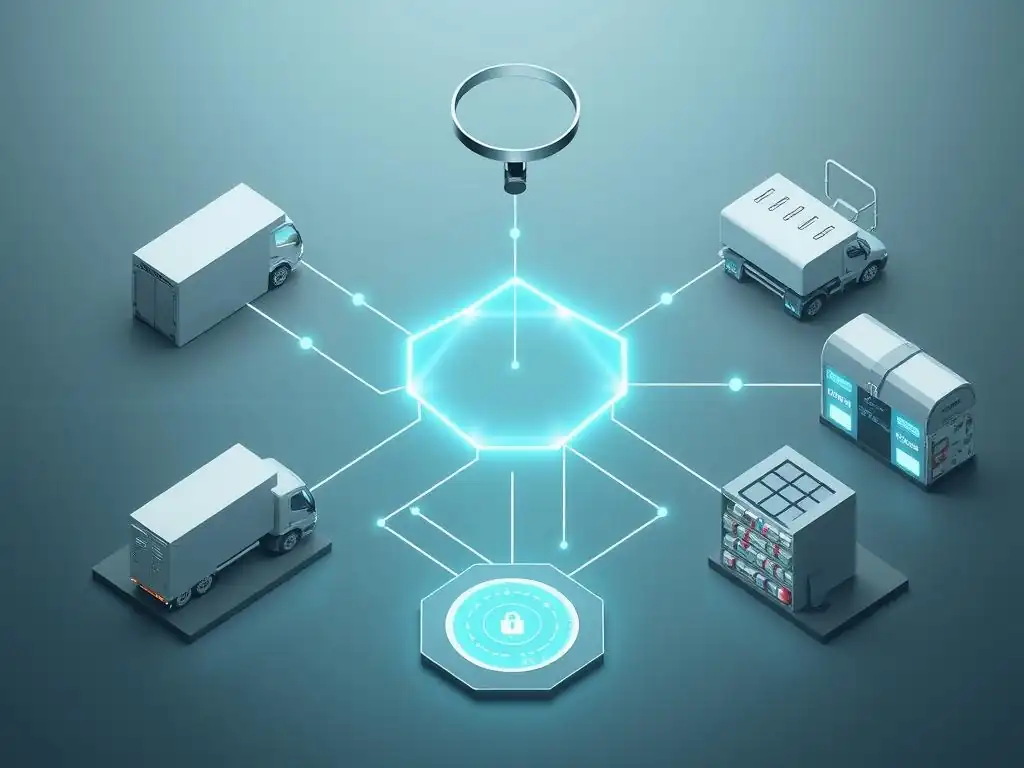
While the qualitative benefits of blockchain in the pharmaceutical supply chain are clear, quantifying the precise cost savings is crucial for justifying investment and demonstrating ROI. Measuring the financial impact requires identifying key metrics that are directly influenced by blockchain implementation and tracking changes in these metrics over time. The potential cost benefits stem from various sources, including reduced losses due to counterfeiting and spoilage, decreased operational inefficiencies, and lower administrative overhead. Analyzing these areas provides a clearer picture of the potential reduction in blockchain pharma supply chain costs.
Establishing baseline costs before blockchain implementation is essential for accurate measurement. Companies need to track expenses related to recalls, investigations, waste, manual processes, and data security incidents. After implementation, monitoring the changes in these specific cost categories provides concrete evidence of blockchain's impact. While industry-wide averages can offer insights, the actual savings will vary depending on the specific challenges and scale of each company's supply chain operations.
Metrics for Measuring ROI: Tracking Traceability, Efficiency, and Security Improvements
Measuring the return on investment (ROI) for blockchain in the pharmaceutical supply chain involves tracking improvements across several key areas directly impacted by the technology. Primary metrics related to traceability include the reduction in detected counterfeit incidents within the legitimate supply chain, the time taken to investigate a potential counterfeit or diversion event, and the percentage of products that can be verified instantly using the system. Improved traceability directly correlates with reduced losses from illicit trade.
Efficiency metrics might include the reduction in manual data entry errors, the decrease in time spent on reconciliation between parties, and the acceleration of payment cycles through smart contracts. For example, tracking the average time from shipment delivery to payment completion before and after implementation can demonstrate efficiency gains.
Security metrics focus on the reduction in data breach attempts or successful breaches related to supply chain data, and the cost savings associated with preventing such incidents. Another metric could be the reduction in disputes over data accuracy, which saves significant time and legal costs.
Companies might also track the decrease in losses due to expired or spoiled goods, particularly for cold chain products, as improved monitoring and timely interventions become possible. By setting clear key performance indicators (KPIs) for these areas and continuously monitoring them, pharmaceutical companies can build a robust case for the financial benefits derived from reducing blockchain pharma supply chain costs.
Analysis: Potential Cost Savings through Reduced Counterfeiting and Improved Logistics
Analyzing the potential cost savings often involves modeling the impact of blockchain on major expense categories. Reducing counterfeiting is arguably the most significant potential area for savings. If blockchain can reduce the infiltration of fakes by even a small percentage, the financial impact is substantial, considering the multi-billion dollar scale of the counterfeit drug market.
For example, if a company loses 1% of its revenue to counterfeiting and blockchain reduces this by half, the savings could be millions of dollars annually, depending on the company's size. Beyond lost sales, there are significant costs associated with investigating counterfeit incidents, legal battles, and potential liability if patients are harmed. Blockchain's ability to prevent these incidents or quickly identify their source provides a direct path to reducing these costs.
Improved logistics efficiency, encompassing everything from better inventory management to optimized cold chain monitoring, also contributes significantly to cost reduction. Reducing waste from spoilage due to temperature excursions can save substantial amounts, especially for high-value biologics. Minimizing stockouts and overstocking through better real-time inventory visibility reduces lost sales opportunities and the costs of carrying excess inventory or dealing with expired stock.
Streamlining processes through automation reduces labor costs and the likelihood of costly errors. While precise, publicly available figures are scarce, internal analyses by companies piloting blockchain suggest potential savings across these areas that can justify the initial investment in reducing blockchain pharma supply chain costs.
Overcoming Implementation Challenges and Maximizing Cost Reduction
Implementing blockchain in the pharmaceutical supply chain is not without its challenges. These include the need for collaboration among multiple, often competing, stakeholders, the technical complexity of integrating blockchain with existing legacy systems, defining data standards and governance models, and the initial investment required for technology and training. Overcoming these hurdles is essential to unlock the full potential for cost reduction. Successful implementation requires a clear strategy, strong leadership buy-in, and a phased approach, perhaps starting with a specific use case like serialization or cold chain monitoring before expanding.
To maximize cost reduction, companies must focus on the specific pain points in their supply chain that contribute most significantly to high costs. A thorough analysis of current inefficiencies, sources of waste, and security vulnerabilities should guide the implementation strategy. Furthermore, ensuring interoperability with existing systems and other networks is crucial to achieve end-to-end visibility and avoid creating new data silos.
Investing in training for personnel and establishing clear governance rules for the blockchain network are also critical factors. While the initial investment in blockchain technology and infrastructure can be substantial, the long-term savings derived from increased efficiency, reduced losses, and enhanced security can lead to a significant positive ROI and a substantial reduction in overall blockchain pharma supply chain costs.
The Future of Blockchain and Pharma Supply Chain Costs
The integration of blockchain technology into the pharmaceutical supply chain is still evolving, with significant potential for further impact on costs in the future. As the technology matures and adoption becomes more widespread, new applications and synergies with other advanced technologies are expected to emerge. These developments promise to enhance the capabilities of blockchain networks in this domain, leading to even greater efficiencies, security enhancements, and ultimately, further reductions in blockchain pharma supply chain costs.
Looking ahead, the focus will likely shift towards more sophisticated use cases that leverage real-time data and predictive analytics. Regulatory frameworks will also continue to adapt to accommodate decentralized technologies, providing clearer guidelines and potentially mandating certain blockchain-based processes. The long-term impact on the financial performance of the pharmaceutical industry is expected to be profound, transforming how companies manage risks, optimize operations, and ensure product integrity while simultaneously lowering costs.
Emerging Trends: Integration with IoT and AI for Real-Time Monitoring and Optimization
A key emerging trend is the deeper integration of blockchain with Internet of Things (IoT) devices and Artificial Intelligence (AI). As mentioned earlier, IoT sensors can collect vast amounts of real-time data on product conditions (like temperature and humidity) and location. Recording this data on an immutable blockchain provides a trustworthy, verifiable history. The next step involves leveraging AI to analyze this blockchain-verified IoT data. AI algorithms can identify patterns indicative of potential risks (e.g., predicting when a temperature excursion is likely to occur based on historical data and current conditions) or identify anomalies that suggest tampering or diversion.
This integration enables real-time monitoring and predictive optimization. For instance, AI could analyze blockchain-recorded shipment data to suggest optimal routes or storage conditions to minimize risk and cost. For the cold chain, AI can predict potential failures in refrigeration units based on sensor data, allowing for proactive maintenance and preventing costly spoilage. This synergy allows pharmaceutical companies to move from reactive problem-solving to proactive risk management and process optimization, leading to significant long-term reductions in operational costs, waste, and losses, further lowering blockchain pharma supply chain costs.
Regulatory Considerations: Compliance with DSCSA and Other Standards
Regulatory compliance is a major cost factor in the pharmaceutical industry. In the U.S., the Drug Supply Chain Security Act (DSCSA) requires an interoperable electronic system for tracing prescription drugs at the package level by November 2023. While blockchain isn't explicitly mandated, its capabilities align well with DSCSA requirements for secure, interoperable data exchange and verification. As blockchain adoption grows, regulatory bodies globally are evaluating how to incorporate or certify blockchain-based systems. Future regulations may even standardize the use of distributed ledger technology for specific aspects of drug tracing or data reporting.
Compliance with existing and future regulations requires significant investment in systems and processes. By adopting blockchain, companies can build a compliance infrastructure that is inherently more secure, transparent, and interoperable than many legacy systems. This can reduce the ongoing costs of audits, reporting, and demonstrating compliance. As regulatory frameworks evolve to specifically address blockchain, companies that have already adopted the technology will likely face lower transitional costs compared to those relying on older systems, contributing to long-term savings in regulatory compliance costs, a significant component of blockchain pharma supply chain costs.
Blockchain's Long-Term Impact on the Pharmaceutical Industry's Financial Performance
The long-term financial impact of blockchain on the pharmaceutical industry is expected to be transformative. Beyond direct cost reductions in supply chain operations, blockchain can indirectly improve financial performance by enhancing brand reputation (due to increased trust and safety), potentially lowering insurance premiums (due to reduced risk of loss and liability), and creating new revenue opportunities through more efficient distribution models. As the technology becomes a standard part of the industry infrastructure, the initial implementation costs will be amortized over time, making the ongoing operational savings even more significant.
Furthermore, the increased data visibility and integrity provided by blockchain can support better strategic decision-making regarding inventory, sourcing, and market analysis. This can lead to more efficient resource allocation and improved profitability. While the full extent of blockchain's impact will unfold over the next decade, current trends suggest it is poised to become a fundamental technology for the pharmaceutical industry, significantly optimizing operations, mitigating risks, and driving down blockchain pharma supply chain costs on a sustained basis.
Conclusion: Blockchain as a Strategic Investment for Pharma Supply Chain Efficiency
The pharmaceutical supply chain, characterized by its complexity and critical nature, faces significant challenges related to counterfeiting, inefficiency, and data security, all contributing to high operating costs. Traditional systems often fall short in providing the necessary transparency, security, and automation required to effectively address these issues. Blockchain technology emerges as a powerful solution capable of fundamentally transforming the pharma supply chain by providing a decentralized, immutable, and transparent ledger for tracking products and transactions.
Investing in blockchain is not merely an IT upgrade but a strategic decision that can lead to substantial and sustainable reductions in blockchain pharma supply chain costs. By enhancing traceability, enabling process automation through smart contracts, and improving data security, blockchain tackles the root causes of many inefficiencies and risks that drive up expenses in the industry. While implementation requires careful planning and collaboration, the potential ROI through reduced losses, lower operational overhead, and improved compliance is significant.
Key Takeaways: Blockchain's Transformative Potential for Pharma Supply Chains
- The pharmaceutical supply chain's complexity leads to vulnerabilities like counterfeiting, inefficiency, and data security risks, resulting in high costs.
- Blockchain provides a decentralized, immutable, and transparent ledger that can fundamentally improve traceability, automation, and data security.
- Enhanced traceability minimizes the infiltration of counterfeit drugs and diversion, reducing associated financial losses and costs.
- Streamlined processes and automation via smart contracts reduce manual intervention, errors, and administrative overhead.
- Improved data security and integrity mitigate the costly risks of data breaches and tampering.
- Specific applications like serialization tracking, automated payments, and cold chain monitoring offer concrete pathways to cost optimization.
- Quantifying ROI involves tracking metrics related to traceability effectiveness, process efficiency, and security improvements.
- Integration with IoT and AI promises further future cost reductions through real-time monitoring and predictive analytics.
- Navigating regulatory compliance, such as DSCSA, can be streamlined and potentially made more cost-effective with blockchain.
- Overcoming implementation challenges through strategic planning is key to maximizing cost reduction benefits.
Call to Action: Implementing Blockchain for Enhanced Security and Cost-Effectiveness
Pharmaceutical companies and supply chain partners should seriously evaluate the potential of blockchain technology to address their most pressing operational and financial challenges. Starting with pilot programs focused on specific, high-impact use cases, such as product serialization or cold chain monitoring, can provide valuable insights and demonstrate tangible benefits. Engaging with industry consortia and technology providers specializing in blockchain for healthcare and supply chain is crucial for navigating the implementation process and ensuring interoperability.
Embracing blockchain is a proactive step towards building a more secure, efficient, and cost-effective pharmaceutical supply chain for the future. The investment required is offset by the significant potential savings derived from reduced losses due to counterfeiting and waste, lower operational costs through automation, and mitigated risks associated with data security and compliance. Implementing blockchain is a strategic imperative for pharmaceutical companies aiming to enhance patient safety, optimize operations, and improve their overall financial performance by effectively managing blockchain pharma supply chain costs.
Frequently Asked Questions
How can blockchain technology help reduce pharmaceutical supply chain costs?
Blockchain offers enhanced transparency and traceability, reducing counterfeit drugs and streamlining processes. This leads to significant cost savings by minimizing losses and improving efficiency.
What specific areas within the pharma supply chain benefit most from blockchain implementation?
Areas like track and trace, inventory management, and verification of authenticity experience the most significant improvements. This results in reduced operational costs and improved compliance.
What are the initial investment costs associated with implementing blockchain solutions in the pharma supply chain?
Initial costs include software development or subscription fees, infrastructure setup, and training personnel. However, the long-term benefits of cost reduction and increased efficiency usually outweigh these initial investments.
How does blockchain help optimize the pharma supply chain beyond just cost reduction?
Beyond cost, blockchain enhances data security, builds trust among stakeholders, and improves regulatory compliance. This leads to a more resilient and efficient supply chain overall.
What are the current regulatory hurdles or challenges facing the implementation of blockchain in the pharma industry?
Regulatory uncertainty surrounding data privacy, security standards, and interoperability pose significant challenges. Clearer regulatory frameworks are needed to encourage wider adoption.
Okay, here's a final reflection designed to close your article, "Blockchain's Impact on Pharma Supply Chain Costs: Reduction and Optimization," optimized for the keyword "Blockchain pharma supply chain costs" and following the requested structure:
Final Reflection: Securing the Future of Pharma with Blockchain
The exploration of blockchain's potential to revolutionize pharmaceutical supply chains culminates in a clear understanding: the promise of significant cost reduction and optimization is not just theoretical, but increasingly attainable. The inefficiencies and vulnerabilities that plague traditional systems demand innovative solutions, and blockchain offers a compelling pathway towards greater transparency, security, and ultimately, affordability for patients.
This technology's influence extends beyond mere cost savings; it's about building trust and safeguarding lives. The ability to track and trace medications from origin to consumer, ensuring authenticity and preventing counterfeiting, is a moral imperative that resonates deeply. The future of healthcare is interconnected, and blockchain is the key to unlocking a new era of trust and efficiency in the pharmaceutical supply chain.
- [Insert a relevant quote from a thought leader in the field, if possible. If not, create a fitting quote]. This shift towards a more secure and transparent system is not just a technological advancement, but a fundamental step towards a healthier and more equitable future.
As we look ahead, let us not only embrace the technological advancements of blockchain but also commit to fostering collaboration and standardization within the pharmaceutical industry. Consider how you, as a stakeholder – whether a manufacturer, distributor, pharmacist, or even a patient – can advocate for the adoption of blockchain solutions. The journey towards a more secure, efficient, and cost-effective pharmaceutical supply chain requires collective effort and a shared vision. Let's work together to realize the full potential of blockchain and build a future where safe and affordable medications are accessible to all.
Unleash the Power of Blockchain in Your Pharma Supply Chain!
Thank you for exploring how blockchain is transforming the pharmaceutical industry and offering the potential to save your organization significant costs. Now that you understand its benefits, it's time to take the next step and look ahead to the future of supply chain management.
Here are some actions you can take today to delve deeper:
- Start a pilot project: Begin by implementing blockchain solutions in a specific part of your supply chain to evaluate its effectiveness and identify areas for improvement.
- Find blockchain partners: Seek out technology providers and consultants who specialize in blockchain applications for pharmaceuticals. Reach out to schedule an initial meeting.
- Share this article: Distribute this information with your colleagues to promote awareness and spark discussions about how blockchain can optimize pharmaceutical supply chains.
What immediate blockchain initiatives could deliver the greatest cost savings for your current supply chain? Share your thoughts in the comments below!
Leave a Reply