
Blockchain's Role in Combating Illicit Pharmaceuticals: A Global Perspective


Welcome to Blockchain Trends, your go-to source for understanding the real-world impact of blockchain technology.
Ever wondered how blockchain can extend beyond cryptocurrencies to tackle pressing global issues? Dive in to uncover how blockchain combats illicit pharmaceuticals globally, exploring its transformative potential within the healthcare sector and its implications for a safer, more transparent future. Discover how this innovative technology is being deployed to fight counterfeit drugs and secure supply chains, and learn why this is just the beginning of blockchain's revolution.
Blockchain's Role in Combating Illicit Pharmaceuticals: A Global Perspective
- Introduction: The Global Crisis of Counterfeit and Substandard Drugs
- Blockchain's Core Principles for Pharmaceutical Traceability
- Tracking Pharmaceuticals from Origin to Patient: A Blockchain-Enabled Supply Chain
- Benefits of Blockchain in Combating Illicit Pharmaceuticals
- Case Studies: Blockchain Success Stories in Pharmaceutical Supply Chains
- Challenges and Limitations of Blockchain Adoption in Pharma
- Future Trends: Blockchain and the Evolution of Pharmaceutical Security
- The Role of Stakeholders in Promoting Secure Pharmaceutical Supply Chains
- Conclusion: Blockchain as a Key Tool in the Fight Against Illicit Pharmaceuticals
-
Frequently Asked Questions
- How can blockchain technology help to combat the global problem of illicit pharmaceuticals?
- What specific features of blockchain make it suitable for tracking pharmaceuticals?
- What are some of the challenges in implementing blockchain solutions for pharmaceutical tracking on a global scale?
- Beyond tracking and tracing, what other applications of blockchain are relevant to the pharmaceutical industry?
- How are governments and regulatory bodies approaching the use of blockchain in the pharmaceutical sector?
- Final Reflection: Securing Health Through Decentralization
- Seize Control: Secure the Future of Healthcare with Blockchain!
Introduction: The Global Crisis of Counterfeit and Substandard Drugs
Understanding the Scope of Illicit Pharmaceuticals
The global market for illicit pharmaceuticals represents a significant and growing threat to public health and safety. This category encompasses not only outright counterfeit drugs designed to look like legitimate products but containing incorrect, insufficient, or no active ingredients, but also falsified, substandard, and unregistered medical products. The World Health Organization (WHO) has estimated that, in some regions, particularly in developing countries, up to 10% of medical products are substandard or falsified. This percentage can be even higher for specific categories of drugs or in certain geographic areas, potentially reaching 30% or more.
The economic scale of this problem is staggering. While precise figures are difficult to ascertain due to the clandestine nature of the trade, various reports suggest the global market for counterfeit drugs could be worth tens of billions of dollars annually. Some estimates place the value between \\$30 billion and \\$200 billion, depending on the scope and methodology used. This vast, unregulated market thrives on exploiting vulnerabilities in complex global supply chains, making it difficult for authorities to track and intercept these dangerous products before they reach patients.
The Devastating Impact on Public Health and Economies
The consequences of illicit pharmaceuticals are dire and far-reaching, impacting both individual health and national economies. On a personal level, consuming counterfeit or substandard drugs can lead to treatment failure, exacerbation of illness, drug resistance (especially critical for antibiotics and antimalarials), disability, and even death. Patients unknowingly ingest substances that may be toxic, inactive, or contain the wrong dosage, undermining trust in legitimate healthcare systems and essential medicines.
Economically, the trade in illicit pharmaceuticals drains resources. Pharmaceutical companies lose billions in revenue and brand reputation. Governments face increased healthcare costs from treating adverse effects and complications arising from these drugs. Law enforcement agencies expend significant resources on investigations and seizures. Furthermore, the illicit trade often finances organized crime, including drug trafficking and terrorism, creating a complex web of global security threats. The lack of reliable, safe medicines also hinders economic development and stability in affected regions.
How Blockchain Technology Offers a Solution
In the face of this global crisis, traditional methods of supply chain security and verification have proven insufficient. The complexity and opacity of modern pharmaceutical distribution networks provide ample opportunity for illicit actors to infiltrate the chain. This is where blockchain technology emerges as a potential game-changer. By offering a decentralized, immutable, and transparent ledger for tracking products, blockchain can fundamentally enhance the security and integrity of the pharmaceutical supply chain.
Blockchain's core attributes – immutability, transparency (to authorized parties), and decentralization – directly address key vulnerabilities that enable the illicit drug trade. It provides a mechanism to create a tamper-proof record of a drug's journey from manufacturer to patient. This digital trail makes it incredibly difficult to introduce counterfeit products without detection and provides a reliable way for all stakeholders, including patients, to verify the authenticity of a medicine. Implementing blockchain combats illicit pharmaceuticals globally by building a foundation of trust and traceability that is currently lacking in many parts of the world.
Blockchain's Core Principles for Pharmaceutical Traceability
Immutability and Transparency: Cornerstones of Blockchain Security
One of the most powerful features of blockchain technology is its immutability. Once data is recorded on the blockchain, it is extremely difficult, if not impossible, to alter or delete it without the consensus of the network participants. This characteristic is crucial for the pharmaceutical supply chain, where the integrity of tracking data is paramount.
Every transaction, such as a drug leaving a manufacturing facility or arriving at a distribution center, is cryptographically linked to the previous one, creating a secure and unbroken chain of custody. This makes it virtually impossible for counterfeiters to inject fake records or alter legitimate ones to hide their activities.
Complementing immutability is transparency. While not all data on a public blockchain is visible to everyone, permissioned or private blockchains, often used in enterprise settings like pharma, allow authorized participants to view relevant transaction data. This shared, single source of truth enhances accountability.
Manufacturers can see when their products arrive at distributors, distributors can track shipments to pharmacies, and potentially, patients can verify the origin of their medication. This level of visibility throughout the supply chain makes it significantly harder for illicit products to enter or for legitimate products to be diverted. The combination of immutability and controlled transparency provides a robust defense mechanism, helping blockchain combats illicit pharmaceuticals globally.
Decentralized Ledger Technology (DLT) and its Applications in Pharma
Blockchain is a type of Decentralized Ledger Technology (DLT). Unlike traditional centralized databases where data is stored in a single location and controlled by one entity, a DLT distributes copies of the ledger across multiple nodes or participants in the network. In the context of the pharmaceutical supply chain, this means that manufacturers, distributors, wholesalers, pharmacies, and even regulators could potentially hold copies of the ledger related to drug tracking.
This decentralization eliminates a single point of failure. If one participant's system is compromised, the integrity of the entire network is not jeopardized because validating transactions requires consensus from multiple participants.
For the pharmaceutical industry, DLT offers resilience against cyberattacks and internal tampering. It ensures that no single entity has complete control over the tracking data, fostering a more secure and trustworthy environment for collaboration among competing companies. Applications of DLT in pharma range from tracking raw materials used in manufacturing to monitoring the cold chain for vaccines and biologics, and ultimately, verifying the legitimacy of a product at the point of dispensing. This decentralized approach strengthens the overall supply chain security framework, making it harder for counterfeiters to exploit vulnerabilities and contributing to how blockchain combats illicit pharmaceuticals globally.
Smart Contracts: Automating Trust and Compliance
Smart contracts are self-executing contracts with the terms of the agreement directly written into code. They run on the blockchain and automatically execute predefined actions when specific conditions are met. In the pharmaceutical supply chain, smart contracts can automate various processes, ensuring compliance and adding layers of security without the need for intermediaries. For example, a smart contract could automatically trigger a payment to a distributor only after the blockchain record confirms that a shipment has been received and verified at the destination.
Beyond payment, smart contracts can enforce regulatory compliance. They can be programmed to check if a product has the necessary certifications, has followed the correct handling procedures (e.g., temperature ranges monitored by IoT devices), or is being distributed to an authorized location before allowing the transaction to proceed on the ledger.
This automation reduces the potential for human error or malicious manipulation, streamlining operations while simultaneously enhancing security. By embedding compliance rules directly into the transaction logic, smart contracts significantly improve the reliability and trustworthiness of the digital trail, playing a vital role in how blockchain combats illicit pharmaceuticals globally.
Tracking Pharmaceuticals from Origin to Patient: A Blockchain-Enabled Supply Chain
Securely Recording Manufacturing Data on the Blockchain
The journey of a pharmaceutical product on the blockchain begins at the point of manufacture. As each batch or even individual unit of medication is produced, critical data is recorded. This typically includes unique serial numbers, batch numbers, manufacturing date, expiry date, list of active ingredients, dosage information, and manufacturing location. This data is hashed and recorded as a transaction on the blockchain ledger. The immutable nature of the blockchain ensures that this foundational data, which serves as the digital identity of the drug product, cannot be altered later in the supply chain.
This initial recording creates a permanent, verifiable link to the product's origin. Subsequent transactions, such as packaging, quality control releases, and initial shipment from the factory floor, are also added to the blockchain, building a chronological history. Using unique identifiers like serial numbers compliant with standards such as GS1 allows each unit to be tracked individually. This granular level of tracking, secured by the blockchain's cryptographic properties, makes it incredibly difficult for counterfeit products to be introduced at the source without immediately breaking the chain of custody recorded on the ledger.
Monitoring Transportation and Storage Conditions with IoT Integration
Maintaining the quality and efficacy of pharmaceuticals during transportation and storage is critical, especially for sensitive products like vaccines or biologics that require strict temperature control (cold chain). Integrating Internet of Things (IoT) devices, such as temperature, humidity, and shock sensors, with the blockchain enhances traceability and product integrity. These sensors can continuously monitor the conditions of a shipment in real-time.
The data collected by IoT sensors can be periodically or continuously uploaded and recorded onto the blockchain, linked to the specific product shipment's transaction record. If conditions deviate from the required parameters (e.g., temperature exceeding a threshold), this event is logged on the immutable ledger. Smart contracts can be triggered by these deviations, automatically alerting relevant parties or even flagging the shipment as potentially compromised. This integrated approach ensures that not only the location and custody of the product are tracked, but also that the environmental conditions necessary for its quality are verified and recorded in a tamper-proof manner.
Verifying Authenticity at Each Stage of the Supply Chain
One of the most practical applications of blockchain in the pharmaceutical supply chain is enabling verification of product authenticity at various points, right up to the final patient. Each unit of medication can carry a unique identifier, such as a serialized barcode or QR code, which is linked to its specific record on the blockchain. At any point in the supply chain – a distributor receiving a shipment, a pharmacy stocking shelves, or a patient picking up a prescription – this code can be scanned.
Scanning the code initiates a query to the blockchain network. The system can instantly retrieve the product's history: its origin, manufacturing details, journey through the supply chain, and current status. This allows for immediate verification against known legitimate records.
If the scanned code is not found on the ledger, has already been marked as dispensed, or shows a suspicious history (e.g., unexpected route, multiple scans in different locations), it can be flagged as potentially counterfeit or diverted. This capability empowers stakeholders at every level to act as a checkpoint, significantly bolstering efforts where blockchain combats illicit pharmaceuticals globally and directly involves the end-user in ensuring safety.
Benefits of Blockchain in Combating Illicit Pharmaceuticals
Enhanced Transparency and Accountability
Blockchain technology inherently provides enhanced transparency within the pharmaceutical supply chain for authorized participants. By creating a shared, distributed ledger, all permissioned stakeholders – manufacturers, distributors, wholesalers, pharmacies, and regulators – can access the same, immutable record of a drug's journey. This eliminates information silos and provides a single source of truth regarding the product's location, handling, and chain of custody. This increased visibility makes it significantly harder for unauthorized parties to introduce counterfeit products or for legitimate products to be diverted without detection.
Furthermore, this transparency fosters accountability. Every transaction and transfer of custody is recorded and time-stamped on the blockchain, clearly indicating which entity was responsible for the product at any given point. If an issue arises, such as a product being compromised or going missing, the blockchain record can quickly pinpoint the last verified handler. This clear line of responsibility encourages best practices and diligence among all supply chain partners, knowing their actions are immutably recorded. This robust framework for transparency and accountability is fundamental to how blockchain combats illicit pharmaceuticals globally.
Improved Supply Chain Security and Integrity
The cryptographic security underlying blockchain technology fundamentally improves the integrity of the pharmaceutical supply chain. The use of secure hashes and cryptographic signatures ensures that transaction data is protected from tampering. Each new block of transactions is linked to the previous one using a cryptographic hash, forming a chain where any alteration to historical data would break the link and be immediately detectable by the network. This makes the digital record of the supply chain highly resistant to fraud and unauthorized changes.
Beyond data integrity, blockchain enhances physical security by making it harder to infiltrate the supply chain with fake products. Since each legitimate product unit is associated with a unique, verifiable identity on the blockchain, attempting to introduce a counterfeit with a duplicated or fake serial number will be detected upon verification against the ledger. This layered security approach, combining cryptographic protection of data with verifiable physical product identities linked to the blockchain, creates a much more secure environment for pharmaceutical distribution, directly supporting the goal that blockchain combats illicit pharmaceuticals globally.
Reduced Counterfeiting and Diversion of Drugs
A primary benefit of implementing blockchain in the pharmaceutical supply chain is the direct reduction in the incidence of counterfeiting and diversion. By providing a secure, end-to-end tracking system, blockchain makes the illicit trade significantly more difficult and risky. Counterfeiters face a major hurdle in trying to introduce fake products into a supply chain where every legitimate unit's history is verifiable on an immutable ledger. Duplicating serial numbers is easily detectable, and creating entirely new, convincing blockchain records is practically impossible.
Similarly, diversion – the movement of legitimate pharmaceuticals from lawful channels to the illicit market – becomes much harder to conceal. If a shipment is diverted at any point, the blockchain record will show a discrepancy in the expected path or final destination. For example, if a batch destined for a specific pharmacy appears being scanned elsewhere, it raises an immediate red flag. By making it easier to spot anomalies and verify legitimacy, blockchain technology acts as a powerful deterrent and detection tool, proving effective in how blockchain combats illicit pharmaceuticals globally.
Increased Consumer Trust and Confidence
Ultimately, the goal of securing the pharmaceutical supply chain is to protect patients. Blockchain technology directly contributes to increasing consumer trust and confidence in the medicines they receive. By potentially enabling patients to verify the authenticity of their medication using a simple smartphone scan of a barcode or QR code on the packaging, blockchain provides an unprecedented level of assurance. This direct connection to the verified history of the drug empowers patients and alleviates fears about receiving potentially harmful counterfeit or substandard products.
Knowing that their medication's journey from the manufacturer has been securely recorded and verified on an immutable ledger provides peace of mind. This transparency at the point of dispensing builds confidence in the pharmaceutical industry and healthcare providers.
While patient access to the full blockchain ledger might be limited for privacy reasons, providing a simple, reliable verification tool linked to the blockchain is a powerful way to demonstrate commitment to patient safety. This focus on the end-user's ability to verify is a crucial aspect of how blockchain combats illicit pharmaceuticals globally and restores faith in the integrity of the drug supply.
Case Studies: Blockchain Success Stories in Pharmaceutical Supply Chains
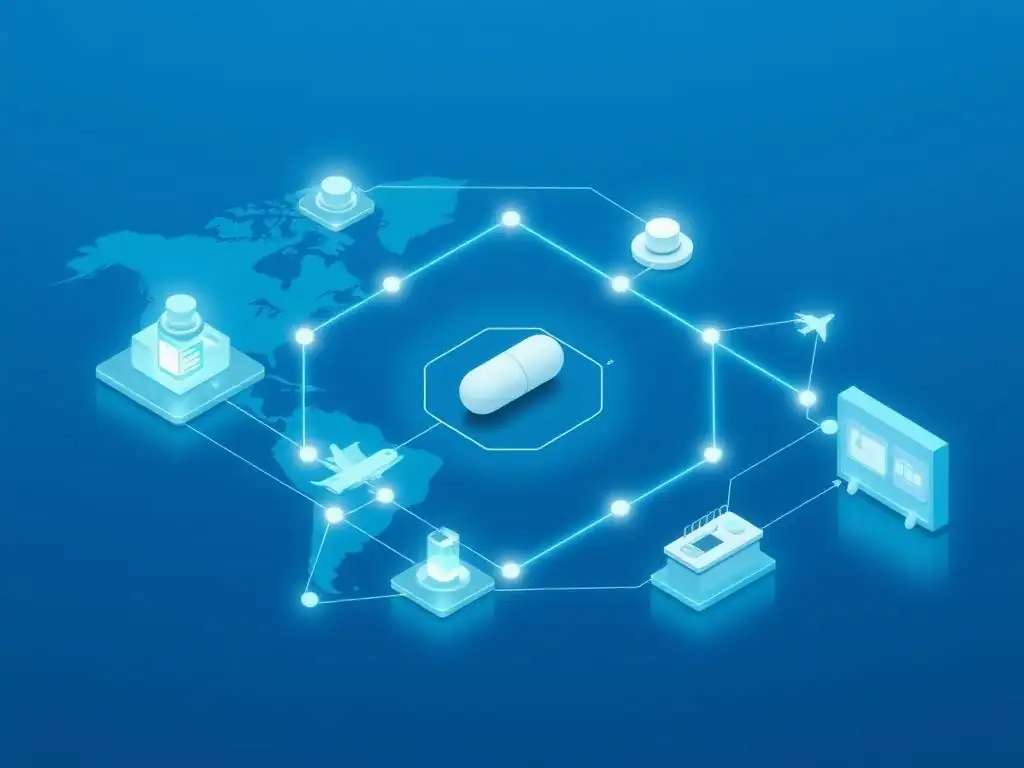
Tracelink's Use of Blockchain to Comply with the Drug Supply Chain Security Act (DSCSA)
TraceLink, a leading provider of track and trace solutions for the pharmaceutical industry, has been instrumental in helping companies meet regulatory requirements like the U.S. Drug Supply Chain Security Act (DSCSA). While not solely a blockchain company, TraceLink has explored and utilized distributed ledger technology principles, sometimes in hybrid models, to enhance their network capabilities for verifying product authenticity and managing transaction data among trading partners. Their network connects thousands of pharmaceutical companies globally, facilitating the exchange of serialization data required by regulations.
TraceLink's approach involves creating a digital network where participants can share and verify product information. By implementing features that leverage the security and distributed nature similar to blockchain, they enable stakeholders to query product serial numbers and receive verification status from the originating manufacturer or owner. This system helps ensure that products moving through the U.S. supply chain are legitimate, directly supporting the DSCSA's goal of preventing counterfeit drugs from entering the market. Their work demonstrates how distributed verification systems, informed by blockchain concepts, are being practically applied to address regulatory mandates and improve supply chain integrity.
IBM's Blockchain Solution for Vaccine Supply Chain Management
IBM has developed and implemented blockchain solutions aimed at improving transparency and efficiency in various supply chains, including pharmaceuticals, with a specific focus on temperature-sensitive goods like vaccines. Recognizing the critical need for maintaining the cold chain and ensuring the authenticity of vaccines, IBM's platforms leverage blockchain to create an immutable record of each vaccine dose's journey from the point of manufacture through distribution centers, clinics, and ultimately, to the patient.
Their solution tracks key data points such as manufacturing date, batch number, expiry date, and importantly, temperature logs from IoT sensors integrated throughout the transportation and storage process. This data is recorded on a permissioned blockchain network accessible to authorized parties, including manufacturers, distributors, healthcare providers, and potentially public health agencies.
The immutable ledger ensures that temperature excursions or handling issues are permanently recorded, providing accountability and ensuring that only viable vaccines reach patients. This application highlights how blockchain combats illicit pharmaceuticals globally by securing not just authenticity but also the quality and efficacy of sensitive medical products throughout their complex distribution, especially vital during large-scale public health initiatives.
MediLedger Network: A Consortium Building Blockchain Solutions for the Pharmaceutical Industry
The MediLedger Network is a prime example of industry-wide collaboration leveraging blockchain technology to solve specific challenges within the pharmaceutical supply chain. This consortium, comprising major pharmaceutical manufacturers, wholesalers, and solution providers, is actively building blockchain-based applications to address pain points like chargebacks, returns, and verification requirements under the DSCSA. Their focus is on creating an interoperable network where trading partners can securely exchange and verify information without needing to share sensitive business data directly with competitors.
One of MediLedger's key initiatives is the "Verification Router Service," a blockchain-based system designed to meet the DSCSA 2023 requirement for trading partners to verify the authenticity of returned products. When a pharmacy returns a product, the wholesaler can use the service to query the manufacturer's blockchain node, which holds the immutable record of the product's serial number.
The manufacturer's node can then cryptographically verify the product's legitimacy without revealing sensitive sales data to the wholesaler. This collaborative, blockchain-powered approach builds trust and efficiency across the industry while enhancing security against counterfeit and illegitimate returns, showcasing a focused effort on how blockchain combats illicit pharmaceuticals globally through specific, shared solutions.
Challenges and Limitations of Blockchain Adoption in Pharma
Scalability and Interoperability Issues
While blockchain offers significant advantages, its widespread adoption in the pharmaceutical supply chain faces considerable technical challenges, particularly regarding scalability and interoperability. The global volume of pharmaceutical transactions is immense, involving billions of individual units annually. Current blockchain platforms, especially public ones, can struggle to process such a high throughput of transactions efficiently and cost-effectively. Enterprise-grade permissioned blockchains offer better performance, but ensuring they can handle the sheer scale of the global drug trade remains a key hurdle.
Interoperability is another major concern. The pharmaceutical supply chain is fragmented, involving numerous players using diverse legacy systems. Implementing blockchain requires these disparate systems to communicate and exchange data seamlessly with the blockchain network and with each other's blockchain implementations. Developing common standards, APIs, and protocols that allow different blockchain platforms and existing IT systems to interact is crucial for creating a truly connected and traceable global supply chain. Without robust solutions for scalability and interoperability, deploying blockchain combats illicit pharmaceuticals globally at the required scale remains challenging.
Regulatory Hurdles and Compliance Requirements
The pharmaceutical industry is one of the most heavily regulated sectors globally. Introducing a new technology like blockchain must navigate complex existing regulatory landscapes. Regulations like the U.S. DSCSA and the EU Falsified Medicines Directive already mandate specific track and trace requirements, but they were often developed before the widespread understanding or availability of blockchain technology. Integrating blockchain solutions must align with these existing rules, and in some cases, regulations may need to evolve to fully accommodate blockchain's capabilities.
Questions surrounding data privacy, data ownership, and data access within a blockchain network need careful consideration to comply with regulations like GDPR and HIPAA, which protect sensitive personal and health information. While blockchain can enhance security, determining what data is appropriate to place on-chain and ensuring appropriate access controls for sensitive commercial or patient data is critical. Regulatory bodies need to provide clear guidance and potentially updated frameworks to facilitate blockchain adoption while maintaining rigorous oversight and ensuring patient safety and data privacy.
Data Privacy and Security Concerns
Despite blockchain's reputation for security, concerns about data privacy and security within a pharmaceutical context are legitimate and need careful management. While the ledger is immutable, the data on the ledger needs to be handled with care, especially in permissioned networks where participants have varying levels of access. Sensitive commercial data, such as pricing or specific shipment volumes between two parties, needs to be protected from unauthorized viewing by other network participants. Techniques like zero-knowledge proofs or off-chain data storage with on-chain hashes can help address this.
Furthermore, while the blockchain itself is highly secure against tampering, the points where data enters or leaves the blockchain (oracles, user interfaces) can be vulnerable. Ensuring the integrity of data input from legacy systems or IoT devices is crucial. The private keys used to authorize transactions must be managed with the highest level of security. Balancing the need for transparency and traceability with the imperative to protect commercially sensitive information and patient data requires careful design and implementation of blockchain solutions within the pharmaceutical industry.
The Need for Collaboration and Standardization
Achieving a truly effective, blockchain-enabled global pharmaceutical supply chain requires unprecedented levels of collaboration and standardization across the industry and among international stakeholders. The value of blockchain for traceability is maximized when all participants in the chain, from raw material suppliers to manufacturers, distributors, pharmacies, and potentially healthcare providers and regulators, are connected and using compatible systems. This requires competitors to collaborate on shared infrastructure or standards.
Developing common data standards, interoperability protocols, and governance models for pharmaceutical blockchain networks is essential. Without standardization, different companies or regions might adopt incompatible blockchain solutions, creating new silos and hindering end-to-end traceability. Industry consortia, like the MediLedger Network, play a vital role in driving this collaboration and standardization. However, achieving global consensus and widespread adoption across diverse markets and regulatory environments is a significant undertaking that requires sustained effort and investment from all stakeholders involved in ensuring blockchain combats illicit pharmaceuticals globally.
Future Trends: Blockchain and the Evolution of Pharmaceutical Security
The Role of AI and Machine Learning in Enhancing Blockchain Security
The combination of Artificial Intelligence (AI) and Machine Learning (ML) with blockchain technology holds significant potential for further enhancing pharmaceutical supply chain security. Blockchain provides a massive, immutable dataset of transactions and events occurring within the supply chain. AI and ML algorithms can analyze this rich dataset to identify patterns, anomalies, and potential risks that might be difficult for humans or simpler rule-based systems to detect.
For instance, ML models could analyze transaction histories to identify suspicious patterns indicative of diversion or counterfeiting attempts, such as unusually high volumes of returns from a specific location, products appearing in unexpected markets, or serial numbers being scanned multiple times in different places simultaneously. AI could also be used to predict potential bottlenecks or points of failure in the supply chain based on historical blockchain data. By providing predictive insights and automating anomaly detection, AI/ML can significantly augment the security and efficiency benefits offered by blockchain, strengthening how blockchain combats illicit pharmaceuticals globally.
Integration with Other Technologies for End-to-End Traceability
Blockchain is not a standalone solution; its power is amplified when integrated with other complementary technologies to achieve true end-to-end traceability and security. As discussed, IoT devices are crucial for monitoring environmental conditions and linking physical events to the digital ledger. Beyond IoT and AI/ML, technologies like advanced serialization (e.g., 2D barcodes, RFID tags), secure cloud computing for data storage and processing, and sophisticated analytics platforms will play vital roles.
Future trends will likely see tighter integration between these technologies. For example, a system could use RFID tags for real-time location tracking, IoT sensors for condition monitoring, blockchain for immutable record-keeping and transaction verification, AI for anomaly detection, and a secure cloud platform for data storage and analytics dashboard access. This multi-layered technological approach creates a comprehensive digital twin of the physical supply chain, offering unprecedented visibility, security, and control, essential for ensuring blockchain combats illicit pharmaceuticals globally across increasingly complex networks.
The Potential for Global Blockchain-Based Pharmaceutical Standards
A critical future trend is the potential for the emergence of global, blockchain-based standards for pharmaceutical traceability and verification. While initiatives like the U.S. DSCSA and EU FMD have driven regional serialization and tracking efforts, a truly global problem like illicit pharmaceuticals requires global solutions. The inherent decentralized and interoperable nature of blockchain makes it an ideal technology to underpin such international standards.
Developing a universally accepted framework for recording pharmaceutical data on blockchain, defining common data models, and establishing protocols for inter-network communication between different countries or supply chain participants would be transformative. This would allow for seamless, secure tracking of drugs across international borders, making it significantly harder for counterfeiters to exploit differences in national tracking systems. Achieving such global standardization requires significant collaboration between regulatory bodies, international organizations (like WHO, Interpol), and industry leaders, but it represents a powerful step towards ensuring blockchain combats illicit pharmaceuticals globally on a truly unified front.
The Role of Stakeholders in Promoting Secure Pharmaceutical Supply Chains
Educating Stakeholders on the Benefits of Blockchain
Effective adoption of blockchain technology in the pharmaceutical supply chain hinges significantly on educating all relevant stakeholders about its benefits, capabilities, and limitations. This includes manufacturers, wholesalers, distributors, pharmacies, healthcare providers, regulatory agencies, and even patients. Many stakeholders may have limited understanding of blockchain beyond cryptocurrencies and need clear, practical information on how it specifically addresses the challenges of pharmaceutical traceability and security.
Educational initiatives should highlight how blockchain's core principles – immutability, transparency, and decentralization – translate into tangible improvements like reduced counterfeiting risks, enhanced supply chain efficiency, and increased patient safety. Demonstrating successful pilot programs and case studies can help build confidence and overcome skepticism. A well-informed ecosystem is more likely to embrace the necessary changes, invest in the technology, and actively participate in blockchain networks, thereby strengthening the collective effort where blockchain combats illicit pharmaceuticals globally.
Fostering Collaboration and Innovation in the Pharma Industry
Addressing the global problem of illicit pharmaceuticals requires a collaborative effort that transcends competitive boundaries within the industry. Fostering an environment of collaboration and innovation is essential for the successful implementation of blockchain solutions. This involves companies working together in consortia, like the MediLedger Network, to develop shared standards, build interoperable platforms, and tackle common challenges.
Innovation is needed not only in the core blockchain technology itself but also in its integration with existing systems and the development of user-friendly applications for all participants, including end-users like pharmacists and patients. Encouraging pilot projects, hackathons focused on pharma supply chain challenges, and cross-industry working groups can accelerate the development and adoption of effective blockchain solutions. A culture of shared responsibility and continuous improvement is vital for leveraging blockchain's full potential in securing the drug supply chain.
Advocating for Regulatory Frameworks that Support Blockchain Adoption
Regulatory bodies play a crucial role in either enabling or hindering the adoption of new technologies like blockchain in the highly regulated pharmaceutical sector. Advocating for regulatory frameworks that understand and support blockchain technology is critical. This involves engaging in dialogue with regulators to inform them about blockchain's capabilities for enhancing traceability and security, and to address any concerns they may have regarding data privacy, validation, and oversight.
Industry stakeholders should work with regulators to clarify how blockchain solutions can meet or even exceed existing compliance requirements. They should also advocate for updated regulations that specifically accommodate blockchain's unique attributes, such as the legal recognition of blockchain records as valid proof of transaction or custody. Supportive regulatory environments provide the necessary legal certainty and impetus for widespread industry adoption, which is fundamental to ensuring blockchain combats illicit pharmaceuticals globally on a large scale.
Conclusion: Blockchain as a Key Tool in the Fight Against Illicit Pharmaceuticals
The Long-Term Impact of Blockchain on Public Health and Safety
The long-term impact of widespread blockchain adoption in the pharmaceutical supply chain holds the promise of significantly enhancing public health and safety globally. By creating an inherently more secure, transparent, and accountable system for tracking medications, blockchain technology makes it substantially harder for counterfeit, substandard, and diverted drugs to infiltrate legitimate distribution channels. This directly reduces the risk of patients receiving ineffective or harmful treatments, preventing illnesses, complications, and tragic deaths caused by illicit pharmaceuticals.
Beyond preventing harm, a blockchain-secured supply chain builds trust in the quality and authenticity of medicines, encouraging patient adherence to prescribed treatments and improving overall health outcomes. It also provides regulators and healthcare providers with greater confidence in the integrity of the drugs they administer or dispense. The ability to verify the legitimacy of a product at any point, including the point of care, represents a fundamental shift towards a safer and more reliable global drug supply, demonstrating the powerful way blockchain combats illicit pharmaceuticals globally for the benefit of populations worldwide.
A Call to Action for Collaboration and Investment in Blockchain Technology
Addressing the persistent threat of illicit pharmaceuticals requires concerted action and significant investment. While promising pilot projects and initial implementations exist, scaling blockchain technology across the entire global pharmaceutical supply chain demands greater collaboration among all stakeholders – manufacturers, distributors, pharmacies, technology providers, regulators, and international organizations. Sharing knowledge, developing common standards, and building interoperable networks are essential next steps.
Investment is needed not only in the core blockchain infrastructure itself but also in integrating it with existing systems, developing user-friendly applications, and providing necessary training. Public-private partnerships can help drive innovation and establish foundational frameworks. A collective commitment to leveraging this transformative technology is necessary to move from pilot phases to widespread implementation. This is a call to action for the entire ecosystem to unite and invest in blockchain technology as a critical tool in securing the world's medicine cabinet, underscoring the urgency for global collaboration as blockchain combats illicit pharmaceuticals globally.
Ensuring Access to Safe and Authentic Medicines Worldwide
Ultimately, the goal of implementing blockchain in the pharmaceutical supply chain is to ensure that everyone, everywhere, has access to safe, authentic, and effective medicines. The current vulnerabilities in global supply chains disproportionately affect vulnerable populations in developing countries, where regulatory oversight may be weaker and the risk of encountering illicit drugs is higher. Blockchain offers a pathway to level the playing field by providing a universal, verifiable system of trust.
By making it economically and logistically more difficult for counterfeiters to operate, and by empowering patients and healthcare providers to verify the legitimacy of products, blockchain contributes directly to this crucial public health objective. It is a powerful tool in the ongoing fight against a dangerous global trade. Embracing blockchain technology, fostering collaboration, and advocating for supportive policies are vital steps toward a future where the integrity of the pharmaceutical supply chain is assured, and access to safe and authentic medicines is a reality for all, thereby ensuring that blockchain combats illicit pharmaceuticals globally and effectively.
Frequently Asked Questions
How can blockchain technology help to combat the global problem of illicit pharmaceuticals?
Blockchain creates a transparent and immutable supply chain record. This allows for easy verification of drug authenticity and prevents counterfeiting, tracing products from manufacturer to consumer.
What specific features of blockchain make it suitable for tracking pharmaceuticals?
Blockchain's distributed ledger ensures that data is tamper-proof and accessible to authorized parties. This provides enhanced security and trust in the pharmaceutical supply chain.
What are some of the challenges in implementing blockchain solutions for pharmaceutical tracking on a global scale?
Challenges include the need for standardization across different regions and regulatory frameworks. Interoperability between existing systems and data privacy are also key concerns.
Beyond tracking and tracing, what other applications of blockchain are relevant to the pharmaceutical industry?
Blockchain can be used for securely managing clinical trial data, verifying patient identities, and facilitating transparent and efficient insurance claims processing.
How are governments and regulatory bodies approaching the use of blockchain in the pharmaceutical sector?
Many are exploring blockchain's potential and developing regulatory frameworks to ensure its safe and effective implementation. Some governments are also piloting blockchain-based systems for drug supply chain monitoring.
Final Reflection: Securing Health Through Decentralization
The exploration of blockchain's potential in combating illicit pharmaceuticals, as detailed throughout this article, underscores a critical truth: global health security is inextricably linked to technological innovation. The fight against counterfeit and substandard medicines is not just a matter of law enforcement; it's a humanitarian imperative, and blockchain offers a powerful, decentralized tool to safeguard vulnerable populations worldwide.
The impact of this technology extends far beyond simple tracking and tracing. It represents a fundamental shift in trust and transparency within the pharmaceutical supply chain, empowering patients and healthcare providers with verifiable information. The future of healthcare is not just about treating illness, but about preventing it. Blockchain offers a unique opportunity to build a more resilient and trustworthy system, ensuring that patients receive the safe and effective medications they deserve.
This ongoing evolution is reshaping how we approach global health challenges, demanding a collaborative effort to realize its full potential.
As you reflect on the possibilities presented by blockchain in combating illicit pharmaceuticals, consider your own role in fostering a safer, healthier future. How can you advocate for the adoption of these technologies within your community? How can you contribute to the ongoing dialogue surrounding ethical and responsible implementation? The power to effect change lies within each of us. Let us embrace the potential of blockchain to create a world where access to safe and authentic medicine is a fundamental right, not a privilege.
Seize Control: Secure the Future of Healthcare with Blockchain!
Thank you for taking the time to learn how blockchain technology can transform the fight against counterfeit pharmaceuticals. You now have valuable insights into this important application of distributed ledger technology. Let's turn this knowledge into action!
Here are a few steps you can take to contribute to a safer, more transparent pharmaceutical supply chain:
- Become a Blockchain Advocate: Share this article with your network and start conversations about the potential of blockchain in healthcare. The more people understand this technology, the sooner we can drive meaningful change.
- Explore relevant initiatives and organizations by researching existing blockchain projects focused on pharmaceutical traceability, and consider how you might contribute to their efforts.
- Engage in Ethical Sourcing: Support and promote ethical purchasing decisions within your community, backing businesses and organizations that prioritize transparency and authenticity in the pharmaceutical industry.
What innovative blockchain solution for combating illicit pharmaceuticals will you support today?
Leave a Reply