
The Convergence of AI and Blockchain in Pharma Supply Chain Management


Welcome to Blockchain Trends, your go-to source for unraveling the revolutionary impact of blockchain technology!
Are you ready to discover how AI is reshaping the pharmaceutical supply chain through the power of blockchain? Our latest article, "The Convergence of AI and Blockchain in Pharma Supply Chain Management," delves into this fascinating intersection, exploring how these technologies are working together to create unprecedented levels of transparency, security, and efficiency. Learn how this synergy is not just a trend, but a potential game-changer for the future of healthcare. Intrigued? Dive deeper into the world of AI blockchain pharma supply chain and unlock the transformative potential within!
Enhancing Pharmaceutical Supply Chain Integrity with AI and Blockchain
- Introduction: Transforming Pharma Supply Chains with Advanced Technologies
- Core Technologies: A Detailed Overview
- Synergistic Benefits: AI and Blockchain Integration
- Practical Applications: AI and Blockchain in Pharmaceuticals
- Addressing Challenges in Adoption
- Future Trends and Innovations
- Conclusion: The Transformative Potential
-
Frequently Asked Questions
- How can AI enhance blockchain's role in pharma supply chain management?
- What are the primary benefits of using a combined AI blockchain pharma supply chain?
- How does blockchain address the issue of data integrity in the pharmaceutical supply chain?
- What role does AI play in predicting and preventing supply chain disruptions in the pharmaceutical industry?
- What are the regulatory considerations for implementing AI and blockchain solutions in the pharmaceutical supply chain?
- Final Reflection: Reimagining Trust and Efficiency
- Unlock Pharma's Future: Be the Change!
Introduction: Transforming Pharma Supply Chains with Advanced Technologies
The pharmaceutical supply chain is arguably one of the most critical and complex logistics networks globally. It involves sensitive products requiring strict temperature controls, secure handling, and meticulous tracking from manufacturing facilities to pharmacies and patients. Ensuring the integrity, safety, and authenticity of medicines throughout this journey is paramount. Traditional supply chain models often struggle with these demands, facing issues like counterfeiting, diversion, and inefficiencies that can compromise patient safety and erode public trust.
The advent of advanced technologies like Artificial Intelligence (AI) and Blockchain offers unprecedented opportunities to revolutionize this sector. By leveraging the strengths of both AI and blockchain, the pharmaceutical industry can build more resilient, transparent, and efficient supply chains. This convergence provides powerful tools to tackle long-standing problems, from enhancing traceability and combating counterfeit drugs to optimizing inventory and ensuring regulatory compliance, ultimately transforming how medicines are delivered to those who need them.
Challenges in Existing Pharmaceutical Supply Chains
Existing pharmaceutical supply chains are fraught with significant challenges, primarily stemming from their global, multi-party nature and the high value and sensitivity of the products. Counterfeiting remains a pervasive threat; estimates suggest the global market for counterfeit drugs could reach hundreds of billions of dollars annually, posing serious health risks to consumers. The lack of end-to-end visibility makes it difficult to track products effectively, identify points of diversion, and ensure proper handling conditions throughout the journey.
Furthermore, managing complex logistics, including strict cold chain requirements for many biologicals and vaccines, is challenging. Failures in temperature control can render products ineffective or even harmful, leading to significant financial losses and potential health crises. Manual processes for tracking, verification, and compliance reporting are also prone to errors and inefficiencies, increasing operational costs and slowing down critical processes like recalls. The fragmented nature of data across different stakeholders (manufacturers, distributors, pharmacies) hinders effective communication and coordination.
Synergies of AI and Blockchain for Supply Chain Improvement
The synergy between AI and blockchain technology presents a compelling solution to many of these challenges in the AI blockchain pharma supply chain. Blockchain provides a secure, immutable, and transparent ledger that can record every transaction and movement of a pharmaceutical product from its origin to the final patient. This creates an unbroken chain of custody, significantly enhancing traceability and trust among all participants. Each step, from manufacturing batch details to shipping information and temperature logs, can be recorded on the blockchain, creating a single source of truth.
Complementing blockchain's capability for secure data recording and transparency, AI brings powerful analytical and predictive capabilities. AI algorithms can analyze the vast amounts of data stored on the blockchain, along with other relevant datasets (like market demand, weather patterns, sensor data), to identify patterns, predict potential issues (like delays or temperature excursions), optimize routes, and forecast demand. This combination of secure, verifiable data (blockchain) and intelligent analysis (AI) creates a highly efficient, resilient, and trustworthy AI blockchain pharma supply chain management system, capable of proactively identifying and mitigating risks.
Core Technologies: A Detailed Overview
Blockchain: Transparency and Traceability in Action
Blockchain technology, at its core, is a decentralized, distributed ledger that records transactions across many computers. Once a transaction is recorded, it is grouped into a block and added to a chain of previous blocks, making it nearly impossible to alter past entries without consensus from the network participants. This inherent immutability and transparency are revolutionary for supply chains, especially in sensitive sectors like pharmaceuticals where trust and verification are critical. Each step in the product's journey can be a transaction recorded on the blockchain, creating a verifiable history accessible to authorized parties.
For the pharmaceutical supply chain, blockchain provides an unprecedented level of transparency. Stakeholders, from manufacturers to regulators and potentially even patients, can access the history of a specific drug product, verifying its origin, handling, and authenticity. This shared, tamper-proof ledger eliminates the need for multiple, disparate databases that are prone to errors and data silos. It establishes a foundation of trust and accountability across the entire network, which is vital for ensuring product safety and regulatory compliance in the AI blockchain pharma supply chain.
Immutability and Distributed Ledger Technology (DLT) for Pharma
The immutable nature of blockchain is a cornerstone for building trust in the pharmaceutical supply chain. Once data, such as manufacturing information, batch numbers, expiry dates, or temperature logs during transit, is recorded on the distributed ledger, it cannot be retroactively changed or deleted. This ensures that the history of a drug product is accurate and tamper-proof. For instance, if a temperature sensor records an excursion above the acceptable range for a vaccine, that record is permanently stored, providing undeniable evidence of a potential cold chain failure.
Distributed Ledger Technology (DLT), the broader category that includes blockchain, ensures that this secure record is not held in a single location vulnerable to attack or manipulation. Instead, the ledger is replicated across multiple nodes in the network. This distributed nature enhances security and resilience. If one node goes offline, the data remains available and verifiable on other nodes. This is crucial for maintaining data integrity and availability across a complex, multi-party network like the pharmaceutical supply chain, where continuous access to reliable information is essential for decision-making and compliance.
Smart Contracts: Automating Processes in the Pharmaceutical Supply Chain
Smart contracts are self-executing contracts with the terms of the agreement directly written into code. They run on the blockchain, automatically executing predefined actions when specific conditions are met. In the pharmaceutical supply chain, smart contracts can automate various processes, reducing manual intervention, minimizing errors, and accelerating transactions. For example, a smart contract could automatically trigger payment to a logistics provider once a shipment of pharmaceuticals is verified as delivered and the temperature logs recorded on the blockchain meet the required parameters.
Another application is automating compliance checks. A smart contract could verify if a product's journey aligns with regulatory requirements based on the data logged on the blockchain. If a deviation occurs (e.g., unauthorized route change, temperature breach), the smart contract could automatically flag the event, notify relevant parties, or even initiate corrective actions or penalties as defined in the contract terms. This automation streamlines operations, improves efficiency, and ensures adherence to complex agreements and regulations within the AI blockchain pharma supply chain.
Artificial Intelligence (AI): Optimizing Efficiency and Prediction
Artificial Intelligence involves algorithms and systems that can perform tasks typically requiring human intelligence, such as learning, problem-solving, and decision-making. In the context of the pharmaceutical supply chain, AI's strength lies in its ability to process vast amounts of data, identify complex patterns, make predictions, and optimize processes. While blockchain provides the secure, transparent data foundation, AI leverages this data to derive actionable insights and improve operational efficiency across the network.
AI can analyze historical data from various sources, including sales records, production volumes, logistics data, and even external factors like disease outbreaks or seasonal changes, to forecast demand with greater accuracy than traditional methods. It can also optimize complex logistics, determining the most efficient routes, transportation modes, and storage strategies while considering factors like cost, time, and temperature requirements. Furthermore, AI plays a crucial role in identifying anomalies that might indicate counterfeiting or diversion attempts, enhancing the security and integrity of the AI blockchain pharma supply chain.
Machine Learning: Forecasting Demand in the Pharmaceutical Sector
Machine Learning, a subset of AI, enables systems to learn from data without being explicitly programmed. For the pharmaceutical sector, accurate demand forecasting is critical to prevent stockouts of essential medicines while simultaneously minimizing waste due to overstocking of products with limited shelf lives. Traditional forecasting methods often rely on historical sales data and simple statistical models, which can be inaccurate in dynamic markets or during unpredictable events like pandemics.
Machine Learning algorithms can analyze a much wider array of data points and identify subtle, non-obvious patterns that influence demand. This includes historical sales, marketing campaigns, seasonal illnesses, public health data, economic indicators, and even social media trends. By processing this complex data, ML models can generate more precise demand forecasts at various levels (global, regional, local, specific product), enabling manufacturers and distributors to optimize production, inventory levels, and distribution plans. This leads to reduced costs, improved product availability, and minimizes the risk of expired stock, a significant issue for high-value pharmaceuticals.
AI: Enhancing Quality Control and Combating Counterfeiting
AI also plays a vital role in enhancing quality control and bolstering efforts against counterfeit drugs within the pharmaceutical supply chain. AI-powered computer vision systems can analyze images of packaging, labels, and pills with high precision, identifying inconsistencies, defects, or signs of tampering that might be missed by human inspectors. These systems can be deployed at various points, from manufacturing lines to distribution centers, to ensure product quality and authenticity.
Furthermore, AI can analyze the data recorded on the blockchain and other supply chain data streams to detect suspicious patterns or anomalies that could indicate counterfeit activity or diversion. For example, AI could flag if a batch of drugs appears in an unexpected location, if its reported temperature history is inconsistent with its journey, or if the volume of a specific product being shipped to a region deviates significantly from predicted demand without a clear reason.
By identifying these red flags early, AI empowers stakeholders to investigate and intervene, significantly strengthening defenses against the infiltration of fake medicines into the legitimate AI blockchain pharma supply chain.
Synergistic Benefits: AI and Blockchain Integration
The true power emerges when AI and blockchain are integrated, creating a system far more capable than either technology alone. Blockchain provides the secure, transparent, and immutable data foundation, while AI provides the intelligence to analyze this data, identify patterns, make predictions, and automate complex decisions. This synergy results in enhanced visibility, improved efficiency, significant cost reductions, and fortified security across the entire pharmaceutical supply chain.
This integration allows for a level of granular tracking and analysis previously unattainable. For instance, blockchain records the precise journey and handling conditions of each product unit. AI can then analyze this data in real-time to identify potential deviations, predict arrival times, optimize routes dynamically, and even assess the remaining shelf life based on actual temperature exposure. This combined capability is transforming AI blockchain pharma supply chain management, making it more proactive, responsive, and reliable.
Enhanced Visibility and Traceability Across the Supply Chain
One of the most immediate and significant benefits of integrating AI and blockchain is the dramatic improvement in end-to-end visibility and traceability within the pharmaceutical supply chain. Blockchain creates a single, shared, and tamper-proof record of every step a product takes, from the raw material source through manufacturing, packaging, warehousing, distribution, and dispensing. Every transfer of ownership or change in location is recorded as a transaction on the distributed ledger.
This blockchain-powered traceability means that the provenance of any drug product can be instantly verified. In the event of a recall or quality issue, affected batches can be quickly identified and located, minimizing the time and cost associated with traditional recall processes. AI further enhances this visibility by analyzing the blockchain data to provide real-time dashboards, alerts on potential issues, and insights into bottlenecks or inefficiencies in the supply chain flow. This integrated approach provides stakeholders with unprecedented insight into the status and history of pharmaceutical products.
Real-time Tracking of Pharmaceutical Products: A New Era
Combining blockchain's secure ledger with AI's analytical capabilities enables real-time tracking of pharmaceutical products with high fidelity. As products move through the supply chain, data from various sources – such as RFID tags, IoT sensors (monitoring temperature, humidity, location), and manual scans – can be recorded on the blockchain. This creates a live, verifiable digital twin of the physical product's journey.
AI algorithms can then process this real-time blockchain data stream to monitor the status, location, and condition of shipments continuously. For instance, an AI system could track temperature data logged on the blockchain for a shipment of vaccines and immediately alert relevant parties if the temperature deviates from the required range, allowing for timely intervention before the product is compromised. This real-time monitoring capability is a game-changer for managing sensitive pharmaceuticals and ensuring product integrity throughout the AI blockchain pharma supply chain.
AI-Enhanced Blockchain: A Powerful Tool Against Counterfeit Drugs
The fight against counterfeit drugs is significantly bolstered by the integration of AI and blockchain. Blockchain provides the immutable record of a product's legitimate journey and authenticity data (like serial numbers, batch info, digital certificates). Every point in the supply chain can verify the product's history against this trusted record.
AI complements this by analyzing the patterns of legitimate transactions on the blockchain and identifying deviations that might signal counterfeit activity. For example, AI could detect if multiple products with the same serial number appear in different locations simultaneously, or if a product that should only be distributed in one country appears in another without a recorded, legitimate transfer.
AI can also analyze physical product authentication data (e.g., high-resolution images, spectroscopic data) recorded on the blockchain to verify authenticity. This AI-enhanced blockchain approach creates a powerful, multi-layered defense system that makes it significantly harder for counterfeit products to infiltrate or move undetected within the legitimate AI blockchain pharma supply chain.
Efficiency Gains and Cost Reduction Strategies
Beyond security and traceability, the integration of AI and blockchain drives significant efficiency gains and cost reductions within the pharmaceutical supply chain. Automation through smart contracts reduces manual tasks and administrative overheads associated with tracking, verification, and payments. The enhanced visibility provided by the combined technologies minimizes delays and improves coordination among supply chain partners.
AI's predictive capabilities, powered by blockchain data, enable better resource allocation. For example, accurate demand forecasting reduces overstocking and associated storage costs, as well as the financial losses from expired goods. Optimized logistics planning reduces transportation costs and improves delivery times. A report by McKinsey estimated that supply chain digitization could reduce operational costs by 15-20% and increase supply chain reliability by 20-30% in various industries, a potential applicable to the AI blockchain pharma supply chain.
AI-Driven Optimization: Revolutionizing Logistics and Distribution
AI algorithms can analyze complex logistical data from the blockchain (location, timestamps, conditions) and other sources (traffic, weather, fuel prices) to optimize routes, schedules, and load balancing in real-time. For pharmaceutical distribution, this is critical for ensuring timely delivery while adhering to strict handling requirements. AI can dynamically adjust routes to avoid delays or areas with security risks, ensuring that sensitive products reach their destinations safely and on time.
Furthermore, AI can optimize warehouse management, determining optimal storage locations based on product characteristics (e.g., temperature requirements), demand forecasts, and expiry dates. It can also streamline picking and packing processes. By integrating with blockchain, AI can verify the authenticity and condition of products within the warehouse, ensuring that only verified, viable products are shipped out. This AI-driven optimization throughout the logistics and distribution network significantly reduces operational costs and improves the overall efficiency of the AI blockchain pharma supply chain.
Predictive Analytics: Minimizing Waste and Spoilage
Predictive analytics, powered by AI analyzing historical and real-time data (including blockchain records of handling conditions), is crucial for minimizing waste and spoilage of valuable pharmaceutical products. By analyzing temperature, humidity, and shock sensor data recorded on the blockchain during transit and storage, AI can predict the remaining viable shelf life of a product or identify batches that are at high risk of spoilage due to cumulative exposure to suboptimal conditions.
This allows supply chain managers to prioritize the distribution of products nearing the end of their predicted viable life or to reroute shipments at risk to closer destinations. AI can also predict potential bottlenecks or delays in the supply chain that could lead to spoilage and suggest preventative measures. By moving from reactive responses to proactive prediction, the AI blockchain pharma supply chain can significantly reduce the substantial financial losses associated with expired or compromised goods, which can represent a significant percentage of product value.
Fortified Security and Uncompromised Data Integrity
Security and data integrity are paramount in the pharmaceutical sector, where compromised information or products can have dire consequences. The integration of AI and blockchain provides a robust security framework that protects sensitive data and ensures the integrity of the supply chain. Blockchain's inherent immutability and cryptographic security make it incredibly difficult for unauthorized parties to tamper with transaction records or product histories.
AI complements this by providing continuous monitoring and analysis of all activities and data within the system. AI can detect unusual patterns, access attempts, or data modifications that might indicate a security breach or an attempt to introduce counterfeit products or false information. This real-time anomaly detection, combined with the tamper-proof nature of the blockchain ledger, creates a highly secure environment for managing sensitive pharmaceutical data and operations, building trust in the AI blockchain pharma supply chain.
Blockchain: Secure Storage and Protection of Pharmaceutical Data
Blockchain provides a highly secure method for storing and protecting sensitive pharmaceutical data across the supply chain. Instead of relying on centralized databases that are attractive targets for cyberattacks, data is distributed across multiple nodes and cryptographically secured. Each transaction (e.g., product transfer, quality check, temperature log) is hashed and linked to the previous one, creating a secure chain.
Access to this data can be controlled through permissioned blockchain networks, ensuring that only authorized participants (manufacturers, distributors, regulators, etc.) can view specific information relevant to their role. The data itself can be stored off-chain with only the hash stored on-chain for verification, or encrypted data can be stored on-chain depending on privacy requirements. This distributed, encrypted, and immutable storage mechanism significantly reduces the risk of data breaches, unauthorized modifications, and data loss compared to traditional systems, ensuring the integrity of information within the AI blockchain pharma supply chain.
AI-Based Anomaly Detection: Ensuring Supply Chain Security
AI-based anomaly detection is a critical layer of security when integrated with a blockchain-based pharmaceutical supply chain. While blockchain ensures data integrity, AI actively monitors the patterns of data being recorded and accessed to identify anything out of the ordinary. This could include unusual transaction volumes, access from unfamiliar locations, data entries that contradict previous records, or deviations from expected product movement paths.
For example, an AI system could analyze blockchain records and flag a warning if a specific batch of high-value narcotics is scanned multiple times in a short period at different locations, or if a user attempts to access sensitive data outside of their typical working hours. By continuously learning from normal operational patterns within the AI blockchain pharma supply chain, AI can quickly identify and alert stakeholders to potential security threats, data breaches, or fraudulent activities, enabling rapid response and mitigation.
Practical Applications: AI and Blockchain in Pharmaceuticals
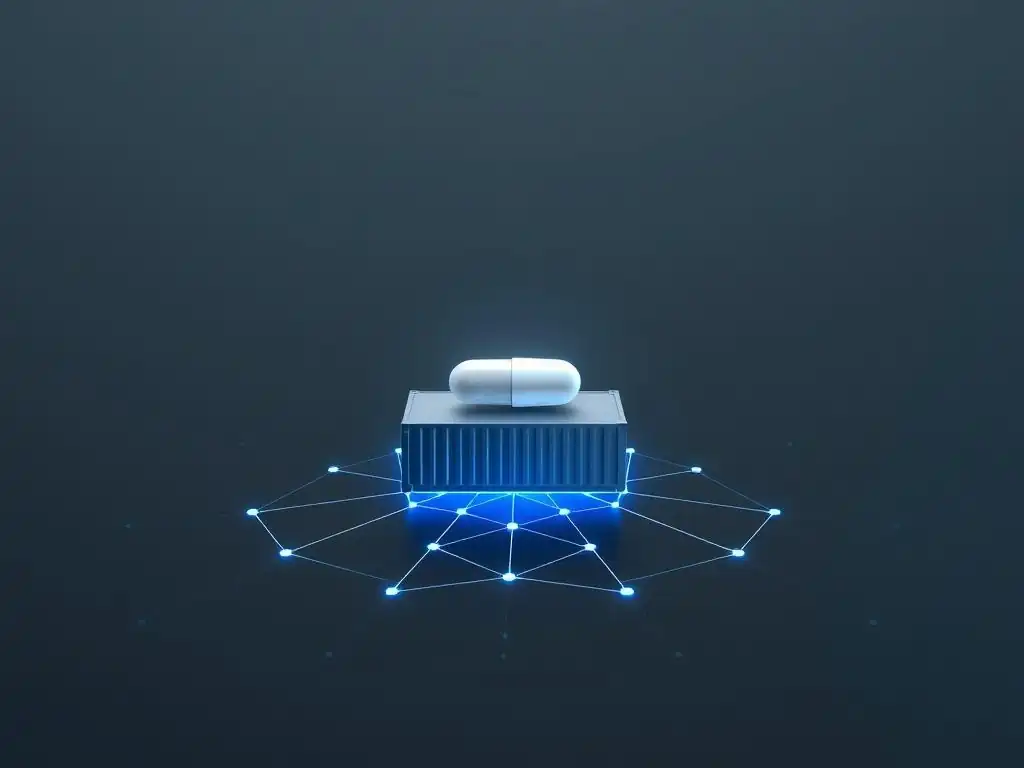
The convergence of AI and blockchain is moving beyond theoretical discussions and is being implemented in various practical applications within the pharmaceutical industry. These applications demonstrate the tangible benefits of improved traceability, efficiency, and security in managing complex pharmaceutical products. Companies are exploring pilot programs and gradually rolling out solutions focused on specific pain points in the supply chain.
Examples range from verifying the authenticity of prescription drugs at the point of dispense to optimizing the intricate cold chain logistics for vaccines and biologics. Regulatory bodies are also showing interest in how these technologies can simplify compliance and auditing processes. The practical applications highlight the potential of AI blockchain pharma supply chain solutions to create a safer, more efficient, and more transparent ecosystem for medicines.
Verifying Drug Authenticity and Tracking Provenance
One of the most impactful practical applications of AI and blockchain is in verifying the authenticity of drugs and tracking their provenance. Counterfeit drugs are a major global health threat. By assigning a unique digital identity (often linked to a serial number) to each product unit at the point of manufacturing and recording its journey on a blockchain, stakeholders can verify its legitimacy at any point in the supply chain.
Pharmacies, hospitals, and even patients (using mobile apps) could potentially scan a product's unique identifier and query the blockchain to see its complete history, including manufacturing details, shipment records, and ownership transfers. AI can enhance this by analyzing the query patterns for suspicious activity (e.g., the same serial number being queried in multiple distant locations simultaneously) or by analyzing packaging features via computer vision linked to the blockchain record. This capability directly combats counterfeiting by making it easy to distinguish legitimate products from fakes, securing the AI blockchain pharma supply chain.
Case Study: Blockchain-Based Verification System for Pharmaceuticals
While specific company names and detailed financial figures for active, large-scale deployments can be proprietary, several consortia and companies have launched pilot programs demonstrating blockchain's potential for pharmaceutical verification. For instance, the U.S. Drug Supply Chain Security Act (DSCSA) has spurred initiatives exploring blockchain for enhanced traceability. One notable example involves a consortium of pharmaceutical companies and technology providers piloting a blockchain network to track prescription drugs.
In this pilot, manufacturers serialize products and record key data (serial number, batch, expiry) on the blockchain. As products move through distributors and dispensers, each change of ownership or location is recorded as a transaction. This creates an immutable audit trail. While specific results are often shared within the consortium, the goal is to demonstrate that such a system can provide the necessary data for enhanced verification and tracing required by regulations, significantly improving trust and transparency in the AI blockchain pharma supply chain.
Inventory Optimization and Stockout Reduction
Inventory management in the pharmaceutical sector is a delicate balance between ensuring sufficient stock to meet patient needs and avoiding costly overstocking and spoilage. AI, powered by accurate and transparent data potentially recorded on a blockchain, can significantly optimize inventory levels and reduce stockouts. By analyzing historical sales data, current inventory levels (updated via blockchain transactions), real-time demand signals, and predictive factors, AI can forecast demand with high accuracy.
This precise forecasting allows manufacturers to plan production more effectively and distributors to manage their warehouses more efficiently. AI can recommend optimal order quantities and reorder points for each product at each location, considering lead times and storage constraints. This leads to reduced holding costs, less waste from expired stock, and, crucially, ensures that essential medicines are available when and where they are needed, improving the reliability of the AI blockchain pharma supply chain.
AI: Enabling Precise Demand Forecasting for Efficient Inventory
Precise demand forecasting is the cornerstone of efficient inventory management. AI models, leveraging machine learning techniques, can analyze complex datasets to predict future demand for specific pharmaceutical products. Instead of relying solely on past sales, these models can incorporate a wide range of variables such as:
- Historical sales data (potentially verified via blockchain records)
- Seasonal trends (e.g., flu season affecting vaccine demand)
- Geographic-specific health data or disease outbreak information
- Marketing and promotional activities
- Economic indicators
- Regulatory changes affecting prescription patterns
By analyzing these factors, AI can generate highly granular and accurate demand forecasts. This allows manufacturers to align production schedules closely with anticipated demand and enables distributors and pharmacies to maintain optimal inventory levels, minimizing both stockouts and excess stock. This predictive capability is a key benefit of integrating AI into the AI blockchain pharma supply chain, driving significant operational efficiencies.
Regulatory Compliance and Auditing Made Simple
Regulatory compliance is a complex and resource-intensive task for pharmaceutical companies. Regulations like the DSCSA in the US or the Falsified Medicines Directive (FMD) in Europe require detailed tracking and verification of pharmaceutical products throughout the supply chain. Traditionally, complying with these regulations involves extensive paperwork and manual processes, making audits time-consuming and prone to errors.
Blockchain technology fundamentally simplifies compliance and auditing. Since every transaction and movement is recorded on an immutable and transparent ledger, regulatory bodies and auditors can access a complete, verifiable history of any product or batch with ease (within the permissions of the network). This eliminates the need to piece together information from disparate systems and reduces the risk of providing inaccurate or incomplete data.
AI can further assist by automatically generating compliance reports based on the blockchain data and identifying any transactions or events that might require regulatory attention. This integrated approach streamlines reporting and strengthens trust in the compliance process within the AI blockchain pharma supply chain.
Blockchain: Streamlining and Securing Regulatory Reporting
Blockchain's ability to create a single, shared, and immutable source of truth for product tracking and transaction data is ideal for streamlining regulatory reporting in the pharmaceutical industry. Instead of compiling data from various siloed databases, companies can provide regulators with access to the relevant portions of the blockchain ledger. This allows regulators to directly verify the authenticity and journey of products, inspect transaction histories, and confirm compliance with serialization and traceability mandates.
The cryptographic security of blockchain ensures that the data presented for auditing is accurate and has not been tampered with. This builds confidence for regulatory bodies. Furthermore, smart contracts can be designed to automatically format and submit required data points to regulatory authorities when specific conditions are met (e.g., product reaching a certain point in the supply chain). This automation reduces the administrative burden on pharmaceutical companies and accelerates the reporting process, making regulatory compliance simpler, faster, and more secure within the AI blockchain pharma supply chain framework.
Addressing Challenges in Adoption
Despite the compelling benefits, the widespread adoption of AI and blockchain in the pharmaceutical supply chain faces several significant challenges. These are not insurmountable but require careful consideration, planning, and collaboration among stakeholders. Addressing these hurdles is crucial for realizing the full transformative potential of these technologies and building a truly integrated AI blockchain pharma supply chain.
Key challenges include ensuring data privacy and security, especially when dealing with sensitive patient or commercial data; establishing interoperability and standardization among different systems and participants; and addressing scalability and performance concerns as the volume of transactions and data grows across a global network. Overcoming these technical, operational, and organizational challenges is essential for successful implementation.
Data Privacy and Security Protocols
Implementing AI and blockchain in the pharmaceutical supply chain involves handling vast amounts of sensitive data, including potentially patient-level information (though often anonymized), commercial agreements, and proprietary logistics details. Ensuring data privacy and complying with stringent regulations like GDPR or HIPAA is paramount. While blockchain offers security through cryptography and immutability, the inherent transparency of some blockchain models can be a challenge for sensitive data.
Solutions involve using permissioned or private blockchains where participation and data access are restricted to authorized parties. Techniques like zero-knowledge proofs can allow verification of data authenticity without revealing the underlying sensitive information. Storing sensitive data off-chain while keeping only hashes on the blockchain for verification is another common strategy. Furthermore, robust AI models require access to data for training, necessitating careful data governance and security protocols to prevent leaks or misuse of sensitive information within the AI blockchain pharma supply chain ecosystem.
Interoperability and Standardization Requirements
The pharmaceutical supply chain is a complex network involving numerous disparate systems used by manufacturers, wholesalers, distributors, pharmacies, hospitals, and logistics providers. Achieving interoperability between these existing legacy systems and new AI and blockchain platforms is a major challenge. Different stakeholders may use different data formats, communication protocols, and software, making seamless data exchange difficult.
Standardization is key to overcoming this. Industry-wide standards for data formats (e.g., EPCIS for tracking data), communication protocols, and blockchain network specifications are needed to ensure that different systems can communicate and share data effectively. Initiatives involving industry consortia and regulatory bodies are working towards establishing such standards. Without standardization, the AI blockchain pharma supply chain risks becoming a patchwork of incompatible systems, hindering true end-to-end visibility and collaboration.
Scalability and Performance Considerations
For a global industry like pharmaceuticals, any technology solution must be able to handle a massive volume of transactions and data in real-time. Ensuring the scalability and performance of AI and blockchain systems is therefore a critical consideration. Public blockchains can sometimes face issues with transaction speed and throughput (transactions per second). While permissioned blockchains offer better performance, scaling to accommodate millions or billions of unique product identifiers and their associated transactions across a global network requires robust infrastructure.
Similarly, training and running complex AI models on vast datasets require significant computing power and infrastructure. The need for real-time analysis for applications like anomaly detection or dynamic route optimization adds further performance demands. Selecting appropriate blockchain platforms and AI infrastructure, designing efficient data storage and processing pipelines, and continuously optimizing the systems are necessary to ensure that the AI blockchain pharma supply chain solution can handle the scale and performance requirements of the industry.
Future Trends and Innovations
The convergence of AI and blockchain in the pharmaceutical supply chain is still in its relatively early stages, and the future holds exciting possibilities. As these technologies mature and adoption increases, we can expect to see further innovations that enhance the capabilities and reach of AI blockchain pharma supply chain solutions. Emerging trends point towards deeper integration with other technologies and the potential to support more personalized and complex healthcare models.
The ongoing evolution of blockchain technology itself, with developments in areas like sharding or layer-2 solutions, promises improved scalability and efficiency. Similarly, advancements in AI, such as explainable AI (XAI) and federated learning, could address concerns around transparency and data privacy. These future trends will continue to shape and improve the AI blockchain pharma supply chain landscape.
Emerging Trends in Pharmaceutical Supply Chain Technology
Several key trends are emerging that will further impact the AI blockchain pharma supply chain. One significant trend is the deeper integration with Internet of Things (IoT) devices. IoT sensors can collect granular, real-time data on product location, temperature, humidity, and even physical shocks during transit. Recording this data directly onto the blockchain via secure gateways provides an even richer, verifiable dataset for AI analysis.
Another area of exploration is the potential role of Decentralized Finance (DeFi) principles or blockchain-based financing mechanisms in the pharmaceutical supply chain. This could involve using smart contracts for automated, transparent payments between supply chain partners or exploring new models for financing drug development or distribution based on verifiable data and milestones recorded on the blockchain. While still nascent, these emerging trends highlight the potential for broader transformation powered by the AI blockchain pharma supply chain convergence.
Integration with IoT: Enhancing Tracking Capabilities
The integration of IoT devices with AI and blockchain is set to significantly enhance tracking capabilities in the pharmaceutical supply chain. Small, affordable sensors can be placed with individual shipments or even specific product containers to monitor critical conditions in real-time. These sensors can record data points such as:
- GPS location
- Temperature readings at frequent intervals
- Humidity levels
- Light exposure
- Shock or vibration events
This data can be securely transmitted and recorded on the blockchain, creating an immutable log of the environmental conditions experienced by the product throughout its journey. AI can then analyze this granular IoT data from the blockchain to assess product viability, identify points where cold chain failures occurred, predict potential spoilage risks, and optimize future shipping routes based on real-world condition data. This integration provides unparalleled visibility and control over product quality within the AI blockchain pharma supply chain.
Decentralized Finance (DeFi): Potential in Pharma Supply Chain Financing
While primarily associated with cryptocurrencies, elements of Decentralized Finance (DeFi) could find applications in pharmaceutical supply chain financing. DeFi aims to recreate traditional financial systems using blockchain technology, removing intermediaries and enabling peer-to-peer interactions via smart contracts. In a pharma supply chain context, this could involve:
- Automated Payments: Smart contracts could automatically release payments to suppliers or logistics providers upon verifiable delivery and condition checks recorded on the blockchain, reducing payment delays and disputes.
- Supply Chain Financing: Blockchain records could provide verifiable proof of shipments and invoices, potentially enabling new models for financing inventory or receivables directly on a decentralized platform, potentially offering lower costs or faster access to capital.
- Tokenization: High-value assets or even future revenue streams related to specific pharmaceutical products could potentially be tokenized on a blockchain, creating new investment or financing opportunities.
These applications are still largely experimental for the AI blockchain pharma supply chain but demonstrate the potential for blockchain to disrupt not just the physical movement of goods but also the financial flows that underpin the supply chain.
Personalized Medicine and Supply Chain Customization
The future of healthcare is increasingly moving towards personalized medicine, where treatments are tailored to individual patient characteristics. This shift presents new challenges for the supply chain, requiring greater flexibility, speed, and precision in delivering highly specific, potentially low-volume products. The AI blockchain pharma supply chain is well-positioned to support this trend.
AI can analyze individual patient data (with appropriate consent and anonymization) alongside supply chain data to predict demand for personalized therapies at specific locations. Blockchain can track the unique journey of each customized product, ensuring its integrity and verifying its authenticity all the way to the individual patient. This level of granular tracking and AI-driven customization is essential for scaling personalized medicine and ensuring that the right treatment reaches the right patient safely and efficiently, representing a significant future application for the AI blockchain pharma supply chain.
Conclusion: The Transformative Potential
The convergence of AI and blockchain technologies holds immense transformative potential for the pharmaceutical supply chain. By addressing critical challenges such as counterfeiting, lack of transparency, inefficiencies, and data integrity issues, these technologies are paving the way for a safer, more efficient, and more resilient ecosystem for delivering medicines worldwide. Blockchain provides the foundational layer of trust and transparency through its immutable and distributed ledger, creating a verifiable history for every product.
AI builds upon this foundation by providing the intelligence needed to analyze complex data, optimize operations, predict potential issues, and automate processes. From enhancing end-to-end visibility and combating counterfeit drugs to optimizing logistics and simplifying regulatory compliance, the synergistic benefits are clear. While challenges in adoption related to privacy, interoperability, and scalability must be addressed, the trajectory indicates a future where AI and blockchain are integral to modern pharmaceutical supply chain management.
Key Benefits of AI and Blockchain in Pharma Supply Chains
The integration of AI and blockchain delivers several key benefits that are reshaping the pharmaceutical supply chain:
- Enhanced Traceability and Transparency: Real-time, immutable tracking of products from origin to patient.
- Counterfeit Prevention: Powerful tools to verify authenticity and detect suspicious activity.
- Improved Efficiency: AI-driven optimization of logistics, inventory, and operations.
- Reduced Costs: Minimizing waste, spoilage, and operational overheads.
- Fortified Security: Secure data storage and AI-based anomaly detection.
- Streamlined Compliance: Simplified and secure regulatory reporting and auditing.
- Increased Trust: Building confidence among stakeholders through shared, verifiable data.
These benefits collectively lead to a more reliable and trustworthy AI blockchain pharma supply chain, ultimately contributing to better patient safety and public health outcomes.
Implementing AI and Blockchain: Building a Resilient Supply Chain
Implementing AI and blockchain solutions in the pharmaceutical supply chain requires a strategic and phased approach. It involves collaboration across the entire value chain, from manufacturers and distributors to pharmacies and regulators. Key steps often include:
- Defining clear use cases and objectives (e.g., serialization compliance, cold chain monitoring).
- Selecting appropriate technology platforms (permissioned blockchain, suitable AI/ML tools).
- Establishing data governance policies and ensuring compliance with privacy regulations.
- Developing industry standards for data exchange and interoperability.
- Running pilot programs to test and refine the solution in a controlled environment.
- Gradually scaling the implementation across the network.
- Providing training and change management support to stakeholders.
Building a resilient AI blockchain pharma supply chain is not just a technology implementation project; it's a transformation of processes, relationships, and trust across the ecosystem. By carefully planning and executing, the pharmaceutical industry can leverage these powerful technologies to create a future where medicines are delivered safely, efficiently, and reliably to everyone who needs them.
Frequently Asked Questions
How can AI enhance blockchain's role in pharma supply chain management?
AI can optimize blockchain data analysis, improve predictive modeling for demand forecasting, and automate quality control processes within the supply chain. This leads to greater efficiency and reduced risk.
What are the primary benefits of using a combined AI blockchain pharma supply chain?
The main advantages include enhanced supply chain transparency, improved drug traceability to combat counterfeiting, and increased operational efficiency through automation and data-driven insights.
How does blockchain address the issue of data integrity in the pharmaceutical supply chain?
Blockchain's immutable ledger ensures that all data related to a drug's journey is securely recorded and verifiable. This prevents tampering and enhances trust among stakeholders within the supply chain.
What role does AI play in predicting and preventing supply chain disruptions in the pharmaceutical industry?
AI algorithms can analyze vast datasets to identify potential risks like material shortages or logistical bottlenecks. This allows for proactive mitigation strategies and ensures a more resilient supply chain.
What are the regulatory considerations for implementing AI and blockchain solutions in the pharmaceutical supply chain?
Compliance with regulations like data privacy laws (GDPR) and pharmaceutical-specific guidelines is crucial. Ensuring transparency and auditability in AI and blockchain implementations is essential for regulatory approval.
Final Reflection: Reimagining Trust and Efficiency
The intricate dance between artificial intelligence and blockchain technology, as explored within the pharmaceutical supply chain, is not merely a theoretical exercise, but a tangible revolution reshaping how we ensure the integrity and accessibility of life-saving medications. The convergence of these powerful tools promises to dismantle traditional inefficiencies, combat counterfeiting, and ultimately, build a more resilient and trustworthy system for delivering healthcare solutions to those who need them most.
The impact of AI and blockchain on the pharma supply chain extends far beyond cost savings and streamlined logistics. It touches upon the very core of trust and transparency in an industry where patient well-being is paramount. Witnessing the potential of these technologies to safeguard the authenticity of drugs and optimize distribution networks fills me with a sense of hope for a future where access to safe and effective medication is a reality for all. The best way to predict the future is to create it.
- Peter Drucker. This quote resonates deeply as we stand on the cusp of a new era in pharmaceutical supply chain management, driven by innovation and a commitment to ethical practices.
As we conclude this exploration of AI and blockchain in the pharmaceutical supply chain, I invite you to consider your own role in this evolving landscape. How can you contribute to fostering a more transparent, secure, and efficient system? Let us embrace these transformative technologies not just as tools for optimization, but as instruments for building a healthier and more equitable future for all. Reflect on the possibilities, engage in the conversation, and become a champion for innovation that prioritizes patient well-being above all else.
Unlock Pharma's Future: Be the Change!
Thank you for exploring the exciting intersection of AI and blockchain in pharmaceutical supply chains. You've gained valuable insights into how these technologies can transform transparency and efficiency. Now, it's time to turn that knowledge into action and make a real-world difference.
- Support the adoption of AI-driven blockchain solutions within your organization or industry network. Promote pilot initiatives and showcase the benefits of enhanced security and traceability in the pharmaceutical supply chain.
- Share this article with colleagues and peers to spark discussions and raise awareness about the potential of AI and blockchain to reshape the future of healthcare.
- Explore emerging blockchain applications beyond supply chain management. Investigate uses in clinical research, patient data security, and personalized medicine to expand your understanding and discover new opportunities.
How will you harness the power of AI and blockchain to build a safer, more transparent, and efficient pharmaceutical supply chain? Share your thoughts and ideas in the comments below!
Leave a Reply