
Decentralizing Drug Distribution: Blockchain's Impact on Pharma Networks


Welcome to Blockchain Trends, your go-to source for understanding the revolutionary impact of blockchain technology! Beyond the hype of cryptocurrencies, we delve into the real-world applications transforming industries across the globe. In this article, we explore how blockchain is poised to revolutionize the pharmaceutical industry, specifically focusing on the blockchain drug supply chain. Can this technology finally solve the issues of counterfeit drugs and ensure patient safety? Let's unravel the complexities and discover the potential.
- Decentralizing Drug Distribution: Blockchain's Impact on Pharma Networks
- The Challenges of Traditional Pharmaceutical Supply Chains
- Blockchain Technology: A Solution for Pharma Supply Chain Issues
- Benefits of Blockchain in the Pharmaceutical Supply Chain
- Real-World Applications of Blockchain in Pharma
- Overcoming Challenges to Blockchain Adoption in Pharma
- The Future of Blockchain-Enabled Pharmaceutical Networks
- Blockchain Drug Supply Chain: Ensuring Patient Safety and Trust
- Conclusion: Blockchain as a Catalyst for Transformation in Pharma
-
Frequently Asked Questions
- How can blockchain improve the drug supply chain?
- What are the key benefits of using blockchain for pharmaceutical companies?
- What are some challenges to implementing blockchain in the drug supply chain?
- How does blockchain help combat counterfeit drugs?
- What is the role of regulation in the adoption of blockchain for the drug supply chain?
- Final Reflection: Embracing Transparency in Healthcare
- Unlock the Future: Become a Pharma Blockchain Pioneer!
Decentralizing Drug Distribution: Blockchain's Impact on Pharma Networks
Blockchain Trends: Exploring Pharma Supply Chain Transformation
The pharmaceutical industry operates one of the most complex and critical supply chains globally. Ensuring the authenticity, safety, and integrity of medications from manufacturer to patient is paramount. Traditionally, this multi-stakeholder network has been plagued by inefficiencies, lack of transparency, and vulnerabilities that expose it to threats like counterfeiting. This is where the transformative potential of blockchain technology, particularly in the context of the blockchain drug supply chain, becomes a crucial area of exploration. It offers a new paradigm for managing the flow of goods and information, promising enhanced security, traceability, and trust.
Exploring the integration of blockchain into pharmaceutical networks involves understanding how this decentralized ledger technology can address long-standing challenges. Unlike traditional centralized databases, a blockchain creates an immutable, shared record of transactions accessible to authorized participants. This inherent characteristic makes it particularly well-suited for tracking high-value, sensitive products like pharmaceuticals. The focus shifts from simply moving boxes to ensuring the verifiable provenance of each unit, thereby strengthening the entire blockchain drug supply chain ecosystem.
The Challenges of Traditional Pharmaceutical Supply Chains
Counterfeit Drugs: A Growing Threat to Public Health
Counterfeit drugs represent a significant and persistent global health threat, undermining patient trust and safety. Estimates vary, but the World Health Organization (WHO) has indicated that in some areas, over 10% of medical products are substandard or falsified. This issue is particularly acute in low- and middle-income countries but affects all regions, including developed nations, often infiltrating legitimate supply chains. The illegal trade in falsified medicines is also a lucrative criminal enterprise, valued in the tens of billions of dollars annually, with sophisticated networks making detection difficult within current systems.
These counterfeit products can contain incorrect ingredients, wrong dosages, or no active ingredients at all, leading to treatment failure, adverse reactions, and even death. The lack of robust, universally verifiable tracking mechanisms in traditional systems makes it challenging to quickly identify the origin of a suspect drug and remove it from circulation. This vulnerability highlights the urgent need for a more secure and transparent blockchain drug supply chain that can provide irrefutable proof of a drug's journey and authenticity.
Inefficient Tracking and Traceability in Pharma
Traditional pharmaceutical supply chains often rely on disparate, siloed systems for tracking and tracing products. Information is typically passed between parties using various formats, including paper records, spreadsheets, and incompatible electronic databases. This creates data gaps, delays, and opportunities for errors or malicious manipulation as products move through manufacturing, warehousing, distribution, and dispensing. Recalls, when necessary, can be slow and incomplete due to the difficulty in precisely locating affected batches across the network.
The Drug Supply Chain Security Act (DSCSA) in the United States, for instance, mandates enhanced traceability for certain prescription drugs, requiring interoperable electronic systems by 2023 (though deadlines have been extended). However, achieving true end-to-end traceability remains challenging with legacy systems. A unit-level serial number might exist, but verifying its journey across multiple intermediaries with fragmented data systems is cumbersome. Implementing a comprehensive blockchain drug supply chain offers a potential solution by providing a single, shared, and immutable ledger for tracking each product unit's movement and ownership changes.
Lack of Transparency and Accountability in Drug Distribution
Opacity is a significant challenge in traditional pharmaceutical distribution networks. Each participant in the supply chain—manufacturer, wholesaler, distributor, pharmacy—typically maintains its own records, but there is no easy way for all authorized parties to access a unified, transparent view of a product's status or history. This lack of shared visibility can obscure issues like unauthorized product diversion, temperature excursions during transport, or delays, making it difficult to assign accountability when problems arise.
Furthermore, verifying the legitimacy of trading partners and ensuring compliance with handling requirements (like cold chain storage for vaccines) can be complex. Disputes over product condition or authenticity are harder to resolve without a trusted, shared record. A blockchain drug supply chain inherently promotes transparency (to authorized users) by providing a shared, verifiable history of every transaction and handling event recorded on the ledger, thereby increasing accountability among all network participants.
Blockchain Technology: A Solution for Pharma Supply Chain Issues
What is Blockchain and How Does It Work for Pharma?
Blockchain is a type of distributed ledger technology (DLT) that records transactions across many computers so that the record cannot be altered retroactively without the alteration of all subsequent blocks and the consensus of the network. In essence, it's a shared, immutable ledger that facilitates the process of recording transactions and tracking assets in a business network.
For the pharmaceutical industry, this asset can be a drug product, a batch, or even data related to handling conditions like temperature. Each transaction (e.g., drug leaving manufacturer, arriving at distributor, being dispensed) is recorded as a 'block' and added chronologically to the chain, cryptographically linked to the previous block.
Applying blockchain to the blockchain drug supply chain involves creating a network where manufacturers, distributors, pharmacies, and potentially regulators can participate. Each time a drug unit or batch changes hands or undergoes a significant event (like repackaging or quality checks), a transaction is recorded on the blockchain. This record typically includes details such as the unique serial number of the drug, the parties involved, the date and time, and potentially location or temperature data linked via IoT devices. This creates an indelible digital trail for every product, providing a single source of truth accessible to authorized parties.
Immutability and Security: Enhancing Drug Supply Chain Integrity
One of the core strengths of blockchain technology is its immutability. Once a transaction is recorded on the blockchain and validated by the network's consensus mechanism, it is extremely difficult, if not impossible, to alter or delete.
Any attempt to tamper with a record would require changing the data on a majority of the computers participating in the network simultaneously, which is computationally infeasible for public or large private blockchains. This feature is critical for the blockchain drug supply chain as it ensures that the history of a drug product, including its origin, movements, and handling, cannot be fraudulently altered.
The security of blockchain is further enhanced by cryptography. Each block contains a cryptographic hash of the previous block, creating a secure link in the chain. Transactions are also digitally signed, verifying the identity of the participant initiating the action. This robust security framework makes the blockchain significantly more resistant to data breaches, manipulation, and fraud compared to traditional centralized databases that are often single points of failure. This enhanced integrity is vital for maintaining trust in the authenticity and safety of medications within the blockchain drug supply chain.
Decentralization: Empowering Pharma Network Participants
Blockchain operates on a decentralized or distributed model, meaning that the ledger is not stored in a single location or controlled by a single entity. Instead, copies of the ledger are maintained across multiple nodes (computers) in the network. This decentralization eliminates the need for a central authority to manage or verify transactions, distributing power and control among the network participants. In the context of the blockchain drug supply chain, this means that no single manufacturer, distributor, or regulator holds complete control over the transaction data, fostering a more equitable and collaborative network.
Decentralization also improves resilience. If one node or system goes offline, the network can continue to function because other nodes hold copies of the ledger. This contrasts with centralized systems, where a failure at the central point can halt operations for the entire network. By empowering multiple stakeholders with access to a shared, verifiable record, blockchain can facilitate better coordination, communication, and trust among participants in the complex pharmaceutical ecosystem, moving towards a truly collaborative blockchain drug supply chain.
Benefits of Blockchain in the Pharmaceutical Supply Chain
Enhanced Traceability and Verification of Drugs
Implementing a blockchain drug supply chain dramatically improves the ability to trace the journey of a medication from its point of manufacture to the patient. Each unit or package can be serialized and its movement recorded as a transaction on the blockchain. This creates a transparent, step-by-step history that authorized parties can access. For example, a pharmacist could scan a drug package's unique identifier and instantly verify its entire provenance, including manufacturer details, batch number, expiration date, and every change of ownership or location.
This enhanced traceability goes beyond simply knowing where a drug should be. It provides verifiable proof of where it has been. In the event of a suspected counterfeit or a recall, this granular, immutable data allows for rapid identification of affected products and their precise location within the supply chain, significantly reducing the time and effort required for investigations and product retrieval. This level of detail and accessibility is a major leap forward for the blockchain drug supply chain.
Improved Transparency and Data Sharing Across the Pharma Network
Blockchain fosters a new level of transparency within the pharmaceutical network, not by making all data public, but by providing authorized participants with secure access to a shared, tamper-evident ledger. Manufacturers, distributors, pharmacies, and even regulators can have visibility into the same, consistent data regarding a drug's history, reducing information silos and the potential for discrepancies. This shared truth facilitates better collaboration and decision-making across the entire blockchain drug supply chain.
While data access is controlled by permissions, the existence of the immutable record ensures that participants are accountable for the transactions they record. This shared visibility can help streamline processes like audits, compliance checks, and inventory management. For instance, distributors and pharmacies can have clearer visibility into incoming shipments and their verified origins, improving efficiency and trust throughout the blockchain drug supply chain.
Reduced Counterfeiting and Diversion of Medications
The immutability and enhanced traceability offered by blockchain are powerful deterrents against drug counterfeiting and diversion. By creating a secure, verifiable history for each drug unit, it becomes significantly harder for counterfeit products to infiltrate the legitimate supply chain undetected. A pharmacist or patient could potentially verify the authenticity of a drug by checking its unique serial number against the blockchain record, confirming it originated from a legitimate manufacturer and followed an authorized path.
Similarly, blockchain can help combat diversion, where legitimate drugs are illegally redirected from their intended market. Every change of ownership and location is recorded, making it easier to spot anomalies or unauthorized movements. If a batch of drugs intended for a specific hospital is suddenly recorded as being sold by an unauthorized entity, the discrepancy is visible on the shared ledger. This increased scrutiny and verifiable history makes the blockchain drug supply chain a hostile environment for illicit activities.
Increased Efficiency and Cost Savings in Drug Distribution
Beyond security and transparency, blockchain can drive significant operational efficiencies and cost savings in pharmaceutical distribution. Automating processes through smart contracts (self-executing contracts with the terms of the agreement directly written into code) can streamline transactions, payments, and compliance checks. For example, a smart contract could automatically trigger payment upon verification of a drug's delivery and authenticity on the blockchain.
Reduced manual data entry, fewer disputes over shipment details or authenticity, and faster recalls contribute to lower operational costs. Streamlined tracking and inventory management based on real-time, verifiable data can also reduce waste and optimize stock levels. While initial implementation requires investment, the long-term benefits in reduced fraud, improved efficiency, and enhanced trust make the blockchain drug supply chain a compelling proposition for cost optimization.
Real-World Applications of Blockchain in Pharma
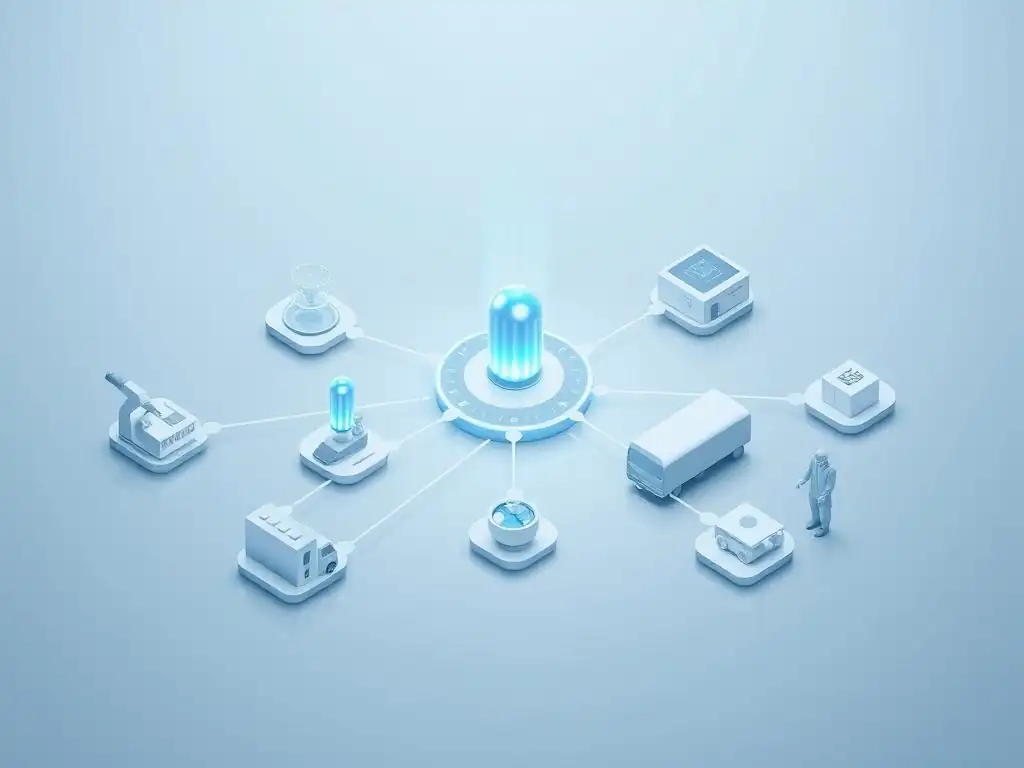
Case Study: Tracking Insulin from Manufacturer to Patient
While specific, publicly detailed case studies with granular data are often proprietary, the concept of using blockchain to track a sensitive product like insulin provides a concrete example of its application in the blockchain drug supply chain. Imagine a pilot program involving a major insulin manufacturer, several distributors, and a network of pharmacies. Each batch and potentially each individual pen or vial of insulin is assigned a unique serial number and serialized identifier (e.g., a 2D barcode).
When a batch leaves the manufacturing plant, a transaction is recorded on the blockchain noting its departure and destination distributor. Upon arrival at the distributor, another transaction confirms receipt. As the insulin moves through the distribution network—to wholesalers, then pharmacies—each handover is recorded as a transaction on the shared ledger, including details like timestamps, location, and potentially temperature data logged by IoT sensors.
At the pharmacy, the pharmacist can scan the product and verify its entire history on the blockchain before dispensing it to the patient. This creates an immutable audit trail, proving the insulin's legitimacy and proper handling within the blockchain drug supply chain.
Pilot Programs and Partnerships Utilizing Blockchain for Drug Supply Chain
Several consortia and partnerships have emerged to explore and implement blockchain solutions for the pharmaceutical supply chain. The MediLedger project, for instance, is a well-known example involving major pharmaceutical companies, wholesalers, and technology providers. Their focus has been on meeting DSCSA requirements for verifying product identifiers and enabling tracing. Participants in such pilots test the feasibility of using blockchain for serialization data exchange, verification requests, and tracing product movements across their complex networks.
Another example is the potential integration of blockchain with existing serialization systems to enhance data integrity and sharing. Companies are exploring how blockchain can serve as a secure layer for exchanging the verification information required by regulations, ensuring that the data accessed by trading partners is trustworthy and hasn't been tampered with. These pilot programs are crucial steps in validating the technical and operational feasibility of a widespread blockchain drug supply chain.
Examples of Blockchain-Based Platforms for Pharma
Various technology companies and startups are developing platforms specifically designed to leverage blockchain for pharmaceutical supply chain management. These platforms often provide modules for serialization management, track and trace, verification, and compliance reporting. Examples might include platforms built on enterprise blockchain frameworks like Hyperledger Fabric or Ethereum (private/consortium versions) that offer permissioned access for supply chain participants.
These platforms aim to integrate with existing enterprise resource planning (ERP) and warehouse management systems (WMS) used by pharmaceutical companies and distributors. They provide APIs and interfaces for recording transactions on the blockchain as drugs move through the supply chain. While specific platform names and their exact adoption rates can change rapidly, their existence demonstrates the active development and investment in building the technological infrastructure for a future blockchain drug supply chain.
Overcoming Challenges to Blockchain Adoption in Pharma
Regulatory Hurdles and Compliance Requirements
Implementing a blockchain drug supply chain must navigate a complex landscape of existing and evolving regulations, such as the DSCSA in the U.S. and similar mandates in other regions (e.g., FMD in Europe). While blockchain can help meet the goals of these regulations (like enhanced traceability), the technology itself may need to comply with specific data storage, privacy, and reporting requirements. Regulators are still developing frameworks for how DLT fits within established pharmaceutical guidelines.
Ensuring that the data recorded on the blockchain is considered the official record by regulatory bodies, and that the system facilitates compliant reporting and audits, is a significant challenge. Collaboration between blockchain solution providers, pharmaceutical companies, and regulatory agencies is essential to define standards and gain acceptance. Successful adoption of the blockchain drug supply chain hinges on its ability to seamlessly integrate with and support the stringent regulatory environment.
Interoperability and Data Standardization Issues
A major hurdle for any supply chain technology, including blockchain, is achieving interoperability among the diverse systems used by different stakeholders. Pharmaceutical companies, distributors, and pharmacies use a wide variety of legacy ERP, WMS, and serialization systems. A blockchain drug supply chain solution needs to be able to integrate with these disparate systems to receive and record transaction data accurately and efficiently.
Furthermore, standardizing the data format for recording transactions on the blockchain is critical. Agreement is needed on how to represent product identifiers, location data, timestamps, and event types (e.g., 'shipment', 'receipt', 'dispense') in a way that is consistent and understandable across the entire network. Industry-wide standards bodies and consortia play a vital role in defining these protocols to ensure that different blockchain platforms and participant systems can communicate effectively within the blockchain drug supply chain.
Scalability and Performance Considerations for Blockchain Drug Supply Chain
The pharmaceutical supply chain involves a massive volume of transactions daily, tracking potentially billions of individual product units annually. For a blockchain drug supply chain to be viable, the underlying blockchain network must be capable of handling this high throughput of transactions quickly and cost-effectively. Public blockchains like Bitcoin or Ethereum (pre-ETH 2.0) have faced scalability challenges, with limited transaction speeds and variable fees.
Enterprise blockchain platforms, often permissioned networks, are designed with higher transaction speeds and lower costs in mind, but performance remains a key consideration. The network needs to process transactions within acceptable timeframes to avoid disrupting the speed of physical goods movement. Ensuring the chosen blockchain architecture can scale to accommodate the entire industry's transaction volume while maintaining low latency and predictable costs is crucial for the widespread adoption of the blockchain drug supply chain.
The Future of Blockchain-Enabled Pharmaceutical Networks
The Role of Smart Contracts in Automating Drug Supply Chain Processes
Smart contracts are poised to play a transformative role in the future blockchain drug supply chain. These self-executing pieces of code, stored on the blockchain, can automatically trigger actions when predefined conditions are met. For example, a smart contract could automatically update inventory records and initiate payment to a supplier once a shipment's arrival is verified on the blockchain. Another application could be automating compliance checks, ensuring that a batch of drugs meets all regulatory requirements recorded on the ledger before allowing it to proceed to the next stage of distribution.
Smart contracts can also automate temperature monitoring compliance. If IoT sensors integrated with the blockchain record that a cold chain shipment exceeded the acceptable temperature range, a smart contract could automatically flag the shipment, alert relevant parties, and even initiate a return or disposal process based on pre-agreed rules. This automation reduces manual effort, minimizes errors, and accelerates processes within the blockchain drug supply chain, leading to greater efficiency and reliability.
Integration with IoT Devices for Real-Time Monitoring of Drug Conditions
Integrating Internet of Things (IoT) devices with the blockchain drug supply chain offers the potential for real-time, verifiable monitoring of critical conditions like temperature, humidity, and location during transit and storage. IoT sensors can be placed in shipping containers or on individual pallets to collect environmental data continuously. This data can then be securely transmitted and recorded on the blockchain as transactions linked to the specific drug shipment.
This integration provides an immutable record of the conditions a medication experienced throughout its journey. If a temperature-sensitive vaccine shipment is exposed to temperatures outside the required range, this event is recorded on the blockchain. This allows stakeholders to proactively identify potentially compromised products before they reach the patient, ensuring product quality and safety. The combination of IoT data and blockchain's tamper-proof ledger creates a powerful system for maintaining the integrity of the blockchain drug supply chain.
The Potential for Decentralized Clinical Trials and Patient Data Management
While the primary focus is on the blockchain drug supply chain, the technology's impact extends to other areas of the pharmaceutical lifecycle, including clinical trials and patient data management. Blockchain can provide a secure, transparent, and auditable platform for managing clinical trial data, ensuring data integrity and facilitating secure sharing among authorized researchers while maintaining patient privacy through encryption and access controls.
For patient data, blockchain could potentially empower individuals with greater control over their health records, allowing them to grant permission for researchers or healthcare providers to access specific data points recorded on a blockchain. While still in early stages of exploration due to significant privacy and regulatory considerations (like HIPAA and GDPR), the potential for blockchain to create a more secure, transparent, and patient-centric approach to health data management complements its role in securing the blockchain drug supply chain.
Blockchain Drug Supply Chain: Ensuring Patient Safety and Trust
How Blockchain Builds Confidence in the Authenticity of Medications
At its core, the implementation of a blockchain drug supply chain is about building trust. By providing an immutable, verifiable record of a drug's journey from manufacturer to patient, blockchain offers a level of assurance about its authenticity that is difficult to achieve with traditional systems. Consumers and healthcare providers can have greater confidence that the medication they receive is legitimate, has not been tampered with, and has been handled correctly throughout its distribution.
The ability to quickly and easily verify a drug's provenance through a secure, shared ledger reduces the risk of accidentally dispensing or consuming counterfeit or substandard products. This enhanced transparency and security directly address the anxieties caused by the global counterfeit drug problem, fostering greater confidence in the pharmaceutical products themselves and the supply chain that delivers them.
Empowering Patients with Access to Drug Provenance Information
A key benefit of the blockchain drug supply chain is the potential to empower patients with access to information about the medications they receive. While specific implementations may vary based on privacy considerations, blockchain enables mechanisms for patients to verify the authenticity and history of their prescriptions. This could involve scanning a QR code on the packaging that links to a public or permissioned blockchain explorer showing the drug's journey without revealing sensitive business data.
This level of transparency gives patients peace of mind, allowing them to confirm that their medication came from a legitimate source and followed the proper distribution channels. Empowering patients with this information fosters a sense of control and significantly strengthens the bond of trust between patients, pharmacists, and the broader pharmaceutical industry, creating a more patient-centric blockchain drug supply chain.
Strengthening the Integrity of the Pharmaceutical Supply Chain for a Healthier Future
Ultimately, the adoption of blockchain technology is poised to fundamentally strengthen the integrity of the pharmaceutical supply chain. By providing enhanced security, transparency, and traceability, it creates a more resilient and trustworthy system for delivering essential medications. This fortified blockchain drug supply chain is better equipped to combat counterfeiting, prevent diversion, ensure proper handling, and facilitate rapid responses to issues like recalls.
A more robust and reliable supply chain directly contributes to better public health outcomes by ensuring that patients receive safe, effective, and authentic medications when and where they need them. The journey towards a fully blockchain-enabled pharmaceutical network is ongoing, requiring continued collaboration, standardization, and regulatory alignment, but the potential to create a safer and more efficient system for a healthier future is clear.
Conclusion: Blockchain as a Catalyst for Transformation in Pharma
Frequently Asked Questions
How can blockchain improve the drug supply chain?
Blockchain provides a transparent and immutable ledger, allowing for real-time tracking of drugs and preventing counterfeiting. This enhanced visibility ensures product authenticity and safety.
What are the key benefits of using blockchain for pharmaceutical companies?
Benefits include reduced counterfeiting, improved supply chain efficiency, and enhanced consumer trust due to verifiable product origins. This also leads to better regulatory compliance.
What are some challenges to implementing blockchain in the drug supply chain?
Challenges include scalability issues, data privacy concerns, and the need for industry-wide collaboration to establish standardized protocols and interoperability.
How does blockchain help combat counterfeit drugs?
Blockchain creates a tamper-proof record of each drug's journey, from manufacturer to consumer. This verifiable trail makes it easier to identify and eliminate counterfeit products.
What is the role of regulation in the adoption of blockchain for the drug supply chain?
Clear regulations are crucial to establish legal frameworks, ensure data security, and promote trust in blockchain-based systems within the pharmaceutical industry, fostering widespread adoption.
Final Reflection: Embracing Transparency in Healthcare
The journey through the potential of blockchain in revolutionizing the pharmaceutical supply chain has revealed a profound truth: transparency is no longer a luxury, but a necessity in healthcare. The current landscape, riddled with vulnerabilities and inefficiencies, demands a radical shift towards secure, verifiable, and decentralized systems. Blockchain offers precisely that, promising to combat counterfeiting, enhance traceability, and ultimately, safeguard patient well-being.
This exploration has underscored the enduring impact of trust, or rather, the lack thereof, within the pharmaceutical industry. The ability to verify the authenticity and provenance of medication is not just a technological advancement; it's a fundamental ethical imperative. The best way to predict the future is to create it,
as Peter Drucker so eloquently stated. Blockchain empowers us to create a future where patients can confidently access safe and effective medications, knowing their journey from manufacturer to pharmacy is meticulously tracked and secured.
Now, as we conclude this exploration, I invite you to consider your own role in shaping this future. How can you advocate for greater transparency in the pharmaceutical supply chain? How can you support the adoption of blockchain technology to protect vulnerable populations from counterfeit drugs? The power to effect change lies within each of us. Let us embrace the potential of blockchain and work towards a healthier, more secure world for all.
Unlock the Future: Become a Pharma Blockchain Pioneer!
Thank you for exploring how blockchain is revolutionizing pharmaceutical supply chains. Now that you've understood the potential for improved transparency and security, it's time to get involved in shaping the future of drug distribution.
Here are some ways you can contribute to this exciting transformation:
- Advocate for blockchain adoption within your professional network. Research companies that are already implementing blockchain in their supply chains and consider reaching out to learn from their experiences.
- Explore specialized blockchain platforms designed specifically for the pharmaceutical industry. Review the documentation of projects like Mediledger or FarmaTrust to understand their architecture and capabilities.
- Share this article with colleagues and start a conversation! What are the main challenges you anticipate in implementing blockchain for pharmaceutical distribution, and how might we address them together?
Leave a Reply