
Demystifying Blockchain in Telemedicine: A Beginner's Guide


Welcome to Blockchain Trends, your guide to understanding the revolutionary potential of blockchain technology.
Imagine a world where your health records are secure, accessible, and completely under your control. Our latest article delves into just that, exploring the blockchain telemedicine security benefits that are poised to reshape the healthcare landscape. Curious how this technology can safeguard sensitive patient data and streamline remote care? Keep reading to discover the game-changing impact of blockchain in telemedicine and unlock a new era of healthcare possibilities.
Demystifying Blockchain in Telemedicine: A Beginner's Guide
- Introduction to Blockchain in Healthcare and Telemedicine
- What is Blockchain and How Does it Work?
- Blockchain Telemedicine Security Benefits: Addressing Key Challenges
- Use Cases of Blockchain in Telemedicine
- The Advantages of Blockchain for Telemedicine Applications
- Addressing the Challenges of Blockchain Implementation in Telemedicine
- Blockchain Telemedicine Security Benefits: A Detailed Look
- Use Cases of Blockchain in Telemedicine
- The Advantages of Blockchain for Telemedicine Applications
- Addressing the Challenges of Blockchain Implementation in Telemedicine
- Blockchain Telemedicine Security Benefits: A Detailed Look
- Future Trends in Blockchain and Telemedicine
- Conclusion: The Transformative Power of Blockchain in Telemedicine
-
Frequently Asked Questions
- How does blockchain enhance security in telemedicine?
- What are the key benefits of using blockchain for telemedicine security?
- Can blockchain help with regulation and compliance in telemedicine?
- Beyond security, what other advantages does blockchain offer to telemedicine?
- What are the potential challenges to widespread adoption of blockchain in telemedicine security?
- Final Reflection: Embracing Secure Innovation in Telemedicine
- Unlock the Future: Embrace Telemedicine with Blockchain!
Introduction to Blockchain in Healthcare and Telemedicine
The Growing Need for Secure Data Management in Telemedicine
The rapid expansion of telemedicine services, accelerated by global events, has brought healthcare directly into patients' homes. While offering unparalleled convenience and access, this shift also magnifies existing challenges around data security, privacy, and integrity. Sensitive patient information, including medical history, diagnostic reports, and consultation records, is transmitted and stored digitally across various platforms and devices.
Protecting this data from unauthorized access, breaches, and tampering is paramount, not only to comply with regulations like HIPAA in the United States or GDPR in Europe but also to maintain patient trust and ensure the accuracy of medical information. The increasing sophistication of cyber threats targeting healthcare organizations further underscores the critical need for robust security frameworks capable of protecting vast amounts of distributed health data.
According to reports, healthcare data breaches continue to rise, impacting millions of individuals annually. For instance, in 2023, the U.S. Department of Health and Human Services (HHS) reported breaches affecting over 130 million individuals, a significant increase from previous years. These incidents often result from hacking or IT incidents, highlighting vulnerabilities in traditional centralized database systems.
Such breaches not only compromise patient privacy but can also disrupt healthcare operations, lead to significant financial penalties, and erode public confidence in digital health services. Therefore, exploring innovative solutions to strengthen the security and privacy of telemedicine data is no longer optional but a fundamental requirement for the sustainable growth and adoption of virtual care services.
Exploring the Potential of Blockchain Technology for Healthcare Solutions
Blockchain technology, initially known for its role in cryptocurrencies like Bitcoin, offers a decentralized and immutable ledger system that holds significant promise for addressing some of the most pressing challenges in healthcare, particularly within the telemedicine domain. Its core principles of transparency, security through cryptography, and distributed consensus mechanisms provide a fundamentally different approach to data management compared to conventional systems. By creating tamper-proof records of transactions and data exchanges, blockchain can enhance the integrity and trustworthiness of health information shared across disparate systems and stakeholders. This potential extends beyond financial applications to create secure, patient-centric data platforms.
The application of blockchain in healthcare is being explored across various use cases, from managing electronic health records (EHRs) and supply chains to clinical trials and insurance claims processing. Specifically for telemedicine, blockchain's ability to secure data transmission and storage, verify identities, and create auditable trails of access makes it a compelling technology.
Pilot programs and research initiatives are demonstrating how a distributed ledger can facilitate secure sharing of patient data between providers, empower patients with control over their health information, and establish a foundation for reliable remote patient monitoring. The inherent security features of blockchain technology offer a pathway to significantly improve the blockchain telemedicine security benefits currently available.
What is Blockchain and How Does it Work?
Understanding the Core Concepts of Blockchain Technology
At its heart, a blockchain is a distributed, immutable ledger that records transactions or data entries across a network of computers (nodes). Instead of storing information in a single, central database, copies of the ledger are maintained and synchronized across all participating nodes. When a new transaction or piece of data is added, it is grouped together with other recent data into a "block."
This block is then cryptographically linked to the previous block in the chain, forming a chronological sequence – the "blockchain." Each block contains a unique code called a hash, which is generated based on the data within the block and the hash of the previous block. This linking mechanism ensures that any attempt to alter data in an old block would change its hash, breaking the chain and immediately alerting the network to the tampering.
The process of adding a new block to the chain typically involves a consensus mechanism, where participating nodes must agree on the validity of the new transactions before the block is added to the shared ledger. Common consensus mechanisms include Proof-of-Work (PoW), used by Bitcoin, and Proof-of-Stake (PoS), used by Ethereum 2.0 and many other blockchains.
This distributed consensus ensures that no single entity has control over the ledger and that all participants have an agreed-upon, identical copy of the transaction history. This architecture makes the blockchain highly resistant to censorship, fraud, and single points of failure, providing a robust foundation for applications requiring high levels of trust and security, such as managing sensitive patient data in telemedicine.
Key Features of Blockchain: Decentralization, Transparency, and Immutability
Blockchain technology is defined by several key features that distinguish it from traditional data management systems. Decentralization is perhaps the most fundamental; instead of relying on a central authority or server, the blockchain network is distributed across multiple nodes. This eliminates the single point of failure inherent in centralized systems and makes the network more resilient to attacks and outages. Data is not stored in one place but is replicated and synchronized across the network, making it extremely difficult for any single party to control or manipulate the entire system.
Transparency is another critical feature, especially in public or permissioned blockchains where participants have varying degrees of access. While the identity of participants can be pseudonymous (represented by a digital address), the transactions themselves are typically visible to all participants on the network.
This allows for auditing and verification of data entries by anyone with access to the ledger, fostering trust among participants. Finally, immutability is achieved through the cryptographic linking of blocks.
Once a block is added to the chain, it is virtually impossible to alter the data within it without invalidating the subsequent blocks and requiring the consensus of the majority of the network – a computationally prohibitive task for large, established blockchains. These combined features – decentralization, transparency, and immutability – provide a powerful foundation for building secure, trustworthy, and resilient applications, particularly vital for sensitive areas like healthcare and telemedicine data management, contributing significantly to blockchain telemedicine security benefits.
How Blockchain Differs from Traditional Databases
Traditional databases, whether relational (like SQL databases) or NoSQL, store data in a structured format and are typically managed by a central authority or server. Access control and data integrity are enforced through permissions set by the administrator. While efficient for many applications, this centralized model presents vulnerabilities.
A single point of failure exists if the central server is compromised or goes offline. Data can be altered or deleted by administrators or attackers with sufficient privileges, and auditing changes can sometimes be challenging or reliant on separate logging systems. Data is often siloed within specific organizations, making secure and efficient sharing between different entities difficult due to compatibility issues, trust barriers, and security concerns.
In contrast, a blockchain stores data in a distributed, append-only ledger format. Data is added in blocks, linked cryptographically, and verified by a consensus mechanism across multiple nodes. There is no single administrator with unilateral power to alter past records; changes require network consensus, and historical data is designed to be immutable.
While queries might differ from traditional databases, the strength lies in the inherent security and trust embedded in the data structure and network protocol. Sharing data across organizations becomes more feasible as participants can potentially access a shared, verifiable ledger (depending on the blockchain type – public, private, or consortium) without needing to trust a single intermediary. This fundamental difference in architecture provides the unique blockchain telemedicine security benefits related to data integrity and decentralized control.
--------------------
Blockchain Telemedicine Security Benefits: Addressing Key Challenges
Enhancing Data Security and Privacy in Telemedicine
One of the primary blockchain telemedicine security benefits is its ability to significantly enhance data security and privacy. In traditional telemedicine systems, patient data is often stored in centralized servers, making them attractive targets for cyberattacks. Blockchain's decentralized nature means that data is not held in a single location, distributing the risk across the network.
While sensitive patient data itself might not be stored directly on the public blockchain for privacy reasons, a hash of the data or a pointer to where the encrypted data is stored can be recorded on the ledger. This creates an immutable and transparent audit trail of data access and modifications without exposing the raw data.
Furthermore, blockchain can facilitate granular access control using smart contracts. Patients could potentially use a private key to grant specific healthcare providers or researchers permission to access their encrypted medical records for a defined period. Every access request and permission change would be recorded on the blockchain, creating a verifiable log that the patient can review.
This approach shifts control over data back to the patient, moving towards a patient-centric data management model while leveraging the inherent security features of the ledger to protect the data pointer and access logs. This cryptographic security and distributed control are central to the robust blockchain telemedicine security benefits.
Combating Data Breaches and Cyberattacks in Healthcare
The healthcare industry faces constant threats from data breaches, ransomware, and other cyberattacks, costing billions annually. The decentralized and immutable nature of blockchain technology offers a powerful defense against many of these threats, contributing substantially to blockchain telemedicine security benefits.
Because the blockchain ledger is distributed across numerous nodes, compromising a single node does not compromise the entire network or the integrity of the data recorded on the chain. An attacker would need to gain control of a majority of the network's nodes (a "51% attack") to potentially alter the ledger, which is computationally and financially prohibitive for large, established blockchains.
Moreover, the cryptographic hashing and linking of blocks ensure that any attempt to tamper with historical data would be immediately detectable. If an attacker were to modify data in a block, the hash of that block would change, invalidating the link to the next block and breaking the chain.
This makes blockchain records highly resistant to unauthorized alteration or deletion, a critical feature for maintaining the integrity of patient records and audit trails. While blockchain doesn't eliminate the need for strong cybersecurity practices at the endpoints (e.g., securing devices, networks, and wallets), it provides a secure, tamper-evident layer for recording critical events and data access logs, significantly reducing the risk and impact of data breaches targeting the ledger itself.
For example, a blockchain-based system tracking telemedicine consultations would provide an immutable log of every session, provider, and patient involved, making it impossible for an attacker to falsify records of patient interactions.
Improving Interoperability and Data Sharing Among Healthcare Providers
A major hurdle in delivering coordinated healthcare, especially in telemedicine which often involves multiple specialists and institutions, is the lack of seamless interoperability between different Electronic Health Record (EHR) systems. These systems often use proprietary formats and lack standardized protocols for secure data exchange, leading to fragmented patient information and hindering effective care. Blockchain can act as a secure, shared layer that facilitates interoperability without requiring organizations to abandon their existing EHR systems. By using the blockchain as an index or a secure channel for exchanging data pointers, healthcare providers can securely share relevant patient information.
Imagine a scenario where a patient grants permission via a smart contract on a blockchain to share specific medical records (e.g., recent lab results from one hospital) with a remote specialist using a different EHR system. The blockchain records this permission and potentially a secure, encrypted pointer to the data. The specialist's system can then use the blockchain to verify the permission and securely retrieve the encrypted data directly from the source or a secure intermediary storage, decrypting it with a key provided via the blockchain mechanism.
This approach bypasses the need for complex, bilateral data-sharing agreements and technical integrations between every pair of systems. It creates a standardized, secure, and auditable method for data exchange, significantly improving care coordination in telemedicine settings and contributing to the overall blockchain telemedicine security benefits by ensuring data is shared securely and with patient consent recorded immutably.
Use Cases of Blockchain in Telemedicine
Secure Electronic Health Records (EHR) Management with Blockchain
Managing Electronic Health Records (EHRs) securely and efficiently is a foundational challenge in healthcare, and telemedicine relies heavily on accessing accurate and up-to-date patient data. Blockchain offers a compelling model for enhancing the security and interoperability of EHR systems. Instead of storing entire patient records directly on a public blockchain (which raises privacy concerns due to immutability), a common approach is to store encrypted patient data off-chain, perhaps on secure cloud storage or within existing institutional databases. The blockchain then serves as a decentralized index or a ledger of pointers and access permissions related to these records.
When a patient visits a new telemedicine provider, they can use a private key to grant access to specific parts of their encrypted EHR data, with the access permission recorded as a transaction on the blockchain. This transaction is immutable and timestamped, creating a permanent audit trail of who accessed what data and when. This model empowers patients with control over their health information, allowing them to decide which providers can view their records.
It also enhances security by distributing the access control mechanism and ensuring that any attempt to access records without permission or tamper with access logs would be evident on the immutable ledger. Several companies are piloting blockchain-based EHR solutions, aiming to improve data security, patient control, and seamless data sharing between different healthcare entities, thereby enhancing blockchain telemedicine security benefits.
Streamlining Prescription Management and Preventing Fraud
Prescription fraud and the circulation of counterfeit medications pose significant risks to patient safety. Blockchain technology can introduce transparency and security into the pharmaceutical supply chain and prescription management process. By creating a distributed ledger that tracks medications from manufacturers through distributors, pharmacies, and eventually to the patient, blockchain can provide an immutable record of a drug's journey. Each step, from manufacturing batch details to shipping and dispensing, can be recorded as a transaction on the blockchain, verifiable by all authorized parties in the chain.
In the context of telemedicine, where prescriptions might be issued electronically, blockchain can secure the e-prescription process. A telemedicine physician could issue a digital prescription that is recorded on a blockchain. This record could contain a unique identifier linked to the patient and the prescription details.
Pharmacies could then verify the authenticity of the prescription against the blockchain ledger before dispensing the medication. This system makes it significantly harder to forge prescriptions or divert medications, as any discrepancy in the blockchain record would flag the prescription as potentially fraudulent. Furthermore, tracking medication batches on the blockchain can help quickly identify and recall counterfeit or faulty drugs, enhancing patient safety and contributing to the overall blockchain telemedicine security benefits by ensuring the integrity of the prescription and medication supply chain.
Remote Patient Monitoring and Data Integrity using Blockchain
Remote Patient Monitoring (RPM) is a growing component of telemedicine, allowing healthcare providers to collect vital signs and other health data from patients outside traditional clinical settings using connected devices. Ensuring the integrity and authenticity of this data is crucial for accurate diagnosis and treatment. Blockchain can play a vital role in securing the data collected from RPM devices. Data points from wearables or home monitoring equipment can be timestamped, hashed, and recorded on a blockchain ledger as they are transmitted.
By recording a hash of the data on the immutable ledger, healthcare providers can verify that the collected data has not been tampered with since it was recorded. For example, if a patient's blood pressure reading is recorded by a device, hashed, and the hash is added to the blockchain, any subsequent alteration of that reading would result in a different hash, which would not match the one on the ledger. This provides a high degree of assurance regarding the data's integrity, which is essential for making informed clinical decisions based on RPM data.
Furthermore, blockchain can manage the identities of the devices and ensure that data is only accepted from authorized sources, adding another layer of security. This application significantly enhances the blockchain telemedicine security benefits by ensuring the reliability and trustworthiness of passively collected patient health data.
Securing Teleconsultations and Virtual Healthcare Interactions
Teleconsultations involve the exchange of sensitive medical information, video feeds, and audio between patients and healthcare providers over digital channels. Ensuring the privacy and security of these interactions is paramount. While the video/audio streams themselves are typically encrypted using standard protocols (like TLS), blockchain can secure the metadata and records associated with these consultations. For instance, a record of a teleconsultation session – including the participants' verified identities, the timestamp, and the duration – can be recorded on a blockchain ledger.
This immutable record provides a verifiable log of the interaction, which can be crucial for billing, auditing, and legal purposes. Blockchain can also be used to manage and verify the digital identities of both patients and healthcare providers participating in the teleconsultation, reducing the risk of impersonation.
Smart contracts could potentially be used to manage consent for recording sessions or accessing specific patient data during the call, with the consent action recorded on the blockchain. By securing the foundational records and identity verification processes around teleconsultations, blockchain contributes to building a more trustworthy and secure environment for virtual healthcare interactions, further solidifying the blockchain telemedicine security benefits.
The Advantages of Blockchain for Telemedicine Applications
Improved Data Security and Patient Privacy
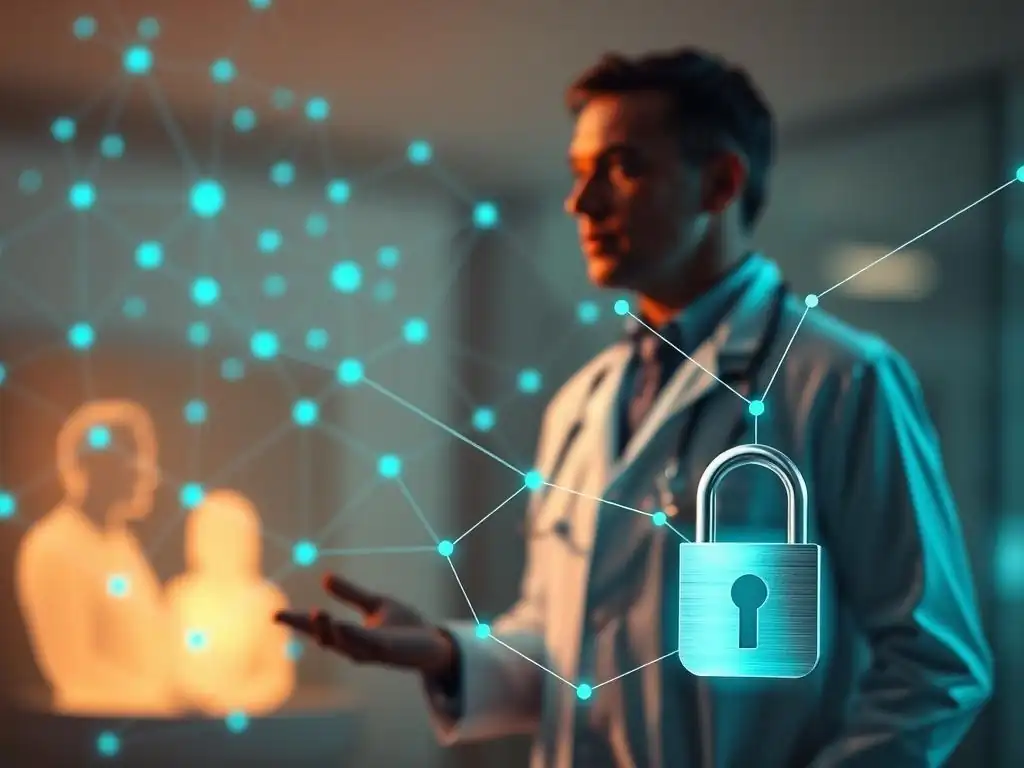
One of the most significant advantages of integrating blockchain into telemedicine is the substantial improvement in data security and patient privacy. Unlike traditional centralized systems that present a single point of failure and are vulnerable to mass data breaches, blockchain's distributed architecture inherently reduces this risk. By storing data pointers or hashes on an immutable, decentralized ledger, the system makes it exceedingly difficult for malicious actors to access or alter sensitive patient information without detection. The cryptographic principles underlying blockchain ensure that data, even if stored off-chain, is linked via secure hashes that immediately reveal any tampering attempts.
Furthermore, blockchain empowers patients by providing mechanisms for granular control over who can access their medical records. Using private keys, patients can grant and revoke access permissions to specific healthcare providers or researchers, with every access event immutably recorded on the ledger. This level of transparency and control over personal health information is often lacking in current systems. The combination of decentralized storage architecture, cryptographic security, and patient-controlled access makes blockchain a powerful tool for protecting sensitive health data, directly contributing to significant blockchain telemedicine security benefits.
Increased Transparency and Accountability
Blockchain technology inherently promotes transparency and accountability within a network, which is highly beneficial for complex systems like telemedicine involving multiple parties. Every transaction or data entry recorded on a blockchain is timestamped and made visible to all authorized participants (depending on the type of blockchain, e.g., public vs. private/consortium). This creates a transparent and immutable audit trail of all activities, such as data access, prescription issuance, or consultation records.
This transparency makes it easier to track the flow of information and identify the source of any discrepancies or unauthorized actions. For instance, in a blockchain-based system for managing patient referrals, every step of the referral process, from initiation by the primary care physician to acceptance by the specialist and scheduling of the telemedicine appointment, could be recorded on the ledger. This provides a clear, verifiable history that all involved parties can access, reducing disputes and increasing accountability.
The immutable nature of the ledger ensures that these records cannot be retroactively altered, providing a trustworthy source of truth for audits and regulatory compliance. This inherent transparency and accountability are key components of the overall blockchain telemedicine security benefits.
Enhanced Efficiency and Reduced Costs
While blockchain implementation requires initial investment and careful planning, it has the potential to enhance efficiency and reduce long-term costs in telemedicine ecosystems. By streamlining processes that currently involve multiple intermediaries, manual verification steps, and paper-based documentation, blockchain can automate workflows through smart contracts. For example, verifying patient identities, processing insurance claims, or managing prescription refills can be made more efficient and less prone to errors when executed via secure, automated smart contracts on a blockchain.
Reducing the reliance on intermediaries for data verification and trust can also lower administrative costs. Furthermore, improved data interoperability facilitated by blockchain can reduce the significant time and resources currently spent on manually transferring patient records between different systems or institutions.
A study by Accenture in 2018 estimated that blockchain technology could save the US healthcare industry billions annually through improved data management, supply chain efficiency, and reduced fraud. While specific figures for telemedicine are still emerging, the principles of automation, reduced intermediary reliance, and enhanced data flow efficiency suggest significant potential for cost savings and improved operational efficiency in virtual care.
Facilitating Secure and Reliable Data Sharing
Secure and reliable data sharing is fundamental to effective telemedicine, enabling healthcare providers to access comprehensive patient histories and coordinate care seamlessly. Blockchain technology excels at creating a secure and trustworthy environment for data exchange between disparate parties who may not fully trust each other. By acting as a shared, immutable ledger that records data transactions or pointers, blockchain eliminates the need for a central data repository or complex point-to-point integrations between every pair of systems.
Patients can grant permission for specific data sharing via the blockchain, ensuring that sharing is consent-driven and auditable. The cryptographic security ensures that even if data is stored off-chain, the links and access logs on the blockchain are secure and tamper-proof. This facilitates a more fluid and secure flow of patient information between primary care physicians, specialists, hospitals, laboratories, and pharmacies involved in a patient's telemedicine care journey. This capability to facilitate secure, consent-based, and reliable data sharing is a cornerstone of the blockchain telemedicine security benefits, enabling better-coordinated and safer patient care.
--------------------
Addressing the Challenges of Blockchain Implementation in Telemedicine
Scalability Issues and Potential Solutions
One of the significant challenges facing blockchain adoption in telemedicine, particularly for applications requiring high transaction volumes like processing millions of patient data updates or micro-transactions from IoT devices, is scalability. Many early blockchain platforms, especially public ones using Proof-of-Work consensus, have limited transaction throughput compared to traditional centralized databases.
For example, Bitcoin processes around 7 transactions per second, and Ethereum (before Eth 2.0) processed around 15-30, far less than the thousands or tens of thousands required for large-scale healthcare systems. Storing large amounts of data directly on the chain can also lead to blockchain bloat, making it difficult to store and synchronize the ledger across nodes.
However, several solutions are being developed and implemented to address these scalability concerns. Layer 2 scaling solutions, such as state channels (e.g., Lightning Network concepts applied to other blockchains) and Plasma, process transactions off-chain and only record the final state or aggregated transactions on the main blockchain. Sharding, another approach, divides the blockchain into smaller, more manageable partitions (shards) that can process transactions in parallel.
Furthermore, using permissioned or consortium blockchains, where the number of participating nodes is controlled and known, can significantly increase transaction speed compared to public blockchains. For telemedicine, storing sensitive data off-chain and using the blockchain primarily for indexing, access control, and audit trails also helps mitigate the data storage scalability issue. Ongoing research and development in blockchain technology are continuously improving its capacity to handle the demands of large-scale enterprise applications like healthcare.
Regulatory Compliance and Legal Considerations
Implementing blockchain in telemedicine must navigate a complex landscape of regulatory compliance and legal considerations, particularly concerning patient data privacy regulations like HIPAA in the United States, GDPR in the European Union, and similar laws globally. These regulations impose strict requirements on how patient health information (PHI) is collected, stored, processed, and shared, including requirements for data access control, audit trails, breach notification, and the right to data deletion or modification.
While blockchain's immutability is a security strength, it can conflict with the "right to be forgotten" or the ability to amend inaccurate health records required by some regulations (e.g., GDPR, and amendments under HIPAA). Storing PHI directly on an immutable public blockchain is generally not feasible or compliant.
Solutions involve storing encrypted PHI off-chain in compliant storage systems and using the blockchain only for storing metadata, encrypted hashes, or pointers to the data, along with immutable logs of access and consent. Smart contracts need to be carefully designed to enforce regulatory policies, such as granting access only to authorized parties and maintaining audit trails.
Legal frameworks around data ownership, liability in case of smart contract errors, and the legal standing of blockchain records are still evolving, requiring careful legal review and consultation during implementation. Navigating these regulatory waters is critical to realizing the blockchain telemedicine security benefits within a legal framework.
Interoperability with Existing Healthcare Systems
Integrating new blockchain solutions with the vast and often antiquated IT infrastructure of existing healthcare systems presents a significant technical challenge. Hospitals and clinics often rely on legacy Electronic Health Record (EHR) systems, practice management software, and other digital tools that were not designed to interact with decentralized ledger technologies. These systems may use proprietary data formats, different communication protocols, and lack APIs necessary for seamless integration with a blockchain layer.
Bridging this gap requires developing middleware or integration layers that can translate data between existing systems and the blockchain. This might involve creating APIs, using data standards (like FHIR - Fast Healthcare Interoperability Resources), and developing secure gateways to connect the centralized world of legacy systems with the decentralized blockchain network. The goal is typically not to replace existing EHRs entirely but to augment them with a blockchain layer that provides enhanced security, interoperability, and patient control capabilities.
Successful integration requires significant development effort, testing, and collaboration between blockchain developers and healthcare IT professionals to ensure that the new system enhances, rather than disrupts, clinical workflows. Achieving this integration is key to unlocking the full blockchain telemedicine security benefits for widespread use.
The Importance of User Education and Adoption
Even the most technically sophisticated blockchain solution will fail if healthcare providers, patients, and administrators do not understand how to use it or trust its benefits. Blockchain technology, with concepts like private keys, distributed ledgers, and cryptography, can seem complex and abstract to users accustomed to traditional applications. Lack of understanding can lead to resistance to adoption, user errors (like losing private keys), and a failure to fully leverage the system's capabilities.
Effective user education and training programs are essential for successful blockchain implementation in telemedicine. This includes explaining the benefits in clear, non-technical terms, demonstrating how the system works from the user's perspective (e.g., how a patient grants access to their records), and providing ongoing support. Building trust requires demonstrating the system's reliability, security, and how it improves existing workflows.
For patients, understanding how blockchain enhances their privacy and control over their data is a powerful motivator for adoption. For providers, seeing how it can streamline data sharing and improve security without adding significant complexity to their daily tasks is crucial. Prioritizing user experience and education is vital for overcoming adoption hurdles and ensuring that the blockchain telemedicine security benefits are realized in practice.
- - -
Blockchain Telemedicine Security Benefits: A Detailed Look
Ensuring Data Integrity and Authenticity in Telehealth Platforms
A core aspect of blockchain telemedicine security benefits lies in its unparalleled ability to ensure data integrity and authenticity. In telemedicine, accurate and trustworthy patient data is critical for diagnosis, treatment, and monitoring. Traditional systems are vulnerable to data tampering, where records could potentially be altered or deleted without detection, either maliciously or accidentally.
Blockchain's immutable ledger structure directly addresses this risk. When health data (or a cryptographic hash of that data) is recorded on the blockchain, it is linked to the previous block using a cryptographic hash. Any subsequent attempt to alter the data in that block would change its hash, breaking the chain and making the tampering immediately obvious to anyone inspecting the ledger.
This means that once a telemedicine consultation record, a remote patient monitoring data point, or a lab result pointer is added to the blockchain, its integrity is cryptographically protected. Healthcare providers and patients can be confident that the information they are viewing is the original, unaltered record as it was initially entered.
For example, if a blood glucose reading from a remote monitoring device is recorded, blockchain ensures that this reading cannot be retrospectively changed. This level of data integrity is fundamental for building trust in digital health records and is a cornerstone of the blockchain telemedicine security benefits, providing a reliable foundation for clinical decision-making in virtual care settings.
Protecting Patient Identity and Sensitive Medical Information
Protecting patient identity and sensitive medical information is paramount in healthcare, especially with the increased use of telemedicine. Blockchain telemedicine security benefits include robust mechanisms for enhancing privacy and identity protection. While sensitive patient data (like names, addresses, and detailed medical histories) is typically stored off-chain in encrypted databases to comply with privacy regulations and manage data size, blockchain can be used to manage pseudonymized identifiers and control access permissions.
Instead of using direct patient identifiers on the blockchain, a unique, pseudonymized ID can be associated with a patient's records. Access to the actual encrypted data, linked to this pseudonymized ID, can be controlled via smart contracts on the blockchain. Only parties granted explicit permission by the patient (using their private key) would be able to decrypt and view the sensitive information stored off-chain.
Every request for access and every permission granted or revoked is recorded on the immutable blockchain ledger, creating a transparent and auditable trail without revealing the patient's real identity to the general network. This combination of off-chain encrypted storage, on-chain pseudonymized identifiers, and blockchain-managed access control significantly enhances patient privacy and security, representing a key component of the blockchain telemedicine security benefits.
Strengthening Cybersecurity Measures Against Ransomware and Malware
The healthcare sector is a frequent target for ransomware and malware attacks, which can cripple operations, lock access to patient records, and cost millions. Blockchain technology can contribute to strengthening cybersecurity measures and mitigating the impact of such attacks, adding to the blockchain telemedicine security benefits. While blockchain doesn't prevent malware from infecting individual devices or traditional databases, its decentralized and immutable nature provides resilience and a secure backup/audit mechanism.
If a healthcare provider's local system is hit by ransomware, encrypting their patient records, the immutable log of data entries, access permissions, and potentially even hashes of the encrypted data stored on a blockchain would remain unaffected. This provides a secure, verifiable record of transactions and data states prior to the attack. In some models, critical metadata or encrypted data pointers could be recovered from the blockchain, aiding in system restoration and verifying the integrity of recovered data.
Furthermore, using blockchain for managing digital identities and secure authentication for accessing telemedicine platforms can help prevent unauthorized access that could lead to malware infiltration. By providing a tamper-proof ledger and enhancing authentication processes, blockchain offers a layer of defense and resilience against some of the most common and damaging cyber threats in healthcare.
Use Cases of Blockchain in Telemedicine
Secure Electronic Health Records (EHR) Management with Blockchain
Managing Electronic Health Records (EHRs) securely and efficiently is a foundational challenge in healthcare, and telemedicine relies heavily on accessing accurate and up-to-date patient data. Blockchain offers a compelling model for enhancing the security and interoperability of EHR systems. Instead of storing entire patient records directly on a public blockchain (which raises privacy concerns due to immutability), a common approach is to store encrypted patient data off-chain, perhaps on secure cloud storage or within existing institutional databases. The blockchain then serves as a decentralized index or a ledger of pointers and access permissions related to these records.
When a patient visits a new telemedicine provider, they can use a private key to grant access to specific parts of their encrypted EHR data, with the access permission recorded as a transaction on the blockchain. This transaction is immutable and timestamped, creating a permanent audit trail of who accessed what data and when. This model empowers patients with control over their health information, allowing them to decide which providers can view their records.
It also enhances security by distributing the access control mechanism and ensuring that any attempt to access records without permission or tamper with access logs would be evident on the immutable ledger. Several companies are piloting blockchain-based EHR solutions, aiming to improve data security, patient control, and seamless data sharing between different healthcare entities, thereby enhancing blockchain telemedicine security benefits.
Streamlining Prescription Management and Preventing Fraud
Prescription fraud and the circulation of counterfeit medications pose significant risks to patient safety. Blockchain technology can introduce transparency and security into the pharmaceutical supply chain and prescription management process. By creating a distributed ledger that tracks medications from manufacturers through distributors, pharmacies, and eventually to the patient, blockchain can provide an immutable record of a drug's journey. Each step, from manufacturing batch details to shipping and dispensing, can be recorded as a transaction on the blockchain, verifiable by all authorized parties in the chain.
In the context of telemedicine, where prescriptions might be issued electronically, blockchain can secure the e-prescription process. A telemedicine physician could issue a digital prescription that is recorded on a blockchain. This record could contain a unique identifier linked to the patient and the prescription details.
Pharmacies could then verify the authenticity of the prescription against the blockchain ledger before dispensing the medication. This system makes it significantly harder to forge prescriptions or divert medications, as any discrepancy in the blockchain record would flag the prescription as potentially fraudulent. Furthermore, tracking medication batches on the blockchain can help quickly identify and recall counterfeit or faulty drugs, enhancing patient safety and contributing to the overall blockchain telemedicine security benefits by ensuring the integrity of the prescription and medication supply chain.
Remote Patient Monitoring and Data Integrity using Blockchain
Remote Patient Monitoring (RPM) is a growing component of telemedicine, allowing healthcare providers to collect vital signs and other health data from patients outside traditional clinical settings using connected devices. Ensuring the integrity and authenticity of this data is crucial for accurate diagnosis and treatment. Blockchain can play a vital role in securing the data collected from RPM devices. Data points from wearables or home monitoring equipment can be timestamped, hashed, and recorded on a blockchain ledger as they are transmitted.
By recording a hash of the data on the immutable ledger, healthcare providers can verify that the collected data has not been tampered with since it was recorded. For example, if a patient's blood pressure reading is recorded by a device, hashed, and the hash is added to the blockchain, any subsequent alteration of that reading would result in a different hash, which would not match the one on the ledger. This provides a high degree of assurance regarding the data's integrity, which is essential for making informed clinical decisions based on RPM data.
Furthermore, blockchain can manage the identities of the devices and ensure that data is only accepted from authorized sources, adding another layer of security. This application significantly enhances the blockchain telemedicine security benefits by ensuring the reliability and trustworthiness of passively collected patient health data.
Securing Teleconsultations and Virtual Healthcare Interactions
Teleconsultations involve the exchange of sensitive medical information, video feeds, and audio between patients and healthcare providers over digital channels. Ensuring the privacy and security of these interactions is paramount. While the video/audio streams themselves are typically encrypted using standard protocols (like TLS), blockchain can secure the metadata and records associated with these consultations. For instance, a record of a teleconsultation session – including the participants' verified identities, the timestamp, and the duration – can be recorded on a blockchain ledger.
This immutable record provides a verifiable log of the interaction, which can be crucial for billing, auditing, and legal purposes. Blockchain can also be used to manage and verify the digital identities of both patients and healthcare providers participating in the teleconsultation, reducing the risk of impersonation.
Smart contracts could potentially be used to manage consent for recording sessions or accessing specific patient data during the call, with the consent action recorded on the blockchain. By securing the foundational records and identity verification processes around teleconsultations, blockchain contributes to building a more trustworthy and secure environment for virtual healthcare interactions, further solidifying the blockchain telemedicine security benefits.
The Advantages of Blockchain for Telemedicine Applications
Improved Data Security and Patient Privacy
One of the most significant advantages of integrating blockchain into telemedicine is the substantial improvement in data security and patient privacy. Unlike traditional centralized systems that present a single point of failure and are vulnerable to mass data breaches, blockchain's distributed architecture inherently reduces this risk. By storing data pointers or hashes on an immutable, decentralized ledger, the system makes it exceedingly difficult for malicious actors to access or alter sensitive patient information without detection. The cryptographic principles underlying blockchain ensure that data, even if stored off-chain, is linked via secure hashes that immediately reveal any tampering attempts.
Furthermore, blockchain empowers patients by providing mechanisms for granular control over who can access their medical records. Using private keys, patients can grant and revoke access permissions to specific healthcare providers or researchers, with every access event immutably recorded on the ledger. This level of transparency and control over personal health information is often lacking in current systems. The combination of decentralized storage architecture, cryptographic security, and patient-controlled access makes blockchain a powerful tool for protecting sensitive health data, directly contributing to significant blockchain telemedicine security benefits.
Increased Transparency and Accountability
Blockchain technology inherently promotes transparency and accountability within a network, which is highly beneficial for complex systems like telemedicine involving multiple parties. Every transaction or data entry recorded on a blockchain is timestamped and made visible to all authorized participants (depending on the type of blockchain, e.g., public vs. private/consortium). This creates a transparent and immutable audit trail of all activities, such as data access, prescription issuance, or consultation records.
This transparency makes it easier to track the flow of information and identify the source of any discrepancies or unauthorized actions. For instance, in a blockchain-based system for managing patient referrals, every step of the referral process, from initiation by the primary care physician to acceptance by the specialist and scheduling of the telemedicine appointment, could be recorded on the ledger. This provides a clear, verifiable history that all involved parties can access, reducing disputes and increasing accountability.
The immutable nature of the ledger ensures that these records cannot be retroactively altered, providing a trustworthy source of truth for audits and regulatory compliance. This inherent transparency and accountability are key components of the overall blockchain telemedicine security benefits.
Enhanced Efficiency and Reduced Costs
While blockchain implementation requires initial investment and careful planning, it has the potential to enhance efficiency and reduce long-term costs in telemedicine ecosystems. By streamlining processes that currently involve multiple intermediaries, manual verification steps, and paper-based documentation, blockchain can automate workflows through smart contracts. For example, verifying patient identities, processing insurance claims, or managing prescription refills can be made more efficient and less prone to errors when executed via secure, automated smart contracts on a blockchain.
Reducing the reliance on intermediaries for data verification and trust can also lower administrative costs. Furthermore, improved data interoperability facilitated by blockchain can reduce the significant time and resources currently spent on manually transferring patient records between different systems or institutions.
A study by Accenture in 2018 estimated that blockchain technology could save the US healthcare industry billions annually through improved data management, supply chain efficiency, and reduced fraud. While specific figures for telemedicine are still emerging, the principles of automation, reduced intermediary reliance, and enhanced data flow efficiency suggest significant potential for cost savings and improved operational efficiency in virtual care.
Facilitating Secure and Reliable Data Sharing
Secure and reliable data sharing is fundamental to effective telemedicine, enabling healthcare providers to access comprehensive patient histories and coordinate care seamlessly. Blockchain technology excels at creating a secure and trustworthy environment for data exchange between disparate parties who may not fully trust each other. By acting as a shared, immutable ledger that records data transactions or pointers, blockchain eliminates the need for a central data repository or complex point-to-point integrations between every pair of systems.
Patients can grant permission for specific data sharing via the blockchain, ensuring that sharing is consent-driven and auditable. The cryptographic security ensures that even if data is stored off-chain, the links and access logs on the blockchain are secure and tamper-proof. This facilitates a more fluid and secure flow of patient information between primary care physicians, specialists, hospitals, laboratories, and pharmacies involved in a patient's telemedicine care journey. This capability to facilitate secure, consent-based, and reliable data sharing is a cornerstone of the blockchain telemedicine security benefits, enabling better-coordinated and safer patient care.
--------------------
Addressing the Challenges of Blockchain Implementation in Telemedicine
Scalability Issues and Potential Solutions
One of the significant challenges facing blockchain adoption in telemedicine, particularly for applications requiring high transaction volumes like processing millions of patient data updates or micro-transactions from IoT devices, is scalability. Many early blockchain platforms, especially public ones using Proof-of-Work consensus, have limited transaction throughput compared to traditional centralized databases.
For example, Bitcoin processes around 7 transactions per second, and Ethereum (before Eth 2.0) processed around 15-30, far less than the thousands or tens of thousands required for large-scale healthcare systems. Storing large amounts of data directly on the chain can also lead to blockchain bloat, making it difficult to store and synchronize the ledger across nodes.
However, several solutions are being developed and implemented to address these scalability concerns. Layer 2 scaling solutions, such as state channels (e.g., Lightning Network concepts applied to other blockchains) and Plasma, process transactions off-chain and only record the final state or aggregated transactions on the main blockchain. Sharding, another approach, divides the blockchain into smaller, more manageable partitions (shards) that can process transactions in parallel.
Furthermore, using permissioned or consortium blockchains, where the number of participating nodes is controlled and known, can significantly increase transaction speed compared to public blockchains. For telemedicine, storing sensitive data off-chain and using the blockchain primarily for indexing, access control, and audit trails also helps mitigate the data storage scalability issue. Ongoing research and development in blockchain technology are continuously improving its capacity to handle the demands of large-scale enterprise applications like healthcare.
Regulatory Compliance and Legal Considerations
Implementing blockchain in telemedicine must navigate a complex landscape of regulatory compliance and legal considerations, particularly concerning patient data privacy regulations like HIPAA in the United States, GDPR in the European Union, and similar laws globally. These regulations impose strict requirements on how patient health information (PHI) is collected, stored, processed, and shared, including requirements for data access control, audit trails, breach notification, and the right to data deletion or modification.
While blockchain's immutability is a security strength, it can conflict with the "right to be forgotten" or the ability to amend inaccurate health records required by some regulations (e.g., GDPR, and amendments under HIPAA). Storing PHI directly on an immutable public blockchain is generally not feasible or compliant.
Solutions involve storing encrypted PHI off-chain in compliant storage systems and using the blockchain only for storing metadata, encrypted hashes, or pointers to the data, along with immutable logs of access and consent. Smart contracts need to be carefully designed to enforce regulatory policies, such as granting access only to authorized parties and maintaining audit trails.
Legal frameworks around data ownership, liability in case of smart contract errors, and the legal standing of blockchain records are still evolving, requiring careful legal review and consultation during implementation. Navigating these regulatory waters is critical to realizing the blockchain telemedicine security benefits within a legal framework.
Interoperability with Existing Healthcare Systems
Integrating new blockchain solutions with the vast and often antiquated IT infrastructure of existing healthcare systems presents a significant technical challenge. Hospitals and clinics often rely on legacy Electronic Health Record (EHR) systems, practice management software, and other digital tools that were not designed to interact with decentralized ledger technologies. These systems may use proprietary data formats, different communication protocols, and lack APIs necessary for seamless integration with a blockchain layer.
Bridging this gap requires developing middleware or integration layers that can translate data between existing systems and the blockchain. This might involve creating APIs, using data standards (like FHIR - Fast Healthcare Interoperability Resources), and developing secure gateways to connect the centralized world of legacy systems with the decentralized blockchain network. The goal is typically not to replace existing EHRs entirely but to augment them with a blockchain layer that provides enhanced security, interoperability, and patient control capabilities.
Successful integration requires significant development effort, testing, and collaboration between blockchain developers and healthcare IT professionals to ensure that the new system enhances, rather than disrupts, clinical workflows. Achieving this integration is key to unlocking the full blockchain telemedicine security benefits for widespread use.
The Importance of User Education and Adoption
Even the most technically sophisticated blockchain solution will fail if healthcare providers, patients, and administrators do not understand how to use it or trust its benefits. Blockchain technology, with concepts like private keys, distributed ledgers, and cryptography, can seem complex and abstract to users accustomed to traditional applications. Lack of understanding can lead to resistance to adoption, user errors (like losing private keys), and a failure to fully leverage the system's capabilities.
Effective user education and training programs are essential for successful blockchain implementation in telemedicine. This includes explaining the benefits in clear, non-technical terms, demonstrating how the system works from the user's perspective (e.g., how a patient grants access to their records), and providing ongoing support. Building trust requires demonstrating the system's reliability, security, and how it improves existing workflows.
For patients, understanding how blockchain enhances their privacy and control over their data is a powerful motivator for adoption. For providers, seeing how it can streamline data sharing and improve security without adding significant complexity to their daily tasks is crucial. Prioritizing user experience and education is vital for overcoming adoption hurdles and ensuring that the blockchain telemedicine security benefits are realized in practice.
- - -
Blockchain Telemedicine Security Benefits: A Detailed Look
Ensuring Data Integrity and Authenticity in Telehealth Platforms
A core aspect of blockchain telemedicine security benefits lies in its unparalleled ability to ensure data integrity and authenticity. In telemedicine, accurate and trustworthy patient data is critical for diagnosis, treatment, and monitoring. Traditional systems are vulnerable to data tampering, where records could potentially be altered or deleted without detection, either maliciously or accidentally.
Blockchain's immutable ledger structure directly addresses this risk. When health data (or a cryptographic hash of that data) is recorded on the blockchain, it is linked to the previous block using a cryptographic hash. Any subsequent attempt to alter the data in that block would change its hash, breaking the chain and making the tampering immediately obvious to anyone inspecting the ledger.
This means that once a telemedicine consultation record, a remote patient monitoring data point, or a lab result pointer is added to the blockchain, its integrity is cryptographically protected. Healthcare providers and patients can be confident that the information they are viewing is the original, unaltered record as it was initially entered.
For example, if a blood glucose reading from a remote monitoring device is recorded, blockchain ensures that this reading cannot be retrospectively changed. This level of data integrity is fundamental for building trust in digital health records and is a cornerstone of the blockchain telemedicine security benefits, providing a reliable foundation for clinical decision-making in virtual care settings.
Protecting Patient Identity and Sensitive Medical Information
Protecting patient identity and sensitive medical information is paramount in healthcare, especially with the increased use of telemedicine. Blockchain telemedicine security benefits include robust mechanisms for enhancing privacy and identity protection. While sensitive patient data (like names, addresses, and detailed medical histories) is typically stored off-chain in encrypted databases to comply with privacy regulations and manage data size, blockchain can be used to manage pseudonymized identifiers and control access permissions.
Instead of using direct patient identifiers on the blockchain, a unique, pseudonymized ID can be associated with a patient's records. Access to the actual encrypted data, linked to this pseudonymized ID, can be controlled via smart contracts on the blockchain. Only parties granted explicit permission by the patient (using their private key) would be able to decrypt and view the sensitive information stored off-chain.
Every request for access and every permission granted or revoked is recorded on the immutable blockchain ledger, creating a transparent and auditable trail without revealing the patient's real identity to the general network. This combination of off-chain encrypted storage, on-chain pseudonymized identifiers, and blockchain-managed access control significantly enhances patient privacy and security, representing a key component of the blockchain telemedicine security benefits.
Strengthening Cybersecurity Measures Against Ransomware and Malware
The healthcare sector is a frequent target for ransomware and malware attacks, which can cripple operations, lock access to patient records, and cost millions. Blockchain technology can contribute to strengthening cybersecurity measures and mitigating the impact of such attacks, adding to the blockchain telemedicine security benefits. While blockchain doesn't prevent malware from infecting individual devices or traditional databases, its decentralized and immutable nature provides resilience and a secure backup/audit mechanism.
If a healthcare provider's local system is hit by ransomware, encrypting their patient records, the immutable log of data entries, access permissions, and potentially even hashes of the encrypted data stored on a blockchain would remain unaffected. This provides a secure, verifiable record of transactions and data states prior to the attack. In some models, critical metadata or encrypted data pointers could be recovered from the blockchain, aiding in system restoration and verifying the integrity of recovered data.
Furthermore, using blockchain for managing digital identities and secure authentication for accessing telemedicine platforms can help prevent unauthorized access that could lead to malware infiltration. By providing a tamper-proof ledger and enhancing authentication processes, blockchain offers a layer of defense and resilience against some of the most common and damaging cyber threats in healthcare.
Future Trends in Blockchain and Telemedicine
The Role of Blockchain in the Metaverse and Virtual Healthcare
The concept of the Metaverse envisions persistent, interconnected virtual worlds, and healthcare is projected to be a significant application area, including virtual clinics, remote diagnostics using avatars, and immersive therapy sessions. Blockchain technology is poised to play a crucial role in securing and managing interactions and assets within this virtual healthcare landscape. Within the Metaverse, blockchain can provide the infrastructure for secure digital identities for both patients and healthcare professionals, ensuring that virtual consultations and procedures are conducted between verified participants.
Furthermore, blockchain can be used to manage ownership and provenance of digital assets used in virtual healthcare, such as unique 3D models of organs for surgical planning or digital twins of patients for personalized treatment simulations. Smart contracts can automate processes like payments for virtual consultations or the secure exchange of medical data between virtual environments and real-world EHRs.
The immutable ledger can record every interaction, transaction, and data exchange within the virtual clinic, providing a transparent and auditable history that enhances trust and security. This application of blockchain extends the concept of blockchain telemedicine security benefits into immersive digital environments, ensuring privacy and integrity in next-generation virtual healthcare.
Integration of Blockchain with AI and IoT for Enhanced Telemedicine Services
The convergence of blockchain with Artificial Intelligence (AI) and the Internet of Things (IoT) holds immense potential for transforming telemedicine services. IoT devices, such as wearable health monitors and smart home sensors, collect vast amounts of patient data in real-time. AI algorithms can analyze this data to detect patterns, predict health issues, and provide personalized insights. However, ensuring the security, integrity, and privacy of the data flowing between IoT devices, AI platforms, and healthcare providers is a significant challenge.
Blockchain can provide a secure and trusted layer for managing IoT device identities, authenticating data streams, and creating an immutable log of all data collected and processed. For instance, data from a patient's smart blood pressure cuff could be timestamped and hashed onto a blockchain before being fed into an AI diagnostic tool. This ensures the AI is trained and making decisions based on verified, untampered data.
Smart contracts can automate data sharing with AI platforms based on predefined conditions and patient consent, with the transaction recorded on the blockchain. This integration enhances the reliability of AI-driven telemedicine services and strengthens the blockchain telemedicine security benefits by securing the entire data pipeline from device to analysis and storage.
The Evolution of Decentralized Healthcare Applications
Building upon the principles of decentralization, the future of blockchain in telemedicine points towards the development of truly decentralized healthcare applications (dApps). These dApps would operate on blockchain networks, removing the need for central servers and potentially central administrative bodies for certain functions. Imagine a decentralized platform where patients own and control their health data, stored securely and encrypted off-chain. They interact with healthcare providers directly through the dApp, granting access to specific records via smart contracts.
In this model, telemedicine providers could offer services through the dApp, with consultations scheduled and payments handled automatically via smart contracts. Reputations of providers could be built on the immutable ledger through verified patient reviews. Research organizations could request access to anonymized or pseudonymized aggregate data sets on the blockchain, with patient consent managed transparently.
This evolution towards decentralized healthcare applications promises greater patient empowerment, increased security through distributed trust, and potentially reduced administrative overhead compared to current centralized systems. While significant technical, regulatory, and adoption challenges remain, the trend towards decentralized models, underpinned by the security and transparency of blockchain, represents a compelling future for telemedicine and healthcare overall.
Conclusion: The Transformative Power of Blockchain in Telemedicine
Summarizing the Key Benefits of Blockchain in Telemedicine
Blockchain technology offers a powerful suite of capabilities poised to transform telemedicine by addressing its most critical challenges, particularly concerning data security, privacy, and interoperability. As a decentralized, immutable ledger, blockchain provides a fundamentally more secure way to manage sensitive patient information compared to traditional centralized databases, significantly bolstering blockchain telemedicine security benefits. Its cryptographic foundation ensures data integrity and authenticity, making records tamper-proof and verifiable. The distributed nature enhances resilience against cyberattacks like ransomware and reduces single points of failure.
Beyond security, blockchain facilitates secure and consent-based data sharing between disparate healthcare systems, improving care coordination. It empowers patients by giving them greater control over access to their health records. Furthermore, blockchain can streamline administrative processes like prescription management and billing through smart contracts, potentially enhancing efficiency and reducing costs.
From securing remote patient monitoring data to providing verifiable logs of teleconsultations, the applications of blockchain are varied and directly contribute to building a more trustworthy, efficient, and patient-centric telemedicine ecosystem. The inherent features of blockchain provide a robust framework for enhancing the privacy and security of virtual care interactions.
Looking Ahead: The Future of Secure and Efficient Healthcare through Blockchain Technology
The journey of integrating blockchain into telemedicine is still in its relatively early stages, with ongoing pilot programs, research, and development efforts. However, the fundamental blockchain telemedicine security benefits and operational advantages offered by this technology suggest a promising future for secure and efficient healthcare delivery. As blockchain technology matures, becoming more scalable and easier to integrate with existing systems, its adoption in telemedicine is likely to accelerate.
Future developments will likely see tighter integration of blockchain with other cutting-edge technologies like AI, IoT, and potentially the Metaverse, creating sophisticated, secure, and personalized telemedicine experiences. Overcoming challenges related to regulation, interoperability, and user adoption will be crucial for widespread implementation.
However, the potential to create a healthcare system where patient data is secure, easily yet safely shareable with consent, and where all interactions are transparent and auditable is a compelling vision. Blockchain technology provides the foundational security layer necessary to realize this vision, paving the way for a future of healthcare that is not only more accessible and convenient through telemedicine but also fundamentally more secure and trustworthy.
Frequently Asked Questions
How does blockchain enhance security in telemedicine?
Blockchain provides enhanced security through its immutable ledger and cryptographic hashing. This makes patient data more resistant to tampering and unauthorized access, ensuring data integrity.
What are the key benefits of using blockchain for telemedicine security?
The primary security benefits include improved data privacy, reduced fraud, and enhanced interoperability between healthcare systems. This leads to greater trust and efficiency.
Can blockchain help with regulation and compliance in telemedicine?
Yes, blockchain can facilitate regulatory compliance by providing a transparent and auditable record of patient interactions and data. This simplifies audits and ensures adherence to standards like HIPAA.
Beyond security, what other advantages does blockchain offer to telemedicine?
Beyond security benefits, blockchain can streamline payment processes, improve supply chain management for pharmaceuticals, and empower patients with greater control over their health data.
What are the potential challenges to widespread adoption of blockchain in telemedicine security?
Some challenges include the scalability of blockchain networks, the lack of standardized protocols, and regulatory uncertainty. Overcoming these hurdles is crucial for widespread adoption.
Final Reflection: Embracing Secure Innovation in Telemedicine
The exploration of blockchain's potential within telemedicine reveals a landscape ripe with opportunity, yet demanding careful consideration. The promise of enhanced security and data integrity, the very core of blockchain telemedicine security benefits, is no longer a futuristic fantasy but a tangible possibility shaping the future of healthcare. As we've seen, the decentralized and transparent nature of blockchain offers a robust defense against data breaches and unauthorized access, addressing critical concerns in the increasingly digital realm of telemedicine.
The integration of blockchain into telemedicine isn't merely a technological upgrade; it's a fundamental shift towards patient empowerment and trust. This shift resonates deeply, as it places control back into the hands of individuals, allowing them to manage their health data with unprecedented security and transparency. The future of healthcare is in empowering patients with their own data, and blockchain is a key technology to make that happen.
This quote underscores the profound impact blockchain can have on fostering a more equitable and secure healthcare ecosystem.
Now, as you navigate the evolving landscape of telemedicine, consider the potential of blockchain not just as a technological solution, but as a catalyst for building a more secure, transparent, and patient-centric healthcare system. Reflect on how you can contribute to this transformation, whether through advocating for secure data practices, exploring blockchain-based solutions, or simply educating yourself and others on the immense potential of this groundbreaking technology. The future of healthcare security is in our hands; let us embrace the power of blockchain to build a brighter, healthier tomorrow.
Unlock the Future: Embrace Telemedicine with Blockchain!
Thank you for exploring how blockchain can revolutionize telemedicine. You've now gained a solid understanding of its potential. Are you ready to take the next step and become a healthcare innovator powered by blockchain?
Here are a few ways to get started:
- Dive Deeper: Investigate a specific application of blockchain in telemedicine that interests you—such as secure data sharing or smart contracts for medication adherence.
- Share Your Knowledge: Discuss this article with colleagues and friends in healthcare or technology. Spark a conversation about how blockchain can enhance patient care and data security.
- Explore Blockchain Trends: Visit other articles on BlockchainTrends.org to discover more innovative uses of blockchain technology beyond telemedicine.
What is the first telemedicine challenge you believe blockchain can address, and how would you approach solving it? Share your thoughts in the comments below!
Leave a Reply