
Fighting Fraud in Clinical Trials: Blockchain's Unbreakable Chain of Trust


Welcome to Blockchain Trends, your definitive guide to understanding the evolving landscape of blockchain technology beyond the hype.
Are you ready to uncover how blockchain is revolutionizing industries beyond cryptocurrency? In this article, we delve into the crucial role of blockchain clinical trial fraud prevention, exploring how its immutable ledger can create an unbreakable chain of trust, safeguarding the integrity of vital research. Discover the innovative solutions and potential benefits that are reshaping the future of healthcare and beyond. Intrigued? Let's explore how blockchain can make a real difference.
Fighting Fraud in Clinical Trials: Blockchain's Unbreakable Chain of Trust
- Introduction: The Urgent Need for Blockchain Clinical Trial Fraud Prevention
- Current Vulnerabilities in Clinical Trial Data Management
- Blockchain Technology: A Robust Solution for Clinical Trial Integrity
- Blockchain Clinical Trial Fraud Prevention: Key Benefits and Features
- Implementing Blockchain for Clinical Trials: Practical Applications
- Addressing Challenges and Considerations for Blockchain Adoption in Clinical Trials
- Real-World Examples: Blockchain Success Stories in Clinical Research
- The Future of Blockchain in Clinical Trials: A Vision for Trust and Transparency
- Conclusion: Embracing Blockchain for Unbreakable Trust in Clinical Research
-
Frequently Asked Questions
- What specific challenges does blockchain address in preventing clinical trial fraud?
- How can blockchain improve data integrity and traceability within clinical trials?
- Beyond data integrity, what other benefits does blockchain offer for clinical trials?
- What are the potential limitations or challenges in implementing blockchain for clinical trial fraud prevention?
- How are regulatory bodies responding to the use of blockchain in clinical trials, and what future regulations might we expect?
- Final Reflection: Forging Trust in Medical Innovation
- Unleash Trust: Start Building a More Ethical Clinical Trial Future
Introduction: The Urgent Need for Blockchain Clinical Trial Fraud Prevention
Clinical trials are the bedrock of medical advancement, providing the evidence needed to approve new drugs and therapies. However, the integrity of these trials is constantly threatened by the potential for fraud and data manipulation. Ensuring the accuracy and reliability of clinical trial data is paramount, not only for the validity of scientific findings but, more importantly, for patient safety and public trust. The current landscape faces significant challenges that necessitate innovative solutions like blockchain clinical trial fraud prevention.
The Prevalence of Data Integrity Issues in Clinical Research
Data integrity issues are a persistent problem in clinical research, ranging from minor errors to deliberate falsification. Studies and regulatory inspections have highlighted concerns across various stages of trials. For instance, analyses of FDA warning letters over recent years frequently cite issues related to data integrity, source data verification, and inadequate record-keeping practices.
While precise global statistics on the prevalence of fraud are difficult to quantify due to underreporting and detection challenges, estimates suggest that a significant minority of trials may contain questionable data. Some industry observers estimate that data integrity issues could affect anywhere from 10% to 25% of clinical trials, depending on the specific context and definition of "issue," underscoring the scale of the problem that blockchain clinical trial fraud prevention aims to tackle.
The consequences of compromised data integrity extend far beyond academic inaccuracies. They can lead to approving ineffective or even harmful treatments, wasting vast financial resources, and eroding public confidence in medical science. The complexity of multi-site international trials, involving numerous stakeholders and vast amounts of data, further exacerbates the risk, creating more points of vulnerability for data mishandling or malicious intent.
Understanding the Devastating Consequences of Clinical Trial Fraud
Clinical trial fraud can manifest in various forms, including fabricating patient data, manipulating results to favor a specific outcome, or enrolling ineligible participants. The ramifications are severe and multifaceted. Financially, companies invest billions annually in research and development; fraudulent data can lead to failed drug approvals, costly retractions, and significant reputational damage. A single large-scale trial can cost hundreds of millions of dollars, and if compromised by fraud, that investment is lost, along with potential future revenues.
Beyond the financial impact, the ethical implications are profound. Patients participating in trials volunteer their time and health, often taking risks with experimental treatments. Fraudulent data betrays this trust and can directly endanger future patients who are prescribed treatments based on falsified evidence.
Furthermore, regulatory bodies like the FDA and EMA rely on submitted data to make critical public health decisions. If this data is untrustworthy, the entire regulatory process is undermined. Recovering from such breaches of trust is challenging and time-consuming, impacting not only the involved parties but potentially slowing down the approval of legitimate, life-saving therapies. Implementing robust blockchain clinical trial fraud prevention mechanisms is therefore not just a technical improvement but an ethical imperative to safeguard the integrity of medical research and protect public health.
Current Vulnerabilities in Clinical Trial Data Management
The current systems and practices used in clinical trial data management, while constantly evolving, still possess inherent weaknesses that can be exploited, making a compelling case for advanced solutions like blockchain clinical trial fraud prevention. The journey of data from patient to database often involves multiple steps and intermediaries, each representing a potential point of failure or manipulation.
Traditional Data Recording and Reporting Methods: Inherent Weaknesses
Historically, clinical trial data relied heavily on paper Case Report Forms (CRFs), which were prone to errors, loss, and difficult to audit effectively. While Electronic Data Capture (EDC) systems are now standard, they are typically centralized databases. Centralized systems, by their nature, present a single point of failure or attack.
Data entered into an EDC system can potentially be altered by authorized users (intentionally or unintentionally) or even by external malicious actors if security is breached. Auditing trails exist, but they can sometimes be incomplete or, in sophisticated fraud cases, potentially manipulated themselves if the system's core integrity is compromised. The process often involves manual transcription or transfer of data from source documents (like patient medical records) to the EDC, introducing opportunities for transcription errors or deliberate data selection/alteration.
Consider the process: a research coordinator records data from a patient's visit onto a source document, then enters it into an EDC system. A data manager cleans the data, and a statistician analyzes it. At each handoff or entry point, there's a risk. Unlike a system enhanced by blockchain clinical trial fraud prevention, traditional methods lack an immutable, transparent record visible to all authorized parties simultaneously, making discrepancies harder to detect in real-time.
The Risk of Data Manipulation and Falsification in Clinical Trials
The risk of data manipulation and falsification is a significant concern. This can range from minor adjustments to outright fabrication of entire patient profiles or trial results. Motives vary, including pressure to achieve positive results, financial incentives, or simply cutting corners. Common types of fraud include:
- Fabricating data for non-existent patients ("phantom patients").
- Cherry-picking data to exclude unfavorable results or include favorable ones.
- Backdating entries to meet protocol timelines.
- Altering source documents after data has been entered into the EDC.
- Enrolling ineligible patients and fabricating their compliance data.
Detecting these sophisticated forms of fraud using traditional methods is challenging. Audits are often sample-based and retrospective. While statistical methods can sometimes identify anomalies (e.g., data that is "too perfect"), they are not foolproof and cannot definitively prove intent or pinpoint the exact point of manipulation. A system incorporating blockchain clinical trial fraud prevention offers a fundamentally different approach by making data tamper-evident from the moment of entry.
Limitations of Existing Auditing and Oversight Mechanisms
Current auditing and oversight mechanisms, while essential, have limitations. Regulatory inspections by bodies like the FDA or EMA are periodic and resource-intensive, meaning only a fraction of trial sites or data are typically subjected to deep scrutiny. Sponsor audits also occur but can face similar constraints. Central monitoring techniques use statistical analysis to identify potential risks, but they flag anomalies rather than providing definitive proof of fraud. Source Data Verification (SDV), comparing EDC data back to source documents, is a labor-intensive process often performed on a sample of data, not the entire dataset.
These methods are largely reactive, identifying issues after they have occurred, sometimes months or years into a trial or even after submission for approval. They rely heavily on trust in the sites and data managers, and the integrity of the underlying centralized data systems. Implementing blockchain clinical trial fraud prevention provides a proactive layer of security and transparency, creating a continuous, indisputable audit trail that significantly enhances the effectiveness of oversight.
Blockchain Technology: A Robust Solution for Clinical Trial Integrity
Blockchain technology, best known for underpinning cryptocurrencies like Bitcoin, offers a decentralized, distributed ledger system with properties that are uniquely suited to addressing the data integrity challenges in clinical trials. Its core features can fundamentally enhance the trustworthiness and reliability of clinical research data, serving as a powerful tool for blockchain clinical trial fraud prevention.
How Blockchain Ensures Data Transparency and Immutability
At its heart, blockchain is a chain of blocks, where each block contains a batch of validated transactions (in the context of clinical trials, this would be data entries or updates). Crucially, each block contains a cryptographic hash of the previous block, creating a link. If any data within a block is altered, the hash of that block changes, breaking the link to the next block and invalidating the chain from that point forward.
This makes the data practically immutable. Any attempt to tamper with historical data would be immediately obvious to anyone holding a copy of the ledger because the cryptographic links would be broken.
Furthermore, the distributed nature of the ledger means that copies are held by multiple participants (nodes) in the network, rather than in a single central database. This prevents a single entity from unilaterally altering the data without the changes being rejected by the majority of the network participants who hold valid copies of the chain. This inherent transparency and immutability provide a foundation for trust, significantly bolstering blockchain clinical trial fraud prevention efforts by making data manipulation extremely difficult to conceal.
Decentralized Ledger Technology (DLT) for Secure Clinical Trial Records
Decentralized Ledger Technology (DLT), of which blockchain is a type, provides a robust infrastructure for managing clinical trial records securely. Instead of data residing in one central server owned by a sponsor or CRO, data entries are recorded on a distributed network.
When data (e.g., a patient's vital signs, an adverse event report) is entered or updated, it is timestamped, hashed, and bundled into a block that is then added to the chain after validation by the network's consensus mechanism. This process creates a permanent, chronological, and tamper-evident record of every data point and every change made throughout the trial lifecycle.
This decentralized approach eliminates the single point of failure associated with traditional databases. It also provides authorized stakeholders – such as sponsors, CROs, regulatory agencies, and potentially even patients (with appropriate privacy safeguards) – with access to a shared, synchronized, and verified version of the trial data. This shared, immutable record vastly improves the security and reliability of the data underpinning the trial results, making sophisticated blockchain clinical trial fraud prevention a tangible reality.
Smart Contracts: Automating Compliance and Data Validation
Smart contracts are self-executing contracts with the terms of the agreement directly written into code. Deployed on a blockchain, they automatically execute predefined actions when specific conditions are met. In clinical trials, smart contracts can automate various compliance and data validation tasks, reducing the need for manual intervention and the potential for human error or deliberate circumvention of protocols.
Examples include using smart contracts to:
- Automatically verify that data entries adhere to the study protocol's constraints (e.g., value ranges, data types).
- Trigger notifications or actions when specific events occur (e.g., an adverse event is reported, a patient completes a visit).
- Manage patient consent, ensuring that data is only accessed or used according to the permissions granted by the patient.
- Automate payments to sites or investigators upon completion and verification of specific milestones.
By automating these processes on an immutable ledger, smart contracts enforce protocol compliance programmatically. This reduces the opportunities for protocol deviations and data inconsistencies, further strengthening blockchain clinical trial fraud prevention by embedding validation rules directly into the data management process.
Blockchain Clinical Trial Fraud Prevention: Key Benefits and Features
Implementing blockchain technology in clinical trials offers a suite of advantages specifically aimed at combating fraud and enhancing overall data integrity. These benefits stem directly from the core properties of blockchain and DLT.
Enhanced Data Security and Auditability with Blockchain
One of the most significant benefits of blockchain clinical trial fraud prevention is the substantial enhancement of data security and auditability. Because data recorded on a blockchain is hashed, timestamped, and cryptographically linked, any attempt to alter it after it has been added to the chain will be immediately detectable. This creates a tamper-evident record that is far more secure than traditional database systems, which can be vulnerable to hacking or insider manipulation.
The distributed nature also adds a layer of security; there is no single server to breach. For auditing purposes, the blockchain provides a complete, transparent, and immutable history of every data transaction. Auditors can trace the origin and evolution of every data point with certainty, knowing that the record has not been retrospectively altered. This streamlined and highly reliable audit trail makes it much easier to detect discrepancies and investigate potential instances of fraud or error, bolstering the effectiveness of blockchain clinical trial fraud prevention.
Improved Transparency and Accountability in Clinical Research
Blockchain inherently promotes transparency among authorized participants. While patient-specific data can be anonymized or pseudonymized for privacy, the record of data entries and changes is visible to all permissioned network nodes. This shared, single source of truth reduces information silos and fosters greater collaboration and trust among sponsors, CROs, sites, and regulators. Everyone is looking at the same verified data ledger.
Accountability is also significantly improved. Every data entry or update is associated with a digital signature or identity, creating a clear record of who did what and when. If an issue arises, the blockchain provides an indisputable log that traces the action back to its source. This increased accountability acts as a deterrent against malicious behavior, as individuals know their actions are permanently recorded on the distributed ledger. This level of transparency and accountability is a cornerstone of effective blockchain clinical trial fraud prevention.
Real-time Monitoring and Verification of Clinical Trial Data
Traditional data management often involves delays in data entry, cleaning, and verification. Blockchain allows for near real-time recording and verification of data. As data is entered at a clinical site, it can be immediately processed, hashed, and added to the blockchain ledger (after validation). Smart contracts can simultaneously perform automated checks on the data against protocol requirements.
This capability for real-time monitoring means that inconsistencies or potential red flags can be identified much faster than with traditional methods. Regulators or sponsors could potentially monitor data flow and integrity as the trial progresses, rather than waiting for periodic data locks or audits. This allows for prompt investigation of anomalies, reducing the window of opportunity for fraudulent activities to go unnoticed and significantly enhancing blockchain clinical trial fraud prevention capabilities.
Streamlined Data Sharing and Collaboration Among Stakeholders
Sharing clinical trial data among different stakeholders – sponsors, CROs, sites, labs, and regulators – can be complex and time-consuming due to data silos, security concerns, and compatibility issues. Blockchain provides a shared, secure platform where authorized parties can access and share data seamlessly based on predefined permissions encoded in smart contracts.
This streamlines the data flow, reduces administrative burden, and ensures that all parties are working with the same, verified dataset. For example, laboratory results could be directly recorded onto the blockchain by the lab, making them instantly available and verifiable by the sponsor and site. This improved collaboration and data sharing efficiency not only speeds up trial processes but also reduces the risk of errors or manipulation that can occur when data is manually transferred or reconciled between disparate systems, contributing to overall blockchain clinical trial fraud prevention.
Implementing Blockchain for Clinical Trials: Practical Applications
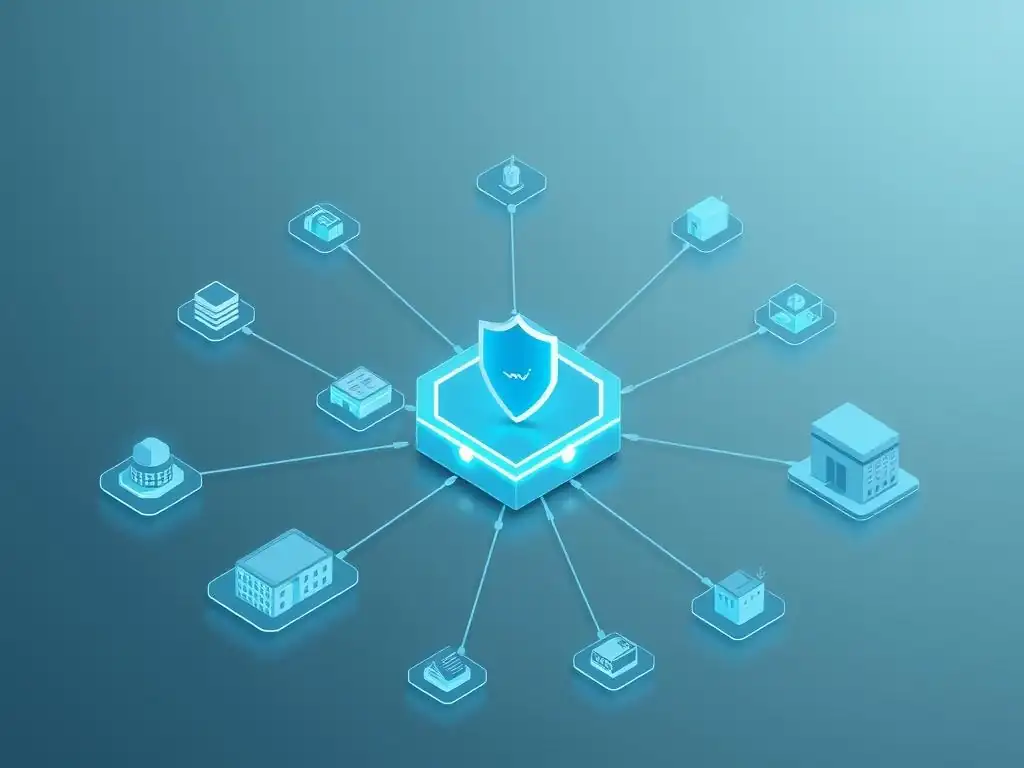
The theoretical benefits of blockchain for clinical trials translate into several practical applications that directly address vulnerabilities susceptible to fraud and mismanagement. These use cases demonstrate how blockchain clinical trial fraud prevention can be applied in real-world scenarios.
Use Case: Blockchain-Based Patient Consent Management
Managing patient consent is a critical yet often complex aspect of clinical trials. Paper consent forms can be lost or damaged, and tracking amendments to consent or patient withdrawal can be challenging across large, multi-site trials. Furthermore, ensuring that data usage strictly adheres to the scope of consent is vital for ethical and regulatory compliance. Blockchain offers a robust solution.
A blockchain-based consent system could record a patient's consent as a transaction on the ledger. The digital consent form, including version history and specific permissions granted (e.g., permission for data sharing with specific third parties, future research use), is hashed and stored immutably. Smart contracts linked to the consent record can automatically enforce data access rules, ensuring that data is only shared or used in ways explicitly permitted by the patient.
If a patient withdraws consent or amends their permissions, a new transaction is recorded, creating a clear audit trail. This system provides patients with greater control and transparency over their data and ensures irrefutable proof of consent status for auditors and regulators, significantly improving this aspect of blockchain clinical trial fraud prevention.
Use Case: Secure and Transparent Drug Supply Chain Tracking
Ensuring the integrity of the drug supply chain is vital in clinical trials to prevent counterfeit or mishandled investigational products from reaching patients. Blockchain can create an immutable, transparent record of a drug's journey from manufacturing to administration at the clinical site. Each transfer of custody, temperature reading during transport, or dispensing event can be recorded as a transaction on the blockchain.
This creates a verifiable history for every batch or even individual unit of the investigational product. If any part of the chain is compromised – for example, if a shipment is delayed and temperature excursions occur, or if a product is diverted – the blockchain record would immediately show the anomaly. This level of transparency and traceability helps ensure that patients receive legitimate, properly handled medication, a critical element of trial safety and data validity, and a key application for blockchain clinical trial fraud prevention beyond just data management.
Use Case: Decentralized Data Storage for Clinical Trial Results
While storing all raw patient data directly on a public blockchain might raise privacy concerns (though private/permissioned blockchains are more suitable here), blockchain can be used to secure hashes of data stored off-chain in decentralized storage systems. Alternatively, key metadata and audit trails of data changes can be stored on the blockchain, pointing to data stored securely elsewhere.
In this model, the actual patient data (e.g., full medical records, detailed lab results) could be encrypted and stored in a decentralized file storage system (like IPFS). The unique identifier and cryptographic hash of this encrypted data file, along with metadata like the time of entry and the user who entered it, are then recorded on the blockchain.
Any change to the off-chain data would alter its hash, which would no longer match the hash recorded on the blockchain, immediately revealing the tampering. This approach leverages the immutability of the blockchain for verification while managing large volumes of data and respecting privacy requirements, offering a robust framework for decentralized and verifiable clinical trial data management as part of blockchain clinical trial fraud prevention strategies.
Addressing Challenges and Considerations for Blockchain Adoption in Clinical Trials
While the potential benefits of blockchain clinical trial fraud prevention are significant, adopting this technology in the highly regulated and complex world of clinical research is not without its challenges. Careful planning and collaboration are required to overcome these hurdles.
Regulatory Compliance and Data Privacy Concerns
Clinical trial data is subject to stringent regulations globally, including HIPAA in the United States, GDPR in Europe, and various national health data privacy laws. Implementing blockchain solutions must ensure full compliance with these regulations. A key concern is the "right to be forgotten" under GDPR, which conflicts with the immutable nature of public blockchains. However, private or permissioned blockchains, where access is restricted and participants are known, offer more flexibility. Strategies include storing only encrypted data hashes or metadata on the chain while keeping sensitive patient data off-chain in compliant databases, with access controlled via blockchain-based permissions.
Furthermore, regulatory bodies need to understand and approve the use of blockchain in submissions. This requires education and collaboration between technology providers, pharmaceutical companies, and regulators. Demonstrating that a blockchain system meets or exceeds existing standards for data integrity, security, and privacy is crucial for successful adoption. Navigating this complex regulatory landscape is paramount for effective blockchain clinical trial fraud prevention implementation.
Scalability and Interoperability of Blockchain Solutions
Scalability is another practical challenge. Clinical trials generate vast amounts of data, and the underlying blockchain infrastructure must be able to handle this volume of transactions efficiently without becoming prohibitively slow or expensive. While early public blockchains like Bitcoin faced scalability issues (processing only a few transactions per second), newer blockchain platforms and layer-2 solutions offer significantly higher throughput. Selecting the right blockchain architecture (e.g., private vs. consortium blockchain) and consensus mechanism is critical based on the specific needs and scale of clinical trials.
Interoperability is also essential. Clinical trials involve multiple disparate systems (EDC, ePRO, EMRs, lab systems). A blockchain solution needs to seamlessly integrate with these existing systems to avoid creating new data silos. Developing standardized APIs and data models for clinical trial data on blockchain is necessary to ensure different systems and stakeholders can interact effectively with the blockchain ledger. Achieving this level of interoperability is key to realizing the full potential of blockchain clinical trial fraud prevention across the entire trial ecosystem.
Overcoming Resistance to Change and Fostering Collaboration
Implementing new technologies in a traditionally conservative industry like pharmaceuticals and healthcare often faces resistance to change. Stakeholders may be hesitant due to unfamiliarity with blockchain, concerns about the complexity of implementation, potential disruption to existing workflows, or skepticism about its real-world benefits compared to existing systems. Fostering collaboration among all parties involved – sponsors, CROs, investigators, patients, technology providers, and regulators – is vital.
Education and pilot programs demonstrating the tangible benefits of blockchain clinical trial fraud prevention in a controlled environment can help build confidence. Establishing industry-wide standards and best practices for using blockchain in clinical trials will also facilitate broader adoption. Open communication and a focus on how blockchain solves real problems (like fraud and data integrity) rather than being a technology for technology's sake are essential to gain buy-in and drive the necessary organizational change.
Real-World Examples: Blockchain Success Stories in Clinical Research
While still relatively early days for widespread adoption, several pioneering initiatives and companies are already demonstrating the practical application of blockchain technology in areas related to clinical trials and pharmaceutical supply chains, providing tangible examples of blockchain clinical trial fraud prevention in action.
Case Study 1: Mediledger Using Blockchain for Pharmaceutical Supply Chain Integrity
The MediLedger Project is a prominent example of a consortium using blockchain to address challenges in the pharmaceutical supply chain, directly impacting the integrity of products used in clinical trials and post-market. This project, involving major pharmaceutical companies, wholesalers, and dispensers, utilizes a blockchain network to verify the legitimacy of pharmaceutical products and track their ownership transfers.
By recording each transaction and change of custody on an immutable ledger, MediLedger helps prevent counterfeit drugs from entering the legitimate supply chain and ensures that product lineage is verifiable. While not solely focused on clinical trial data, the principles of securing the supply chain are directly applicable, ensuring that the investigational products administered to trial participants are authentic and have been handled correctly throughout their journey. This initiative demonstrates how blockchain's transparency and immutability can build trust across a complex network of stakeholders, a concept directly transferable to blockchain clinical trial fraud prevention for data.
Case Study 2: Embleema Implementing Blockchain for Patient-Centric Data Sharing
Embleema is a company focused on using blockchain to give patients control over their health data and facilitate secure, consent-based sharing of this data, including clinical trial data. Their platform allows patients to aggregate their electronic health records, genomic data, and wearable device data, storing it securely and encrypted.
Crucially, Embleema uses blockchain to manage patient consent and track data access. Patients grant permissions via the platform, and these permissions are recorded as immutable transactions on the blockchain. When researchers or pharmaceutical companies want to access a patient's data for studies (including clinical trials), they must request access through the platform, and the access is granted and logged on the blockchain based on the patient's specific, verifiable consent.
This model enhances patient privacy and autonomy while providing researchers with access to richer, patient-contributed data with a clear, transparent audit trail of access and usage. This approach is a powerful example of how blockchain can be used not only for blockchain clinical trial fraud prevention related to data integrity but also for ethical and secure data sharing.
The Future of Blockchain in Clinical Trials: A Vision for Trust and Transparency
The trajectory of blockchain adoption in clinical trials points towards a future where data integrity is fundamentally enhanced, transparency is the norm, and clinical research is more efficient and trustworthy. The technology continues to evolve, bringing new possibilities.
Emerging Trends and Innovations in Blockchain for Healthcare
Several emerging trends are shaping the future of blockchain in healthcare and clinical trials. These include the development of more scalable and energy-efficient blockchain platforms tailored for enterprise use cases. Privacy-preserving technologies like zero-knowledge proofs (ZKPs) are being integrated with blockchain to allow verification of data properties without revealing the underlying sensitive information, directly addressing privacy concerns in clinical data.
Furthermore, the focus is shifting towards building consortium or private blockchains specifically designed for the healthcare and pharmaceutical industries, enabling controlled access and ensuring regulatory compliance. Interoperability standards are also being developed to allow different blockchain networks and legacy systems to communicate effectively. These innovations are making blockchain solutions for clinical trials more practical, compliant, and powerful as tools for blockchain clinical trial fraud prevention.
The Potential for AI and Blockchain Integration in Clinical Research
The combination of Artificial Intelligence (AI) and blockchain holds significant potential for transforming clinical trials. AI algorithms can analyze the vast amounts of data recorded on a blockchain ledger to identify patterns, anomalies, or potential indicators of fraud or errors much faster and more effectively than human auditors. For example, AI could flag data entries that statistically deviate from expected ranges or identify suspicious patterns in data entry times across different sites.
Blockchain, in turn, can provide AI systems with access to highly reliable, immutable, and verifiable data. Training AI models on data whose integrity is guaranteed by blockchain can lead to more accurate and trustworthy insights. Furthermore, the execution and audit trail of AI models used in trials (e.g., for patient recruitment or data analysis) could potentially be recorded on a blockchain for transparency and validation. This synergy between AI and blockchain offers a powerful future for enhancing trial efficiency, detecting fraud, and ensuring the reliability of results – a robust combination for blockchain clinical trial fraud prevention.
Blockchain as a Catalyst for Ethical and Reliable Clinical Trials
Ultimately, the integration of blockchain in clinical trials serves as a catalyst for more ethical and reliable research. By ensuring data integrity and transparency, blockchain builds trust among all stakeholders, from patients and investigators to sponsors and regulators. Patients can have greater confidence that their data is being handled securely and ethically, and that the trial results are based on verifiable evidence.
Regulators can rely on an immutable audit trail to expedite reviews and approvals. Sponsors and researchers benefit from cleaner, more reliable data, reducing the risk of costly trial failures due to data integrity issues. By fundamentally addressing the vulnerabilities that allow for fraud and error, blockchain helps uphold the scientific and ethical standards that are paramount in medical research, solidifying its role in advancing blockchain clinical trial fraud prevention and promoting public health.
Conclusion: Embracing Blockchain for Unbreakable Trust in Clinical Research
Recap of Blockchain's Role in Preventing Clinical Trial Fraud
Clinical trial fraud and data integrity issues pose serious threats to medical progress and public health. Traditional data management systems, while improving, still present vulnerabilities to manipulation and lack the inherent transparency and immutability needed for absolute trust. Blockchain technology offers a transformative solution by providing a decentralized, tamper-evident, and transparent ledger for recording clinical trial data. Its core features – immutability, transparency, decentralization, and the power of smart contracts – directly address the weaknesses of current systems, providing a robust framework for blockchain clinical trial fraud prevention.
From securing patient consent and tracking the drug supply chain to ensuring the integrity of reported trial results, blockchain applications can create an unbreakable chain of trust throughout the entire clinical trial lifecycle. While challenges related to regulation, scalability, and adoption exist, ongoing innovations and real-world examples demonstrate that these are being actively addressed by pioneering initiatives in the field.
Call to Action: Promoting the Adoption of Blockchain in the Pharmaceutical Industry and Research Institutions
Embracing blockchain technology is no longer just a theoretical exercise but a necessary step towards a future of more reliable, ethical, and efficient clinical research. Pharmaceutical companies, contract research organizations (CROs), academic research institutions, and regulatory bodies must actively explore and invest in blockchain solutions. This requires:
- Investing in pilot programs and proof-of-concept studies to test blockchain applications in real clinical trial settings.
- Collaborating to develop industry standards and best practices for blockchain implementation and data management.
- Engaging with regulatory agencies to ensure that blockchain solutions meet compliance requirements and facilitate the review process.
- Educating stakeholders, including researchers and patients, about the benefits and workings of blockchain in clinical trials.
By proactively adopting blockchain clinical trial fraud prevention strategies, the industry can build a new foundation of trust in clinical data, accelerate the development of life-saving therapies, and ultimately improve global health outcomes. The time to act is now to unlock the full potential of blockchain for unbreakable trust in clinical research.
Frequently Asked Questions
What specific challenges does blockchain address in preventing clinical trial fraud?
Blockchain addresses challenges like data manipulation and lack of transparency by creating an immutable and auditable record of trial data. This ensures data integrity throughout the clinical trial process.
How can blockchain improve data integrity and traceability within clinical trials?
Blockchain's distributed ledger technology enables a secure, time-stamped record of every data entry. This enhances traceability and prevents unauthorized alterations, thus ensuring data integrity.
Beyond data integrity, what other benefits does blockchain offer for clinical trials?
Besides data integrity, blockchain can improve patient recruitment by securely matching patients to trials. It also streamlines supply chain management for drugs and materials.
What are the potential limitations or challenges in implementing blockchain for clinical trial fraud prevention?
Challenges include scalability issues, the need for interoperability with existing systems, and the high initial implementation cost. Overcoming these is crucial for widespread adoption.
How are regulatory bodies responding to the use of blockchain in clinical trials, and what future regulations might we expect?
Regulatory bodies are cautiously exploring blockchain's potential. Future regulations might focus on data privacy, security standards, and validation processes to ensure compliance.
Final Reflection: Forging Trust in Medical Innovation
The fight against fraud in clinical trials is not merely an academic exercise; it's a matter of life and death. The integrity of medical research directly impacts the safety and efficacy of treatments that millions rely on. The potential of blockchain technology to revolutionize this space, creating an immutable and transparent record, offers a powerful weapon in the ongoing battle against compromised data and unethical practices.
The implications of a secure and trustworthy clinical trial process extend far beyond the laboratory. It touches the lives of every patient, every doctor, and every researcher striving to advance medical knowledge. The promise of blockchain is not just about preventing fraud; it's about fostering a culture of trust and accountability within the medical community. Trust is the glue of life. It's the most essential ingredient in effective communication. It's the foundational principle that holds all relationships.
- Stephen Covey. This quote perfectly encapsulates the need for trust in clinical trials, where lives are literally on the line.
Now, consider the power you hold as an informed reader. The potential of blockchain to transform clinical trials is immense, but it requires awareness, advocacy, and a commitment to ethical research practices. Let us all strive to demand transparency, support innovative solutions, and champion the integrity of medical research. By doing so, we can ensure that the future of medicine is built on a foundation of unwavering trust and verifiable truth.
Okay, here's a Call to Action (CTA) designed for the end of a web article titled "Fighting Fraud in Clinical Trials: Blockchain's Unbreakable Chain of Trust" on the website "Blockchain Trends" (blockchaintrends.org):
Unleash Trust: Start Building a More Ethical Clinical Trial Future
Thank you for exploring how blockchain is revolutionizing clinical trial integrity! You've now seen how this technology can foster greater transparency and accountability. Now, let's take these insights and turn them into action:
- Champion Blockchain Adoption: Advocate for the integration of blockchain solutions within your network and industry to revolutionize clinical trial data management. This is how we build a system patients can truly trust.
- Explore existing blockchain-based clinical trial platforms and share your findings with colleagues. Knowledge is power!
- Initiate a discussion on LinkedIn or other relevant forums about the challenges and opportunities of implementing blockchain in clinical trials, sharing your key takeaways from this article.
What specific blockchain application in clinical trials excites you the most, and what first step will you take to learn more about it? Share your thoughts in the comments below!
Leave a Reply