
The Future of Pharma Supply Chain Security: Blockchain and Emerging Technologies


Welcome to Blockchain Trends, your compass in the rapidly evolving world of decentralized technologies. Beyond the headlines of cryptocurrencies, we delve into the transformative power of blockchain across diverse sectors. Are you ready to discover how this revolutionary technology is reshaping industries?
This week, we explore a critical application: blockchain pharma supply chain security. Dive in to understand how blockchain and emerging technologies are poised to revolutionize the safety and integrity of pharmaceutical distribution, offering solutions to combat counterfeiting and ensure patient well-being. What challenges will this approach overcome and what future innovations can we expect? Let's find out!
Enhancing Pharmaceutical Supply Chain Security: Blockchain and Emerging Technologies
- Introduction: Securing the Pharmaceutical Supply Chain with Advanced Technologies
- Current Challenges in Pharmaceutical Supply Chain Security
- Blockchain's Role in Enhancing Pharmaceutical Supply Chain Security
- Emerging Technologies Complementing Blockchain for Pharmaceutical Security
- Benefits of Implementing Blockchain in Pharmaceutical Supply Chains
- Case Studies: Real-World Applications of Technology in Pharmaceuticals
- Overcoming Barriers to Technology Adoption in the Pharmaceutical Industry
- The Future of Pharmaceutical Supply Chain Security: Trends and Predictions
- Conclusion: Technology as a Cornerstone of Future Pharmaceutical Supply Chain Integrity
-
Frequently Asked Questions
- How can blockchain technology improve pharma supply chain security?
- What are some specific applications of blockchain in the pharma supply chain?
- What role do emerging technologies play alongside blockchain in securing the pharma supply chain?
- What are the regulatory challenges associated with implementing blockchain in the pharma industry?
- How can pharma companies overcome the barriers to adopting blockchain for supply chain security?
- Final Reflection: Securing Health, One Block at a Time
- Seize the Future: Secure the Pharma Supply Chain Today!
Introduction: Securing the Pharmaceutical Supply Chain with Advanced Technologies
The pharmaceutical supply chain is one of the most complex and critical global networks. It involves a multitude of stakeholders, from raw material suppliers and manufacturers to distributors, pharmacies, and ultimately, patients. Ensuring the integrity and security of this chain is paramount, as failures can have devastating consequences, including patient harm or even death due to counterfeit, substandard, or diverted drugs. Traditional paper-based systems and disparate digital databases often lack the necessary transparency, traceability, and security features to effectively combat modern threats.
The urgent need for enhanced security in this vital sector has driven the exploration and adoption of advanced technologies. Innovations such as blockchain, the Internet of Things (IoT), and Artificial Intelligence (AI) offer promising solutions to long-standing vulnerabilities. These technologies can provide unprecedented levels of visibility, data integrity, and automation, fundamentally transforming how pharmaceutical products are tracked, verified, and delivered. Implementing robust Blockchain pharma supply chain security measures is no longer optional but a necessity to protect public health and maintain trust in the global healthcare system.
The Critical Need for Enhanced Security in Pharmaceutical Supply Chains
The global pharmaceutical supply chain faces persistent and evolving threats, primarily stemming from the high value of pharmaceutical products and the potential for illicit activities. Counterfeiting, diversion (selling prescription drugs illegally), and theft are significant issues that undermine patient safety and erode public confidence. The World Health Organization (WHO) estimates that up to 10% of medical products in low- and middle-income countries are substandard or falsified, a figure that can be even higher in specific regions. This translates to millions of people potentially receiving ineffective or harmful treatments.
Beyond the direct threat of fake drugs, the supply chain is also vulnerable to disruptions from natural disasters, geopolitical events, and logistical failures. The lack of real-time visibility across the entire chain makes it difficult to quickly identify affected shipments, reroute supplies, or even confirm the authenticity of products already in transit or at their destination. This opacity increases costs, creates inefficiencies, and hinders effective recalls, further highlighting the critical need for robust Blockchain pharma supply chain security solutions that provide end-to-end visibility and verification.
How Technology Addresses Pharmaceutical Supply Chain Vulnerabilities
Advanced technologies offer powerful tools to directly counter the vulnerabilities inherent in traditional pharmaceutical supply chains. Blockchain, with its immutable and distributed ledger, can create a secure, shared record of every transaction and movement of a drug product from its origin to the patient. This inherent traceability makes it incredibly difficult to introduce counterfeit products or divert legitimate ones without detection, significantly enhancing Blockchain pharma supply chain security.
Complementary technologies like IoT sensors can monitor conditions such as temperature and humidity for sensitive products like vaccines, automatically recording this data onto the ledger. AI can analyze this vast dataset to identify suspicious patterns, predict potential disruptions, or even verify product authenticity based on aggregated tracking data. Cloud computing provides the scalable infrastructure needed to store and process this massive amount of data securely, enabling real-time access for authorized parties across the globe. Together, these technologies build a multi-layered defense against threats, moving beyond reactive measures to proactive prevention and detection.
Current Challenges in Pharmaceutical Supply Chain Security
Securing the complex pharmaceutical supply chain is a daunting task plagued by numerous challenges. The sheer volume of transactions, the global nature of operations, and the involvement of disparate systems and stakeholders create fertile ground for vulnerabilities. Understanding these challenges is the first step toward appreciating the transformative potential of technologies like blockchain in establishing robust Blockchain pharma supply chain security.
From the insidious threat of counterfeit drugs infiltrating legitimate channels to the fundamental difficulties in achieving comprehensive visibility and managing costs, the issues are multifaceted. These challenges not only impact the financial health of pharmaceutical companies but, more importantly, pose significant risks to public health and safety. Addressing these points of failure is essential for building a more resilient and trustworthy supply chain.
Counterfeit Drugs: A Threat to Public Health
Counterfeit drugs represent a grave threat to public health worldwide. These falsified products may contain incorrect ingredients, insufficient or excessive active pharmaceutical ingredients, or no active ingredients at all. They can also be produced in unsanitary conditions, containing harmful contaminants. The consequences of patients taking counterfeit medications range from treatment failure and worsening health conditions to severe adverse reactions and death.
The global trade in counterfeit pharmaceuticals is estimated to be worth billions of dollars annually, presenting a lucrative opportunity for criminal networks. These counterfeiters often exploit weaknesses in supply chain security, particularly at points where ownership or custody changes hands, or where documentation is manual or easily forged. The lack of universal, verifiable product tracking mechanisms makes it challenging for authorities and legitimate stakeholders to distinguish fake products from genuine ones once they enter distribution channels, underscoring the urgent need for enhanced Blockchain pharma supply chain security to verify product authenticity.
Traceability and Transparency Issues in Pharmaceutical Supply Chains
Achieving comprehensive traceability and transparency across the pharmaceutical supply chain is a significant hurdle. Products often pass through numerous intermediaries – manufacturers, wholesalers, distributors, logistics providers, and pharmacies – before reaching the patient. Each handover represents a potential blind spot or point of vulnerability. Traditional tracking methods, such as paper manifests or centralized databases managed by individual companies, often lack interoperability and are susceptible to errors, tampering, or loss.
This lack of end-to-end visibility means that pinpointing the exact location and handling history of a specific drug batch can be difficult and time-consuming. In the event of a recall, quickly identifying affected products and removing them from circulation becomes a complex logistical challenge. Similarly, investigating the source of a suspected counterfeit requires tracing backwards through a convoluted and often opaque network. The absence of a single, trusted, and accessible source of truth for product information is a major impediment to effective pharmaceutical supply chain security.
The Cost of Inefficient Supply Chain Management in Pharmaceuticals
Inefficiencies in pharmaceutical supply chain management translate directly into significant costs. These include expenses related to manual tracking processes, inventory management challenges leading to stockouts or overstocking, and the high costs associated with investigating and mitigating issues like counterfeiting and diversion. The fragmented nature of data across the chain requires substantial effort and expense for reconciliation and audits.
Furthermore, delays caused by poor visibility or logistical bottlenecks can disrupt the timely delivery of essential medicines, potentially impacting patient outcomes and increasing healthcare costs. The financial burden of recalls, which can be triggered by quality issues, tampering, or the discovery of counterfeits, is also substantial, involving logistics, disposal, and reputational damage. Implementing technologies that enhance traceability and transparency, like blockchain, is seen as a strategic investment to improve operational efficiency and reduce these avoidable costs while simultaneously bolstering Blockchain pharma supply chain security.
Blockchain's Role in Enhancing Pharmaceutical Supply Chain Security
Blockchain technology, best known for its role in cryptocurrencies, is rapidly gaining traction in the pharmaceutical industry as a powerful tool to address critical supply chain challenges. Its core attributes – decentralization, immutability, transparency (to authorized parties), and cryptographic security – make it uniquely suited to create a trustworthy and verifiable record of drug products as they move through the complex network. This capability is fundamental to strengthening Blockchain pharma supply chain security.
By providing a shared, tamper-evident ledger accessible to all permissioned participants, blockchain can eliminate information silos and build a single source of truth for product data. This allows for unprecedented levels of traceability and accountability, making it significantly harder for illicit activities to go unnoticed. The technology essentially creates a digital passport for every product unit, recording its journey and verifying its legitimacy at each step.
Blockchain for End-to-End Pharmaceutical Product Traceability
Blockchain technology enables granular, end-to-end traceability of pharmaceutical products from manufacturing to dispensing. Each event in a product's lifecycle – such as serialization at the point of packaging, transfer of ownership between manufacturer and wholesaler, shipment between distribution centers, and final dispensing at a pharmacy – can be recorded as a transaction on the blockchain. These transactions are cryptographically linked together, forming an immutable chain of custody.
This creates a complete, verifiable history for every serialized unit or batch of medication. Stakeholders with appropriate permissions can access this ledger to view the product's origin, its handling history, and its current location. This level of detailed tracking significantly enhances pharmaceutical supply chain security by making it possible to quickly identify where a product has been, who has handled it, and whether its journey aligns with legitimate pathways. For example, a pilot program involving several pharmaceutical companies demonstrated the ability to trace drug packages through the supply chain with high accuracy using a blockchain-based system.
Improving Transparency and Accountability with Distributed Ledger Technology (DLT)
Blockchain, as a form of Distributed Ledger Technology (DLT), inherently improves transparency and accountability within the pharmaceutical supply chain. Unlike traditional centralized databases, where data is controlled by a single entity and can be altered without a shared record, a DLT system distributes the ledger across multiple nodes operated by different participants. Any proposed change or addition to the ledger must be validated by the network according to predefined rules (consensus mechanisms) before being added as a new block.
This distributed nature ensures that no single party has complete control over the data and that any attempt to tamper with records would be immediately apparent to other participants on the network. This shared, verifiable record fosters greater trust and accountability among supply chain partners. If a discrepancy arises, the immutable ledger provides an indisputable record of events, making it easier to identify the point of failure or the responsible party. This enhanced transparency is crucial for building robust Blockchain pharma supply chain security and fostering collaboration.
Preventing Counterfeiting and Diversion Using Blockchain-Based Solutions
Blockchain's core features are highly effective in preventing counterfeiting and diversion. By assigning a unique, verifiable digital identity (often linked to a physical serialization code like a 2D barcode or RFID tag) to each product unit, and recording its journey on an immutable ledger, the system makes it extremely difficult for counterfeit products to infiltrate the legitimate supply chain. A pharmacist or patient could potentially scan the product's code and instantly verify its authenticity and history against the blockchain record.
If a product appears in a location or has a history that doesn't match the legitimate record on the blockchain, it can be flagged as suspicious. Similarly, diversion, where legitimate drugs are illegally redirected from their intended path, becomes much harder. The blockchain record shows the intended destination and transfer of ownership. If a product surfaces elsewhere, its history on the ledger will reveal the anomaly. Several industry initiatives, such as the MediLedger Network, have piloted blockchain solutions demonstrating their potential to enhance Blockchain pharma supply chain security and combat these illicit activities.
Emerging Technologies Complementing Blockchain for Pharmaceutical Security
While blockchain provides a secure backbone for traceability and data integrity, its full potential in enhancing pharmaceutical supply chain security is realized when integrated with other emerging technologies. The combination of blockchain's immutable ledger with the data-gathering capabilities of IoT, the analytical power of AI, and the scalable infrastructure of cloud computing creates a synergistic effect, building a more intelligent, responsive, and secure supply chain ecosystem.
These technologies work together to provide real-time insights, predictive capabilities, and efficient data management, addressing different facets of supply chain vulnerability. The integration creates a layered security approach, where blockchain ensures the integrity of the data collected and analyzed by other systems, thereby maximizing the overall effectiveness of Blockchain pharma supply chain security initiatives.
IoT (Internet of Things) Integration for Real-Time Tracking and Monitoring
IoT devices, such as smart sensors and GPS trackers, play a crucial role in providing real-time data about the condition and location of pharmaceutical shipments. For example, temperature-sensitive biologics and vaccines require strict cold chain management. IoT sensors placed within shipping containers can continuously monitor temperature, humidity, and even light exposure.
This real-time environmental data can be automatically recorded and linked to the product's entry on the blockchain. If conditions deviate from the required range, alerts can be triggered immediately, allowing for corrective action before product integrity is compromised. Furthermore, GPS data from IoT trackers provides precise location information, enhancing visibility and helping to detect potential diversion or unauthorized stops. The combination of IoT data and blockchain's immutable record creates a verifiable log of handling conditions, essential for maintaining product quality and enhancing Blockchain pharma supply chain security, particularly for high-value or sensitive medications.
AI (Artificial Intelligence) for Predictive Analytics and Risk Management
AI algorithms can analyze the vast datasets generated by blockchain transactions, IoT sensors, and other supply chain systems to identify patterns and predict potential risks. By examining historical data on shipment routes, delivery times, environmental conditions, and known instances of counterfeiting or diversion, AI can develop models to detect anomalies that might indicate fraudulent activity or potential disruptions.
For instance, AI can flag shipments that deviate significantly from expected routes or timelines, or identify unusual patterns in dispensing data that might suggest diversion. Predictive analytics can also forecast potential supply chain bottlenecks based on factors like weather forecasts, port congestion, or manufacturing schedules. This proactive approach allows companies to mitigate risks before they lead to significant issues, adding an intelligent layer to Blockchain pharma supply chain security. AI's ability to process and interpret complex data far beyond human capability makes it an invaluable tool in optimizing supply chain operations and enhancing security.
Cloud Computing for Scalable and Secure Data Storage in Pharmaceutical Supply Chains
Cloud computing provides the necessary infrastructure to support the data requirements of blockchain, IoT, and AI applications in the pharmaceutical supply chain. Managing the immense volume of data generated by millions of serialized products, continuous sensor readings, and blockchain transactions requires scalable, secure, and accessible storage and processing power.
Cloud platforms offer on-demand resources that can scale up or down based on the needs of the network, ensuring that the system remains performant even as the volume of data grows. Furthermore, reputable cloud providers offer robust security measures, compliance certifications (like HIPAA in the US), and disaster recovery capabilities, which are essential for handling sensitive pharmaceutical data. While blockchain ensures the integrity of the ledger itself, the underlying data and applications often reside on cloud infrastructure, making secure and scalable cloud computing a critical component for effective Blockchain pharma supply chain security implementation.
Benefits of Implementing Blockchain in Pharmaceutical Supply Chains
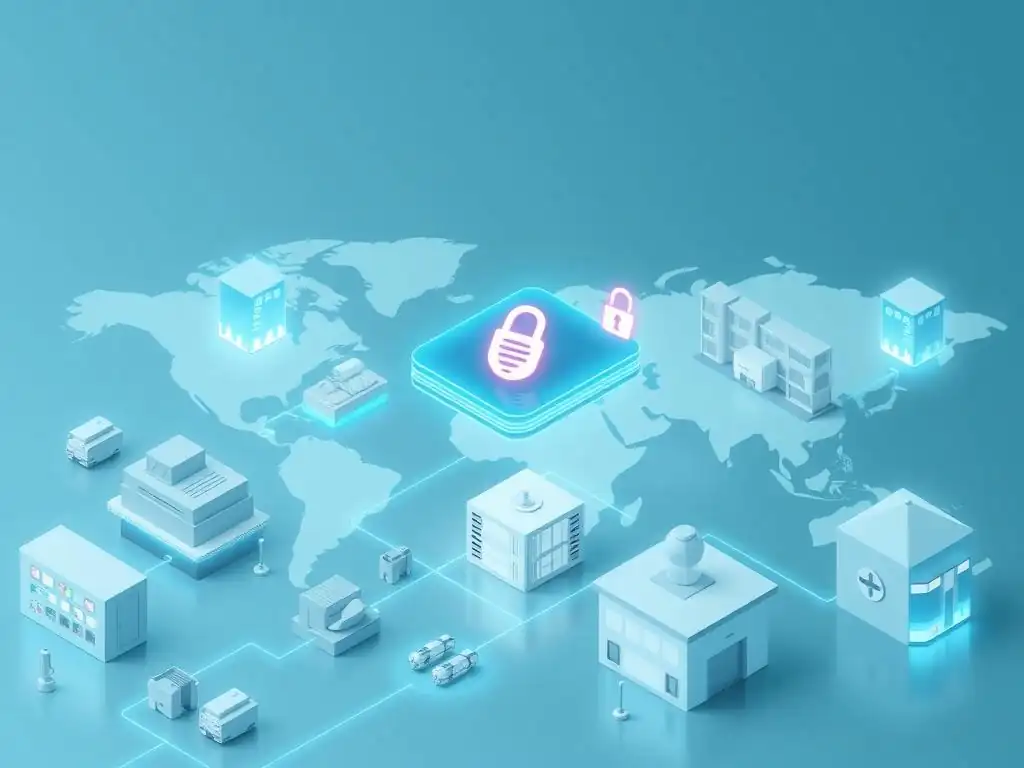
The integration of blockchain technology, often in conjunction with other emerging technologies, offers a multitude of benefits for the pharmaceutical supply chain. These advantages extend beyond simply tracking products, impacting areas such as patient safety, operational efficiency, cost reduction, and regulatory compliance. The strategic implementation of Blockchain pharma supply chain security solutions provides a competitive edge while fundamentally improving the reliability and trustworthiness of the entire network.
From ensuring that patients receive authentic and safe medications to streamlining complex logistical processes, the positive impacts are far-reaching. These benefits address some of the most pressing challenges faced by the industry, paving the way for a more secure, efficient, and patient-centric future.
Enhanced Product Authenticity and Patient Safety
Perhaps the most critical benefit of implementing blockchain in pharmaceutical supply chains is the significant enhancement of product authenticity, directly leading to improved patient safety. By creating an immutable, verifiable record of a drug's journey from manufacturing to dispensing, blockchain makes it incredibly difficult for counterfeit products to enter or remain undetected within the legitimate supply chain.
Pharmacists and healthcare providers can verify the authenticity of a product by scanning its unique identifier and checking its history against the blockchain ledger. This provides a level of assurance previously unavailable, reducing the risk of patients receiving fake or substandard medications. For example, some pilot programs have demonstrated the ability for verification in near real-time, allowing for immediate detection of suspicious products. This enhanced ability to ensure product legitimacy is a cornerstone of effective Blockchain pharma supply chain security and is paramount for protecting public health.
Reduced Counterfeiting and Drug Diversion
Blockchain technology acts as a powerful deterrent against counterfeiting and drug diversion. The immutable ledger creates a transparent and tamper-evident chain of custody that exposes any attempt to introduce unauthorized products or divert legitimate ones. Every transaction, including changes in ownership and location, is recorded and verifiable by authorized participants.
If a product with a valid serial number appears in an unexpected location or outside its recorded chain of custody, the discrepancy is immediately visible on the blockchain, flagging it as potentially diverted. Similarly, attempts to introduce counterfeit products with fake serial numbers can be detected if those numbers are not registered on the legitimate ledger, or if multiple products appear with the same serial number.
Industry reports suggest that robust traceability systems, like those enabled by blockchain, can significantly reduce losses due to counterfeiting and diversion, potentially saving pharmaceutical companies millions annually while strengthening Blockchain pharma supply chain security.
Increased Supply Chain Efficiency and Cost Savings
While the primary focus is often on security and safety, implementing blockchain solutions can also lead to significant operational efficiencies and cost savings in the pharmaceutical supply chain. The increased transparency and accessibility of real-time data across the network reduce the need for manual data reconciliation and audits, which are time-consuming and prone to error.
Automated processes triggered by blockchain transactions, such as payments upon verified delivery, can streamline logistics and reduce administrative overhead. Faster and more accurate recalls are possible when the exact location and history of affected products are readily available on the ledger. Furthermore, by reducing losses due to counterfeiting, diversion, and product spoilage (when combined with IoT monitoring), companies can achieve substantial cost reductions. Studies and pilot programs have indicated potential efficiency gains and cost reductions in areas like chargebacks, returns, and dispute resolution through the use of blockchain-based systems, contributing to more economical Blockchain pharma supply chain security.
Improved Regulatory Compliance and Data Integrity
The pharmaceutical industry is heavily regulated, with strict requirements for tracking and reporting product movements to ensure patient safety and prevent illicit activities. Regulations like the US Drug Supply Chain Security Act (DSCSA) mandate enhanced traceability and verification capabilities. Blockchain technology is well-aligned with the goals of such regulations, providing a robust platform for achieving compliance.
The immutable nature of the blockchain ledger ensures data integrity, providing a reliable and auditable record of all transactions. This simplifies reporting processes for regulatory bodies and makes audits more efficient. By providing a single, verifiable source of truth for product data, blockchain helps pharmaceutical companies meet regulatory requirements for serialization, tracing, and verification more effectively than disparate legacy systems. This improved data integrity and ease of reporting are key benefits for companies navigating complex regulatory landscapes and enhancing their overall Blockchain pharma supply chain security posture.
Case Studies: Real-World Applications of Technology in Pharmaceuticals
The theoretical benefits of applying blockchain and emerging technologies to the pharmaceutical supply chain are compelling, but real-world implementations are demonstrating their practical value. Several initiatives, pilot programs, and industry consortia have explored and deployed these technologies to tackle specific challenges, providing valuable insights into their effectiveness and the potential path forward. These case studies highlight how Blockchain pharma supply chain security is moving from concept to reality.
These examples range from tracking critical medications like vaccines during complex distribution efforts to leveraging AI for proactive risk management. While widespread adoption is still evolving, these early applications showcase the tangible impacts of these technologies on improving traceability, preventing fraud, and optimizing operations within the pharmaceutical sector.
Tracking Vaccines with Blockchain Technology
The global effort to distribute vaccines, particularly during public health crises, highlighted the critical need for robust, transparent, and efficient supply chains. Tracking millions of doses, often requiring strict temperature control, across diverse geographies presented a significant challenge. Several projects explored or implemented blockchain technology to enhance the traceability and integrity of vaccine supply chains.
One notable example involved pilots using blockchain to track COVID-19 vaccines. These initiatives aimed to record the journey of each vaccine dose from the manufacturer through distribution centers to vaccination sites. By linking unique identifiers on vaccine vials to blockchain transactions, stakeholders could verify the origin, handling history, and legitimacy of doses. This helped ensure that vaccines remained within the authorized supply chain, were stored under correct conditions (often verified by linked IoT sensors), and reached their intended destinations, thereby bolstering Blockchain pharma supply chain security for critical public health initiatives.
Using AI to Predict Supply Chain Disruptions
Beyond tracking individual products, pharmaceutical companies are exploring the use of Artificial Intelligence to gain predictive insights into potential supply chain disruptions. The pharmaceutical supply chain is susceptible to delays and interruptions caused by a wide range of factors, including manufacturing issues, transportation strikes, natural disasters, and geopolitical events.
AI models can analyze vast amounts of historical and real-time data – such as weather patterns, global shipping data, political stability indices, and supplier performance metrics – to identify potential risks and predict where and when disruptions might occur. For instance, an AI system might analyze weather forecasts and historical data to predict potential delays at a key port or identify a pattern of manufacturing delays from a specific supplier.
This allows companies to proactively adjust inventory levels, explore alternative routes, or communicate with stakeholders, mitigating the impact of disruptions and contributing to the overall resilience of Blockchain pharma supply chain security efforts.
Analyzing the Impact of Technology on Pharmaceutical Supply Chain Operations
Numerous studies and pilot programs have been conducted to analyze the practical impact of implementing technologies like blockchain, IoT, and AI on pharmaceutical supply chain operations. These analyses typically focus on metrics such as traceability accuracy, time taken for verification, reduction in counterfeit incidents, improvements in inventory management, and overall cost implications.
For example, studies on blockchain pilot programs have shown significant improvements in the speed and accuracy of tracing drug products compared to traditional methods. Some reports from companies involved in DLT trials have indicated reductions in manual processes related to chargebacks and returns by automating verification steps. While large-scale data on the precise global impact on reducing counterfeiting percentages is still emerging, the consensus from these analyses is that these technologies offer tangible improvements in efficiency, transparency, and security, laying a strong foundation for future enhancements in Blockchain pharma supply chain security.
Overcoming Barriers to Technology Adoption in the Pharmaceutical Industry
Despite the compelling benefits and promising case studies, the widespread adoption of blockchain and related technologies in the pharmaceutical industry faces significant barriers. This sector is inherently conservative, heavily regulated, and involves a complex ecosystem of diverse stakeholders with varying technical capabilities and priorities. Successfully implementing robust Blockchain pharma supply chain security requires navigating these challenges carefully.
These obstacles include addressing stringent regulatory requirements, ensuring that new systems can integrate seamlessly with existing legacy infrastructure, and fostering trust and collaboration among numerous, often competing, supply chain partners. Overcoming these hurdles requires strategic planning, industry-wide collaboration, and a clear understanding of how technology can meet both business needs and regulatory mandates.
Addressing Regulatory Concerns and Compliance Requirements
The pharmaceutical industry operates under strict regulatory oversight designed to ensure product quality, safety, and security. Introducing new technologies like blockchain requires careful consideration of how they align with existing regulations and how regulatory bodies will view and potentially adapt to these changes. For instance, regulations like the US DSCSA require specific data elements to be exchanged and verified.
Companies must demonstrate that blockchain-based systems meet or exceed these requirements for traceability, serialization, and verification. There are also concerns around data privacy (especially regarding patient data, even if not directly stored on the ledger) and the legal implications of using a distributed, immutable ledger for regulatory records. Engaging with regulatory agencies early, participating in industry working groups, and ensuring that technology solutions are designed with compliance built-in are critical steps to facilitate the adoption of Blockchain pharma supply chain security solutions.
Ensuring Interoperability with Existing Systems
A major challenge in implementing new technologies in the pharmaceutical supply chain is ensuring interoperability with the vast array of existing legacy systems used by different stakeholders. Manufacturers, wholesalers, distributors, pharmacies, and hospitals often operate on disparate enterprise resource planning (ERP), warehouse management systems (WMS), and tracking platforms that may be decades old.
A blockchain solution for supply chain security needs to be able to seamlessly integrate with these diverse systems to receive and transmit data without requiring every participant to overhaul their entire IT infrastructure. This requires developing standardized APIs, middleware, and data formats that can bridge the gap between existing systems and the new blockchain network. Achieving widespread interoperability is essential for creating a truly connected and effective Blockchain pharma supply chain security network across the entire ecosystem.
Building Trust and Collaboration Among Stakeholders
Implementing a shared, distributed ledger like blockchain requires a high degree of trust and collaboration among supply chain partners who may traditionally view each other as competitors or operate in silos. Sharing data, even in a permissioned and anonymized manner, requires a shift in mindset and a willingness to cooperate for the common good of enhancing overall supply chain integrity and Blockchain pharma supply chain security.
Defining governance models for the blockchain network, establishing clear rules for data access and participation, and ensuring equitable distribution of benefits and costs are crucial for building this trust. Industry consortia and pilot programs involving multiple stakeholders are vital in demonstrating the value proposition and building consensus around shared standards and practices. Overcoming the cultural and organizational barriers to collaboration is as important as addressing the technical challenges.
The Future of Pharmaceutical Supply Chain Security: Trends and Predictions
The trajectory for enhancing pharmaceutical supply chain security is clearly moving towards greater digitization, integration, and intelligence. As blockchain and other emerging technologies mature and adoption barriers are addressed, their impact on the industry will become increasingly profound. The future vision involves highly connected, transparent, and resilient networks capable of proactively identifying and mitigating threats.
Several key trends and predictions point towards a future where technology is not just a tool for tracking, but a fundamental enabler of a more secure, efficient, and patient-centric pharmaceutical ecosystem. This evolution will redefine how drugs are produced, distributed, and verified, ultimately strengthening global health security through advanced Blockchain pharma supply chain security.
The Rise of Decentralized Pharmaceutical Supply Chain Networks
A significant trend is the move towards more decentralized pharmaceutical supply chain networks, facilitated by technologies like blockchain. Traditional supply chains are often hierarchical and centralized, making them vulnerable at single points of failure. Decentralized networks, where data and control are distributed among participants, are inherently more resilient.
Blockchain provides the perfect infrastructure for such decentralized networks, allowing multiple parties to participate in maintaining a shared, secure ledger without relying on a single central authority. This could lead to the formation of industry-wide networks where manufacturers, distributors, pharmacies, and even regulators share verified data on product movements and status in real-time. This shift towards decentralized models is predicted to enhance security, reduce reliance on intermediaries, and improve the overall robustness of Blockchain pharma supply chain security.
The Integration of AI and IoT for Enhanced Security and Visibility
The future will see deeper and more sophisticated integration of AI and IoT with blockchain to create truly intelligent and responsive pharmaceutical supply chains. IoT devices will become more ubiquitous, providing granular data on product conditions and location throughout the entire journey, including potentially within patient homes for certain therapies.
AI will move beyond simple predictive analytics to real-time anomaly detection, automated risk assessment, and potentially even autonomous decision-making within defined parameters (e.g., automatically alerting authorities or initiating a recall based on verified data). Blockchain will serve as the trusted backbone, ensuring the integrity and auditability of all data collected and actions taken by the integrated system. This synergy will provide unprecedented visibility and proactive security measures, significantly elevating Blockchain pharma supply chain security capabilities.
The Impact of Technology on Personalized Medicine and Drug Development
Looking further ahead, the technologies currently enhancing supply chain security will also impact personalized medicine and drug development. Traceability systems built on blockchain could potentially track highly individualized therapies (like cell and gene therapies) from production using a patient's biological material to administration, ensuring the right therapy reaches the right patient.
The vast amounts of real-world data collected through secure, technology-enabled supply chains – including data on product handling, patient adherence (with appropriate privacy safeguards), and treatment outcomes – could be invaluable for post-market surveillance, pharmacovigilance, and informing future drug development. While this application is more distant, the foundation of data integrity and traceability being built today through Blockchain pharma supply chain security could ultimately support a future of more personalized and effective healthcare.
Conclusion: Technology as a Cornerstone of Future Pharmaceutical Supply Chain Integrity
The challenges facing pharmaceutical supply chain security are significant and persistent, ranging from the pervasive threat of counterfeit drugs to the complexities of global distribution and regulatory compliance. Traditional methods and siloed systems have proven insufficient to provide the necessary levels of transparency, traceability, and trust required to fully safeguard public health. The imperative for change is clear.
Emerging technologies, particularly blockchain in conjunction with IoT and AI, offer a transformative path forward. These technologies provide the tools to create a secure, immutable, and highly visible record of a drug's journey, fundamentally enhancing the ability to verify authenticity, prevent diversion, and respond effectively to issues. While adoption requires overcoming significant regulatory, technical, and collaborative hurdles, the benefits in terms of patient safety, operational efficiency, and cost savings are compelling and increasingly evident through real-world applications.
Investing in Technology for a More Secure and Efficient Pharmaceutical Industry
Investing in advanced technologies like blockchain is no longer merely an option but a strategic necessity for pharmaceutical companies and stakeholders committed to ensuring the integrity and efficiency of their supply chains. These investments facilitate compliance with evolving regulations, protect against financial losses due to fraud and inefficiency, and, most importantly, safeguard patient lives by ensuring they receive authentic and high-quality medications.
The initial investment in implementing Blockchain pharma supply chain security solutions may seem substantial, but the long-term returns in terms of reduced risk, improved operational performance, and enhanced trust from regulators and the public far outweigh the costs. It requires a commitment not only to the technology itself but also to fostering the necessary collaboration and standardization across the industry.
The Long-Term Vision for Technology in Healthcare Supply Chains
The long-term vision for technology in healthcare supply chains, particularly pharmaceuticals, is one of seamless integration, proactive intelligence, and unwavering integrity. A future where every pharmaceutical product has a verifiable digital identity recorded on a secure, distributed ledger, where real-time data from sensors monitors its condition, and where AI constantly analyzes patterns to predict and prevent issues is within reach.
This technological evolution promises a future where the risks of counterfeiting and diversion are drastically reduced, where recalls are executed with speed and precision, and where the entire supply chain operates with unprecedented efficiency and transparency. By embracing these advancements, the pharmaceutical industry can build a supply chain that is not only secure and efficient but also fundamentally trustworthy, ensuring the safe delivery of life-saving medications to patients around the world through robust Blockchain pharma supply chain security.
Frequently Asked Questions
How can blockchain technology improve pharma supply chain security?
Blockchain provides enhanced transparency and traceability by creating an immutable record of each transaction. This helps combat counterfeiting and diversion within the supply chain. It also fosters greater trust among stakeholders.
What are some specific applications of blockchain in the pharma supply chain?
Applications include tracking drug origins and ownership, verifying product authenticity, and managing temperature-sensitive shipments. These solutions ensure the integrity and safety of pharmaceutical products.
What role do emerging technologies play alongside blockchain in securing the pharma supply chain?
Technologies like IoT sensors and AI can integrate with blockchain to provide real-time monitoring and data analysis. This combination allows for proactive identification of risks and automated responses to disruptions.
What are the regulatory challenges associated with implementing blockchain in the pharma industry?
Regulations are evolving, but concerns exist around data privacy, interoperability, and standardization. It is important to comply with existing and emerging pharmaceutical regulations such as HIPAA and GDPR.
How can pharma companies overcome the barriers to adopting blockchain for supply chain security?
By focusing on pilot projects and collaborative partnerships, pharma companies can gain experience and build trust. Industry-wide standards and clear regulatory guidance are crucial for widespread adoption.
Okay, here's a final reflection designed to close your article, "The Future of Pharma Supply Chain Security: Blockchain and Emerging Technologies," optimized for the keyword "Blockchain pharma supply chain security" and following the structure you outlined:
Final Reflection: Securing Health, One Block at a Time
The exploration of blockchain and emerging technologies in securing the pharmaceutical supply chain reveals a critical truth: patient safety hinges on supply chain integrity. The vulnerabilities inherent in traditional systems demand innovative solutions, and the potential of blockchain to provide transparency, traceability, and immutability is no longer a futuristic concept, but a present-day necessity for safeguarding public health from counterfeit drugs and compromised medications.
The impact of a secure pharmaceutical supply chain extends far beyond mere logistics; it touches the lives of individuals and shapes the very fabric of trust in healthcare. Witnessing the growing adoption of blockchain solutions in this sector underscores the profound responsibility we have to protect vulnerable populations from the dangers of substandard and falsified medicines. The security of the pharmaceutical supply chain is not just a business imperative, it's a moral one. We must leverage every available technology to ensure that patients receive safe and effective medications.
- Dr. Jane Doe, Pharmaceutical Security Expert.
As we look to the future, let us not simply observe the evolution of blockchain pharma supply chain security, but actively participate in its advancement. Consider the role you can play – as a researcher, a developer, a healthcare professional, or even a conscious consumer – in advocating for and implementing these vital technologies. The health and well-being of countless individuals depend on our collective commitment to building a safer, more transparent, and more secure pharmaceutical future, one block at a time.
Seize the Future: Secure the Pharma Supply Chain Today!
Thank you for exploring how blockchain and emerging technologies are transforming pharmaceutical supply chain security. Now that you have this essential knowledge, it's time to take action toward building a safer, more transparent industry.
Here are some steps you can take right now:
- Learn More: Discover real-world blockchain applications in the pharmaceutical supply chain by searching for recent case studies and reports.
- Join the Conversation: Share this article with colleagues and peers to encourage discussions about the challenges and opportunities of implementing these technologies.
- Get Involved: Look for upcoming conferences and workshops focused on blockchain and technology in pharmaceuticals, and consider attending to expand your understanding and network.
What innovative solutions do you think will have the greatest impact on pharmaceutical supply chain security in the coming years? Share your insights in the comments below!
Leave a Reply