
The Role of Blockchain in Pharma Manufacturing: Enhancing Quality and Traceability


Welcome to Blockchain Trends, your go-to source for understanding the transformative power of blockchain technology. Beyond the hype of cryptocurrencies, we delve into real-world applications shaping industries worldwide. Intrigued by how this technology can revolutionize healthcare? Then you'll want to explore our latest analysis on blockchain pharma supply chain, and how it's enhancing quality and traceability, paving the way for a safer, more transparent future. Discover the potential and read on!
The Role of Blockchain in Pharma Manufacturing: Enhancing Quality and Traceability
- Introduction: Revolutionizing Pharma with Blockchain Technology
- Blockchain Pharma Supply Chain: Addressing Key Challenges
- How Blockchain Enhances Quality in Pharma Manufacturing
- Traceability in Pharma: Blockchain's Impact
- Key Benefits of Blockchain for Pharma Manufacturing
- Blockchain Use Cases in Pharma Manufacturing
- Implementing Blockchain in Pharma: Key Considerations
- The Future of Blockchain in Pharma Supply Chain
- Conclusion: Blockchain as a Catalyst for a Safer, More Efficient Pharma Industry
-
Frequently Asked Questions
- What are the main benefits of using blockchain in the pharmaceutical supply chain?
- How does blockchain technology improve quality control in pharma manufacturing?
- Can blockchain help reduce the risk of counterfeit drugs entering the market?
- What are the regulatory considerations when implementing blockchain in the pharma industry?
- What is the future of blockchain in the pharmaceutical manufacturing and supply chain?
- Final Reflection: Securing the Pharmaceutical Future
- Embrace the Future of Pharma: Start Building with Blockchain Today!
Introduction: Revolutionizing Pharma with Blockchain Technology
The Growing Need for Transparency and Security in Pharma Manufacturing
The pharmaceutical industry operates under stringent regulations and faces constant pressure to ensure product quality, safety, and authenticity. The complex and global nature of the pharma supply chain introduces numerous points of vulnerability, from raw material sourcing to final distribution. A lack of transparency at any stage can lead to significant risks, including product degradation, theft, diversion, and the infiltration of counterfeit drugs. Recent estimates suggest that the global market for counterfeit drugs could be worth hundreds of billions of dollars annually, posing a direct threat to patient health and eroding public trust.
Ensuring robust security measures throughout the manufacturing process and supply chain is paramount. This involves not just physical security but also the integrity and security of data related to production, quality control, and logistics. Traditional paper-based records or siloed digital systems are susceptible to errors, tampering, and lack real-time visibility across disparate stakeholders. The industry is actively seeking innovative solutions to build more resilient, transparent, and secure processes that can withstand sophisticated threats and meet evolving compliance requirements.
Blockchain Trends: Exploring Applications Beyond Cryptocurrency
While initially popularized by cryptocurrencies like Bitcoin, blockchain technology's foundational principles – decentralization, immutability, transparency (within defined parameters), and cryptographic security – offer compelling potential far beyond financial transactions. The concept of a distributed ledger that records transactions in a verifiable and permanent way is highly relevant to industries where trust, data integrity, and provenance are critical.
Across various sectors, blockchain is being explored and piloted for applications such as supply chain management, digital identity verification, secure data sharing, and intellectual property protection. Its ability to create a single, shared source of truth among multiple parties without relying on a central authority is transformative. This shift in how data is managed and shared holds significant promise for industries grappling with complex networks, regulatory burdens, and the need for enhanced trust, making the application of blockchain in the pharma supply chain a particularly relevant area of focus.
Understanding Pharma Supply Chain Vulnerabilities
The pharmaceutical supply chain is notoriously complex, involving numerous intermediaries including manufacturers, distributors, wholesalers, pharmacies, and healthcare providers, often spanning international borders. This multi-party ecosystem creates inherent vulnerabilities that can be exploited. Lack of interoperability between different systems used by these parties means data is often fragmented, delayed, or inconsistent.
Common vulnerabilities include inadequate tracking of products through handoffs, insufficient verification of product origin and handling conditions (like temperature), and the potential for data manipulation in non-immutable systems. These weaknesses not only compromise product quality and safety but also hinder efficient operations, complicate recalls, and make it difficult to pinpoint responsibility when issues arise. Addressing these fundamental vulnerabilities is essential for building a truly resilient and trustworthy blockchain pharma supply chain.
Blockchain Pharma Supply Chain: Addressing Key Challenges
Counterfeit Drugs and the Threat to Patient Safety
Counterfeit drugs represent a critical global health threat, directly jeopardizing patient safety and undermining the efficacy of healthcare systems. These fake medications may contain incorrect active ingredients, improper dosages, or even harmful substances, leading to treatment failures, adverse health effects, and fatalities. The World Health Organization (WHO) has highlighted that counterfeit medicines are a significant problem worldwide, particularly in developing countries, but they are increasingly found everywhere.
The complex, multi-tiered nature of the traditional pharmaceutical supply chain provides fertile ground for counterfeiters to introduce illicit products. Without a reliable, verifiable, and immutable record of a drug's journey from manufacturing to patient, it is challenging to distinguish genuine products from fakes. Implementing a blockchain pharma supply chain solution offers a powerful tool to combat this by creating an unalterable digital trail for each product unit, allowing stakeholders, including patients and regulators, to verify its authenticity and origin.
Regulatory Compliance in Pharmaceutical Manufacturing
The pharmaceutical industry is one of the most heavily regulated sectors globally, with strict requirements governing everything from manufacturing processes (cGMP - current Good Manufacturing Practices) to distribution and dispensing. Compliance with regulations like the Drug Supply Chain Security Act (DSCSA) in the U.S. or the Falsified Medicines Directive (FMD) in Europe mandates enhanced traceability and verification capabilities. Meeting these requirements often involves extensive documentation, auditing, and reporting.
Traditional compliance methods can be manual, time-consuming, and prone to errors. Maintaining comprehensive, accurate, and readily auditable records across the entire supply chain is a significant challenge. A blockchain pharma supply chain can streamline regulatory compliance by providing an automated, immutable, and easily accessible ledger of all transactions and data points related to a product's lifecycle. This can drastically reduce the burden of audits and provide regulators with unprecedented visibility into the supply chain, ensuring adherence to complex mandates.
Inefficiencies in Traditional Supply Chain Management
Traditional pharmaceutical supply chain management often suffers from significant inefficiencies stemming from a lack of real-time data sharing, manual processes, and poor coordination among disparate parties. Information siloes exist between manufacturers, logistics providers, wholesalers, and pharmacies, leading to delays, inventory inaccuracies, and increased operational costs. For instance, tracking a specific batch of medication through its journey can require contacting multiple parties and piecing together disparate records.
These inefficiencies impact everything from production planning and inventory management to logistics optimization and recall execution. The lack of a unified, trustworthy system for tracking goods and sharing information hinders quick decision-making and responsiveness. A well-implemented blockchain pharma supply chain can overcome these inefficiencies by providing a shared, real-time view of the supply chain, automating data capture, and enabling faster, more accurate information exchange, thereby reducing administrative overhead and improving overall operational performance.
How Blockchain Enhances Quality in Pharma Manufacturing
Immutable Records: Ensuring Data Integrity in Pharma Production
Data integrity is paramount in pharmaceutical manufacturing, where precise control over processes, ingredients, and quality checks is non-negotiable. Any alteration or error in manufacturing records, batch details, or quality control results can have severe consequences for product quality and patient safety. Traditional databases and paper records are susceptible to accidental errors, intentional manipulation, or loss.
Blockchain's core feature of immutability ensures that once data is recorded on the ledger, it cannot be altered or deleted without detection. Each new block of data is cryptographically linked to the previous one, creating a tamper-evident chain. By recording critical manufacturing data – such as batch numbers, production dates, quality control test results, equipment calibration logs, and operator certifications – onto a blockchain, pharmaceutical companies can create a trusted, verifiable, and permanent history of the production process. This significantly enhances data integrity, a cornerstone of cGMP compliance and overall product quality assurance within the blockchain pharma supply chain.
Real-Time Tracking and Monitoring of Pharmaceutical Products
Maintaining the quality of pharmaceutical products often depends on strict environmental controls, particularly for temperature-sensitive drugs like vaccines or biologics. Monitoring conditions throughout the supply chain, from the manufacturing plant to the final dispensing point, is crucial. Traditional methods rely on data loggers that are downloaded periodically, leading to delayed information and reactive problem-solving if temperature excursions occur.
Integrating IoT sensors with a blockchain platform enables real-time, continuous monitoring of product conditions like temperature, humidity, and location. As sensors record data, it can be automatically written to the blockchain, creating an immutable log accessible to authorized parties. This real-time visibility allows for immediate alerts if conditions deviate from required parameters, enabling prompt intervention to prevent product spoilage or degradation. This proactive approach to monitoring enhances product quality assurance throughout the blockchain pharma supply chain.
Improved Auditing and Compliance with Blockchain Solutions
Pharmaceutical companies face rigorous audits from regulatory bodies like the FDA and EMA, as well as internal quality audits. These processes require presenting comprehensive, accurate, and verifiable documentation covering every aspect of manufacturing, quality control, and distribution. Gathering and verifying this information from disparate systems can be a time-consuming and resource-intensive task.
A blockchain pharma supply chain provides a single, consolidated, and tamper-evident source of truth for all recorded supply chain activities and data points. Auditors can be granted permissioned access to the relevant blockchain data, allowing them to quickly and efficiently verify compliance with cGMP, GDP (Good Distribution Practices), and other regulations. The immutability of the ledger ensures that the data presented is accurate and has not been altered since it was recorded. This streamlined auditing process reduces compliance costs and enhances confidence in the integrity of manufacturing and distribution records.
Traceability in Pharma: Blockchain's Impact
End-to-End Visibility of the Pharma Supply Chain with Blockchain
Achieving true end-to-end visibility is a significant challenge in the complex pharmaceutical supply chain. Products pass through multiple hands – manufacturers, distributors, wholesalers, logistics providers, pharmacies – each operating with their own systems and data formats. This fragmentation makes it difficult to track a specific product unit from its origin as raw materials through production, packaging, and distribution, all the way to the patient.
Blockchain technology offers a solution by creating a shared, distributed ledger where each authorized participant in the supply chain can record relevant data about a product's movement and status. As a product changes hands or reaches a new milestone (e.g., packaged, shipped, received), this event is recorded as a transaction on the blockchain. This builds a complete, chronological, and immutable history, providing unprecedented transparency and end-to-end visibility across the entire blockchain pharma supply chain. This shared view allows all permissioned parties to see the same, accurate information about a product's journey.
Verifying Authenticity and Origin of Pharmaceutical Ingredients
The quality and safety of a finished pharmaceutical product depend heavily on the authenticity and quality of its raw materials and active pharmaceutical ingredients (APIs). The global sourcing of these components introduces risks related to counterfeiting, adulteration, or sub-standard quality. Verifying the origin and integrity of ingredients through multiple tiers of suppliers can be a complex and opaque process using traditional methods.
A blockchain pharma supply chain can extend traceability back to the source of raw materials and APIs. By onboarding key suppliers onto the network, manufacturers can record details about the origin, quality certifications, testing results, and chain of custody for each batch of ingredients. This information, once recorded on the blockchain, provides an immutable record that can be verified by subsequent parties in the chain. This enhanced traceability of ingredients is crucial for ensuring product quality and safety and building trust in the supply chain.
Reducing Recall Times and Minimizing Product Liability
When a quality issue or safety concern arises, the ability to quickly and accurately identify affected products and initiate a recall is paramount. In traditional systems, identifying the specific batches affected and tracking their distribution path can be a slow, manual process involving sifting through numerous records held by different entities. Delays in recalls can expose more patients to risk and significantly increase product liability.
With a blockchain pharma supply chain, the immutable and comprehensive record of each product's journey allows for rapid identification of affected batches and their current locations. By querying the blockchain, companies can instantly trace the distribution path of a specific batch, identify which pharmacies or distributors received it, and initiate targeted recalls much faster than traditionally possible. Reducing recall times minimizes potential harm to patients, limits the scope of the recall, and helps mitigate financial and reputational damage, thereby reducing product liability.
Key Benefits of Blockchain for Pharma Manufacturing
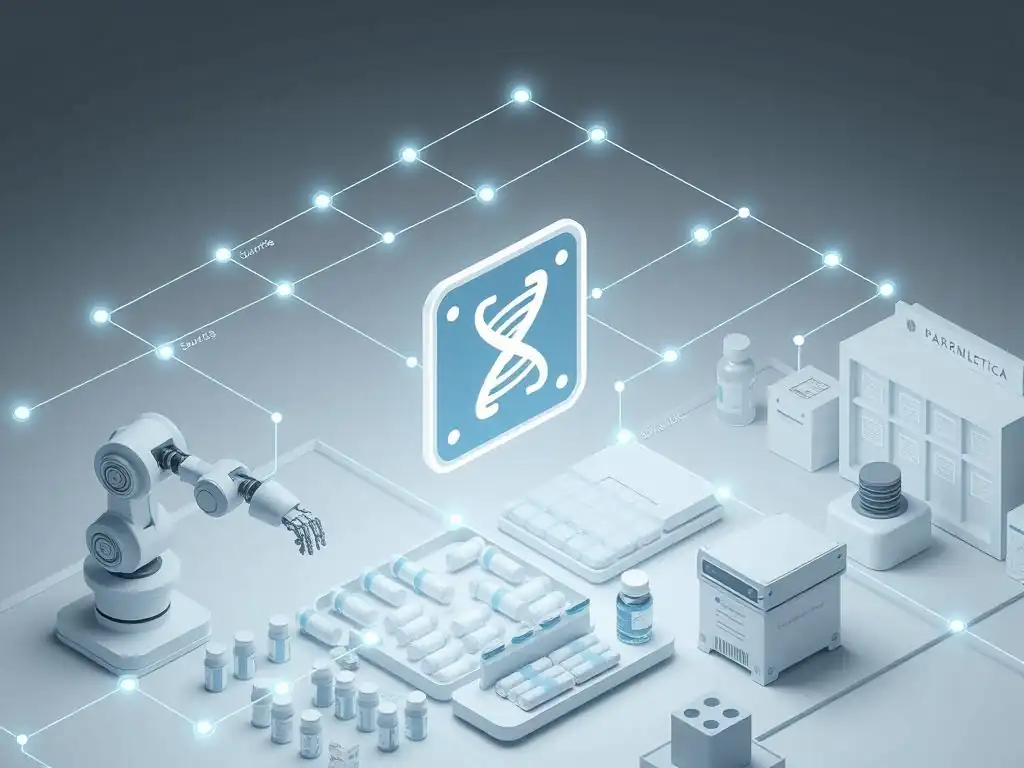
Enhanced Security and Reduced Risk of Counterfeiting
One of the most significant benefits of implementing a blockchain pharma supply chain is the dramatic enhancement of security, particularly in combating the pervasive threat of counterfeit drugs. Each product unit can be assigned a unique identifier recorded on the blockchain, creating a digital twin linked to its physical counterpart. As the product moves through the supply chain, each transaction (handoff, quality check, temperature reading, etc.) is recorded against this identifier on the immutable ledger.
This creates a verifiable history for every item. Stakeholders, including pharmacists and potentially patients via a secure application, can scan a product's code and instantly verify its authenticity by checking its history against the blockchain record. Any attempt to introduce a counterfeit product without the corresponding blockchain history, or any discrepancy in the recorded journey, would be immediately flagged, making it significantly harder for fake drugs to infiltrate the legitimate supply chain.
Improved Efficiency and Cost Savings in Pharma Production
Beyond security, blockchain technology can drive considerable efficiencies and cost savings throughout the pharmaceutical manufacturing and supply chain process. Automating data capture and sharing through a shared ledger reduces manual data entry, reconciliation efforts, and administrative overhead associated with tracking and documentation. For example, reducing the time spent on audits or verifying shipping manifests can free up valuable resources.
Furthermore, improved visibility leads to better inventory management, reducing waste from expired or compromised products. Streamlined processes for quality control data management and batch release can accelerate products getting to market. While initial implementation costs exist, the long-term benefits from reduced counterfeiting losses, optimized logistics, faster recalls, and simplified compliance processes contribute to significant cost savings across the entire blockchain pharma supply chain. Estimates suggest potential savings in the billions globally through improved efficiency and reduced fraud.
Increased Transparency and Trust Across the Supply Chain
Lack of trust among supply chain partners can lead to inefficiencies, disputes, and reluctance to share critical information. Each party traditionally operates with limited visibility into the operations of others, creating information asymmetry. Blockchain inherently fosters transparency (among authorized participants) and trust by providing a single, shared, and immutable source of truth that all parties can rely on.
With a blockchain pharma supply chain, all participants operate based on the same verifiable data recorded on the distributed ledger. This eliminates disputes over shipment details, timestamps, or condition monitoring data. The shared, transparent record builds confidence among manufacturers, distributors, logistics providers, and healthcare providers, facilitating smoother collaborations and information exchange. This increased trust is foundational for building a more robust and collaborative pharmaceutical ecosystem.
Streamlined Regulatory Compliance for Pharma Companies
Navigating the complex web of pharmaceutical regulations is a constant challenge. Demonstrating compliance requires meticulous record-keeping and the ability to quickly produce verifiable documentation for audits and inspections. As mentioned earlier, traditional methods can be cumbersome and prone to errors, increasing the risk of non-compliance fines or delays.
A blockchain pharma supply chain simplifies regulatory compliance by providing an automated, comprehensive, and immutable audit trail. Regulatory bodies can potentially be granted permissioned access to the blockchain data, allowing them to conduct more efficient and less disruptive audits remotely. The ease of access to verifiable data related to manufacturing processes, quality checks, handling conditions, and chain of custody significantly streamlines reporting and compliance efforts, saving time and reducing the administrative burden on pharmaceutical companies.
Blockchain Use Cases in Pharma Manufacturing
Tracking Raw Materials from Source to Finished Product
Ensuring the quality and provenance of raw materials and active pharmaceutical ingredients (APIs) is the foundational step in guaranteeing the quality of the final drug product. A key application of a blockchain pharma supply chain is creating an immutable record of ingredients from their point of origin. This involves onboarding suppliers onto the network and recording details such as the material's source farm or chemical plant, batch number, certificates of analysis, date of production, and transportation details.
As the raw material moves through different stages – quality testing upon arrival at the manufacturing plant, use in a specific production batch – these events are recorded on the blockchain, linked to the original ingredient batch. This creates a complete, verifiable lineage, allowing manufacturers to trace any issue in a finished product back to its specific ingredients and their source, enhancing quality control and accountability.
Managing Temperature-Sensitive Pharmaceuticals with Blockchain
Many life-saving pharmaceuticals, including vaccines, insulin, and certain biologics, require strict temperature control throughout their journey from manufacturing to administration. Deviations from the required temperature range can render these products ineffective or even harmful. Monitoring the cold chain is a critical, yet often challenging, aspect of the blockchain pharma supply chain.
By integrating IoT temperature sensors with a blockchain, pharmaceutical companies can create a continuous, real-time, and immutable record of temperature conditions for individual shipments or even down to the unit level. Sensors transmit temperature data to the blockchain at regular intervals. If a temperature excursion occurs, it is instantly recorded on the ledger, triggering alerts. This allows for immediate investigation and potential quarantine of compromised products, ensuring that only viable, quality-controlled medications reach patients.
Verifying the Authenticity of Clinical Trial Data
While primarily focused on manufacturing and supply chain, blockchain's application in pharma extends to clinical trials, which are critical precursors to manufacturing approval. The integrity and authenticity of clinical trial data are paramount for regulatory review and drug approval. Data manipulation or errors in trial records can compromise the validity of results and the safety profile of a drug.
Blockchain can be used to create an immutable audit trail for clinical trial data points, patient consent updates, and protocol amendments. Each data entry or change is time-stamped and recorded on the ledger, providing a verifiable history that cannot be tampered with retrospectively. This enhances the trustworthiness and transparency of clinical trial data, streamlining regulatory submissions and increasing confidence in the drug development process, which ultimately impacts what products enter the manufacturing pipeline and the blockchain pharma supply chain.
Implementing Blockchain in Pharma: Key Considerations
Choosing the Right Blockchain Platform for Pharma
Implementing a blockchain pharma supply chain solution requires careful consideration of the underlying technology platform. Unlike public, permissionless blockchains (like Bitcoin), pharmaceutical applications typically require permissioned or private blockchain networks. This is because sensitive proprietary data and patient information cannot be exposed publicly, and participants need to be vetted and authorized.
Key considerations when choosing a platform include:
- Permissioning: Ability to control who can join the network, access data, and validate transactions.
- Scalability: The platform must handle a potentially massive volume of transactions and data points generated by millions of product units.
- Data Privacy: Mechanisms to handle sensitive data, potentially using off-chain storage with on-chain hashes or zero-knowledge proofs.
- Interoperability: Ability to connect with existing systems and potentially other blockchain networks.
- Governance: A clear framework for managing the network, upgrades, and dispute resolution among participants.
- Cost: Transaction fees and infrastructure costs associated with operating the network.
Platforms like Hyperledger Fabric, R3 Corda, and enterprise versions of Ethereum are often considered for such enterprise applications due to their focus on permissioning and privacy features.
Data Privacy and Security Considerations in Blockchain Implementation
While blockchain offers enhanced security through immutability and cryptography, implementing it in the pharmaceutical sector raises significant data privacy concerns, especially when dealing with sensitive information like patient data in clinical trials or potentially even manufacturing data that could reveal proprietary processes. Regulations like GDPR and HIPAA require strict protection of personal health information and other sensitive data.
Pharmaceutical companies must employ strategies to ensure compliance. This often involves not storing sensitive data directly on the public ledger but rather storing it off-chain in secure, compliant databases and placing only a cryptographic hash of the data onto the blockchain. This hash serves as an immutable reference point to verify the integrity of the off-chain data without exposing the data itself. Implementing robust access controls and encryption is also critical to protect data within the blockchain pharma supply chain network.
System Integration and Interoperability Challenges
A significant hurdle in deploying a blockchain pharma supply chain is integrating the new blockchain platform with existing legacy systems used by manufacturers, distributors, wholesalers, and pharmacies. These systems include Enterprise Resource Planning (ERP), Manufacturing Execution Systems (MES), Warehouse Management Systems (WMS), and serialization databases. These systems often use different technologies, data formats, and communication protocols.
Achieving seamless interoperability between these disparate systems and the blockchain requires significant development effort. APIs (Application Programming Interfaces) and middleware are needed to facilitate data exchange between the legacy systems and the blockchain ledger. Standardizing data formats across the supply chain participants is also crucial. Overcoming these integration challenges is essential for ensuring that the blockchain solution can effectively capture and disseminate the necessary data points throughout the entire blockchain pharma supply chain network.
The Future of Blockchain in Pharma Supply Chain
Predictions for Blockchain Adoption in Pharmaceutical Manufacturing
Predictions regarding the widespread adoption of blockchain in pharmaceutical manufacturing and the supply chain vary, but there is a general consensus that its use will grow significantly in the coming years. Early pilot projects and consortia focused on blockchain traceability (like the MediLedger Project) have demonstrated feasibility and potential benefits. Regulatory drivers, such as the U.S. DSCSA's 2023 deadline for enhanced interoperability and tracing, are also accelerating interest and investment.
Analysts predict that within the next five to ten years, blockchain technology could become a standard component of major pharmaceutical supply chain operations, particularly for high-value, temperature-sensitive, or frequently counterfeited drugs. While full industry-wide adoption across all product lines may take longer due to integration complexities and the need for ecosystem-wide collaboration, the trend towards leveraging blockchain for enhanced traceability, security, and compliance in the blockchain pharma supply chain is clearly established.
The Potential for Decentralized Pharma Manufacturing
Looking further into the future, blockchain technology could potentially enable more decentralized models of pharmaceutical manufacturing and distribution. By providing a trusted, transparent, and automated framework for managing quality control, batch production, and inventory across a distributed network, blockchain could facilitate localized or on-demand manufacturing closer to patient populations.
This could involve smaller, modular manufacturing units whose production processes and outputs are recorded and verified on a blockchain. Such a model could improve responsiveness to local demand, reduce long-distance transportation risks, and potentially lower costs. While significant technological and regulatory hurdles remain, blockchain's ability to coordinate complex processes across multiple trust-agnostic nodes makes it a foundational technology for exploring the viability of a truly decentralized blockchain pharma supply chain and manufacturing network.
Blockchain and the Evolution of Personalized Medicine
The advent of personalized medicine, where treatments are tailored to individual patient genetic profiles or specific disease characteristics, introduces new complexities to the pharmaceutical supply chain. Manufacturing might involve smaller, highly specific batches or even 'batch of one' production. Tracking these unique products and ensuring their correct delivery to the intended patient requires an unprecedented level of precision and traceability.
Blockchain is uniquely suited to manage the intricate logistics and data requirements of personalized medicine. By creating a secure, immutable record for each patient's specific treatment and its associated manufacturing and distribution journey, blockchain can ensure that the right personalized therapy reaches the right patient. It can track unique identifiers, manufacturing parameters for that specific dose, and the precise chain of custody, providing verifiable proof of authenticity and correct handling within this highly specialized segment of the blockchain pharma supply chain.
Conclusion: Blockchain as a Catalyst for a Safer, More Efficient Pharma Industry
The pharmaceutical industry stands to gain immensely from the adoption of blockchain technology. By addressing critical vulnerabilities related to transparency, security, and efficiency, blockchain provides a powerful framework for enhancing product quality and ensuring end-to-end traceability throughout the supply chain.
From combating the devastating threat of counterfeit drugs and streamlining burdensome regulatory compliance to enabling real-time product monitoring and improving overall operational efficiency, the benefits are clear. While challenges related to platform selection, data privacy, and system integration must be navigated, the successful implementation of a blockchain pharma supply chain promises a future where pharmaceuticals are safer, the supply chain is more efficient, and trust among all stakeholders is significantly strengthened. Blockchain is poised to be a key catalyst in the evolution towards a more secure and effective global pharmaceutical ecosystem.
Frequently Asked Questions
What are the main benefits of using blockchain in the pharmaceutical supply chain?
Blockchain provides enhanced traceability and increased transparency throughout the pharma supply chain. This helps to combat counterfeit drugs and ensures product authenticity.
How does blockchain technology improve quality control in pharma manufacturing?
Blockchain creates a tamper-proof record of each step in the manufacturing process. This allows for better monitoring of quality parameters and faster identification of potential issues.
Can blockchain help reduce the risk of counterfeit drugs entering the market?
Yes, by providing a secure and immutable record of each product's journey, blockchain makes it much harder for counterfeiters to introduce fake medications into the supply chain. It ensures drug provenance.
What are the regulatory considerations when implementing blockchain in the pharma industry?
Pharma companies need to comply with regulations like data privacy laws (e.g., GDPR) and track-and-trace requirements. Blockchain solutions must be designed to meet these standards and ensure regulatory compliance.
What is the future of blockchain in the pharmaceutical manufacturing and supply chain?
The future involves wider adoption of blockchain for greater efficiency and security. We'll likely see more interoperable blockchain systems connecting different stakeholders in the pharma ecosystem.
Final Reflection: Securing the Pharmaceutical Future
The journey through understanding blockchain's role in pharmaceutical manufacturing underscores a critical truth: trust and transparency are no longer optional, but essential, in ensuring patient safety and product integrity. The complexities of the global pharma supply chain demand innovative solutions, and blockchain offers a powerful mechanism to combat counterfeiting, improve traceability, and ultimately, build a more secure and reliable system for delivering life-saving medications.
The impact of a compromised pharmaceutical supply chain extends far beyond financial losses; it directly affects human lives. Witnessing the potential of blockchain to mitigate these risks is not just professionally compelling, but deeply personally resonant. The ability to track a drug's journey from origin to patient, with immutable data, offers a level of assurance previously unattainable. The beauty of blockchain isn't just in its technology, but in its ability to foster collaboration and trust across disparate entities, creating a shared source of truth.
As we look to the future, the integration of blockchain technology into the pharmaceutical industry is poised to revolutionize how we approach quality control and supply chain management. It's not simply about adopting a new technology; it's about embracing a new paradigm of transparency and accountability.
Consider how you can advocate for and contribute to the adoption of these technologies, ensuring that the medications available to you, your loved ones, and the world are safe, authentic, and readily accessible. Let us all strive to build a future where trust is not a luxury, but a fundamental guarantee within the pharmaceutical landscape.
Embrace the Future of Pharma: Start Building with Blockchain Today!
Thank you for exploring how blockchain is transforming pharmaceutical manufacturing. You've gained valuable insights into how it improves quality and traceability, paving the way for a more secure and efficient future. Now, it's time to turn that knowledge into action.
Consider taking these steps to be part of this exciting evolution:
- Initiate a pilot blockchain project within your organization to assess its impact on supply chain transparency. This could be a pivotal move!
- Research blockchain solution providers specializing in the pharmaceutical industry and identify potential partners to accelerate innovation.
- Share this article with your network and start a discussion on social media about how blockchain can reshape pharmaceutical manufacturing.
What is the first concrete step you'll take this week to incorporate blockchain principles into your processes? Share your thoughts in the comments below!
Leave a Reply