
Securing Medical Devices with Blockchain: Protecting Patients from Cyber Threats

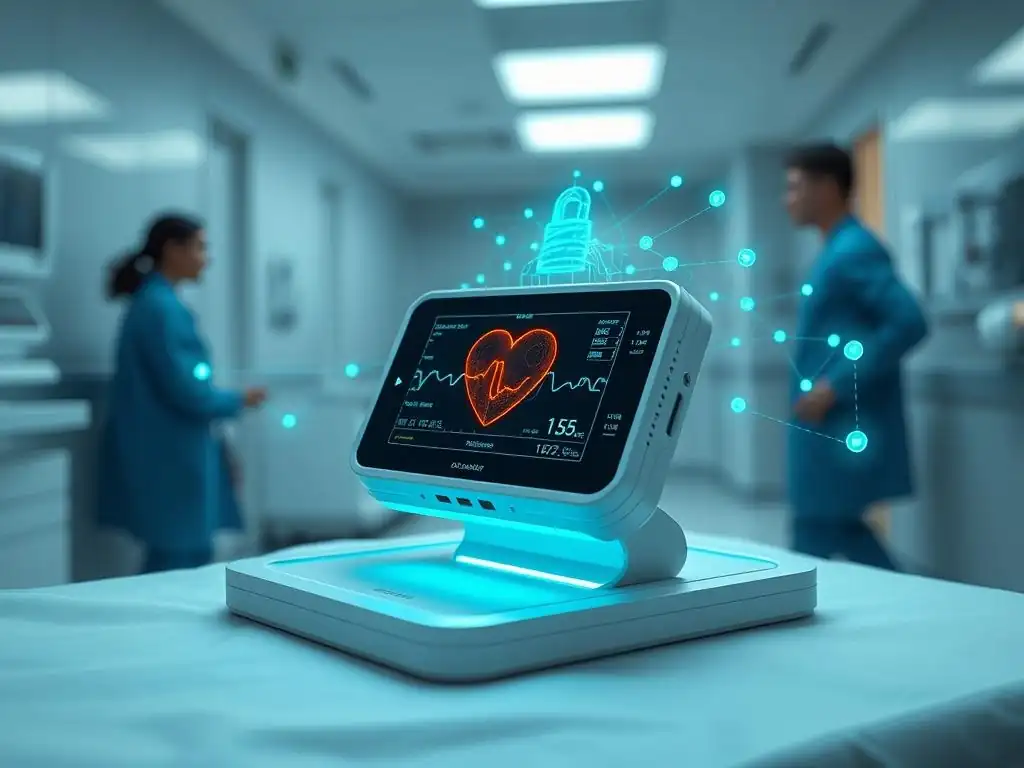
Welcome to Blockchain Trends, where we delve into the revolutionary world of blockchain technology beyond the realm of cryptocurrencies. In our latest article, “Securing Medical Devices with Blockchain: Protecting Patients from Cyber Threats,” we explore the vital intersection of blockchain and healthcare, uncovering how this innovative technology can enhance the security of medical devices and safeguard patient data. Are you curious about the transformative potential of blockchain in protecting our most sensitive health information?
Join us as we navigate the future of decentralized systems in the healthcare sector, and discover how the fusion of technology and medicine is reshaping patient care. Dive in to learn more!
Securing Medical Devices with Blockchain: Protecting Patients from Cyber Threats
- Introduction: The Growing Threat Landscape for Medical Devices
- Blockchain Medical Device Security: An Overview
- The Problem: Current Security Challenges in Healthcare IoT
- Blockchain-Based Solutions for Medical Device Protection
-
Implementing Blockchain for Medical Device Security: A Step-by-Step Approach
- Step 1: Identifying Critical Medical Devices and Data Assets
- Step 2: Selecting a Suitable Blockchain Platform for Healthcare
- Step 3: Integrating Blockchain with Existing Medical Device Infrastructure
- Step 4: Developing Smart Contracts for Secure Data Management
- Step 5: Ensuring Regulatory Compliance and Data Privacy
- Case Studies: Blockchain Applications in Medical Device Security
- Benefits of Blockchain in Medical Device Cybersecurity
- Challenges and Considerations for Blockchain Adoption in Healthcare
- The Future of Blockchain in Medical Device Security
- Conclusion: Blockchain as a Key Enabler for Secure Medical Devices
-
Frequently Asked Questions
- How can blockchain enhance the security of medical devices?
- What are the key benefits of using blockchain for medical device security?
- What specific types of cyber threats can blockchain help mitigate in the context of medical devices?
- What are some challenges to implementing blockchain for medical device security?
- How does blockchain contribute to regulatory compliance in the medical device industry?
- Final Reflection: Blockchain's Promise for Medical Device Security
- 🛡️ Fortify Your Health Data Future Now! 🛡️
Introduction: The Growing Threat Landscape for Medical Devices
The Increasing Connectivity of Medical Devices and Vulnerabilities
The healthcare industry is undergoing a significant transformation driven by the proliferation of connected medical devices. From wearable health trackers and remote patient monitoring systems to sophisticated hospital equipment like MRI machines, infusion pumps, and robotic surgical assistants, these devices are increasingly integrated into networks, often leveraging the Internet of Medical Things (IoMT). This connectivity facilitates better patient care, remote diagnostics, and efficient data sharing.
However, it also vastly expands the attack surface for cyber threats. The sheer volume of connected devices, estimated to reach tens of billions globally in the coming years, presents a complex challenge for traditional security measures. Each new connection point can introduce vulnerabilities, potentially exposing sensitive patient data or enabling malicious actors to interfere with device functionality, posing direct risks to patient safety.
This increased connectivity has led to a surge in reported vulnerabilities. A 2022 analysis by Claroty revealed that 53% of connected medical devices had a known vulnerability, and a significant portion of these (around 38%) were considered critical. Furthermore, many devices operate using outdated software or protocols, making them susceptible to well-known exploits.
The nature of healthcare environments, with diverse device types from various manufacturers and often segmented networks, complicates patching and security management. This complex and vulnerable landscape underscores the urgent need for robust security solutions, and blockchain medical device security is emerging as a promising area for exploration.
The Critical Need for Enhanced Medical Device Security
The consequences of compromised medical devices are severe, extending far beyond data breaches. While patient data privacy is paramount – with breaches potentially leading to identity theft or discrimination – the integrity and availability of medical devices are directly linked to patient outcomes. A successful cyberattack could disrupt critical care delivery, alter medication dosages delivered by a smart pump, manipulate imaging results, or even disable life-sustaining equipment like ventilators or pacemakers.
Such incidents could have catastrophic, even fatal, consequences. The healthcare sector is a prime target for cybercriminals, not only for valuable patient data but also due to the critical nature of its services, which makes organizations more likely to pay ransoms to restore operations quickly.
The financial impact of healthcare cyberattacks is also staggering. According to IBM's 2023 Cost of a Data Breach Report, the healthcare industry has reported the highest average cost per data breach for 13 consecutive years, reaching an average of $10.93 million per incident. This figure includes costs related to detection, escalation, notification, and post-breach response.
Beyond financial penalties and recovery costs, attacks erode patient trust, disrupt clinical workflows, and can lead to significant downtime, further impacting patient care. Strengthening medical device cybersecurity is not just an IT problem; it is a fundamental requirement for ensuring patient safety and maintaining the integrity of the healthcare system. Exploring advanced security paradigms, such as those offered by blockchain technology, is essential to meet this critical need.
Blockchain Medical Device Security: An Overview
Understanding Blockchain Technology and its Security Features
Blockchain technology is fundamentally a decentralized, distributed ledger that records transactions across many computers. Once a block of data is added to the chain, it is cryptographically linked to the previous block, creating a chain that is inherently difficult to alter. Key security features of blockchain include immutability, transparency (for public blockchains, though permissioned blockchains can control visibility), and cryptographic security.
Each transaction is verified by a network of participants before being added to a block, and each block is secured with cryptographic hashes. This distributed consensus mechanism makes it extremely difficult for a single actor to tamper with data without being detected by the network.
The security properties of blockchain stem from its design principles. The use of cryptographic hashing ensures data integrity; any change to a block would alter its hash, breaking the chain's link and alerting the network. Public-key cryptography is used for secure transactions and identity verification. Decentralization eliminates single points of failure, making the system more resilient to attacks compared to traditional centralized databases. While often associated with cryptocurrencies like Bitcoin, the underlying technology's ability to create a tamper-evident, secure, and shared record makes it highly relevant for applications requiring trust and data integrity, such as blockchain medical device security.
How Blockchain Can Enhance Medical Device Cybersecurity
Blockchain's inherent security features can be leveraged to address specific vulnerabilities in medical device ecosystems. One primary application is in establishing secure device identity and authentication. By assigning a unique, immutable identity recorded on a blockchain to each medical device, healthcare providers can ensure that only legitimate and verified devices are connected to their networks. This prevents unauthorized devices from accessing sensitive systems or data. Furthermore, the blockchain can store verifiable information about the device's origin, ownership history, and maintenance records, creating a transparent and trustworthy audit trail.
Another critical area where blockchain can enhance medical device cybersecurity is data integrity and access control. Medical devices often generate or handle sensitive patient data. By recording data transactions or hashes of data on a blockchain, healthcare providers can create a tamper-proof log of data access and modification.
This ensures that data remains accurate and unaltered. Smart contracts, self-executing contracts with the terms of the agreement directly written into code, can be deployed on a blockchain to automate and enforce access control policies, granting specific permissions to authorized users or systems based on predefined rules. This decentralized approach to access management can reduce the risk associated with centralized authorization systems, which are often prime targets for attackers seeking to gain widespread access.
The Problem: Current Security Challenges in Healthcare IoT
Data Breaches and Patient Privacy Concerns in Medical IoT
The proliferation of connected medical devices significantly exacerbates the risk of data breaches, exposing highly sensitive patient information. Medical devices like remote patient monitors, wearable health sensors, and even sophisticated hospital equipment often collect, process, and transmit protected health information (PHI). If these devices or the networks they connect to are compromised, this PHI can be accessed by unauthorized parties. The type of data involved is often more sensitive than typical financial data, including diagnoses, treatment plans, genetic information, and real-time health status. Such breaches can lead to severe privacy violations, potential discrimination, and even extortion.
The scale of healthcare data breaches is alarming. In the United States alone, the Department of Health and Human Services Breach Portal reports hundreds of large breaches affecting 500 or more individuals each year. Many of these incidents involve network servers or email systems, but the attack surface is increasingly extending to connected medical devices and the data they handle.
For instance, a single breach involving a healthcare provider's network connected to numerous IoMT devices could potentially expose millions of patient records. The average cost of a healthcare data breach, as mentioned previously, underscores the significant financial consequences, but the damage to patient trust and the potential for harm to individuals are far more critical concerns associated with compromised medical device cybersecurity.
Vulnerabilities in Legacy Medical Device Systems
A significant challenge in securing medical devices is the presence of numerous legacy systems within healthcare facilities. Many medical devices have a long operational lifespan, often 10-15 years or even longer. Devices purchased a decade ago were not designed with the current threat landscape in mind and frequently run on outdated operating systems (like Windows XP or older embedded systems) or use proprietary communication protocols with known vulnerabilities. These systems may no longer receive security updates or patches from the manufacturer, leaving them permanently exposed to exploits that are widely known and easily accessible to attackers.
Integrating these legacy devices into modern, interconnected healthcare networks creates critical security gaps. They can serve as entry points for attackers to penetrate the wider network, move laterally, and access more sensitive systems or data. Patching or replacing these devices is often costly, complex, and can disrupt clinical workflows, leading healthcare providers to delay necessary security upgrades. This pervasive issue of vulnerable legacy infrastructure presents a fundamental hurdle for achieving robust medical device cybersecurity across the entire healthcare ecosystem.
The High Cost of Cybersecurity Incidents in Healthcare
Cybersecurity incidents in the healthcare sector impose substantial financial burdens, impacting organizations' ability to provide care and invest in improvements. The average cost of a healthcare data breach, exceeding $10 million in recent reports, is a stark figure, but it only represents a portion of the total impact. Beyond the direct costs of investigation, remediation, legal fees, and regulatory fines (such as HIPAA penalties in the US, which can range from $100 to $50,000 per violation per year, up to a maximum of $1.5 million per year for identical violations), organizations face significant indirect costs.
These indirect costs include lost revenue due to operational downtime (e.g., elective surgeries cancelled due to EHR system outages), damage to reputation leading to loss of patients, increased insurance premiums, and the long-term costs of implementing enhanced security measures post-incident. A ransomware attack can paralyze hospital operations for days or weeks, forcing diversions of patients to other facilities and causing significant financial strain. The cumulative effect of these costs highlights that investing proactively in advanced medical device cybersecurity, potentially through solutions like blockchain, is often more cost-effective than reacting to breaches after they occur.
Blockchain-Based Solutions for Medical Device Protection
Secure Device Identification and Authentication with Blockchain
Establishing a trustworthy identity for every medical device and ensuring only authenticated devices can connect and transmit data is a foundational element of medical device cybersecurity. Traditional methods often rely on centralized databases or simple passwords, which are vulnerable to compromise. Blockchain offers a decentralized and immutable way to manage medical device identities. Each device can be registered on a permissioned blockchain with a unique identifier (e.g., a cryptographic hash or public key). This registration can include metadata such as the device type, manufacturer, model number, firmware version, and ownership details.
When a device attempts to connect to a network or communicate with another system (like an electronic health record or a remote monitoring platform), its identity can be verified against the immutable record on the blockchain. This process ensures that the device is legitimate and hasn't been tampered with or replaced by a malicious imposter.
Furthermore, the blockchain can store a verifiable history of the device's status, including firmware updates, maintenance logs, and ownership transfers. This transparent and secure identity management system significantly enhances blockchain medical device security by preventing unauthorized device connections and providing a clear audit trail of device lifecycle events.
Blockchain-Enabled Data Integrity and Tamper-Proofing for Medical Records
Medical devices frequently generate critical patient data, such as vital signs, diagnostic images, or therapy delivery logs. Ensuring the integrity of this data is paramount for accurate diagnosis and treatment. Traditional data storage and transmission methods can be vulnerable to manipulation, either accidentally or maliciously. Blockchain technology provides a robust mechanism to guarantee data integrity by creating a tamper-evident record of data transactions or by storing cryptographic hashes of the data itself on the chain.
Instead of storing the raw patient data on the blockchain (which would be impractical and violate privacy), a common approach is to store a hash of the data block generated by the medical device. This hash acts as a unique digital fingerprint. If the original data is altered in any way, its hash will change. By periodically or continuously recording these hashes on a blockchain, healthcare providers can create an immutable and verifiable log.
Anyone can check the integrity of the original data by re-calculating its hash and comparing it to the hash stored on the blockchain. Any discrepancy indicates that the data has been tampered with. This blockchain medical device security application ensures that the data clinicians rely on is accurate and trustworthy.
Decentralized Access Control for Medical Device Data Using Blockchain
Controlling who or what can access data from medical devices is crucial for patient privacy and data security. Traditional access control systems are often centralized, managing permissions through a single database or server. If this central authority is compromised, an attacker could potentially gain unauthorized access to data from numerous devices. Blockchain, combined with smart contracts, offers a more decentralized and resilient approach to access control for medical device cybersecurity.
Access policies – defining which users, applications, or other devices have permission to read or write data from a specific medical device under what conditions – can be encoded into smart contracts deployed on a permissioned blockchain. When an entity requests access to device data, the request is validated by the smart contract against the predefined rules.
The smart contract can verify the identity of the requesting entity (perhaps also managed on the blockchain) and the legitimacy of the request before granting or denying access. This decentralized execution of access rules reduces reliance on a single point of control and creates an immutable log of all access requests and decisions on the blockchain, providing a transparent and auditable access history that enhances blockchain medical device security.
Implementing Blockchain for Medical Device Security: A Step-by-Step Approach
Step 1: Identifying Critical Medical Devices and Data Assets
The first step in implementing blockchain medical device security is to conduct a thorough assessment of the healthcare organization's medical device inventory and associated data assets. This involves identifying all connected medical devices, understanding their function, the type of data they handle (e.g., PHI, device performance data), their connectivity methods, and their criticality to patient care. Prioritization is key; focus initial efforts on devices that handle the most sensitive data or those whose compromise could have direct and severe impacts on patient safety, such as life-support systems, implantable devices, or devices used in critical care settings.
This step requires collaboration between IT security teams, clinical engineering, and clinical staff to gain a comprehensive understanding of the device landscape and potential risks. Creating a detailed inventory, classifying devices by risk level, and mapping data flows are essential prerequisites. For example, identifying that infusion pumps in the ICU are wirelessly connected and manage drug dosage data highlights them as critical assets requiring robust medical device cybersecurity, making them prime candidates for a blockchain-based security solution.
Step 2: Selecting a Suitable Blockchain Platform for Healthcare
Choosing the right blockchain platform is crucial for a successful blockchain medical device security implementation. Given the sensitive nature of healthcare data and the need for controlled access, a permissioned blockchain is typically preferred over a public one. Permissioned blockchains restrict participation to known and authorized entities, providing better control over data privacy and compliance with regulations like HIPAA. Factors to consider when selecting a platform include:
- Performance and Scalability: Can the platform handle the volume of transactions (e.g., device identity checks, data hash logging, access requests) generated by potentially thousands of devices?
- Security Features: Does the platform offer strong cryptographic security, robust consensus mechanisms, and access control capabilities?
- Privacy Features: Does it support features like private transactions or zero-knowledge proofs to protect sensitive data while maintaining verifiability?
- Ease of Integration: How well can the platform integrate with existing healthcare IT infrastructure and device communication protocols?
- Regulatory Compliance: Does the platform facilitate compliance with relevant healthcare regulations?
- Cost: What are the deployment and ongoing operational costs?
Examples of platforms that could be considered include Hyperledger Fabric, R3 Corda, or enterprise versions of Ethereum. A pilot project focusing on a specific type of critical device can help evaluate the platform's suitability before a wider rollout for comprehensive blockchain medical device security.
Step 3: Integrating Blockchain with Existing Medical Device Infrastructure
Integrating a blockchain solution with diverse and often proprietary medical device infrastructure is one of the most challenging steps. Medical devices use a wide array of communication protocols (e.g., HL7, DICOM, MQTT, proprietary protocols) and operating systems. Direct integration of blockchain nodes onto resource-constrained embedded devices is often not feasible. Instead, integration typically involves developing middleware or using gateways that can securely interface between the medical device network and the blockchain network.
These gateways would be responsible for collecting relevant data from devices (e.g., device identifiers, event logs, data hashes), formatting it appropriately, and submitting transactions to the blockchain. This layer must be highly secure itself to avoid becoming a new point of vulnerability.
For instance, a gateway might monitor communication from a fleet of smart infusion pumps, calculate hashes of dosage logs, and submit these hashes to the blockchain periodically to create a tamper-evident record, thereby enhancing blockchain medical device security for this critical equipment. This step often requires significant technical expertise and potentially custom development to bridge the gap between legacy systems and modern blockchain technology.
Step 4: Developing Smart Contracts for Secure Data Management

Smart contracts are essential components for automating and enforcing security policies in a blockchain medical device security solution. These self-executing code snippets reside on the blockchain and automatically execute predefined actions when specific conditions are met. For medical device security, smart contracts can be used to:
- Manage Device Identity and Status: Automatically update a device's status on the blockchain when it receives a verified firmware update or undergoes maintenance.
- Enforce Access Control: Grant or revoke access permissions to device data based on user roles, time of day, or specific events, as defined in the contract. For example, a smart contract could specify that only authorized clinicians during patient care hours can request real-time data streams from a connected patient monitor.
- Automate Compliance Logging: Automatically record specific events (e.g., data access requests, firmware updates, configuration changes) on the blockchain to create an immutable audit trail required for regulatory compliance.
- Trigger Alerts: Initiate alerts if a device attempts an unauthorized action or if data integrity checks fail.
Developing robust and secure smart contracts requires careful design and rigorous testing to prevent vulnerabilities that could be exploited. The logic encoded in these contracts directly governs how data from medical devices is managed and accessed, making them central to the effectiveness of blockchain medical device security.
Step 5: Ensuring Regulatory Compliance and Data Privacy
Implementing blockchain medical device security in healthcare must strictly adhere to complex regulatory requirements, such as HIPAA in the United States, GDPR in Europe, and other regional data privacy laws. While blockchain offers security benefits, it also introduces considerations regarding data privacy and the "right to be forgotten." Placing PHI directly on a public blockchain is generally not permissible due to its immutable nature and public visibility. Permissioned blockchains offer more control, but the design must ensure that PHI is not directly stored on the chain.
Instead, as discussed, the blockchain typically stores metadata, transaction logs, device identifiers, or cryptographic hashes of the data. The actual patient data remains stored off-chain in compliant databases or systems, with the blockchain providing the integrity layer and access control enforcement. The system design must incorporate mechanisms for managing access keys and ensuring that only authorized entities can link the on-chain records (like data hashes) to the off-chain patient data.
Furthermore, the process for handling errors or the need to correct data must be carefully designed within the regulatory framework, acknowledging blockchain's immutability while meeting requirements for data accuracy and patient rights. Collaboration with legal and compliance experts is essential throughout the design and implementation process to ensure the blockchain medical device security solution meets all necessary legal and privacy standards.
Case Studies: Blockchain Applications in Medical Device Security
Securing Ventilator Data During a Pandemic with Blockchain
During public health crises, the secure and reliable operation of critical medical devices like ventilators becomes paramount. Imagine a scenario where a hospital relies on a fleet of connected ventilators. Ensuring that these devices are running the correct, untampered firmware and that the operational data they generate (e.g., patient ventilation settings, alarms, historical performance) is accurate and secure is vital. A blockchain medical device security solution could address these needs.
Each ventilator could be registered on a permissioned blockchain with a unique identity. Firmware updates, maintenance records, and calibration events for each device would be logged as transactions on the chain, creating an immutable history accessible to authorized personnel. Furthermore, hashes of critical operational data generated by the ventilator could be periodically recorded on the blockchain.
For example, every hour, a hash of the ventilation log data could be pushed to the chain. If an attacker were to compromise a ventilator and alter its settings or historical logs, the hash of the altered data would no longer match the hash stored on the blockchain, immediately signaling a potential breach or data integrity issue. This provides a verifiable audit trail and helps ensure the reliability of critical life-support devices during high-stress situations like a pandemic.
Blockchain-Based Audit Trail for Implantable Cardiac Devices
Implantable cardiac devices, such as pacemakers and defibrillators, are critical for patient health but have also been identified as potentially vulnerable to cyberattacks. Ensuring the integrity of the device's configuration settings, firmware, and the data it records about the patient's heart activity is a significant challenge. A blockchain medical device security application could provide an enhanced audit trail for these devices.
When a cardiac device is implanted and configured, its unique identifier and initial configuration settings could be registered on a blockchain. Any subsequent interactions, such as remote monitoring data transmissions, firmware updates (performed wirelessly), or parameter adjustments made during a clinical visit, would trigger transactions on the blockchain. Instead of relying solely on the device's internal logs or a manufacturer's centralized database, the blockchain would record an immutable log of every command sent to the device and a hash of the data transmitted by it.
For example, when a clinician adjusts a pacing parameter, the command and the resulting device confirmation could be hashed and logged on the chain. This creates a verifiable, decentralized audit trail that helps detect unauthorized access or modifications to the device or its data, significantly improving the security posture of critical implantable medical technology.
Preventing Counterfeit Medical Devices Using a Blockchain Supply Chain
The proliferation of counterfeit medical devices poses a serious threat to patient safety. Substandard or fake devices can fail unexpectedly, deliver incorrect dosages, or provide inaccurate readings, leading to adverse health outcomes. Ensuring the authenticity and provenance of medical devices throughout the supply chain is a complex challenge. Blockchain medical device security can be extended to secure the medical device supply chain.
Manufacturers can register each legitimate device with a unique serial number and associated metadata on a blockchain at the point of production. As the device moves through the supply chain – from distribution centers to hospitals and potentially to patients – each transfer of ownership or location change is recorded as a transaction on the blockchain. This creates a transparent and immutable history of the device's journey.
Healthcare providers receiving devices can scan a QR code or enter a serial number to verify the device's authenticity and check its complete provenance history on the blockchain ledger. This makes it extremely difficult for counterfeit devices, which lack a corresponding verifiable record on the chain, to enter the legitimate supply chain undetected, thereby enhancing blockchain medical device security before the device even reaches the patient.
Benefits of Blockchain in Medical Device Cybersecurity
Improved Data Security and Patient Privacy
One of the most significant benefits of implementing blockchain medical device security is the substantial improvement in data security and patient privacy. By leveraging blockchain's immutability and cryptographic features, healthcare organizations can create tamper-evident records of medical device data and interactions.
Storing hashes of sensitive data on the blockchain, rather than the data itself, ensures that the integrity of the original data can be verified without exposing the raw information on a distributed ledger. Access control mechanisms enforced by smart contracts on a permissioned blockchain ensure that only authorized entities can decrypt or access the off-chain data associated with a device.
This approach minimizes the risk of data manipulation and unauthorized access compared to centralized systems, which are more susceptible to single-point-of-failure attacks. The decentralized nature of blockchain also makes it more resilient to denial-of-service attacks targeting data repositories. By providing a verifiable and secure method for handling data generated by medical devices, blockchain helps healthcare providers meet stringent data privacy regulations and builds greater trust among patients regarding the security of their health information.
Enhanced Device Authentication and Trust
Establishing trust in the identity and legitimacy of connected medical devices is fundamental to cybersecurity. Blockchain medical device security provides a robust framework for secure device identification and authentication that is far more resilient than traditional methods. By registering device identities on an immutable ledger, healthcare providers can be confident that they are interacting with genuine, authorized devices.
This enhances trust throughout the device lifecycle, from manufacturing and distribution to deployment and decommissioning. The blockchain can store verifiable proof of a device's origin, ownership history, and certification status. When a device attempts to connect to a hospital network or transmit data, its identity can be cryptographically verified against the blockchain record, preventing rogue or compromised devices from gaining access. This enhanced authentication layer is critical in preventing attacks that rely on device impersonation or the introduction of unauthorized hardware, thereby strengthening the overall medical device cybersecurity posture.
Streamlined Audit Trails and Compliance
Maintaining accurate and comprehensive audit trails is essential for cybersecurity incident response, forensic analysis, and demonstrating compliance with healthcare regulations (like HIPAA's requirements for audit controls). Traditional audit logs are often stored in centralized systems that can be tampered with or deleted by attackers attempting to cover their tracks. Blockchain medical device security inherently provides a secure and streamlined solution for audit trails.
Every relevant event related to a medical device – such as firmware updates, configuration changes, data access requests, or data integrity checks (logging hashes) – can be recorded as a transaction on the blockchain. Once a transaction is added to a block and validated, it becomes part of the immutable ledger. This means that audit logs stored on the blockchain cannot be altered or deleted without being detected by the network.
This verifiable and tamper-proof audit trail simplifies the process of investigating security incidents, provides undeniable evidence of events, and significantly eases the burden of demonstrating compliance with regulatory requirements related to data access and system integrity. The transparency and immutability offer a higher level of assurance than traditional logging systems.
Increased Transparency and Interoperability
While data privacy is paramount, blockchain medical device security can also facilitate increased transparency and interoperability in specific contexts, particularly within a permissioned network involving trusted parties (e.g., hospitals, manufacturers, regulatory bodies). A shared, immutable ledger of device identities, maintenance histories, and security events can provide authorized stakeholders with a single, trustworthy source of information.
For example, a regulatory body could have permission to view immutable logs of device firmware updates across multiple hospitals, helping them monitor for widespread vulnerabilities or compliance issues. Manufacturers could securely share verified device information and update notifications directly onto the blockchain for healthcare providers to access.
This shared, transparent view (within the bounds of permissions) can improve communication and coordination related to device security and maintenance. Furthermore, by providing a standardized, distributed record of device identities and data provenance, blockchain can potentially improve interoperability between different healthcare systems and devices, provided standard data formats and protocols are used in conjunction with the blockchain layer.
Challenges and Considerations for Blockchain Adoption in Healthcare
Scalability and Performance Limitations
One of the significant challenges facing the widespread adoption of blockchain medical device security is the inherent scalability and performance limitations of current blockchain technology. Public blockchains like Bitcoin and Ethereum (prior to Eth2 upgrades) have limited transaction throughput (e.g., Bitcoin processes around 7 transactions per second, Ethereum around 15-30). While permissioned blockchains like Hyperledger Fabric or R3 Corda offer significantly higher performance, they may still face challenges handling the immense volume of transactions potentially generated by thousands or even millions of connected medical devices constantly logging data hashes, access requests, or status updates.
A large hospital network could have tens or hundreds of thousands of connected medical devices. If each device were to record a transaction (like a data hash or status update) every hour, the cumulative transaction load on the blockchain network could be substantial. Designing a blockchain medical device security solution requires careful consideration of how to aggregate transactions, optimize data structures, and select a platform capable of meeting the required throughput without causing unacceptable delays in critical healthcare operations. Techniques like off-chain processing with on-chain verification or using layer-2 scaling solutions might be necessary.
Regulatory Hurdles and Compliance Requirements
Navigating the complex landscape of healthcare regulations is a significant hurdle for implementing blockchain medical device security. Regulations like HIPAA, GDPR, and others have strict requirements regarding the privacy, security, and accessibility of Protected Health Information (PHI). While blockchain offers security benefits, its immutable nature can conflict with the "right to be forgotten" or requirements for data correction. Storing PHI directly on an immutable ledger is generally not compliant.
Therefore, blockchain solutions for healthcare must be carefully designed to ensure compliance. This typically involves storing sensitive data off-chain in compliant data stores and using the blockchain to store only metadata, hashes, or encrypted references, along with access control rules enforced by smart contracts.
The architecture must demonstrate that it protects patient privacy, maintains data integrity, provides necessary audit trails, and allows for data correction or removal as required by law, even if the blockchain itself is immutable. Achieving regulatory approval and demonstrating compliance for novel blockchain medical device security systems requires close collaboration with legal and compliance experts and potentially engaging with regulatory bodies early in the development process.
Interoperability with Existing Healthcare Systems
Integrating a blockchain medical device security layer with the vast and often disparate ecosystem of existing healthcare IT systems and medical devices presents a considerable technical challenge. Healthcare organizations rely on a mix of Electronic Health Records (EHRs), Picture Archiving and Communication Systems (PACS), laboratory information systems, and a wide variety of medical devices from different vendors, often using proprietary interfaces and data formats.
A blockchain solution needs to be able to securely interact with these diverse systems to receive data from devices, verify identities, enforce access controls, and potentially push verified information back to other systems (like an EHR updating a device's last calibration date). Developing robust and secure integration layers (e.g., APIs, middleware, gateways) that can translate between device-specific protocols or legacy data formats and the blockchain's data model is complex and resource-intensive. Achieving true interoperability while maintaining the security benefits of the blockchain is critical for widespread adoption of blockchain medical device security solutions.
The Need for Skilled Blockchain Professionals in Healthcare
The successful implementation and maintenance of blockchain medical device security solutions require specialized expertise that is currently in high demand and short supply within the healthcare sector. Healthcare IT professionals typically have deep knowledge of traditional networking, security, and healthcare-specific applications (like EHRs), but they may lack the necessary skills in blockchain architecture, smart contract development, distributed ledger technology, and the specific security considerations of blockchain networks.
Organizations looking to adopt blockchain medical device security will face challenges in finding and retaining individuals with the combined knowledge of blockchain technology, cybersecurity principles, healthcare workflows, and regulatory requirements. This includes developers capable of building secure smart contracts, architects who can design scalable and compliant blockchain solutions, and security analysts who understand how to monitor and manage the security of a distributed ledger network in a healthcare context. The need for specialized talent represents a significant barrier to entry and scaling for blockchain medical device security.
The Future of Blockchain in Medical Device Security
Emerging Trends and Innovations
The field of blockchain medical device security is still relatively nascent but is evolving rapidly with several emerging trends and innovations. One key trend is the development of specialized healthcare-focused blockchain platforms designed to address the unique needs of the industry, including privacy features, regulatory compliance tools, and enhanced performance for healthcare data volumes.
Another trend is the exploration of combining blockchain with other emerging technologies, such as Artificial Intelligence (AI) and Machine Learning (ML), for enhanced security monitoring. AI/ML could analyze the immutable logs on the blockchain to detect anomalous patterns indicative of a cyberattack on a medical device more effectively than traditional methods.
Furthermore, research is ongoing into more advanced cryptographic techniques, like zero-knowledge proofs (ZKPs), which could allow verification of certain facts (e.g., a device is running a verified firmware version) without revealing the underlying sensitive information on the blockchain. Decentralized Identifiers (DIDs) and Verifiable Credentials (VCs) standards, often built on blockchain or distributed ledger technology, are also being explored as a more secure way to manage device identities and certifications. These innovations promise to make future blockchain medical device security solutions more scalable, private, and capable of addressing sophisticated threats.
The Role of Blockchain in a Secure Healthcare Ecosystem
Looking ahead, blockchain is poised to play a foundational role in building a more secure and trustworthy healthcare ecosystem, extending beyond just medical device security. A secure, interoperable blockchain layer could serve as a backbone for managing identities (patients, providers, devices), consent management for data sharing, supply chain integrity for pharmaceuticals and devices, and creating immutable audit trails across various healthcare processes.
For medical devices specifically, blockchain could become the standard for verifying device authenticity from manufacturing to disposal, ensuring the integrity of device configurations and operational data, and providing a universal, secure log of device interactions within patient care.
In this future ecosystem, a compromised medical device would not only be detected by its local network but its malicious activity (or attempts to alter data/identity) could be flagged on a shared, distributed ledger accessible to relevant stakeholders (e.g., device manufacturers, hospitals, regulators), enabling faster response and mitigation across the network. Blockchain's role will be that of a trust layer, enabling secure collaboration and data exchange among disparate entities in the healthcare value chain, fundamentally enhancing the collective medical device cybersecurity posture.
Predictions for Blockchain's Impact on Medical Device Cybersecurity
Over the next five to ten years, it is likely that we will see increasing adoption of blockchain technology in niche but critical areas of medical device security. Initial implementations may focus on high-value, high-risk areas such as securing implantable devices, managing the supply chain for critical equipment, or providing immutable audit trails for regulatory compliance in hospitals. As blockchain technology matures, becomes more scalable, and as the healthcare industry gains more expertise, its application is expected to broaden.
We can predict that blockchain-based identity and authentication for medical devices will become more commonplace, significantly reducing the risk of unauthorized device connections. Furthermore, the use of blockchain for ensuring the integrity of data generated by medical devices will likely become a standard practice, moving beyond pilot projects to widespread deployment in clinical settings.
While challenges related to legacy system integration and regulatory clarity will persist, the undeniable need for enhanced medical device cybersecurity and the unique security properties of blockchain position it as a key technology that will fundamentally transform how medical devices are secured in the future, ultimately contributing to improved patient safety.
Conclusion: Blockchain as a Key Enabler for Secure Medical Devices
The increasing connectivity of medical devices, while offering significant benefits for patient care, has simultaneously created a complex and vulnerable landscape ripe for cyber threats. Traditional centralized security measures are often insufficient to protect against sophisticated attacks targeting medical device integrity, data privacy, and availability. The consequences of such attacks are dire, ranging from massive data breaches and financial losses to direct harm and even fatality for patients. Addressing this critical need for enhanced medical device cybersecurity requires exploring innovative and robust security paradigms.
Blockchain technology, with its inherent features of immutability, decentralization, and cryptographic security, offers a compelling solution to many of the fundamental security challenges facing connected medical devices. By providing a trust layer for secure device identification and authentication, ensuring the integrity and tamper-proofing of medical data generated by devices, and enabling decentralized and auditable access control, blockchain can significantly strengthen the security posture of the medical device ecosystem.
While challenges related to scalability, regulatory compliance, integration, and expertise remain, ongoing advancements in blockchain technology and increasing awareness within the healthcare sector are paving the way for wider adoption. Blockchain medical device security is not merely a theoretical concept; it is emerging as a practical and powerful enabler for building a more secure, trustworthy, and resilient healthcare system, ultimately protecting patients from the growing threat of cyberattacks on the devices essential to their care.
Frequently Asked Questions
How can blockchain enhance the security of medical devices?
Blockchain provides a decentralized and immutable ledger that can track the provenance and integrity of medical device software and data, making it harder for attackers to tamper with them. This enhanced traceability can significantly improve patient safety.
What are the key benefits of using blockchain for medical device security?
The primary benefits include improved data security, enhanced supply chain transparency, and better compliance with regulations like HIPAA. Blockchain's inherent security features reduce the risk of data breaches.
What specific types of cyber threats can blockchain help mitigate in the context of medical devices?
Blockchain can help prevent malware injections, data manipulation, and unauthorized access to sensitive patient data stored or transmitted through medical devices. It also aids in detecting and responding to anomalies more quickly.
What are some challenges to implementing blockchain for medical device security?
Challenges include the scalability of blockchain networks, the integration with existing legacy systems, and the lack of standardized regulations for blockchain use in the healthcare industry. Overcoming these hurdles is crucial for widespread adoption.
How does blockchain contribute to regulatory compliance in the medical device industry?
Blockchain can help demonstrate data integrity and auditability, which are essential for meeting regulatory requirements like those set by the FDA and other governing bodies. The transparent nature of blockchain supports compliance efforts.
Final Reflection: Blockchain's Promise for Medical Device Security
The vulnerabilities inherent in interconnected medical devices are no longer a hypothetical threat; they are a present and escalating danger to patient safety. As we've explored, the decentralized and immutable nature of blockchain technology offers a compelling solution to fortify these devices against cyberattacks, ensuring the integrity of patient data and the reliability of life-saving equipment. The urgency of this issue cannot be overstated, demanding immediate attention and proactive implementation of robust security measures.
The potential of blockchain to revolutionize medical device security extends far beyond mere data protection. It represents a fundamental shift towards a more transparent and trustworthy healthcare ecosystem, where patients can have greater confidence in the safety and security of their medical treatments. Security is always seen as too expensive until you aren't secure anymore.
This quote perfectly encapsulates the proactive investment needed to secure medical devices with blockchain, preventing potentially catastrophic consequences down the line.
Now, consider the implications of this technology in your own life. How can you, as a patient, healthcare professional, or technology enthusiast, advocate for the adoption of blockchain-based security solutions in the medical field? Let us all strive to be informed and engaged citizens, demanding greater accountability and security in the technologies that impact our health and well-being. The future of healthcare security depends on our collective commitment to embracing innovative solutions like blockchain to protect the vulnerable and safeguard the sanctity of patient care.
🛡️ Fortify Your Health Data Future Now! 🛡️
Thank you for exploring how blockchain can revolutionize the security of medical devices. We hope you now understand the vital role this technology plays in safeguarding patient data and preventing cyber threats. It's time to take action and become part of the solution.
Here are a few ways you can contribute to a more secure future for healthcare:
- Advocate for integrating blockchain technology into medical device cybersecurity with your healthcare providers. This is the most important step to drive meaningful change.
- Explore open-source blockchain security protocols and contribute your expertise. Help uncover vulnerabilities and bolster existing defenses.
- Share this article with your network and start a conversation about the importance of securing medical devices. Raising awareness is the first line of defense.
What specific security measure will you encourage your local hospital to implement first to protect patient data, and why? Share your thoughts in the comments below!
Leave a Reply