
Solving Pharma's Counterfeiting Crisis: The Blockchain Solution Explained


Welcome to Blockchain Trends, your compass in the rapidly evolving world of decentralized technology. Beyond the hype surrounding cryptocurrencies lies a vast landscape of innovation, and we're here to guide you through it.
Ever wondered how blockchain is revolutionizing industries beyond finance? Dive into our latest article to discover how blockchain combats pharma counterfeiting, offering a transparent and secure solution to a critical global challenge. Explore the potential within the Blockchain in Healthcare category and begin to understand how this technology is reshaping trust and accountability in unexpected ways. What other sectors are ripe for disruption? Read on to find out!
Solving Pharma's Counterfeiting Crisis: The Blockchain Solution Explained
- The Pervasive Problem of Counterfeit Drugs in the Pharmaceutical Industry
- How Blockchain Technology Combats Pharma Counterfeiting: An Overview
- Blockchain-Based Solutions for Pharma Supply Chain: A Deep Dive
- Implementing Blockchain to Combat Pharma Counterfeiting: Practical Applications
- Benefits of Using Blockchain to Combat Pharmaceutical Counterfeiting
- Overcoming the Challenges of Blockchain Adoption in Pharma
- The Future of Blockchain in Pharma: Beyond Counterfeiting
- Conclusion: Blockchain's Potential to Revolutionize Pharmaceutical Supply Chain Security
-
Frequently Asked Questions
- What is the primary reason blockchain is being explored as a solution for pharmaceutical counterfeiting?
- How does blockchain technology specifically help track pharmaceuticals through the supply chain?
- Besides preventing counterfeiting, what other benefits can blockchain bring to the pharmaceutical industry?
- What are some of the key challenges hindering the widespread adoption of blockchain in the pharmaceutical industry?
- What is the role of regulatory bodies in promoting the use of blockchain to combat pharmaceutical counterfeiting?
- Final Reflection: Securing Health with Trust
- Secure Your Health: Implement Blockchain Transparency!
The Pervasive Problem of Counterfeit Drugs in the Pharmaceutical Industry
The Global Impact of Fake Medications: A Growing Threat
The proliferation of counterfeit drugs represents a critical and growing threat to global public health. These fraudulent products, which may contain incorrect ingredients, insufficient active pharmaceutical ingredients (APIs), or even toxic substances, can cause serious harm or death. The World Health Organization (WHO) estimates that approximately 10% of medical products in low- and middle-income countries are substandard or falsified. However, in some regions, this figure can be significantly higher, potentially reaching 30% or more for certain product categories. This widespread availability of fake medications undermines patient trust in healthcare systems and legitimate pharmaceutical products.
Beyond the immediate health risks, the global reach of counterfeit drugs is expanding, facilitated by complex international supply chains and online pharmacies. The scale of this problem is staggering, impacting millions of patients annually. Reports suggest that falsified antimalarials and antibiotics alone could be responsible for hundreds of thousands of deaths each year, primarily in developing nations. The lack of effective tracking and verification mechanisms across borders allows these dangerous products to infiltrate markets, posing a persistent danger to unsuspecting patients worldwide.
Economic Costs and Public Health Risks of Pharma Counterfeiting
The economic burden of pharmaceutical counterfeiting is substantial, impacting pharmaceutical companies, governments, and consumers alike. Estimates from organizations like the OECD and EUIPO suggest that the trade in counterfeit pharmaceuticals is a multi-billion dollar industry, potentially exceeding $200 billion annually. This illicit trade deprives legitimate manufacturers of revenue, leads to job losses, and reduces tax income for governments. Furthermore, the costs associated with treating adverse effects from counterfeit drugs, investigating incidents, and implementing anti-counterfeiting measures add significant financial strain on healthcare systems.
The public health risks are paramount. Patients taking counterfeit drugs may experience treatment failure, drug resistance (especially with falsified antibiotics or antivirals), unexpected side effects, or even death. For example, a counterfeit version of a life-saving medication might contain only inactive ingredients, leading to a lack of therapeutic effect and potentially fatal consequences for a patient with a critical condition. This erosion of therapeutic efficacy and patient safety is the most devastating consequence of the counterfeit drug crisis, highlighting the urgent need for robust solutions.
Vulnerabilities in the Traditional Pharmaceutical Supply Chain
Traditional pharmaceutical supply chains are inherently complex, involving numerous intermediaries such as manufacturers, distributors, wholesalers, pharmacies, and healthcare providers. This multi-stakeholder environment, often spanning multiple countries and regulatory jurisdictions, creates numerous points of vulnerability. Paper-based records or disparate, siloed digital systems make it difficult to maintain a comprehensive and immutable record of a drug's journey from production to patient.
A significant vulnerability lies in the lack of real-time visibility and the ease with which counterfeit products can be introduced at various points along the chain, particularly during transit or at distribution hubs. Without a unified, secure, and transparent system for tracking and verifying each product unit, it becomes challenging to detect diversions, tampering, or the introduction of fake drugs. This opacity in the supply chain is a primary enabler of pharmaceutical counterfeiting, necessitating a fundamental shift towards more secure and transparent tracking mechanisms.
How Blockchain Technology Combats Pharma Counterfeiting: An Overview
Blockchain's Role in Ensuring Drug Authenticity and Traceability
Blockchain technology offers a powerful solution to this crisis, as blockchain combats pharma counterfeiting by providing enhanced traceability and verifiable authenticity for pharmaceutical products. At its core, a blockchain is a distributed, immutable ledger shared among participants in a network. Each transaction or event (like a drug changing hands) is recorded as a block, cryptographically linked to the previous block, forming a chain. This structure makes it virtually impossible to alter past records without the consensus of the network, ensuring data integrity.
By assigning a unique identifier (like a serialized code) to each drug package and recording its movement on a blockchain, stakeholders across the supply chain can track its journey from the point of manufacture through distribution to the final dispenser. This creates a transparent and auditable history for every individual product. When a drug reaches a pharmacy or patient, its authenticity can be verified by checking its history on the blockchain, confirming it followed the legitimate supply chain path and hasn't been flagged as suspicious or counterfeit. This capability is central to how blockchain combats pharma counterfeiting effectively.
The Key Features of Blockchain for Pharmaceutical Supply Chain Security
Several key features of blockchain technology make it particularly well-suited for enhancing pharmaceutical supply chain security. Decentralization means that the ledger is not stored in a single location, making it resistant to single points of failure or malicious attacks aimed at altering records. Immutability, as mentioned, ensures that once data is recorded on the blockchain, it cannot be tampered with or deleted, providing a trustworthy history of each product.
Transparency is another crucial feature; authorized participants in the network can view the transaction history relevant to them, fostering trust and accountability among supply chain partners. Cryptographic hashing and digital signatures ensure the integrity and authenticity of the data entered onto the ledger. These combined features create a robust system where how blockchain combats pharma counterfeiting is rooted in building a verifiable, tamper-proof record for every drug unit.
Transparency, Immutability, and Enhanced Security: Blockchain's Core Strengths
The core strengths of blockchain—transparency, immutability, and enhanced security—directly address the vulnerabilities of traditional pharmaceutical supply chains. Transparency allows all authorized parties, from manufacturers to regulators and dispensers, to have visibility into the movement and status of drugs. This shared, single source of truth reduces information asymmetry and makes it harder for counterfeiters to operate undetected within the legitimate supply chain.
Immutability ensures that the history of a drug, including its origin, batch number, manufacturing date, and every transfer of ownership, is permanently recorded. This tamper-proof audit trail is invaluable for verifying authenticity and investigating suspicious activities. Enhanced security, provided by cryptographic techniques, protects the data on the ledger from unauthorized access and modification. Together, these features provide a foundation of trust and integrity, fundamentally changing how blockchain combats pharma counterfeiting by making the supply chain more secure and verifiable than ever before.
Blockchain-Based Solutions for Pharma Supply Chain: A Deep Dive
Tracking and Tracing Medications with Blockchain Technology
Blockchain technology enables sophisticated tracking and tracing capabilities for individual medication units, a critical step in combating counterfeiting. Each saleable unit, such as a bottle or a package, can be assigned a unique serial number, often combined with a lot number, expiration date, and global trade item number (GTIN), creating a unique identifier. When this unit moves through the supply chain – from manufacturer to distributor, from distributor to pharmacy – each transaction is recorded on the blockchain ledger.
This process creates a digital thread for every single medication package. At any point, stakeholders with appropriate permissions can query the blockchain to view the complete history of a specific serial number: where it was manufactured, when it was shipped, which entities handled it, and its current location or status. This granular visibility allows for precise tracking, enabling rapid identification and isolation of potentially compromised products or suspicious movements, thereby strengthening how blockchain combats pharma counterfeiting.
Verifying Drug Origins and Preventing Diversion with Distributed Ledger Technology (DLT)
Distributed Ledger Technology (DLT), the underlying technology for blockchain, is crucial for verifying the legitimate origin of drugs and preventing diversion. By recording the initial production event and subsequent transfers on a DLT network shared among trusted partners, the system creates an undeniable record of a drug's provenance. Manufacturers can register batches and individual units upon production, cryptographically signing these records.
As the drugs move through authorized channels, each transfer of ownership is logged. If a drug appears outside the expected supply chain path or is presented with a history that doesn't match the immutable ledger, it can be flagged as suspicious. This capability is vital for identifying counterfeit products introduced at any point or detecting legitimate products being diverted into illicit markets. DLT provides the shared, verifiable source of truth needed to authenticate origins and maintain supply chain integrity, reinforcing how blockchain combats pharma counterfeiting by ensuring only verified products reach patients.
Real-time Visibility and Improved Supply Chain Management through Blockchain
Implementing blockchain solutions provides participants in the pharmaceutical supply chain with near real-time visibility into product flow. Unlike traditional systems where information might be delayed or fragmented across different databases, a blockchain network offers a continuously updated, shared view of transactions. This immediate access to information allows manufacturers to track inventory levels downstream, distributors to manage logistics more efficiently, and pharmacies to verify incoming stock instantly.
Improved visibility translates directly into better supply chain management. It allows for quicker identification of bottlenecks, more accurate demand forecasting, and more efficient recalls if necessary. Furthermore, this real-time data can be used to monitor compliance and detect anomalies indicative of tampering or counterfeiting activities proactively. The enhanced transparency and data availability provided by blockchain are transforming supply chain operations, making them more resilient and secure against the threat of fake drugs.
Implementing Blockchain to Combat Pharma Counterfeiting: Practical Applications
Case Studies: Successful Blockchain Implementations in the Pharmaceutical Industry
Several initiatives and companies have piloted and implemented blockchain solutions to address pharmaceutical supply chain challenges. These early deployments demonstrate the practical application of the technology in combating counterfeiting and improving traceability. While widespread adoption is still evolving, these case studies provide valuable insights into the potential and challenges of using blockchain in this highly regulated industry.
These projects often involve consortia of pharmaceutical companies, distributors, and technology providers collaborating to build shared ledger networks. Their focus is typically on meeting regulatory requirements, such as the U.S. Drug Supply Chain Security Act (DSCSA), which mandates unit-level traceability. The experiences gained from these real-world applications are paving the way for broader implementation of blockchain technology in the pharmaceutical sector, showcasing how blockchain combats pharma counterfeiting in action.
MediLedger Project: Enhancing Supply Chain Security with Blockchain
The MediLedger Project is a prominent example of a blockchain initiative focused on the pharmaceutical supply chain, specifically designed to meet DSCSA requirements in the United States. This project involves a consortium of major pharmaceutical companies and wholesale distributors. Its primary goal is to establish a decentralized network for verifying the authenticity of prescription drugs at the package level throughout the supply chain.
MediLedger utilizes a permissioned blockchain to enable participants to verify product identifiers and transaction histories securely and efficiently. The network allows trading partners to check if a product identifier is valid and whether it belongs to the expected recipient, helping to prevent the introduction of counterfeit or illegitimate products. By providing a common, trusted platform for verification, the MediLedger Project demonstrates a concrete way how blockchain combats pharma counterfeiting within a complex regulatory framework.
VeChain: Tracking and Authenticating Vaccines Using Blockchain
VeChain, a blockchain platform focused on supply chain management, has been involved in projects aimed at tracking and authenticating sensitive pharmaceutical products, including vaccines. Given the critical nature and high value of vaccines, ensuring their authenticity and proper handling throughout the cold chain is paramount. VeChain's technology allows for assigning unique identifiers to vaccine vials or packages and recording crucial data points on the blockchain.
This includes manufacturing information, temperature data during transit (via IoT sensors integrated with the blockchain), and transfer of ownership. By scanning a QR code or NFC tag on the product, stakeholders or even patients can potentially access this verified history on the VeChain blockchain, confirming the vaccine's legitimacy and ensuring it has been stored and transported correctly. This application highlights the versatility of how blockchain combats pharma counterfeiting and ensures product integrity for sensitive goods.
Integrating Blockchain with Existing Pharmaceutical Systems: Challenges and Solutions
Integrating new blockchain systems with legacy IT infrastructure is a significant challenge in the pharmaceutical industry. Pharmaceutical companies often rely on complex, long-standing enterprise resource planning (ERP) systems, supply chain management software, and serialization databases. Ensuring seamless data flow between these existing systems and a blockchain network requires careful planning and robust integration layers.
Solutions involve developing APIs (Application Programming Interfaces) and middleware that can translate data between traditional databases and the blockchain ledger. Establishing industry standards for data formats and protocols is also crucial for interoperability between different company systems and potentially different blockchain networks. While complex, successful integration is essential to leverage the benefits of how blockchain combats pharma counterfeiting without disrupting existing critical operations.
Benefits of Using Blockchain to Combat Pharmaceutical Counterfeiting
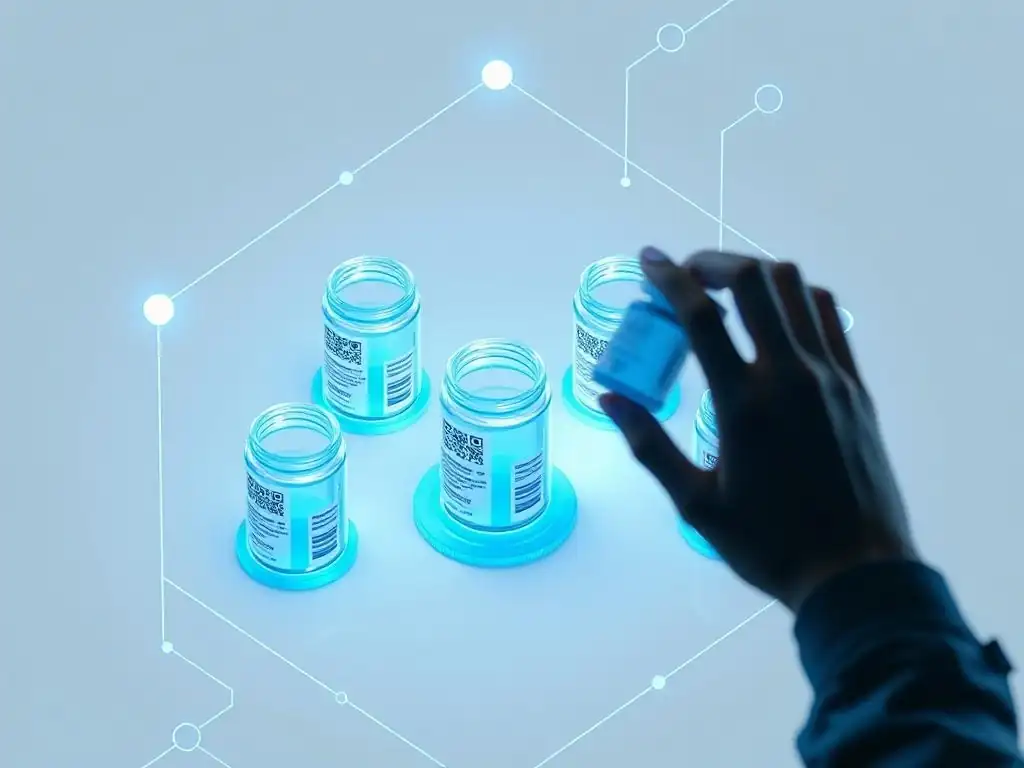
Enhanced Security and Reduced Risk of Counterfeit Drugs
One of the most significant benefits of implementing blockchain in the pharmaceutical supply chain is the substantial enhancement of security, leading to a reduced risk of counterfeit drugs entering the market. The inherent immutability and cryptographic security of blockchain make it incredibly difficult for malicious actors to alter transaction records or inject fake products without detection. Every legitimate transaction is permanently recorded, creating a verifiable history.
This robust security framework makes the supply chain less attractive to counterfeiters. Knowing that each product unit's history is transparent and tamper-proof on a shared ledger acts as a powerful deterrent. If a product with a suspicious history or an invalid identifier appears, the system can immediately flag it, allowing for quick investigation and removal from the supply chain before it reaches patients. This direct impact on security is a core reason why blockchain combats pharma counterfeiting so effectively.
Improved Supply Chain Transparency and Accountability
Blockchain technology dramatically improves transparency across the pharmaceutical supply chain. All authorized participants have access to the same shared ledger, providing a single, consistent view of a drug's journey. This eliminates information silos and reduces the chances of errors or deliberate obfuscation. Increased transparency fosters greater accountability among all stakeholders, from manufacturers and distributors to pharmacies.
With a clear, immutable record of who handled a product and when, it becomes easier to identify the point of origin for any issue, whether it's a delay, damage, or the potential introduction of a counterfeit. This enhanced accountability encourages best practices and diligence throughout the supply chain. The ability to track every step provides an unprecedented level of clarity, fundamentally changing how the industry manages product integrity.
Increased Trust and Confidence in the Pharmaceutical Industry
The pervasive issue of counterfeit drugs erodes public trust in the pharmaceutical industry and healthcare systems. By implementing blockchain solutions that provide verifiable proof of a drug's authenticity and secure handling, the industry can begin to rebuild that trust. Patients and healthcare providers can have increased confidence that the medications they receive are genuine and safe.
Knowing that a robust, tamper-proof system is in place to track drugs from manufacturer to pharmacy provides reassurance. This improved confidence is not just beneficial for public perception; it can also lead to greater patient adherence to prescribed treatments, knowing the medication is legitimate and effective. The transparent and secure nature of blockchain helps demonstrate the industry's commitment to patient safety.
Streamlined Regulatory Compliance and Reporting with Blockchain
Pharmaceutical companies face stringent regulatory requirements regarding traceability, serialization, and reporting, such as the DSCSA in the U.S. or similar regulations in the EU and other regions. Meeting these requirements with legacy systems can be complex and resource-intensive. Blockchain technology can significantly streamline regulatory compliance by providing an automated, secure, and easily auditable record of all required transaction data.
Since the blockchain immutably records every transfer of ownership and other relevant events, generating reports for regulatory bodies becomes much simpler and more accurate. Auditors can access the distributed ledger to verify compliance directly, reducing the burden of manual data collection and verification. This not only saves time and resources but also reduces the risk of errors in reporting, demonstrating how blockchain combats pharma counterfeiting while simultaneously easing regulatory burdens.
Overcoming the Challenges of Blockchain Adoption in Pharma
Scalability and Interoperability Issues in Blockchain Implementations
While the potential is significant, implementing blockchain at scale across the entire pharmaceutical supply chain presents challenges. Scalability is a concern, as a high volume of transactions generated by tracking billions of individual drug packages annually could strain the capacity of some blockchain platforms. Ensuring the network can handle this transaction throughput efficiently is crucial.
Interoperability is another major hurdle. The pharmaceutical industry is global, involving numerous companies using different internal systems and potentially different blockchain platforms or networks. For a blockchain solution to be truly effective in combating counterfeiting, it needs to facilitate seamless data exchange and verification across different company systems and potentially different blockchain implementations used by various partners. Developing industry-wide standards and protocols for data sharing and network interaction is essential to overcome this challenge and realize the full potential of how blockchain combats pharma counterfeiting.
Data Privacy and Security Considerations for Pharmaceutical Data
Pharmaceutical data, including sensitive supply chain information and potentially patient-related data (though direct patient data on the main supply chain ledger is typically avoided), is highly sensitive and subject to strict privacy regulations like GDPR and HIPAA. Implementing blockchain solutions requires careful consideration of data privacy and security. While blockchain is secure, the transparency feature means that information recorded is visible to network participants.
Designing permissioned blockchain networks where access to specific data is restricted based on roles and permissions is critical. Techniques like zero-knowledge proofs or data partitioning can allow verification of information without revealing the underlying sensitive details. Ensuring compliance with global data protection laws while leveraging the benefits of blockchain's transparency requires robust data governance policies and technical safeguards.
Regulatory Landscape and Legal Compliance for Blockchain in Pharma
The regulatory landscape for blockchain technology is still evolving, and applying it within the highly regulated pharmaceutical industry adds complexity. Regulatory bodies need to understand and approve the use of blockchain for serialization, traceability, and potentially other applications. Ensuring that a blockchain solution meets existing requirements, such as those under DSCSA, is paramount.
There are also legal questions surrounding data ownership, liability, and the legal standing of smart contracts within a blockchain network. As blockchain implementations become more widespread, clear regulatory guidance and legal frameworks will be needed to support their adoption. Collaboration between industry players, technology providers, and regulators is necessary to navigate this complex landscape and pave the way for blockchain to widely impact how blockchain combats pharma counterfeiting.
The Future of Blockchain in Pharma: Beyond Counterfeiting
Blockchain for Clinical Trials and Patient Data Management
Beyond supply chain security, blockchain holds significant promise for other areas within the pharmaceutical and healthcare sectors. In clinical trials, blockchain could provide a secure, transparent, and immutable record of trial data, enhancing data integrity and reducing the risk of data manipulation. It could also streamline patient consent management and enable secure sharing of anonymized data among researchers while protecting patient privacy.
For patient data management, blockchain could potentially empower patients with greater control over their health records. Patients could grant or revoke access to their data for different healthcare providers or researchers via a blockchain-based system. This decentralized approach could improve data portability and interoperability between disparate healthcare systems, ultimately leading to better-coordinated care and facilitating medical research.
Decentralized Pharma and the Potential for Personalized Medicine
Blockchain technology aligns with the broader trend towards decentralization and could play a role in the future of personalized medicine. Smart contracts on a blockchain could potentially automate processes for customized drug manufacturing or distribution based on individual patient needs and genetic profiles. This could facilitate more agile and patient-centric pharmaceutical production and delivery models.
Furthermore, blockchain could support decentralized research networks or patient-led initiatives by providing a trusted platform for sharing data and coordinating activities. The transparency and security features could also be leveraged in managing intellectual property rights for new drug discoveries or personalized treatment protocols. While futuristic, these applications highlight the transformative potential of blockchain beyond just supply chain security.
The Evolving Role of Blockchain in the Future of Healthcare
The role of blockchain in healthcare is continuously evolving, driven by the need for greater data security, interoperability, and patient empowerment. Beyond pharmaceuticals, blockchain is being explored for managing electronic health records, processing insurance claims, securing medical devices, and facilitating health information exchanges.
As the technology matures and regulatory clarity increases, blockchain is poised to become a foundational technology for various healthcare applications. Its ability to create trust, transparency, and security in data management makes it a powerful tool for addressing many of the challenges facing the modern healthcare system. The success of how blockchain combats pharma counterfeiting is likely just one example of its broader impact.
Conclusion: Blockchain's Potential to Revolutionize Pharmaceutical Supply Chain Security
Blockchain as a Key Technology in Combating Pharma Counterfeiting
Blockchain technology has emerged as a key technological solution in the ongoing global effort to combat pharmaceutical counterfeiting. Its core attributes—immutability, transparency, and decentralization—directly address the fundamental vulnerabilities present in traditional, complex pharmaceutical supply chains. By providing a secure, shared, and tamper-proof ledger for tracking individual drug units from manufacturing to dispensing, blockchain creates an unprecedented level of visibility and accountability.
The ability to verify the authenticity and history of each product package in near real-time significantly reduces the opportunities for counterfeit drugs to infiltrate legitimate distribution channels. Real-world initiatives like the MediLedger Project demonstrate the practical application and effectiveness of blockchain in meeting stringent regulatory requirements and enhancing supply chain security. As such, blockchain combats pharma counterfeiting not just as a theoretical concept but as a tangible tool being implemented today.
The Path Forward: Embracing Blockchain for a Safer and More Transparent Pharmaceutical Industry
Embracing blockchain technology represents a crucial step forward for the pharmaceutical industry towards creating a safer and more transparent supply chain. While challenges related to scalability, interoperability, data privacy, and regulatory clarity remain, ongoing pilot programs and industry collaborations are actively working to overcome these hurdles. The benefits of enhanced security, improved transparency, increased trust, and streamlined compliance provide a compelling case for wider adoption.
As the technology matures and standards are established, blockchain is set to revolutionize how pharmaceutical products are tracked, verified, and managed. A future where patients can have absolute confidence in the authenticity of their medications is within reach, largely facilitated by the secure and transparent foundation that blockchain provides. The continued investment and collaboration in deploying blockchain solutions are essential to finally gain the upper hand in the fight against pharmaceutical counterfeiting and build a truly secure global drug supply chain.
Frequently Asked Questions
What is the primary reason blockchain is being explored as a solution for pharmaceutical counterfeiting?
Blockchain offers enhanced traceability and transparency, making it incredibly difficult for counterfeit drugs to enter the supply chain. This helps ensure product authenticity and patient safety.
How does blockchain technology specifically help track pharmaceuticals through the supply chain?
Each transaction related to a drug, from manufacturing to distribution, is recorded on an immutable ledger. This creates a complete audit trail, making it easy to identify and isolate counterfeit products.
Besides preventing counterfeiting, what other benefits can blockchain bring to the pharmaceutical industry?
Blockchain can improve supply chain efficiency by streamlining processes and reducing paperwork. It also allows for better data management and improved collaboration among stakeholders.
What are some of the key challenges hindering the widespread adoption of blockchain in the pharmaceutical industry?
Challenges include regulatory uncertainty, the need for industry-wide collaboration to establish standards, and the cost of implementing blockchain solutions.
What is the role of regulatory bodies in promoting the use of blockchain to combat pharmaceutical counterfeiting?
Regulatory bodies can play a vital role by establishing clear guidelines and standards for the use of blockchain in the pharmaceutical industry. This would foster trust and encourage adoption by pharmaceutical companies.
Final Reflection: Securing Health with Trust
The fight against counterfeit pharmaceuticals is far from over, but the potential of blockchain technology to revolutionize supply chain transparency offers a beacon of hope. The information presented throughout this article highlights not just the technical capabilities of blockchain, but also the profound impact it can have on safeguarding public health and restoring trust in the pharmaceutical industry.
The implications of widespread pharmaceutical counterfeiting extend far beyond financial losses; they touch the very core of our well-being. The ability to trace medications from origin to consumer, ensuring authenticity and integrity, is not merely a technological advancement but a moral imperative. Trust is the glue of life. It's the most essential ingredient in effective communication. It's the foundational principle that holds all relationships.
- Stephen Covey. This quote resonates deeply when considering the fragile trust between patients and the pharmaceutical industry, a trust that blockchain can help rebuild.
As we conclude this exploration of blockchain's potential in combating pharma counterfeiting, I urge you to consider your role in demanding transparency and accountability. The future of healthcare depends on our collective commitment to embracing innovative solutions that protect vulnerable populations from the dangers of fake medications. Let us champion the adoption of blockchain and other technologies that empower us to make informed choices and secure a healthier future for all.
Secure Your Health: Implement Blockchain Transparency!
Thank you for exploring how blockchain technology can help eliminate counterfeit medications. By staying informed, you can better protect yourself and your loved ones. Now, take action to contribute to a safer pharmaceutical industry.
Here’s how you can make a difference:
- Ask your pharmacist if they verify medications using blockchain or other secure tracking methods. Making this a routine can help ensure authenticity.
- Share this information with friends and family to raise awareness about the risks of counterfeit drugs and the role blockchain can play in safeguarding health.
- Continue learning about blockchain applications in healthcare by exploring additional articles on our website.
What steps will you take to promote transparency and safety in your pharmaceutical purchases? Share your thoughts in the comments below!
Leave a Reply