
Telehealth Evolution: How Blockchain Enhances Security and Data Integrity


Welcome to Blockchain Trends, where we delve into the transformative potential of blockchain technology beyond its cryptocurrency roots. In this intriguing exploration, we shine a spotlight on a vital aspect of modern healthcare: Blockchain telehealth security data integrity. As telehealth continues to revolutionize patient care, the integration of blockchain promises not just enhanced security but also unparalleled data integrity. Curious about how this technology is reshaping the future of healthcare? Join us as we unpack the compelling ways blockchain is set to redefine telehealth!
- Introduction to Blockchain Telehealth Security and Data Integrity
-
Frequently Asked Questions
- How does blockchain technology enhance security in telehealth?
- What role does blockchain play in ensuring data integrity within telehealth platforms?
- Can blockchain help telehealth providers comply with data privacy regulations like HIPAA?
- Beyond security, what other benefits does blockchain offer for telehealth applications?
- What are the potential challenges to implementing blockchain in telehealth, and how can they be overcome?
- Final Reflection: Securing the Future of Healthcare
- Reimagine Healthcare: Secure Your Future Today!
Introduction to Blockchain Telehealth Security and Data Integrity
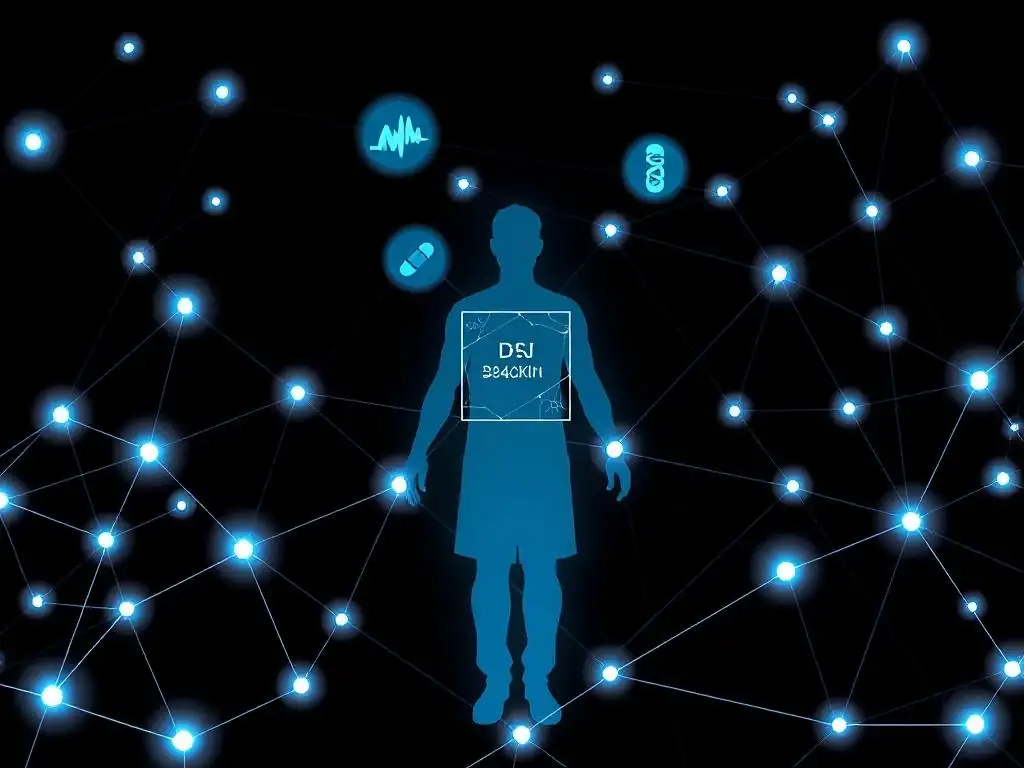
The Growing Importance of Security in Telehealth Services
The landscape of healthcare delivery has dramatically shifted, with telehealth services experiencing unprecedented growth, especially in recent years. This surge, while expanding access to care and improving patient convenience, simultaneously amplifies critical concerns surrounding the security and privacy of sensitive patient data. As consultations, diagnostics, and even remote monitoring increasingly occur outside traditional clinical settings, the potential attack surface for malicious actors widens considerably.
Protecting electronic protected health information (ePHI) transmitted and stored via telehealth platforms is paramount, not only to comply with stringent regulations like HIPAA in the United States or GDPR in Europe but also to maintain patient trust and ensure the fundamental right to privacy. The integrity of medical data exchanged during a virtual visit is just as critical as during an in-person consultation; inaccuracies, alterations, or breaches can lead to misdiagnoses, inappropriate treatments, and severe consequences for patient health outcomes.
The rapid adoption rate underscores this urgency. Reports indicate that telehealth utilization soared by over 300% in some regions during peak periods of disruption, and while rates have stabilized, they remain significantly higher than pre-pandemic levels. This sustained demand means millions of patient records, video consultations, and digital prescriptions are generated daily, traversing complex networks.
Ensuring robust blockchain telehealth security and data integrity is no longer a niche concern but a foundational requirement for the continued evolution and widespread acceptance of remote healthcare. The sheer volume and sensitivity of the data involved necessitate innovative and resilient security frameworks capable of defending against sophisticated cyber threats, including ransomware attacks, data breaches, and unauthorized access, which have unfortunately become more common targets within the healthcare sector due to the high value of medical data.
Overview of Blockchain Technology in Healthcare
Blockchain technology, known for its role in cryptocurrencies, presents a compelling paradigm shift for various industries, including healthcare. At its core, a blockchain is a distributed, immutable ledger that records transactions across many computers. Once data is added to the chain, it is extremely difficult, if not impossible, to alter or delete without the consensus of the network participants.
This inherent characteristic of immutability, combined with cryptographic hashing and decentralization, provides a robust foundation for enhancing security and ensuring data integrity in sensitive applications like telehealth. Unlike traditional centralized databases, which represent a single point of failure and are more vulnerable to attacks, a blockchain distributes data across multiple nodes, making it significantly more resilient to tampering and unauthorized access.
Within the healthcare context, blockchain's features can be leveraged to create secure, transparent, and auditable systems for managing patient records, verifying credentials, tracking pharmaceuticals, and securing telehealth interactions. For example, patient health records could be stored securely on a blockchain, with patients controlling access permissions via private keys. Every interaction with the data – whether it's a doctor accessing a record during a telehealth session or a lab adding test results – is recorded as a transaction on the ledger, creating a permanent, verifiable audit trail.
This capability is particularly valuable for improving blockchain telehealth security data integrity, offering a level of transparency and accountability that is challenging to achieve with traditional, siloed systems. The decentralized nature also means that even if one part of the network is compromised, the overall integrity of the data remains intact across the distributed copies.
Frequently Asked Questions
How does blockchain technology enhance security in telehealth?
Blockchain provides enhanced security by creating a decentralized and immutable ledger, making it extremely difficult for unauthorized individuals to alter or tamper with patient data. This ensures data integrity and builds trust.
What role does blockchain play in ensuring data integrity within telehealth platforms?
Blockchain's cryptographic hashing and distributed consensus mechanisms guarantee data integrity. Every transaction or data entry is linked to the previous one, creating an unbreakable chain of information.
Can blockchain help telehealth providers comply with data privacy regulations like HIPAA?
Yes, blockchain can aid in HIPAA compliance by providing secure data storage and access control. While not a complete solution, it helps maintain audit trails and data integrity, crucial for regulatory adherence.
Beyond security, what other benefits does blockchain offer for telehealth applications?
Beyond security, blockchain facilitates improved interoperability between healthcare systems and streamlines data sharing. It also supports smart contracts for automated processes like insurance claims.
What are the potential challenges to implementing blockchain in telehealth, and how can they be overcome?
Challenges include scalability, interoperability with existing systems, and regulatory uncertainty. These can be addressed through careful planning, standardization efforts, and collaboration with regulators.
Final Reflection: Securing the Future of Healthcare
The journey of telehealth, as we've explored, is inextricably linked to the robustness of its security and the integrity of its data. Blockchain's potential to revolutionize telehealth security is not just a technological advancement, but a fundamental shift in how we approach patient care and data management in the digital age. The vulnerabilities inherent in centralized systems demand innovative solutions, and blockchain offers a compelling pathway towards a more secure, transparent, and patient-centric future for remote healthcare.
The impact of blockchain on telehealth extends far beyond mere technological upgrades. It promises to rebuild trust in a system increasingly reliant on digital interactions, empowering patients with greater control over their sensitive health information. This shift is crucial in a world where data breaches are commonplace and the ethical implications of data handling are constantly under scrutiny. The future of healthcare is connected, but it must also be secure. Blockchain offers a unique opportunity to build a system that is both accessible and trustworthy.
As we stand at the cusp of this technological revolution, it's imperative that we embrace the potential of blockchain to fortify telehealth. Consider how you, as a patient, a healthcare provider, or a technology enthusiast, can contribute to this evolution. Reflect on the importance of data security and integrity in your own life, and advocate for solutions that prioritize patient privacy and empower individuals to take control of their health information. The future of healthcare is being written now, and your voice matters in shaping a more secure and equitable landscape for all.
Reimagine Healthcare: Secure Your Future Today!
Thank you for exploring how blockchain is transforming telehealth and enhancing security. Now that you understand its potential, it's time to take action and be part of this exciting evolution.
Here are a few steps you can take right now:
- Research blockchain-based telehealth platforms: Look into current providers and their approach to data security. This is the most impactful step you can take to deepen your understanding.
- Talk to your healthcare provider about the benefits of blockchain technology: Start the conversation and advocate for more secure and transparent data management in your healthcare journey.
- Share this article with colleagues and friends in the healthcare industry: Help spread awareness about how blockchain can improve trust and data integrity.
Which specific blockchain application do you believe will have the greatest impact on the future of telehealth and patient care? Share your thoughts in the comments below!
Leave a Reply