
Telemedicine for Chronic Diseases: Blockchain for Enhanced Patient Adherence


Welcome to Blockchain Trends, your guide to understanding the revolutionary impact of blockchain technology. Beyond the hype of cryptocurrencies lies a world of transformative applications.
Ever wondered how blockchain can revolutionize healthcare? Dive into our latest article to discover how blockchain improves chronic disease adherence, paving the way for more effective and secure telemedicine solutions. Explore the future of decentralized healthcare and unlock the potential of blockchain for a healthier tomorrow.
- Telemedicine for Chronic Diseases: How Blockchain Enhances Patient Adherence
- Blockchain Technology: A Novel Solution for Chronic Disease Adherence
- Blockchain Improves Chronic Disease Adherence: Specific Use Cases
-
Benefits of Blockchain-Based Telemedicine for Chronic Diseases
- Enhanced Data Security and Patient Privacy in Telehealth
- Improved Medication Adherence Through Smart Contract Reminders
- Increased Patient Engagement and Motivation with Gamified Rewards
- Streamlined Data Sharing and Collaboration Among Healthcare Providers
- Reducing Healthcare Costs Associated with Poor Adherence
- Overcoming the Barriers to Blockchain Adoption in Telemedicine
- The Future of Blockchain in Telemedicine: Enhancing Chronic Disease Care
- Conclusion: Blockchain's Transformative Role in Chronic Disease Adherence within Telemedicine
-
Frequently Asked Questions
- How does blockchain technology specifically improve patient adherence to telemedicine plans for chronic diseases?
- What are the key benefits of using blockchain in telemedicine beyond simply tracking adherence?
- What are the potential regulatory hurdles to implementing blockchain-based telemedicine solutions for chronic diseases?
- How can blockchain address the digital divide and ensure equitable access to telemedicine for patients with chronic diseases?
- What are some real-world examples of blockchain being used to improve chronic disease management through telemedicine?
- Final Reflection: Blockchain's Promise for Chronic Care
- Empower Your Health Journey: Start Today!
Telemedicine for Chronic Diseases: How Blockchain Enhances Patient Adherence
Understanding the Complexities of Chronic Disease Care
Chronic diseases, such as diabetes, cardiovascular conditions, and respiratory illnesses, represent a significant global health challenge. These conditions typically require long-term management involving complex medication regimens, lifestyle adjustments, and regular monitoring. The pervasive nature of chronic diseases means that approximately 60% of adults worldwide live with at least one chronic condition, and these diseases account for roughly 70% of all deaths. Managing these conditions effectively is crucial not only for improving patient quality of life but also for containing escalating healthcare costs, which are heavily influenced by the ongoing care and complications associated with chronic illnesses.
The burden of chronic disease management extends beyond medical treatment to encompass patient education, psychological support, and consistent behavioral change. Patients often face challenges related to understanding their conditions, managing multiple medications with varying schedules and side effects, and maintaining necessary lifestyle modifications like diet and exercise. This complexity underscores the need for robust, accessible, and patient-centric care models that can support individuals throughout their lifelong health journey, moving beyond episodic treatment towards continuous, integrated care.
The Role of Telemedicine in Improving Chronic Disease Outcomes
Telemedicine has emerged as a powerful tool in the management of chronic diseases, offering enhanced accessibility, convenience, and the ability for remote monitoring. By leveraging digital technologies, telemedicine enables patients to consult with healthcare providers, receive prescriptions, and share health data from the comfort of their homes, reducing the need for frequent in-person visits. This is particularly beneficial for patients with mobility issues, those living in rural areas, or individuals with conditions that make travel difficult.
Furthermore, telemedicine platforms facilitate remote patient monitoring (RPM), allowing healthcare providers to collect vital data such as blood pressure, glucose levels, and heart rate in real-time. This continuous stream of data enables earlier detection of potential complications or deviations from treatment plans, allowing for timely interventions. Studies have shown that RPM can lead to improved outcomes for conditions like heart failure and diabetes by providing providers with better insights into a patient's daily health status. However, while telemedicine improves access and monitoring capabilities, it also introduces unique challenges, particularly concerning consistent patient engagement and adherence to treatment protocols.
The Patient Adherence Problem in Telemedicine: A Significant Hurdle
Despite the advantages offered by telemedicine in chronic disease management, achieving consistent patient adherence remains a substantial obstacle. Non-adherence to medication, appointments, and lifestyle recommendations is a widespread issue in healthcare, estimated to affect around 50% of patients with chronic conditions globally. This problem is compounded in telemedicine settings where the lack of face-to-face interaction can sometimes lead to decreased patient motivation and accountability.
Challenges specific to telemedicine include ensuring patients correctly use monitoring devices, consistently record and share data, and adhere to prescribed medication schedules without direct supervision. Data indicates that poor medication adherence costs the US healthcare system approximately $100 billion to $300 billion annually due to avoidable hospitalizations, physician visits, and premature deaths. The difficulty in verifying patient actions remotely and the potential for data silos across various devices and platforms contribute to this adherence gap. Addressing this requires innovative solutions that can build trust, provide verifiable records, and actively incentivize patients to stay engaged with their treatment plans.
Blockchain Technology: A Novel Solution for Chronic Disease Adherence
Blockchain's Core Principles: Security, Transparency, and Immutability
At its core, blockchain technology is a decentralized, distributed ledger that records transactions across many computers. Its fundamental principles—security, transparency, and immutability—make it uniquely suited for applications requiring high levels of data integrity and trust, including healthcare. Security is inherent through cryptographic hashing, which links blocks of data together in a chain, making it incredibly difficult to tamper with past records. Each transaction is verified by multiple participants on the network before being added to a block, ensuring data accuracy.
Transparency, in the context of a permissioned blockchain often used in healthcare, means that authorized parties can view transactions relevant to them, fostering trust among participants like patients, providers, and researchers. Immutability ensures that once data is recorded on the blockchain, it cannot be altered or deleted, creating a permanent, verifiable audit trail. These principles combined provide a foundation for building telemedicine systems where patient data is protected, verifiable, and accessible only to those with explicit consent, laying the groundwork for how blockchain improves chronic disease adherence.
How Blockchain Addresses Telemedicine's Adherence Challenges
Blockchain technology offers several mechanisms to directly address the adherence challenges prevalent in telemedicine for chronic diseases. The immutability of the blockchain ledger provides a reliable way to record patient actions, such as medication intake, vital sign measurements from connected devices, or completion of educational modules. Unlike traditional systems where records might be siloed or potentially altered, a blockchain creates a verifiable history of adherence-related activities that both the patient and authorized providers can trust.
Furthermore, the decentralized nature of blockchain can enhance data security and patient privacy. Instead of storing sensitive health data in a single, vulnerable database, data can be encrypted and stored off-chain, with only secure hashes and access permissions managed on the blockchain.
This architecture reduces the risk of large-scale data breaches and gives patients more control over who accesses their health information. By creating a single source of truth for adherence data that is secure and transparent to authorized parties, blockchain technology builds a foundation of trust that encourages patient participation and directly contributes to how blockchain improves chronic disease adherence.
Smart Contracts: Automating Adherence and Incentivizing Patients
Smart contracts are self-executing contracts with the terms of the agreement directly written into code. Stored on the blockchain, they automatically execute predefined actions when specific conditions are met, without the need for intermediaries. In telemedicine for chronic disease management, smart contracts can automate critical adherence-related tasks, such as sending medication reminders based on a patient's recorded schedule or verifying that a patient has completed a required monitoring task.
Beyond simple automation, smart contracts can power incentive systems designed to motivate patients. For example, a smart contract could be programmed to release a small reward (like points, discounts, or even small digital tokens) to a patient's account automatically once verifiable adherence data (e.g., daily glucose readings recorded on the blockchain for a week) is received and validated. This gamification and tangible reward system, based on verifiable adherence data immutably recorded by blockchain, provides positive reinforcement, significantly increasing patient engagement and demonstrating a key way blockchain improves chronic disease adherence by leveraging automated incentives.
Blockchain Improves Chronic Disease Adherence: Specific Use Cases
Diabetes Management: Using Blockchain for Secure Glucose Monitoring and Insulin Delivery Tracking
For patients with diabetes, consistent glucose monitoring and accurate insulin delivery are critical for preventing complications. A blockchain-based system could integrate with smart glucose meters and insulin pens or pumps. Each glucose reading, insulin dose, and timing could be timestamped and recorded as a transaction on a permissioned blockchain, creating an immutable log of adherence. This data, encrypted and accessible only to the patient and their authorized healthcare team, provides a verifiable record of how well the patient is following their treatment plan.
This verifiable data stream enables healthcare providers to gain a more accurate and timely understanding of patient behavior between appointments. For instance, a provider could analyze the blockchain data to identify patterns of missed readings or inconsistent insulin timing, allowing for more targeted interventions during telemedicine consultations. Furthermore, smart contracts could monitor this data, automatically triggering alerts for missed readings or sending reminders for scheduled insulin doses, thereby leveraging blockchain improves chronic disease adherence through automated, data-driven support.
Cardiovascular Disease: Blockchain-Based Platform for Remote ECG Monitoring and Medication Reminders
Patients with cardiovascular diseases often require regular remote monitoring of vital signs like blood pressure and heart rhythm (ECG), alongside strict adherence to complex medication regimens. A blockchain platform could securely store encrypted ECG data transmitted from wearable or home monitoring devices, along with records of blood pressure readings and medication intake. The immutability of the blockchain ensures the integrity of this sensitive data, crucial for accurate diagnosis and treatment adjustments.
Smart contracts linked to medication prescriptions could automatically verify if a patient has recorded taking their medication at the scheduled time, perhaps through a connected pill dispenser or a manual patient confirmation recorded on the ledger. If a dose is missed, the smart contract could trigger an automated reminder sent via the telemedicine application. This system provides both the patient with timely nudges and the clinician with a verifiable record of medication adherence, showcasing how blockchain improves chronic disease adherence by automating verification and reminders for critical cardiovascular treatments.
Respiratory Illnesses: Secure and Transparent Inhaler Usage Tracking with Blockchain
Managing chronic respiratory illnesses like asthma and COPD often relies on the consistent and correct use of inhalers. Many modern inhalers are equipped with sensors that can record usage data, including date, time, and proper technique. Integrating these devices with a blockchain platform allows this usage data to be recorded immutably and transparently (to authorized parties). This provides a far more reliable picture of adherence compared to patient self-reporting or relying solely on prescription refill data.
A smart contract could be programmed to analyze the blockchain record of inhaler usage. For example, if a patient with asthma is prescribed a rescue inhaler for use only when needed, but the blockchain shows frequent usage, the smart contract could alert the healthcare provider to a potential worsening of the condition, triggering a telemedicine consultation.
Conversely, if a patient with COPD is prescribed a daily maintenance inhaler and the blockchain shows consistent usage, a smart contract could trigger a positive reinforcement message or contribute to an adherence reward system. This verifiable tracking mechanism is a clear example of how blockchain improves chronic disease adherence by providing actionable insights based on real-world device usage data.
Benefits of Blockchain-Based Telemedicine for Chronic Diseases
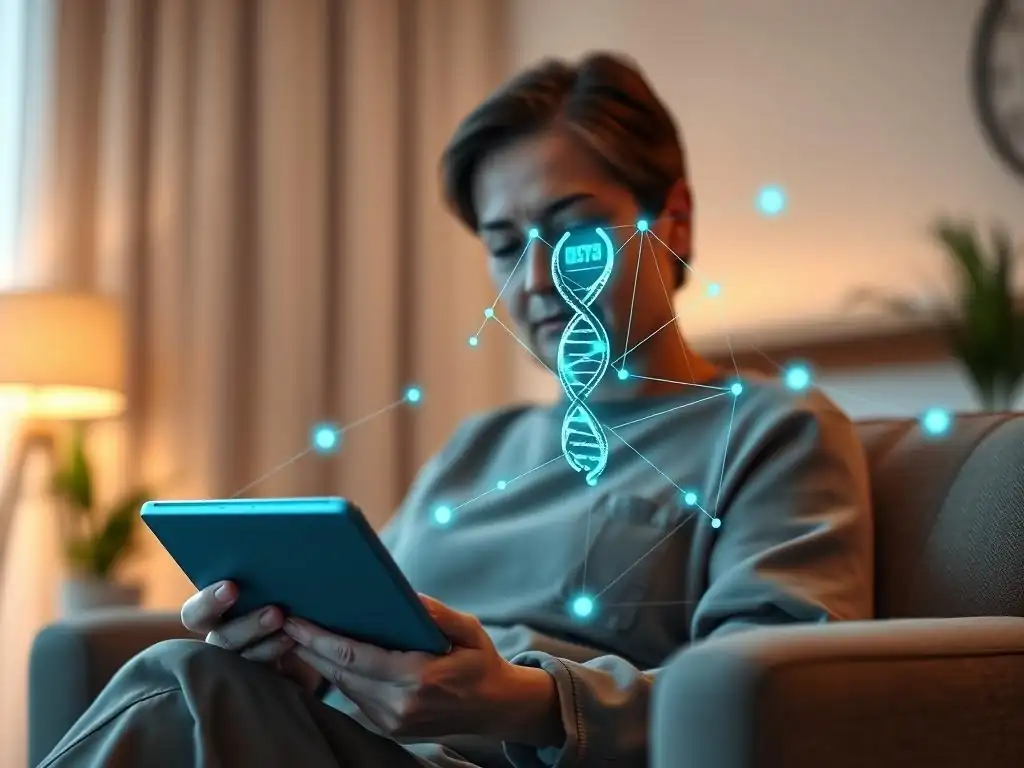
Enhanced Data Security and Patient Privacy in Telehealth
One of the paramount concerns in healthcare, particularly with the increased use of telemedicine and remote patient monitoring, is the security and privacy of sensitive health data. Traditional centralized databases are attractive targets for cyberattacks. Blockchain technology, by its distributed nature and cryptographic principles, offers a more resilient infrastructure. While patient health information (PHI) itself might not be stored directly on the public blockchain due to privacy concerns and data size, encrypted data can be stored off-chain, with cryptographic hashes and access permissions managed on the blockchain.
This approach ensures that only individuals or entities holding the correct private keys, granted permission via the blockchain, can access and decrypt the sensitive data. The immutable ledger also provides a transparent audit trail of all data access attempts, enhancing accountability. This robust security framework is crucial for building patient trust in telemedicine platforms, knowing their highly personal health information is protected, and underscores how blockchain improves chronic disease adherence by fostering a secure environment for data exchange.
Improved Medication Adherence Through Smart Contract Reminders
Medication non-adherence is a leading cause of poor outcomes in chronic disease management. Smart contracts deployed on a blockchain can revolutionize how medication adherence is tracked and supported in telemedicine. By integrating with connected pill dispensers, smart packaging, or patient-reported confirmations logged on the blockchain, smart contracts can verify if and when medications are taken. Based on prescribed schedules coded into the contract, automated reminders can be triggered if a dose is missed.
Unlike simple phone app reminders, smart contract-based reminders can be part of a larger, verifiable system. The act of the reminder being sent, and potentially the patient's response or subsequent recorded adherence, can also be logged on the blockchain. This creates a comprehensive, tamper-proof record of medication management activities. This automated, verifiable reminder system directly tackles a major cause of non-adherence, demonstrating a tangible way blockchain improves chronic disease adherence by providing reliable prompts and tracking.
Increased Patient Engagement and Motivation with Gamified Rewards
Sustaining patient engagement in long-term chronic disease management is challenging. Blockchain technology, particularly when combined with smart contracts, can facilitate innovative patient engagement models through gamification and verifiable reward systems. Since patient adherence actions (like taking medication, recording vital signs, or completing educational modules) can be immutably recorded on the blockchain, these verifiable actions can serve as triggers for automated rewards.
For example, a patient might earn points or digital tokens stored in a blockchain-based wallet for consistently recording their blood glucose levels for a week or achieving a specific activity goal tracked by a wearable device. These rewards, governed by transparent smart contracts, can be redeemed for various incentives, such as discounts on medical supplies, gift cards, or even reduced insurance premiums (in applicable models). This system provides tangible, automated positive reinforcement based on verifiable adherence data, significantly increasing patient motivation and showcasing how blockchain improves chronic disease adherence through innovative engagement strategies.
Streamlined Data Sharing and Collaboration Among Healthcare Providers
Chronic disease patients often interact with multiple healthcare providers, including primary care physicians, specialists, pharmacists, and dietitians. Sharing relevant patient data securely and efficiently among these providers is critical for coordinated care but is often hampered by incompatible electronic health record (EHR) systems and data silos. A blockchain-based system can act as a secure, shared ledger for patient adherence data, allowing authorized providers to access a single, up-to-date source of truth.
Instead of relying on faxes, phone calls, or fragmented digital portals, providers with the necessary permissions could access the patient's immutable history of medication adherence, monitoring data, and other relevant adherence-related activities recorded on the blockchain. This streamlined access facilitates better communication, reduces the risk of errors or incomplete information, and enables more informed collaborative decision-making regarding the patient's treatment plan. This enhanced data sharing capability directly contributes to how blockchain improves chronic disease adherence by enabling a more cohesive and coordinated care team.
Reducing Healthcare Costs Associated with Poor Adherence
Poor patient adherence to chronic disease treatment plans leads to preventable complications, hospitalizations, emergency room visits, and ultimately, higher healthcare costs. Estimates suggest that non-adherence contributes to up to 50% of treatment failures, 125,000 deaths, and 10% of hospitalizations annually in the United States, costing the system hundreds of billions of dollars. By improving adherence, blockchain-based telemedicine platforms have the potential to significantly reduce these costs.
The mechanisms discussed – enhanced security building trust, automated reminders via smart contracts, increased engagement through incentives, and streamlined data sharing – all work towards improving patient adherence. Better adherence results in better health outcomes, fewer complications requiring expensive interventions, and reduced need for emergency or inpatient care. By contributing to more effective long-term management of chronic conditions, blockchain technology helps to prevent the costly consequences of non-adherence, highlighting a significant economic benefit of how blockchain improves chronic disease adherence.
Overcoming the Barriers to Blockchain Adoption in Telemedicine
Regulatory Considerations and Data Privacy Compliance (HIPAA, GDPR)
Implementing blockchain solutions in healthcare requires careful navigation of complex regulatory landscapes, particularly concerning data privacy laws like HIPAA in the United States and GDPR in Europe. These regulations mandate strict requirements for protecting patient data, including the right to access, modify, and, crucially, the right to be forgotten (GDPR's Article 17). The inherent immutability of blockchain, while beneficial for data integrity, poses a challenge to the "right to be forgotten," as data on a blockchain cannot be deleted.
Addressing this requires architectural choices, such as storing sensitive PHI off-chain in encrypted databases and using the blockchain only for hashes, metadata, and access permissions. Compliance also involves implementing robust access controls and ensuring transparency about how data is collected, stored, and used. Legal interpretations of how existing regulations apply to decentralized technologies are still evolving, creating uncertainty that healthcare organizations must carefully manage, often requiring expert legal counsel to ensure compliance while leveraging how blockchain improves chronic disease adherence securely and legally.
Interoperability Challenges with Existing Healthcare Systems
The healthcare industry relies heavily on legacy electronic health record (EHR) systems that often lack modern APIs or standardized data exchange protocols. Integrating new blockchain-based platforms with these established, often proprietary, systems presents a significant technical hurdle. Data formats, coding standards, and system architectures vary widely, making seamless data flow between a blockchain ledger and existing EHRs difficult.
Achieving true interoperability is essential for blockchain solutions to be practical in healthcare settings. Patient adherence data recorded on a blockchain needs to be easily accessible and integrated into a clinician's workflow within their existing EHR interface. This requires developing middleware, standardizing data models (like using FHIR standards), and collaborating with EHR vendors. Overcoming these integration challenges is crucial for widespread adoption and for fully realizing the potential of how blockchain improves chronic disease adherence within the current healthcare ecosystem.
Scalability and Performance Considerations for Blockchain Networks
Public blockchain networks like Bitcoin or Ethereum, in their original forms, face limitations in transaction speed and scalability, which can be a barrier for high-volume healthcare applications. Recording granular adherence data for thousands or millions of patients, potentially multiple times a day (e.g., glucose readings, medication events), would generate a massive volume of transactions that public networks might struggle to handle efficiently or affordably (due to gas fees).
Healthcare applications typically require higher transaction throughput and lower latency than public blockchains can currently provide. This often necessitates the use of permissioned or private blockchains, sidechains, or layer-2 scaling solutions that can handle a higher volume of transactions with lower costs and faster confirmation times. Ensuring the chosen blockchain architecture can scale to meet the demands of a large patient population is critical for the viability of solutions aiming to demonstrate how blockchain improves chronic disease adherence on a wide scale.
Educating Healthcare Professionals and Patients on Blockchain Technology
Blockchain is a complex technology that is not widely understood by the general public or even many healthcare professionals. Successful adoption of blockchain-based telemedicine solutions requires educating both patients and providers about how the technology works, its benefits in terms of security and data integrity, and how it impacts their interactions with the healthcare system. Patients need to understand how their data is being recorded and secured, and why using connected devices or reporting adherence through the platform is beneficial and trustworthy.
Healthcare providers, including doctors, nurses, and administrative staff, need training on how to interpret and utilize the data provided by the blockchain system, how it integrates with their workflow, and the implications of using an immutable ledger. Building trust and familiarity with the technology is essential for overcoming resistance to change and ensuring that both key stakeholders are comfortable and capable of using these new platforms effectively. Without adequate education, even the most technically sound solution for how blockchain improves chronic disease adherence may fail to gain traction.
The Future of Blockchain in Telemedicine: Enhancing Chronic Disease Care
Decentralized Clinical Trials and Research Data Management
Blockchain's ability to create immutable, transparent, and secure records makes it highly promising for the future of clinical trials, particularly those involving remote patient participation common in chronic disease research. Data collected from patients via telemedicine tools and wearable devices can be timestamped and recorded on a blockchain, providing a verifiable audit trail from data capture to analysis. This enhances data integrity and transparency, reducing the risk of data manipulation and improving the trustworthiness of trial results.
Furthermore, blockchain can facilitate tokenization and management of patient consent, ensuring that participants have clear control over how their data is used in research. The decentralized nature can also streamline data sharing among research institutions while maintaining privacy through cryptographic techniques. By providing a robust infrastructure for collecting and managing verifiable data from remote participants, blockchain accelerates the development of new treatments and improves the efficiency of research into chronic diseases.
Personalized Medicine and Precision Healthcare Enabled by Blockchain
Personalized medicine relies on aggregating vast amounts of individual patient data – including genetic information, lifestyle factors, treatment history, and response to therapies – to tailor medical interventions. Chronic disease management is increasingly moving towards personalized approaches. Blockchain can play a crucial role by creating a secure, patient-controlled repository for this diverse data. Patients could grant granular, time-limited access to specific datasets on the blockchain to different providers or researchers, ensuring privacy while enabling comprehensive analysis.
The immutable record of treatment adherence and outcomes, as captured on the blockchain, provides valuable real-world data on how individual patients respond to specific therapies. This data, combined with other health metrics, can feed into AI algorithms designed to identify patterns and predict optimal treatment pathways for similar patients. By providing a secure and interoperable foundation for longitudinal patient data, blockchain supports the development and delivery of highly personalized chronic disease care plans, further illustrating how blockchain improves chronic disease adherence by enabling data-driven, tailored interventions.
The Potential of Blockchain-Based Health Data Marketplaces
Looking further ahead, blockchain technology could enable the creation of secure, ethical health data marketplaces. These platforms would allow patients to have greater control over their health data and potentially monetize it by securely and anonymously sharing it with researchers, pharmaceutical companies, or public health organizations. Chronic disease patients, with their rich, longitudinal data sets, could be significant contributors to such marketplaces.
Using smart contracts, patients could define the terms under which their anonymized or pseudonymized data is accessed and used, ensuring transparency and control. Blockchain's security features would protect against unauthorized access and ensure the integrity of the data being traded. While raising complex ethical and regulatory questions, such marketplaces, underpinned by blockchain, could significantly accelerate medical research and public health initiatives related to chronic diseases by providing access to real-world data, creating novel incentives for data sharing, and potentially benefiting patients directly from the value of their own health information.
Conclusion: Blockchain's Transformative Role in Chronic Disease Adherence within Telemedicine
Key Takeaways: How Blockchain Improves Chronic Disease Adherence
The management of chronic diseases through telemedicine offers significant advantages in terms of access and remote monitoring, yet it faces persistent challenges related to patient adherence. Blockchain technology presents a compelling solution by leveraging its core principles of security, transparency, and immutability. By providing a verifiable, tamper-proof ledger for tracking patient actions like medication intake and vital sign monitoring, blockchain builds trust and accountability.
Specifically, blockchain improves chronic disease adherence by enabling automated reminders and incentivization programs through smart contracts, streamlining secure data sharing among care teams, enhancing data security and patient privacy, and ultimately contributing to reduced healthcare costs associated with non-adherence. While challenges related to regulation, interoperability, scalability, and education remain, the fundamental capabilities of blockchain offer powerful mechanisms to engage patients and verify adherence in ways traditional telemedicine platforms cannot.
The Future Outlook for Blockchain-Enabled Telehealth Solutions
The trajectory for blockchain in telemedicine, particularly for chronic disease management, points towards increasingly integrated and patient-centric solutions. As regulatory frameworks mature and technological hurdles are addressed, we can anticipate the development of more sophisticated platforms that seamlessly blend remote monitoring, automated support via smart contracts, and patient engagement tools underpinned by blockchain's secure infrastructure.
The potential extends to enabling more efficient clinical trials, facilitating personalized medicine through secure data sharing, and potentially empowering patients through data ownership models. The ongoing development of scalable blockchain networks and standardized healthcare data protocols will pave the way for wider adoption. Ultimately, blockchain technology holds the promise to fundamentally transform how we approach chronic disease management in the digital age, making telemedicine solutions more trustworthy, engaging, and effective, and solidify its role in how blockchain improves chronic disease adherence for millions worldwide.
Frequently Asked Questions
How does blockchain technology specifically improve patient adherence to telemedicine plans for chronic diseases?
Blockchain offers a secure and transparent platform for tracking medication adherence and appointment attendance. This creates a shared, immutable record accessible to patients and providers, fostering accountability. Ultimately, this leads to better adherence.
What are the key benefits of using blockchain in telemedicine beyond simply tracking adherence?
Beyond adherence, blockchain enhances data security and privacy through encryption. It also facilitates seamless data sharing between healthcare providers and patients, improving care coordination. Finally, it can reduce administrative overhead by automating processes.
What are the potential regulatory hurdles to implementing blockchain-based telemedicine solutions for chronic diseases?
Regulatory uncertainties surrounding data privacy laws like HIPAA and the legal validity of smart contracts pose challenges. Clear guidelines on data governance and interoperability are needed to ensure compliance.
How can blockchain address the digital divide and ensure equitable access to telemedicine for patients with chronic diseases?
Blockchain can facilitate secure and affordable data storage solutions, making telemedicine accessible to underserved communities. It can also enable decentralized identity management, reducing barriers to access for individuals without traditional forms of ID. The goal is to lower costs and improve access.
What are some real-world examples of blockchain being used to improve chronic disease management through telemedicine?
While still emerging, pilot programs are exploring blockchain for tracking medication supply chains and ensuring authenticity. Some initiatives are also using it for secure remote patient monitoring and data sharing in diabetes management. It is still early stages.
Final Reflection: Blockchain's Promise for Chronic Care
The exploration of blockchain's potential to revolutionize telemedicine for chronic diseases reveals a critical truth: technology can be a powerful tool for empowering patients and improving health outcomes. The challenges of adherence to treatment plans in chronic disease management are significant, and the innovative application of blockchain offers a tangible solution to enhance trust, transparency, and ultimately, patient engagement.
The ongoing influence of chronic diseases on individuals and healthcare systems is undeniable, and the need for innovative solutions is paramount. Witnessing the potential of blockchain to bridge the gap between patients and providers, fostering a collaborative and secure environment, is truly inspiring. The future of healthcare is about empowering individuals to take control of their health, and blockchain offers a pathway to achieve this vision.
Now, as you consider the possibilities presented by blockchain in telemedicine, I invite you to reflect on your own role in shaping the future of healthcare. How can you advocate for the adoption of technologies that prioritize patient well-being and improve adherence to chronic disease management plans? Let us embrace the potential of blockchain to build a healthier, more connected world, one where technology serves as a catalyst for improved lives.
Empower Your Health Journey: Start Today!
Thank you for exploring how blockchain can revolutionize telemedicine and improve chronic disease management. We hope this article has highlighted exciting possibilities for enhancing patient adherence and ensuring data security. Now, it’s time to turn knowledge into action!
Here are some ways you can get involved and contribute to this innovative field:
- Discuss with your healthcare provider the possibility of using blockchain-secured telemedicine to better manage your chronic condition. Taking this step can lead to more personalized, secure, and consistent care.
- Look into open-source blockchain projects focused on healthcare data management. Contribute your skills and ideas to help develop and improve these technologies.
- Share this information with friends, family, or colleagues who might benefit from understanding blockchain’s role in telemedicine, and start a conversation about its potential impact on their health.
Do you have specific questions for your doctor about incorporating blockchain technology into your healthcare plan? Feel free to ask in the comments below!
Leave a Reply