
Telemedicine in Developing Countries: Blockchain for Accessible & Affordable Care

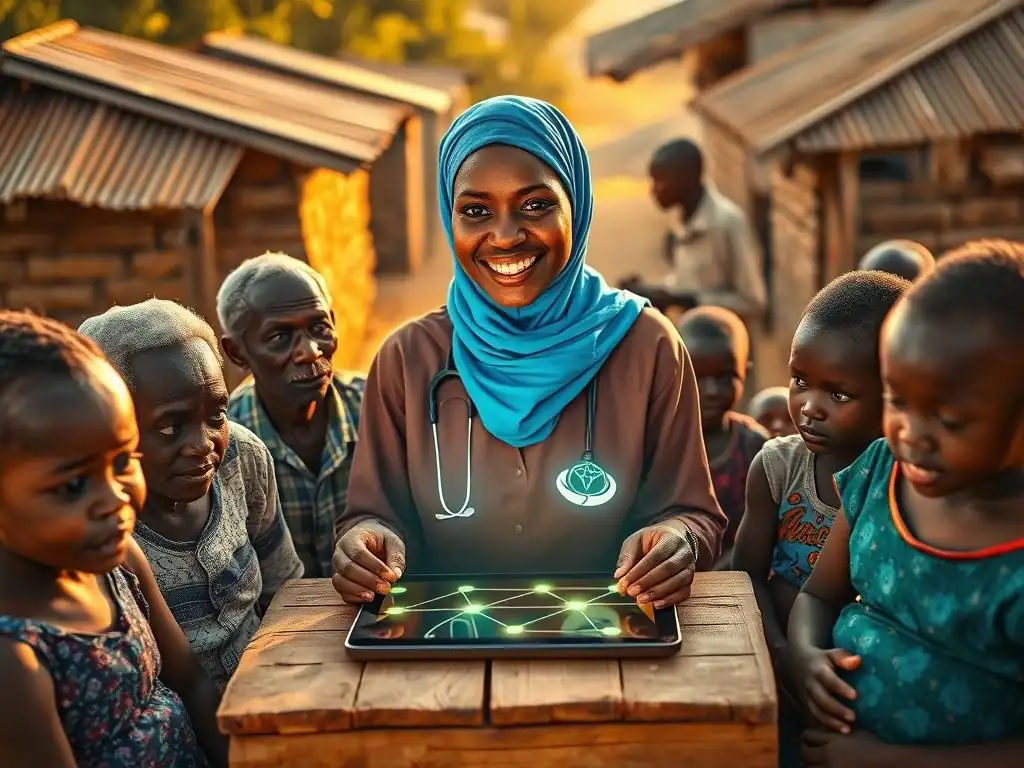
Welcome to Blockchain Trends, your premier source for understanding the revolutionary impact of blockchain technology.
Imagine a world where healthcare is accessible and affordable for everyone, regardless of location. Our latest exploration delves into the groundbreaking potential of blockchain telemedicine to revolutionize healthcare access in developing countries. Discover how this innovative technology is breaking down barriers and paving the way for a healthier future. Intrigued? Read on to uncover the transformative possibilities.
Telemedicine in Developing Countries: Blockchain for Accessible & Affordable Care
- Introduction: Bridging the Healthcare Gap with Blockchain Telemedicine
- The Challenges of Telemedicine Adoption in Developing Countries
- Blockchain Solutions for Telemedicine in Developing Countries: Enhancing Access and Affordability
- Case Studies: Successful Blockchain Telemedicine Implementations in Developing Countries
- Benefits of Blockchain-Powered Telemedicine in Developing Regions
- Overcoming Barriers to Blockchain Telemedicine Adoption
- The Future of Blockchain Telemedicine in Developing Countries: Towards Universal Healthcare Access
- Conclusion: Blockchain's Potential to Transform Healthcare in the Developing World
-
Frequently Asked Questions
- What is the role of blockchain in telemedicine for developing countries?
- How can blockchain enhance accessibility to healthcare services?
- What are the benefits of using blockchain in telemedicine?
- Are there any regulatory challenges associated with blockchain in telemedicine?
- What is the future of blockchain in telemedicine?
- Final Reflection: Bridging the Gap with Blockchain Telemedicine
- Unlock Affordable Healthcare: Join the Blockchain Revolution!
Introduction: Bridging the Healthcare Gap with Blockchain Telemedicine
The Urgent Need for Accessible Healthcare in Developing Nations
Access to quality healthcare remains a critical challenge for billions globally, particularly in developing countries. Vast distances, limited infrastructure, and a severe shortage of trained medical professionals mean that many populations, especially those in rural and remote areas, struggle to receive timely and effective medical attention. Reports indicate that a significant percentage of people in these regions must travel considerable distances, often at great financial cost, to reach healthcare facilities, leading to delayed diagnoses and treatments.
This lack of fundamental access exacerbates health disparities and hinders overall development. Improving healthcare access is not just a medical issue but a socioeconomic imperative for these nations.
Furthermore, the existing healthcare systems in many developing countries are often fragmented, burdened by administrative inefficiencies, and susceptible to issues like counterfeit medications. The high out-of-pocket expenses for healthcare services, coupled with low average incomes, make even basic medical consultations unaffordable for large segments of the population. This financial barrier is a major contributor to poor health outcomes. Innovative solutions are desperately needed to reduce costs, improve efficiency, and expand the reach of medical services, paving the way for enhanced blockchain telemedicine developing countries access and better health equity.
How Blockchain Technology Can Revolutionize Telemedicine Access
Blockchain technology, known for its decentralized, transparent, and immutable ledger, offers a promising path to overcoming many of the systemic challenges plaguing healthcare access in developing countries. By providing a secure and tamper-proof way to manage data and transactions, blockchain can build trust and efficiency in digital healthcare platforms. This foundational security is crucial for encouraging the adoption of telemedicine solutions where data privacy and integrity are paramount concerns. The inherent security features can protect sensitive patient information from breaches and unauthorized access, which is a major hurdle in implementing digital health systems in resource-constrained environments.
The application of blockchain in telemedicine can specifically target key pain points that limit access and affordability. For instance, it can enable secure management of electronic health records, facilitate transparent and efficient payment systems, and verify the authenticity of medical supplies. These capabilities directly contribute to improving blockchain telemedicine developing countries access by reducing costs, streamlining processes, and building a reliable digital infrastructure. By creating a more trustworthy and efficient ecosystem, blockchain technology can make telemedicine a viable and scalable option for delivering healthcare to underserved populations, bridging geographical divides and lowering financial barriers.
The Challenges of Telemedicine Adoption in Developing Countries
Infrastructure Limitations and Connectivity Issues
A primary obstacle to widespread telemedicine adoption in developing countries is the significant lack of adequate digital infrastructure. Reliable internet connectivity, especially in rural and remote areas, is often scarce, slow, or prohibitively expensive. Many potential patients and even healthcare providers lack access to the necessary devices, such as smartphones or computers, required to utilize telemedicine platforms effectively. Power outages and unreliable electricity grids further complicate the issue, making consistent access to digital health services difficult. These fundamental infrastructure gaps limit the reach and reliability of telemedicine, preventing it from becoming a truly universal solution.
Beyond basic connectivity, the technical infrastructure within healthcare facilities themselves is often underdeveloped. Many clinics and hospitals in these regions lack integrated digital systems, secure data storage capabilities, and the technical support needed to implement and maintain telemedicine technologies. This digital divide means that even if patients have access to devices and connectivity, the healthcare providers they need to connect with may not be equipped to offer services via telemedicine. Addressing these infrastructure limitations is a prerequisite for unlocking the full potential of blockchain telemedicine developing countries access.
Regulatory Hurdles and Data Security Concerns
Navigating the regulatory landscape for telemedicine in developing countries presents another significant challenge. Many nations lack clear legal frameworks specifically addressing telehealth services, data privacy for digital health records, and the licensing of healthcare professionals providing remote care across different regions or even borders. This regulatory uncertainty creates hesitation among healthcare providers and technology developers, slowing down the adoption of innovative solutions like blockchain telemedicine. Establishing clear guidelines is essential for fostering a secure and compliant environment.
Data security and privacy are also major concerns for both patients and healthcare providers. Patients may be hesitant to share sensitive health information over digital platforms due to fears of data breaches, misuse, or lack of trust in digital systems. Healthcare providers, on the other hand, worry about complying with evolving data protection laws and ensuring the integrity and confidentiality of electronic health records. While blockchain offers robust security features, the implementation requires careful design to comply with local regulations and build user trust. Addressing these security and privacy concerns is vital for promoting blockchain telemedicine developing countries access.
Lack of Trust and Awareness in Digital Healthcare Solutions
Even where infrastructure exists and regulations are developing, a significant barrier is the lack of trust and awareness regarding digital healthcare solutions, including telemedicine. Many people in developing countries are more accustomed to traditional in-person consultations and may be skeptical of receiving medical advice or treatment remotely. There can be a perception that digital care is less personal, less effective, or simply not as reliable as face-to-face interactions with a doctor. Overcoming this cultural preference requires significant effort in education and community engagement.
Furthermore, there is often limited public awareness about what telemedicine is, how it works, and its potential benefits, particularly how technologies like blockchain can enhance its security and reliability. Patients may not know that telemedicine services are available or understand how to access them. Healthcare professionals may also lack training in using telemedicine platforms or integrating them into their existing workflows. Building trust through successful pilot programs, public awareness campaigns, and demonstrating the reliability and security of blockchain-powered systems is crucial for widespread blockchain telemedicine developing countries access.
Blockchain Solutions for Telemedicine in Developing Countries: Enhancing Access and Affordability
Blockchain for Secure and Transparent Electronic Health Records (EHR) Management
Managing patient health records securely and efficiently is fundamental to effective healthcare, especially in telemedicine. In many developing countries, patient records are often paper-based, fragmented across different clinics, or stored in insecure digital systems, leading to data loss, inaccessibility, and poor coordination of care. Blockchain technology offers a decentralized and immutable ledger that can store a secure index or hash of patient records, ensuring data integrity and providing a verifiable audit trail of all access attempts. This approach enhances security significantly compared to traditional centralized databases, making it a compelling solution for sensitive health data.
By using blockchain for EHR management, healthcare providers can access patient history securely and efficiently, regardless of their physical location, facilitating remote consultations. Patients can potentially control who accesses their data, enhancing privacy and trust in the system. This secure and transparent method of handling health information is vital for building the foundation of reliable blockchain telemedicine developing countries access, allowing doctors in urban centers to access records of patients in remote areas, leading to more informed diagnoses and treatment plans. The transparency of the access log helps prevent unauthorized viewing and misuse of patient data.
Ensuring Data Privacy and Patient Control with Blockchain
Data privacy is a paramount concern in healthcare. Blockchain's architecture, while transparent, allows for sophisticated privacy controls. Instead of storing the actual sensitive health data on the public blockchain, a common approach is to store encrypted data off-chain and use the blockchain to manage access keys, permissions, and metadata. This gives patients greater control over their health information, allowing them to grant or revoke access to specific healthcare providers or researchers as needed. Smart contracts can automate these permissioning processes based on predefined rules.
This model empowers patients, shifting control from institutions to individuals, a critical factor in building trust in digital health systems in regions where data privacy regulations may be nascent or enforcement weak. By ensuring that patient data remains private and under the patient's control, blockchain technology addresses a major barrier to telemedicine adoption. This enhanced privacy and control mechanism is essential for fostering confidence in blockchain telemedicine developing countries access, encouraging more individuals to utilize digital health services without fear of their personal health information being compromised.
Interoperability and Data Sharing Across Healthcare Providers
Fragmented healthcare systems often mean patient data is siloed within individual clinics or hospitals, making it difficult for different providers to access a patient's complete medical history. This lack of interoperability hinders coordinated care, especially in telemedicine where patients may consult with various specialists remotely. Blockchain can serve as a bridge, enabling secure and standardized sharing of patient data across disparate healthcare systems and providers. By creating a common, secure layer for verifying data authenticity and permissions, blockchain reduces the technical and administrative hurdles to data exchange.
When healthcare providers can securely and quickly access comprehensive patient records via a blockchain-enabled system, it improves the quality of care delivered through telemedicine. A doctor conducting a remote consultation can have a complete view of the patient's medical history, allergies, medications, and previous treatments, leading to more accurate diagnoses and safer prescriptions. This interoperability is a key benefit for improving the efficiency and effectiveness of blockchain telemedicine developing countries access, ensuring that patients receive coordinated care even when consulting with multiple providers remotely.
Decentralized Identity Management for Patients and Healthcare Professionals
Accurate identification of both patients and healthcare providers is crucial for the safety and integrity of telemedicine services. In many developing countries, formal identification systems may be inconsistent or inaccessible for certain populations. Establishing a reliable digital identity for healthcare interactions is challenging but essential for verifying patient records, processing payments, and ensuring that only qualified professionals provide care. Decentralized identity (DID) solutions built on blockchain can provide a secure, verifiable, and self-sovereign identity layer.
Using a blockchain-based DID system, patients can create and manage their own digital identities, linked to verifiable credentials (e.g., health records, insurance information) without relying on a single central authority. Similarly, healthcare professionals can verify their credentials (licenses, certifications) on the blockchain, assuring patients of their qualifications. This decentralized approach reduces reliance on potentially inefficient or corruptible centralized systems and enhances trust in the participants of a telemedicine interaction. Such a system streamlines processes and reduces the risk of fraud, contributing directly to improving blockchain telemedicine developing countries access.
Streamlining Patient Onboarding and Verification
Traditional patient registration processes can be cumbersome and time-consuming, requiring physical documentation and manual verification, which is a barrier to rapid telemedicine adoption. A decentralized identity system on the blockchain can significantly streamline this process. Patients can register their digital identity once and use it across multiple healthcare providers and telemedicine platforms, simplifying onboarding for subsequent consultations. Verification of identity can be done cryptographically, speeding up the process and reducing administrative overhead.
For individuals in remote areas or those lacking traditional forms of identification, a blockchain-based DID system can offer a pathway to accessing telemedicine services that might otherwise be unavailable. This ease of onboarding is essential for scaling telemedicine services and making them accessible to a wider population. By removing bureaucratic hurdles, decentralized identity management directly enhances blockchain telemedicine developing countries access, allowing more people to quickly and easily connect with healthcare providers.
Reducing Identity Theft and Fraud in Telemedicine
Identity theft and healthcare fraud are global issues, but they can be particularly damaging in developing countries where systems may be less robust. Fraudulent claims, prescription fraud, and individuals posing as qualified healthcare professionals are real risks in digital healthcare. Blockchain's immutable ledger and cryptographic verification make it extremely difficult to tamper with identities or credentials registered on the network. Every transaction related to identity verification is recorded, creating a transparent and auditable history.
By establishing a secure and verifiable digital identity for every participant in the telemedicine ecosystem – patient, doctor, pharmacist, etc. – blockchain technology significantly reduces the potential for identity-related fraud. Patients can be confident they are consulting with a legitimate professional, and providers can trust the identity of the patient they are treating. This increased security and trust is fundamental to the widespread adoption and reliability of blockchain telemedicine developing countries access, protecting both users and the integrity of the healthcare system.
Smart Contracts for Automated Payments and Reimbursements
Financial transactions in healthcare, such as patient payments, insurance claims, and provider reimbursements, often involve complex processes, intermediaries, and significant administrative costs and delays. These inefficiencies can be particularly burdensome in developing countries, impacting the affordability of care for patients and the financial sustainability of providers. Smart contracts, self-executing contracts with the terms of the agreement directly written into code on the blockchain, can automate these financial processes.
For telemedicine consultations, smart contracts can be programmed to automatically release payment from a patient (or a micro-insurance scheme) to a healthcare provider once the consultation is completed and verified. For reimbursements, smart contracts can automate claim processing based on predefined conditions and data points verified on the blockchain. This automation reduces the need for manual processing, minimizes administrative errors and costs, and speeds up payment cycles, making telemedicine more financially viable for both patients and providers. This efficiency contributes to improving blockchain telemedicine developing countries access by making services more affordable and reliable.
Enabling Micro-transactions for Telemedicine Consultations
The cost of a full in-person medical consultation can be a significant barrier in developing countries. Telemedicine often allows for shorter, more focused consultations, potentially at a lower cost. Smart contracts on blockchain can facilitate efficient and low-cost micro-transactions, making it feasible for patients to pay small amounts for brief consultations, follow-ups, or even specific questions. This pay-as-you-go model can make telemedicine services more affordable and accessible to individuals with limited financial resources.
Traditional payment systems often have fixed fees or minimum transaction amounts that make very small payments impractical. Blockchain-based payment systems, especially those utilizing networks designed for high throughput and low transaction costs, can enable these micro-transactions efficiently. This flexibility in payment models is key to breaking down financial barriers and expanding blockchain telemedicine developing countries access, allowing patients to access care in smaller, more manageable financial increments.
Reducing Administrative Costs and Delays in Healthcare Payments
Administrative costs associated with billing, claims processing, and payment reconciliation represent a substantial portion of healthcare expenditure. In developing countries, these processes can be particularly slow and inefficient, leading to payment delays for healthcare providers and frustration for patients. Smart contracts automate these tasks, reducing the need for manual intervention, minimizing errors, and accelerating the payment cycle. This administrative efficiency translates into cost savings that can potentially be passed on to patients or reinvested in expanding telemedicine services.
By automating payments and reimbursements, smart contracts improve the financial sustainability of telemedicine initiatives in developing regions. Providers are paid faster and more reliably, encouraging them to offer telemedicine services. This reduction in administrative burden and financial friction is a significant factor in improving the scalability and affordability of blockchain telemedicine developing countries access. Streamlined payments ensure that the economic model for telemedicine is viable and encourages participation from both sides.
Supply Chain Management of Pharmaceuticals using Blockchain
Ensuring the authenticity and safe delivery of medications is a critical component of healthcare, inextricably linked to telemedicine, as remote consultations often result in prescriptions. The pharmaceutical supply chain in developing countries is often vulnerable to counterfeit drugs, theft, and inefficiencies, posing serious health risks to patients. Blockchain technology can create a transparent and immutable ledger tracking medications from manufacturer to patient, verifying authenticity at each step.
By recording every transaction – from manufacturing batch details and shipping information to dispensing at a local pharmacy – on a blockchain, a secure and verifiable history is created for each package of medication. Patients and healthcare providers using telemedicine can scan a code on the packaging to verify its origin, authenticity, and journey through the supply chain. This increased transparency and security are vital for building trust in the medications prescribed via telemedicine and delivered through complex supply chains, directly impacting the effectiveness and safety of blockchain telemedicine developing countries access.
Ensuring Authenticity and Preventing Counterfeit Medications
Counterfeit medications are a major public health crisis in many developing countries, leading to treatment failures, drug resistance, and even death. Blockchain's immutable ledger makes it virtually impossible to inject fake products into a supply chain tracked on the network without detection. Each legitimate product can be assigned a unique digital identity on the blockchain, and its movement verified at various checkpoints. This provides a high level of assurance regarding the authenticity of drugs.
When patients receive medications prescribed via telemedicine, the ability to verify the drug's legitimacy through a blockchain-based system provides a crucial layer of safety. This verification process builds patient confidence in both the prescribed treatment and the telemedicine platform itself. By combating the proliferation of fake drugs, blockchain technology enhances the reliability and trustworthiness of the entire healthcare ecosystem, which is essential for expanding blockchain telemedicine developing countries access safely and effectively.
Improving Transparency and Traceability in the Drug Supply Chain
Beyond authenticity, blockchain improves overall transparency and traceability in the pharmaceutical supply chain. Every handoff, temperature reading during transit, and location update can be recorded on the distributed ledger. This creates an end-to-end view of the supply chain, allowing stakeholders – including regulators, distributors, and healthcare providers – to track medications in near real-time. In case of recalls or issues with a specific batch, the affected products can be quickly identified and located.
This enhanced transparency helps identify bottlenecks, reduce waste, and improve logistics, potentially lowering costs. More importantly, it ensures accountability at every stage. For telemedicine, this means that when a doctor prescribes medication to a patient in a remote village, they can have greater confidence that the prescribed drug will reach the patient safely and that its journey can be traced. This improved supply chain management is a critical, albeit often overlooked, aspect of ensuring effective blockchain telemedicine developing countries access.
Case Studies: Successful Blockchain Telemedicine Implementations in Developing Countries
Case Study 1: Medicalchain's Electronic Health Records Platform in Ghana
Medicalchain is a company focused on using blockchain to securely store and share electronic health records. While specific large-scale, publicly detailed telemedicine implementations solely focused on Ghana are not widely documented, the application of Medicalchain's core technology provides a relevant example of how blockchain EHRs can support telemedicine access in a country like Ghana. In Ghana, as in many developing nations, patient records are often paper-based or exist in disparate digital systems, making it hard for healthcare providers to get a complete patient history, especially when offering remote consultations.
Implementing a system similar to Medicalchain's, where patients control access to their records stored securely with an index on the blockchain, could significantly improve the quality and reach of telemedicine in Ghana. For instance, a doctor in Accra could provide a remote consultation to a patient in a rural region, accessing their secure, blockchain-indexed medical history with the patient's permission. This enhances diagnostic accuracy and treatment planning, overcoming geographical barriers.
While a specific nationwide deployment might be pending, the potential for such a system to revolutionize blockchain telemedicine developing countries access by improving data availability and security in Ghana is clear. Pilot programs exploring such applications demonstrate the feasibility.
Case Study 2: Docademic's Decentralized Telemedicine Network in India
Docademic (now part of Roche) previously focused on providing free basic telemedicine services, initially heavily in Latin America, utilizing blockchain technology for aspects like secure data handling and identity verification. While their primary focus wasn't initially India, the model of a decentralized telemedicine network using blockchain is highly relevant to the Indian context, a country with vast rural populations and a significant doctor-patient ratio imbalance. India has seen various telemedicine initiatives, but scaling them securely and affordably remains a challenge.
A decentralized network approach, similar to Docademic's concept, could empower local healthcare providers and connect them with patients across India using a blockchain layer for secure communication, identity, and data management. Imagine a platform where patients in remote Indian villages can connect with doctors in cities, with their consultation data and payment details managed securely and transparently via blockchain. This model directly supports improving blockchain telemedicine developing countries access by creating a scalable, secure, and potentially lower-cost infrastructure for digital consultations, leveraging the existing, albeit sometimes fragmented, digital penetration in the country.
Case Study 3: FarmaTrust's Blockchain Supply Chain Solution for Medicines in Nigeria
FarmaTrust has developed blockchain solutions for tracking pharmaceutical products to combat counterfeiting and improve supply chain efficiency. Nigeria faces a significant challenge with counterfeit and substandard medicines, which undermines healthcare efforts, including those delivered via telemedicine. When a doctor in Lagos prescribes medication via telemedicine to a patient in Kano, ensuring the patient receives authentic drugs is critical.
FarmaTrust's approach involves assigning unique identifiers to drug packages and recording their journey on a blockchain ledger, accessible via a mobile app. Implementing such a system in Nigeria could allow patients and pharmacists to verify the authenticity of medications, ensuring that treatments prescribed via telemedicine are safe and effective.
This application of blockchain directly supports blockchain telemedicine developing countries access by building trust in the delivery of essential medical supplies, a crucial follow-up step to a remote consultation. Tracking and verifying the supply chain ensures that the benefits of telemedicine are not negated by unsafe or ineffective medications reaching the patient.
Benefits of Blockchain-Powered Telemedicine in Developing Regions
Increased Access to Healthcare Services for Remote and Underserved Populations
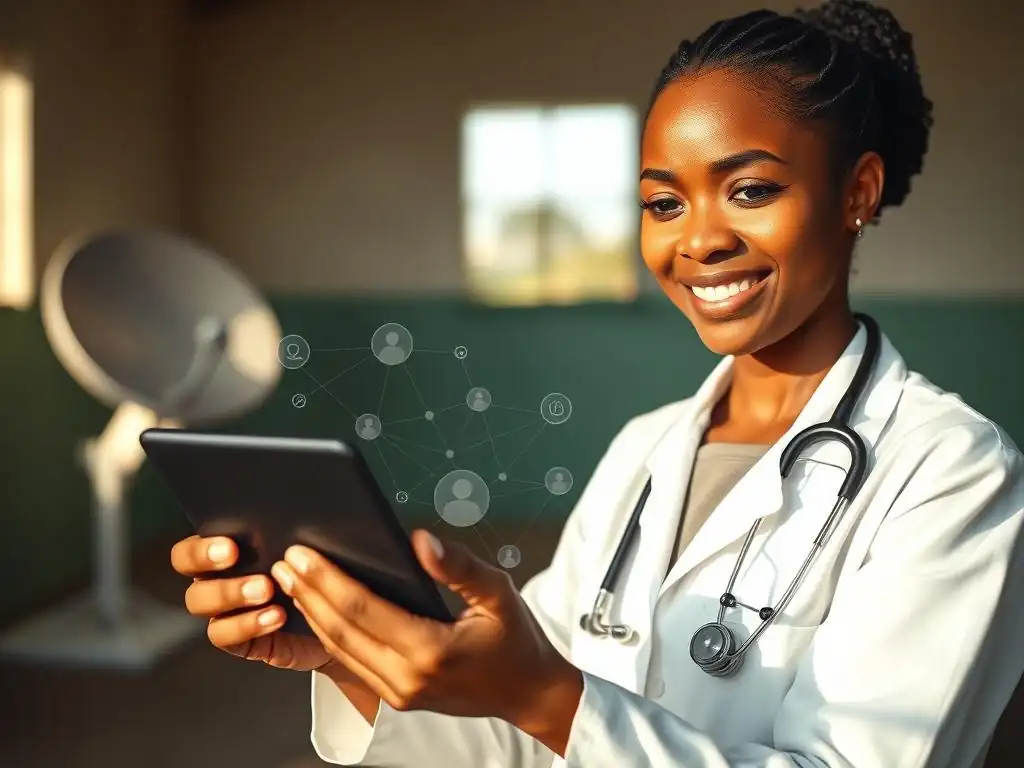
One of the most significant benefits of blockchain-powered telemedicine in developing countries is its potential to dramatically increase access to healthcare for populations living in remote areas or those who are otherwise underserved. By removing the need for patients to travel long distances to see a doctor, telemedicine bridges geographical gaps. When underpinned by blockchain's secure and reliable infrastructure for data, identity, and payments, telemedicine becomes a more viable and trustworthy option. This improved access means more people can receive timely consultations, diagnoses, and treatment advice.
For millions in rural communities, accessing even basic medical care is a major undertaking. Blockchain telemedicine developing countries access facilitates connections with healthcare professionals, including specialists who may only be available in urban centers. This expansion of reach is transformative, allowing individuals who previously had limited or no access to receive care from the comfort of their homes or local health posts, significantly improving health outcomes and quality of life.
Enhanced Security and Privacy of Patient Data
Data security and patient privacy are paramount in healthcare. Blockchain technology provides a robust framework for protecting sensitive health information against unauthorized access and tampering. By using cryptographic techniques and a decentralized ledger, blockchain makes it significantly harder for malicious actors to breach systems or alter records compared to traditional centralized databases, which are often targets for cyberattacks. Patients can have greater confidence that their personal health data is secure.
In regions where trust in centralized institutions might be low, the transparency and immutability offered by blockchain can build confidence in digital health systems. Patients can verify who has accessed their records and when, providing an unprecedented level of control and transparency. This enhanced security and privacy are crucial for encouraging widespread adoption of blockchain telemedicine developing countries access, reassuring users that their most sensitive information is protected.
Improved Efficiency and Reduced Costs in Healthcare Administration
Healthcare administration, including patient registration, billing, claims processing, and record management, can be complex, time-consuming, and costly. Blockchain and smart contracts can automate many of these processes, reducing the need for manual intervention, minimizing errors, and streamlining workflows. This increased efficiency translates into lower operational costs for healthcare providers and potentially lower costs for patients.
By reducing administrative overhead, healthcare resources can be redirected towards patient care. Faster payment cycles and reduced fraud also improve the financial health of healthcare providers, encouraging them to expand their services, including telemedicine. The overall reduction in friction within the system contributes significantly to making blockchain telemedicine developing countries access more affordable and scalable, benefiting both the supply and demand sides of healthcare.
Greater Transparency and Accountability in Healthcare Transactions
Transparency and accountability are essential for building trust in any system, particularly healthcare. Blockchain technology provides an immutable and transparent ledger of transactions, whether related to patient data access, payments, or the movement of pharmaceuticals. Every action recorded on the blockchain creates a verifiable audit trail that cannot be altered retroactively. This inherent transparency makes it easier to monitor processes and identify any discrepancies or fraudulent activities.
For patients, knowing that their interactions, payments, and data access are transparently recorded can increase confidence in the fairness and integrity of the telemedicine service. For regulators and healthcare providers, the audit trail provides valuable insights into system usage, compliance, and potential areas for improvement. This increased transparency and accountability are fundamental to fostering a trustworthy ecosystem for blockchain telemedicine developing countries access.
Overcoming Barriers to Blockchain Telemedicine Adoption
Addressing Regulatory Uncertainty and Developing Supportive Frameworks
A significant barrier to the adoption of blockchain telemedicine in developing countries is the lack of clear and supportive regulatory frameworks. Governments need to develop specific guidelines for telemedicine practice, data privacy (potentially incorporating blockchain principles), digital identity verification, and cross-border healthcare provision where applicable. Engaging with technology providers, healthcare professionals, and patient groups is crucial in drafting regulations that protect patients while fostering innovation.
Creating regulatory sandboxes or pilot programs can allow for testing and refining blockchain telemedicine solutions in a controlled environment before broader deployment. International collaboration and knowledge sharing can also help countries learn from each other's experiences in regulating digital health technologies. Establishing a clear and predictable regulatory environment is essential for attracting investment and enabling the widespread deployment of blockchain telemedicine developing countries access.
Investing in Infrastructure and Digital Literacy Programs
The foundational issues of limited internet connectivity, lack of devices, and unreliable power must be addressed for telemedicine, including blockchain-powered solutions, to thrive. This requires significant investment in telecommunications infrastructure, particularly in rural areas. Governments, NGOs, and private sector partners need to collaborate on initiatives to expand network coverage and make internet access more affordable.
Alongside infrastructure, digital literacy programs are essential. Many potential users, both patients and some healthcare providers, may lack the skills or familiarity needed to use digital health platforms effectively. Training programs focused on basic digital skills, using telemedicine applications, and understanding concepts like data privacy and digital identity can empower individuals to access and benefit from blockchain telemedicine developing countries access. Initiatives that provide access to shared devices or community centers equipped for telemedicine can also help bridge the digital divide.
Building Trust and Raising Awareness about Blockchain Technology
Trust in digital healthcare systems is not automatic, especially in populations with limited prior exposure to such technologies. Building trust requires demonstrating the reliability, security, and benefits of blockchain telemedicine through successful pilot programs and visible results. Sharing success stories and testimonials from early adopters can help alleviate skepticism and build confidence within communities.
Public awareness campaigns are needed to educate people about what telemedicine is, how it works, and how technologies like blockchain enhance its security and reliability. These campaigns should be culturally sensitive and delivered through accessible channels. For healthcare professionals, training on using blockchain-enabled platforms and understanding their benefits is crucial for their buy-in and effective utilization. Actively involving local communities in the design and implementation of telemedicine initiatives can also foster ownership and trust, paving the way for wider blockchain telemedicine developing countries access.
The Future of Blockchain Telemedicine in Developing Countries: Towards Universal Healthcare Access
Scaling Blockchain Solutions for Wider Impact
The potential of blockchain telemedicine to transform healthcare in developing countries is immense, but realizing this potential requires scaling successful pilot programs to reach millions. This involves not just expanding the technology but also building the necessary human capacity, regulatory support, and financial models. Scaling requires collaboration between governments, international aid organizations, local healthcare providers, and technology companies.
Focusing on modular and interoperable blockchain solutions that can be adapted to different regional needs and integrated with existing healthcare infrastructure is key. Developing sustainable funding models, potentially incorporating innovative financing mechanisms enabled by blockchain (like tokenized healthcare services or micro-insurance schemes), will be crucial for long-term sustainability. Scaling blockchain telemedicine developing countries access will require a concerted effort to address technical, social, and economic factors simultaneously.
Integrating Blockchain with Other Emerging Technologies (AI, IoT)
The future of healthcare will increasingly involve the convergence of multiple technologies. Integrating blockchain with Artificial Intelligence (AI) and the Internet of Medical Things (IoMT) holds significant promise for enhancing telemedicine in developing countries. AI can analyze large datasets of anonymized patient data (secured by blockchain) to assist with diagnoses, predict disease outbreaks, or personalize treatment plans, making remote consultations more effective.
IoMT devices, such as remote patient monitoring sensors (e.g., for blood pressure, glucose levels), can collect vital health data. Blockchain can provide a secure and verifiable way to transmit and store this data, ensuring its integrity before it's analyzed by AI or accessed by a telemedicine doctor. This integration can lead to more proactive and data-driven healthcare, improving the quality of care delivered remotely and further enhancing blockchain telemedicine developing countries access.
Empowering Patients and Healthcare Providers with Decentralized Healthcare Solutions
At its core, blockchain technology is about decentralization and empowering individuals. In the context of telemedicine, this translates to giving patients more control over their health data and providing healthcare professionals with more efficient and trustworthy tools. The future vision involves a decentralized healthcare ecosystem where patients are active participants in managing their health information and accessing services, rather than passive recipients within a centralized system.
Empowering patients with control over their data via blockchain can foster a sense of ownership and encourage engagement with their health. For healthcare providers, blockchain-enabled tools can reduce administrative burdens, ensure fair compensation via smart contracts, and provide access to reliable patient information, allowing them to focus more on delivering care. This shift towards decentralized, patient-centric models is a key driver for achieving universal blockchain telemedicine developing countries access and building resilient healthcare systems.
Conclusion: Blockchain's Potential to Transform Healthcare in the Developing World
The Role of Blockchain in Achieving Sustainable Development Goals (SDGs)
Improving healthcare access and quality is fundamental to achieving several of the United Nations' Sustainable Development Goals (SDGs), particularly SDG 3: Good Health and Well-being. Blockchain-powered telemedicine has a direct and significant role to play in this. By addressing key barriers to healthcare access, such as geographical distance, cost, and lack of infrastructure, blockchain telemedicine can help developing countries make substantial progress towards universal health coverage (Target 3.8).
Furthermore, the transparency and efficiency gains offered by blockchain in areas like supply chain management (Target 3.b related to access to essential medicines) and reducing administrative costs can contribute to building more robust and sustainable health systems. Blockchain's potential to empower individuals and foster trust aligns with the broader goals of equitable development. Leveraging blockchain technology is a strategic step towards achieving these critical global health objectives and expanding blockchain telemedicine developing countries access on a massive scale.
Call to Action: Promoting Collaboration and Innovation in Blockchain Telemedicine for Equitable Healthcare Access
Realizing the transformative potential of blockchain telemedicine in developing countries requires concerted effort and collaboration from various stakeholders. Governments must prioritize developing enabling policies and investing in digital infrastructure. Healthcare organizations need to explore and pilot blockchain solutions, while technology developers must focus on building user-friendly, affordable, and scalable platforms tailored to the specific needs and constraints of these regions.
International organizations and NGOs can play a crucial role in funding initiatives, facilitating knowledge transfer, and promoting standards. Academia and research institutions should continue to explore the potential and challenges of blockchain in healthcare. Ultimately, fostering a collaborative ecosystem that encourages innovation and investment is key to leveraging blockchain technology to build resilient, accessible, and affordable healthcare systems in the developing world, thereby ensuring equitable blockchain telemedicine developing countries access for all.
Frequently Asked Questions
What is the role of blockchain in telemedicine for developing countries?
Blockchain technology offers secure data management and improved access to medical records, facilitating better healthcare delivery in regions with limited infrastructure.
How can blockchain enhance accessibility to healthcare services?
By using decentralized systems, blockchain can streamline patient-provider interactions, allowing for cost-effective solutions that make healthcare more accessible in underserved areas.
What are the benefits of using blockchain in telemedicine?
The integration of blockchain in telemedicine provides increased transparency, data security, and trustworthiness, which are crucial for building confidence in healthcare systems in developing countries.
Are there any regulatory challenges associated with blockchain in telemedicine?
Yes, the regulatory landscape for blockchain technology in healthcare is still evolving, and navigating these regulations can pose challenges for implementation in developing countries.
What is the future of blockchain in telemedicine?
The future looks promising, as ongoing advancements in blockchain technology are expected to drive innovation in telemedicine, potentially transforming access to healthcare in developing regions.
Final Reflection: Bridging the Gap with Blockchain Telemedicine
The promise of accessible and affordable healthcare for all remains a distant dream for many in developing countries. However, as we've explored, the innovative fusion of blockchain technology and telemedicine offers a tangible pathway towards realizing this vision. The potential to overcome geographical barriers, reduce costs, and ensure data security makes this a particularly powerful solution in regions where traditional healthcare infrastructure is lacking.
This convergence of technology and compassion has profoundly influenced how we perceive the future of global health. The ability to empower individuals with control over their health data, while simultaneously connecting them with qualified medical professionals, is not just a technological advancement, but a fundamental shift in healthcare accessibility. The best way to predict the future is to create it.
- Peter Drucker. This quote resonates deeply, as blockchain telemedicine empowers us to actively shape a healthier future for underserved communities.
As we conclude, let us not simply admire the potential of blockchain telemedicine, but actively champion its implementation. Consider how your skills, resources, or voice can contribute to this transformative movement. Whether it's supporting initiatives, advocating for policy changes, or simply spreading awareness, each action brings us closer to a world where quality healthcare is a right, not a privilege, regardless of geographical location or economic status.
Okay, here's a Call to Action (CTA) for the end of a web article titled "Telemedicine in Developing Countries: Blockchain for Accessible & Affordable Care," targeted for the website "Blockchain Trends" with the domain blockchaintrends.org:
Unlock Affordable Healthcare: Join the Blockchain Revolution!
Thank you for taking the time to explore how blockchain technology can revolutionize telemedicine in developing countries. You've now seen the potential for greater access and affordability. Ready to be part of the solution?
Here are a few ways you can get involved:
- Research blockchain-based telemedicine projects currently being implemented in developing nations and identify one you'd like to support. This is your chance to directly contribute to a worthy cause.
- Explore open-source blockchain platforms designed for healthcare and consider contributing your skills to improve their functionality. Your expertise could make a real difference.
- Share this article with your network on social media using the hashtag #BlockchainForHealth and spark a vital conversation.
What steps will you take today to help bring accessible and affordable healthcare to developing countries using blockchain technology? Share your ideas in the comments below!
Leave a Reply