
Telemedicine in Rural Areas: Blockchain to Bridge the Healthcare Gap


Welcome to Blockchain Trends, your compass in the evolving landscape of decentralized innovation.
Imagine a world where geographical barriers no longer limit access to quality healthcare. Our exploration of blockchain telemedicine in rural healthcare uncovers how this transformative technology is poised to bridge that gap. Intrigued? Discover how blockchain's secure and transparent nature can revolutionize healthcare delivery and empower remote communities. Dive in to learn more and consider the possibilities!
Telemedicine in Rural Areas: Blockchain to Bridge the Healthcare Gap
- Introduction: The Healthcare Disparity in Rural Communities
- The Challenges of Rural Healthcare Delivery
- Telemedicine: A Promising Solution for Remote Healthcare
-
Blockchain Technology: Revolutionizing Rural Telemedicine
- Understanding Blockchain's Core Principles: Decentralization, Security, and Transparency
- How Blockchain Addresses Key Challenges in Rural Telemedicine
- Blockchain-Based Electronic Health Records (EHRs) for Secure Data Sharing
- Smart Contracts for Automated Reimbursement and Compliance
- Enhanced Security and Privacy with Blockchain in Telemedicine
- Use Cases: Blockchain Telemedicine in Action
- Overcoming Barriers to Blockchain Adoption in Rural Telemedicine
- The Future of Blockchain Telemedicine: Predictions and Possibilities
- Conclusion: Blockchain's Potential to Transform Rural Healthcare
-
Frequently Asked Questions
- How can blockchain technology improve telemedicine access in rural areas?
- What are the key benefits of using blockchain for managing patient data in a rural telemedicine setting?
- How could blockchain assist with supply chain management for medical equipment and pharmaceuticals in rural telemedicine?
- What are the regulatory considerations for implementing blockchain-based telemedicine solutions in rural areas?
- What is the future potential of blockchain in transforming rural healthcare delivery beyond telemedicine?
- Final Reflection: Empowering Rural Healthcare Through Innovation
- Ignite Healthcare Access: Connect with Telemedicine Today!
Introduction: The Healthcare Disparity in Rural Communities
Access to quality healthcare remains a significant challenge for millions residing in rural areas worldwide. These communities often face geographical isolation, leading to limited access to medical facilities, specialists, and essential health services. The disparity in health outcomes between urban and rural populations is well-documented, with rural residents often experiencing higher rates of chronic conditions and lower life expectancy. Addressing this gap requires innovative solutions that can extend the reach of healthcare beyond traditional brick-and-mortar settings.
Telemedicine, the delivery of healthcare services remotely using telecommunications technology, presents a promising avenue to overcome these geographical barriers. By enabling virtual consultations, remote monitoring, and digital health education, telemedicine can bring medical expertise directly to patients in underserved areas.
While telemedicine has seen increased adoption, particularly in recent years, its full potential in rural settings is hampered by challenges related to data security, interoperability, and cost-effectiveness. This is where blockchain technology emerges as a potential game-changer, offering a decentralized, secure, and transparent framework to enhance the efficacy and trustworthiness of telemedicine solutions, ultimately helping to bridge the critical rural healthcare gap.
The Challenges of Rural Healthcare Delivery
Limited Access to Specialists and Medical Facilities
Rural regions typically suffer from a severe shortage of healthcare professionals, particularly specialists. The physician-to-patient ratio in rural areas is significantly lower than in urban centers, often less than half. For instance, data indicates that only about 10% of physicians practice in rural areas, despite nearly 20% of the U.S. population residing there. This means patients in rural communities often have to travel long distances, sometimes hundreds of miles, to see a cardiologist, oncologist, or other specialist, leading to delayed diagnoses, postponed treatments, and increased financial burden due to travel costs and time off work.
Furthermore, rural hospitals and clinics are often smaller, less equipped, and face financial instability, sometimes leading to closures. The lack of nearby comprehensive medical facilities means complex procedures or specialized treatments are simply unavailable locally. This forces patients to seek care in distant urban hospitals, disrupting their lives and support systems. The logistical hurdles and the sheer unavailability of local specialist care underscore the urgent need for technologies like telemedicine that can virtually connect rural patients with the expertise they need, regardless of location.
Lack of Infrastructure and Connectivity
Effective telemedicine relies heavily on robust digital infrastructure, including high-speed internet connectivity. Unfortunately, rural areas frequently lag significantly behind urban areas in broadband access. According to various reports, a substantial percentage of rural households still lack access to reliable, high-speed internet necessary for smooth video consultations, large data transfers (like medical images), and consistent remote monitoring. This digital divide creates a fundamental barrier to implementing and sustaining telemedicine services in the very areas that need them most.
Beyond internet connectivity, the technical infrastructure within rural healthcare facilities themselves can be limited. Outdated hardware, insufficient network capacity, and a lack of trained IT personnel can hinder the adoption and effective use of telemedicine platforms. While initiatives exist to improve rural broadband, the progress is slow, and the cost of upgrading infrastructure in sparsely populated areas remains a significant challenge. Addressing this foundational issue is critical for any technology, including blockchain telemedicine rural healthcare initiatives, to succeed.
High Costs and Reimbursement Issues
The cost of implementing and maintaining telemedicine systems can be prohibitive for smaller rural hospitals and clinics operating on thin margins. Initial investments in equipment, software, and training represent significant financial hurdles. While telemedicine can potentially reduce long-term costs by decreasing hospitalizations and travel, the upfront expense is a major barrier to entry for many rural providers. Furthermore, the financial viability of telemedicine is heavily dependent on consistent and adequate reimbursement policies from insurers and government programs.
Historically, reimbursement for telemedicine services has been inconsistent and often lower than for in-person visits, creating financial disincentives for providers. Although the COVID-19 pandemic led to expanded telemedicine coverage, the long-term stability and scope of these policies, particularly for various service types and technologies like blockchain telemedicine rural healthcare applications, remain uncertain. Navigating complex billing codes and ensuring fair compensation for remote consultations and services adds another layer of administrative burden for already stretched rural healthcare providers.
Data Security and Privacy Concerns in Rural Healthcare
Protecting sensitive patient data is paramount in healthcare, and this challenge is amplified in rural settings which may have fewer resources dedicated to cybersecurity. Traditional centralized electronic health record (EHR) systems are vulnerable to data breaches, cyberattacks, and unauthorized access. A breach of medical records can have devastating consequences, including identity theft, financial fraud, and erosion of patient trust. Ensuring the privacy and security of health information is a critical concern when adopting digital health solutions like telemedicine.
When health data is transmitted or stored across different systems involved in telemedicine – from patient devices to provider platforms and potentially third-party services – the risk of interception or misuse increases. Rural healthcare providers must adhere to strict regulations like HIPAA in the United States, which mandate robust security measures. Implementing and maintaining these measures with limited IT staff and budgets is difficult.
Patients in rural communities, like anywhere else, need assurance that their personal health information is secure and private when engaging with telemedicine services. This inherent need for enhanced security highlights the potential value of blockchain technology in rural telemedicine.
Telemedicine: A Promising Solution for Remote Healthcare
Benefits of Telemedicine for Rural Populations
Telemedicine offers a multitude of benefits specifically tailored to the needs of rural populations. The most immediate advantage is the elimination of geographical barriers. Patients can consult with doctors and specialists from the comfort of their homes or local clinics, avoiding long and costly travel. This is particularly impactful for individuals with mobility issues, chronic conditions requiring frequent check-ups, or those living in extremely remote locations. It saves time, reduces transportation expenses, and minimizes the need to take time off work or arrange childcare.
Beyond access, telemedicine can improve the timeliness of care. For non-emergency conditions or follow-up appointments, virtual visits can often be scheduled more quickly than in-person appointments, leading to faster diagnoses and treatment adjustments. Remote patient monitoring, enabled by connected devices, allows healthcare providers to track vital signs and other health data from a distance, enabling early detection of deteriorating conditions and proactive interventions. This continuous oversight can lead to better management of chronic diseases prevalent in rural areas, such as diabetes and heart disease, potentially reducing hospitalizations.
Current Telemedicine Implementations and Limitations
Current telemedicine implementations vary widely, from simple phone consultations and video calls to more integrated platforms that allow for secure messaging, appointment scheduling, and limited data sharing. Many systems rely on standard internet protocols and centralized servers to transmit and store patient information. While these systems offer convenience and improve access compared to no telemedicine at all, they often face significant limitations, particularly when considering wide-scale adoption and interoperability.
Key limitations include the lack of seamless data exchange between different healthcare providers and systems. Patient records are often siloed, making it difficult for a specialist consulted via telemedicine to access a patient's full medical history from their primary care physician, especially if they use different EHR systems. Security is another major concern; centralized databases are attractive targets for cyberattacks. Furthermore, ensuring the integrity and authenticity of data transmitted during telemedicine sessions is challenging. These limitations underscore the need for a more secure, interoperable, and patient-centric approach, which blockchain technology in rural telemedicine could potentially provide.
The Need for Enhanced Security and Interoperability in Telemedicine Systems
As telemedicine expands, the volume of sensitive health data being transmitted and stored digitally increases exponentially. Protecting this data from breaches, tampering, and unauthorized access is not just a regulatory requirement but a fundamental necessity for building patient trust. Centralized databases, common in current telemedicine setups, represent single points of failure that are vulnerable to sophisticated cyber threats. A data breach could compromise the health information of thousands or millions of patients, leading to significant harm and liability.
Equally critical is the need for interoperability – the ability of different healthcare information systems and devices to exchange and use patient data seamlessly. In rural areas, patients may receive care from various providers using disparate systems. Effective telemedicine requires that a patient's relevant medical history, test results, and treatment plans can be easily and securely shared between their primary care physician, a remote specialist, and potentially emergency services.
The current lack of robust, standardized interoperability hinders coordinated care and can lead to medical errors or redundant testing. A secure, shared, and permissioned data layer is essential, pointing towards the potential application of blockchain technology in rural telemedicine for secure data management.
Blockchain Technology: Revolutionizing Rural Telemedicine
Understanding Blockchain's Core Principles: Decentralization, Security, and Transparency
Blockchain technology is a distributed ledger system that records transactions across many computers. Its core principles make it uniquely suited for applications requiring high levels of security, transparency, and trust without relying on a central authority. Decentralization means that the data is not stored in one place; instead, copies of the ledger are spread across a network of participants. This distributed nature makes it extremely difficult to alter records, as any change would require consensus from the majority of the network.
Security is inherent in the cryptographic techniques used to link blocks of transactions. Each block contains a cryptographic hash of the previous block, creating an immutable chain. Once data is added to the blockchain, it is virtually impossible to tamper with it without invalidating subsequent blocks.
Transparency comes from the fact that, while specific data might be encrypted, the existence and history of transactions (or data entries) on the public or permissioned ledger can be verified by network participants. These principles – decentralization, immutability, and cryptographic security – offer a compelling foundation for building more robust and trustworthy digital health systems, including blockchain telemedicine rural healthcare platforms.
How Blockchain Addresses Key Challenges in Rural Telemedicine
Blockchain technology offers direct solutions to several persistent challenges facing rural telemedicine. Its decentralized nature can enhance data security and privacy by distributing patient records or pointers to them across a network, making them less susceptible to single-point attacks common with centralized databases. Instead of storing sensitive data directly on the blockchain (which can be resource-intensive), the technology can be used to store encrypted hashes or pointers to data stored securely off-chain, ensuring data integrity and providing an audit trail of access.
Furthermore, blockchain's immutable ledger can create a transparent and tamper-proof record of all interactions within a telemedicine system – from patient consultations and data access logs to prescriptions and billing events. This auditability increases trust among patients, providers, and payers. For interoperability, a blockchain can act as a secure backbone for sharing patient data across disparate systems, allowing patients to control who accesses their records and creating a single, verifiable source of truth about data access permissions. This capability is particularly valuable for connecting rural providers with specialists in urban centers.
Blockchain-Based Electronic Health Records (EHRs) for Secure Data Sharing
Implementing blockchain-based EHRs could fundamentally change how patient data is managed and shared in rural telemedicine contexts. Instead of data being held in siloed databases controlled by individual providers, a blockchain approach could allow patient data to be stored securely (often encrypted off-chain) with hashes or pointers stored on the distributed ledger. The patient would typically hold the private key, giving them control over who can access their records.
This patient-centric model, sometimes referred to as a personal health record on blockchain, empowers individuals in rural areas to manage their health information and grant temporary access to different providers, whether it's their local doctor or a remote specialist seen via telemedicine. Every access request and data sharing event is recorded on the immutable blockchain, providing a transparent audit trail. This enhances security, improves data integrity, and facilitates seamless, permissioned data sharing between disparate healthcare entities, which is crucial for coordinated blockchain telemedicine rural healthcare services.
Smart Contracts for Automated Reimbursement and Compliance
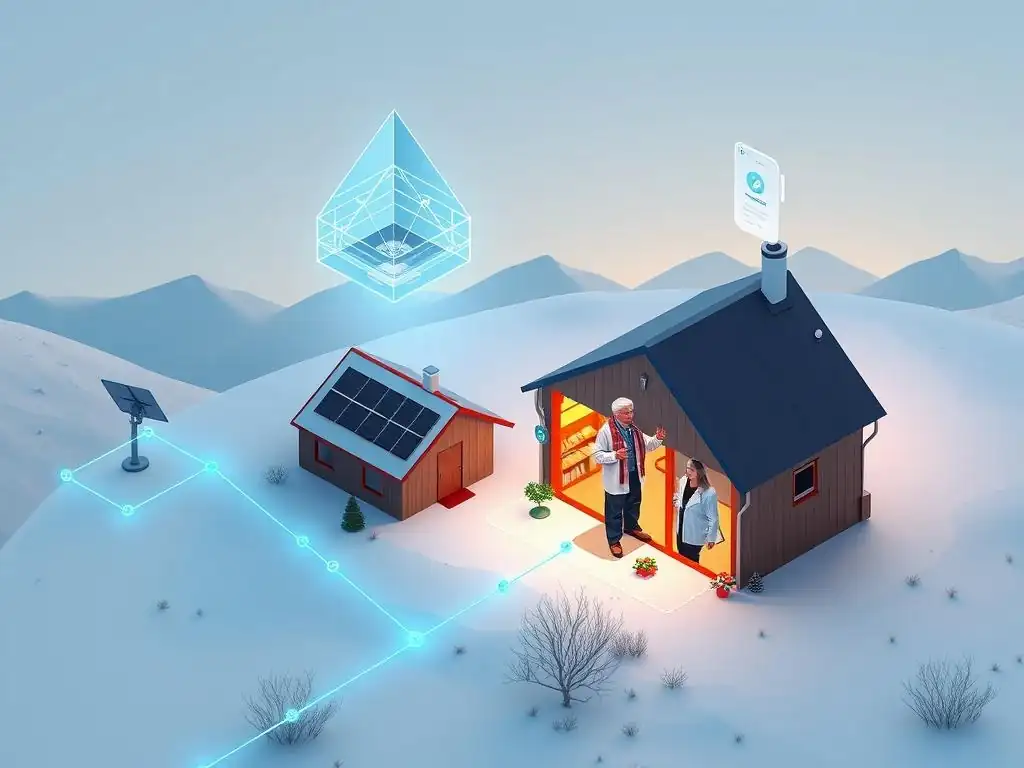
Smart contracts, self-executing contracts with the terms of the agreement directly written into code, offer a powerful tool for streamlining administrative processes in rural telemedicine. These contracts can be programmed to automatically trigger actions when predefined conditions are met, such as processing a payment once a telemedicine consultation is verified as completed and authorized. This automation can significantly reduce administrative overhead, decrease billing errors, and accelerate the reimbursement cycle for rural healthcare providers.
For instance, a smart contract could automatically initiate payment from an insurer to a rural clinic after a remote patient monitoring session is logged and verified on the blockchain, provided the patient's policy covers the service. Smart contracts can also enforce compliance rules, such as ensuring that data access adheres to HIPAA regulations or that specific protocols are followed during a telemedicine session, with the actions recorded immutably. By automating these processes, smart contracts enhance efficiency and transparency in the often-complex financial and regulatory aspects of blockchain telemedicine rural healthcare.
Enhanced Security and Privacy with Blockchain in Telemedicine
Blockchain's inherent cryptographic security provides a robust layer of protection for sensitive patient data in telemedicine. The immutability of the ledger means that once data access logs, consent records, or pointers to encrypted health information are added, they cannot be altered retroactively without detection. This creates a trustworthy audit trail, crucial for compliance and accountability. While patient data itself is typically stored off-chain and encrypted, the blockchain secures the integrity and history of access permissions and data provenance.
By leveraging decentralized identity management and access control mechanisms built on blockchain, patients can have fine-grained control over who views their health information and under what conditions. This patient empowerment is key to building trust, especially in remote settings where patients might be hesitant about sharing sensitive information digitally. The distributed nature of the blockchain also makes the system more resilient to denial-of-service attacks and data breaches that target single, centralized points of failure, significantly enhancing the overall security posture of blockchain telemedicine rural healthcare solutions.
Use Cases: Blockchain Telemedicine in Action
Case Study 1: Estonia’s Nationwide Blockchain-Enabled E-Health System
Estonia is widely recognized as a pioneer in digital governance, and its nationwide e-Health system is a prime example of blockchain technology applied to healthcare. While not strictly a telemedicine system, its underlying infrastructure demonstrates how blockchain can secure patient records accessed remotely. Since 2016, Estonia has used blockchain (specifically, Guardtime's Keyless Signature Infrastructure - KSI) to ensure the integrity and security of its national electronic health records, which are accessible to authorized medical professionals across the country.
The system uses blockchain to timestamp and verify every interaction with patient data, creating an irrefutable audit trail. This means that while patient data resides in various databases held by healthcare providers, any access, modification, or query is cryptographically logged on the blockchain. This provides an unprecedented level of transparency and security, allowing patients and authorities to verify that their data has not been tampered with and who has accessed it. This model is directly applicable to scaling secure telemedicine access in rural areas, ensuring that remote consultations and data sharing are trustworthy and compliant.
Case Study 2: MedRec Project at MIT for Patient-Centered Health Data Management
The MedRec project, developed by researchers at MIT, is an early and influential example exploring the use of blockchain for managing electronic health records from a patient-centric perspective. While a research prototype, it demonstrated how blockchain could aggregate medical data from disparate providers and give patients control over its access. The system uses a blockchain to manage pointers to patient data stored off-chain and to record patient consent and data access permissions.
In the MedRec model, patients could grant specific healthcare providers, including remote specialists potentially involved in telemedicine consultations, permission to view parts of their medical history. This system addresses the interoperability challenge by creating a unified, albeit permissioned, view of patient data across different institutions. It puts the patient in the driver's seat regarding their health information, a crucial factor for building trust and facilitating the secure exchange of data needed for effective blockchain telemedicine rural healthcare delivery.
Real-World Applications of Blockchain for Remote Patient Monitoring
While dedicated, large-scale blockchain telemedicine rural healthcare platforms are still emerging, several real-world applications demonstrate the potential of blockchain for components like remote patient monitoring (RPM). Companies are developing systems that use blockchain to secure the data collected from wearable health devices and home monitoring equipment used in RPM programs. This data, which can include vital signs, activity levels, and glucose readings, is highly sensitive.
Blockchain can provide an immutable ledger of the data collected and its source, ensuring data integrity. It can also manage access permissions for this data, allowing it to be shared securely with healthcare providers, family members (with consent), or researchers while maintaining patient privacy. For rural patients managing chronic conditions, reliable and secure RPM data is essential for their doctors to provide effective care remotely. Using blockchain ensures that the data the doctor sees is accurate and hasn't been tampered with, enhancing the reliability of blockchain telemedicine rural healthcare services that incorporate RPM.
Overcoming Barriers to Blockchain Adoption in Rural Telemedicine
Regulatory Hurdles and Compliance Requirements
Adopting blockchain technology in healthcare, particularly in sensitive areas like telemedicine in rural settings, faces significant regulatory challenges. Healthcare data is subject to stringent privacy and security regulations like HIPAA in the U.S. or GDPR in Europe. Applying these complex rules to decentralized, distributed blockchain systems requires careful interpretation and implementation. Questions arise regarding data immutability versus the "right to be forgotten," data residency requirements, and the legal standing of smart contracts in healthcare agreements.
Navigating this complex regulatory landscape requires close collaboration between blockchain developers, healthcare providers, legal experts, and regulatory bodies. Ensuring that blockchain telemedicine rural healthcare solutions comply with all applicable laws is paramount to their legal and ethical deployment. This involves designing systems with built-in compliance mechanisms and potentially advocating for clearer regulatory guidance specific to blockchain applications in healthcare.
Technical Infrastructure and Skill Set Gaps
Implementing blockchain technology requires a certain level of technical infrastructure and expertise that may not be readily available in rural areas. While blockchain nodes can run on standard hardware, the network infrastructure needed for reliable operation and integration with existing healthcare systems can be complex. Furthermore, there is a significant shortage of IT professionals with expertise in blockchain technology, especially in rural regions.
Healthcare providers and staff in rural clinics may also lack the necessary digital literacy and training to effectively use blockchain-enabled telemedicine platforms. Bridging this skill gap requires targeted education and training programs for both IT personnel and healthcare professionals. Investing in technical infrastructure upgrades and workforce development is crucial for successful deployment of blockchain telemedicine rural healthcare solutions.
Interoperability with Existing Healthcare Systems
One of the major promises of blockchain in healthcare is improved interoperability, but achieving this in practice requires overcoming significant hurdles in integrating with legacy systems. Most healthcare facilities, including those in rural areas, rely on existing electronic health record (EHR) systems and other software that were not designed to interact with blockchain. Integrating these disparate systems is a complex and costly process.
Developing standardized protocols and APIs (Application Programming Interfaces) that allow blockchain networks to securely exchange data with traditional EHRs and telemedicine platforms is essential. This requires collaboration among technology vendors, healthcare providers, and standards bodies. Without seamless integration, the benefits of using blockchain for data sharing and management in blockchain telemedicine rural healthcare settings cannot be fully realized.
Building Trust and Educating Rural Communities about Blockchain
Introducing new technologies, especially one as complex and often misunderstood as blockchain, requires building trust among patients and providers, particularly in rural communities. Patients need to understand how blockchain protects their privacy and gives them control over their data. Providers need to be confident in the reliability and security of the technology. Misconceptions about blockchain, often linked solely to cryptocurrencies, can create skepticism.
Effective communication and education are vital. Explaining the benefits of blockchain in simple, non-technical terms, demonstrating its security features, and highlighting successful pilot programs can help build confidence. Community engagement and involving rural residents in the design and implementation process can also foster acceptance. Building trust and ensuring understanding are fundamental steps for the successful adoption of blockchain telemedicine rural healthcare initiatives.
The Future of Blockchain Telemedicine: Predictions and Possibilities
Integration with IoT Devices for Remote Patient Monitoring
The future of blockchain telemedicine is likely to see deeper integration with the growing ecosystem of Internet of Things (IoT) devices used for remote patient monitoring. Wearable sensors, smart home health devices, and connected medical equipment generate vast amounts of health data. Blockchain can provide a secure, immutable ledger for recording this data and managing access permissions.
Imagine a rural patient with heart disease using a wearable ECG monitor. The data from the device could be securely timestamped and logged onto a blockchain, with access granted only to their cardiologist and primary care physician. This ensures the integrity and provenance of the data, which is crucial for accurate diagnosis and treatment adjustments via telemedicine consultations. This integration of blockchain with IoT will enhance the reliability and trustworthiness of remote patient monitoring within blockchain telemedicine rural healthcare frameworks.
Personalized Healthcare and Predictive Analytics
Blockchain's ability to facilitate secure sharing and aggregation of patient data from various sources – including EHRs, genomic data, and data from wearable devices – holds immense potential for personalized healthcare and predictive analytics. With patient consent, this aggregated, verifiable data can be used to train AI and machine learning models to provide more personalized treatment plans and predict potential health risks.
For individuals in rural areas, who may have limited access to specialized diagnostic tools, leveraging predictive analytics based on comprehensive, secure data could be transformative. A blockchain-enabled system could help identify patients at high risk for certain conditions based on their history and lifestyle data, allowing for proactive telemedicine interventions before a health crisis occurs. This moves healthcare from reactive to proactive, improving outcomes in blockchain telemedicine rural healthcare.
Decentralized Autonomous Organizations (DAOs) for Healthcare Governance
Decentralized Autonomous Organizations (DAOs) represent another potential future application of blockchain in healthcare governance. A DAO is an organization whose rules are encoded as computer programs (smart contracts) on a blockchain, making them transparent and immutable. Decisions are typically made by stakeholders through a voting process.
In a healthcare context, DAOs could potentially be used for managing shared resources, funding community health initiatives in rural areas, or even governing decentralized telemedicine networks. For example, a DAO could manage grants for expanding broadband access for telemedicine in underserved rural regions or allow a community to collectively manage a fund for local health services, with transparent allocation recorded on the blockchain. While still in early stages, DAOs could offer a transparent and community-driven model for supporting blockchain telemedicine rural healthcare efforts.
The Role of Blockchain in Expanding Healthcare Access Globally
Ultimately, blockchain technology has the potential to play a significant role in expanding healthcare access not just in rural areas of developed countries but globally in underserved regions. By providing a secure, transparent, and potentially lower-cost infrastructure for managing health data and transactions, blockchain can lower the barriers to entry for implementing digital health solutions.
For populations in remote or developing areas with limited traditional healthcare infrastructure but increasing mobile connectivity, blockchain-powered telemedicine could offer a lifeline. It enables secure record-keeping, facilitates payments through potentially decentralized methods, and ensures data integrity across fragmented systems. The global potential of blockchain telemedicine rural healthcare is vast, offering a pathway to more equitable access to medical care worldwide.
Conclusion: Blockchain's Potential to Transform Rural Healthcare
The challenges of providing adequate healthcare in rural areas – from limited access to specialists and facilities to issues of infrastructure, cost, and data security – are significant and persistent. Telemedicine offers a crucial bridge, leveraging technology to deliver remote care and overcome geographical barriers. However, the full promise of telemedicine in rural settings is currently constrained by limitations in security, interoperability, and administrative efficiency.
Blockchain technology, with its core principles of decentralization, immutability, and cryptographic security, presents a powerful opportunity to address these limitations head-on. By enabling secure, patient-controlled data sharing, automating administrative processes through smart contracts, and providing an immutable audit trail, blockchain can build a more trustworthy and efficient foundation for telemedicine services. While challenges related to regulation, infrastructure, and adoption remain, the potential for blockchain telemedicine rural healthcare to transform access and quality of care is undeniable.
Realizing this potential requires continued innovation, investment in infrastructure and education, and collaboration among technology developers, healthcare providers, policymakers, and rural communities themselves. As the technology matures and integration methods improve, blockchain-powered solutions are poised to play an increasingly vital role in bridging the healthcare gap, ensuring that individuals in rural areas have access to the quality medical care they need and deserve. The future of blockchain telemedicine in rural areas holds the promise of a more equitable and healthier world.
Frequently Asked Questions
How can blockchain technology improve telemedicine access in rural areas?
Blockchain enhances security and data interoperability, crucial for sharing patient information across different providers in rural areas. This secure and seamless exchange improves the quality and accessibility of telemedicine services.
What are the key benefits of using blockchain for managing patient data in a rural telemedicine setting?
Blockchain provides a decentralized and immutable ledger, making patient data more secure and resistant to tampering. This enhances patient trust and ensures the integrity of medical records in remote locations.
How could blockchain assist with supply chain management for medical equipment and pharmaceuticals in rural telemedicine?
Blockchain offers traceability and transparency in the supply chain, ensuring the authenticity and safe delivery of medical supplies. This is particularly important for rural areas where access to medications might be limited and counterfeit drugs a concern.
What are the regulatory considerations for implementing blockchain-based telemedicine solutions in rural areas?
Compliance with data privacy regulations like HIPAA and GDPR is crucial when using blockchain for medical data. Clear guidelines are needed to address legal and ethical challenges surrounding data ownership and access in decentralized systems.
What is the future potential of blockchain in transforming rural healthcare delivery beyond telemedicine?
Blockchain can enable smart contracts for automated billing and insurance claims, streamline administrative processes, and improve overall efficiency in rural healthcare systems. This technology could facilitate new models of care and empower patients.
Final Reflection: Empowering Rural Healthcare Through Innovation
The promise of accessible and equitable healthcare for all remains a distant dream for many living in rural areas. This article has explored how blockchain technology, when integrated with telemedicine, offers a tangible pathway to bridging that gap, moving beyond theoretical possibilities to practical solutions that can directly impact lives.
The potential of blockchain telemedicine extends far beyond simply facilitating remote consultations. It represents a fundamental shift in how healthcare data is managed, secured, and shared, empowering patients and providers alike. Witnessing the early successes and the unwavering dedication of those championing this technology fills me with hope for a future where geographical barriers no longer dictate access to quality care. The best way to predict the future is to create it.
- Peter Drucker. This quote encapsulates the spirit of innovation driving the adoption of blockchain in rural healthcare, urging us to actively shape a more equitable and accessible future.
Now, consider the implications of this technology in your own community. How can you advocate for the adoption of blockchain telemedicine to improve healthcare access for those who need it most? Reflect on the power of innovation to overcome seemingly insurmountable challenges and embrace the opportunity to be a catalyst for positive change. Let us work together to ensure that the benefits of modern healthcare reach every corner of our world.
Okay, I will create a Call to Action (CTA) based on the article title "Telemedicine in Rural Areas: Blockchain to Bridge the Healthcare Gap," targeting readers of blockchaintrends.org.
Ignite Healthcare Access: Connect with Telemedicine Today!
Thank you for exploring how blockchain can revolutionize telemedicine and bring vital healthcare access to underserved rural areas. Now that you understand the potential impact, let's move beyond the theory and start making a difference!
Here are some ways you can get involved:
- Contact your local representatives and advocate for policies that support the integration of blockchain-based telemedicine solutions in rural communities. This is the most impactful action you can take to drive real change.
- Explore opportunities to volunteer your skills (technical, medical, or advocacy) with organizations focused on improving rural healthcare access using innovative technologies.
- Share this article with your network to raise awareness about the potential of blockchain in telemedicine and inspire others to take action.
How can you leverage your own expertise or connections to help bridge the healthcare gap in rural areas using blockchain technology? Share your ideas in the comments below!
Leave a Reply