
Blockchain for Property Developers: Streamlining Construction and Sales

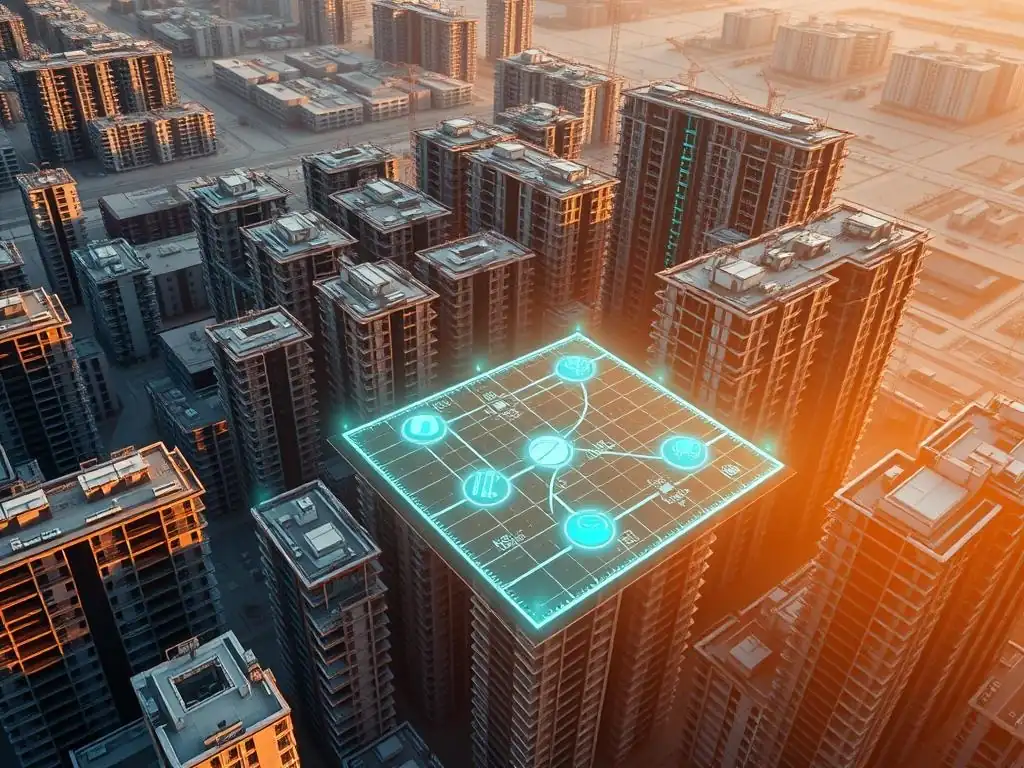
Welcome to Blockchain Trends, where we delve into the transformative potential of blockchain technology beyond the realm of cryptocurrencies. Today, we're excited to explore how blockchain is revolutionizing the property development industry. In our featured article, "Blockchain for Property Developers: Streamlining Construction and Sales," we uncover the innovative ways this technology is enhancing efficiency and transparency in property development processes. Are you ready to discover how blockchain can reshape the future of real estate? Join us as we unlock the secrets to a more streamlined construction and sales experience!
- Blockchain Property Development Streamlining Process: Key Applications
-
Frequently Asked Questions
- How can blockchain technology specifically benefit property developers?
- What are the main challenges property developers face when adopting blockchain technology?
- How can blockchain improve the sales process in property development?
- What role does DeFi (Decentralized Finance) play in blockchain-based property development?
- How does blockchain address issues of transparency and trust in property transactions?
- Final Reflection: Embracing Transparency in the Built World
- Ignite Your Property Development with Blockchain Innovation!
Blockchain Property Development Streamlining Process: Key Applications
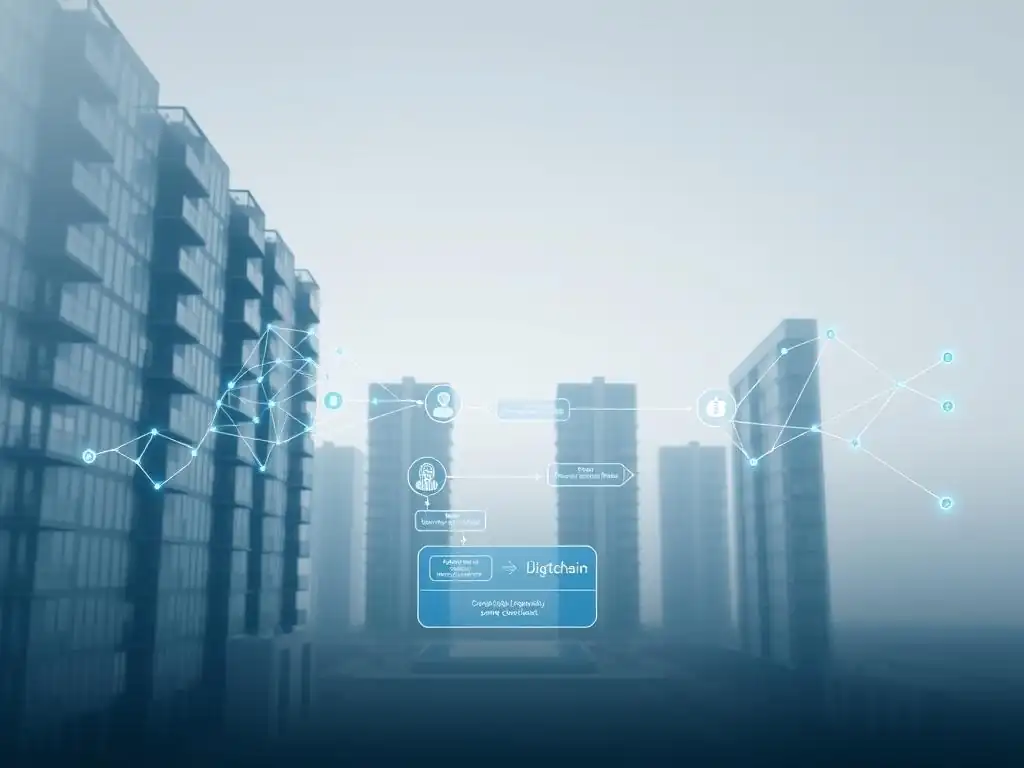
Smart Contracts for Construction Agreements: Automating Payments and Milestones
The application of smart contracts represents a significant advancement in the blockchain property development streamlining process. These self-executing contracts, with the terms of the agreement directly written into code, automate the verification and execution of critical project milestones and associated payments.
Instead of relying on manual checks and approvals that can take weeks, a smart contract can automatically trigger a payment once a predefined condition is met and verified on the blockchain, such as the completion of the foundation or the installation of structural steel, based on data input from verified sources. This automation drastically reduces administrative overhead, minimizes payment delays, and decreases the potential for disputes arising from manual processes, potentially cutting down payment cycle times by 50% or more on large-scale projects.
Furthermore, smart contracts enhance transparency for all parties involved—developers, contractors, subcontractors, and lenders. Every transaction and milestone verification is recorded on the immutable ledger, providing a single source of truth accessible to authorized participants. This transparency builds trust and accountability throughout the construction phase. For instance, a developer managing a multi-million dollar project can use smart contracts to manage dozens of sub-agreements, ensuring that subcontractors are paid promptly upon verifiable completion of their work, thereby improving cash flow management across the entire project ecosystem and contributing directly to a more efficient blockchain property development streamlining process.
Supply Chain Management: Tracking Materials and Ensuring Authenticity
Effective supply chain management is crucial for controlling costs, ensuring quality, and staying on schedule in property development. Blockchain technology offers a robust solution for tracking materials from their origin to the construction site, providing an immutable record of their journey.
This transparency is particularly valuable for high-value or critical components like structural steel, specialized concrete mixes, or HVAC systems, where authenticity and quality assurance are paramount. By assigning unique digital identities to material batches or components and recording each transfer of ownership and quality check on the blockchain, developers gain unprecedented visibility into their supply chain, helping to authenticate materials and prevent the use of counterfeit or substandard products that could compromise structural integrity or project timelines.
Implementing blockchain for supply chain tracking allows developers to verify the provenance of materials, ensuring they meet sustainability standards, ethical sourcing requirements, or specific technical specifications. For example, a developer aiming for LEED certification could use blockchain to track the origin and composition of building materials, providing verifiable proof of compliance.
This level of traceability not only enhances quality control but can also significantly reduce waste and improve efficiency. Studies suggest that improved supply chain visibility through technologies like blockchain can reduce material losses or delays by 10-20% on complex construction projects, further highlighting the potential for blockchain property development streamlining process improvements.
Property Tokenization: Fractional Ownership and Increased Liquidity
Property tokenization involves representing real estate assets as digital tokens on a blockchain. Each token can represent a fractional share of ownership in a property or development project. This process fundamentally changes how real estate is bought, sold, and invested in, opening up new avenues for capital formation and liquidity for property developers. Instead of selling an entire building or development in one large transaction or seeking funding from a limited pool of institutional investors, developers can issue tokens representing portions of the asset, making it accessible to a much broader range of smaller investors globally.
Benefits of Property Tokenization for Developers
The benefits of property tokenization for developers are substantial, primarily revolving around enhanced access to capital and improved liquidity. Tokenization allows developers to raise capital more efficiently and potentially faster than traditional methods like securing bank loans or selling equity through lengthy private placements.
By issuing security tokens representing ownership or debt in a project, developers can tap into a global pool of investors, potentially reducing fundraising timelines from months to weeks and cutting associated costs like brokerage fees and legal expenses significantly, perhaps by 10-30%. This increased accessibility to capital accelerates the development cycle and facilitates the initiation of new projects.
Moreover, tokenization can create liquidity for previously illiquid real estate assets. Once tokens are issued, they can be traded on compliant secondary markets, allowing investors to buy and sell their fractional ownership stakes relatively easily.
This potential for liquidity makes real estate investments more attractive to a wider investor base, increasing demand for the developer's tokens and potentially leading to more favorable funding terms. For a developer, this means the ability to exit projects or phases more flexibly and provide investors with exit opportunities that were previously unavailable in traditional private real estate investments, showcasing a direct impact on the blockchain property development streamlining process from a financial perspective.
How Property Tokenization Works
The process of property tokenization typically begins with the legal structuring and due diligence of the real estate asset or project. Legal frameworks are established to ensure that the tokens issued represent legitimate ownership rights or investment interests, adhering to relevant securities regulations. The asset is then digitized, and the ownership or investment interests are divided into a specific number of digital tokens on a chosen blockchain platform (like Ethereum or others supporting security tokens). Each token's ownership is recorded on the distributed ledger, providing a transparent and immutable record.
Once the tokens are created, they can be offered to investors through a security token offering (STO) or private placement conducted on a blockchain-based platform. Investors purchase these tokens, and their ownership is registered on the blockchain. This entire process, from issuance to potential secondary trading, leverages blockchain's inherent security, transparency, and efficiency. Smart contracts can be integrated to automate processes like dividend distribution or voting rights associated with token ownership, further streamlining the management of the tokenized asset and contributing to the overall blockchain property development streamlining process.
Secure and Transparent Land Registry: Minimizing Fraud and Disputes
Traditional land registry systems are often centralized, paper-based, and prone to errors, fraud, and lengthy processing times. Implementing a blockchain-based land registry offers a secure, transparent, and immutable record of land ownership and transaction history. Every change in ownership, lien, or easement is recorded as a transaction on the blockchain, creating a permanent and verifiable audit trail accessible to authorized parties. This inherent security and transparency significantly reduce the potential for fraudulent transactions, forged documents, or conflicting claims of ownership, which are common issues in many traditional systems and can cause significant delays and legal costs in development projects.
A blockchain land registry can dramatically speed up the process of verifying ownership and transferring titles, essential steps in the blockchain property development streamlining process. Instead of waiting weeks or months for title searches and manual record updates, verification can potentially be completed in days or even hours. This efficiency gain is particularly impactful in markets with less developed traditional registry systems.
Furthermore, by minimizing disputes related to land titles—a major source of litigation in real estate—developers can avoid costly legal battles and project delays. Pilots in various countries have shown the potential to reduce title verification time by over 80% and significantly decrease the incidence of title-related fraud, demonstrating the transformative potential for land management in property development.
Frequently Asked Questions
How can blockchain technology specifically benefit property developers?
Blockchain can streamline the property development streamlining process by creating a transparent and secure ledger for land titles, contracts, and payments. This reduces fraud and increases efficiency by automating processes and removing intermediaries.
What are the main challenges property developers face when adopting blockchain technology?
The major challenges include the lack of industry-wide standards, the complexity of integrating blockchain with existing systems, and regulatory uncertainty surrounding smart contracts and digital assets in real estate.
How can blockchain improve the sales process in property development?
Blockchain allows for tokenization of properties, enabling fractional ownership and easier transfer of assets. Smart contracts can automate the sales process, ensuring secure and transparent transactions and faster closing times.
What role does DeFi (Decentralized Finance) play in blockchain-based property development?
DeFi can facilitate alternative funding sources for property development projects through token sales and decentralized lending platforms. This can offer lower interest rates and increased access to capital for developers.
How does blockchain address issues of transparency and trust in property transactions?
Blockchain's immutable ledger ensures that all transactions are recorded permanently and transparently, creating a single source of truth. This fosters greater trust among buyers, sellers, and other stakeholders in the property market.
Final Reflection: Embracing Transparency in the Built World
The exploration of blockchain's potential within property development reveals more than just technological innovation; it highlights a fundamental shift towards enhanced transparency and efficiency in an industry often plagued by complexity and opacity. The promise of streamlined processes, from construction to sales, is not merely a theoretical benefit, but a tangible solution to real-world challenges facing developers and buyers alike.
This journey into blockchain's application underscores its profound influence on reshaping trust and accountability within the real estate sector. The ability to create immutable records and facilitate secure transactions has the power to democratize access to property ownership and foster greater confidence in the development process. The future of real estate is not just about building structures, but about building trust through technology.
This quote encapsulates the essence of blockchain's transformative potential, moving us towards a more equitable and transparent built environment.
As we conclude this exploration, I invite you to consider the implications of blockchain technology in your own sphere of influence. How can you champion transparency and efficiency in your interactions with the property market? Embrace the potential of this technology to build a future where trust is not just an aspiration, but a foundational element of every transaction, every development, and every home.
Ignite Your Property Development with Blockchain Innovation!
Thank you for exploring how blockchain technology can revolutionize property development. We hope this article has highlighted the potential for increased efficiency and transparency in your projects. Now, it’s time to turn that knowledge into action.
Here are a few steps you can take right away:
- Dive deeper: Download our exclusive whitepaper on implementing blockchain in construction projects — it’s packed with practical strategies and real-world examples.
- Explore blockchain platforms: Research and compare solutions tailored for property management and sales.
- Join the conversation: Share this article with your network and start a discussion on the potential benefits and challenges of blockchain adoption in the property development industry.
What’s the first blockchain-based solution you plan to implement in your next project? Share your thoughts below!
Leave a Reply