
Blockchain's Potential to Democratize Real Estate Investment and Ownership

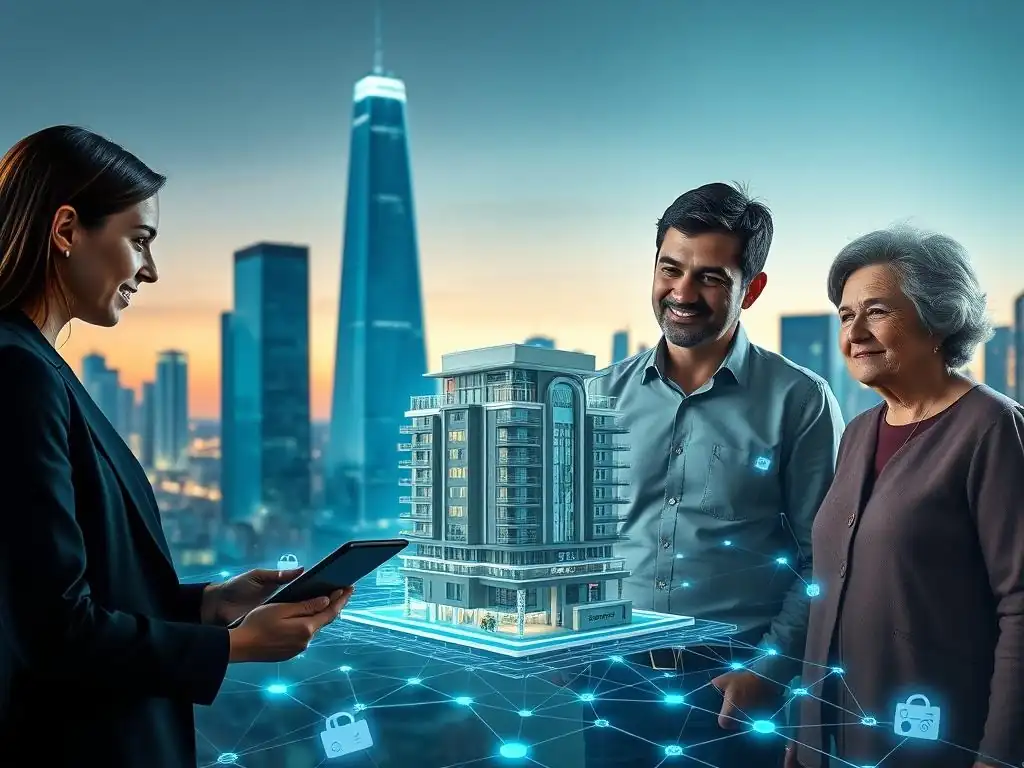
Welcome to Blockchain Trends, your compass in the ever-evolving world of decentralized technologies. Dive in and discover how blockchain is reshaping industries beyond just cryptocurrencies. Curious about how this revolutionary technology is impacting the property market? This week, we delve deep into the exciting world of blockchain real estate investment opportunities, exploring how it's poised to democratize ownership and investment. Intrigued? Keep reading to unlock the potential of tokenized assets and the future of real estate!
The Current State of Real Estate Investment: Barriers to Entry
Accessing traditional real estate investment opportunities presents significant hurdles for the average investor. One of the most formidable barriers is the prohibitively high capital requirement. Directly purchasing a property, whether residential or commercial, typically demands a substantial down payment, often ranging from 10% to 20% or more of the property's value, alongside closing costs that can add another 2% to 5%.
For a property valued at $300,000, this could mean an initial outlay of $36,000 to $75,000 or more, excluding mortgage payments, taxes, insurance, and maintenance. Even indirect methods like investing in Real Estate Investment Trusts (REITs), while more accessible, may still require minimum investments of $1,000 or more, depending on the fund or platform. These high entry costs effectively exclude a large segment of potential investors, limiting participation to those with significant financial resources and concentrating ownership among a select few.
Beyond the steep financial requirements, the traditional real estate market is plagued by complexity, illiquidity, and geographical limitations. The process of buying or selling property is notoriously lengthy and involves numerous intermediaries—agents, lawyers, appraisers, escrow companies, and lenders—each adding layers of fees and bureaucracy. A typical residential real estate transaction can take anywhere from 30 to 60 days, and commercial deals often take longer.
This lack of liquidity means that capital is tied up for extended periods, making it difficult for investors to quickly access their funds if needed. Furthermore, investing in properties located far from one's residence requires navigating unfamiliar local markets, regulations, and management challenges, effectively limiting most investors to their immediate geographical area. These combined factors create a system that is opaque, slow, and inaccessible, hindering the democratization of real estate investment opportunities for a global audience.
- What are some of the primary benefits of using blockchain for real estate investment?
- How does blockchain enable fractional ownership in real estate?
- What are the potential regulatory challenges facing blockchain-based real estate investments?
- Beyond investment, how can blockchain impact real estate management and operations?
- What are some examples of existing blockchain-based real estate platforms or projects?
Frequently Asked Questions
What are some of the primary benefits of using blockchain for real estate investment?
Blockchain offers several advantages, including increased transparency, reduced transaction costs by eliminating intermediaries, and fractional ownership opportunities, making real estate investment more accessible.
How does blockchain enable fractional ownership in real estate?
Blockchain allows for the tokenization of real estate assets, dividing properties into smaller, tradable digital tokens. This lowers the barrier to entry for investors who can't afford an entire property.
What are the potential regulatory challenges facing blockchain-based real estate investments?
Regulation is evolving. Key concerns include securities laws, KYC/AML compliance, and establishing clear legal frameworks for digital ownership rights and the transfer of property.
Beyond investment, how can blockchain impact real estate management and operations?
Blockchain can streamline processes like property title management, lease agreements, and secure rent payments, leading to greater efficiency and reduced administrative overhead for property managers.
What are some examples of existing blockchain-based real estate platforms or projects?
Several platforms are emerging, offering services like tokenized real estate investment, decentralized property marketplaces, and smart contract-based property management solutions, although adoption is still relatively early-stage.
Okay, here's a final reflection designed to close your article on Blockchain's Potential to Democratize Real Estate Investment and Ownership, optimized for the keyword "Blockchain real estate investment opportunities":
Final Reflection: Embracing the Future of Real Estate
The exploration of blockchain's potential to revolutionize real estate investment and ownership reveals a landscape ripe with opportunity. The promise of fractional ownership, increased transparency, and reduced barriers to entry is no longer a distant dream, but a tangible reality shaping the future of property investment. The convergence of technology and real estate is poised to empower a new generation of investors and democratize access to a traditionally exclusive market.
The impact of blockchain on real estate extends far beyond mere technological advancement; it represents a fundamental shift in how we perceive and interact with property ownership. This transformation resonates deeply, offering a pathway to greater financial inclusion and empowering individuals to participate in wealth creation in ways previously unimaginable. The future of real estate is not just about bricks and mortar; it's about access, transparency, and empowerment. Blockchain is the key to unlocking that future.
This quote encapsulates the profound potential of blockchain to reshape the real estate landscape and create a more equitable system for all.
As we stand on the cusp of this new era, I invite you to consider the possibilities that blockchain real estate investment opportunities hold for you. Explore the platforms, research the projects, and embrace the potential to become a part of a more democratic and accessible real estate market. The future of property ownership is being written now, and your participation can help shape a more inclusive and prosperous world for everyone.
Unlock Your Real Estate Future with Blockchain!
Thank you for exploring the revolutionary potential of blockchain in democratizing real estate! We hope you’ve gained valuable insights into how this technology can reshape investment and ownership. Now, let's translate that knowledge into action.
Here's how you can get started:
- Dive Deeper: Research blockchain-based real estate platforms in your area. Understand the investment opportunities, legal frameworks, and risks involved.
- Explore: Join online communities and forums dedicated to blockchain real estate. Connect with experts, investors, and developers to expand your network.
- Share: Discuss this article with friends and family who might be interested in alternative investment strategies.
What excites you most about the possibility of fractional ownership in real estate, and how could it change your investment approach?
Leave a Reply