
Buying a Home with Smart Contracts: A StepbyStep Guide to the Future of Homeownership


Welcome to Blockchain Trends, your gateway to understanding the revolutionary impact of blockchain technology. Are you ready to explore how blockchain is reshaping industries beyond cryptocurrency? Dive into our latest article on Smart contract home buying, where we unpack a step-by-step guide to the future of homeownership. Imagine a world where property transactions are seamless, secure, and transparent. Intrigued? Let's unlock the potential together and discover how blockchain is transforming real estate, one smart contract at a time.
- Introduction to Smart Contract Home Buying: Revolutionizing Real Estate Transactions with Blockchain
-
Frequently Asked Questions
- What are the main benefits of using smart contracts for home buying?
- How do smart contracts streamline the home buying process?
- What are the potential challenges of using smart contracts for home buying?
- How secure are smart contracts for handling large transactions like buying a home?
- What is the future outlook for smart contract home buying?
- Final Reflection: Embracing the Future of Homeownership
- Embark on Your Smart Homeownership Journey!
Introduction to Smart Contract Home Buying: Revolutionizing Real Estate Transactions with Blockchain
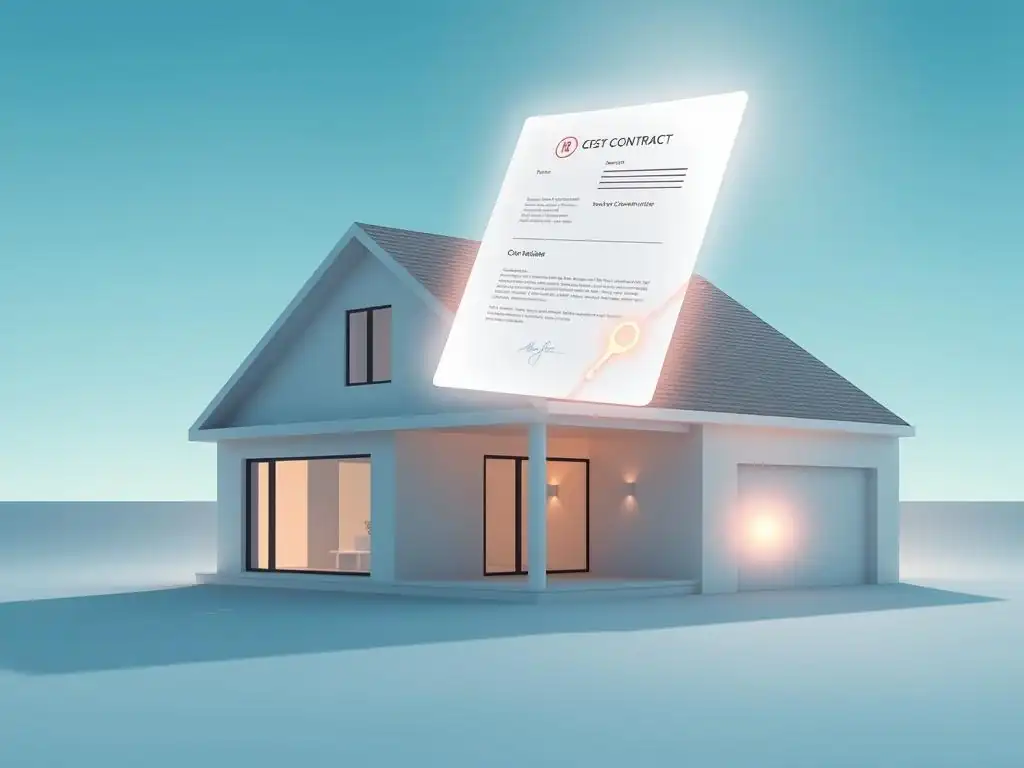
The landscape of real estate transactions has remained largely unchanged for decades, relying heavily on intermediaries, paper-based processes, and often lengthy timelines. However, the advent of blockchain technology is poised to disrupt this traditional model, offering a path toward greater efficiency, transparency, and security. At the forefront of this transformation is the concept of smart contract home buying, which leverages self-executing agreements stored on a decentralized ledger to automate key aspects of the property transfer process.
This innovative approach promises to streamline everything from initial offers to final title transfers, fundamentally altering how people acquire and sell real estate. By removing layers of bureaucracy and introducing unprecedented levels of trust through cryptography, smart contracts are setting the stage for a new era of homeownership.
This guide explores the intricacies of smart contract home buying, detailing how these digital agreements function within the real estate context, the essential steps involved for buyers and sellers, and the significant benefits and challenges associated with this emerging technology. As blockchain adoption grows, understanding the potential of smart contracts in facilitating property transactions becomes crucial for anyone looking to navigate the future of real estate.
The shift towards a more digital and automated system for buying homes is not just theoretical; pilot programs and platforms are already demonstrating the viability and advantages of this approach, signaling a clear trajectory towards widespread adoption.
Understanding Smart Contracts in Real Estate: Definition and Core Principles
At its core, a smart contract is a self-executing contract with the terms of the agreement directly written into lines of code. This code resides on a blockchain, making it immutable, transparent, and verifiable by all participants on the network. In the context of real estate, a smart contract can encapsulate the entire agreement between a buyer and seller, including conditions for payment, title transfer, and even the release of property access.
Once the predefined conditions are met – for example, the buyer's funds are confirmed in escrow – the contract automatically executes the next steps, such as transferring ownership rights recorded on the blockchain and releasing funds to the seller. This automation eliminates the need for manual intervention and reduces the potential for human error or deliberate manipulation.
The core principles underpinning smart contracts make them particularly well-suited for complex transactions like buying a home. Immutability ensures that once the contract is deployed on the blockchain, its terms cannot be altered, providing a high level of security and trust. Transparency allows all involved parties, and potentially relevant authorities, to view the contract's code and execution history, fostering confidence in the process.
Decentralization, inherent to many blockchains, means the contract isn't controlled by a single entity, reducing counterparty risk. These principles collectively contribute to a system where agreements are enforced automatically and reliably, paving the way for more secure and efficient smart contract home buying processes compared to traditional methods that can involve weeks or months of manual checks and approvals.
Why Smart Contract Home Buying is the Future of Property Ownership
Smart contract home buying is increasingly viewed as the future of property ownership primarily due to its potential to drastically improve efficiency and reduce costs. Traditional real estate transactions are notoriously slow and expensive, involving multiple intermediaries such as real estate agents, lawyers, escrow companies, and title insurers, each adding fees and time to the process. On average, a traditional home closing in the United States can take anywhere from 30 to 50 days, and closing costs can range from 2% to 5% of the home's purchase price.
Smart contracts, by automating escrow, payment processing, and potentially even title verification on the blockchain, can significantly shorten this timeline, potentially reducing closing periods to just days or even hours once all conditions are met. Furthermore, by reducing reliance on traditional intermediaries, the associated fees can be substantially lowered, making homeownership more accessible and affordable.
Beyond efficiency and cost savings, smart contract home buying enhances security and transparency. The immutable nature of blockchain records means that once a property transaction is recorded, it cannot be fraudulently altered. This provides a robust defense against title fraud and ensures a clear, verifiable chain of ownership history.
The transparency of the blockchain also allows all parties to monitor the progress of the transaction in real-time, increasing trust and reducing the likelihood of disputes. Consider a scenario where a buyer's funds are held in a traditional escrow account; with a smart contract, those funds can be held in a digital escrow, automatically released to the seller only when the blockchain confirms the title has been transferred to the buyer's digital wallet. This level of automation and cryptographic security offers a compelling vision for a more secure, transparent, and streamlined future for buying and selling homes.
Frequently Asked Questions
What are the main benefits of using smart contracts for home buying?
Smart contracts offer increased transparency, reduced transaction times, and lower costs compared to traditional home buying processes. They automate many steps, minimizing the need for intermediaries.
How do smart contracts streamline the home buying process?
Smart contracts automate key steps like escrow, title transfer, and payment processing, making the process faster and more efficient. This reduces paperwork and potential delays.
What are the potential challenges of using smart contracts for home buying?
Challenges include the lack of regulatory clarity, the complexity of creating and deploying secure smart contracts, and the need for widespread adoption and education.
How secure are smart contracts for handling large transactions like buying a home?
While inherently secure, smart contracts are vulnerable to coding errors and exploits, requiring rigorous auditing and testing. Security depends on the quality of the code and the platform used.
What is the future outlook for smart contract home buying?
The future looks promising, with potential for increased efficiency and accessibility in the real estate market. However, it relies on regulatory acceptance and technological advancements.
Final Reflection: Embracing the Future of Homeownership
The journey of smart contract home buying is no longer a distant dream but a tangible reality, poised to revolutionize the real estate landscape. This article has illuminated the path towards this future, demonstrating the potential for increased transparency, efficiency, and security in one of life's most significant transactions. The power to streamline and democratize homeownership is within our grasp, and the time to understand and embrace this technology is now.
The impact of smart contracts on home buying extends far beyond mere technological advancement. It promises to reshape the entire cultural and social fabric of property ownership, empowering individuals and fostering greater trust in the system. The potential for reduced fraud and increased accessibility is particularly compelling, offering a more equitable playing field for aspiring homeowners. The future belongs to those who believe in the beauty of their dreams.
- Eleanor Roosevelt. This quote resonates deeply with the transformative potential of smart contracts, allowing us to dream of a future where homeownership is more attainable and secure for all.
Now, we invite you to reflect on the possibilities presented by smart contract home buying. Consider how this technology could impact your own future, or the future of your community. Explore the resources available, engage in conversations, and become an advocate for a more transparent and efficient real estate market. The future of homeownership is being written now, and your understanding and participation are crucial to shaping a brighter, more accessible tomorrow.
Embark on Your Smart Homeownership Journey!
Thank you for exploring the future of real estate with us! We hope this guide has shown how smart contracts are transforming homeownership. Now, it's time to take the next step and become a pioneer in this exciting new landscape.
Here's how you can get started:
- Research blockchain-enabled real estate platforms and browse listings that incorporate smart contracts. This is your first step into this innovative space!
- Join the community forums to share your thoughts or ask questions about smart contract real estate. Engage in the conversation and exchange advice.
- Consider enrolling in an online course on smart contract fundamentals to deepen your understanding of the technology shaping the future of real estate.
Are you ready to explore your local market for properties utilizing smart contracts, or would you prefer to learn more about the technology first? Let us know in the comments!
Leave a Reply